This site is supported by our readers. We may earn a commission, at no cost to you, if you purchase through links.
 When you’re treating avian respiratory disease, time isn’t on your side.
Your feathered friend’s unique air sac system makes them vulnerable to infections that can escalate quickly.
Watch for telltale signs like labored breathing, tail bobbing, or nasal discharge—these aren’t false alarms.
Bacterial infections need targeted antibiotics, while fungal problems require antifungal medications.
Don’t play guessing games; get a proper veterinary diagnosis first.
Clean environments and good ventilation work like insurance policies against future problems.
Oxygen therapy and nebulization can provide immediate relief when your bird’s struggling to breathe.
The right treatment approach depends on identifying the specific culprit behind those respiratory symptoms, and using the correct treatment, such as targeted antibiotics or antifungal medications.
Table Of Contents
- Key Takeaways
- Avian Respiratory System
- Causes of Respiratory Disease
- Clinical Signs of Distress
- Diagnostic Approaches
- Treatment Options
- Managing Respiratory Disease
- Respiratory Disease Prevention
- Common Respiratory Infections
- Veterinary Care and Support
- Frequently Asked Questions (FAQs)
- How successful is the treatment of respiratory diseases in birds?
- Are avian respiratory problems a problem?
- How is respiratory distress diagnosed in avian patients?
- Can you take antibiotics if a bird has a respiratory infection?
- What should be done if a bird is in respiratory distress?
- What is the avian respiratory tract?
- How do you treat respiratory disease in birds?
- How to help a bird with respiratory problems at home?
- What is the best medicine for respiratory infection?
- What is the best antibiotic for bird respiratory infection?
- Conclusion
Key Takeaways
- You’ll spot respiratory distress through labored breathing, tail bobbing, and nasal discharge—don’t ignore these warning signs since your bird’s unique air sac system makes infections escalate quickly and become life-threatening without prompt treatment.
- You can’t guess the cause—bacterial infections need antibiotics, fungal problems require antifungals, and parasitic issues need anti-parasitic drugs, so get a proper veterinary diagnosis first to ensure you’re using the right targeted treatment approach.
- You’ll prevent most respiratory problems by maintaining clean environments with proper ventilation, providing a balanced diet rich in vitamin A, and reducing stress factors that weaken your bird’s immune system against infections.
- You must act fast when respiratory distress occurs—oxygen therapy and nebulization provide immediate relief while you rush to an experienced avian veterinarian, since early intervention dramatically improves your bird’s chances of full recovery.
Avian Respiratory System
Your bird’s respiratory system works differently from yours, using specialized air sacs that create a continuous flow of oxygen through their lungs for maximum efficiency.
Your feathered friend’s breathing system is a masterpiece of efficiency—but also surprisingly fragile when illness strikes.
This unique design makes birds excellent fliers but also leaves them vulnerable to infections that can quickly become life-threatening without proper care.
Unique Air Sac Structure
Your bird’s respiratory system works differently than yours, featuring nine interconnected air sacs that make breathing incredibly efficient.
These thin-walled air sac membranes extend throughout the body, even into hollow bones.
Understanding avian respiratory anatomy helps you recognize when air sacculitis or other avian respiratory disease strikes.
Unlike mammals, birds don’t have a diaphragm—their unique avian lungs rely entirely on air sac function for proper ventilation.
Efficient Oxygen Exchange
Your bird’s avian respiratory system works like a high-performance engine, using air sacs to create continuous airflow through avian lungs.
This unique design delivers superior oxygen uptake compared to mammals.
The ventilation rate adjusts automatically to meet metabolic demands, though altitude effects can challenge this efficiency.
When oxygen therapy becomes necessary for respiratory distress, understanding this remarkable system helps you recognize why specialized avian respiratory disease treatment matters.
Susceptibility to Infections
While your bird’s respiratory system excels at oxygen exchange, it’s surprisingly vulnerable to infections.
Your bird’s breathing superpower becomes their greatest weakness when infections strike.
Vitamin deficiency weakens immune defenses, making respiratory infections more likely. Environmental toxins like aerosol sprays damage delicate airways.
Temperature changes stress birds, causing immune suppression. Different species show varying vulnerability to avian pathogens.
You’ll notice bird respiratory symptoms appear quickly when these factors combine, often due to environmental toxins and vitamin deficiency.
Causes of Respiratory Disease

Your bird’s respiratory system faces threats from multiple sources, including bacteria, fungi, viruses, and parasites that can quickly compromise their delicate air sac structure.
Understanding these causes helps you recognize warning signs early and seek appropriate veterinary care before minor issues become life-threatening emergencies, which is crucial for the delicate air sac structure.
Bacterial Infections
When poor hygiene practices and overcrowding risks create the perfect storm, bacterial infections strike your bird’s respiratory system hard.
Stress factors and vitamin deficiency weaken their defenses, making avian respiratory disease inevitable.
Your avian vet care specialist will prescribe targeted bird antibiotics for effective bird respiratory treatment, though antibiotic resistance remains a growing concern requiring careful medication selection.
Fungal Infections
Something’s lurking in damp corners where your feathered friend breathes. Fungal infections, particularly aspergillosis caused by Aspergillus fumigatus, thrive in poorly ventilated spaces and strike birds with weakened immune systems.
Key Facts About Avian Fungal Infections:
- Aspergillosis treatment requires long-term antifungal drugs like itraconazole
- Environmental control prevents spore accumulation through proper ventilation
- Species susceptibility varies, with some birds more prone to infection
- Early detection improves treatment success substantially
- Antifungal resistance can develop, requiring combination therapies
Viral Infections
Viral infections pose serious threats to your feathered friend’s respiratory health.
Avian Poxvirus and Newcastle Disease spread rapidly through viral transmission, making prevention strategies essential.
These highly contagious pathogens can devastate flocks quickly.
Your bird’s immunity factors determine infection severity.
Avian influenza represents another dangerous viral threat requiring immediate veterinary attention.
Effective avian disease management starts with recognizing early symptoms and implementing strict biosecurity measures.
Parasitic Infections
Parasitic infections like air sac mites and gapeworms can wreak havoc on your bird’s breathing.
These respiratory parasites multiply quickly, with air sac mites completing their life cycle in just six days.
You’ll need antiparasitic drugs like ivermectin for effective gapeworm treatment, though parasite prevention through proper hygiene remains your best defense against these troublesome invaders.
Clinical Signs of Distress
You’ll notice respiratory distress in your bird through several key warning signs that shouldn’t be ignored.
Watch for labored breathing, tail bobbing with each breath, nasal discharge, and changes in your bird’s voice, as these symptoms often indicate serious respiratory issues requiring immediate veterinary attention.
These symptoms, including nasal discharge, can signify that your bird needs urgent care from a veterinarian to address potential respiratory problems.
Labored Breathing
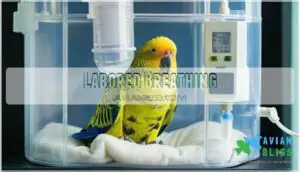
You’ll spot labored breathing when your bird’s chest moves dramatically with each breath.
This dyspnea signals serious respiratory distress requiring immediate attention.
Evaluating severity helps determine oxygen needs – watch for open-mouth breathing and tail bobbing.
Tachypnea often precedes dangerous situations where cannulation techniques or bronchodilator use become necessary.
Anesthesia benefits severely distressed birds by reducing anxiety.
Nasal Discharge

Nasal discharge in birds signals respiratory trouble that demands immediate attention.
You’ll notice clear, cloudy, or colored fluid from your bird’s nostrils, indicating various underlying causes requiring specific diagnostic tests and treatment options.
Watch for these discharge characteristics:
- Clear fluid suggests viral infections
- Thick, yellow discharge indicates bacterial problems
- Bloody discharge warns of serious complications
Tail Bobbing

When you notice your bird’s tail bobbing rhythmically with each breath, you’re witnessing a clear sign of respiratory distress.
This motion indicates your feathered friend is working harder to breathe, often signaling lower respiratory tract involvement.
Evaluating severity becomes paramount—rapid, pronounced tail bobbing suggests urgent veterinary attention is needed. This symptom substantially impacts prognosis when combined with other sick bird signs.
Voice Changes

Your bird’s voice acting like a scratchy radio? Voice changes signal tracheal compression or syrinx disorders affecting your feathered friend’s vocal cords.
Hoarseness causes range from vocal cord lesions to avian respiratory disease.
When treating bird illness, diagnostic laryngoscopy helps pinpoint the problem.
Don’t ignore these changes—they’re red flags for bird respiratory infection requiring immediate avian respiratory treatment attention.
Diagnostic Approaches
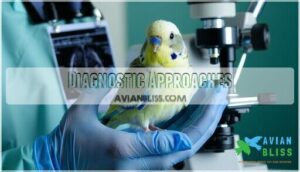
When you suspect your bird has respiratory problems, you’ll need a systematic approach to pinpoint the exact cause and severity.
Your veterinarian will combine physical examination techniques, diagnostic imaging, blood work, and specialized procedures to create a complete picture of your bird’s respiratory health.
Clinical Examination
Your vet will start with a cage-side assessment, watching your bird’s breathing patterns before handling.
Proper restraint techniques minimize stress while allowing thorough auscultation findings.
The choanal examination reveals upper respiratory tract health.
This clinical examination helps establish differential diagnosis for avian respiratory disease, distinguishing between bacterial, fungal, or viral avian respiratory infections through a systematic diagnostic approach to identify the cause of respiratory disease.
Imaging Techniques
Advanced imaging provides the clearest picture of your bird’s respiratory health.
Radiograph interpretation reveals air sac changes, while CT scan benefits include detecting subtle lung abnormalities radiographs might miss.
Fluoroscopy uses real-time imaging for dynamic assessment, and endoscopic imaging allows direct visualization of airways.
Image-guided biopsy guarantees accurate tissue sampling, and these diagnostic approaches form your diagnostic workup foundation, which is thorough.
Blood Tests
Following imaging, your vet will order thorough blood tests to pinpoint the exact cause of your bird’s respiratory distress.
These diagnostic workup procedures reveal infection markers and overall health status that imaging can’t detect.
Here’s what avian diagnostics typically include:
- CBC Interpretation – White blood cell counts indicate bacterial or viral infections
- Biochemistry Panels – Liver and kidney function assessment during illness
- Chlamydia Testing – Specific screening for psittacosis in symptomatic birds
- Sample Collection – Proper blood draw techniques minimize stress
- Avian Respiratory Disease Diagnosis – Combined results guide targeted treatment plans
Specialized Procedures
When your bird’s condition requires deeper investigation, specialized procedures become essential diagnostic tools.
These advanced techniques help pinpoint respiratory problems that standard tests might miss.
| Procedure | Purpose | Method |
|---|---|---|
| Sinus Flush | Clear nasal passages | Warmed saline irrigation |
| Air Sac Cannulation | Emergency breathing aid | Tube placement through chest |
| Tracheal Lung Lavage | Collect respiratory samples | Sterile saline wash |
| Endoscopic Biopsy | Visual tissue examination | Camera-guided sampling |
Treatment Options
Once you’ve identified your bird’s respiratory condition, you’ll need to select the right treatment approach based on the specific cause and severity.
Your veterinarian will choose from antibiotics for bacterial infections, antifungal medications for conditions like aspergillosis, anti-parasitic drugs for mites or worms, or specialized nebulization therapy to deliver medications directly to your bird’s respiratory system.
Antibiotic Therapies
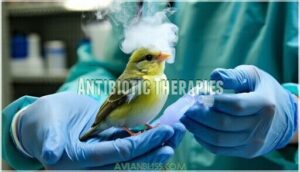
Once you’ve identified bacterial infections through diagnostic testing, antibiotics become your primary weapon against avian respiratory disease.
Enrofloxacin use targets gram-negative bacteria effectively, while doxycycline dosage protocols work best for Chlamydia and Mycoplasma infections.
Bacterial infection severity determines treatment duration—mild cases need shorter courses than chronic infections.
Combination therapy with probiotic support helps prevent resistance concerns while maintaining gut health during treatment.
Antifungal Medications
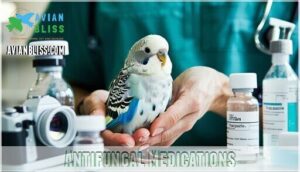
Fungal infections like aspergillosis in birds require targeted antifungal treatment.
Itraconazole efficacy makes it the go-to systemic antifungal for most cases, while Amphotericin B works for severe infections, and nebulized clotrimazole delivers medication directly to your bird’s respiratory system.
You’ll need to watch for resistance development during treatment, as these antifungal drugs pack a punch against stubborn fungal infections, making antifungal treatment crucial for recovery.
Anti-Parasitic Drugs
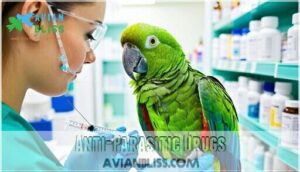
Several antiparasitic drugs effectively combat parasitic infections in birds.
Ivermectin use at 0.2-0.4 mg/kg treats air sac mites, while moxidectin offers similar results.
For gapeworm treatment, consider fenbendazole at 20-50 mg/kg.
Dosage considerations are essential—too little won’t work, too much causes toxicity.
Watch for drug interactions with other medications your bird’s taking.
Nebulization Therapy
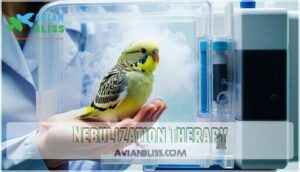
Nebulization therapy delivers medication directly to your bird’s respiratory system using specialized equipment.
You’ll need proper nebulizer solutions like diluted antibiotics or antifungal medications.
Administration techniques require placing your bird in a clear chamber for 10-15 minutes.
Device maintenance involves thorough cleaning between sessions.
Consider purchasing nebulization products for effective treatment efficacy.
Treatment efficacy depends on consistent therapy duration and proper respiratory therapy protocols for ideal avian respiratory therapy results, ensuring the best possible avian respiratory therapy.
Managing Respiratory Disease
Once you’ve identified and treated your bird’s respiratory condition, successful management requires consistent environmental control, proper nutrition, and ongoing veterinary monitoring.
You’ll need to maintain clean air quality, reduce stress factors, and schedule regular check-ups to prevent recurring infections and guarantee your feathered friend’s long-term respiratory health.
Environmental Changes
Your bird’s environment plays a vital role in respiratory recovery.
Ventilation improvement removes stagnant air while humidity control prevents fungal growth.
Remove environmental toxins like aerosol sprays, cigarette smoke, and overheated non-stick cookware immediately.
Proper airflow, including adequate cage ventilation, is also essential.
Temperature stability reduces immune stress, and air quality monitoring helps identify environmental irritants.
These environmental modifications create healing conditions your feathered friend desperately needs, ensuring a stable and healthy environment.
Dietary Modifications
Proper nutrition strengthens your bird’s immune defenses against respiratory infections.
All-seed diets lack Vitamin A, creating nutritional deficiencies that weaken respiratory tract tissues.
Switch to pellets, fresh vegetables, and fruits for thorough nutrition.
Orange vegetables like carrots provide natural Vitamin A.
Consider dietary supplements if hypovitaminosis A occurs.
Quality bird diet with seed alternatives supports immune function and faster recovery, ensuring your bird receives proper nutrition.
Stress Reduction
Alongside dietary changes, minimizing stress accelerates recovery from avian respiratory disease.
Stressed birds struggle more with infections and healing.
Your stress reduction approach should include:
- Calming Techniques: Speak softly and move slowly around your bird’s cage environment
- Handling Methods: Limit unnecessary physical contact during treatment periods
- Social Interaction: Maintain familiar routines while reducing overstimulation
- Minimize Changes: Keep cage placement and daily schedules consistent throughout avian supportive care
Regular Check-Ups
Scheduling routine veterinary visits creates your bird’s health safety net.
Early detection through preventative care catches avian respiratory disease before symptoms worsen.
Your vet’s trained eye spots subtle changes you might miss during health monitoring sessions, which is crucial for preventative care and allows for a proactive approach to avian veterinary care.
This proactive approach to avian veterinary care transforms potential emergencies into manageable treatments, giving you control over your feathered friend’s respiratory prevention and overall wellbeing.
Respiratory Disease Prevention
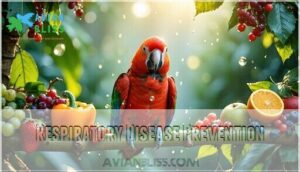
You can protect your bird from respiratory illness by maintaining proper ventilation, keeping their environment spotless, and providing a balanced diet rich in vitamin A.
Think of prevention as your bird’s first line of defense—it’s much easier than treating a sick bird who’s already struggling to breathe, which is why a balanced diet is crucial.
Proper Ventilation
Fresh air circulation acts like a protective shield against avian respiratory disease.
Your bird’s breathing depends on proper ventilation systems that maintain prime airflow optimization throughout their living space.
Here’s your ventilation checklist for respiratory disease prevention:
- Position cages away from kitchens and bathrooms for toxin removal
- Install ceiling fans for consistent airflow optimization
- Monitor humidity control between 40-60% levels
- Guarantee strategic cage placement near windows but away from drafts
- Use air purifiers with HEPA filters for enhanced bird environment quality
Proper ventilation is crucial for maintaining a healthy environment, and by following these steps, you can ensure your bird’s living space has the best possible air quality, acting as a protective shield and providing prime airflow optimization.
Clean Environments
Maintaining spotless bird environments requires daily waste removal and weekly cage sanitation to prevent respiratory infections.
You’ll want to avoid harsh disinfectants that can weaken your bird’s immune system—mild solutions work better.
Focus on proper air quality through regular cleaning rather than chemical overload.
Simple hygiene protocols like replacing cage liners and washing food bowls create healthier breathing conditions.
Regular maintenance is crucial for the bird’s overall health, and following these simple hygiene protocols can significantly improve the environment.
Balanced Diet
Your bird’s nutrition directly impacts respiratory health more than you might realize.
All-seed diets create dangerous Vitamin A deficiency, weakening immune system support against infections.
Choose seed alternatives like pellets, fresh vegetables, and fruits for balanced bird nutrition.
Consider dietary supplements and vitamin supplementation after consulting your vet.
Proper calcium intake also strengthens your feathered friend’s overall immunity.
Regular Grooming
Good nutrition sets the foundation, but grooming keeps your bird’s defenses strong against avian respiratory disease.
Clean feathers trap fewer pathogens, while proper hygiene reduces infection risks that compromise bird respiratory health.
Maintaining proper nail length with specialized avian tools is vital for their well-being.
Essential grooming practices for respiratory disease prevention:
- Feather Health – Regular preening removes dust and allergens that irritate airways
- Nail Trimming – Prevents scratches that create infection entry points
- Beak Maintenance – Clean beaks improve breathing and reduce bacterial buildup
- Bathing Benefits – Weekly baths wash away respiratory irritants and support overall avian health
Common Respiratory Infections
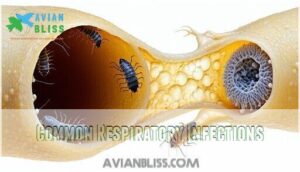
You’ll encounter four main respiratory infections in birds: aspergillosis from fungal spores, psittacosis from bacterial transmission, air sac mites that burrow into breathing passages, and gapeworms that block the trachea.
Each infection presents distinct symptoms and requires specific treatment approaches, so identifying the culprit quickly can mean the difference between a full recovery and a trip to the emergency vet.
Aspergillosis
Aspergillosis strikes when your bird inhales spores from Aspergillus species lurking in moldy bedding or damp environments.
This sneaky Aspergillus fungus targets weakened birds with compromised immune responses.
You’ll need antifungal drugs like itraconazole for months—yes, months.
Treatment duration depends on severity, while prognosis factors include early detection and your bird’s overall health when aspergillosis in birds develops.
Psittacosis
Chlamydophila psittaci causes psittacosis, a serious zoonotic avian respiratory disease affecting parrots and other birds.
You’ll face diagnostic challenges since carrier birds often show no symptoms while spreading infection.
Implement strict quarantine protocols for new birds and seek immediate veterinary care if respiratory signs appear.
Doxycycline treatment remains the gold standard, requiring 30-45 days under professional supervision.
Air Sac Mites
Moving beyond bacterial threats, air sac mites present unique diagnosis challenges for bird owners.
These microscopic parasites target your bird’s respiratory system, causing devastating air sacculitis if untreated.
- Transmission routes: Direct contact between infected birds or contaminated environments
- Mite life cycle: Complete development occurs within host’s respiratory tract
- Ivermectin dosage: Veterinary-prescribed treatment targeting adult parasites
- Preventative measures: Quarantine new birds, maintain clean habitats
- Treatment methods: Anti-parasitic medications combined with supportive care
Gapeworms
Within the depths of your bird’s respiratory system, gapeworms create havoc by attaching directly to tracheal walls.
These blood-red parasites follow a complex gapeworm lifecycle, migrating from bowel to lungs before reaching their final destination.
| Stage | Timeline | Location |
|---|---|---|
| Larval migration | Days 1-5 | Bowel to lungs |
| Tracheal attachment | Day 7 | Upper respiratory tract |
| Egg production | Day 12+ | Mature worms in trachea |
Diagnosis methods include detecting bipolar eggs in feces and observing characteristic gasping behavior.
Treatment options involve antiparasitic drugs like Flubenvet, targeting the entire flock.
Prevention strategies focus on reducing stocking density and maintaining clean environments to break the transmission cycle of these persistent bird parasites.
Veterinary Care and Support
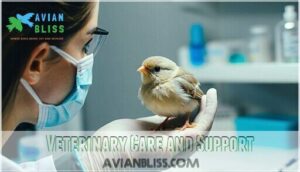
When your bird shows signs of respiratory distress, you’ll need an experienced avian veterinarian who can quickly diagnose the problem and provide emergency care if needed.
Your vet will create a treatment plan that includes ongoing monitoring, medication adjustments, and follow-up visits to guarantee your feathered friend recovers completely.
Experienced Veterinarians
When your bird shows respiratory symptoms, finding the right veterinarian makes all the difference.
Look for practitioners with specialized knowledge in avian medicine who understand unique diagnostic skills needed for birds.
Experienced avian vets stay current through continued learning about treatment options and avian treatment protocols.
Their veterinarian expertise guarantees proper avian veterinary care when respiratory disease strikes, ensuring they have the latest treatment options.
Emergency Care
When your bird’s in respiratory crisis, every second counts.
Oxygen therapy can buy precious time while you rush to the vet.
Watch for these emergency warning signs:
- Open-mouth breathing with visible distress
- Blue-tinged beak or feet (cyanosis)
- Inability to perch or stand upright
- Silent, labored breathing without normal sounds
- Collapse or unconsciousness
Veterinarians may perform air sac cannulation, intubation, or administer bronchodilators during avian emergency situations.
Ongoing Monitoring and Treatment
Recovery isn’t a destination—it’s an ongoing journey requiring vigilant symptom tracking and medication adjustments.
You’ll monitor your bird’s breathing patterns, appetite, and energy levels daily. Regular vet visits guarantee relapse prevention through modified treatment protocols.
Long-term care focuses on maintaining quality of life while managing chronic avian respiratory disease. Consistent respiratory treatment prevents setbacks, ensuring a better quality of life.
Frequently Asked Questions (FAQs)
How successful is the treatment of respiratory diseases in birds?
Treatment success depends heavily on early detection and proper diagnosis.
You’ll see better outcomes with bacterial infections than fungal ones.
Quick veterinary intervention, appropriate medications, and supportive care substantially improve your bird’s recovery chances.
Are avian respiratory problems a problem?
Yes, you’ll face significant challenges with avian respiratory problems.
They’re common, progress rapidly, and can be fatal without prompt treatment.
Early detection and proper veterinary care are essential for your bird’s survival and recovery.
How is respiratory distress diagnosed in avian patients?
You’ll spot respiratory distress through cage-side observation first – watch for tail bobbing, open-mouth breathing, and labored abdominal effort.
Your vet will then perform gentle auscultation, blood tests, and radiographs for confirmation.
Can you take antibiotics if a bird has a respiratory infection?
No, you shouldn’t take antibiotics meant for your bird’s respiratory infection.
Avian medications are specifically formulated for birds and can be dangerous for humans.
Contact your doctor if you’re experiencing respiratory symptoms.
What should be done if a bird is in respiratory distress?
Immediately provide supplemental oxygen if available, minimize handling to reduce stress, and get your bird to an avian veterinarian urgently. Keep the environment warm, quiet, and well-ventilated while transporting safely.
What is the avian respiratory tract?
Your bird’s respiratory tract includes the nares, sinuses, trachea, lungs, and unique air sacs that create efficient oxygen flow.
Unlike mammals, birds breathe through a one-way system that maximizes oxygen extraction during flight, utilizing their respiratory system for efficient oxygen flow.
How do you treat respiratory disease in birds?
Treating your feathered friend’s breathing problems requires prompt veterinary care. You’ll need antibiotics for bacterial infections, antifungals for aspergillosis, and nebulization therapy. Oxygen support and environmental improvements help recovery tremendously.
How to help a bird with respiratory problems at home?
Ironically, while you can’t cure respiratory disease at home, you can provide supportive care.
Keep your bird warm, make certain good ventilation, remove irritants like smoke.
Seek immediate veterinary attention for proper treatment.
What is the best medicine for respiratory infection?
Veterinary prescription antibiotics like enrofloxacin or doxycycline work best for bacterial infections, while antifungal medications like itraconazole treat fungal issues. You’ll need professional diagnosis first—don’t guess with over-the-counter remedies.
What is the best antibiotic for bird respiratory infection?
Enrofloxacin and doxycycline are your go-to antibiotics for bird respiratory infections.
Your vet will choose based on the specific bacteria involved.
Don’t guess—proper diagnosis guarantees you’re giving the right medicine for effective treatment.
Conclusion
Think of treating avian respiratory disease like tending a delicate flame—vigilance keeps it burning bright.
You’ve learned that early detection saves lives, proper diagnosis guides treatment, and prevention beats cure every time.
Whether you’re dealing with bacterial, fungal, or parasitic infections, the right approach makes all the difference.
Your bird’s respiratory health depends on clean environments, prompt veterinary care, and your commitment to watching for warning signs.
Stay alert, act quickly, and breathe easier knowing you’re prepared to take the necessary steps for your bird’s health, emphasizing the importance of proper diagnosis.