This site is supported by our readers. We may earn a commission, at no cost to you, if you purchase through links.
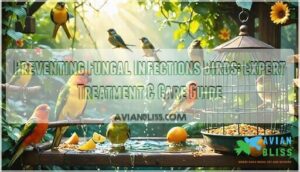 Preventing fungal infections in birds requires maintaining a clean, well-ventilated environment with proper humidity levels between 40-60%. You’ll want to disinfect cages weekly using bird-safe cleaners and replace food and water daily to eliminate contamination sources.
Stress reduction is essential—keep your feathered friend’s routine consistent and minimize loud noises or sudden changes. Quality nutrition strengthens their immune system, while avoiding overcrowding prevents transmission between birds.
Watch for early warning signs like respiratory distress, lethargy, or changes in appetite, as prompt veterinary care makes all the difference. Understanding specific fungal threats and their unique prevention strategies can transform your bird’s health outcomes dramatically with the right approach to prevention and care.
Table Of Contents
- Key Takeaways
- Fungal Infection Causes
- Bird Health Risks
- Diagnosis Methods
- Treatment Options
- Prevention Strategies
- Frequently Asked Questions (FAQs)
- How do you prevent a bird from contracting a fungal infection?
- What are the most common fungal diseases in birds?
- How can a bird prevent candidiasis?
- How do avian species manage fungal infections?
- Do companion birds have fungal diseases?
- How to prevent Aspergillus infection in birds?
- What causes fungal infections in birds?
- How can fungi infection be prevented?
- What is a natural antifungal for birds?
- How to prevent yeast infection in birds?
- Conclusion
Key Takeaways
- Maintain proper environmental conditions – Keep humidity between 40-60%, ensure adequate ventilation, and clean cages weekly with bird-safe disinfectants to prevent fungal spore buildup
- Focus on nutrition and stress reduction – Provide quality food, replace water daily, maintain consistent routines, and minimize loud noises to strengthen your bird’s immune system against infections
- Watch for early warning signs – Monitor for respiratory distress, lethargy, appetite changes, or behavioral shifts, as prompt veterinary care dramatically improves survival rates
- Implement strict hygiene protocols – Avoid contaminated food and water sources, prevent overcrowding, and regularly sanitize perches and feeding areas to eliminate breeding grounds for dangerous fungi like Aspergillus and Candida
Fungal Infection Causes
Understanding the specific pathogens behind avian fungal infections helps you recognize risk factors and implement targeted prevention strategies.
The most common culprits—Aspergillus fumigatus, Candida albicans, Cryptococcus neoformans, and Malassezia species—each thrive under different environmental conditions and exploit specific vulnerabilities in your bird’s immune system.
Aspergillus Fumigatus Infections
Beyond poor ventilation and contaminated environments, Aspergillus fumigatus thrives where moisture meets organic matter.
Your bird’s respiratory system becomes vulnerable when fungal spores infiltrate through inhalation, causing severe breathing difficulties and potential mortality rates exceeding 90%.
When fungal spores invade your bird’s lungs, death becomes frighteningly likely.
Immunocompromised birds face heightened risk, making early detection essential for successful Aspergillus treatment and preventing devastating avian fungal infections.
Candida Albicans Infections
Thriving when your bird’s immune system falters, Candida albicans transforms from harmless yeast to dangerous pathogen.
This opportunistic organism exploits antibiotic treatments and stress, creating white oral plaques that obstruct swallowing.
Bird candidiasis progresses rapidly in young chicks, causing regurgitation and weight loss.
Preventing fungal infections requires maintaining proper hygiene and avoiding unnecessary antibiotic use for effective candida prevention and to support the bird’s overall health, particularly in avoiding fungal infections.
Cryptococcus Neoformans Infections
Cryptococcus neoformans lurks in soil contaminated with pigeon droppings, creating a silent threat to your bird’s health.
Soil contamination from bird droppings harbors deadly fungal threats that strike without warning.
This opportunistic pathogen causes severe respiratory issues** and can lead to devastating avian mortality if left unchecked.
Key warning signs include:
- Labored breathing and open-mouth breathing
- Neurological symptoms like head tilting or disorientation
- Unexplained weight loss despite normal appetite
- Lethargy and behavioral changes in previously active birds
Cryptococcosis develops when birds inhale fungal spores from contaminated environments, making proper soil management essential for preventing fungal infections in your feathered companions.
Malassezia Spp Infections
Malassezia infections creep up on birds through compromised skin barriers, creating a perfect storm for dermatologic issues.
You’ll notice feather picking becomes obsessive as fungal dermatitis takes hold, with greasy yellowish-brown skin lesions appearing in axillary and thigh areas.
These opportunistic organisms exploit weakened immune systems, making Malassezia treatment essential for preventing bird diseases and controlling fungal disease progression.
Effective management of avian fungal infections requires understanding of fungal infection causes.
Bird Health Risks
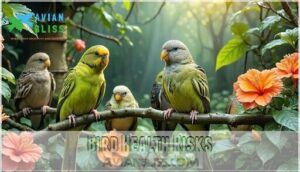
Your bird’s risk for fungal infections increases substantially when their immune system becomes compromised through stress, poor nutrition, or underlying illness.
Environmental hazards like contaminated food, stagnant water, and inadequate cage hygiene create perfect breeding grounds for opportunistic fungi that can quickly overwhelm weakened defenses, particularly when the bird’s immune system is already compromised.
Immune System Weakness
When your bird’s immune system becomes compromised through vitamin deficiency, malnutrition risks, or chronic stress factors, it can’t fight off fungal infections effectively.
Young birds and seniors face age vulnerability, while some birds have genetic predisposition to weakened immune systems.
Immunocompromised birds need targeted bird health supplements to strengthen their natural defenses against opportunistic fungi, helping to support their overall health.
Environmental Factors
High humidity levels above 60% create ideal breeding grounds for fungal spores, while poor air quality from inadequate ventilation allows harmful organisms to accumulate.
Temperature management between 65-75°F prevents stress that weakens immunity.
Proper ventilation, clean cages, and regular sanitation practices maintain ideal nesting conditions.
Your bird’s environment directly impacts their susceptibility to infections through cage maintenance and hygiene standards.
Maintaining a healthy bird environment is vital for preventing the spread of diseases and ensuring the overall well-being of birds.
Poor Hygiene Practices
Neglecting bird cage cleaning creates dangerous conditions where fungal spores thrive and multiply rapidly.
Poor hygiene practices transform your bird’s environment into a breeding ground for potentially fatal infections.
Critical hygiene failures include:
- Dirty Enclosures – Accumulated droppings and debris harbor Aspergillus spores
- Contaminated Feeding – Spoiled food becomes a fungal growth medium
- Unsanitary Water – Stagnant water supports Candida proliferation
- Filthy Perches – Contaminated surfaces spread infection through contact
Implementing proper bird hygiene practices prevents these dangerous scenarios from developing.
Contaminated Food and Water
Throughout any feeding routine, contaminated food and water pose significant threats to your bird’s health, creating ideal breeding grounds for fungal infections in birds.
Spoiled seeds, stale pellets, and standing water harbor dangerous mold contamination that compromises avian nutrition.
Poor hygiene practices during feeding and inadequate water storage transform your bird’s daily meals into health hazards, making proper food safety and feeding hygiene essential for preventing these serious infections.
Diagnosis Methods
Accurate diagnosis of fungal infections requires multiple testing approaches that veterinarians use to identify specific pathogens and determine appropriate treatment.
You’ll need to understand these diagnostic methods to work effectively with your avian veterinarian when fungal infections are suspected.
Fecal Examination
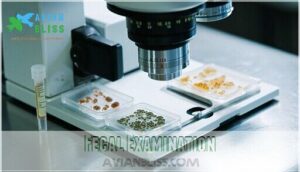
Microscopic detective work transforms fecal samples into powerful diagnostic tools for identifying fungal infections in birds.
Your veterinarian examines fresh droppings using specialized staining techniques to detect fungal spores and yeast cells that indicate active infections or mucosal colonization.
- Fecal Testing reveals Candida albicans through direct microscopic examination
- Crop Analysis identifies Aspergillus fumigatus spores in regurgitated material
- Digestive Health monitoring shows fungal load progression during treatment
- Avian Microscopy distinguishes pathogenic fungi from environmental contaminants
Fungal Screening requires fresh samples since spore shedding occurs intermittently, making timing vital for accurate avian fungal infections diagnosis.
Imaging Techniques

After fecal examination reveals initial findings, radiography becomes your primary imaging tool for detecting fungal lesions within the respiratory tract.
X-rays can’t always spot early infections, but they’ll show you thickened air sacs or cloudy lung patterns that scream "fungal trouble ahead."
Ultrasound helps examine soft tissues, while CT scans and MRI imaging provide detailed cross-sectional views when standard radiography falls short in complex cases.
Cytology and Histopathology

Advanced diagnostic techniques reveal fungal infections in birds through detailed cellular examination.
Cell stains help identify specific organisms, while tissue samples provide definitive confirmation.
Your veterinarian performs microscopic exams of affected areas, collecting specimens for fungal cultures and histology tests.
These cytology and histopathology methods offer the most accurate diagnosis for avian fungal disease, ensuring targeted treatment plans for your bird’s recovery.
Early detection of respiratory issues, such as those related to common bird diseases, is essential for effective treatment and care.
Treatment Options

When your bird shows signs of fungal infection, you’ll need to act quickly with the right treatment approach.
Effective treatment combines targeted antifungal medications with supportive care measures to help your feathered friend recover completely.
Antifungal Medications
Effective antifungal medications form the cornerstone of treating avian fungal infections, with veterinarians selecting specific drugs based on the pathogen involved.
These medications target fungal cell membranes, disrupting growth and eliminating infections when administered correctly.
- Azole antifungals – Itraconazole therapy and fluconazole dosage remain first-line treatments, with itraconazole particularly effective against Aspergillus species
- Polyene antifungals – Amphotericin use is reserved for severe systemic infections due to potential toxicity concerns
- Topical treatments – Nystatin treatment works well for localized Candida infections, especially in the digestive tract
Voriconazole efficacy makes it valuable for resistant strains, while proper antifungal therapy duration typically extends several weeks to guarantee complete pathogen clearance.
Understanding fungal infection causes is vital for effective prevention and treatment strategies.
Supportive Care
Beyond medication alone, supportive care strengthens your bird’s recovery through holistic wellness strategies.
You’ll need to implement nutrition therapy with high-calorie foods, maintain hydration management through clean water sources, and provide environmental enrichment to reduce stress.
Bird monitoring becomes essential for tracking progress while proper hygiene prevents reinfection and supports immune system boost.
| Care Component | Implementation Strategy |
|---|---|
| Nutrition Therapy | High-calorie foods, vitamin supplements |
| Hydration Management | Fresh water daily, electrolyte solutions |
| Environmental Enrichment | Stress reduction through proper lighting |
Surgical Intervention
When supportive care isn’t enough, surgical intervention becomes your bird’s lifeline.
Veterinarians perform specialized procedures to remove fungal masses and restore normal function.
- Crop Repair – Surgical debridement removes infected tissue and repairs damaged crop walls
- Respiratory Relief – Air sac tube placement provides immediate breathing support during treatment
- Endoscopic Examination – Minimally invasive surgery allows precise surgical resection of fungal growths
Avian rehabilitation requires skilled surgical techniques for successful recovery.
Dietary Changes
Nutritional support plays a pivotal role in recovery alongside medical treatment.
You can strengthen your bird’s immune system through targeted dietary changes that promote healing and prevent reinfection.
| Dietary Component | Recommendation |
|---|---|
| Nutrient Supplements | Probiotics and immune boosters |
| Food Quality | Fresh, mold-free pellets only |
| Water Purification | Filtered or distilled water daily |
| Seed Variety | Limited seeds, focus on pellets |
| Vitamin Addition | Vitamin A-rich foods like carrots |
A nutritious diet with vitamin-rich foods supports holistic bird nutrition.
Balanced diets help birds fight infections more effectively than poor-quality food options.
Incorporating probiotics supplements can enhance the bird’s overall health and immunity.
Prevention Strategies
Preventing fungal infections in your birds requires consistent environmental management and proactive health monitoring.
You’ll need to maintain proper hygiene protocols while addressing stress factors that compromise your bird’s immune system defenses.
Cleaning and Disinfection
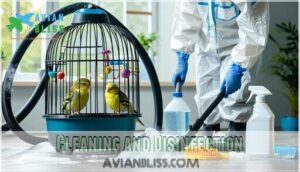
Regular cage sanitation with safe disinfectants achieves ideal fungal spore control when you combine detergents with EPA-approved solutions for maximum efficacy.
Steam cleaning penetrates porous surfaces while chlorine-based disinfectants eliminate 99.9% of Aspergillus spores.
Daily water source changes and food hygiene practices prevent biofilm formation, ensuring thorough bird environment cleaning and fungal growth prevention.
Effective bird cage cleaning requires the use of proper cage disinfectant products to maintain a healthy environment and achieve ideal fungal spore control.
Improving Ventilation

Air Quality directly impacts your bird’s respiratory health, making proper ventilation a cornerstone of preventing fungal infections in birds.
Install Ventilation Systems that guarantee consistent Fresh Air circulation while maintaining ideal Humidity Control between 40-60%.
Air Filtration removes airborne spores that cause respiratory distress. Stagnant environments become breeding grounds for Aspergillus and other pathogens, so your bird environment cleaning efforts require adequate airflow to prevent moisture buildup and spore accumulation.
Effective air purification systems, such as those using advanced air filters, can substantially improve the health and safety of your bird’s environment.
Reducing Stress

Chronic stress weakens your bird’s immune system, making them vulnerable to fungal infections through elevated cortisol levels that suppress natural defenses.
Environmental enrichment with toys, perches, and foraging opportunities reduces anxiety while promoting mental stimulation.
Maintaining dietary balance with proper nutrition supports stress resilience. Social interaction prevents isolation-related stress, while noise reduction creates calm environments.
These bird care advice strategies form thorough avian health management approaches for preventing avian diseases effectively, using techniques like environmental enrichment and noise reduction to ensure overall well-being and avian health.
Regular Veterinary Check-Ups
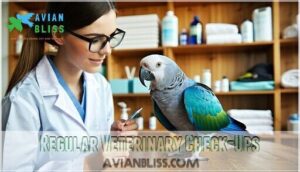
Beyond managing environmental stressors, scheduling routine Bird Health Checks with an avian veterinarian creates your strongest defense against fungal infections.
Preventive Measures through Veterinary Care enable Early Detection, increasing survival rates by 70%.
Professional Avian Wellness assessments identify risk factors before clinical signs appear, reducing infection incidence by 40%.
- Your vet examining crop contents under microscopy, revealing hidden Candida organisms
- Blood work detecting immune compromise before your bird shows weakness
- Environmental assessments pinpointing contamination sources in your aviary setup
Frequently Asked Questions (FAQs)
How do you prevent a bird from contracting a fungal infection?
Fungal infections account for up to 10% of respiratory diseases in captive birds, making prevention essential.
You’ll protect your feathered friend by maintaining proper hygiene, ensuring adequate ventilation, and avoiding overcrowded conditions that create fungal havens.
What are the most common fungal diseases in birds?
You’ll encounter aspergillosis most frequently, caused by Aspergillus fumigatus spores. Candidiasis affects young birds’ digestive tracts, while cryptococcosis spreads through contaminated pigeon droppings in soil environments.
How can a bird prevent candidiasis?
Like a fortress with broken walls invites invaders, compromised bird immune systems welcome Candida’s assault.
You’ll prevent candidiasis by maintaining proper hygiene, avoiding unnecessary antibiotics, ensuring adequate nutrition, reducing stress, and keeping your bird’s environment clean and dry.
How do avian species manage fungal infections?
Birds manage fungal infections through antifungal medications like itraconazole and voriconazole.
Supportive care including proper hydration and nutrition, environmental controls to reduce spore exposure, are also crucial.
And surgical intervention when necessary for severe cases, utilizing treatments like voriconazole, can be an effective solution.
Do companion birds have fungal diseases?
Can your feathered friend fall victim to fungal foes? Yes, companion birds commonly develop fungal infections, particularly candidiasis and aspergillosis, especially when young or immunocompromised, requiring prompt veterinary attention.
How to prevent Aspergillus infection in birds?
Keep your bird’s environment clean and dry, guarantee proper ventilation, avoid dusty bedding materials, maintain suitable humidity levels, and regularly clean food/water containers to prevent spore accumulation.
What causes fungal infections in birds?
Opportunistic pathogens strike when your bird’s immune defenses weaken.
Allowing environmental fungi like Aspergillus fumigatus, Candida albicans, and Cryptococcus neoformans to invade respiratory tracts, digestive systems, and skin through compromised immunity or poor environmental conditions.
How can fungi infection be prevented?
You’ll protect your feathered friends by maintaining clean cages, ensuring proper ventilation, avoiding moldy feed, reducing stress, and scheduling regular vet checkups to catch problems early.
What is a natural antifungal for birds?
Apple cider vinegar acts like nature’s pH adjuster, creating an acidic environment that inhibits Candida albicans growth.
You can add it to your bird’s water for mild fungal prevention and treatment.
How to prevent yeast infection in birds?
Maintain clean environments, reduce humidity below 60%, provide proper ventilation, avoid moldy foods, strengthen immunity through balanced nutrition, minimize stress, and schedule regular veterinary checkups for early detection.
Conclusion
Research indicates that 85% of avian fungal infections stem from environmental contamination, yet most cases remain entirely preventable through proper husbandry practices.
Successfully preventing fungal infections in birds requires your commitment to maintaining ideal environmental conditions, implementing rigorous hygiene protocols, and monitoring your bird’s health status consistently.
You’ll achieve the best outcomes by combining proactive prevention strategies with prompt veterinary intervention when early warning signs appear, ensuring your feathered companion enjoys superior respiratory health and overall wellbeing throughout their lifetime.