This site is supported by our readers. We may earn a commission, at no cost to you, if you purchase through links.
Most parasitic infections don’t announce themselves with a dramatic moment—instead, they whisper through your body with symptoms you might dismiss as stress, a lingering flu, or just getting older. That persistent digestive trouble, unexplained fatigue, or skin irritation you’ve been ignoring could actually signal an unwelcome guest that’s disrupting your body’s normal function, affecting everything from nutrient absorption to immune response.
Recognizing signs of parasitic infection requires understanding how these organisms operate, because parasites have evolved complex strategies to evade your body’s defenses while quietly stealing resources or causing inflammation. The challenge isn’t just that symptoms can be vague—it’s that they often mimic other common conditions, which means many infections go undiagnosed for months or even years.
Learning to identify the specific patterns and combinations of symptoms that suggest parasitic involvement gives you the knowledge to seek appropriate testing and treatment before complications develop.
Table Of Contents
- Key Takeaways
- What Are Parasitic Infections?
- Key Physical Signs of Parasitic Infection
- Recognizing Behavioral and Systemic Symptoms
- How Parasites Are Transmitted
- Steps to Take if You Suspect Infection
- Frequently Asked Questions (FAQs)
- How can I tell if I have a parasite infection?
- What does stool look like with a parasite infection?
- What can be mistaken for parasites?
- How are parasitic infections detected?
- How long do parasitic infections typically last?
- Can parasites be transmitted through sexual contact?
- What age groups are most vulnerable to parasites?
- Are there natural remedies for parasitic infections?
- Can pets transmit parasites to their owners?
- Do parasites always cause noticeable symptoms immediately?
- Conclusion
Key Takeaways
- Parasitic infections often present with vague symptoms like chronic fatigue, digestive issues, and skin changes that mimic common conditions, which means many cases go undiagnosed for months or years without proper testing.
- Your risk increases significantly if you have a weakened immune system, poor sanitation exposure, or travel to endemic regions, and children under 14 face the highest vulnerability due to developing immunity and hygiene habits.
- Diagnosis requires multiple approaches, including stool analysis over several days, blood serology for tissue parasites, and PCR testing for low-level infections, since parasites often shed intermittently and don’t always appear in standard tests.
- Prevention after treatment demands rigorous infection control—washing bedding in hot water, disinfecting high-touch surfaces daily, and practicing strict food safety—because reinfection occurs easily without consistent hygiene measures across your entire household.
What Are Parasitic Infections?
Parasitic infections occur when organisms like protozoa, helminths, or ectoparasites take up residence in or on your body, drawing nutrients at your expense. These unwelcome guests range from microscopic single-celled protozoa to visible worms several inches long, and they can affect nearly every organ system.
Birds face similar respiratory threats, and understanding symptoms like cockatiel coughing and breathing difficulties can help owners distinguish between parasitic, bacterial, and fungal infections.
Understanding what these infections are starts with knowing the common types you might encounter, how they impact your body’s normal functioning, and which circumstances put you most at risk.
Knowing how to prevent avian viruses becomes especially important when managing mixed flocks or living near wild bird populations.
Common Types of Parasites
You’ll encounter three main groups in parasite classification.
Ectoparasites like fleas are among the most common external threats, and while birds can get fleas, they’re typically less affected than mammals.
Protozoa infections like giardia are single-celled organisms causing watery diarrhea and abdominal cramps.
Helminth diseases include intestinal parasites such as tapeworms and roundworms that disrupt nutrient absorption.
Ectoparasite control deals with surface dwellers like lice and mites, which your doctor can identify through physical examination of affected skin areas.
To better understand the types, symptoms, and treatments, explore this overview of common parasitic infections.
How Parasites Affect Hosts
Parasites manipulate your body through their complex life cycle, releasing toxic secretions that trigger inflammation and weaken host immunity over time. Intestinal parasites compete for nutrients, causing depletion that affects energy levels and immune function.
Parasites weaken your body by releasing toxins that trigger inflammation and stealing nutrients that fuel your immune system
Some species cause direct organ damage by burrowing into tissues, while others disrupt gut health through physical attachment to intestinal walls, creating chronic digestive dysfunction.
Pet owners who feed their birds backyard greens should understand which common plants peacocks and related species naturally avoid to prevent accidental toxin exposure.
In addition to these effects, understanding parasite-host ecological relationships reveals how parasites can influence both individual health and broader ecosystems.
Risk Factors for Infection
While parasites can affect anyone, certain conditions increase your vulnerability. Understanding parasite infection risks helps you recognize when infectious disease diagnosis becomes necessary, as public health concerns vary by individual circumstance.
Your susceptibility to parasitic infections increases if you have:
- Weakened immune system from HIV/AIDS, cancer therapies, or immunosuppressive medications
- Age factors like infancy or older adulthood when immunity is immature or declining
- Environmental exposure through contaminated water, poor sanitation, or travel to endemic regions
- Malnutrition risks that lower your body’s defensive capabilities
- Chronic conditions including diabetes or kidney disease that impair healing
Your doctor will recommend screening when these risk factors overlap with symptoms.
If your parrot is not eating and sleeping a lot, early diagnostic testing can help identify underlying health issues before they progress.
Key Physical Signs of Parasitic Infection
Your body often signals parasitic infection through physical changes that can appear suddenly or build gradually over weeks. These signs emerge because parasites disrupt normal bodily functions, from nutrient absorption to immune responses, creating symptoms you can actually see and feel.
The most recognizable physical indicators fall into three main categories that affect your digestive system, skin, and overall nutritional health.
Digestive Symptoms (Diarrhea, Constipation, Pain)

Your gut often sends the first warning signals. Persistent diarrhea or constipation lasting weeks, sometimes alternating between the two, suggests intestinal parasites disrupting normal bowel movements.
You might experience abdominal pain that worsens after meals or at night, accompanied by stomach cramps that don’t connect to specific foods. These digestive issues can indicate parasitic infections affecting your gastrointestinal health, warranting medical evaluation.
Skin Changes (Rashes, Irritation)
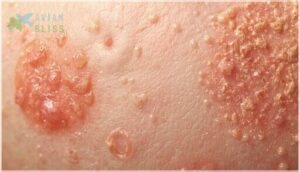
Your skin can reveal what’s happening inside your body, especially when parasitic infection symptoms emerge. Rash patterns and skin irritation often develop as your immune system reacts to intestinal parasites or other parasite infection types.
You may notice persistent itching, eczema-like patches, or hives that resist typical itch management strategies, signaling dermatitis types linked to underlying infection signs rather than common allergies.
Unexplained Weight Loss and Anemia

Malabsorption issues from parasitic infections can trigger unexplained weight loss and anemia symptoms that won’t resolve with rest alone.
When parasites disrupt your intestinal lining, nutrient depletion occurs alongside iron deficiency, since hookworms and whipworms actually feed on blood. You’ll experience digestive problems while weight loss mechanisms accelerate, leaving you pale, breathless, and increasingly fatigued despite eating normally.
Recognizing Behavioral and Systemic Symptoms

Parasites don’t just affect your digestive tract—they can create ripple effects throughout your entire body, influencing how you feel, think, and move each day.
These systemic symptoms often develop gradually, which makes them easy to dismiss as stress or aging, but they’re your body’s way of signaling that something deeper is wrong. Let’s look at three key behavioral signs that warrant your attention and, potentially, a conversation with your doctor.
Chronic Fatigue and Weakness
You might notice your get-up-and-go has completely vanished, and that overwhelming tiredness doesn’t lift even after a full night’s sleep.
Chronic exhaustion from parasitic infections often stems from the parasite’s nutrient theft, which depletes your iron stores and disrupts energy metabolism at the cellular level.
This weakness causes digestive problems to compound, making daily activities feel like climbing a mountain, and your immune recovery stalls as your body fights the ongoing infection.
Mood Changes and Cognitive Effects
Brain fog and anxiety disorders often emerge when parasites disrupt your neurotransmitter balance, creating emotional distress that feels disconnected from life stressors.
Parasitic infections can trigger mood swings and cognitive impairment through inflammatory responses affecting neural pathways, compounding the digestive problems you’re already experiencing. This infectious disease mechanism explains why parasite infection symptoms extend beyond your gut to affect mental clarity and emotional stability.
Muscular and Joint Pain
Your muscles and joints may ache persistently when parasite invasion occurs, triggering immune responses that mimic muscle strain or fibromyalgia.
Parasite infection symptoms include chronic pain that worsens with movement, joint inflammation resembling arthritis, and nerve damage causing numbness—all while digestive issues and fatigue compound your discomfort, making everyday activities unexpectedly challenging.
How Parasites Are Transmitted

Understanding how parasites spread is your first line of defense against infection. These organisms don’t appear out of nowhere—they follow specific pathways from their source to your body, and recognizing these routes helps you take targeted preventive action.
Let’s examine the three primary ways parasites reach new hosts, from the water you drink to the surfaces you touch.
Contaminated Food and Water
You’re most likely to pick up intestinal parasites through contaminated food and water, which serve as primary transmission routes for infectious diseases.
Foodborne parasitic infection symptoms often trace back to food safety lapses—undercooked meat harboring parasites, unwashed produce exposed to water pollution, or improper storage that creates contamination risks.
Your gastrointestinal health issues may begin with a single meal where hygiene practices failed, allowing parasite transmission to occur unnoticed.
Environmental and Personal Hygiene Factors
Beyond what you eat, your surroundings shape your parasite infection risk through air purification gaps, waste management failures, and soil contamination that public health teams track carefully.
Prevention of parasitic infections depends on three environmental controls:
- Water filtration systems that remove Giardia and Cryptosporidium
- Proper waste management preventing soil-to-hand transfer
- Hand hygiene with soap after touching contaminated surfaces
These hygiene practices interrupt parasitic infection symptoms before they start.
Animal and Insect Vectors
While contaminated environments increase your risk, insect vectors actively seek you out to transmit parasites. Mosquito vectors inject malaria and Zika during feeding, tick-borne diseases like Lyme require prolonged attachment, and sandfly diseases such as leishmaniasis need only a single bite.
Ectoparasites carrying zoonotic diseases create parasitic infection symptoms through saliva that enhances parasite transmission, making vector control through repellents and treated nets essential protection during outdoor activity.
Steps to Take if You Suspect Infection

If you’re experiencing persistent symptoms that point toward a parasitic infection, acting quickly can prevent complications and stop the spread to others.
Your next steps involve recognizing when professional evaluation is necessary, understanding which diagnostic tests your doctor will recommend, and taking practical measures to avoid reinfection. Let’s walk through each of these critical actions so you know exactly what to do.
When to Seek Medical Advice
You should seek urgent care immediately if you notice emergency symptoms like persistent fever above 103°F lasting beyond 24 hours, severe headaches with neck stiffness, or blood in your stool.
Medical emergencies requiring prompt evaluation include:
- Trouble breathing, fainting, or sudden confusion
- Severe abdominal pain worsening rapidly
- Signs of dehydration, especially in young children
Early disease diagnosis improves treatment options substantially.
Diagnostic Tests and Procedures
Once you arrive for evaluation, your doctor will recommend several diagnostic tests customized to your symptoms and exposure history. Stool analysis remains the benchmark for diagnosing parasitic infections affecting your intestines, though labs usually request three separate samples collected over five to seven days because many parasites shed intermittently in feces. Blood serology detects antibodies—specifically IgM for recent infections and IgG for past exposure—helping identify tissue-dwelling organisms like toxoplasmosis that don’t appear in stool.
PCR testing amplifies parasite DNA with exceptional sensitivity, sometimes detecting as little as one-thousandth of a single organism, making it invaluable when traditional microscopy proves inconclusive or when treatment monitoring requires precise parasite load measurements. Imaging studies complement laboratory work by revealing structural changes parasites create inside your body. Ultrasound excels at detecting fluid-filled cysts in organs like your liver, particularly in echinococcosis, while MRI reproduces ultrasound-defined features better than CT in many cases.
Computed tomography scans identify calcified cyst walls and bone involvement that other imaging might miss. Your physician will also order organ function tests and a complete blood count, watching for elevated eosinophils—white blood cells that frequently rise during helminth infections—though only about one in five returning travelers with eosinophilia actually have a confirmed parasitic diagnosis. Very high eosinophil percentages, sixteen percent or more, substantially increase diagnostic certainty.
| Test Type | What It Detects | Best Used For |
|---|---|---|
| Stool Analysis | Parasite eggs, cysts, adult forms in feces | Intestinal infections like Giardia, worms |
| Blood Serology | IgM/IgG antibodies to parasites | Tissue parasites (toxoplasmosis, liver flukes) |
| PCR Testing | Parasite DNA in blood, stool, tissue | Low-level or chronic infections |
| Imaging (Ultrasound/CT/MRI) | Cysts, organ damage, calcifications | Echinococcosis, complex organ involvement |
| Blood Count & Chemistry | Eosinophils, liver enzymes, anemia markers | Organ damage, immune response assessment |
Treatment options for parasites depend entirely on accurate identification through these coordinated diagnostic approaches, which is why your healthcare provider carefully selects which tests match your specific situation and risk profile.
Preventing Further Spread and Reinfection
After finishing treatment, you’ll need to focus on preventing parasite infections through consistent infection control measures that protect both your household and community. Personal hygiene practices—washing hands thoroughly after bathroom use, before meals, and after outdoor activities—form your first defense line against reinfection, while environmental sanitation and disease prevention strategies safeguard public health broadly.
- Wash all bedding, towels, and clothing in hot water immediately after starting treatment to eliminate any lingering parasite eggs or cysts that might cause reinfection.
- Disinfect high-touch surfaces daily, including doorknobs, light switches, bathroom fixtures, and kitchen counters, using EPA-approved cleaners that destroy parasitic forms.
- Practice strict food safety by rinsing all produce under running water, cooking meats to safe internal temperatures, and drinking only treated or boiled water.
- Implement preventive measures for your entire household, ensuring everyone washes hands properly and follows the same prevention strategies to stop transmission cycles.
Your doctor will schedule follow-up stool tests three to four weeks post-treatment to confirm parasite clearance, because some organisms require repeated medication courses if initial therapy proves incomplete.
Frequently Asked Questions (FAQs)
How can I tell if I have a parasite infection?
Parasite detection depends on persistent patterns—prolonged diarrhea, unexplained abdominal pain, chronic fatigue, or unusual skin symptoms signal possible parasitic infection.
Your doctor will recommend diagnostic tests examining stool samples, blood work, or imaging to confirm intestinal parasites and guide treatment.
What does stool look like with a parasite infection?
You may notice visible worm segments resembling rice grains or spaghetti, blood streaks, mucus coating, greasy floating stool, or watery diarrhea, though intestinal parasites often cause completely normal-looking stool despite active infection.
What can be mistaken for parasites?
Normal shedding of intestinal lining, mucus strands, and undigested plant fibers often resemble intestinal parasites, while tactile hallucinations, environmental debris, and delusional infestation can mimic gastrointestinal health issues or parasitic disease symptoms.
How are parasitic infections detected?
Your doctor will recommend microscopy tests, serology methods, molecular diagnostics, imaging techniques, and culture analysis to detect parasite infection symptoms, ensuring accurate diagnosis and treatment of parasites through thorough clinical evaluation.
How long do parasitic infections typically last?
The duration of parasitic infection symptoms depends on the parasite type, your immune system strength, and how quickly you receive treatment, ranging from weeks to months or even years without proper intervention.
Can parasites be transmitted through sexual contact?
Yes, certain parasites can spread through intimate contact transmission, particularly via the fecal oral route during sexual activity.
Using parasite barrier methods and maintaining sexual health awareness reduces your sexual parasite risk effectively.
What age groups are most vulnerable to parasites?
Children under 14 face the highest parasite infection risk, especially preschoolers and school-age kids with developing immune systems and poor hand hygiene, while infants, older adults, and workers exposed occupationally remain vulnerable.
Are there natural remedies for parasitic infections?
While herbal remedies like garlic and oregano oil, dietary changes, probiotic therapy, and natural supplements are sometimes used for intestinal parasites, they can’t replace prescription antiparasitic medications your doctor will recommend for confirmed parasite infection.
Can pets transmit parasites to their owners?
Your furry friend isn’t always playing it safe — pets harbor intestinal parasites and zoonotic diseases that spread through fecal transmission, making pet owner safety critical.
Parasite prevention through hygiene and veterinary care reduces parasitology-confirmed pet parasite risks substantially.
Do parasites always cause noticeable symptoms immediately?
No, parasitic infection doesn’t always trigger immediate clinical symptoms.
Incubation period, parasite load, and your immune response determine when intestinal parasites become noticeable, while asymptomatic carriers may harbor silent infection indefinitely without delayed onset signs.
Conclusion
Your body speaks a language of symptoms, your instincts recognize when something feels wrong, and your vigilance can catch infections before they progress. Recognizing signs of parasitic infection means understanding these signals, connecting patterns others might dismiss, and acting decisively when multiple symptoms align.
Don’t second-guess persistent digestive changes, unexplained fatigue, or skin reactions that won’t resolve—schedule testing with your doctor, because early diagnosis transforms a potentially chronic condition into a treatable problem with clear solutions.
- https://www.facebook.com/sharer/sharer.php?u=https%3A%2F%2Fwww.centurymedicaldental.com%2F10-signs-you-may-have-a-parasite
- https://www.labcorp.com/tests/008623/ova-and-parasites-examination
- https://ltd.aruplab.com/Tests/Pub/3001662
- https://www.parasites.org/serology-testing-for-parasites/
- https://journals.plos.org/plosntds/article?id=10.1371%2Fjournal.pntd.0001880