This site is supported by our readers. We may earn a commission, at no cost to you, if you purchase through links.
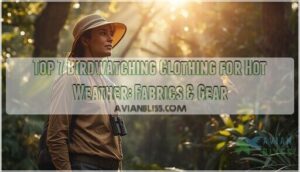
You’re standing in 95-degree heat, binoculars trained on a rare warbler, when sweat starts dripping into your eyes and your cotton shirt clings like a wet towel. That’s the moment most birdwatchers realize their clothing choices matter as much as their field guide.
The right birdwatching clothing for hot weather doesn’t just keep you comfortable—it determines whether you’ll spot that elusive species or head back to your car within an hour. Lightweight nylon blends, moisture-wicking base layers, and UPF-rated fabrics work together to regulate your body temperature while you stay focused on the canopy above.
From convertible pants that adapt to changing conditions to ventilated hats that shield without trapping heat, each piece fulfills a specific purpose in keeping you cool, protected, and inconspicuous in the field.
Table Of Contents
- Key Takeaways
- Essential Fabrics for Hot Weather Birdwatching
- Choosing The Right Colors for Birdwatching
- Top 7 Birdwatching Clothing for Hot Weather
- Footwear Tips for Hot Weather Birding
- Layering Strategies for Changing Temperatures
- Essential Accessories for Comfort and Safety
- Frequently Asked Questions (FAQs)
- What is the coolest clothing to wear in hot weather?
- What not to wear when birding?
- How hot is too hot for birds?
- What colors not to wear when birding?
- What is the best clothing for bird watching?
- What are the 5 S’s of birding?
- What do you wear to bird watching?
- How often should I wash birding clothes?
- What prevents overheating during long birding sessions?
- Can I wear shorts while birdwatching outdoors?
- Conclusion
Key Takeaways
- Moisture-wicking synthetic fabrics like polyester and nylon blends outperform cotton by pulling sweat away from your skin and drying 50 percent faster, keeping you cool during extended observation sessions.
- UPF 50-rated clothing blocks 98 percent of UV radiation more reliably than sunscreen alone, while neutral earth tones in olive, taupe, and sage help you blend into habitats without startling birds.
- Convertible pants and lightweight layering systems let you adapt to temperature swings from cool mornings to midday heat without carrying extra gear or sacrificing sun protection.
- Essential accessories including wide-brimmed hats, polarized sunglasses, and DEET or picaridin-based insect repellent complete your defense against sun exposure, glare, and biting insects during all-day field trips.
Essential Fabrics for Hot Weather Birdwatching
Your clothing choices can make or break a hot-weather birding trip, and it all starts with the right fabric. The materials you wear determine whether you stay cool and comfortable or end up overheated and miserable on the trail.
Many birders turn to specialized lightweight bird watching clothing brands that design moisture-wicking fabrics specifically for extended outdoor observation in warm climates.
Here’s what you need to know about choosing fabrics that actually work when temperatures climb.
Breathable Materials for Maximum Comfort
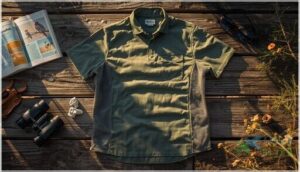
You’ll appreciate the freedom that breathable fabrics offer during long hours in the field. Lightweight nylon and polyester blends with mesh panels boost ventilation by up to 25 percent compared to solid materials, giving you maximum comfort when temperatures climb.
For all-day treks, pair these materials with durable bird watching boots that balance grip and airflow across changing conditions.
These breathable textiles use knit pique weaves and 3D structured patterns that reduce cling while improving airflow across your torso, keeping you cool without restricting movement.
Moisture-Wicking Properties to Stay Dry
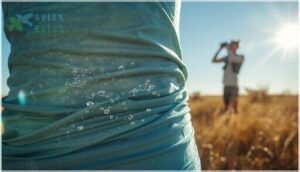
Moisture-wicking fabrics pull sweat from your skin to the outer surface through capillary action, keeping you dry during peak heat. Polyester and polypropylene blends excel at wicking speed, transferring moisture faster than cotton while reducing cling.
Quick-dry technology in these lightweight layers accelerates evaporation, so you won’t feel chilled when you pause in shade. Proper sweat management depends on snug-fitting base layers that improve fabric breathability and moisture transfer.
Pairing those layers with breathable outerwear helps you stay comfortable whether you’re tracking rare species in varied terrain or navigating sudden weather shifts.
UPF-Rated Fabrics for Sun Protection
UPF-rated fabrics block UV radiation more reliably than sunscreen alone, with UPF 50 blocking at least 98 percent of rays. Polyester and nylon blends with tight weaves generally deliver UPF 30 to 50 protection, while darker colors boost performance.
UPF-rated fabrics block UV rays more reliably than sunscreen, with UPF 50 stopping at least 98 percent of harmful radiation
These fabrics maintain their UV-blocking ability through regular washing when you use gentle cycles and air drying, preserving both moisture-wicking function and sun defense. For a detailed breakdown of, consider how fabric construction and color affect overall protection.
Quick-Drying Clothing Benefits

Quick drying fabric technology moves sweat from your skin to the garment surface, where breathable apparel structures accelerate evaporation by up to 50 percent. That moisture management creates immediate cooling effects during hot birding sessions while cutting the risk of chilling when wet clothing dries.
Lightweight layers using moisture-wicking polyester or nylon blends dry within 20 to 60 minutes, keeping you comfortable mile after mile.
Choosing The Right Colors for Birdwatching
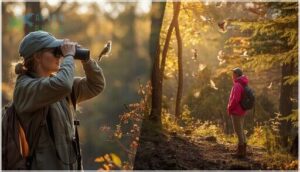
Your clothing color choices can make or break your birding experience, especially when you’re trying to get close to skittish species in the heat. The right palette helps you blend into your surroundings without spooking the very birds you came to observe.
Let’s look at how different color strategies work across various birding environments.
Neutral Tones for Blending In
Your birding attire works best when you disappear into the landscape. Neutral palettes built from earth tones—olive, taupe, charcoal, and sage—provide nature blending that keeps birds calm and undisturbed. Matte fabric finishes minimize glare while moisture-wicking materials keep you comfortable:
Pairing these garments with proper bird watching clothing essentials ensures your footwear and accessories complete a functional field setup.
- Grayscale and beige mimic bark and soil
- Deep neutrals offer contrast without alarm
- Muted greens echo leafy undergrowth
- Slate grays blend near water
- Low-luster fabrics avoid reflections
This color camouflage adapts across habitats, letting wildlife watching unfold naturally.
Avoiding Bright Colors That Startle Birds
Vivid reds and neon yellows trigger alarm in birds because avian vision detects these hues as predator cues or danger signals. Reflective surfaces create glare that unsettles wildlife, while high-contrast patterns increase flight responses.
Your birding attire should skip saturated colors and shiny finishes—wildlife-friendly fabrics in neutral clothing let you practice camouflage techniques that respect bird color perception without sacrificing comfortable clothing or moisture-wicking performance during wildlife watching.
Habitat-Specific Color Choices
Forest Camo in moss greens mirrors understory leaf litter, while Water Edge tones in dull slate blues match marsh reflections without startling waterfowl. Grassland Blend khakis disappear against prairie grasses, and Urban Conceal grays echo concrete trails in parks.
Terrain Matching guides your camouflage clothing choices—lightweight layers in habitat-specific hues keep your birding attire weather-appropriate and functional while moisture-wicking fabrics maintain comfort during extended observation sessions.
Top 7 Birdwatching Clothing for Hot Weather
You don’t need to compromise between staying cool and protecting yourself from the elements when you’re out in the field. The right clothing choices make long hours under the sun far more enjoyable while keeping you comfortable enough to focus on the birds.
Here are seven essential items that balance breathability, sun protection, and practical functionality for hot-weather birdwatching.
1. Columbia Saturday Trail Convertible Pants
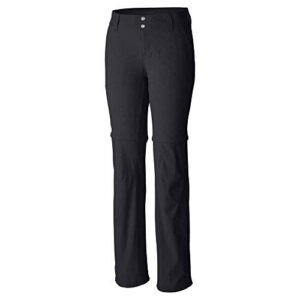
You’ll want pants that won’t slow you down when the temperature spikes mid-trail. The Columbia Saturday Trail Convertible Pants use a 96% nylon and 4% elastane blend that delivers both stretch and durability through articulated knees and a gusseted crotch.
UPF 50 sun protection shields your skin during extended exposure, while Omni-Shield technology repels water and stains.
Zip-off legs convert to 10-inch shorts when heat becomes intense, giving you adaptability without carrying extra gear. Multiple secure pockets keep essentials accessible throughout your outing.
| Best For | Hikers and outdoor enthusiasts who need versatile pants that adapt to changing temperatures and weather conditions on the trail. |
|---|---|
| Primary Material | 96% nylon, 4% elastane |
| Sun Protection | UPF 50 |
| Water Resistance | Omni-Shield technology |
| Weight | Standard |
| Best Use | Hiking/trail activities |
| Price Point | Mid-range |
| Additional Features |
|
- Zip-off design converts to shorts so you can adjust to heat without packing extra clothing
- Omni-Shield technology and UPF 50 protection handle moisture and sun exposure during long days outside
- Articulated knees and stretch fabric provide comfortable movement on uneven terrain
- Tends to run small, so you’ll likely need to size up for a proper fit
- Fabric can pill or show wear over time with frequent use
- Limited stretch in the thigh area may feel restrictive if you have more muscular legs
2. Hanes Mens Long Sleeve Tshirts
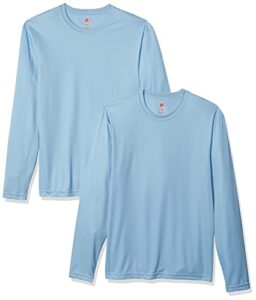
Long sleeves might seem counterintuitive in heat, but they’re your best defense against relentless sun exposure. Hanes long sleeve tees deliver UPF-rated coverage through six-ounce ComfortSoft cotton that wicks moisture away from your skin during long observation sessions.
Double-needle stitching reinforces shoulder seams to withstand repeated movements as you adjust binoculars and navigate terrain. The tagless design prevents neck irritation under backpack straps, while pre-shrunk fabric maintains its fit through multiple wash cycles.
Choose neutral tones like olive or tan to blend into your birding environment without startling skittish species.
| Best For | Birders and outdoor enthusiasts who need sun protection and comfort during extended observation sessions in varying weather conditions. |
|---|---|
| Primary Material | ComfortSoft cotton |
| Sun Protection | UPF-rated |
| Water Resistance | Moisture-wicking |
| Weight | Six-ounce |
| Best Use | Extended observation sessions |
| Price Point | Budget-friendly |
| Additional Features |
|
- Long sleeves provide UPF-rated sun protection while moisture-wicking cotton keeps you cool during long outdoor activities
- Double-needle stitching at shoulder seams holds up well to repetitive movements like raising binoculars and adjusting gear
- Tagless design and pre-shrunk fabric ensure consistent comfort under backpack straps through multiple washes
- Some users report quality control issues with stitching that may unravel after washing
- Limited durability means the shirt may not hold up well with heavy or frequent use
- Jersey fabric construction may not be as robust as other materials for rugged outdoor conditions
3. Mens Slim Fit Camping Vest
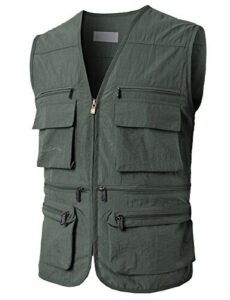
A slim fit vest cuts the clutter when you’re tracking warblers through dense brush. This camping vest uses a tapered torso design that won’t snag on branches or tangle with your binocular strap during quick movements.
The four-to-five-ounce nylon blend keeps weight minimal while mesh panels along the back and shoulders channel airflow to prevent sweat buildup. Multiple zippered pockets distribute your field guide, keys, and snacks evenly so the vest doesn’t pull to one side during extended hikes.
| Best For | Hikers and campers who want a lightweight vest that won’t get in the way during outdoor activities like birdwatching or trail navigation. |
|---|---|
| Primary Material | Nylon blend |
| Sun Protection | Not specified |
| Water Resistance | Not specified |
| Weight | Four-to-five-ounce |
| Best Use | Dense brush navigation |
| Price Point | Mid-range |
| Additional Features |
|
- Slim fit design prevents snagging on branches and keeps the vest close to your body during movement
- Mesh panels provide ventilation to keep you cool during active use
- Multiple zippered pockets distribute weight evenly and keep essentials organized
- Hand wash or machine wash only may require more care than some outdoor gear
- Slim fit might not accommodate heavy layering underneath for colder weather
- Men’s-specific design limits availability for other body types
4. Columbia Bora Bora Fishing Hat
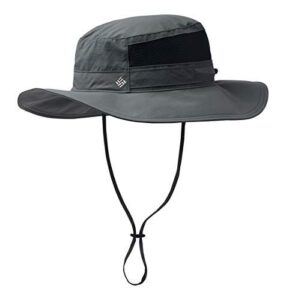
The Columbia Bora Bora Booney II builds on practical design with a 3-inch brim that throws shade over your face and neck during long shoreline watches. UPF 50 nylon blocks 98 percent of UV rays, while a mesh crown panel vents heat in still air.
The ultra-sweat-wicking headband pulls moisture away from your forehead so binocular lenses stay clear. An adjustable chin strap and rear drawcord lock the fit when coastal winds pick up, keeping the hat secure through exposed wetland hikes.
| Best For | Anglers and hikers who need reliable sun protection and ventilation during all-day outdoor sessions in hot, exposed conditions. |
|---|---|
| Primary Material | UPF 50 nylon |
| Sun Protection | UPF 50 |
| Water Resistance | Ultra-sweat-wicking |
| Weight | Lightweight |
| Best Use | Long shoreline watches |
| Price Point | $29.99 |
| Additional Features |
|
- UPF 50 fabric blocks 98% of harmful UV rays while the 3-inch brim shields your face and neck from direct sun
- Mesh crown panel and moisture-wicking headband keep you cool and dry even during intense activity
- Adjustable chin strap and drawcord prevent the hat from blowing off in windy coastal or open-terrain environments
- The soft brim can flop around and may snag on branches or fishing line in dense brush
- Sun protection doesn’t extend to your lower face and chin, so you’ll need sunscreen there
- At $29.99, it’s pricier than basic boonie hats with similar features
5. Polarized Sunglasses for Men and Women
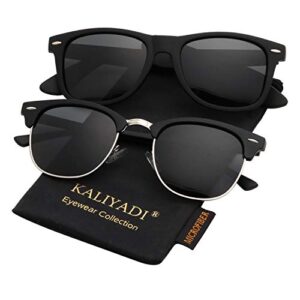
Polarized lenses cut harsh glare from water, wet leaves, and windshields, so you can spot wing bars and eye rings against bright lake surfaces without squinting. Gray tints keep plumage colors true for accurate identification, while the lightweight polycarbonate frame stays comfortable when you raise binoculars.
These unisex sunglasses block 100 percent of UVA and UVB rays with UV400 protection, lowering your long-term risk of cataracts during hours in open wetlands.
At $15.09, you get shatterproof lenses, a microfiber pouch, and a cleaning cloth in one practical package.
| Best For | Birdwatchers and outdoor enthusiasts who need reliable glare reduction and UV protection without spending a fortune. |
|---|---|
| Primary Material | Polycarbonate |
| Sun Protection | UV400 |
| Water Resistance | Not applicable |
| Weight | Lightweight |
| Best Use | Bright conditions |
| Price Point | $15.09 |
| Additional Features |
|
- Polarized lenses cut glare from water and reflective surfaces, making it easier to spot details in bright conditions
- UV400 protection blocks 100% of harmful UVA and UVB rays during long outdoor sessions
- Lightweight, shatterproof design stays comfortable under binoculars and includes a pouch and cleaning cloth for $15.09
- Lenses may not be dark enough for users who prefer maximum sun blocking
- Natural light can leak through the sides, reducing coverage in very bright conditions
- Build quality and durability may not match higher-end brands
6. Banana Boat Sport Sunscreen Spray
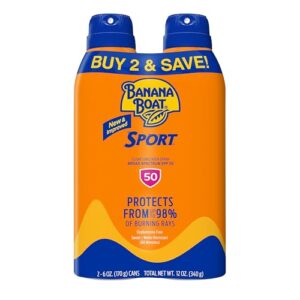
After protecting your eyes, turn your attention to exposed skin. Banana Boat Sport sunscreen spray delivers SPF 50 broad-spectrum protection that filters 97 percent of UVB rays, shielding hands, ears, and neck during long morning walks.
The alcohol-based formula dries fast without feeling greasy on binocular grips, and its 80-minute sweat resistance covers a typical outing before you break for water.
At $13.99 for 12 ounces, the twist-lock nozzle prevents leaks in your pack while reef-friendly ingredients skip oxybenzone and octinoxate.
| Best For | Active outdoor enthusiasts who need reliable sun protection during sports, hiking, or beach activities without the greasy feel that interferes with gear handling. |
|---|---|
| Primary Material | Alcohol-based formula |
| Sun Protection | SPF 50 |
| Water Resistance | 80-minute sweat resistance |
| Weight | 12 ounces |
| Best Use | Active outdoor sports |
| Price Point | $13.99 |
| Additional Features |
|
- SPF 50 broad-spectrum protection blocks 97% of UVB rays with an 80-minute sweat and water resistance rating
- Quick-drying, non-greasy formula won’t leave residue on binoculars, phones, or other equipment
- Reef-safe ingredients exclude oxybenzone and octinoxate, with a twist-lock nozzle preventing leaks in your bag
- Aerosol spray format wastes product and performs poorly in windy conditions
- Not ideal for face application due to overspray risk and potential eye irritation
- Requires reapplication after 80 minutes of heavy sweating or water exposure, adding up costs at $13.99 per bottle
7. Natural Mosquito Repellent Gel Stick
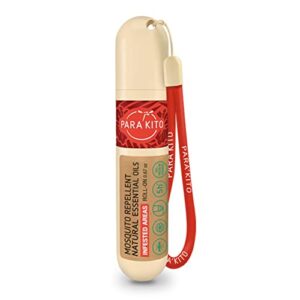
Mosquitoes can turn a peaceful dawn chorus into a slapping contest. PARA’KITO’s natural gel stick fights back with citronella-based essential oils that protect exposed wrists, ankles, and neck for up to five hours without DEET.
The roll-on applicator lets you target problem zones without spraying binocular lenses, and the waxy balm texture slows evaporation in humid air. At 20 milliliters, the compact tube slides into a shirt pocket for quick reapplication.
Expect to reapply every few hours when temperatures climb and mosquito activity peaks.
| Best For | Hikers, campers, and outdoor enthusiasts who want DEET-free protection during dawn and dusk when mosquitoes are most active. |
|---|---|
| Primary Material | Natural essential oils |
| Sun Protection | Not specified |
| Water Resistance | Not applicable |
| Weight | 20 milliliters |
| Best Use | Outdoor activities |
| Price Point | Premium |
| Additional Features |
|
- Roll-on applicator targets specific areas like ankles and wrists without overspray
- Natural essential oil formula provides up to 5 hours of protection without harsh chemicals
- Compact 20ml size fits easily in pockets for quick reapplication on the trail
- Higher price point compared to conventional spray repellents
- Effectiveness varies by person, with some users reporting limited results
- Gel can dry out over time, reducing protection if not stored properly
Footwear Tips for Hot Weather Birding
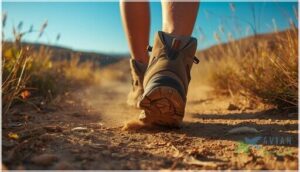
Your footwear can make or break a hot-weather birding trip, especially when you’re covering miles of trail under the sun. The right shoes keep your feet cool, supported, and blister-free while you track down that elusive warbler.
Here’s what to look for when choosing footwear that won’t slow you down in the heat.
Lightweight Shoes for Easy Trails
When you’re tackling well-maintained dirt paths or gentle gravel routes, lightweight shoes generally weigh 6 to 9 ounces per shoe and outperform heavy hiking boots. Trail running footwear with ultralight knit uppers and shallow lug patterns delivers adequate ankle support and traction on easy terrain while keeping your feet nimble.
The reduced weight becomes noticeable over hours afield, and quick-drying materials simplify footwear care after dusty singletrack sessions.
Breathable Materials for Ventilation
Open-weave mesh uppers use visible pores to release heat and allow cooler air to reach your feet during long summer treks. Engineered mesh varies opening sizes across the shoe, placing larger vents over your toes where warmth accumulates most.
- Mesh panels over toe boxes and sidewalls boost airflow and reduce in-shoe humidity
- Perforated leather combines classic structure with strategically placed ventilation holes for heat escape
- Knit uppers offer sock-like flexibility while moisture moves through tiny gaps between fibers
- Venting systems along midsoles and sidewalls provide direct escape routes for trapped hot air
- Breathable linings pull sweat away from skin toward outer layers where it evaporates faster
Selecting shoes made of greatly enhances foot comfort and promotes overall foot health in hot climates.
Moisture-Wicking Socks for Comfort
Polyester and merino wool blends move sweat away from skin faster than cotton, keeping your feet drier on humid trails. Moisture-wicking fabrics reduce blister risk by preventing the dampness that softens skin and increases friction.
Lightweight layers with thin profiles release more heat, while crew-height socks protect ankles from brush without trapping warmth. Smooth toe construction minimizes rubbing during hours of standing and scanning.
Layering Strategies for Changing Temperatures

Even on hot days, morning temperatures can surprise you, and shade along trails creates microclimates that shift as you move. Your layering system should let you adapt without hauling around unnecessary weight or bulk.
These three strategies keep you comfortable when the thermometer bounces between chilly starts and midday heat.
Lightweight Base Layers for Heat
Your lightweight base layer acts as the first line of defense against heat stress prevention during summer outings. Fabric selection matters here—look for moisture-wicking materials like merino wool or polyester blends weighing 110 to 150 grams per square meter that pull sweat away from skin within seconds.
These breathable fabrics with quick dry technology regulate temperature naturally, keeping you cool while preserving freedom of movement on the trail.
Adding Mid-Layers if Needed
When dawn temperatures hover in the low 60s but midday heat surges past 80, you’ll want a removable mid layer that weighs under 10 ounces. Thin synthetic fleece or sleeveless vests deliver thermal insulation without bulk, letting you adapt climate adaptation strategies as conditions shift.
Choose breathable fabrics with moisture-wicking properties and full zippers for instant venting when your pace increases.
Breathable Outer Layers for Protection
When sudden winds kick up or light drizzle rolls across the marsh, you need a shell that won’t turn into a sauna. Look for ultralight wind jackets under 200 grams with DWR waterproof coatings that shed moisture while breathable fabrics release sweat.
Pit zips and mesh-lined pockets create ventilation systems for instant thermal regulation, and moisture-wicking liners maintain wind resistance without trapping heat during long approaches.
Essential Accessories for Comfort and Safety
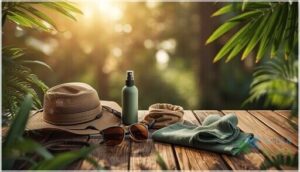
Your clothing choices matter, but the right accessories can make or break a long day in the field. A few key items protect you from sun exposure, reduce eye strain, and keep biting insects at bay.
Here’s what you need to stay comfortable and safe while you’re out tracking birds.
Hats for Sun Protection
Your head and neck need serious sun protection during long hours in open habitats. Wide-brimmed hats with at least 3-inch brims shield your face and ears from UV radiation, while legionnaire styles add neck flaps for complete coverage.
Look for UPF 50+ rated materials in breathable fabrics with mesh ventilation panels. Adjustable chin straps keep your hat secure when scanning the sky in windy conditions.
Sunglasses for Glare Reduction
Your eyes take a beating when tracking birds against bright water or pale sky for hours. Polarized lenses cut up to 99 percent of reflected glare, making plumage details and wing bars pop with better contrast. Choose brown or amber lens tints to boost visibility in mixed light, and look for wraparound frame shapes that block peripheral glare from every angle.
- Gray lenses keep bird colors accurate while cutting overall brightness
- Mirror coatings reflect additional light away from very bright surfaces
- Anti-reflective backing prevents ghost images when using binoculars
- Wraparound designs stay secure and block side glare during movement
Insect Repellent for Outdoor Protection
Bug sprays and insect shields give you real freedom to wander without becoming a buffet for mosquitoes and ticks. Products with twenty to thirty percent DEET offer about five hours of protection, while twenty percent picaridin extends coverage to eight or twelve hours. For tougher wetland outings, combine skin repellent with permethrin-treated outdoor gear to create layered chemical barriers that last through twenty washes.
| Repellent Types | Protection Time | Best Application |
|---|---|---|
| 20-30% DEET | 5 hours | Exposed skin areas |
| 20% Picaridin | 8-12 hours | Long birdwatching trips |
| Permethrin-treated clothing | Up to 20 washes | Shirts, pants, hats |
Sunscreen for UV Defense
Shielding your skin from UV rays keeps you safe during those all-day watches under open skies. Broad spectrum sunscreen with at least SPF 30 blocks both UVA and UVB damage, while mineral actives like zinc oxide offer gentle protection and support reef conservation. Water-resistant formulas hold up through sweat and humidity, giving you the freedom to explore without worrying about burns.
- Choose broad spectrum SPF 30 or higher for balanced UVA and UVB defense
- Apply one ounce total, reapplying every two hours during long outings
- Pick water-resistant formulas rated for 40 or 80 minutes of sweat protection
- Use mineral sunscreens with zinc oxide for sensitive skin and reef-safe birding
- Cover often-missed spots like ears, neck, and hands for complete coverage
Frequently Asked Questions (FAQs)
What is the coolest clothing to wear in hot weather?
The coolest hot-weather clothing feels counterintuitive—covering more skin actually keeps you cooler.
Lightweight layers in breathable fabrics with moisture-wicking properties and UPF 50 ratings block sun while letting air flow through.
What not to wear when birding?
Avoid bright colors and noisy fabrics that spook birds. Skip heavy gear in warm weather, strong scents that mask natural cues, and loose weave materials that snag. Choose moisture-wicking, waterproof clothing suited to conditions.
How hot is too hot for birds?
Most birds thrive between 50 to 75 degrees Fahrenheit, but temperatures exceeding 90 degrees trigger visible heat stress. Above 100 degrees, many species struggle to regulate core temperature, risking organ damage and death.
What colors not to wear when birding?
Steer clear of neon shades, solid white, and shiny textures when birding. Bright colors startle birds by creating high contrast, while reflective materials catch light and increase your visibility against natural backgrounds.
What is the best clothing for bird watching?
Like layering before a long hike, smart birding apparel combines moisture-wicking fabrics and weather-appropriate clothing in neutral earth tones.
Lightweight layers, camouflage tips, and bird-friendly outdoor gear let you adapt quickly without startling your subjects.
What are the 5 S’s of birding?
The five S’s help you identify birds: Size compares dimensions to familiar species, Shape examines body outline, Shade notes feather colors, Sound captures vocalizations, and Space considers habitat position—essential observations while wearing comfortable, moisture-wicking, lightweight layers outdoors.
What do you wear to bird watching?
You wear moisture-wicking layers in neutral earth tones that blend with your habitat.
Comfort tips include breathable outdoor gear and waterproof shells when needed.
Consider bird-friendly birding apparel that won’t startle wary species during observation.
How often should I wash birding clothes?
You should wash moisture-wicking outdoor apparel after heavy use to control odor and maintain fabric performance.
Machine washable lightweight layers need cold-water cleaning following full-day birding trips, while spot-cleaning manages minor stains between washes.
What prevents overheating during long birding sessions?
Staying cool boils down to breathable fabrics with moisture-wicking fibers that pull sweat away from your skin. Quick-drying materials and ventilation systems with mesh panels increase airflow, while lightweight layers prevent heat buildup during active movement.
Can I wear shorts while birdwatching outdoors?
You can wear shorts on open trails with low insect risks, but long pants offer better tick prevention, skin protection from scratches, and sun exposure defense in brushy terrain where trail hazards increase.
Conclusion
The irony? You’ll spend hundreds on binoculars to see birds from 50 yards away, yet cheap cotton clothing drives you home before the best sightings happen.
Your birdwatching clothing for hot weather isn’t optional gear—it’s the difference between endurance and early retreat. Moisture-wicking fabrics, UPF protection, and convertible designs keep you positioned where rare species actually appear.
When your body stays cool and protected, your focus remains where it belongs: on the canopy, not your discomfort.
- https://www.filson.com/small-rugged-twill-field-bag.html
- https://www.nike.com/t/converse-chuck-taylor-all-star-seasonal-colors-low-top-unisex-shoe-8mNm8q/162115F-690
- https://www.superga-usa.com/collections/womens-classic
- https://media.giphy.com/media/tGZRCBAPhCXxm/giphy.gif
- https://upload.wikimedia.org/wikipedia/en/a/a2/New_Radicals_YGWYG_Single.jpg