This site is supported by our readers. We may earn a commission, at no cost to you, if you purchase through links.
 Bird excessive preening health concerns signal underlying problems that need attention.
You’ll notice bald patches, broken feathers, or irritated skin when your bird overdoes grooming.
This behavior stems from stress, boredom, medical issues, or poor nutrition.
Unlike normal preening that keeps feathers clean and healthy, excessive preening becomes destructive and compulsive.
Watch for increased scratching, aggressive feather pulling, or areas where feathers don’t grow back.
Environmental changes, lack of mental stimulation, or hormonal imbalances often trigger this behavior.
Early intervention prevents permanent feather damage and skin wounds.
Understanding the root causes helps you create effective solutions that restore your bird’s natural preening balance.
This approach ensures you address the underlying issues, whether they are related to medical issues or environmental factors, to provide a healthier life for your bird.
Table Of Contents
- Key Takeaways
- Bird Preening Behavior
- Causes of Over-Preening
- Recognizing Over-Preening
- Managing Over-Preening
- Veterinary Care and Prevention
- Frequently Asked Questions (FAQs)
- Why is my bird over preening?
- Why do birds preen so much?
- What does it mean if a bird does not preen?
- Are birds preening a lot?
- Does preening a bird cause bald spots?
- Why is my bird aggressive during preening?
- Why is my bird preening so much?
- Do birds preen when sick?
- What does excessive preening look like?
- Why do birds spend so much time preening?
- Conclusion
Key Takeaways
- Watch for visual warning signs – You’ll spot excessive preening through bald patches, broken feathers, skin irritation, and bleeding areas that do not heal properly.
- Address underlying causes quickly – Stress, boredom, medical issues, and poor nutrition all trigger over-preening, so you’ll need to identify and fix the root problem rather than just treating symptoms.
- Create an enriched environment – You can reduce destructive preening by providing mental stimulation through foraging toys, maintaining consistent routines, and ensuring proper social interaction.
- Seek veterinary care when needed – You should not wait if preening causes skin damage or does not improve with environmental changes, as underlying medical conditions require professional diagnosis and treatment.
Bird Preening Behavior
You’ll quickly notice when your bird’s preening becomes excessive as they spend hours grooming the same feathers repeatedly.
Understanding normal preening behavior helps you recognize when this natural maintenance routine turns into a concerning habit that needs attention.
Normal Preening Habits
Your bird preens daily, spending hours cleaning and arranging feathers.
This normal bird behavior involves feather alignment, oil distribution from the preen gland, and parasite removal.
You’ll notice systematic grooming patterns as your bird works through each feather section.
Social preening between bonded birds strengthens relationships while providing sensory stimulation and essential feather maintenance.
Birds also use their beaks for essential beak wiping to remove dirt, which is a part of their daily routine and contributes to their overall health and well-being.
Importance of Preening
Understanding preening’s role keeps you informed about your bird’s well-being.
This natural behavior serves multiple essential functions that directly impact avian health and happiness:
- Oil Distribution – Birds spread waterproofing oils across their plumage
- Stress Reduction – Regular preening provides calming sensory stimulation
- Feather Health – Removes dirt, parasites, and debris from feathers
- Social Significance – Mutual preening strengthens bonds between birds
Proper bird preening indicates good bird behavior and overall bird health.
Feather Maintenance
Through daily bird preening rituals, your feathered friend maintains essential feather structure and health.
The preen gland produces oils that waterproof and condition feathers during grooming sessions. Regular feather maintenance prevents feather damage and supports the natural molting process.
Bathing importance can’t be overstated—it softens debris for easier removal. Proper bird feather health requires consistent, methodical grooming patterns, including daily bird preening rituals and regular feather maintenance.
Social Bonding
Mutual preening strengthens bird companionship and establishes flock dynamics.
Your bird might preen you or other birds as bonding activities.
Solitary birds often seek human interaction to fulfill social needs.
Without proper bird socialization, some birds develop over-preening behaviors.
Regular social interaction and bird bonding opportunities help maintain healthy preening habits in your feathered friend.
Causes of Over-Preening
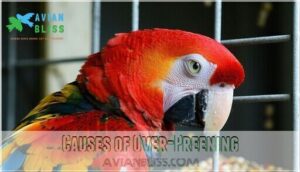
Understanding why your bird over-preens is the first step toward helping them feel better.
Multiple factors can trigger this behavior, ranging from medical conditions to environmental stressors that disrupt your bird’s natural grooming routine.
Medical Factors
Several medical conditions can trigger excessive preening behavior in your bird.
When underlying health issues create discomfort, birds instinctively increase grooming to find relief.
Common medical causes include:
- Skin Infections – Bacterial infections like Staphylococcus cause inflammation and itching, prompting birds to preen up to twice their normal rate
- Parasite Infestations – Feather mites and lice create irritation, with infested birds preening 23.5% of their time versus 11.2% for healthy birds
- Internal Illnesses – Liver disease and hormonal imbalances during breeding seasons trigger systemic inflammation and skin discomfort
An avian veterinarian can diagnose these conditions through proper examination and testing.
Problems with the uropygial or preen gland can also contribute to excessive preening.
Environmental Factors
Environmental factors create the perfect storm for over-preening when cage conditions fall short.
Poor cage size restricts movement, while low humidity levels dry out skin and feathers.
Bad air quality from toxins or inadequate ventilation stresses birds further, and improper light exposure disrupts natural rhythms.
A barren environment breeds boredom, making your feathered friend seek comfort through excessive grooming.
These environmental stressors can also impact nesting, as light pollution effects cause birds to nest earlier, leading to a range of issues related to natural rhythms.
Behavioral Factors
Beyond physical triggers, your bird’s mental state plays a major role in over-preening behaviors. Stress and anxiety from changes in routine, new environments, or lack of social interaction can trigger compulsive feather picking. Boredom from insufficient mental stimulation often leads to destructive habits.
- A lonely cockatiel frantically preening after its cage mate dies
- An anxious parrot pulling feathers during thunderstorms or fireworks
A stressed budgie picking at bare patches where vibrant feathers once grew.
- A bored macaw obsessively grooming when left alone for hours
- A stressed budgie over-preening after moving to a new home
Behavioral modification through stress reduction, enrichment activities, and habit reversal techniques helps create an enriched environment that supports healthy preening habits rather than destructive ones.
Nutritional Deficiencies
If stress isn’t the main culprit, take a closer look at bird nutrition.
Vitamin deficiencies, especially low vitamin A, can make feathers brittle and skin dry.
Mineral imbalances and poor protein intake also cause problems.
Without enough fatty acids, birds itch and preen more.
A regular dietary assessment and bird supplements can improve diet and help prevent nutritional deficiency in your bird.
Seed-heavy diets can lead to vitamin and mineral imbalances, which may result in feather plucking and nutritional deficiency.
Recognizing Over-Preening
You’ll notice over-preening through visible signs like bald patches, ragged feathers, and skin irritation that goes beyond normal grooming.
When your bird’s normal grooming turns into obsessive feather destruction, it’s time to take action.
Watch for behavioral changes such as spending excessive time preening, increased agitation, or constant scratching that disrupts your bird’s daily activities, which can be signs of excessive preening.
Visual Signs

You’ll notice feather damage first – ragged, broken feathers that look chewed or torn.
Bald patches appear where your bird has removed feathers completely. Check for skin irritation, redness, or bleeding signs around these areas.
Watch for open sores or skin lesions that develop from persistent picking.
Healthy feather condition becomes compromised when preening turns excessive.
Behavioral Changes

When your bird’s behavioral patterns shift, you’ll typically notice several key changes that accompany over-preening.
Sudden aggression toward cage mates or owners often emerges alongside vocalization changes, including excessive screaming or unusual quietness.
Appetite shifts become apparent as stress and anxiety override normal eating habits, while sleep disturbances create a cycle of exhaustion and increased behavioral causes.
Social withdrawal from family members or other birds signals deeper anxiety issues, and attention-seeking behaviors may intensify as your bird desperately tries to communicate its distress through destructive actions rather than healthy interaction.
Owners should also be aware that decreased activity and lethargy are major warning signs of illness.
Distinguishing Over-Preening From Molting
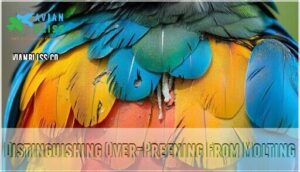
Unlike molting patterns that occur seasonally with symmetrical feather loss, excessive preening happens year-round with irregular damage.
You’ll notice molting birds shed mature feathers with clean edges, while over-preening creates frayed, chewed feathers.
Molting follows predictable sequences and doesn’t cause bald patches, whereas excessive preening targets accessible areas like chest and legs.
Behavioral cues help distinguish severity levels—molting birds maintain normal activity while over-preeners show compulsive grooming behaviors and exhibit irregular damage due to excessive preening, which can be identified by frayed, chewed feathers.
Feather Plucking Vs Over-Preening
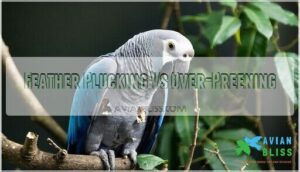
While over-preening involves excessive grooming that damages feathers, feather plucking represents a more severe condition where birds completely remove their feathers.
Both behaviors share similar stress and anxiety triggers, but feather plucking creates bare skin patches and requires different treatment approaches.
Understanding these severity levels helps you identify the specific behavioral roots and plan appropriate interventions for proper feather regrowth.
Managing Over-Preening
Once you’ve identified over-preening in your bird, you’ll need to address the underlying causes through targeted interventions.
Managing this behavior requires a combination of environmental modifications, dietary improvements, and behavioral strategies to help your feathered friend return to healthy preening habits.
Reducing Stress

Once you’ve identified over-preening signs, creating a calm environment becomes your first priority.
Stress triggers excessive grooming behaviors, so you’ll need to establish stability in your bird’s daily routine.
Here are five key stress-reduction strategies:
- Provide 10-12 hours of quiet time in a dark, undisturbed area for proper rest
- Maintain consistent daily schedules for feeding, interaction, and sleep periods
- Minimize environmental changes by keeping cage placement and household routines stable
- Use calming techniques like soft music or covering the cage during stressful events
- Monitor for stress triggers such as new pets, loud noises, or unfamiliar visitors
Consider playing soothing bird songs to further ease anxiety.
Dietary improvements and enrichment activities work together with stress reduction to address over-preening thoroughly.
Increasing Enrichment
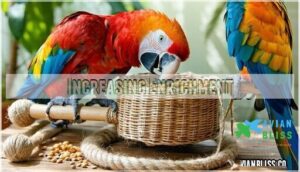
Mental stimulation proves essential for preventing over-preening behavior in birds.
You’ll want to rotate toys weekly, offering puzzle toys and foraging opportunities that challenge your bird’s mind.
Social interaction through regular playtime provides vital sensory stimulation.
Consider introducing stimulating foraging toys to keep your bird entertained.
Create bird enrichment activities like hiding treats in paper cups or providing different textures to explore, effectively addressing bird boredom relief and supporting overall bird environment improvement.
Improving Diet

A high-quality diet addresses vitamin deficiencies and omega-3 sources that fuel excessive preening.
Switch to premium pellets, add fresh produce like leafy greens, and include foraging foods.
Your bird’s nutritional needs require variety – not just seeds.
A veterinarian-recommended diet with proper nutrients helps reduce skin irritation and compulsive behaviors naturally.
Many owners find high quality options beneficial, which can lead to a healthier lifestyle.
Discouraging Picking
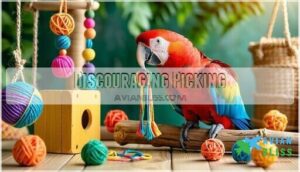
Beyond proper nutrition, you’ll need to actively discourage picking behaviors to break the cycle. Redirect chewing urges toward appropriate toys and foraging activities. Limit daylight hours to reduce hormonal triggers. Use Elizabethan collars temporarily to prevent access to damaged areas.
Distracting techniques work best when combined with environmental changes. A key element involves parrot environmental enrichment to reduce destructive behaviors.
- Redirect chewing – Offer safe wooden toys, leather strips, or paper shreds when you notice picking behaviors starting
- Limit daylight – Reduce exposure to 10-12 hours daily to minimize hormonal fluctuations that trigger excessive preening
- Use Elizabethan collars – Apply veterinary-approved collars temporarily to allow damaged feathers and skin to heal properly
- Increase foraging activities – Hide treats in paper cups, foraging boxes, or wrapped in tissue to occupy your bird’s attention
- Apply distraction techniques – Interrupt picking with gentle redirection to toys, training sessions, or interactive play
Veterinary Care and Prevention
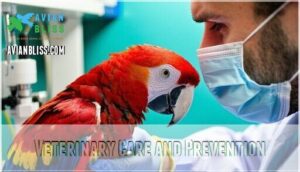
You’ll need professional veterinary care when your bird’s excessive preening doesn’t improve with environmental changes or becomes severe enough to cause injury.
A qualified avian veterinarian can diagnose underlying medical conditions, prescribe appropriate treatments, and create a thorough prevention plan to keep your feathered friend healthy, which is crucial for maintaining your bird’s overall health.
When to Seek Help
You should seek help when persistent preening creates skin damage or behavioral changes signal distress.
Sudden onset of bird excessive preening warrants immediate veterinary consultation.
An avian veterinarian can perform diagnostic tests to identify underlying causes and recommend appropriate treatment options.
Don’t wait if you notice bleeding, bald patches, or dramatic shifts in your bird’s normal grooming routine, as these are clear signs of distress.
Diagnostic Procedures
Your avian veterinarian will conduct thorough diagnostic tests to identify underlying causes of excessive preening behavior.
Essential diagnostic procedures include:
- Physical examination – Complete assessment of skin, feathers, and body condition to detect abnormalities, parasites, or lesions
- Blood tests – Baseline panels revealing liver disease, kidney problems, infections, nutritional deficiencies, and hormonal imbalances
- Skin scrapings and feather analysis – Microscopic examination identifying external parasites, bacterial infections, fungal conditions, and structural feather defects
Additional biopsy options may be necessary for complex cases involving persistent skin infections or allergies.
Treatment Options
Your veterinarian will create a customized treatment plan combining medication options, behavioral therapy, and environmental changes.
Dietary adjustments address nutritional deficiencies while anti-anxiety medications help severe cases.
Surgical intervention remains rare but necessary for extreme situations, and antibiotics treat skin infections, and hormonal therapy manages breeding-season triggers.
These medical solutions work together to reduce stress and improve your bird’s overall wellbeing.
Preventative Measures
Prevention starts with healthy bird selection from reputable breeders and early socialization.
Introduce gradual changes to minimize stress while maintaining routine checkups for bird health monitoring.
Increase enrichment through toys and foraging activities, improve diet with quality pellets and fresh foods, and create a stable bird environment.
These preventative measures substantially reduce over-preening risks.
Frequently Asked Questions (FAQs)
Why is my bird over preening?
Your bird’s over-preening likely stems from stress, boredom, medical issues, or environmental changes. Check for parasites, skin irritation, or hormonal imbalances. Increase mental stimulation and consult your vet promptly.
Why do birds preen so much?
Your bird preens constantly because it’s essential for survival. Preening maintains feather health by cleaning, aligning, and oiling feathers for flight, insulation, and waterproofing while removing parasites and dirt.
What does it mean if a bird does not preen?
When your bird suddenly stops preening, it’s like a red flag waving frantically! This behavior typically signals illness, stress, or pain that’s preventing normal grooming habits, requiring immediate veterinary attention.
Are birds preening a lot?
Many birds preen frequently throughout the day, but excessive preening that damages feathers or creates bald spots signals stress, medical issues, or environmental problems requiring attention.
Does preening a bird cause bald spots?
Like a worn-out feather coat, normal preening shouldn’t cause bald spots.
However, excessive preening can damage feathers and create bare patches.
You’ll notice ragged feathers, skin irritation, or bleeding if your bird’s overdoing it, which may indicate a need to address the preening behavior.
Why is my bird aggressive during preening?
Your bird’s aggression during preening likely stems from stress, discomfort, or territorial behavior.
Pain from underlying health issues, hormonal changes, or feeling vulnerable while grooming can trigger defensive responses in birds, often related to discomfort.
Why is my bird preening so much?
Excessive preening usually signals stress, boredom, medical issues, or environmental problems.
Your bird might be dealing with skin irritation, parasites, hormonal changes, or simply needs more mental stimulation and social interaction.
Do birds preen when sick?
Like a broken compass spinning wildly, sick birds often preen excessively to cope with discomfort.
You’ll notice increased preening when they’re battling infections, parasites, or internal illness, as grooming becomes their natural response to physical distress.
What does excessive preening look like?
You’ll notice damaged, ragged feathers with bald patches, bleeding skin, and constant grooming behavior.
Your bird may show irritated red skin, broken feather shafts, and obsessive attention to specific body areas.
Why do birds spend so much time preening?
Birds dedicate hours to preening because it’s essential for survival.
You’ll see them carefully aligning feathers, distributing waterproofing oils, and removing parasites.
This behavior maintains flight ability, temperature regulation, and overall health.
Conclusion
Studies show that 15% of pet birds develop feather-destructive behaviors during their lifetime.
Addressing bird excessive preening health concerns requires patience and consistent effort.
You’ve learned to identify warning signs, understand root causes, and implement effective solutions.
Success depends on combining environmental improvements with proper veterinary care. Monitor your bird’s progress closely and adjust strategies as needed.
Remember that healing takes time, but with dedication, you can restore your feathered friend’s natural grooming habits and overall well-being.
- https://birdsupplies.com/blogs/news/your-ultimate-bird-preening-guide
- https://www.merckvetmanual.com/bird-owners/disorders-and-diseases-of-birds/skin-and-feather-disorders-of-pet-birds
- https://myrightbird.com/articles/understanding-feather-plucking
- https://www.reddit.com/r/parrots/comments/jzamtf/any_advice_on_how_to_stop_a_conure_from/
- https://www.petmd.com/bird/conditions/skin/bird-feather-plucking