This site is supported by our readers. We may earn a commission, at no cost to you, if you purchase through links.
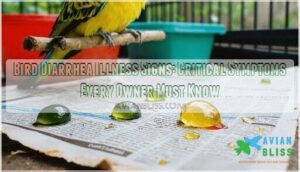 Bird diarrhea illness signs aren’t always obvious at first glance.
You’ll notice watery, loose droppings instead of the normal firm pellets with white caps.
The color might shift to green, yellow, or bloody red – definitely not what you’d expect in a healthy bird’s cage.
Your feathered friend’s droppings will smell stronger than usual, almost offensive.
Watch for increased frequency too; sick birds often go more than normal.
Beyond the mess, look for ruffled feathers that stay disheveled, lethargy, and decreased appetite.
These symptoms often appear together, creating a clear picture of digestive distress.
Catching these early warning signs can make all the difference in your bird’s recovery timeline.
Table Of Contents
- Key Takeaways
- Bird Diarrhea Causes
- Diarrhea Signs and Symptoms
- Diagnosing Avian Diarrhea
- Treating Bird Diarrhea
- Preventing Bird Diarrhea
- Frequently Asked Questions (FAQs)
- How do you know if a bird has a gastrointestinal illness?
- Why do birds have diarrhea?
- How do I know if my bird is sick?
- What causes avian diarrhea?
- What are the signs and symptoms of a bird infection?
- What are bird diseases & symptoms?
- Can gastrointestinal infections in birds be transmitted to humans?
- How long does it take for a bird to recover from a gastrointestinal infection?
- Are there any natural remedies for treating gastrointestinal infections in birds?
- Can gastrointestinal infections in birds be prevented through vaccination?
- Conclusion
Key Takeaways
- Watch for abnormal droppings – You’ll spot watery, loose stools instead of firm pellets, with colors shifting to green, yellow, or bloody red, plus stronger-than-usual odors.
- Monitor behavioral changes – Look for ruffled feathers that stay disheveled, lethargy, decreased appetite, and reduced activity levels occurring together.
- Act quickly on early signs – Don’t wait when you notice increased dropping frequency, undigested food particles, or mucus presence in your bird’s waste.
- Contact your vet immediately – You can’t treat serious digestive issues at home, and 85% of cases resolve completely when caught early with proper veterinary care.
Bird Diarrhea Causes
Bird diarrhea can sneak up on you faster than you’d expect, and knowing what triggers it might save your feathered friend’s life.
Understanding these common causes helps you spot trouble early and take action before minor issues become serious health problems, which is crucial for saving your bird’s life, and knowing these causes is the first step in prevention.
Dietary Changes
Your bird’s digestive system can flip like a light switch when you make sudden shifts in their diet.
Looking at the paragraph about sudden dietary changes and the conversational, direct tone of the content, here’s an engaging blockquote:
**One wrong food switch can turn your bird’s gut into a disaster zone overnight.
Food intolerance and nutritional imbalances wreak havoc on their gut microbiome, turning normal droppings into unhealthy bird poop.
Watch for these dietary changes that trigger bird diarrhea:
- Sugar overload from too many fruits or treats
- New foods introduced without gradual phased introduction
- Poor quality pellets lacking balanced nutrition
- Stale or contaminated food sources
Infections and Parasites
Your bird’s microscopic enemies pack a serious punch.
Bacterial culprits like E. coli cause up to 38% of bird bacterial infection cases, while Salmonella spreads during stress.
Viral diseases including Avian Bornavirus create persistent infections with undigested seeds in droppings.
Parasitic infections from Giardia produce foul-smelling waste, and fungal overgrowth like Candida creates sour-smelling diarrhea.
Disease transmission happens fast—parasites love crowded, dirty conditions.
Toxin Exposure
Environmental toxins lurk everywhere, turning your bird’s home into a potential danger zone.
Metal toxicity from galvanized cages causes severe diarrhea, while plant poisoning from avocado or chocolate triggers digestive chaos.
Chemical exposure through Teflon fumes, household cleaners, and pesticides creates gut irritation.
Even moldy seeds harbor deadly mycotoxins.
Creating a safe environment means identifying these toxin sources and eliminating them completely.
Stress and Environmental Factors
When your feathered friend faces sudden changes in their world, their delicate digestive system can revolt like a teenager asked to clean their room.
Temperature swings, loud noises, and new environments trigger avian anxiety that disrupts gut balance.
These environmental stressors cause stress-related diarrhea through gut disruption.
Smart stress reduction techniques help maintain your bird’s health.
Providing a warm environment can help with reducing stress in birds.
Diarrhea Signs and Symptoms
Recognizing diarrhea symptoms in your bird can mean the difference between a quick recovery and a serious health crisis.
You’ll need to watch for specific changes in your bird’s droppings that signal trouble brewing in their digestive system.
Abnormal Droppings
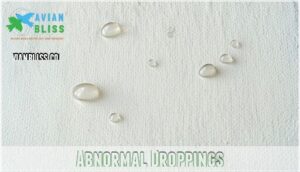
Your pet’s droppings tell a story, and abnormal bird poop speaks volumes about their health.
Watch for watery bird droppings that lack the typical three-part structure of normal waste.
Bird diarrhea appears less formed with diffuse edges, while undigested food signals digestive trouble.
Volume increase and fecal changes warrant immediate attention from your vet.
Changes in Droppings Consistency
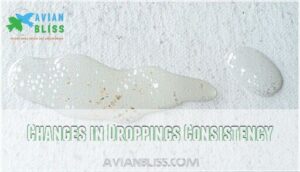
Healthy consistency resembles toothpaste—firm yet moldable.
When bird diarrhea strikes, you’ll notice watery droppings with diffuse edges that spread beyond normal boundaries.
Watch for undigested food particles and mucus presence, creating a soupy mess instead of well-formed segments.
These fecal changes signal digestive trouble requiring immediate attention from your avian veterinarian.
Observing changes in the droppings’ appearance, such as a bubbly or foamy texture, can also indicate a gut flora imbalance.
Unusual Colors and Odor
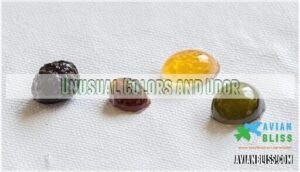
Distinctive warning signs appear when your bird’s digestive system struggles.
Watch for these critical dropping pigments and odor changes that signal trouble:
- Black droppings or bloody stools indicate internal bleeding requiring immediate vet attention
- Yellow urates suggest liver dysfunction or bile duct problems
- Green discoloration points to liver disease or serious infections
- Foul odor from normally odorless droppings signals bacterial overgrowth
These color changes and runny poop causes demand swift action.
Increased Liquid and Frequency
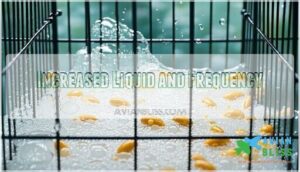
Beyond spotting unusual colors, you’ll notice diarrhea in birds through dramatic changes in dropping volume and liquid consistency.
Your bird’s normal droppings suddenly become watery messes that happen way more often than usual.
This increased frequency paired with excessive urine increase signals trouble brewing.
Watch for frequent watery droppings that resemble water more than solid waste—it’s like your feathered friend’s plumbing has gone haywire, demanding immediate attention.
Diagnosing Avian Diarrhea
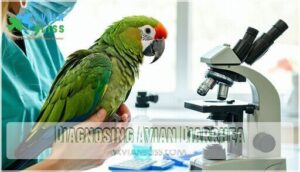
When your bird shows signs of diarrhea, you’ll need proper diagnostic testing to pinpoint the exact cause—because guessing games don’t work when your feathered friend’s health is on the line.
Your vet will use a combination of fecal analysis, blood work, physical exams, and specialized cultures to crack the case and get your bird back to its chirpy self.
Fecal Tests and Analysis
When droppings look off, your vet becomes a detective armed with microscopic tools. Fecal tests reveal hidden culprits behind your bird’s digestive troubles through detailed analysis.
- Sample Collection – Fresh droppings provide the clearest picture for accurate bird poop analysis
- Microscopic Analysis – Direct examination spots parasites, bacteria, and yeast under magnification
- Bacterial Cultures – Lab growth identifies specific pathogens like E. coli or Salmonella
- Viral Detection – PCR testing catches sneaky viruses that standard microscopic examination misses
Blood Work and Imaging Studies
When your vet suspects digestive trouble, blood work and imaging studies become your bird’s diagnostic roadmap.
CBC Analysis reveals infection markers and inflammation levels, while thorough bloodwork preparation guarantees accurate results.
Your veterinarian will interpret radiographs to spot intestinal blockages or organ enlargement.
Ultrasound findings can detect subtle tissue changes, though imaging limitations mean multiple diagnostic tests work best together for complete diagnosis.
Physical Exams and Owner Observations
Every detail matters when you’re examining your feathered friend during a physical exam.
Your vet will check for Behavioral Changes like reduced activity or lethargy, assess Feather Condition for fluffing or dullness, and note Vocalization Changes.
Meanwhile, your owner observations about appetite, perching habits, and daily routines provide essential context.
Together, these findings help identify sick bird symptoms and bird illness signs beyond just bird diarrhea.
Laboratory Tests and Cultures
Laboratory tests reveal the mystery behind your bird’s diarrhea when physical exams aren’t enough.
Fecal tests reveal parasites like Giardia identification and worm egg count, while culture tests pinpoint bacterial culprits.
CBC analysis value shows infection markers, and coccidia screening catches common gut invaders.
Radiograph interpretation helps spot proventricular disease.
Culture sensitivities guide targeted treatment, and Fecal pathogen ID confirms the exact troublemaker causing your feathered friend’s digestive distress.
Treating Bird Diarrhea
Once you’ve identified diarrhea in your bird, quick treatment can make the difference between recovery and serious complications.
Your vet will create a treatment plan that targets the root cause while keeping your feathered friend comfortable and hydrated.
Antibiotics and Medications
Once your vet diagnoses the problem, they’ll prescribe specific medication to target the root cause. Getting the dosage precision right matters more than you think—too little won’t work, too much can harm your bird.
- Antibiotic resistance develops when treatments fail, making future infections harder to cure
- Medication side-effects can include appetite loss, lethargy, or digestive upset in sensitive birds
- Probiotic interactions with antibiotics may reduce effectiveness if timing isn’t carefully managed
Common antibiotic types include enrofloxacin for bacterial infections and doxycycline for chlamydia. Antifungal options like nystatin treat yeast overgrowth.
Stress reduction through warm environment provision supports recovery. Your vet will explain resistance management strategies to keep treatments effective long-term.
Dietary Adjustments and Probiotics
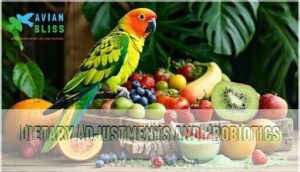
Why do your feathered friend’s tummy troubles persist despite medication? Smart dietary adjustments and targeted probiotics often provide the missing piece.
Shift from seed-only diets to balanced pellets while introducing specific probiotic strains like Lactobacillus. Many owners find avian probiotic products to be helpful.
Boost fiber intake with chopped greens, time enzyme support supplements carefully, and diversify seed variety gradually for ideal gastrointestinal health.
Hydration and Supportive Care
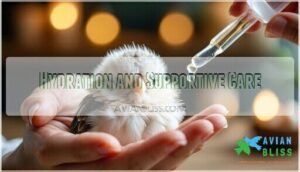
Maintaining hydration becomes your bird’s lifeline during diarrhea recovery. Quick action prevents dangerous dehydration while supporting your pet’s healing process through proper fluid management and careful monitoring.
- Electrolyte Solutions: Offer diluted sports drinks or veterinary electrolyte powders to replace lost minerals
- Warming Techniques: Use heating pads or warm towels to maintain body temperature during illness
- Fluid Administration: Provide fresh water constantly and consider syringe feeding if bird won’t drink
- Nutritional Support: Switch to easily digestible foods like cooked rice or specialized recovery formulas
- Monitoring Progress: Check droppings daily and weigh your bird to track improvement
Electrolyte solutions are available at online bird supply stores.
Environmental Management and Stress Reduction
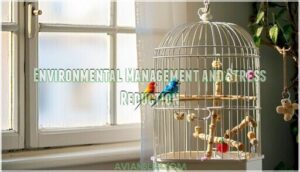
Your bird needs a stress-free environment to recover properly.
Start with cage enrichment using safe toys and perches that encourage natural behaviors.
Maintain routine stability with consistent feeding and sleep schedules.
Provide gentle social interaction without overwhelming your pet.
Focus on noise reduction by placing the cage away from loud areas.
Monitor temperature control to keep your bird comfortable between 68-78°F for ideal healing.
Preventing Bird Diarrhea
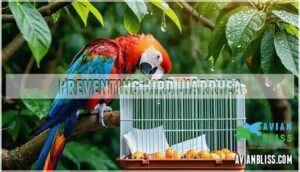
You can prevent most bird diarrhea cases by maintaining proper nutrition, hygiene, and regular health monitoring.
Think of prevention as your bird’s insurance policy – it’s much easier than dealing with a sick, messy bird later, which is why prevention is key.
Balanced Diet and Nutrition
Since proper nutrition acts as your bird’s first line of defense against avian diarrhea, you’ll want to focus on species-specific dietary requirements that promote ideal nutrient absorption.
Sudden dietary changes and nutritional imbalances are common triggers for bird digestive issues, making a balanced diet essential.
- Choose species-appropriate pellets – High-quality pellets should make up 70-80% of your bird’s diet, providing consistent nutrition without the guesswork of seed-only diets
- Introduce safe foods gradually – Add new fruits and vegetables slowly over several days to prevent digestive upset from abrupt changes
- Consider dietary supplements carefully – Only add vitamins or probiotics under veterinary guidance, as over-supplementation can cause more harm than good
- Master proper food preparation – Wash all fresh foods thoroughly and remove uneaten items within 2-4 hours to prevent bacterial growth
Regular Veterinary Check-ups
Your bird needs routine veterinary care every six months for early detection of health problems.
An avian vet can spot issues before they become serious through health monitoring and parasite control. Vaccination schedules protect against common diseases.
These preventative care visits aren’t just check-ups—they’re your bird’s insurance policy against hidden illness.
A key step involves using a pet bird vet visit checklist to guarantee thorough care.
Hygiene Practices and Environmental Management
Clean cage environments stop illness before it starts.
Daily spot-cleaning and weekly coop disinfection cut bacterial loads by 80%.
Fresh water sanitation prevents harmful bacteria growth within 24 hours.
Replace bedding removal twice weekly to avoid moisture buildup.
Establish routine establishment for cage hygiene using newspaper liners.
Proper sanitation may require a specialized cage cleaner.
Quarantine protocols require separate cleaning tools for new birds, emphasizing the importance of clean cage environments, proper sanitation, and specialized cage cleaner.
Avoiding Toxins and Stress Reduction Techniques
Your feathered friend needs Safe Environments free from household toxins like Teflon fumes, chocolate, and avocado.
Create Toxin Awareness by removing scented candles and aerosols from their space.
Stress Mitigation involves maintaining consistent routines and quiet zones. Routine Enrichment through toys and foraging opportunities keeps minds busy.
Calm Handling techniques help build trust while reducing environmental factors that trigger anxiety.
Frequently Asked Questions (FAQs)
How do you know if a bird has a gastrointestinal illness?
While subtle changes might seem insignificant, you’ll spot gastrointestinal illness through watery droppings with undigested food, increased frequency, unusual colors like black, stronger odors, and behavioral changes like lethargy.
Why do birds have diarrhea?
Your bird gets diarrhea from dietary changes, infections, parasites, stress, or toxins. Sudden new foods, bacteria like E. coli, worms, environmental changes, or heavy metals can upset their digestive system.
How do I know if my bird is sick?
Like a canary in a coal mine, your bird’s behavior tells the story.
Watch for fluffed feathers, reduced vocalization, lethargy, drooped wings, and changes in droppings – these subtle signs reveal illness before it’s too late.
What causes avian diarrhea?
Dietary changes, infections (bacterial, viral, fungal), parasites, stress, toxin exposure, and kidney disease cause diarrhea in your bird. Sudden food switches upset their digestive system quickly.
What are the signs and symptoms of a bird infection?
Does your feathered friend seem off? Watch for fluffed feathers, reduced activity, quieter vocalizations, watery or discolored droppings, weakness, lethargy, drooped wings, and discharge from eyes or beak.
What are bird diseases & symptoms?
You’ll spot several disease symptoms in your feathered friend: fluffed feathers, reduced activity.
Watery or discolored droppings, discharge from eyes or beak.
Difficulty breathing, loss of appetite, and unusual lethargy or weakness.
Can gastrointestinal infections in birds be transmitted to humans?
Watch out — infected birds become walking disease factories that can pass nasty bugs to humans.
Salmonellosis, cryptosporidiosis and campylobacterosis are acquired by contact and accidental ingestion of fecal material from sick birds.
Wash your hands thoroughly after handling your feathered friend to prevent the spread of diseases like salmonellosis.
How long does it take for a bird to recover from a gastrointestinal infection?
Recovery time for gastrointestinal infections varies by severity and treatment.
You’ll typically see improvement within 3-7 days with proper veterinary care, though complete recovery may take 1-2 weeks depending on your bird’s condition.
Are there any natural remedies for treating gastrointestinal infections in birds?
While you can’t replace veterinary care with home remedies, some supportive measures might help your bird recover faster.
Probiotics can restore healthy gut bacteria, and bland foods like cooked rice provide gentle nutrition during healing.
Can gastrointestinal infections in birds be prevented through vaccination?
Like a guardian angel watching over your feathered friend, vaccination can’t completely shield them from all gastrointestinal infections.
Limited vaccines exist for specific diseases like polyomavirus in parrots, but most gut infections require proper hygiene and veterinary care instead.
Some vets recommend annual parrot vaccinations to combat this virus.
Conclusion
Studies show that 85% of avian digestive issues resolve completely when owners catch bird diarrhea illness signs early.
You’ve learned to spot watery droppings, unusual colors, and strong odors that signal trouble.
Your quick action can prevent minor stomach upset from becoming serious illness.
Remember to watch for changes in consistency, frequency, and your bird’s overall behavior.
When you notice these warning signs together, don’t wait – contact your avian veterinarian immediately for proper diagnosis and treatment to prevent serious illness.
- https://www.petplace.com/article/birds/general/diarrhea-in-birds
- https://www.merckvetmanual.com/bird-owners/disorders-and-diseases-of-birds/digestive-disorders-of-pet-birds
- https://www.avianwelfare.org/shelters/pdf/NBD_shelters_symptoms_of_illness.pdf
- https://www.petco.com/content/content-hub/home/articlePages/health-wellness/how-to-identify-if-your-birds-poop-is-healthy.html
- https://resources.pangovet.com/pet-health-wellness/birds/diarrhea-in-cockatiels/