This site is supported by our readers. We may earn a commission, at no cost to you, if you purchase through links.
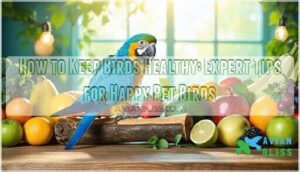 Keeping your feathered friends healthy starts with the basics: quality pellets as their main diet, fresh water daily, and a spacious, clean cage.
You’ll want to add fruits and vegetables for variety, but skip avocado and chocolate – they’re toxic to birds.
Regular vet checkups catch problems early, while daily interaction keeps them mentally sharp.
Watch for changes in eating, droppings, or behavior, as birds hide illness well.
Clean perches and toys weekly, maintain proper room temperature, and keep them away from kitchen fumes and drafts.
The secret to vibrant, long-lived birds lies in understanding their unique needs and creating an environment where they can truly thrive.
Table Of Contents
- Key Takeaways
- Choosing Healthy Bird Species
- Keeping Birds Healthy Daily
- Bird Nutrition Basics
- Creating Safe Bird Environments
- Bird Socialization and Interaction
- Avian Health and Veterinary Care
- Bird Hygiene and Cleaning
- Preventing Bird Health Issues
- Promoting Bird Mental Health
- Maintaining Long Term Bird Health
- Frequently Asked Questions (FAQs)
- How to prevent birds from getting sick?
- What is the #1 threat to birds?
- How do I make my bird’s life better?
- What are you not supposed to feed birds?
- How often should birds wings be clipped?
- What temperature range is ideal for birds?
- Can birds safely live with other pets?
- How do you introduce new birds together?
- What are signs of bird breeding behavior?
- Conclusion
Key Takeaways
- Feed quality pellets as the foundation – You’ll want to make pellets 70-80% of your bird’s diet, supplemented with fresh fruits and vegetables, while avoiding toxic foods like avocado and chocolate.
- Schedule annual vet checkups with an avian specialist – You can’t rely on obvious symptoms since birds hide illness well, so regular examinations catch problems early when they’re most treatable.
- Maintain daily cage hygiene and fresh water – You should clean droppings every 2-3 hours, replace water daily, and do a weekly deep cleaning to prevent bacterial growth and disease.
- Provide mental stimulation through social interaction and enrichment – You need to spend at least 2 hours daily interacting with your bird and rotate toys weekly to prevent boredom-related behaviors like feather plucking.
Choosing Healthy Bird Species
Selecting the right bird species sets the foundation for your pet’s long-term health and happiness.
Different species have unique care requirements, lifespans, and temperaments that directly impact their well-being in your home.
Parrots

Among the 350+ parrot species, only 25-30 make suitable pets due to their resilient temperament and adaptability.
African Greys showcase exceptional talking ability, while Amazon parrots thrive with proper parrot enrichment activities.
Bright, chatty parrots need daily mental challenges to prevent boredom and behavioral problems.
Understanding species variety helps you choose wisely—some require advanced care that challenges novice owners.
Prioritizing parrot wellness through avian wellness practices guarantees your feathered friend’s peak bird health and prevents common diseases.
These birds exhibit high intelligence levels, making them engaging companions with peak bird health.
Finches and Canaries
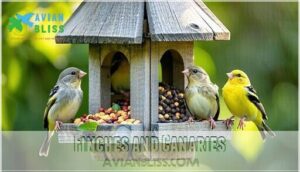
Small songbirds like finches and canaries make excellent starter pets for bird health enthusiasts.
These hardy species thrive on seed variety mixed with pellets, requiring minimal grit supplementation.
During molting support periods, increase protein intake to maintain vibrant canary colors and singing health.
Their avian wellness needs include fresh water daily, proper cage ventilation, and a healthy bird diet rich in leafy greens for ideal development.
Large Birds

Large parrots like macaws, African greys, and cockatoos represent the most robust species for long-term avian wellness.
These magnificent birds boast species lifespans exceeding 40 years, making them lifetime companions.
However, their impressive vocalization issues require careful consideration in apartment settings.
Proper cockatoo care and macaw health management demand specialized large parrot nutrition and experienced bird vet care for preventing bird diseases effectively.
Keeping Birds Healthy Daily
Daily observation forms the cornerstone of effective avian wellness, requiring you to monitor your feathered companion’s behavior, appetite, and physical appearance each morning.
Watch for changes in eating habits, droppings consistency, and energy levels, as birds instinctively hide illness until symptoms become severe.
Water freshness demands attention twice daily, replacing stale water with clean supplies to prevent bacterial growth and encourage proper hydration.
A balanced diet supports immune function, while encouraging natural foraging behavior through scattered treats keeps birds mentally stimulated and physically active.
Preventative measures include maintaining consistent cage hygiene, removing uneaten food within hours, and monitoring environmental temperature.
To further prevent the spread of disease, remember to prioritize bird health sanitation, and note that consistency in bird care routines helps you quickly identify when something’s amiss, making early intervention possible and keeping your avian friend thriving.
These bird health tips create a foundation for preventing bird diseases before they develop, emphasizing the importance of proper hydration and a balanced approach to care.
Bird Nutrition Basics

You play a big role in your bird’s health by providing a balanced mix of pellets, seeds, fresh fruits, and leafy greens, even if your parrot seems to judge your kitchen skills.
It’s not just about filling the food bowl—each choice helps keep those feathers glossy and your bird looking forward to breakfast.
Pellets and Seeds
Switching from seeds to pellets transforms your bird’s nutrition, though many birds resist change initially.
Quality pellets provide complete nutritional balance, while seed-heavy diets often lack essential vitamins and promote obesity.
Introduce pellets gradually by mixing them with familiar seeds, ensuring portion control throughout the changeover.
Consider sprouted seeds as healthy supplements that boost pellet quality and seed variety naturally, providing a way to enhance your bird’s diet with essential vitamins.
Fruits and Vegetables
Fresh produce transforms your bird’s nutrition beyond basic pellets and seeds. Vitamin A-rich vegetables like carrots and sweet potatoes support immune function, while fresh vegetables provide essential nutrients for avian wellness.
Choose organic options when possible to minimize pesticide exposure. Many resources discuss vegetable safety for birds.
- Safe vegetables: Kale, broccoli, peppers, and squash offer essential nutrients
- Approved fruits: Apples (seedless), berries, and melon provide antioxidants in moderation
- Toxic foods to avoid: Never offer avocado, onion, garlic, or fruit pits
- Proper portions: Limit fruits to 10% of diet; vegetables can comprise 20-25%
Calcium Sources
Beyond fruits and vegetables, calcium keeps your bird’s bones strong and supports egg production in females.
Without adequate calcium, birds develop serious health issues, making dietary balance critical for avian wellness.
| Natural Sources | Supplement Options |
|---|---|
| Dark leafy greens (kale, collards) | Cuttlebone benefits include slow calcium release |
| Broccoli and calcium-rich fresh vegetables | Calcium supplements (vet-approved only) |
| Sesame seeds and almonds | Mineral blocks designed for birds |
Watch for toxicity risks from over-supplementation, which can cause kidney problems.
Always consult your avian vet before adding calcium supplements to your bird’s nutrition plan.
Creating Safe Bird Environments
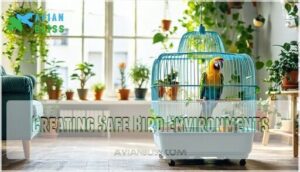
Your bird’s environment directly impacts their health, safety, and happiness throughout their long lifespan.
Creating the right habitat involves careful attention to cage specifications, strategic placement, and eliminating household dangers that could harm your feathered friend.
Cage Size and Placement
Choosing the right cage dimensions guarantees your bird can spread its wings fully without touching the sides.
Place the cage in a high-traffic area away from direct sunlight exposure and kitchen fumes, which pose location dangers.
Proper cage placement promotes social interaction while maintaining cage safety through strategic accessory placement and regular cage cleaning routines.
Bar Spacing and Accessories
Proper bar spacing prevents escapes and injuries, making cage safety paramount.
Choose bar width appropriate for your bird’s size—too wide allows head entrapment, too narrow restricts movement.
Select perch types of varying textures and diameters to exercise feet.
Provide toy variety using birdsafe materials like untreated wood and stainless steel.
Quality bird cage accessories enhance cage enrichment while ensuring ideal cage setup.
Consider the cage bar replacements available if the original bars are damaged, for optimal bar replacements.
Household Hazards
Keeping birds safe means scanning your home like a detective looking for clues.
Toxic plants like philodendron spell trouble, while Teflon fume dangers from overheated cookware can kill within minutes.
Open water containers pose drowning risks, and lead poisoning lurks in old paint chips.
Watch for escape risks near windows, secure electrical cords, and eliminate household toxins completely.
Bird Socialization and Interaction
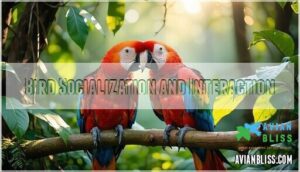
Birds are naturally social creatures who need regular interaction to maintain their mental and physical health.
Without proper socialization, your feathered friend can develop stress-related behaviors like feather plucking, excessive screaming, or even depression that affects their overall well-being.
Social Needs of Birds
Why do some birds thrive in flocks while others prefer solitude? Understanding your bird’s companionship needs is vital for their mental well-being.
Different species have varying social enrichment requirements that directly impact their happiness and health.
- Single birds need extensive daily social interaction with humans to prevent loneliness and behavioral issues
- Pair bonding species like lovebirds require avian companionship or they’ll become stressed and depressed
- Flock birds such as cockatiels benefit from group dynamics and multiple companions for maximum mental stimulation
Bird bonding isn’t optional—it’s essential for preventing feather plucking, aggression, and other stress-related behaviors in your feathered friend.
Spending Time With Birds
Daily interaction strengthens avian companionship through consistent bonding activities and social engagement.
Dedicate at least two hours for playtime enrichment, offering mental stimulation through interactive toys and training sessions.
Watch for communication cues like head bobbing or wing flapping, which signal your bird’s desire for attention.
Understanding bird social interactions can further enhance these interactions.
These affection displays build trust and create meaningful connections with your feathered friend.
Bird Training and Behavior
Through patient positive reinforcement, you’ll transform behavioral issues into trust-building moments.
Start with basic taming techniques like target training, where your bird touches a stick for treats.
Address behavior problems early by redirecting natural foraging behavior into enrichment activities.
Consistent bird behavior training sessions, using positive reinforcement methods, help establish routines, and these bird training techniques create mental stimulation, preventing destructive habits while strengthening your bond.
Avian Health and Veterinary Care
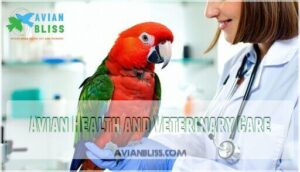
Proper veterinary care forms the foundation of your bird’s long-term health and happiness.
You’ll need to establish a relationship with an experienced avian veterinarian who can guide you through annual wellness exams, recognize common health issues, and recommend appropriate vaccinations or medications when necessary, which is crucial for your bird’s overall health.
Annual Wellness Exams
Just like humans need regular checkups, your feathered friend requires annual wellness exams with an experienced avian veterinarian.
These visits provide preventative care that catches problems before they become serious, saving you stress and money down the road.
Here’s what makes avian wellness checkups worthwhile:
- Exam Frequency – Schedule visits yearly, or twice annually for senior birds over 5 years old
- Early Detection – Avian veterinarians spot subtle signs of illness that birds naturally hide
- Preventative Care – Weight monitoring, blood work, and fecal exams prevent major health crises
- Cost Factors – Annual exams ($50-$100) cost far less than emergency treatments exceeding $1,000
- Avian Health Baseline – Regular checkups establish normal values for your bird’s unique physiology
Bird wellness checkups aren’t just medical necessity—they’re peace of mind wrapped in professional expertise.
Common Health Issues
You’ve probably heard your avian veterinarian talk about signs of illness in birds—be on the lookout for Respiratory Infections, Feather Plucking, Gastrointestinal Problems, and Egg Binding.
Issues like Psittacosis can affect both you and your feathered friend.
Staying alert to common bird ailments helps support strong bird immune system function and keeps your pet’s bird respiratory health steady as a rock.
Vaccinations and Medications
Proper vaccination schedules protect your bird’s immune system against serious diseases like polyomavirus, which can devastate entire flocks. Your avian veterinarian will recommend specific vaccines based on your bird’s species and risk factors.
Understanding medication side-effects helps you monitor for adverse reactions during treatment.
- Peace of mind knowing your feathered friend is protected – Vaccines prevent deadly outbreaks that could claim your beloved companion
- Swift recovery when illness strikes – Prompt antibiotic treatments and antifungal treatments clear infections before they become life-threatening
- Expert guidance through health challenges – Professional avian veterinary care guarantees proper pain management and recognizes signs of illness in birds early
Monitor for common bird ailments while avoiding antibiotic resistance through proper medication use.
Bird Hygiene and Cleaning
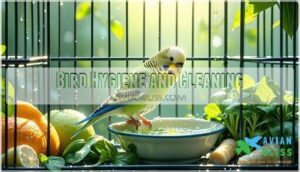
Maintaining proper hygiene keeps your feathered friend healthy and prevents disease-causing bacteria from taking hold in their living space.
You’ll need to establish a regular cleaning routine that includes daily spot-cleaning and weekly deep sanitization to create the cleanest possible environment for your bird’s well-being.
Cage Cleaning and Maintenance
Regular bird cage hygiene keeps your feathered friend healthy and happy.
Clean water dishes daily, washing with bird-safe cleaners like vinegar solutions. Wipe down perches weekly to prevent bacteria buildup.
Rotate and sanitize toys monthly, replacing worn items. Maintain cleaning frequency by spot-cleaning spills immediately and doing thorough cage cleaning weekly.
Using the right cage cleaning products is also very important. This environment cleanliness routine forms the foundation of bird health maintenance and proper bird care.
Removing Droppings and Waste
Maintaining clean bird environments starts with consistent dropping frequency monitoring, as waste accumulates rapidly throughout the day.
Fresh droppings indicate healthy digestion, while changes signal potential health concerns requiring immediate attention from your avian veterinarian.
- Check and remove droppings every 2-3 hours during active periods
- Use paper towels or cage liners for quick waste disposal without disturbing your bird
- Replace water dishes immediately if contaminated to prevent germ prevention issues
- Spot-clean perches and toys when waste builds up to maintain environment cleanliness
- Monitor dropping consistency and color changes as part of bird health maintenance routines to ensure a healthy digestion and prevent potential health concerns.
Disinfecting and Sanitizing
After removing waste, safe disinfectants become your next defense against harmful bacteria.
Choose bird-safe products without toxic fumes that could harm respiratory systems. Clean water dishes daily and sanitize toys weekly to prevent reinfection.
Proper cleaning schedules maintain environment cleanliness while supporting illness detection through daily habits.
| Item | Disinfectant | Frequency |
|---|---|---|
| Water dishes | White vinegar solution | Daily |
| Perches | Bird-safe enzyme cleaner | Weekly |
| Toys | Diluted bleach rinse | Bi-weekly |
| Cage bars | Antibacterial wipes | Every 3 days |
| Food bowls | Hot soapy water | After each meal |
Preventing Bird Health Issues
You can prevent most bird health issues by recognizing early warning signs and maintaining proper daily care routines.
Since birds naturally hide illness until they’re quite sick, staying alert to subtle changes in behavior, appetite, or droppings helps you catch problems before they become serious, which is crucial for maintaining their health through proper daily care.
Respiratory Problems
Your bird’s breathing patterns tell a story – watch for tail bobbing, open-mouthed breathing, or clicking sounds that signal trouble ahead.
Respiratory issues like Air Sacculitis, Aspergillosis, and Chlamydiosis can develop quickly, making early detection your best defense against serious bird illness.
Prevention Tips for bird respiratory health:
- Eliminate toxic fumes from nonstick cookware, scented candles, and cleaning products
- Maintain proper ventilation while avoiding drafts that stress your bird’s system
- Schedule annual wellness exams to catch Sinus Infections before they worsen
Quick action prevents minor respiratory issues from becoming life-threatening emergencies.
Gastrointestinal Issues
When your bird’s digestive system goes haywire, gastrointestinal problems like Crop Stasis, Proventricular Dilatation, and Sour Crop can quickly turn serious.
These conditions, along with impactions and parasites, often stem from poor nutrition or contaminated water.
You’ll notice changes in droppings, reduced appetite, or lethargy.
Switching to quality pellets and providing fresh water daily helps prevent most digestive issues before they start, which is a key step in maintaining your bird’s overall health and preventing conditions like Sour Crop and Proventricular Dilatation.
Behavioral Changes and Stress
Changes in your bird’s behavior often signal underlying stress or health problems that need immediate attention.
Watch for stress indicators like feather plucking, vocalization changes, appetite loss, and aggression signs, which can indicate avian anxiety disorders.
Bird stress reduction involves maintaining consistent routines, providing mental stimulation, and eliminating environmental stressors to prevent behavioral issues from escalating into serious health concerns, which is crucial for addressing avian anxiety disorders and promoting overall well-being through stress reduction.
Promoting Bird Mental Health
Your bird’s mental health requires just as much attention as their physical well-being, affecting everything from feather condition to social behavior.
Creating an enriching environment with proper stimulation, natural elements, and stress reduction techniques will keep your feathered friend mentally sharp and emotionally balanced.
Providing Stimulation and Toys
Mental stimulation keeps your feathered friend sharp and happy.
Rotate toys weekly to prevent boredom, offering destructible toys like paper and wood for natural shredding behaviors.
Puzzle feeders and foraging toys encourage instinctive food-seeking activities.
Hide treats in safe bird toys or create enrichment activities using cardboard boxes.
Foraging opportunities throughout the cage promote healthy mental exercise and reduce stress-related behaviors, which can be supported by natural shredding activities.
Creating a Natural Environment
Beyond engaging toys, your bird’s environment should mirror their wild habitat to satisfy deep-rooted instincts.
Habitat Enrichment transforms cages into thriving ecosystems that support both physical and mental wellbeing through thoughtful design.
- Natural Perches from apple, willow, or manzanita wood provide varying textures and diameters that exercise feet muscles while preventing bumblefoot
- Safe Plants like spider plants or bird-safe herbs create vertical interest and encourage natural foraging instinct exploration throughout their living space
- Environmental Control includes proper lighting cycles, humidity levels, and temperature regulation that mimics seasonal changes birds experience in nature
Reducing Stress and Anxiety
Just as environmental enrichment keeps your bird’s mind active, managing stress requires recognizing triggers that upset your feathered friend.
Stress shows up through feather plucking, excessive vocalization, or withdrawn behavior.
Creating Safe Spaces with consistent routines helps anxious birds feel secure in their environment.
| Stress Trigger | Calming Techniques | Enrichment Activities |
|---|---|---|
| Loud noises | Cover cage partially | Foraging toys with treats |
| Schedule changes | Maintain feeding times | Rotating perch positions |
| Isolation | Regular interaction | Mirror play (supervised) |
| New environments | Gradual introductions | Natural branch perches |
| Lack of stimulation | Background music | Puzzle feeders daily |
Reducing Isolation through behavior training strengthens your bond while providing mental stimulation that prevents destructive habits.
Maintaining Long Term Bird Health
Long-term bird health requires consistent monitoring and proactive adjustments to their care routine.
You’ll need to track subtle changes in behavior, appetite, and physical condition while adapting their environment and diet as they age.
Ensuring chronic conditions are managed effectively with your avian veterinarian’s guidance.
Regular Check Ups and Monitoring
Establishing consistent bird health monitoring routines guarantees Early Detection of potential problems before they become serious.
Your avian specialist will track Weight Monitoring patterns, conduct Fecal Exams, and assess overall avian wellness during regular visits to avian vet clinics.
- Weekly weigh-ins revealing subtle changes that signal illness
- Daily observation of Behavior Changes like decreased appetite or lethargy
- Monthly Feather Condition assessments checking for plucking or dullness
- Quarterly blood work tracking organ function and nutritional status
- Annual thorough exams including physical evaluations and diagnostic testing
Adjusting Diet and Environment
Tuning your feathered friend’s diet and environment keeps them thriving long-term.
Dietary changes should reflect aging needs, while environmental enrichment prevents boredom through rotating toys and perches.
Monitor temperature control, ensuring consistent 65-75°F temperatures, and provide adequate light exposure for healthy circadian rhythms.
Maintain ideal air quality by avoiding aerosols near cages, supporting proper bird nutrition throughout their lifespan, and ensuring overall environmental enrichment.
Managing Chronic Health Issues
Chronic conditions like arthritis or respiratory disease require ongoing attention, but you can help your feathered friend thrive.
Pain Management through prescribed medications, combined with Medication Adherence to your vet’s schedule, forms the foundation.
Dietary Adjustments may include supplements targeting specific deficiencies, while Environmental Control keeps stress low.
Addressing vitamin A deficiency is essential for respiratory health and feather quality.
Supportive Care encompasses everything from modified perches to monitoring bird life stages, ensuring avian wellness throughout your bird’s journey.
Frequently Asked Questions (FAQs)
How to prevent birds from getting sick?
An ounce of prevention beats a pound of cure when caring for your feathered friend.
Schedule annual vet checkups, maintain clean cages daily, provide balanced pellet-based diets, and monitor for illness signs.
What is the #1 threat to birds?
Household hazards pose the greatest threat to pet birds.
You’ll face dangers like toxic fumes from cookware, open windows, ceiling fans, and poisonous foods like chocolate or avocado that can quickly kill your feathered friend, including dangers from toxic fumes.
How do I make my bird’s life better?
Provide daily social interaction, a spacious cage with engaging toys, varied diet of pellets and fresh foods, regular vet checkups, and opportunities for natural behaviors like foraging.
What are you not supposed to feed birds?
Never feed birds avocado, chocolate, caffeine, onions, alcohol, or salty foods—they’re toxic and potentially fatal.
Seeds shouldn’t exceed one-third of their diet, as they cause obesity and liver disease in captive birds.
How often should birds wings be clipped?
Wing "maintenance" typically happens every 6-8 weeks when feathers regrow.
You’ll need regular touch-ups since flight feathers grow back continuously.
Consider your bird’s safety needs versus natural flight abilities when deciding frequency.
What temperature range is ideal for birds?
Most pet birds thrive in temperatures between 65-80°F, with consistent conditions being key.
You’ll want to avoid drafts, sudden temperature changes, and extremes that can stress your feathered friend’s delicate system.
Can birds safely live with other pets?
Like mixing oil and water, birds and other pets require careful supervision.
Cats and dogs pose significant risks to birds through hunting instincts and accidental injuries.
You’ll need separate spaces and constant vigilance during interactions.
How do you introduce new birds together?
Quarantine new birds separately for 30-45 days first. Then, place cages near each other, gradually moving them closer. Monitor body language closely—relaxed postures indicate readiness for supervised, neutral-territory meetings.
What are signs of bird breeding behavior?
Like nature’s age-old dance of romance, you’ll notice increased vocalization, nesting behaviors, regurgitation to potential mates, territorial aggression, and physical displays such as head bobbing, wing flapping, or showing off colorful plumage during mating season.
Conclusion
Mastering how to keep birds healthy doesn’t require a veterinary degree, just dedication to their well-being.
You’ve learned the fundamentals: nutritious pellets, fresh water, spacious cages, and regular vet visits.
Remember that social interaction and mental stimulation are just as essential as physical health.
By watching for subtle changes and maintaining clean environments, you’ll catch issues before they become serious problems, ensuring your feathered companions will reward your efforts with years of vibrant health and joyful companionship.
- https://www.avianandanimal.com/feeding-guidelines-for-birds.html
- https://vcahospitals.com/know-your-pet/common-conditions-of-birds
- https://www.wbu.com/keeping-birds-healthy/
- https://www.merckvetmanual.com/bird-owners/disorders-and-diseases-of-birds/disorders-affecting-multiple-body-systems-of-pet-birds
- https://www.vetandtech.com/blogs/a-guide-to-common-bird-diseases-symptoms-and-treatments