This site is supported by our readers. We may earn a commission, at no cost to you, if you purchase through links.
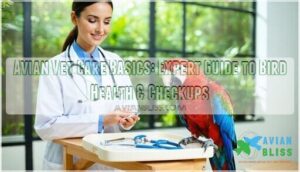 Avian vet care basics start with finding a certified avian veterinarian who understands your bird’s unique physiology.
You’ll need annual wellness exams to catch health issues early, since birds hide illness instinctively. Prepare for visits by carrier-training your feathered friend and bringing fresh droppings for analysis.
During checkups, expect weight monitoring, physical exams, and discussions about diet, environment, and behavior.
Emergency signs include breathing changes, sitting on the cage floor, or fluffed feathers.
Proper nutrition, clean water, and mental stimulation form the foundation of preventive care. Your bird’s specialized anatomy requires expertise that general vets may lack. Understanding these fundamentals helps you spot red flags before they become serious problems.
Table Of Contents
- Key Takeaways
- Avian Health Basics
- Choosing Avian Vets
- Avian Vet Visit Prep
- Avian Clinic Expectations
- Avian Care and Nutrition
- Avian Emergency Care
- Frequently Asked Questions (FAQs)
- Do you need an avian veterinarian for your pet bird?
- What does an avian veterinarian do?
- Where can I find a avian veterinarian?
- When should you see an avian veterinarian?
- Why do avian veterinarians need annual examinations?
- What are the basics of bird care?
- How hard is it to be an avian vet?
- What kind of vet care do birds need?
- Why are avian vets so expensive?
- How much do avian veterinary visits typically cost?
- Conclusion
Key Takeaways
- You’ll need a certified avian veterinarian – Only 85 board-certified specialists exist nationwide, and regular vets lack the expertise to handle birds’ unique physiology and hidden illness patterns.
- Schedule annual wellness exams religiously – Birds hide up to 90% of their symptoms until they are critically ill, making regular checkups your best defense for early detection and treatment.
- Prepare properly for vet visits – Start carrier training weeks ahead, bring fresh droppings for analysis, and maintain your bird’s routine to reduce stress during appointments.
- Watch for emergency warning signs – Labored breathing, sitting on the cage floor, fluffed feathers, or sudden behavioral changes require immediate veterinary attention, since birds deteriorate rapidly once symptoms appear.
Avian Health Basics
Your bird’s unique physiology makes them masters at hiding illness until they’re seriously sick.
You’ll need regular veterinary checkups to catch health problems early, since birds can mask up to 90% of their symptoms until it’s almost too late, which is why regular veterinary checkups are crucial.
Unique Bird Physiology
Understanding your bird’s unique anatomy helps you provide better avian veterinary care during health exams.
Birds possess hollow, pneumatic bones in their skeletal system that connect to an advanced respiratory system with air sacs.
Feathered flight masters owe their sky-soaring success to bones lighter than air itself.
Their specialized beak anatomy, intricate feather structure, and exceptional visual acuity make avian physiology distinctly different from mammals, requiring specialized bird health exam prep**.
The unique characteristics of bird bones, including their hollow bone structure, play a vital role in their overall physiology and flight capabilities.
Common Health Challenges
Your bird’s health can take a nosedive quickly due to common avian health issues like respiratory infections and feather plucking.
Beak problems, egg binding, and behavioral disorders also plague pet birds regularly.
These bird diseases often hide until they’re serious, making early bird disease diagnosis essential.
Proper avian disease treatment requires recognizing symptoms fast—your feathered friend depends on it.
Importance of Regular Checkups
Why skip the annual bird wellness checks when your feathered friend’s hiding illness like a pro?
Birds conceal up to 90% of health issues, making regular exams your best defense.
Your feathered friend’s a master at masking illness until it’s nearly too late.
Annual avian vet care increases survival rates by 50% compared to late diagnosis.
Preventive measures through consistent bird health checks catch problems early, ensuring your companion’s long, healthy life ahead, which is the ultimate goal of annual checks.
Choosing Avian Vets
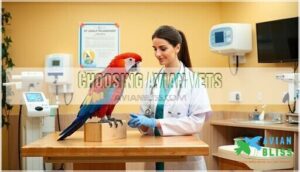
Selecting the right avian veterinarian requires careful research since only about 85 certified avian specialists practice across the United States.
You’ll need to verify credentials like AAV membership and ABVP certification.
While ensuring the clinic offers specialized equipment and emergency care for your feathered companion.
Credentials and Experience
When looking for the right avian veterinarian, you’ll want to check their credentials carefully.
Look for AAV membership and ABVP certification in avian practice – only 125 board-certified avian specialists exist nationwide.
These avian vets have extensive avian expertise through years of clinical experience and rigorous testing.
Many offer house calls and emergency care, making avian veterinary services more accessible for your feathered friend.
Birds need specialized avian care due to their unique needs.
Facility Quality and Equipment
Modern avian care facilities should feature digital X-ray machines, surgical suites with proper ventilation, and emergency equipment.
You’ll want clinics maintaining strict hygiene protocols and housing standards that prevent cross-contamination between patients.
Top bird vet clinics invest in specialized diagnostic equipment like endoscopes and ultrasound machines.
Emergency readiness means having oxygen therapy units and critical care incubators available around the clock.
Vet-Owner Communication
Quality communication creates lasting partnerships between you and your avian veterinarian.
Trust-building starts with honest discussions about your bird’s daily habits and health concerns.
- Ask specific vet questions about bird behavior changes, diet recommendations, and preventive care schedules
- Share owner concerns openly, including environmental factors, handling difficulties, and behavioral observations
- Discuss communication styles that work best for follow-up bird postvisit care and ongoing avian veterinarian consultation needs
Special Considerations for Older Birds
Senior birds need specialized geriatric care as they enter their golden years.
When choosing your avian vet, ask about their experience with aging symptoms like arthritis and vision changes.
Look for clinics offering senior nutrition counseling and bird wellness checks suited to elderly health needs.
Some practices even provide bird hospice services for end-of-life comfort.
Avian Vet Visit Prep
Preparing your bird for a vet visit takes some planning, but it’ll make the experience smoother for everyone involved.
Start carrier training weeks ahead of time and gather all the essential items your vet will need to assess your feathered friend’s health.
Carrier Training and Travel
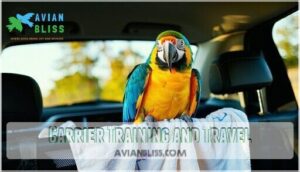
Success with bird carrier training starts weeks before your vet visit.
Place treats inside the carrier daily, letting your bird explore at their own pace.
Gradually increase time spent inside with positive reinforcement.
Practice short car rides to reduce travel stress.
Use a towel for gentle handling practice.
Cover the carrier during transport for security and calmness.
Investing in proper bird carrier safety features is essential for a successful vet visit.
Pre-Visit Routine and Diet

Preparation proves vital for successful avian vet visits. Maintain your bird’s regular feeding schedule the day before, avoiding new foods that might cause digestive upset.
Provide a light meal two hours before departure to prevent motion sickness during transport.
- Keep familiar foods available to comfort anxious birds
- Monitor water intake to guarantee proper bird hydration levels
- Document any recent dietary changes for veterinary discussion
- Stick to routine feeding times to minimize pre-visit stress
By following these steps, you can help ensure a smooth and successful vet visit for your bird, reducing the risk of digestive upset and promoting overall well-being.
Essential Items to Bring
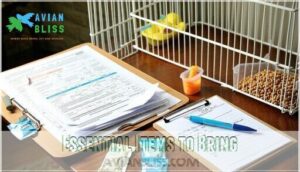
Before your avian vet visits, gather your bird’s complete medical history and health records to help the veterinarian understand past treatments.
Include diet details with food packaging photos for nutritional assessment. Bring cage samples from recent droppings for fecal analysis.
Prepare owner questions about behavioral changes you’ve noticed during bird health exam prep for your bird vet checkup. Accurate veterinary record keeping systems are essential for maintaining your bird’s health history.
Reducing Stress During Visits

Your careful pre-visit prep pays off when you spot stress signals during the appointment.
Watch for rapid breathing, feather fluffing, or excessive vocalization—these indicate your bird needs calming techniques.
Speak softly and avoid sudden movements while the vet works.
Well-trained birds who practiced carrier training and gentle bird handling at home typically show fewer stress responses, making avian vet visits smoother for everyone involved.
Avian Clinic Expectations
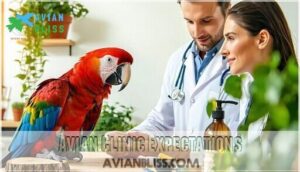
Walking into an avian clinic for the first time can feel overwhelming, but knowing what to expect helps you feel more confident and prepared.
Understanding the typical procedures and timing allows you to support your bird through each step of the visit while getting the most from your veterinary consultation.
Check-in Procedures and Wait Times
Three simple steps streamline your avian vet visits and minimize stress.
First, arrive fifteen minutes early for the checkin process to complete paperwork and allow your bird time to adjust.
Most avian clinics maintain shorter wait times than general practices, typically scheduling appointments every thirty minutes.
Call ahead to confirm vet scheduling hasn’t changed, as clinic flow depends heavily on emergency cases that can delay routine bird vet checkup appointments unexpectedly, which can affect the overall clinic flow.
Initial Assessments and Exams
Your vet begins with observation-based Bird Exam Tips, watching your bird’s posture and breathing before hands-on contact.
Medical History discussion provides 60% of diagnostic clues during Initial Consultations.
The physical exam includes weight checks, temperature readings, and systematic assessment of beak, eyes, and feathers.
This thorough Avian Health Checks process guarantees a thorough evaluation during avian vet visits.
Handling Nervous or Aggressive Birds
Your bird might freeze up or lash out when stressed during exams.
Watch for aggression signs like lunging, biting attempts, or defensive posturing.
Gentle handling techniques and bird calming methods help reduce fear.
Your avian vet uses stress management strategies like towel restraint and slow movements.
Patient handling nervous birds requires understanding their behavior problems and triggers.
Clinic Schedule and Appointment Tips
Scheduling your avian vet visits during weekday mornings often means shorter wait times and less stressed birds.
Book appointments well in advance since only 85 certified avian veterinarians practice nationwide.
Arrive fifteen minutes early for paperwork, but don’t uncover your bird’s carrier until called—this reduces anxiety and maintains clinic etiquette during busy periods.
Finding a local avian specialist is essential for proper bird care and regular checkups.
Avian Care and Nutrition
Proper nutrition forms the foundation of your bird’s health and directly impacts every veterinary visit you’ll have.
You’ll need to understand balanced diets, supplements, enrichment, and grooming to keep your feathered friend thriving between checkups, which is crucial for their overall health.
Balanced Diet and Nutrition Needs

Your bird’s diet serves as the foundation for lifelong health, making nutrient balance more important than many owners realize.
Commercial pellets should comprise 50-80% of your feathered friend’s meals, while seed diets require careful limitation to prevent vitamin deficiencies.
Food variety through fresh vegetables and fruits supports both nutritional needs and mental stimulation, creating a well-rounded approach to avian nutrition.
Supplements and Vitamin Requirements
While a balanced diet provides most nutrients, some birds need targeted supplementation to maintain peak health.
Vitamin D3 drops help indoor birds who lack UV light exposure, while calcium supplements support egg-laying females.
Your avian vet can assess specific vitamin needs through blood work and recommend appropriate mineral supplements.
Proper nutrient balance prevents deficiencies that seed-only diets often create in companion birds.
A well-planned diet includes understanding essential nutrient needs to guarantee birds receive a complete diet with the right mineral supplements and vitamin needs.
Environmental Enrichment and Toys

Mental stimulation keeps your feathered friend happy and healthy.
Sensory Toys with different textures engage natural curiosity, while Foraging Boxes challenge problem-solving skills.
Bird Swings provide physical exercise and entertainment.
Toy Rotation prevents boredom – swap items weekly to maintain interest.
Environmental Stimulation through varied bird enrichment creates a dynamic habitat that supports psychological well-being and reduces destructive behaviors.
Providing appropriate bird toy options is essential for a balanced avian lifestyle with mental stimulation, and supports psychological well-being by reducing destructive behaviors.
Grooming and Hygiene Routines

Regular grooming keeps your feathered friend healthy and comfortable.
You’ll need to master nail clipping, beak trimming, and feather cleaning basics.
Establish weekly bathing techniques using lukewarm water or misting.
Proper plumage care prevents bird health issues and supports overall bird hygiene.
These bird grooming routines strengthen your bond while maintaining ideal parrot health through consistent avian health checks.
Avian Emergency Care
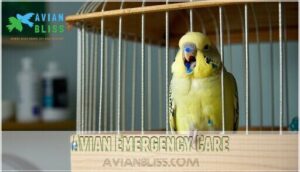
Recognizing when your bird needs emergency care can mean the difference between life and death, as birds instinctively hide illness until they’re critically sick.
You’ll learn to spot warning signs like labored breathing, sudden lethargy, and abnormal droppings while mastering basic first aid techniques that stabilize your feathered friend until professional help arrives, utilizing skills that can provide emergency care.
Recognizing Signs of Illness and Distress
Bird illness often hides beneath normal behavior until it’s serious.
Behavioral changes like sudden lethargy or sitting at cage bottom appear in over 65% of sick birds.
Physical symptoms include ruffled feathers, discharge from eyes or beak, and weight loss.
Watch for dropping changes, breathing issues, and emergency signs requiring immediate veterinary attention.
First Aid and Emergency Procedures
When your bird faces a medical emergency, quick action can save lives.
Control bleeding with direct pressure using clean cloth, stabilize fractures by gently restraining the bird in a towel, and remove toxin sources immediately while contacting your avian vet.
For seizures, dim lights and minimize noise until episodes pass, treating burns with cool water before seeking emergency treatment.
Preventive Care and Regular Monitoring
Smart monitoring prevents emergencies before they escalate.
Weekly weight checks catch illness early since birds lose 10% body mass before showing symptoms.
Track eating habits, droppings, and behavior changes daily.
Schedule bi-annual health checks with your avian vet to detect subclinical problems in 60% of cases.
Preventive measures beat reactive treatments every time, as preventive measures and smart monitoring are crucial.
Building a Strong Owner-Bird Bond
Strong bonds with your pet bird start with understanding behavioral cues and responding appropriately.
Trust building through consistent bird socialization creates emotional connections that enhance bird health tips and overall wellness.
Your avian vet can guide bonding techniques that strengthen your relationship while supporting your bird owner responsibilities for ideal pet bird wellness.
Frequently Asked Questions (FAQs)
Do you need an avian veterinarian for your pet bird?
Yes, you absolutely need an avian veterinarian for your pet bird. Birds hide illness symptoms until they’re critically sick, making specialized veterinary care essential for early detection and proper treatment.
What does an avian veterinarian do?
Only 85 certified avian veterinarians exist nationwide, making them specialized healthcare providers.
They perform thorough physical exams, diagnose illnesses, provide preventive care, and treat conditions unique to birds that regular vets can’t handle, which requires certified avian veterinarians.
Where can I find a avian veterinarian?
Use the Association of Avian Veterinarians (AAV) directory to locate certified specialists near you.
Only about 85 board-certified avian vets practice nationwide, so you’ll need to research carefully and potentially travel for expert care.
When should you see an avian veterinarian?
Birds hide illness well, so you’ll need annual check-ups for early detection.
Schedule visits immediately if you notice lethargy, breathing changes, appetite loss, or abnormal droppings—these signs demand urgent attention.
Why do avian veterinarians need annual examinations?
Annual exams catch health problems early since birds hide illness naturally. You’ll spot diseases before they become life-threatening, giving your feathered friend the best chance at recovery and long-term wellness.
What are the basics of bird care?
Over 60% of bird owners skip essential check-ups despite birds hiding 90% of health issues.
You’ll need proper nutrition, regular vet visits, clean housing, mental enrichment, and daily social interaction to keep your feathered friend healthy and happy.
How hard is it to be an avian vet?
Being an avian veterinarian requires specialized training beyond general practice, with only 85 certified specialists nationwide.
You’ll face complex diagnostics since birds hide illness effectively, demanding keen observation skills and advanced equipment for successful treatment outcomes.
What kind of vet care do birds need?
Your feathered friend needs annual checkups, emergency care when sick, and specialized handling that regular vets can’t provide.
You’ll want an avian-certified veterinarian who understands birds hide illness until it’s serious—making preventive care absolutely essential.
Why are avian vets so expensive?
Specialized training costs drive up avian vet prices substantially. You’re paying for expertise that only 85 certified specialists nationwide possess, plus specialized equipment and continuing education requirements.
How much do avian veterinary visits typically cost?
What’s keeping you awake at night – the cost of keeping your feathered friend healthy?
Avian veterinary exams typically range from $80-$235, with routine wellness visits averaging $115-$
Your wallet won’t completely fly away, but specialized care does cost more than typical pet visits.
Conclusion
Remarkably, the same week you’re reading this, countless bird owners will discover health issues they could’ve prevented with proper avian vet care basics.
Your feathered companion’s wellbeing depends on these essential practices you’ve learned. From choosing qualified veterinarians to recognizing emergency signs, you’re now equipped to provide excellent care.
Remember that birds hide illness naturally, making regular checkups and preventive measures your best defense against serious health problems, which is why proper care is essential.