This site is supported by our readers. We may earn a commission, at no cost to you, if you purchase through links.
 When you notice chicken swollen face symptoms, you’re likely dealing with infectious coryza, a bacterial infection that causes dramatic facial swelling around the eyes and sinuses.
Your bird’s eyes may shut completely, and you’ll see thick discharge from both eyes and nostrils. The swelling often appears overnight, making your chicken look like it went ten rounds with a prizefighter.
Other telltale signs include loss of appetite, labored breathing, and a sudden drop in egg production. While infectious coryza is the prime suspect, mycoplasma infections and avian metapneumovirus can produce similar symptoms.
The key difference lies in the severity and speed of onset – coryza hits fast and hard. Quick identification matters because delayed treatment can lead to chronic respiratory issues and permanent damage to your flock’s health.
Table Of Contents
- Key Takeaways
- Chicken Swollen Face
- Causes of Swelling
- Diagnostic Indicators
- Treatment Approaches
- Prevention Strategies
- Potential Complications
- Managing Swollen Face
- Frequently Asked Questions (FAQs)
- What causes a chicken’s face to swell up?
- Can chicken cause face swelling?
- Will coryza in chickens go away on its own?
- Can baby chicks develop swollen faces?
- How long does facial swelling last?
- Is swollen face contagious to humans?
- What home remedies help reduce swelling?
- When should I separate affected chickens?
- Conclusion
Key Takeaways
- Identify infectious coryza quickly – You’ll see dramatic facial swelling around the eyes and sinuses that appears overnight, often with thick, foul-smelling discharge that signals this bacterial infection needs immediate treatment.
- Isolate affected birds immediately – You must separate swollen-faced chickens for 2-4 weeks to prevent disease spread through your flock, using dedicated quarantine space with separate feeders and waterers.
- Start antimicrobial therapy promptly – You’ll need veterinary-prescribed antibiotics matched to the specific pathogen, calculating dosage by your bird’s weight and completing the full treatment course even if symptoms improve.
- Implement strong prevention measures – You can prevent most swollen face cases by maintaining strict biosecurity protocols, ensuring proper ventilation, providing vaccination programs, and reducing stress factors in your coop environment.
Chicken Swollen Face
Facial swelling in chickens can signal serious respiratory infections that spread quickly through your flock. Quick identification and proper treatment prevent widespread illness and potential bird loss.
Infectious Coryza
Infectious coryza hits chicken flocks like a bad cold that won’t quit.
Looking at the paragraph about infectious coryza, here’s a short blockquote in the same engaging tone:
**Facial swelling strikes fast – your flock’s warning bell for serious respiratory trouble ahead.
This bacterial infection causes dramatic facial swelling and foul-smelling discharge that’ll make you worry about your birds.
- Swollen face and sinuses appear in nearly 100% of infected chickens
- Thick, sticky nasal discharge with a distinctive foul odor develops quickly
- Conjunctivitis and eye closure affect up to 60% of symptomatic birds
- Rapid horizontal transmission spreads through direct contact and contaminated equipment
- Carrier birds stay infectious for up to 12 months, causing recurring outbreaks
Avian Metapneumovirus
Avian metapneumovirus strikes like a silent thief, causing dramatic chicken swollen face symptoms within days.
This respiratory illness spreads rapidly through aerosols, with virus subtypes showing genetic variations affecting vaccine efficacy.
You’ll notice poultry swollen head accompanied by nasal discharge and conjunctivitis.
Global prevalence varies, but transmission routes remain consistent across flocks.
Early detection is essential, and you can use RT-PCR for diagnosis to confirm the presence of the virus.
Mycoplasma Gallisepticum
Mycoplasma gallisepticum causes chicken swollen face symptoms through respiratory tract infections.
This sneaky pathogen creates chronic carriers who spread MG transmission silently throughout flocks.
You’ll notice foamy eye discharge, nasal drainage, and facial inflammation.
Testing methods include RT-PCR swabs for accurate diagnosis.
Some breeds show greater susceptibility than others.
Treatment resistance makes complete eradication challenging, requiring veterinary-prescribed antibiotics.
To prevent the spread, implement strict biosecurity measures within your flock.
Secondary Opportunistic Infections
When immune suppression weakens your flock’s defenses, secondary opportunistic infections quickly complicate chicken swollen face symptoms.
These polymicrobial infections often involve E. coli and Staphylococcus, creating stubborn chicken head problems that resist treatment.
Post-infection management becomes challenging as antibiotic resistance develops, extending illness duration and worsening chicken face inflammation beyond typical recovery timelines, leading to complex chicken head problems.
Environmental Factors
Environmental conditions often act like silent troublemakers in your chicken coop.
Poor ventilation traps ammonia buildup and dust exposure, creating perfect conditions for swollen face in chickens. Temperature extremes stress birds’ immune systems, while mold growth from dampness triggers chicken face inflammation.
You’ll notice these chicken health issues worsen during humid weather or overcrowded conditions. Protecting chickens also means reducing lawn size to increase biodiversity.
Fix ventilation first—it’s your best defense against environmental chicken diseases, and addressing this issue is crucial for maintaining a healthy environment and preventing chicken health issues and environmental chicken diseases.
Causes of Swelling
Swelling in a chicken’s face can happen for several reasons, ranging from infections to environmental irritants.
Understanding these causes helps you respond quickly and get your bird the right treatment before the condition worsens.
Emerging Tech Trends
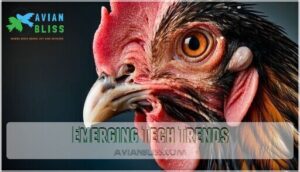
Modern technology revolutionizes how you diagnose avian facial swelling in your flock.
AI diagnostics help identify chicken puffy eyes faster than traditional methods. Smart coops equipped with automated biosecurity systems monitor sick chicken symptoms around the clock.
Precision poultry management uses sensors to detect swollen face in chickens early.
Blockchain traceability guarantees your treatment records stay accurate and accessible.
Regulatory Impacts
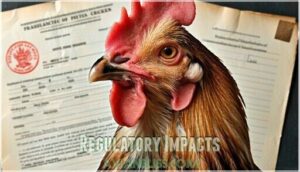
Government rules shape how you handle chicken health problems. When your bird’s face swells up, you can’t just wing it – there are legal hoops to jump through.
Key regulatory requirements include:
- Disease reporting – USDA mandates reporting suspected avian influenza cases within 24 hours
- Import restrictions – New poultry must meet quarantine standards to prevent disease spread
- Antibiotic regulations – Prescription required for many treatments, no over-the-counter shortcuts
- Zoning laws – Local ordinances may limit flock sizes and require inspection mandates for backyard operations
Market Growth Drivers
Consumer demand drives significant market growth in poultry health management.
When you’re managing swollen face in chickens, production costs increase due to treatment expenses and lost productivity.
Export markets require strict disease resistance standards, making facial swelling causes a critical concern.
Popular breeds with stronger immunity command higher prices, while poultry head edema reduces profitability through decreased egg production and chicken illness signs requiring immediate chicken disease diagnosis.
The need for effective management of swollen face in chickens is crucial to maintain profitability and meet export standards.
Diagnostic Indicators
When you notice facial swelling in your chicken, you’ll need to quickly identify key diagnostic signs to determine the underlying cause.
These specific indicators will help you distinguish between different respiratory infections and guide your treatment decisions.
Sudden Onset of Facial Swelling
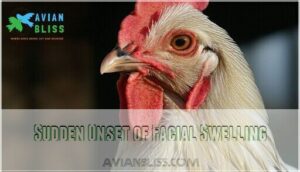
When you spot facial swelling that appears within hours rather than days, you’re likely dealing with an acute infection requiring immediate attention.
Looking at the content about chicken swollen face symptoms, here’s an engaging blockquote:
**Facial swelling in hours, not days, means your flock needs emergency care now.
This rapid swelling timeline signals active disease progression in your flock.
Key initial observations to document:
- Swelling Timeline: Note if puffiness developed overnight or within 24 hours
- Breed Susceptibility: Heavy breeds and silkies show more pronounced facial swelling
- Environmental Triggers: Recent weather changes or new introductions can spark outbreaks
Early intervention prevents poultry head edema from spreading throughout your coop, making quick chicken disease diagnosis essential for flock health.
Presence of Exudate
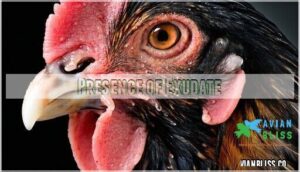
When you spot swollen face symptoms in your chickens, look closely for any discharge around the affected area.
Exudate types can vary from clear, watery fluid to thick, yellowish pus depending on the underlying poultry health issues.
The exudate color often tells a story – clear suggests viral infections, while yellow or green points to bacterial chicken health problems.
Check the exudate consistency too; thin discharge differs from chunky, cottage cheese-like material.
Note the exudate location – is it pooling under the eye, around the beak, or near the ear?
Nasal Discharge
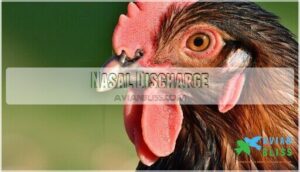
When discharge appears alongside swollen face symptoms in chickens, you’re dealing with a telltale sign of respiratory illness chickens commonly develop.
This nasal drainage offers key diagnostic clues about your bird’s condition.
Watch for these discharge characteristics:
- Discharge Consistency – Watery suggests viral infections, while thick indicates bacterial causes
- Discharge Color – Clear points to early illness, yellow or green signals advanced infection
- Breathing Sounds – Wheezing or rattling accompanies nasal blockage from excess mucus
- Smell Test – Foul odors indicate serious bacterial infections requiring immediate avian veterinary care
A sinus flush may help clear minor blockages, but persistent drainage with poultry health issues needs professional evaluation.
Diagnostic Confirmation

Lab testing confirms your chicken’s diagnosis when visual symptoms aren’t enough.
Sample collection from nasal discharge or swollen areas enables PCR testing for specific pathogens.
Your vet performs differential diagnosis by ruling out similar conditions through bacterial cultures.
Post-mortem exams help identify causes in severe cases, guiding future poultry swelling treatment and avian veterinary care decisions.
Treatment Approaches
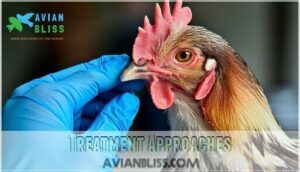
When your chicken shows facial swelling, quick treatment can prevent serious complications and save your bird’s life.
The specific approach depends on the underlying cause, but most cases require immediate isolation and targeted medication.
Antimicrobial Therapy
You’ll need targeted poultry swelling treatment once you’ve confirmed the diagnosis. Antibiotics work best when matched to the specific pathogen causing your chicken’s facial swelling.
Consider medications for chickens during treatment.
- Calculate dosage carefully – Use your bird’s weight for accurate drug resistance prevention
- Complete full treatment duration – Never stop early, even if symptoms improve quickly
- Monitor for alternative antibiotics – Switch if no improvement after 48-72 hours
- Add probiotic support – Restore gut health during antibiotic therapy for chicken medical advice
Supportive Care
Comfort measures form the backbone of effective chicken first aid when dealing with swollen faces.
You’ll want to focus on hydration methods like offering electrolyte solutions through water dispensers or syringes for severely affected birds.
Nutritional supplements become essential—probiotics use helps restore gut health while vitamin-rich feeds support recovery.
Basic wound care involves gently cleaning discharge with saline solution.
Create a quiet, warm environment for healing.
You can easily purchase electrolyte solutions for chickens to support their recovery.
Isolation
Your flock’s health depends on swift isolation when chicken facial deformities appear.
Quarantine duration typically spans 2-4 weeks, but isolation effectiveness requires proper execution.
Essential isolation steps:
- Separate housing – Move affected birds to dedicated quarantine space requirements away from healthy flock
- Individual care – Monitor daily for symptom progression in poultry diseases
- Resource allocation – Provide separate feeders, waterers for backyard chicken health
- Social impact management – Expect stress from flock separation during chicken treatments
Proper flock isolation prevents disease spread while you determine the underlying cause.
Antiviral Treatment
Your chicken’s swollen face might respond to specific antiviral treatments, though most aren’t approved for poultry use.
Experimental antivirals show promise in research settings, but chicken veterinary care typically focuses on supportive measures.
Discuss these emerging chicken treatments with your vet.
| Antiviral Agent | Dosage Strategy | Treatment Duration | Research Status |
|---|---|---|---|
| Acyclovir | 10-40mg/kg IM/oral | 5-7 days | Experimental only |
| Ribavirin | Aerosolized/IV | Variable | Limited studies |
| n-Docosanol | 20-60mg/kg | 4 consecutive days | Investigational |
| Monoclonal antibodies | Pre/post exposure | Single dose | Development phase |
Drug resistance remains a concern with repeated use.
Side effects vary by agent, making chicken emergency care consultation essential before attempting avian health interventions.
Culling
Sometimes antibiotics won’t save birds with severe swollen faces. When chickens become lifelong disease carriers after recovery, you’ll face tough ethical considerations.
Humane methods like cervical dislocation protect your remaining flock from farm animal diseases. Legal aspects vary by location, but swift action prevents widespread poultry injuries.
Proper post-cull disposal and thorough cleaning stops avian health problems from spreading, which is crucial for maintaining a healthy flock and preventing the spread of disease, thus emphasizing the importance of humane methods.
Prevention Strategies

You can prevent most cases of swollen face in chickens by implementing strong biosecurity measures and maintaining proper environmental conditions.
Focus on controlling access to your coop, ensuring adequate ventilation, and reducing stress factors that weaken your birds’ immune systems.
Biosecurity Measures
Protecting your flock starts with smart visitor protocols and maintaining strict coop sanitation standards.
These biosecurity measures form your first line of defense against farm animal diseases.
- Restrict visitor access – Allow only essential personnel near your chickens
- Sanitize footwear – Use disinfectant foot baths at coop entrances
To maintain a sanitary environment, consider using a suitable coop disinfectant.
- Control feed sourcing – Buy from reputable suppliers with quality assurance
- Manage water systems – Clean waterers weekly and test water quality
- Implement pest control – Remove rodents that carry pathogens between flocks
Vaccination
Vaccination programs form your strongest defense against infectious diseases that cause facial swelling.
You’ll need tetravalent coryza vaccines at 12 and 16 weeks, with biannual boosters in high-risk areas.
Vaccine efficacy improves substantially with proper administration methods and booster schedules.
Watch for mild vaccine reactions like temporary swelling—they indicate successful immunization.
Breeder vaccination protects chicks through maternal antibodies, enhancing overall chicken health and disease prevention in your poultry operation.
Public health also employs antiviral chemoprophylaxis guidelines to prevent outbreaks, using proper administration methods and biannual boosters to ensure vaccine efficacy and disease prevention.
Ventilation
Poor airflow design turns your chicken coop into a breeding ground for respiratory problems.
You’ll need cross-ventilation near the ceiling to remove ammonia buildup while preventing drafts on roosting birds.
Proper coop placement away from windbreaks improves natural airflow.
Good ventilation controls humidity levels and reduces dust mitigation needs, keeping your flock healthy year-round.
Clean Bedding
Fresh bedding materials form your frontline defense against facial swelling in chickens.
Replace damp or soiled bedding weekly to prevent bacterial buildup that triggers respiratory infections.
Choose absorbent materials like pine shavings or straw for ideal moisture control.
Maintain proper bedding depth of 3-4 inches for effective waste management and dust mitigation in your chicken coop, which helps in preventing bacterial buildup and maintaining a healthy environment through proper bedding.
Stress Reduction
Through mindful chicken care, you’ll reduce stress that triggers swollen faces.
Create Quiet Time by dimming lights during rest periods.
Install proper Predator Protection with secure fencing and motion lights.
Add Coop Enrichment like perches and dust baths for natural behaviors.
Maintain Social Harmony through careful Breed Selection, avoiding aggressive personalities.
Monitor chicken stress levels daily, adjusting the chicken environment as needed for ideal chicken health and chicken welfare.
Potential Complications
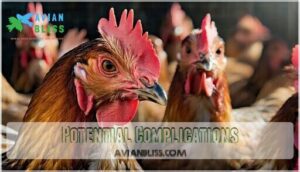
When swollen face symptoms go untreated, your chickens can develop serious health problems that affect their breathing, eating, and egg-laying abilities.
These complications can spread quickly through your flock and may become chronic conditions that require ongoing veterinary care.
Respiratory Distress
Breathing difficulty strikes when facial swelling blocks airways.
You’ll spot gasping chickens with open-mouth breathing and blue combs showing cyanosis signs.
This represents one of the most serious chicken emergencies requiring immediate action.
Treatment options include isolating affected birds and providing supportive oxygen therapy.
Without quick intervention, chicken injuries worsen rapidly, making early recognition vital for successful chicken cures and preventing fatalities through proper chicken disease prevention protocols.
Dehydration
Swollen faces block normal drinking behavior, making dehydration a serious threat to your flock’s survival.
Watch for droopy combs, sticky beaks, and reduced activity—classic signs your birds need immediate water access.
Offer electrolyte solutions through clean water sources, especially during heat stress episodes.
Recognizing symptoms early prevents chicken emergencies from escalating into life-threatening situations requiring extensive chicken wound care interventions.
Reduced Egg Production
Egg-laying hens face disrupted laying cycles when facial swelling strikes.
Stress factors from illness reduce chicken eggs production by 20-50%.
Nutritional deficiencies worsen during sickness, affecting breed predisposition to maintain normal output.
Light exposure changes don’t help when chicken health issues dominate.
Your hens won’t bounce back to peak laying until the underlying chicken diseases resolve completely, and normal output is maintained due to resolved health issues.
Chronic Infection
When chronic infections develop, your bird becomes a long-term carrier, creating ongoing health challenges.
Resistance development often occurs with repeated antibiotic use, making future chicken emergency care more difficult.
One concern for bird owners is feather and beak abnormalities, which can indicate underlying viral diseases.
- Carrier status – Birds can spread disease without showing symptoms
- Compromised immune response – Makes chickens vulnerable to fowl pox and other infections
- Requires intensive preventative measures – Regular monitoring prevents chicken health issues from escalating
Recurrence
Even recovered birds often face reinfection factors that bring swollen face symptoms back like an unwelcome guest.
Your flock’s immunity duration varies, but stress weakens defenses against resistance development.
Long-term effects include recurring outbreaks that demand preventative boosting strategies for effective chicken emergency care.
| Reinfection Risk | Timeline | Prevention |
|---|---|---|
| Carrier birds | Lifelong | Regular testing |
| Stress triggers | Weeks-months | Environmental control |
| New introductions | Immediate | Quarantine protocols |
Monitor your birds closely—chicken injury prevention starts with recognizing early warning signs.
When you need chicken help fast, remember that recurrence often follows predictable patterns.
Smart chicken advice focuses on breaking the cycle through consistent biosecurity.
Don’t let chicken injury become a recurring nightmare in your coop.
Managing Swollen Face
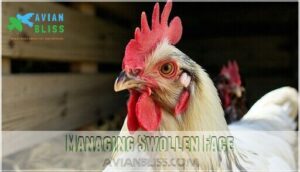
Managing a swollen face in your flock requires quick action and consistent care to prevent complications.
You’ll need to combine immediate treatment with ongoing preventive measures to protect your birds’ health, which is a complete concept that encompasses both treatment and prevention.
Monitoring Flock Health
Regular checkups help spot chicken diseases before they spread through your backyard chickens.
Watch for behavioral changes like drooping heads or reduced appetite – early detection saves your flock. Keep records of symptoms and environmental monitoring results.
Check for chicken pests weekly and document findings. Consistent poultry care and chicken flock management prevent minor issues from becoming major problems.
Maintaining clean feeders can help prevent disease.
Maintaining Clean Environment
Beyond basic cleaning, maintaining pristine coop sanitation prevents facial swelling outbreaks in your backyard chickens.
Focus on waste disposal twice weekly, ensuring fresh water quality daily, and implementing effective pest control measures.
Clean chicken coops reduce bacterial loads substantially, and monitor air quality through proper ventilation systems.
These poultry care practices create healthier environments, supporting strong chicken flock management and reducing infection risks substantially.
Providing Adequate Nutrition
Proper chicken nutrition strengthens immune systems and reduces facial swelling risks.
A balanced diet provides essential vitamins and minerals that help chickens fight infections naturally.
Your flock needs consistent access to quality feed and fresh water daily.
- Feed complete layer pellets containing 16-18% protein for ideal health
- Provide calcium supplements through oyster shell for strong eggshells
- Offer vitamin-rich treats like leafy greens to boost immune function
- Ensure clean, fresh water availability prevents dehydration complications
Avoiding Stress
Since stressed chickens show weakened immune systems, you’ll need to identify and eliminate common stress triggers in your flock.
Watch for these warning signs and take action quickly.
| Stress Type | Warning Signs | Quick Fix |
|---|---|---|
| Predator stress | Hiding, reduced egg laying, panic behavior | Secure chicken coop design, remove threats |
| Coop overcrowding | Feather picking, aggression, poor ventilation | Expand space, improve airflow |
| Heat stress | Panting, wing spreading, lethargy | Add shade, fresh water, cooling systems |
Molting stress and social stress from new flock members can also trigger facial swelling.
Keep your backyard chickens calm by maintaining consistent routines and monitoring chicken behavior daily for early intervention.
Seeking Veterinary Advice
When backyard chickens show swollen comb chicken symptoms or chicken eye infection signs, don’t wait.
Schedule your vet appointment prep immediately – swollen faces can signal serious chicken diseases requiring specialist referrals.
Consider telehealth options for initial guidance, but emergency vet access matters most.
While cost considerations are real, untreated chicken behaviors like lethargy often worsen quickly.
Frequently Asked Questions (FAQs)
What causes a chicken’s face to swell up?
Swollen faces in chickens typically result from respiratory infections like infectious coryza, Mycoplasma gallisepticum, or avian metapneumovirus.
You’ll often see nasal discharge, reduced activity, and breathing difficulties alongside the facial swelling requiring immediate veterinary attention.
Can chicken cause face swelling?
Yes, eating chicken can cause facial swelling if you’re allergic to poultry.
Food allergies trigger immune responses that cause inflammation, including facial swelling, hives, or difficulty breathing requiring immediate medical attention, which can be a sign of a severe allergic reaction.
Will coryza in chickens go away on its own?
Looking at coryza won’t vanish like morning mist on its own.
You’ll need antimicrobial therapy from your vet to knock out this bacterial infection and prevent serious complications in your flock.
Can baby chicks develop swollen faces?
Chicks can definitely develop swollen faces from infections like coryza or respiratory viruses.
You’ll notice puffiness around their eyes and cheeks, often with discharge.
Prompt veterinary care helps prevent serious complications.
How long does facial swelling last?
Recovery time for facial swelling typically ranges from 5-10 days with proper treatment. You’ll notice gradual improvement as antimicrobial therapy takes effect, though severe cases may require longer healing periods.
Is swollen face contagious to humans?
Can poultry diseases jump to you? Most chicken facial swelling comes from respiratory infections like infectious coryza or Mycoplasma, which don’t typically infect humans through casual contact with your birds.
What home remedies help reduce swelling?
You’ll find limited home remedies for facial swelling in chickens. Warm compresses can provide minor comfort, but antimicrobial treatment from a veterinarian is essential for bacterial infections causing the swelling.
When should I separate affected chickens?
Immediately isolate any chicken showing facial swelling, discharge, or respiratory symptoms. You’ll prevent disease spread through your flock by acting quickly—early separation saves healthy birds from infection.
Conclusion
Despite concerns about treatment costs, addressing chicken swollen face symptoms immediately saves money long-term by preventing flock-wide outbreaks.
You’ve learned that rapid identification distinguishes infectious coryza from other respiratory diseases through distinctive facial swelling patterns.
Your quick response with proper antimicrobial therapy, isolation protocols, and supportive care prevents chronic complications.
Remember, biosecurity measures and vaccination programs offer the best protection against future episodes of these dramatic symptoms, and a swift reaction can lead to better long-term outcomes.
- https://www.canr.msu.edu/resources/poultry-diseases-infectious-coryza
- https://www.thepoultrysite.com/publications/diseases-of-poultry/197/swollen-head-syndrome
- https://www.nadis.org.uk/disease-a-z/poultry/diseases-of-farmyard-poultry/part-1-mycoplasmosis/
- https://goovetvn.com/en/goovet-news/swollen-head-syndrome-in-poultry.html
- https://www.dineachook.com.au/blog/respiratory-illness-in-chicks-causes-symptoms-prevention-and-treatment/