This site is supported by our readers. We may earn a commission, at no cost to you, if you purchase through links.
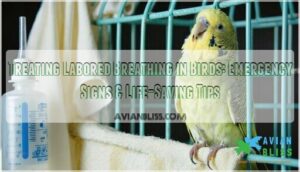 When your bird shows labored breathing, you’re facing a medical emergency that demands immediate action.
Treating labored breathing in birds starts with recognizing critical signs like tail bobbing, open-mouth breathing, and wheezing sounds.
Move your bird to a warm, quiet space and provide supplemental oxygen if available. Don’t handle them unnecessarily—stress can worsen their condition.
Birds hide illness until they’re critically sick, so respiratory distress means they’re in serious trouble.
Contact an avian veterinarian immediately while keeping your feathered friend calm and comfortable. Time is everything when breathing becomes difficult.
Understanding the specific emergency steps and underlying causes can mean the difference between recovery and tragedy.
Table Of Contents
- Key Takeaways
- Recognizing Respiratory Distress
- Causes of Respiratory Issues
- Emergency Care Actions
- Identifying Labored Breathing
- Treating Respiratory Infections
- Diagnostic Tests Needed
- Managing Respiratory Distress
- Preventing Respiratory Issues
- Seeking Veterinary Help
- Supporting Bird Recovery
- Frequently Asked Questions (FAQs)
- How do you help a bird breathe?
- How to help a bird with respiratory problems?
- What should I do if my bird has respiratory distress?
- How do you treat a bird’s respiratory infection?
- What causes labored breathing in birds?
- How do you know if a bird has labored breathing?
- How to help a bird struggling to breathe?
- How do you treat respiratory distress in birds?
- What does labored breathing look like in a bird?
- How long does bird respiratory recovery take?
- Conclusion
Key Takeaways
- Recognize emergency signs immediately – Watch for tail bobbing, open-mouth breathing, wheezing sounds, and blue-tinged skin around the beak, as these indicate your bird needs urgent veterinary care.
- Create a warm, stress-free environment – Move your bird to a quiet space at 78-82°F, minimize handling, and provide gentle oxygen therapy if available while you contact an avian veterinarian.
- Don’t delay professional treatment – Respiratory distress progresses rapidly in birds and can become fatal within hours, so contact an avian veterinarian immediately rather than waiting to see if symptoms improve.
- Focus on supportive care during recovery – Maintain proper nutrition with vitamin A-rich foods, monitor breathing patterns closely, and keep your bird’s environment clean with good ventilation to prevent future respiratory issues.
Recognizing Respiratory Distress
When your bird struggles to breathe, recognizing the warning signs quickly can save its life. You’ll need to watch for specific symptoms that signal serious respiratory distress requiring immediate action.
Labored Breathing Signs
When spotting bird respiratory distress, watch for telltale breathing patterns that signal trouble brewing.
Your feathered friend’s respiratory rates and bird behavior will shift dramatically when airway obstructions or infections strike.
Key labored breathing signs include:
- Tail bobbing – Your bird’s tail moves rhythmically with each breath
- Wheezing sounds – Abnormal breathing sounds indicate airway problems
- Rapid breathing – Faster than normal respiratory rates signal distress
- Fluffed feathers – Extended puffing suggests illness or breathing difficulties
These symptoms reveal avian dyspnea requiring immediate attention.
Open-Mouth Panting
When you see your bird breathing through an open beak, it’s signaling serious respiratory distress that demands immediate attention.
Open mouth breathing in birds differs dramatically from normal breathing patterns and indicates your feathered friend can’t get enough oxygen through regular nasal passages.
| Normal Breathing | Open-Mouth Panting |
|---|---|
| Closed beak, quiet | Beak wide open, audible |
| Steady rhythm | Rapid, labored pattern |
| No visible effort | Obvious strain, distress |
| Through nostrils | Bypassing normal airways |
| Relaxed posture | Neck extended, tail bobbing |
This avian stress response occurs when breathing becomes so difficult that birds must bypass their normal respiratory route.
Nasal Discharge
When you notice nasal discharge in your bird, you’re seeing a red flag for respiratory infection.
Clear discharge might signal early sinus infections, while thick, colored mucus buildup indicates advanced bacterial issues.
Nasal blockage often accompanies vitamin A deficiency or aspergillosis.
Yellow or green discharge typically means bacterial avian pneumonia, requiring immediate veterinary attention.
Watch for nasal irritation and frequent sneezing alongside discharge, as these symptoms can indicate a serious condition, such as bacterial avian pneumonia.
Cyanosis Indicators
Blue skin around your bird’s beak or feet signals avian cyanosis, indicating dangerously low oxygen levels.
This respiratory failure symptom requires immediate veterinary attention, as breathlessness signs worsen quickly.
Blue skin signals a life-threatening emergency—your bird needs oxygen NOW.
Watch for these cyanosis indicators:
- Blue-tinged beak – especially noticeable at the base
- Discolored feet – purple or blue coloration on toes
- Pale mucous membranes – inside the mouth appears whitish
- Dark tongue – unusual coloration during bird labored breathing
- Cold extremities – feet feel cool to touch
These signs accompany bird respiratory infection or avian pneumonia, indicating your bird’s struggling to get adequate oxygen. Don’t wait – cyanosis means your feathered friend needs emergency care now.
Causes of Respiratory Issues
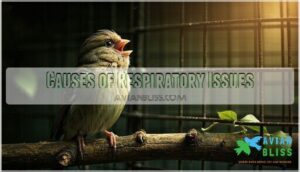
When your bird shows signs of labored breathing, you’re likely facing one of several serious respiratory threats that require immediate attention.
Understanding these common causes—from bacterial and viral infections to fungal diseases and tiny air sac mites—helps you recognize what’s happening and take the right emergency steps to save your feathered friend’s life, which involves knowing the serious respiratory threats.
Bacterial Infections
Your bird’s respiratory system faces serious threats from bacterial causes, with Chlamydia psittaci and Mycoplasma leading the charge.
These pathogens trigger pneumonia and air sacculitis, demanding immediate antibiotic use. Proper infection control prevents spread, while targeted avian treatment saves lives when bacterial infections strike your feathered friend’s delicate airways.
| Common Respiratory Bacteria | Primary Symptoms | Treatment Duration |
|---|---|---|
| Chlamydia psittaci | Nasal discharge, lethargy | 45+ days doxycycline |
| Mycoplasma gallisepticum | Coughing, eye swelling | 7-14 days enrofloxacin |
| Escherichia coli | Labored breathing, fever | 5-10 days broad-spectrum |
| Pasteurella multocida | Rapid decline, cyanosis | Immediate hospitalization |
Viral Infections
When respiratory viruses strike your bird, they’re fighting an invisible enemy that spreads through contaminated air and surfaces.
Avian diseases like Newcastle Disease and paramyxovirus cause severe bird respiratory infections, triggering viral symptoms including labored breathing and nasal discharge.
While bird vaccines exist for commercial flocks, infection control remains essential.
These respiratory viruses create significant avian respiratory distress, requiring immediate veterinary intervention for proper diagnosis and supportive care.
Fungal Infections
Aspergillosis strikes when your bird inhales Fungal Spores from moldy environments, creating life-threatening respiratory fungi infections.
This sneaky Bird Fungus attacks weakened immune systems, turning routine cleaning into a medical emergency.
Key fungal infection risks include:
- Moldy food sources – Seeds, pellets, and treats harbor dangerous Avian Aspergillosis spores
- Poor ventilation – Stagnant air allows Fungal Toxins to accumulate in cages
- Damp conditions – Humidity creates perfect breeding grounds for respiratory fungi
- Contaminated bedding – Old substrate becomes a fungal spore factory
Air Sac Mites
Microscopic air sac mites create havoc in your bird’s delicate respiratory system, particularly affecting finches and canaries.
These tiny invaders turn your bird’s airways into a battleground, demanding swift action to save precious breath.
These bird parasites spread through contaminated water sources and direct contact between infected birds. Mite infestation causes severe respiratory damage, triggering bird air sacculitis and breathing difficulties.
You’ll notice classic bird respiratory symptoms like tail bobbing and wheezing. Treating bird breathing problems requires immediate mite treatment and thorough avian respiratory care from your veterinarian.
Effective mite treatment methods are essential for preventing further complications and promoting recovery in infected birds.
Emergency Care Actions
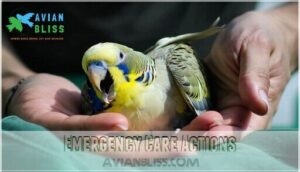
When your bird shows labored breathing, you’ll need to act fast to provide life-saving emergency care. These immediate actions can stabilize your bird’s condition while you arrange urgent veterinary treatment.
Oxygen Therapy
Once you’ve identified breathing issues, immediate oxygen therapy can save your bird’s life.
Oxygen chambers provide the most effective breathing support while minimizing stress on your feathered friend.
Here’s how to deliver life-saving respiratory aid:
- Set up oxygen chambers with 1-2 liters per minute flow rate
- Monitor oxygen levels – keep below 40% for extended treatment
- Use nebulizing birds techniques for medication delivery
- Avoid face masks – they increase stress in distressed birds
- Combine with bird respiratory medication as prescribed by your vet
This avian oxygen approach stabilizes your pet before transport, giving treating bird breathing professionals time to work their magic.
Understanding oxygen therapy benefits is essential for effective treatment and recovery.
Warm Environment
When your bird struggles to breathe, maintaining proper thermal comfort becomes critical for survival.
Heat stress management prevents additional respiratory strain, while controlled environmental temperature supports healing.
Create a warm sanctuary between 78-82°F using gentle heating sources.
| Temperature Zone | Bird’s Response | Action Needed |
|---|---|---|
| Below 75°F | Shivering, increased energy use | Add heating pad under half cage |
| 78-82°F (Ideal) | Relaxed breathing, stable | Maintain current temperature |
| Above 85°F | Panting, heat stress | Remove heat source, improve ventilation |
| Above 90°F | Overheating crisis | Emergency cooling needed |
Monitor humidity control alongside air quality to prevent thermal stress while your feathered friend recovers, ensuring a stable and relaxed breathing environment.
Minimal Handling
Resist the urge to constantly check on your feathered friend when they’re experiencing bird breathing heavy episodes.
Every time you peek into the cage or attempt handling techniques, you’re adding stress that worsens bird labored breathing. Think of it like trying to sleep while someone keeps turning on the lights.
Your bird needs gentle care through distance, not hands-on attention. Create a quiet environment and practice calming methods by simply staying nearby without direct interaction.
This stress reduction approach helps stabilize bird respiratory problems naturally. By applying basic emergency first aid techniques, you can help alleviate your bird’s distress during labored breathing episodes.
Monitoring Breathing
Once you’ve minimized handling, closely watch your bird’s breathing patterns and respiratory rates.
Notice any changes in breath sounds or signs of airflow obstruction that could worsen bird breathing problems.
Key monitoring signs:
- Count breaths per minute – Normal rates vary by species, but sudden increases signal distress
- Listen for unusual sounds – Wheezing, clicking, or wet sounds indicate breathing difficulties
- Watch for tail bobbing – This synchronized movement shows labored breathing and poor oxygen levels
- Check for color changes – Blue-tinged beaks or feet mean your bird needs immediate veterinary care
Identifying Labored Breathing
You’ll recognize labored breathing in your bird through several distinct physical signs that indicate serious respiratory distress requiring immediate attention.
Watch for tail bobbing with each breath, wheezing or clicking sounds, rapid breathing patterns, and prolonged feather fluffing that signals your bird is struggling to get enough oxygen.
Tail Bobbing

Rhythmic tail movement synchronized with each breath signals severe Air Sac Issues in your feathered friend.
This distinctive Bobbing Symptoms pattern indicates your bird’s struggling to get enough oxygen, making their tail bounce like a metronome with every labored breath.
Unlike normal Breathing Patterns, this Tail Movement represents serious Respiratory Signs requiring immediate veterinary attention.
You’ll notice this tail bobbing becomes more pronounced during respiratory distress episodes.
Wheezing Sounds

Wheezing sounds act like a red flag, signaling your bird’s airways are compromised.
These harsh, musical noises occur when air struggles through narrowed passages, creating distinctive respiratory sounds that demand immediate attention.
Listen for these critical wheezing causes:
- Wet rattling – indicates fluid buildup from infections
- High-pitched whistling – suggests tracheal issues or obstructions
- Clicking sounds – points to foreign objects blocking airways
- Raspy gasping – reveals severe breathing difficulties
- Labored wheezes – shows respiratory infections taking hold.
These breathing problems won’t resolve on their own – they’re your bird’s distress call for help.
Rapid Breathing
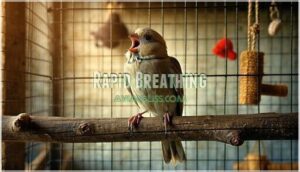
Rapid breathing in birds signals serious respiratory distress requiring immediate attention.
Normal respiratory rates vary by species, but consistently fast, shallow breathing indicates oxygen levels aren’t meeting your bird’s needs.
You’ll notice accelerated chest movements and increased breathing sounds during episodes.
This pattern often accompanies air sac issues, making each breath less effective.
Monitor your bird’s breathing patterns closely—persistent rapid breathing alongside other respiratory symptoms demands emergency veterinary care.
It is crucial to address the situation promptly to prevent further complications, as rapid breathing can be a sign of severe underlying health issues.
Fluffed Feathers

When your bird consistently fluffs its feathers beyond normal preening, you’re witnessing a classic respiratory distress signal.
Fluffed feathers indicate your bird’s struggling with heat regulation and experiencing significant bird stress.
This feather condition often accompanies labored breathing and other respiratory signs, and unlike temporary feather plucking behaviors, persistent fluffing suggests serious bird respiratory issues requiring immediate attention for superior respiratory health.
Treating Respiratory Infections
Once you’ve identified respiratory distress in your bird, you’ll need to start treatment immediately with professional veterinary guidance.
Your vet will typically prescribe antibiotics for bacterial infections, anti-inflammatory drugs to reduce swelling, and may recommend hospitalization for severe cases requiring oxygen therapy and intensive monitoring.
Antibiotics
When your bird shows respiratory distress, antibiotics become your first line of defense against bacterial targets in the respiratory tract.
These medications combat bird respiratory infections treatment effectively, but success depends on proper execution.
Here’s what you need to know:
- Medication Dosage matters – underdosing creates antibiotic resistance while overdosing causes toxicity
- Treatment Duration typically spans 7-21 days – never stop early even if symptoms improve
- Drug Interactions can occur – inform your vet about all current medications before starting treatment
Your vet will select antibiotics like enrofloxacin or doxycycline based on culture results, ensuring targeted treatment for bird breathing difficulties.
Understanding bird antibiotic options is essential for effective treatment and care.
Anti-Inflammatory Drugs
Beyond antibiotic treatment, your vet may prescribe steroid therapy to reduce respiratory inflammation and airway inflammation.
These medications target the inflammatory response that worsens breathing difficulties in sick birds.
| Drug Type | Primary Action |
|---|---|
| Corticosteroids | Reduce airway swelling |
| NSAIDs | Control inflammation |
| Bronchodilators | Open airways |
| Anti-histamines | Block allergic responses |
| Decongestants |
Clear nasal passages.
Proper dose management prevents dangerous side effects while maximizing antiinflammatory properties.
Monitor your bird’s medication response carefully, as drug interactions can occur with multiple treatments for bird respiratory infections treatment.
Supportive Care
While anti-inflammatory drugs target inflammation, supportive care forms the foundation of your bird’s recovery.
This thorough approach combines Oxygen Therapy with careful Environmental Control to enhance your bird’s respiratory system function.
Proper Bird Nutrition supports tissue repair, while Stress Reduction techniques maintain respiratory efficiency and enhance oxygen exchange throughout recovery.
Understanding respiratory disease treatment is vital for effective care and management of avian respiratory infections.
- Recovery Monitoring: Track breathing patterns, appetite changes, and activity levels to assess oxygen therapy effectiveness
- Environmental Control: Maintain 78-82°F temperature with proper humidity levels to support ideal respiratory function
- Bird Nutrition: Provide easily digestible, nutrient-rich foods that support immune system recovery and tissue healing
Hospitalization
When supportive care isn’t enough, hospitalization becomes your bird’s lifeline.
Avian ICU facilities provide intensive care with specialized equipment for nebulization and bird oxygen therapy.
Hospital stays allow veterinarians to monitor respiratory illnesses closely while administering medical treatment through injectable medications and continuous oxygen support, ensuring ideal bird recovery from serious respiratory infections.
| Hospital Service | Purpose | Duration |
|---|---|---|
| Nebulization therapy | Delivers medication directly to airways | 2-3 times daily |
| Oxygen chamber monitoring | Maintains stable oxygen levels | Continuous care |
| Injectable medications | Treats severe respiratory infections | Every 6-12 hours |
Diagnostic Tests Needed

When your bird shows respiratory distress, you’ll need specific diagnostic tests to identify the underlying cause and determine the best treatment approach.
Your veterinarian will recommend several key procedures to get a complete picture of your bird’s condition.
Physical Examination
During your veterinarian’s physical exam, they’ll use auscultation techniques to listen for abnormal lung sounds with a stethoscope.
The vet will perform trachea inspection, checking for blockages or swelling. Nares assessment examines nasal passages for discharge or obstruction.
Oral examination reveals throat inflammation or foreign objects. Sinus evaluation detects infection signs.
This thorough physical exam guides whether radiographs or blood work are needed.
Radiographs
When your bird shows labored breathing, radiographs become your veterinarian’s window into hidden respiratory diseases.
These X-ray imaging studies reveal lung scans and air sac views that physical exams miss.
Chest radiology detects pneumonia, fungal infections, or foreign objects causing trachea checks to fail.
Digital radiographs quickly identify respiratory irritation patterns, helping diagnose bird breathing issues before they become life-threatening emergencies.
Endoscopy
When does endoscopy become your bird’s diagnostic lifeline? This minimally invasive procedure uses tiny endoscopes to directly visualize internal respiratory structures, providing essential insights that X-rays can’t capture.
Your veterinarian will perform:
- Tracheal Inspection – examining the windpipe for blockages or inflammation
- Airway Evaluation – checking bronchi and smaller breathing passages
- Lung Examination – evaluating tissue health and identifying lesions
- Avian Endoscopy – complete respiratory system evaluation using specialized equipment
This respiratory diagnosis tool helps identify tracheal obstructions, air sac obstructions, and various respiratory diseases through direct visualization, making your respiratory panel complete.
Blood Tests
Thorough blood tests reveal critical insights about your bird’s respiratory health through detailed analysis.
These tests help veterinarians identify infections, assess organ function, and monitor blood oxygen levels for proper treatment decisions.
| Test Type | What It Reveals |
|---|---|
| Hematology Analysis | White blood cell count, infection markers |
| Biochemistry Panels | Liver function, kidney health, protein levels |
| Blood Smears | Cell abnormalities, parasites, blood disorders |
| Hemogram Results | Complete blood count, anemia detection |
| Serum Testing | Antibody levels, disease exposure history |
Managing Respiratory Distress
Once you’ve identified respiratory distress in your bird, you’ll need to act fast to stabilize their condition.
Your main goals are creating a stress-free environment, ensuring adequate oxygen supply, maintaining proper hydration, and closely watching for changes in their breathing patterns.
Reducing Stress

After completing diagnostic tests, your focus shifts to creating a calm environment that supports your bird’s recovery. Stress worsens bird respiratory health by increasing oxygen demands when breathing is already compromised.
Here are five proven Calming Techniques for effective Stress Management:
- Dim the lights – Bright lighting triggers bird anxiety and increases metabolic demands
- Eliminate loud noises – Turn off TVs, radios, and household appliances near your bird
- Limit visitors – Restrict foot traffic around the cage to prevent overstimulation
- Cover three sides of the cage with a light cloth for security
- Maintain consistent temperature – Sudden changes create additional physiological stress
Environmental Enrichment should be minimal during respiratory distress. Remove toys and perches that encourage activity, as movement increases oxygen requirements.
Bird Socialization with other pets must stop immediately. These Relaxation Methods help your feathered friend conserve energy for healing while reducing the psychological burden that worsens breathing difficulties.
Providing Oxygen
When your bird shows open mouth breathing, oxygen therapy becomes your lifeline.
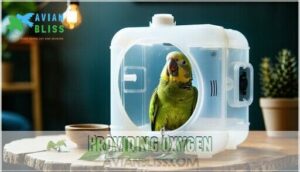
Create makeshift oxygen chambers using clear containers with proper avian ventilation holes. Continuous flow systems work best for respiratory support, maintaining 40-60% oxygen levels.
Monitor air quality management closely, ensuring fresh air circulation prevents carbon dioxide buildup while maximizing oxygen exchange for improved bird respiratory efficiency.
Recognizing respiratory distress signs is essential for effective treatment and management of the condition.
| Setup Method | Oxygen Level | Monitoring Frequency |
|---|---|---|
| Makeshift Chamber | 40-50% | Every 15 minutes |
| Professional Unit | 50-60% | Every 10 minutes |
| Emergency Setup | 30-40% | Every 5 minutes |
Maintaining Hydration

Dehydrated birds can’t clear respiratory secretions effectively, making breathing even harder. You’ll need to monitor water intake closely and consider fluid therapy if your bird won’t drink normally.
Essential hydration methods for respiratory distress:
- Offer fresh water in shallow dishes at beak level
- Add electrolytes to prevent mineral imbalances during illness
- Provide fluid-rich foods like cucumber or melon pieces
- Monitor drinking frequency – healthy birds drink regularly throughout the day
- Consider syringe feeding fluids if the bird refuses to drink independently
Proper hydration supports the respiratory system by thinning mucus secretions and maintaining electrolyte balance during recovery.
Monitoring Progress

Document your bird’s breathing rates every few hours to track recovery signs and health checks.
Normal respiratory rates vary by species, so establish your bird’s baseline first.
Watch for decreasing tail bobbing, improved oxygen levels, and reduced open-mouth breathing, as these are key signs of recovery and health checks.
Progress tracking helps you catch setbacks early and confirms your treatments are working effectively.
Preventing Respiratory Issues

You can prevent most respiratory problems in birds by maintaining proper air circulation, keeping their living space spotless, and feeding them a nutritionally complete diet.
Schedule regular veterinary checkups to catch potential issues before they become life-threatening emergencies.
Proper Ventilation
Five essential air flow strategies can save your bird’s life.
First, establish proper ventilation systems with 10-20 air changes hourly to maintain ideal oxygen levels and air quality.
Cross-ventilation dramatically improves breathing space for your bird’s delicate air sacs.
HEPA filters remove 90% of airborne pathogens affecting the bird respiratory system.
Keep your feathered friend in a well-ventilated area away from stagnant air that triggers avian breathing problems.
Using advanced air purification systems can further reduce respiratory issues in birds, which is crucial for maintaining your bird’s overall health and preventing breathing problems.
Clean Environment
Daily cage cleaning removes dust, feathers, and droppings that compromise air quality and trigger respiratory problems.
Replace food and water containers regularly to prevent bacterial growth. Use bird-safe disinfectants during weekly deep cleans.
Position your bird’s cage in a well-ventilated area away from kitchen fumes and cigarette smoke. Consider an air purifier to filter environmental pollutants that stress the bird respiratory system and trigger respiratory problems.
Balanced Diet
Nutritional deficiencies create vulnerability in your bird’s respiratory system, making proper diet essential for preventing breathing problems.
Quality nutrition strengthens immune function and supports healthy airways, while poor feeding choices compromise respiratory health.
- Nutrient Balance – Provide pellets with complete vitamins and minerals
- Food Variety – Offer fresh vegetables, fruits, and species-appropriate seeds
- Vitamin Supplements – Add vitamin A for respiratory tissue health
- Mineral Intake – Guarantee adequate calcium and zinc for immune support
Regular Check-Ups
Annual Bird Exams catch respiratory challenges before they become emergencies.
Your avian veterinarian performs thorough Health Screens, detecting early signs of bird lung disease through physical examination and diagnostic tests.
These Scheduled Checkups establish baseline health markers, making future changes easier to identify.
Preventive Care through regular Veterinary Visits helps you avoid costly emergency treatments.
| Exam Component | What It Detects |
|---|---|
| Physical Assessment | Early respiratory symptoms, posture changes |
| Blood Work | Infections, organ function, overall health |
| Weight Monitoring | Gradual changes indicating illness |
| Behavioral Review | Subtle breathing pattern shifts |
Seeking Veterinary Help
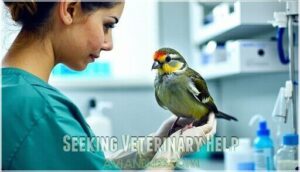
When your bird shows signs of respiratory distress, you’ll need professional help immediately since these conditions can turn fatal within hours.
Don’t wait to see if symptoms improve on their own – contact an avian veterinarian or emergency animal hospital right away for the best chance of saving your feathered friend’s life.
Emergency Situations
When your bird shows open mouth breathing or gasping, you’re facing a life-threatening emergency requiring immediate Crisis Response.
Contact an avian veterinarian instantly while preparing your Emergency Kit for Bird Transport.
Begin First Aid by providing oxygen therapy and maintaining warmth for Avian Stabilization. These respiratory issues demand professional emergency care within minutes, not hours.
Observing Severity
Time is your most valuable ally when respiratory distress strikes your feathered friend.
Watch for critical distress signs like bird tail bobbing, bird open mouth breathing, and gasping sounds.
Evaluate breathing patterns carefully—normal rates vary by species, but labored breathing and rapid changes signal emergency severity levels.
Monitor oxygen levels through cyanosis around the beak, and recognize that respiratory distress requires immediate attention.
Finding an Avian Veterinarian
Locating an avian specialist requires strategic searching since fewer than 200 board-certified professionals practice nationwide.
Emergency services for bird respiratory issues demand expertise that general vets often lack, making proper referrals essential.
- Check the Association of Avian Veterinarians directory for certified bird clinics in your area
- Contact local wildlife rehabilitation centers for trusted avian expert recommendations
- Search state veterinary association databases filtering specifically for avian emergency services
Supporting Bird Recovery

Once your bird begins recovering from respiratory distress, you’ll need to provide ongoing support to facilitate complete healing and prevent relapses.
Creating the right recovery environment while monitoring your bird’s progress can make the difference between a full recovery and ongoing health issues, which is crucial for facilitate complete healing.
Post-Treatment Care
After your bird’s treatment, you’ll need careful Recovery Monitoring to guarantee complete healing.
Maintain consistent Environmental Adjustments like stable temperature and humidity levels. Focus on Bird Nutrition with easily digestible foods rich in vitamins A and C.
Practice effective Stress Management by limiting loud noises and sudden movements.
Schedule Follow-Up Care appointments as your veterinarian recommends for ideal recovery.
Monitoring Health
Following successful treatment, ongoing health checks become your bird’s safety net.
Watch your feathered friend closely for any changes in behavior or breathing patterns that might signal trouble ahead.
Key monitoring priorities:
- Respiratory Rates – Count breaths per minute daily, noting any increases above normal baseline levels
- Bird Behavior – Track activity levels, appetite changes, and social interactions for early warning signs
- Symptom Tracking – Document breathing sounds, posture, and energy levels in a simple wellness log
Regular health checks help you catch bird respiratory issues before they escalate.
This systematic approach to diagnosing bird respiratory issues guarantees sick bird breathing problems don’t go unnoticed.
Your dedicated bird breathing difficulties management and respiratory health tips create thorough wellness plans for long-term recovery success.
Providing Nutritious Food
Proper nutrition accelerates your bird’s recovery from respiratory distress.
A balanced diet strengthens immune function and supports healing tissues.
Offer high-quality pellet foods as the foundation, supplemented with fresh fruits like berries and apples.
Nutrient supplements containing vitamin A boost respiratory health, while species-specific nutrition guarantees the best recovery.
Avoid seed-only diets during illness recovery periods.
Creating Stress-Free Environment
Beyond nutritious food, your bird’s recovery depends heavily on maintaining Quiet Spaces free from household chaos.
Bird respiratory system disorders heal faster in a calm environment with proper environmental enrichment and noise reduction strategies.
- Position the cage in a well-ventilated area away from kitchen fumes and environmental pollutants
- Implement calming techniques like soft background music or nature sounds for bird calming
- Reduce sudden movements and loud conversations near the recovery space
- Minimize household traffic to prevent stress-induced breathing complications
Frequently Asked Questions (FAQs)
How do you help a bird breathe?
Is your feathered friend struggling to breathe? Keep them warm (78-82°F), quiet, and stress-free. Provide gentle oxygen therapy, avoid handling, and contact an avian vet immediately for professional treatment.
How to help a bird with respiratory problems?
Keep your bird warm (78-82°F) and quiet while minimizing handling. Contact an avian veterinarian immediately. Provide oxygen therapy if possible and monitor breathing closely for changes.
What should I do if my bird has respiratory distress?
Immediately move your bird to a warm, quiet space and contact an avian veterinarian urgently.
Provide gentle heat, minimize handling, and make certain fresh air circulation while monitoring breathing patterns closely.
How do you treat a bird’s respiratory infection?
Like a storm clearing after lightning strikes, you’ll need swift veterinary care for proper diagnosis and antibiotic treatment. Keep your bird warm, provide supportive care, and follow prescribed medications exactly.
What causes labored breathing in birds?
Bacterial infections, air sac mites, inhaled foreign objects, chest trauma, and toxin exposure commonly cause labored breathing.
You’ll also see issues from dust irritation, heart conditions, obesity, and stress affecting your bird’s respiratory system.
How do you know if a bird has labored breathing?
Don’t beat around the bush—watch for tail bobbing, open-mouth breathing, neck stretching, and wheezing sounds. You’ll also notice fluffed feathers, lethargy, and blue-tinged skin around the beak.
How to help a bird struggling to breathe?
Move your bird to a warm, quiet space immediately. Keep temperature at 78-82°F and minimize handling. Provide gentle oxygen if available. Contact an avian veterinarian urgently for professional treatment.
How do you treat respiratory distress in birds?
Immediately move your bird to a warm, quiet environment at 78-82°F.
Minimize handling to reduce stress.
Provide supplemental oxygen if available and contact an avian veterinarian urgently for professional treatment.
What does labored breathing look like in a bird?
Open-mouth breathing, tail bobbing with each breath, and neck stretching signal your bird’s struggling for air.
You’ll notice wheezing sounds, fluffed feathers, and possible blue-tinged skin around the beak or feet.
How long does bird respiratory recovery take?
Recovery time varies substantially depending on the cause and severity.
Mild infections might improve within days, while serious conditions like aspergillosis can require weeks or months of treatment for full recovery.
Conclusion
When push comes to shove, treating labored breathing in birds requires swift action and professional veterinary care.
You can’t afford to wait when your feathered companion shows respiratory distress. Quick recognition of symptoms, immediate emergency care, and prompt veterinary intervention give your bird the best chance at recovery.
Remember that respiratory issues progress rapidly in birds, making early detection and treatment essential. Your vigilance and quick response can save your bird’s life during these critical moments.