This site is supported by our readers. We may earn a commission, at no cost to you, if you purchase through links.

When your bird’s breathing changes—whether it’s subtle wheezing, persistent nasal discharge, or labored breaths that make its tail bob with each effort—you’re witnessing signs of a complex health challenge that affects countless avian species worldwide.
Chronic bird respiratory disease encompasses a range of persistent conditions caused by bacterial pathogens like Mycoplasma gallisepticum, viral infections including Newcastle disease, fungal invaders such as Aspergillus, and environmental irritants that compromise the delicate respiratory system birds depend on for survival.
Unlike acute infections that flare and resolve quickly, chronic respiratory issues linger for weeks or months, gradually weakening your bird’s immune defenses and quality of life. Understanding the underlying causes, recognizing the warning signs early, and knowing which treatment approaches work best can mean the difference between managing a controllable condition and facing a progressive decline in your bird’s health.
Table Of Contents
- Key Takeaways
- What is Chronic Bird Respiratory Disease?
- Common Causes of Chronic Respiratory Disease
- Species Susceptibility and Risk Factors
- Recognizing Signs of Respiratory Disease
- Diagnostic Approaches in Birds
- Major Chronic Respiratory Conditions in Birds
- Treatment Options for Chronic Respiratory Disease
- Preventing Chronic Respiratory Issues
- Long-Term Management and Prognosis
- Frequently Asked Questions (FAQs)
- How do you treat chronic respiratory disease in poultry?
- Is CRD contagious to other birds?
- How long can a bird live with a respiratory infection?
- Is bird fancier’s lung curable?
- How do you treat respiratory disease in birds?
- What is the respiratory disease associated with birds?
- How long does chronic respiratory disease last?
- Can birds recover completely from chronic infections?
- Is chronic respiratory disease contagious to humans?
- Whats the survival rate for affected birds?
- Conclusion
Key Takeaways
- Chronic bird respiratory disease stems from multiple causes—bacterial pathogens like Mycoplasma gallisepticum, viral infections (Newcastle disease, avian influenza), fungal invaders (Aspergillus), parasites (air sac mites), environmental toxins, and vitamin A deficiency—each requiring different diagnostic approaches and targeted treatments ranging from antibiotics to antifungals and nebulization therapy.
- Early recognition of respiratory distress separates manageable conditions from life-threatening crises: watch for subtle signs like tail bobbing with each breath, persistent nasal discharge, wheezing sounds, reduced vocalizations, and behavioral changes (lethargy, social withdrawal, decreased preening), as prompt veterinary intervention within hours can prevent irreversible lung damage and respiratory failure.
- Prevention through environmental management proves more effective than treatment alone—maintain proper ventilation (6-12 air changes hourly), control humidity between 40-60 percent, eliminate toxic fumes from non-stick cookware and household cleaners, provide balanced nutrition with vitamin A-rich foods (carrots, sweet potatoes, dark leafy greens), and implement strict biosecurity protocols including 30-day quarantine for new birds.
- Long-term management of chronic respiratory disease requires sustained commitment beyond initial treatment: schedule veterinary follow-ups every 2-4 weeks initially (then every 6-12 weeks when stable), track symptoms daily (respiratory rate, discharge color, weight changes), reduce environmental stressors, and recognize that complete recovery depends on early intervention—many birds retain subclinical infections despite aggressive therapy, making relapse prevention essential for preserving quality of life.
What is Chronic Bird Respiratory Disease?
Chronic respiratory disease in birds involves persistent airway inflammation affecting the trachea, bronchi, and air sacs, often triggered when underlying infections flare up under stress or environmental pressure.
Owners can watch for early warning signs like bird sneezing and coughing to catch infections before stress worsens the condition.
Unlike acute illness that resolves quickly, chronic conditions linger for weeks or months, creating cycles of relapse and remission that gradually weaken your bird’s respiratory system. Understanding what defines this type of disease, its key features, and how it impacts your bird’s overall health will help you recognize when something’s wrong and act before permanent damage occurs.
Definition and Overview
Chronic Bird Respiratory Disease is a long-lasting condition affecting your bird’s airways, where persistent or recurrent symptoms linger beyond a typical acute illness.
This chronic respiratory disease involves inflammation, infection, or obstruction throughout the upper and lower respiratory tract (including sinuses, air sacs, and lungs), requiring ongoing management rather than a single curative treatment to maintain avian respiratory health.
Key Features of Chronic Disease
Unlike infections that clear within days, chronic respiratory disease in birds follows a different pattern—your bird’s airways undergo persistent changes that shape the long-term course. These features distinguish CRD from acute illness, requiring specialized management to preserve respiratory health in birds.
Five key features define this progression:
- Airway remodeling thickens bronchial walls and narrows passages through scarring
- Chronic inflammation sustains immune exhaustion, weakening defenses
- Respiratory scarring reduces tissue elasticity, limiting airflow
- Disease progression often involves Mycoplasma gallisepticum establishing persistent infection
- Symptom fluctuation creates periods of improvement followed by relapse
Long-term respiratory illness in birds shares characteristics with chronic disease risk factors, such as persistent symptoms and the need for ongoing care.
Impact on Bird Health
When these persistent changes take hold, your bird’s entire body bears the burden. Chronic respiratory disease in birds cascades beyond the airways, creating health consequences that reshape daily life.
Reduced oxygen delivery strains the heart, lowers stamina, and forces your bird to work harder for every breath—respiratory stress that drains energy reserves needed for flight, social interaction, and basic maintenance of avian health and bird behavior.
Chronic respiratory disease robs birds of oxygen, forcing labored breathing that drains the energy needed for flight and social life
Birds also play a vital role in ecosystem balance and health, which can greatly impact both avian and human wellbeing.
Common Causes of Chronic Respiratory Disease

Chronic respiratory disease in birds doesn’t develop from a single source, and understanding the various triggers helps you protect your flock or companion birds more effectively.
Infectious agents (bacteria, viruses, fungi, and parasites) work alongside environmental stressors and nutritional gaps to create persistent breathing problems that won’t resolve on their own. Let’s examine the most common causes you’re likely to encounter, each requiring different approaches to diagnosis and management.
Bacterial Infections (e.g., Mycoplasma Gallisepticum)
Among bacterial pathogens affecting your bird’s airways, Mycoplasma gallisepticum stands out as a particularly persistent culprit in chronic respiratory disease. This tiny organism adheres to respiratory epithelium, stripping away protective cilia and triggering inflammation that thickens airway tissues.
You’ll need to strengthen avian biosecurity and infection control, because MG spreads through direct contact, contaminated equipment, and disease transmission between carrier birds, often persisting despite antibiotic therapy under veterinary care for birds.
Viral Causes (e.g., Avian Influenza, Newcastle Disease)
Viral transmission through respiratory droplets and contaminated equipment can introduce devastating pathogens into your flock, with avian influenza and Newcastle disease topping the list of infectious diseases in birds. These respiratory viruses demand vigilance.
The diseases have severe consequences:
- Avian influenza spreads rapidly through wild waterfowl, causing severe respiratory disease and sudden mortality in domestic poultry.
- Newcastle disease—caused by avian paramyxovirus type 1—triggers coughing, gasping, and mortality rates reaching 100 percent in unvaccinated birds.
- Both viral infections persist in cool, moist environments for days, contaminating water sources and housing.
- Vaccine development programs help reduce clinical signs and deaths in commercial and backyard flocks.
Fungal Infections (e.g., Aspergillosis)
Your bird’s respiratory system faces constant threats from airborne pathogens, particularly the ubiquitous Aspergillus fungi lurking in moldy bedding and dusty environments. Fungal spore inhalation causes aspergillosis, the most prevalent fungal disease affecting air sacs and lung tissue in companion birds.
This respiratory infection develops when immune defenses weaken, allowing fungal colonies to establish chronic inflammation requiring months-long aspergillosis treatment with itraconazole or voriconazole.
| Aspergillus Species | Primary Target |
|---|---|
| A. fumigatus | Air sacs, lungs |
| A. flavus | Sinuses, trachea |
| A. niger | Upper airways |
| A. terreus | Deep lung tissue |
| A. nidulans | Systemic spread |
Parasitic Infections (e.g., Air Sac Mites)
Microscopic invaders called air sac mites (Sternostoma tracheocolum) colonize your bird’s airways, establishing parasitic infections that compromise respiratory health through direct tissue damage. These tiny arachnids spread between birds via contaminated water dishes and shared air droplets, making bird hygiene and parasite control essential for preventing mite infestations, particularly in finches, canaries, and small parrots where transmission occurs rapidly within aviaries.
Treatment often involves administering anti-parasitic medications through nebulization, which is particularly effective for birds showing signs like heavy breathing in cockatiels caused by mite-damaged airways.
The presence of air sac mites can be identified by several symptoms, including:
- Clicking or wheezing sounds emerge during breathing as mites obstruct the trachea and syrinx
- Labored breathing with tail bobbing intensifies after physical activity or stress
- Reduced vocalizations occur when parasites damage vocal structures within the respiratory tract
Environmental Irritants and Toxins
Your bird’s environment can quietly become a minefield of respiratory hazards, where household products and chemical exposure create persistent airway inflammation that mimics infectious disease. Biosecurity extends beyond infectious pathogens to include controlling indoor irritants, toxic fumes, and air pollution that trigger chronic respiratory disease through airborne transmission of volatile compounds and particulate matter.
| Source Category | Common Irritants | Respiratory Impact |
|---|---|---|
| Indoor Irritants | Scented candles, air fresheners, household cleaners | Airway inflammation, coughing, rhinitis |
| Toxic Fumes | Overheated PTFE cookware, cigarette smoke, paint vapors | Acute toxicity, bronchoconstriction, fatal outcomes |
| Chemical Exposure | Ammonia cleaners, chlorine bleach, volatile organic compounds | Wheezing, nasal discharge, chronic bronchitis |
| Pesticide Risks | Insecticides, contaminated produce, residual chemicals | Lung irritation, poisoning, persistent respiratory signs |
Environmental toxins don’t need direct contact to harm your bird—secondhand smoke lingers on perches and cage bars, while overheated non-stick cookware releases polytetrafluoroethylene (PTFE) fumes that prove fatal within minutes. Even well-intentioned cleaning with ammonia-based products generates airborne irritants that accumulate in poorly ventilated spaces, concentrating environmental factors that stress delicate avian airways. Pesticide drift from outdoor applications, mold spores thriving in damp bedding, and fine particulate matter from vehicle emissions all contribute to the toxic load your bird’s respiratory system must process daily, creating a cumulative burden that weakens mucosal defenses and predisposes to secondary infections.
Nutritional Deficiencies (e.g., Vitamin A)
When your bird’s diet lacks essential nutrients, especially Vitamin A Deficiency, you’re setting the stage for respiratory vulnerability that rivals bacterial infections in severity. Vitamin A promotes mucous membranes throughout the respiratory tract, preventing dryness that invites secondary infections, yet dietary imbalances in seed-heavy diets leave airways exposed and defenseless.
Critical nutritional factors affecting respiratory health in birds:
- Vitamin A depletion causes nasal crusting, eye discharge, and compromised mucosal barriers in the trachea and sinuses
- All-seed diets contain inadequate carotenoids (vitamin A precursors), creating malnutrition effects that increase infection susceptibility
- Dark leafy greens and orange vegetables (carrots, sweet potatoes) provide bioavailable vitamin A for ideal avian nutrition
- Nutrient supplements may be necessary during illness recovery, though whole-food sources offer better absorption
- Gradual dietary correction prevents digestive upset while restoring respiratory health in birds through improved bird nutrition
Proper bird care and nutrition means understanding that what your bird eats directly influences how well those delicate airways can defend against pathogens, making balanced avian nutrition your first line of defense against chronic respiratory disease.
Species Susceptibility and Risk Factors

Not all birds face the same respiratory risks, and understanding which species are most vulnerable can help you protect your feathered companion.
Certain parrots, finches, and backyard poultry have specific anatomical traits, dietary habits, or behavioral patterns that make them more susceptible to chronic airway infections. Let’s look at the species most commonly affected and the risk factors that put them in harm’s way.
Budgerigars and Cockatiels
Budgerigars and cockatiels, two of the most beloved pet birds kept worldwide, carry a hidden vulnerability you need to understand. Both species can harbor Mycoplasma or Chlamydia bacteria without showing any respiratory infections initially, making them silent carriers that can suddenly deteriorate when stressed, requiring immediate respiratory care and expert avian medicine intervention.
| Species Feature | Budgerigar (30-40g) | Cockatiel (80-120g) |
|---|---|---|
| Respiratory Risk | Asymptomatic Mycoplasma carriers | Chlamydia without clinical signs |
| Nutrition Impact | All-seed diets deplete vitamin A, weakening immunity | Poor bird nutrition compromises feather health, beak maintenance |
| Social Enrichment | Flock stress triggers respiratory disease outbreaks | Pair-bond disruption increases susceptibility |
| Care Priority | Monitor breathing patterns during routine bird care and nutrition checks | Watch for tail-bobbing, voice changes indicating active infection |
Amazon Parrots
Older, seed-eating Amazon parrots face a distinct respiratory challenge that differs from budgies and cockatiels.
Your Amazon, particularly if fed a diet lacking in parrot nutrition and vitamin A, becomes predisposed to bacterial sinus infections as it ages, which compromise beak health, feather preening, and overall respiratory care.
These medium-to-large pet birds (10-18 inches, 8-24 ounces) require balanced bird care combining high-quality pellets, fresh vegetables, and regular avian medicine checkups to maintain respiratory health throughout their long lives in captivity, far from their natural Amazon habitat.
Finches and Canaries
Finches and canaries, your small seed-eating songbirds (4-6 inches), face a unique respiratory threat that distinguishes them from larger parrots: air sac mites. These parasites invade the entire respiratory tract, affecting respiratory care, beak health, and feather maintenance in ways that compromise social behavior.
Proper avian nutrition, balanced bird care, and prompt avian medicine intervention with anti-parasitic respiratory infection treatment protect your bird health against this common respiratory disease challenge.
Stress and Immunosuppression
Beyond species vulnerabilities, stress plays a powerful role in respiratory disease susceptibility. When your bird experiences chronic stress, its hypothalamic-pituitary-adrenal axis floods the bloodstream with cortisol, suppressing immune response to infection and weakening defenses against infectious diseases.
This immunosuppression disrupts inflammation balance, reduces nutrient absorption (worsening vitamin deficiencies), and leaves the respiratory tract vulnerable to bacterial, viral, and fungal invaders that healthy immune systems would normally contain.
Recognizing Signs of Respiratory Disease
Recognizing respiratory disease in your bird early can make all the difference between a manageable condition and a life-threatening crisis.
The signs vary considerably depending on where in the respiratory tract the infection has taken hold, from the sinuses and trachea (windpipe) down to the lungs and air sacs. Understanding what to watch for—from subtle changes in breathing patterns to more obvious distress signals—will help you know when your bird needs veterinary attention.
Upper Respiratory Symptoms
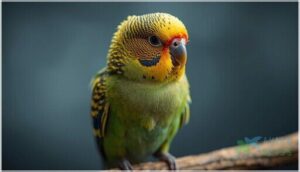
When your bird develops chronic respiratory disease, you’ll often notice nasal discharge first—clear in viral avian infections, but turning cloudy when bacteria invade the upper respiratory tract.
Sneezing, facial swelling around the sinuses, and sinus pressure suggest upper respiratory system inflammation, while nasal congestion (reduced airflow through one nostril) requires respiratory disease diagnosis before tracheal issues progress toward respiratory failure.
Lower Respiratory Symptoms

When infection moves deeper into the lower respiratory tract, you’ll notice breathing difficulty—your bird may bob its tail rhythmically with each breath, signaling pulmonary disorders or airway obstruction.
Lower respiratory system involvement produces wheezing, persistent coughing with mucus, and labored chest movements that worsen during activity, indicating lung infection or tracheal disease requiring immediate attention to prevent respiratory failure.
Mild Versus Severe Presentations

Respiratory symptoms vary considerably, and distinguishing disease severity early improves treatment outcomes and recovery times.
Mild presentations feature occasional coughing with normal appetite and activity levels, while severe chronic bird respiratory disease involves persistent open-mouth breathing, marked lethargy, and oxygen saturation below 92 percent—urgent signs requiring immediate respiratory disease diagnosis and respiratory therapy for birds to reduce mortality rates and restore respiratory health in birds through targeted treatment of respiratory infections.
Behavioral and Physical Changes

When illness takes hold, your bird’s daily rhythms shift in telling ways—activity levels drop, social withdrawal becomes apparent, and physical symptoms emerge as visible markers of respiratory tract compromise. You’ll notice reduced preening, dull feathers, sunken eyes, and labored chest movement with each breath, all signaling that respiratory health in birds requires immediate attention through proper bird care and management.
These behavioral shifts and respiratory patterns demand swift action.
Diagnostic Approaches in Birds
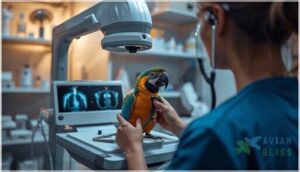
When your bird shows signs of respiratory trouble, your veterinarian will use several diagnostic tools to pinpoint the underlying cause.
A thorough physical examination is always the first step, but additional testing—including imaging and laboratory work—often provides the detailed information needed for an accurate diagnosis.
Here’s what you can expect during the diagnostic process.
Physical Examination Techniques
When diagnosing your bird’s condition, a thorough hands-on exam forms the foundation of care. Your veterinarian will observe breathing patterns and respiratory rate (normal ranges vary by species), perform chest palpation to detect masses or crepitus, and use auscultation methods with a stethoscope to identify wheezes or crackles.
Avian inspection includes checking nares, posture, and tail bobbing, which signals increased respiratory effort requiring immediate attention.
Imaging (Radiographs, Endoscopy)
When your bird’s symptoms don’t paint a clear picture, sophisticated imaging opens a window into the respiratory tract. Radiographs (X-rays) show two-dimensional views of the chest, air sacs, and skeletal structures, revealing pneumonia or air sac disease through density differences.
Endoscopy procedures allow direct visualization of the upper airways, trachea, and syrinx using flexible scopes, enabling targeted sampling while evaluating mucosal changes in real time.
Molecular and Serological Diagnostics
When imaging doesn’t reveal the culprit, molecular testing and serology assays reveal deeper layers of diagnostic panels.
Polymerase chain reaction amplifies nucleic acid from pathogens in swabs, while isothermal amplification methods yield faster results at constant temperatures.
Serological tests measure antibodies, distinguishing acute from past exposure.
These combined approaches refine molecular characterization, guide diagnosis and treatment, and shed light on respiratory disease pathogenesis for precise molecular epidemiology tracking.
Major Chronic Respiratory Conditions in Birds

When your bird shows persistent respiratory symptoms, you’re often dealing with one of several well-documented chronic conditions, each with distinct patterns and causes. Understanding these specific diseases—from bacterial infections that smolder for months to parasitic infestations that slowly compromise the airways—helps you recognize what your bird might be facing and why certain symptoms develop.
Let’s examine the four most common chronic respiratory conditions that affect pet birds and backyard poultry.
Chronic Respiratory Disease (CRD) in Poultry
When your flock develops a persistent cough or nasal discharge that drags on for weeks, Chronic Respiratory Disease—a condition driven primarily by Mycoplasma gallisepticum among respiratory pathogens—is likely at work.
Poor air quality control, crowded housing, and environmental stressors exacerbate disease expression, making flock management and disease surveillance critical to controlling this stubborn infection and maintaining poultry health.
Rhinitis and Sinusitis
When nasal inflammation and sinus pressure build in your bird’s upper respiratory system, rhinitis and sinusitis emerge as troublesome companions. Bacterial infections (Chlamydia causing Psittacosis, Haemophilus, Streptococcus), fungal rhinitis from Aspergillus, and vitamin A deficiency all contribute to swollen nasal passages, thick discharge, and facial discomfort.
Avian sinusitis often follows viral exposure, creating persistent respiratory tract inflammation that demands prompt veterinary attention.
Air Sacculitis
When inflammation spreads beyond sinuses into your bird’s air sacs, air sac infection (air sacculitis) creates a serious threat to the lower respiratory tract through chronic inflammation, fungal airsacculitis from Aspergillus, or air sac mites. This condition advances respiratory disease pathogenesis via airborne transmission, potentially triggering avian pneumonia and respiratory failure.
The symptoms and effects of this condition include:
- Clouded, thickened air sacs with purulent fluid buildup
- Gasping and open-mouth breathing from hindered airflow
- Mixed bacterial infections (Mycoplasma gallisepticum, E. coli, Pasteurella multocida)
Pneumonia and Bronchitis
Beyond the air sacs, avian infections can advance into bird pneumonia and fungal bronchitis, where bacterial infections (Streptococcus, E. coli) or aspergillosis invade the lower respiratory tract.
This pulmonology challenge involves airway inflammation affecting the trachea and bronchi, with infectious bronchitis virus accelerating respiratory disease pathogenesis. Without intervention, respiratory failure becomes inevitable as lung tissue deteriorates.
Treatment Options for Chronic Respiratory Disease

When your bird develops chronic respiratory disease, you’ll work closely with your veterinarian to create a treatment plan that tackles both the underlying infection and your bird’s immediate breathing difficulties.
Treatment usually combines medications that target the specific pathogen (whether bacterial, fungal, or parasitic) with supportive therapies that help your bird breathe more comfortably and recover strength. Here are the main treatment approaches your veterinarian may recommend, depending on your bird’s diagnosis and condition.
Antibiotic Therapy
When your bird faces a bacterial respiratory infection, antibiotics become the cornerstone of treatment, though selecting the right one requires identifying the specific bacterial target through diagnostic testing.
Proper dosage calculation is critical, as underdosing promotes antibiotic resistance while overdosing risks medication interactions and toxicity. Treatment duration usually spans 7-21 days depending on infection severity, and you’ll need close veterinary monitoring to guarantee the therapy succeeds without compromising your bird’s delicate system.
Antifungal and Anti-Parasitic Medications
When aspergillosis or other fungal infections strike your bird’s airways, azole antifungals (like itraconazole) disrupt fungal cell membranes by inhibiting ergosterol synthesis, while polyenes bind directly to ergosterol causing cellular leakage. For parasitic infestations such as air sac mites, anti-parasitic drugs like ivermectin paralyze the organisms by binding to chloride channels, effectively clearing your bird’s respiratory tract.
Key medication considerations you should know:
- Azole antifungals require liver enzyme monitoring due to potential hepatotoxicity and drug interactions through cytochrome P450 pathways
- Amphotericin B treats severe systemic fungal diseases but demands careful hydration protocols to prevent nephrotoxicity and electrolyte disturbances
- Ivermectin dosing must be precisely calculated for your bird’s weight, as overdosing causes neurological toxicity in sensitive species
- Treatment duration for aspergillosis often extends 4-6 weeks or longer, requiring your commitment to daily medication administration
- Combining antifungal agents with supportive nebulization therapy enhances drug delivery directly to affected respiratory tissues
Supportive Care and Hospitalization
When your bird’s respiratory tract deteriorates despite outpatient therapy, hospitalization provides critical interventions that home care simply can’t replicate.
Oxygen therapy delivers warmed, humidified support to maintain blood saturation above 92 percent, while avian nursing teams monitor respiratory effort continuously in a controlled hospital environment.
Supportive medicine includes intravenous fluids, gavage feeding, and temperature regulation between 26-30 degrees Celsius—all coordinated through veterinary care protocols designed specifically for respiratory monitoring and stabilization.
Nebulization and Respiratory Therapy
Nebulizers transform liquid medication into fine mist—aerosol particle size between 0.5 and 5 microns—that you can deliver directly to your bird’s respiratory tract at home. This respiratory therapy targets the lower airways with bronchodilators, antibiotics like amikacin, or antifungals, bypassing systemic side effects while treating respiratory diseases.
Mesh and ultrasonic nebulizer types offer quieter operation than traditional compressor models, reducing stress during pulmonology treatment sessions.
Dietary Modifications and Supplements
You can strengthen your bird’s respiratory health in birds through strategic nutrient balance, starting with vitamin supplementation to address vitamin A deficiency—a primary driver of avian disease prevention failures.
Probiotic benefits include balanced gut microbiota that enhances immunity during fungal infections in birds, while omega therapy (flaxseed, fish oil) moderates airway inflammation.
Herbal remedies like thyme aid mucus clearance under veterinary guidance, complementing bird disease prevention protocols.
Preventing Chronic Respiratory Issues

Prevention is always better than treatment in the case of chronic respiratory disease in your bird. By addressing nutrition, environmental quality, biosecurity, and disease control measures, you can substantially reduce your bird’s risk of developing persistent respiratory problems.
The following strategies will help you create a healthier environment and minimize the factors that contribute to chronic respiratory infections.
Nutrition and Balanced Diets
Think of nutrition as your bird’s first line of defense against respiratory illness. A well-balanced diet directly bolsters immune function, protecting delicate airways from infection.
To strengthen respiratory health in birds and prevent vitamin A deficiency, which compromises mucosal barriers:
- Provide colorful vegetables (carrots, sweet potato, dark leafy greens) for vitamin A
- Offer lean protein sources to support antibody production
- Include whole grains and seeds in appropriate portions for sustained energy
- Guarantee fresh, clean water availability at all times for hydration and mucous production
Balanced diet basics form the foundation of avian disease prevention, particularly for poultry health and chronic respiratory protection.
Environmental Management and Air Quality
Air quality shapes respiratory health in birds more profoundly than many owners realize, since airborne transmission of pathogens thrives in poorly ventilated spaces.
Proper ventilation systems supplying 6 to 12 air changes hourly dilute ammonia and dust, while air purification with HEPA filters traps 99.97 percent of particles.
Environmental monitoring, avian hygiene protocols, and controlling indoor pollution all support flock management and biosecurity.
Quarantine and Biosecurity Practices
Beyond environmental controls, you’ll need rigorous quarantine protocols and biosecurity measures to protect your birds from chronic respiratory pathogens.
Isolate new arrivals for 30 days in dedicated zones at least 15 meters away, maintaining separate airflow management and disease surveillance throughout.
Sanitation procedures—including footbaths, dedicated equipment, and thorough disinfection between groups—form the foundation of effective flock management and zoonotic disease prevention.
Vaccination and Disease Control
Vaccination strategies strengthen your biosecurity measures by priming immune defenses against infectious disease control threats like Avian Influenza, Newcastle Disease, and infectious bronchitis.
Poultry disease management protocols rely on immunization strategies customized to species, age, and regional disease surveillance data, while vaccine efficacy depends on proper cold-chain storage and precise timing.
Widespread public health impact emerges when vaccination combines with quarantine protocols to reduce pathogen circulation across populations.
Long-Term Management and Prognosis

Once you’ve treated your bird’s chronic respiratory disease, the real work begins with long-term care, which requires consistent attention to keep symptoms under control and prevent flare-ups.
Your bird’s prognosis depends heavily on how well you manage stress, monitor for returning signs, and maintain communication with your veterinarian. Here’s what you need to focus on for ongoing management and knowing when professional intervention becomes necessary.
Monitoring and Follow-Up Care
Once your bird begins treatment for chronic respiratory disease, regular follow-up schedules become your safety net. You’ll need veterinary check-ins every 2 to 4 weeks initially, then every 6 to 12 weeks once stable.
Between visits, symptom tracking—recording respiratory rate, discharge color, and weight changes—helps your veterinarian fine-tune medication adherence and environmental adjustments for ideal respiratory monitoring.
Reducing Stress in Affected Birds
When respiratory disease compromises your bird’s immune defenses, stress reduction becomes a critical therapeutic intervention. Create quiet spaces with stable lighting (12 to 14 hours daily), maintain calm handling during medication administration, and monitor flock dynamics closely, since aggressive cage mates can worsen respiratory health in birds.
Proper bird welfare—incorporating safe environments, gentle bird socialization, and careful stress monitoring—directly promotes avian disease prevention and accelerates recovery from chronic airway inflammation.
Managing Persistent or Recurrent Infections
Sometimes, chronic bird respiratory disease demands a relapse prevention strategy built on sustained vigilance and targeted intervention.
Effective infection control for persistent infections requires:
- Regular veterinary follow-ups to detect early warning signs before respiratory therapy becomes urgent
- Culture-guided antimicrobial selection to overcome resistant pathogens
- Environmental modification—controlling dust, humidity (40–60 percent), and ventilation
- Nutritional optimization with vitamin A supplementation to strengthen mucosal defenses
- Customized chronic care plans that adjust treatment as your bird’s condition evolves
This bird rehabilitation approach reduces recurrence and preserves long-term airway function.
When to Seek Veterinary Assistance
When should you worry enough to call your avian veterinarian immediately? Emergency care becomes essential if your bird shows trouble breathing with open-beak respiration and tail bobbing, indicating respiratory failure, or if cyanosis (blue discoloration around the beak) appears, signaling severe oxygen shortage.
Urgent symptoms like sudden collapse, continuous vomiting, or dramatic energy drops require critical interventions—veterinary guidance and diagnosis and treatment within two hours prevent irreversible complications in respiratory diseases and other bird diseases, making prompt veterinary treatment for birds lifesaving and veterinary medicine your strongest ally.
Frequently Asked Questions (FAQs)
How do you treat chronic respiratory disease in poultry?
Treatment targets mycoplasma and bacterial coinfections using doxycycline for five to seven days in water or feed, paired with supportive care including clean water, adequate nutrition, warmth, and vitamin supplements to maintain energy during recovery.
Is CRD contagious to other birds?
One bird’s sniffle can sweep through an entire flock like wildfire.
CRD is highly contagious to other birds through direct contact, contaminated equipment, airborne droplets, and egg transmission, making biosecurity measures essential for flock management.
How long can a bird live with a respiratory infection?
Survival varies widely depending on infection severity, treatment timing, and your bird’s overall health—some birds recover within weeks with proper care.
While untreated chronic respiratory disease often leads to progressive decline over several months.
Is bird fancier’s lung curable?
Bird fancier’s lung is reversible if you eliminate avian antigen exposure early—steroids reduce inflammation during flare-ups, and breathing rehabilitation aids recovery.
But severe fibrosis may leave permanent lung changes despite aggressive respiratory therapy and avian disease management.
How do you treat respiratory disease in birds?
Your veterinarian will diagnose the specific cause, then prescribe antibiotics for bacterial infections, antifungal medication for aspergillosis, or anti-parasitic drugs for mites.
While providing oxygen therapy and breathing support during respiratory distress.
What is the respiratory disease associated with birds?
Respiratory infections in birds stem from bacteria like Mycoplasma gallisepticum, viruses (avian influenza, Newcastle disease), fungi (aspergillosis), parasites (air sac mites), and environmental toxins—each targeting different parts of the respiratory tract.
How long does chronic respiratory disease last?
The timeline spans months to years, requiring long-term management to control symptoms and prevent progression.
Flares may recur over weeks to months even after initial improvement, depending on treatment response and overall health.
Can birds recover completely from chronic infections?
Complete recovery is like clearing fog from a valley—it depends on the pathogen and your bird’s resilience.
Early infection control and chronic management reduce relapse, though many retain subclinical infections despite treatment options.
Is chronic respiratory disease contagious to humans?
Most chronic bird respiratory diseases don’t spread to humans, though zoonotic risks like Psittacosis (Chlamydia, Chlamydophila) require careful bird handling during infectious disease management to prevent respiratory transmission and cross-species exposure.
Whats the survival rate for affected birds?
The old adage “an ounce of prevention beats a pound of cure” rings especially true here—survival odds for hospitalized wild birds average around fifty percent, though Release Rates climb to sixty percent or higher for waterbirds and areal insectivores receiving prompt Veterinary Treatment for Birds and proper Infectious Disease Management.
Conclusion
A seven-year-old African Grey who’d been sneezing for months finally showed aspergillosis on endoscopy—her owner had dismissed the symptoms as allergies.
When you catch chronic bird respiratory disease early, through attentive observation and prompt veterinary diagnostics, you give your bird the best chance at meaningful recovery. The respiratory system doesn’t forgive prolonged neglect, but with consistent treatment, environmental improvements, and nutritional support, many birds regain their vitality and years of healthy life ahead.