This site is supported by our readers. We may earn a commission, at no cost to you, if you purchase through links.
 When you suspect parrot psittacosis symptoms diagnosis, watch for respiratory distress, fever, and lethargy in your bird.
You’ll notice discharge from eyes or nose, difficulty breathing, and decreased appetite.
Human symptoms include flu-like illness with persistent cough and headache.
Blood tests, sputum cultures, and antibody tests confirm diagnosis through detecting Chlamydia psittaci bacteria.
Early treatment with antibiotics like doxycycline proves highly effective for both birds and humans.
The infection spreads through inhaling contaminated dust or droplets from infected birds’ droppings and respiratory secretions.
Proper cage cleaning and quarantining new birds prevents transmission between your feathered companions and family members.
Table Of Contents
- Key Takeaways
- What is Psittacosis
- Psittacosis Symptoms
- Psittacosis Diagnosis
- Psittacosis Treatment
- Preventing Psittacosis
- Frequently Asked Questions (FAQs)
- What is psittacosis (parrot fever)?
- What are the symptoms of psittacosis in birds?
- Can parrots get psittacosis?
- Can parrot fever (psittacosis) be undiagnosed?
- Is psittacosis a bird disease?
- What is the treatment for parrot fever (psittacosis)?
- How do you diagnose psittacosis in birds?
- Can birds recover from psittacosis?
- What happens if psittacosis goes untreated?
- Can pregnant women safely treat psittacosis infections?
- Conclusion
Key Takeaways
- Watch for respiratory distress and discharge – You’ll spot psittacosis in birds through difficulty breathing, eye/nose discharge, lethargy, and decreased appetite, while humans develop flu-like symptoms with a persistent cough and fever.
- Get proper testing for accurate diagnosis – You’ll need blood tests, sputum cultures, or antibody tests to confirm Chlamydia psittaci infection since symptoms mimic other respiratory illnesses.
- Start antibiotic treatment immediately – You’ll recover quickly with doxycycline treatment for 7-10 days, with most patients improving within 48 hours when treated promptly.
- Prevent transmission through hygiene and quarantine – You’ll protect your family by quarantining new birds for 30+ days, cleaning cages weekly with disinfectant, and washing hands thoroughly after bird contact.
What is Psittacosis
Psittacosis is a bacterial infection caused by Chlamydia psittaci that spreads from infected birds to humans through contaminated droppings and respiratory secretions.
You’re most likely to contract this disease by inhaling dust particles from bird waste or having close contact with infected parrots, chickens, or other birds.
Causes of Psittacosis
Psittacosis stems from a specific bacterial origin involving Chlamydophila psittaci, a gram-negative bacterium that creates this zoonotic disease.
Bird carriers harbor this pathogen in their respiratory systems and droppings, making avian chlamydiosis a serious concern.
When you’re around infected birds, respiratory transmission occurs through contaminated dust particles.
This bacterium spread affects various species, from parrots to chickens, causing parrot psittacosis symptoms that require proper psittacosis diagnosis.
Bacterial Transmission
You’re exposed to this bacterial infection through airborne spread when infected bird carriers release respiratory droplets containing Chlamydophila psittaci.
The zoonotic disease spreads through bacterial shedding in droppings and contaminated feathers, making parrot psittacosis symptoms possible after inhaling dust particles.
This bacterial infection travels easily in poorly ventilated spaces where birds live.
Understanding the psittacosis treatment options is essential for effective recovery and prevention of the disease, which involves managing psittacosis.
Bird Species Affected
While transmission occurs through various pathways, you’ll find that psittacosis affects a remarkably wide range of bird species.
Parrot diseases aren’t limited to just parrots – this bird respiratory infection impacts 467 documented bird species across 30 orders.
Wild birds, including seabirds, chickens, turkeys, parakeets, cockatiels, and macaws, can all become feathered carriers of this avian health threat, spreading psittacosis through their droppings and respiratory secretions.
Psittacosis Symptoms
Recognizing psittacosis symptoms early helps you seek proper treatment and prevents serious complications. You’ll typically notice flu-like symptoms appearing 4-14 days after exposure to infected birds.
Human Symptoms

Fever symptoms often strike suddenly, with your body temperature spiking within days of exposure to infected birds.
When fever strikes suddenly after bird exposure, your body temperature can spike within just days of contact.
You’ll likely experience flulike symptoms including severe headache causes, muscle pains throughout your body, and chills.
Respiratory issues develop as infection signs progress, potentially leading to pneumonia if untreated.
These human symptoms mirror typical respiratory infections.
Bird Symptoms
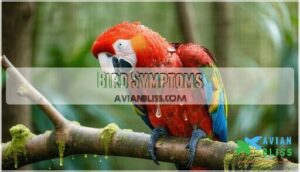
Your feathered friend might display several telltale avian signs when infected. Watch for ruffled feathers, lethargy, and poor appetite as key bird behavior changes.
Sick parrot symptoms include respiratory issues like sneezing, runny nose, and eye discharge. Parrot respiratory infection often causes greenish droppings, weight loss, and reduced activity.
Birds can shed bacteria while appearing healthy. The disease is usually caused by Chlamydia psittaci infection, which can be severe in some cases.
Common Complications
While most people recover completely, serious complications can develop if you don’t seek treatment promptly.
Pneumonia represents the most common severe complication, particularly affecting your respiratory system.
Organ failure, liver infection, and neurological damage may occur in untreated cases, and these parrot fever symptoms require immediate medical attention to prevent long-term respiratory issues from this dangerous avian disease, which can lead to severe health problems if not treated, and it is crucial to address them promptly to avoid long-term respiratory issues.
Psittacosis Diagnosis
If you suspect psittacosis, your doctor will use several tests to confirm the diagnosis since symptoms often mimic other respiratory illnesses.
Blood tests, sputum cultures, and antibody measurements help identify the Chlamydia psittaci bacteria and determine the best treatment approach.
Blood Tests
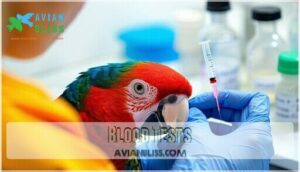
Several blood tests can diagnose psittacosis with impressive accuracy.
PCR testing achieves over 85% sensitivity for detecting Chlamydia psittaci DNA, while antibody titer tests reach 90% specificity when paired samples are collected.
You’ll need microimmunofluorescence or ELISA tests for human antibody detection, and veterinarians use avian blood analysis for asymptomatic bird testing.
Test result interpretation requires careful timing considerations.
Culture tests, while requiring specialized procedures, can provide definitive diagnostic confirmation for accurate diagnosis and effective treatment.
Sputum Cultures

Your doctor may collect sputum samples to identify Chlamydia psittaci bacteria directly. Sputum cultures provide diagnostic accuracy when blood tests aren’t conclusive, though culture sensitivity varies.
Alternative samples include throat swabs when sputum collection proves difficult. Result interpretation requires expertise since psittacosis testing mimics other respiratory infections.
Critical factors affecting sputum culture success:
- Sample timing – Fresh morning specimens yield highest bacterial concentrations
- Collection technique – Deep cough samples beat surface saliva for diagnosing psittacosis
- Laboratory processing – Specialized media required since standard cultures miss psittacosis
- Patient cooperation – Proper specimen collection directly impacts diagnosis accuracy
- Storage conditions – Temperature-sensitive samples degrade quickly, affecting bird symptoms detection
Antibody Titer Tests

Beyond sputum cultures, antibody titer tests offer another diagnostic window for psittacosis testing.
These blood tests measure antibody levels your body produces against chlamydia psittaci, but interpretation challenges exist due to delayed antibody production.
A systematic review highlights the challenges in finding a gold standard testing strategy for identifying recent infections.
| Test Method | Accuracy Rate |
|---|---|
| Complement Fixation | 94% sensitivity |
| Blocking ELISA | 92% sensitivity |
| Direct CF | 100% specificity |
Serial testing improves antigen detection reliability when diagnosing psittacosis.
Psittacosis Treatment
When you receive a psittacosis diagnosis, your doctor will prescribe antibiotics to eliminate the bacterial infection.
Treatment typically involves doxycycline for 7-10 days, with most patients showing improvement within 48 hours of starting medication.
Antibiotic Options
Your veterinarian’s first choice for psittacosis treatment is typically doxycycline, a tetracycline antibiotic that penetrates infected cells effectively.
This doxycycline dosage ranges from 25-50 mg/kg daily for birds.
When tetracycline causes problems, macrolide alternatives like azithromycin work well.
Doxycycline products for birds are readily available.
Fluoroquinolone efficacy remains limited compared to first-line options, though enrofloxacin helps treatment-resistant cases.
Pediatric options follow similar antibiotic treatment protocols with adjusted dosing.
Treatment Duration
Your psittacosis treatment typically lasts 10-14 days after your fever breaks, though some doctors recommend extended therapy for 7-21 days total.
Taking the full antibiotic length prevents relapse risks and resistance development.
Doxycycline or tetracycline require consistent daily dosing to avoid long-term effects. Don’t stop early, even if you feel better, to ensure you avoid resistance development.
Recovery Rate
When you receive proper treatment, your recovery timeline typically shows improvement within 48 hours, with full recovery expected in most cases.
However, slow recovery may occur if you’re older, younger, or have existing health issues that impact treatment efficacy. Doxycycline antibiotic treatment is often required for 45 days.
- Recovery timeline: Most patients improve within 2 days of starting antibiotics
- Treatment efficacy: Cure rates reach up to 94% with proper antibiotic therapy
- Patient demographics: Older adults and children may experience slower healing processes
- Long-term effects: Rare complications can affect recovery speed and completeness
- Relapse prevention: Following the complete antibiotic course prevents recurring infections
Preventing Psittacosis
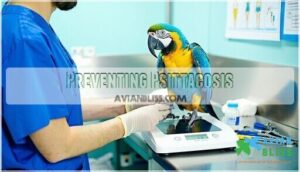
You’ll protect yourself and your pets by following proper hygiene practices when handling birds and maintaining clean environments.
Prevention focuses on reducing exposure to contaminated materials through quarantine procedures, regular cleaning, and avoiding contact with sick birds.
Cleanliness During Handling
Proper handwashing importance can’t be overstated when handling birds to prevent parrot fever transmission.
Always wash your hands thoroughly before and after bird contact, clean cages weekly with disinfecting surfaces techniques, and wear protective gear like gloves and masks.
Using antibacterial hand soaps can further reduce the risk of infection.
Maintain good ventilation strategies in bird areas to reduce airborne particles from psittacosis in parrots during routine parrot health care.
Sanitation Involving Wild Birds
Wild birds can spread avian disease through contaminated environments, making public spaces potential hotspots for infection.
You’ll need consistent sanitation practices to prevent wild bird infections and protect both pets and humans from exposure. A proper solution is essential for sanitation.
- Birdbath Cleaning: Empty and scrub birdbaths weekly with 10% bleach solution to eliminate bacteria buildup.
- Feeder Hygiene: Clean bird feeders monthly and remove old seed that attracts infected birds.
- Dropping Removal: Clear bird droppings from patios, decks, and walkways using gloves and disinfectant.
- Nest Sanitation: Remove abandoned nests from eaves and structures to prevent avian disease transmission.
Quarantining New Birds
New pet birds need a minimum 30-day parrot quarantine in a separate room to prevent avian disease transmission.
This quarantine length allows parrot illness symptoms to emerge before contact with existing pet birds.
Monitor symptoms daily and maintain strict isolation protocols in your quarantine environment to guarantee effective psittacosis prevention and preventing spread.
| Quarantine Aspect | Requirement |
|---|---|
| Duration | 30+ days minimum |
| Location | Separate closed room |
| Daily Tasks | Monitor symptoms, clean |
| Biosecurity | Dedicated tools, hand washing |
Isolating Infected Birds
If a bird’s sneezes sound like a warning bell, it’s time to start bird isolation.
Use cage isolation and stick to strict isolation protocols to prevent psittacosis transmission.
Monitor symptoms daily, sanitize cages often, and keep the parrot quarantine going for the recommended quarantine duration.
Doxycycline is the primary antibiotic for treatment, which helps stop parrot illness from spreading and keeps your flock safe and sound, ensuring a successful quarantine duration.
Frequently Asked Questions (FAQs)
What is psittacosis (parrot fever)?
Psittacosis devastates your respiratory system like a feathered foe.
You’ll contract this bacterial infection from infected birds through inhaling contaminated dust, experiencing flu-like symptoms including fever, cough, and muscle aches within days.
What are the symptoms of psittacosis in birds?
Infected birds show several warning signs you’ll want to watch for. Look for ruffled feathers, lethargy, poor appetite, weight loss, diarrhea, and discharge from eyes or nose indicating possible infection.
Can parrots get psittacosis?
Yes, parrots can definitely get psittacosis.
They’re actually among the birds most commonly affected by this bacterial infection.
You’ll find that parrots can carry the bacteria for months without showing symptoms, making early detection challenging.
Can parrot fever (psittacosis) be undiagnosed?
Picture yourself spotting subtle changes in your feathered friend’s behavior – those seemingly minor shifts could mask a hidden threat.
You’ll find that parrot fever often flies under the radar because its symptoms mirror common illnesses, making diagnosis tricky without proper testing, and this is a critical aspect of understanding the hidden threat.
Is psittacosis a bird disease?
This bacterial infection affects birds first, then spreads to humans through contact with infected bird droppings or respiratory secretions, making it primarily an avian disease that can cross species.
What is the treatment for parrot fever (psittacosis)?
When parrot fever strikes like a thief in the night, you’ll need antibiotics to fight back.
Doxycycline is your go-to treatment, taken for 7-10 days, with most patients feeling better within 48 hours.
How do you diagnose psittacosis in birds?
You’ll diagnose psittacosis in birds through blood tests, which work best even when birds show no symptoms. Veterinarians may also use sputum cultures, histology, and nucleic acid detection methods.
Can birds recover from psittacosis?
Like a phoenix rising from ashes, you’ll find birds can overcome psittacosis with proper antibiotic treatment.
Doxycycline for 45 days typically cures infected birds, though recovery depends on early diagnosis and treatment compliance.
What happens if psittacosis goes untreated?
Without treatment, you’ll likely develop severe pneumonia, and the infection can spread to your heart, liver, and brain, potentially causing life-threatening complications or death.
Can pregnant women safely treat psittacosis infections?
You’ll want to avoid doxycycline during pregnancy, but safer alternatives exist. Erythromycin serves as the go-to treatment for expectant mothers, providing effective relief while protecting your baby’s development safely.
Conclusion
Like a detective piecing together clues, recognizing parrot psittacosis symptoms diagnosis early protects both your feathered friends and family.
You’ve learned that respiratory distress, fever, and discharge signal infection in birds, while humans experience flu-like symptoms.
Blood tests, cultures, and antibody screenings confirm the presence of Chlamydia psittaci.
With prompt antibiotic treatment, recovery rates remain high.
Remember, proper hygiene, quarantining new birds, and regular veterinary checkups create your best defense against this preventable zoonotic disease.
- https://www.merckvetmanual.com/poultry/avian-chlamydiosis/avian-chlamydiosis
- https://www.cdph.ca.gov/Programs/CID/DCDC/CDPH%20Document%20Library/PsittacosisFactSheet.pdf
- https://vcahospitals.com/know-your-pet/chlamydophilosis-in-birds
- https://www.cdc.gov/psittacosis/about/index.html
- https://stacks.cdc.gov/view/cdc/72603/cdc_72603_DS1.pdf