This site is supported by our readers. We may earn a commission, at no cost to you, if you purchase through links.
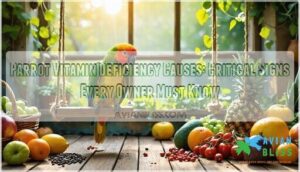 Parrot vitamin deficiency causes stem primarily from inadequate nutrition and poor dietary choices.
You’ll find that seed-only diets are the biggest culprit—they’re like feeding your bird junk food daily.
Seeds lack essential vitamins A, D, and E, plus important minerals.
Fresh produce deficiency compounds the problem, as fruits and vegetables provide essential carotenoids and water-soluble vitamins your parrot needs.
Processed foods, lack of sunlight exposure, and underlying health conditions can also trigger deficiencies.
Poor gut health reduces nutrient absorption, while stress increases vitamin requirements.
Think of vitamins as your bird’s insurance policy—without them, their immune system crashes and organs struggle to function properly, leading to serious complications that savvy owners can spot early, related to inadequate nutrition, poor dietary choices, and overall health conditions.
Table Of Contents
- Key Takeaways
- Vitamin a Deficiency Causes
- Parrot Malnutrition Risks
- Vitamin Deficiency Symptoms
- Importance of Vitamin A
- Preventing Vitamin Deficiencies
- Frequently Asked Questions (FAQs)
- Are parrots prone to vitamin A deficiency?
- What causes vitamin A deficiency in birds?
- How do you know if a parrot has a nutritional deficiency?
- Do fig parrots have vitamin K deficiency?
- Do parrots get vitamin D?
- Do African grey parrots have a vitamin D deficiency?
- What are the symptoms of calcium deficiency in parrots?
- How do I give my bird more vitamin A?
- What is vitamin E deficiency in parrots?
- What are 10 diseases caused by vitamin deficiency?
- Conclusion
Key Takeaways
- Your seed-only diet is killing your parrot slowly – Seeds lack essential vitamins A, D, and E, creating a nutritional wasteland that compromises your bird’s immune system and leads to serious health complications.
- You’re not providing enough fresh produce – Without colorful fruits and vegetables rich in carotenoids, your parrot cannot convert beta-carotene into usable vitamin A, leading to respiratory infections and feather problems.
- You’ll recognize deficiency through respiratory distress and poor feathers – Watch for wheezing, nasal discharge, dull plumage, eye infections, and night blindness as early warning signs that your bird’s nutrition is failing.
- You can prevent deficiencies with balanced nutrition and regular checkups – Provide 70-80% quality pellets supplemented with fresh produce, and schedule veterinary blood work every six months to catch problems before they become life-threatening.
Vitamin a Deficiency Causes
Your parrot’s vitamin A deficiency stems primarily from inadequate dietary choices that you’ve likely made without realizing their serious health consequences.
Seed-based diets, lack of fresh produce, and insufficient carotenoid-rich foods create a perfect storm for hypovitaminosis A in your feathered companion.
Poor Diet and Nutrition
Your parrot’s diet directly impacts its health, yet nutritional deficiencies affect 60-70% of companion birds.
Seed-only diets create nutrient imbalance and food quality issues, lacking essential vitamins A, D, and E.
Poor dietary variety leads to malabsorption and digestive issues, making your bird vulnerable to infections and metabolic problems that compromise overall wellness.
Lack of Fresh Produce
Without adequate fresh food in your parrot’s diet, vitamin deficiency symptoms develop rapidly.
Fresh produce provides essential carotenoid intake and dietary variety that supports nutrient absorption and crop health.
Consider these alarming consequences:
- Respiratory infections from weakened immunity
- Feather plucking due to skin irritation
- Night blindness affecting flight safety
Bird nutrition requires consistent fresh vegetables to prevent serious nutritional deficiencies and maintain ideal vitamin A levels.
Insufficient Carotenoid Intake
Beta-carotene serves as your parrot’s primary pathway to vitamin A conversion, yet many birds can’t efficiently transform these plant compounds into usable retinol.
Orange vegetables like carrots and sweet potatoes contain abundant carotenoids, but poor nutrient absorption limits their effectiveness.
This dietary conversion challenge creates a gap between carotenoid sources and actual vitamin A availability, leading to feather health problems and beak disorders despite seemingly adequate nutrition.
To address this issue, owners should consider using natural bird supplements to guarantee their parrots receive essential vitamins and minerals.
Seed-Based Diets
Your parrot’s seed-based diet creates a perfect storm for parrot vitamin deficiency. All-seed diets supply dangerously low vitamin A levels, triggering nutritional deficiencies that compromise immune function.
Seed addiction in budgerigars particularly worsens dietary imbalance, causing malabsorption issues. Without dietary variety, calcium deficiency and vitamin deficiencies develop rapidly.
Making seed-based diets a nutritional dead end, due to the lack of essential nutrients, leading to severe health problems, including calcium deficiency.
Parrot Malnutrition Risks
When vitamin deficiencies progress beyond simple nutritional gaps, your parrot faces serious health complications that can dramatically shorten their lifespan.
These malnutrition risks create a cascade of medical problems affecting everything from basic breathing to successful reproduction.
Premature Death From Hypovitaminosis
Hypovitaminosis A creates a dangerous domino effect in your parrot’s body.
Severe vitamin A deficiency compromises immune function, making birds vulnerable to secondary infections that can prove fatal.
Nutritional deficiencies weaken organ systems progressively, with parrot vitamin deficiency cases showing increased bird mortality rates.
Dietary imbalance leads to systemic failure when nutrient absorption becomes compromised, triggering life-threatening avian diseases that healthy birds would normally resist.
The combination of these factors results in a significant threat to parrot health, emphasizing the importance of a balanced diet to prevent systemic failure.
Respiratory Issues and Infections
Vitamin A deficiency transforms your bird’s respiratory system into a breeding ground for trouble.
Weakened airways become infection highways when vitamin A runs low.
Weakened epithelial barriers can’t fight off bacterial and fungal invaders, leading to chronic sinusitis and airway disease.
You’ll notice nasal discharge, wheezing, and respiratory distress as tracheal issues develop.
Beak infections often follow, potentially progressing to respiratory failure without prompt treatment.
Understanding respiratory disease causes is essential for preventing these trouble issues in parrots, and recognizing the importance of prompt treatment.
Poor Feather Condition and Quality
Dull, brittle feathers signal your parrot’s nutritional distress.
Parrot vitamin deficiency disrupts normal molting issues, causing faded feather color and poor plumage quality.
Vitamin A deficiency triggers feather plucking behaviors and potential beak deformity.
Without proper nutrition, your bird’s once-vibrant coat becomes lackluster, with broken tail feathers and delayed molt cycles affecting their natural beauty.
Reproductive Issues and Infertility
Breeding becomes an uphill battle when your parrot lacks essential nutrients.
Vitamin A deficiency disrupts reproductive tract function, while calcium and vitamin D deficiencies create dangerous complications during egg-laying.
- Egg Binding: Calcium deficiency prevents proper muscle contractions during egg-laying
- Fertility Issues: Vitamin A deficiency reduces sperm quality and egg viability
- Breeding Problems: Malnourished birds show decreased libido and mating behaviors
- Infertility Causes: Poor nutrition creates hormonal imbalances affecting reproduction
- Reproductive Health: Deficient diets produce weak, underweight chicks with poor survival rates
Vitamin Deficiency Symptoms
You’ll quickly recognize vitamin deficiency symptoms in your parrot through specific physical and behavioral changes that develop gradually over weeks or months.
These clinical signs often appear subtle at first but become increasingly severe without proper nutritional intervention.
Squamous Metaplasia and Hyperkeratosis
Within your bird’s body, squamous metaplasia transforms healthy mucous membrane cells into thick, keratinized layers—think of it as your parrot’s natural defenses turning into sandpaper.
This cellular breakdown from hypovitaminosis A creates skin lesions, beak deformity, and feather loss.
The hyperkeratosis blocks airways, causing respiratory issues that make breathing feel like sucking air through a straw.
Respiratory Distress and Conjunctivitis
Your bird’s breathing shouldn’t sound like a squeaky toy.
Respiratory distress from Vitamin A deficiency manifests as wheezing, labored breathing, and nasal discharge.
Conjunctivitis creates swollen, watery eyes with discharge.
These symptoms signal hypovitaminosis A affecting your parrot’s respiratory system and mucous membranes, potentially leading to secondary infections and airway disease requiring immediate veterinary attention.
Poor Ocular Health and Night Blindness
Vitamin A deficiency wreaks havoc on your parrot’s eyes, causing night blindness and severe visual impairment.
Hypovitaminosis A leads to painful eye infections and ocular disease that can progress to permanent blindness causes.
Your bird’s night vision deteriorates first, making them anxious in dim lighting.
These parrot health issues develop gradually, so you’ll notice increased clumsiness during evening hours before obvious avian health problems appear, which can be attributed to permanent blindness.
Fertility Issues and Egg Binding
During reproductive periods, vitamin A deficiency wreaks havoc on your parrot’s breeding success.
These deficiencies cause dystocia, weak chicks, and complete reproductive failure. Combined with calcium and vitamin D deficiencies, your bird faces life-threatening complications that turn natural breeding into dangerous ordeals.
- Egg Binding: Calcium deficiency creates soft, malformed shells that won’t pass through the reproductive tract
- Hatch Failure: Vitamin A deficiency produces weak embryos with poor development and survival rates
- Breeding Difficulties: Reproductive issues include lack of libido and complete fertility problems in both sexes
- Fertility Problems: Deficient birds produce infertile eggs or experience complete reproductive system shutdown
Understanding vitamin deficiency signs is essential for addressing these issues and ensuring the overall health of your parrot.
Importance of Vitamin A
Vitamin A serves as your parrot’s first line of defense, powering immune function and maintaining healthy mucous membranes that protect against respiratory infections.
This essential fat-soluble vitamin also drives tissue repair, acts as a powerful antioxidant, and helps prevent deadly fungal pathogens like aspergillus from taking hold.
Immune System Function and Health
Every antioxidant your parrot consumes strengthens their immune response against infections and diseases.
Vitamin A deficiency compromises disease resistance by causing squamous metaplasia, weakening mucous membranes that normally block pathogens.
Your bird’s immune system depends on proper nutrient absorption and microbial balance.
Health monitoring reveals that parrots with nutritional deficiencies show increased vulnerability to aspergillus and bacterial infections, making adequate avian nutrition essential.
Tissue Growth and Repair
Beyond protecting your parrot’s immune system, vitamin A drives cellular regeneration throughout your bird’s body.
This fat-soluble vitamin orchestrates tissue repair at the microscopic level, ensuring healthy organ development and maintaining cellular health when nutritional deficiencies threaten your pet’s wellbeing.
Here’s what proper vitamin A levels accomplish:
- Accelerates wound healing – Your parrot recovers faster from minor injuries and surgical procedures
- Maintains organ integrity – Prevents tissue breakdown in respiratory, digestive, and reproductive systems
- Supports cellular renewal – Replaces damaged cells efficiently, keeping your bird’s body functioning at its best
Without adequate vitamin A, your parrot’s tissue repair mechanisms slow dramatically. Vitamin supplements can help, but a balanced parrot nutrition guide emphasizes whole foods first. Unlike vitamin D3 deficiency, which primarily affects bones, vitamin A deficiency impacts every organ system requiring constant cellular turnover.
Antioxidant Properties and Benefits
Your parrot’s body fights free radicals daily through vitamin A’s powerful antioxidant action.
Beta-carotene scavenges harmful molecules, reducing oxidative stress that damages cells.
Without adequate antioxidant supplements or natural sources, cellular health deteriorates rapidly.
Proper nutrient absorption depends on these protective compounds working together.
Maintaining a balanced diet with Vitamin A sources is essential for parrot health.
| Antioxidant Type | Primary Function | Deficiency Impact |
|---|---|---|
| Vitamin A (Retinol) | Cellular membrane protection | Increased infection risk |
| Beta-carotene | Free radical neutralization | Tissue damage acceleration |
| Vitamin E | Lipid peroxidation prevention | Muscle weakness development |
| Carotenoids | Inflammatory response regulation | Compromised immune function |
| Vitamin D3 | Calcium metabolism support | Bone density reduction |
Prevention of Fungal Pathogens
Your bird’s vitamin A levels directly impact its ability to fight off dangerous aspergillus spores and other fungal pathogens.
Adequate vitamin A strengthens respiratory tract defenses, preventing these microscopic invaders from establishing infections.
- Strengthened mucous membranes block fungal spore entry
- Enhanced immune response recognizes threats faster
- Improved respiratory health reduces infection sites
- Better overall resistance against environmental pathogens
Vitamin A deficiency compromises these natural barriers, leaving your parrot vulnerable to potentially fatal fungal infections that thrive in weakened birds.
Preventing Vitamin Deficiencies
You can prevent vitamin deficiencies in your parrot by providing a balanced diet that includes high-quality pellets, fresh fruits, and vegetables rich in essential nutrients.
Regular veterinary checkups and blood work help catch deficiencies early, before they develop into serious health problems that could compromise your bird’s immune system and overall well-being.
Balanced Diet and Nutrition
Achieving proper nutrient balance requires understanding your parrot’s specific dietary needs across different life stages.
Food variety prevents parrot vitamin deficiency by ensuring thorough nutrition therapy. A balanced diet includes 70-80% high-quality pellets, supplemented with safe fruits and vegetables.
Effective meal planning rotates protein sources and addresses individual bird nutritional disorders. This systematic approach prevents vitamin D deficiency and other nutritional deficiencies through consistent, species-appropriate feeding protocols.
Using parrot food pellets is essential for maintaining a balanced and nutritious diet, which is crucial for preventing deficiencies and ensuring overall health through consistent feeding protocols.
Fresh Fruits and Vegetables
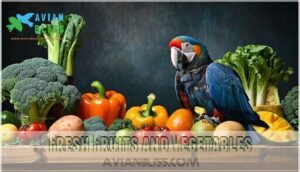
Incorporating diverse fresh fruits and vegetables transforms your parrot’s health by delivering bioavailable vitamin A and preventing parrot vitamin deficiency.
These colorful additions address specific dietary needs while serving as engaging healthy snacks.
Providing a balanced diet with fresh food options is essential for maintaining prime health.
- Orange bell peppers – packed with beta-carotene for vibrant feather development
- Dark leafy kale – provides concentrated vitamin A for respiratory health
- Sweet potato chunks – delivers essential carotenoids for immune function
- Mango pieces – offers natural fruit variety with high nutrient content
Fortified Pellets and Supplements
Fortified pellets deliver consistent vitamin A levels between 10,000–30,000 IU/kg, preventing parrot vitamin deficiency more effectively than seed-only diets.
These pellet nutrition options contain up to 80% of essential vitamins your bird needs. However, supplement safety becomes critical when combining vitamin formulations with fortified feeds.
Bird nutritionists warn that over-supplementation can cause hypervitaminosis A or vitamin D deficiency complications. Always consult veterinary professionals before adding dietary additives to prevent nutritional deficiencies.
For essential health, understanding parrot vitamin supplements is vital in preventing deficiencies.
Regular Health Checkups and Monitoring
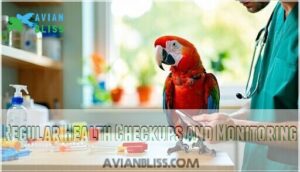
You’ll want to schedule Health Exams every six months with an avian veterinarian who understands parrot vitamin deficiency symptoms.
These bird health checkups include blood work for Medical Testing, revealing nutritional deficiencies before clinical signs appear.
Your vet provides Nutrition Counseling, adjusting diet recommendations based on test results.
Regular Bird Monitoring catches vitamin D deficiency early, preventing serious complications through proactive Veterinary Care.
By recognizing key nutrient deficiencies, owners can take proactive steps to guarantee their parrots receive a balanced diet and maintain peak health.
Frequently Asked Questions (FAQs)
Are parrots prone to vitamin A deficiency?
Like a canary in a coal mine, you’ll find parrots are extremely susceptible to vitamin A deficiency.
Seed-heavy diets lack this essential nutrient, causing respiratory infections, dull feathers, and compromised immunity—making dietary variety essential.
What causes vitamin A deficiency in birds?
Seed-only diets lack vitamin A since seeds contain minimal levels. You’ll find deficiency develops when birds don’t eat fresh vegetables, fruits, or fortified pellets containing beta-carotene precursors.
How do you know if a parrot has a nutritional deficiency?
Approximately 60-70% of companion parrots suffer from nutritional deficiencies. You’ll notice poor feather quality, respiratory issues, eye discharge, lethargy, scaly skin, beak overgrowth, and reduced appetite indicating vitamin deficiencies.
Do fig parrots have vitamin K deficiency?
Fig parrots don’t typically develop vitamin K deficiency.
Their natural diet of figs and fruits provides adequate vitamin K.
However, you should monitor any unusual bleeding or bruising, which could indicate deficiency requiring veterinary evaluation.
Do parrots get vitamin D?
Yes, parrots need vitamin D for calcium absorption and bone health. They’re prone to deficiency from inadequate UV light exposure and poor dietary calcium-to-phosphorus ratios, causing weakness and skeletal problems.
Do African grey parrots have a vitamin D deficiency?
Like telegraph operators of old, you’ll find African greys commonly develop vitamin D3 deficiency due to inadequate UV exposure and seed-heavy diets.
Leading to metabolic bone disease and calcium absorption issues.
What are the symptoms of calcium deficiency in parrots?
Calcium deficiency symptoms include weak bones, seizures, muscle tremors, ataxia, pathologic fractures, thin-shelled eggs, and egg-binding. You’ll notice weakness, trembling, and potentially life-threatening complications, especially in laying females.
How do I give my bird more vitamin A?
Boost your feathered friend’s vitamin A intake through colorful vegetables like carrots, sweet potatoes, and dark leafy greens. Serve fresh produce daily alongside quality pellets for peak health.
What is vitamin E deficiency in parrots?
Vitamin E deficiency in parrots causes generalized weakness and myopathy (muscle disease).
Your bird’s flight muscles weaken, making them unable to fly properly.
This deficiency worsens when selenium and sulfur amino acids are also lacking.
What are 10 diseases caused by vitamin deficiency?
Nutritional deficiencies trigger serious health conditions you’ll want to prevent.
Key diseases include vitamin A deficiency causing respiratory infections, calcium deficiency leading to seizures, vitamin D deficiency resulting in bone weakness, and iron storage disease affecting organ function.
Conclusion
Like a car running on empty, your parrot’s body can’t function without proper vitamins—yet many owners unknowingly starve their birds nutritionally.
Understanding parrot vitamin deficiency causes empowers you to prevent serious health complications before they develop.
You’ve learned that seed-only diets, insufficient fresh produce, and poor gut health create dangerous deficiencies.
Don’t wait for symptoms to appear, Implement balanced nutrition, regular veterinary checkups, and quality pellets now to guarantee your feathered companion thrives for years ahead, with proper care.
- https://www.merckvetmanual.com/exotic-and-laboratory-animals/pet-birds/nutritional-diseases-of-pet-birds
- https://nilesanimalhospital.com/files/2012/05/Vitamin-A-Deficiency-in-Pet-Birds.pdf
- https://pmc.ncbi.nlm.nih.gov/articles/PMC4589363/
- https://www.mspca.org/angell_services/avian-respiratory-emergencies/
- https://pdsparrotshop.com/blogs/pds-parrot-blog/the-parrot-health-crisis-exploring-vitamin-a-deficiency