This site is supported by our readers. We may earn a commission, at no cost to you, if you purchase through links.
 When you’re dealing with bird fungal disease treatment, quick action saves lives.
Voriconazole stands as the gold standard for aspergillosis, especially in African Greys and Amazons who face higher risks.
For candidiasis affecting young birds, you’ll use nystatin or fluconazole to combat those telltale white mouth patches and crop issues.
Nebulized treatments boost survival rates substantially by delivering medication directly to affected air sacs.
Don’t overlook Macrorhabdus infections causing weight loss – they need targeted antifungal therapy too.
The key is to address underlying immune weakness while treating the infection.
Your bird’s recovery depends on recognizing symptoms early and choosing the right medication protocol.
Table Of Contents
- Key Takeaways
- Common Fungal Diseases in Birds
- Causes and Risk Factors for Fungal Infections
- Recognizing Signs of Fungal Disease
- Effective Treatment Options for Bird Fungal Disease
- Preventing Fungal Infections in Birds
- Frequently Asked Questions (FAQs)
- How do you get rid of fungus in birds?
- Which antifungal drugs are used to treat aspergillosis in birds?
- How do you treat fungal granulomas in birds?
- How do avian species manage fungal infections?
- How to prevent aspergillosis in birds?
- How long does it take a bird to get rid of fungus?
- Can fungal infections spread between different bird species?
- How much do avian fungal treatments typically cost?
- Are there natural or home remedies for fungal infections?
- When should I quarantine a bird with fungal disease?
- Conclusion
Key Takeaways
- Act fast with voriconazole for aspergillosis – You’ll save more birds by starting treatment immediately, especially in high-risk species like African Greys and Amazons who cannot afford delays.
- Use nebulization to boost survival rates – You’ll deliver antifungal medications directly to infected air sacs, dramatically improving treatment effectiveness compared to oral medications alone.
- Target underlying immune weakness while treating infection – You will not see lasting recovery unless you address stress, poor nutrition, and environmental factors that weakened your bird’s defenses in the first place.
- Prevent through environmental control and early detection – You’ll prevent most fungal diseases by maintaining humidity below 55%, ensuring proper ventilation, and scheduling regular vet checkups to catch infections before they become life-threatening.
Common Fungal Diseases in Birds
When you’re dealing with a sick bird, fungal infections represent some of the most challenging diseases you’ll encounter in avian medicine.
These opportunistic pathogens—including aspergillosis, candidiasis, and several other mycoses—can quickly become life-threatening if you don’t recognize the signs and start treatment promptly.
Aspergillosis
Aspergillosis strikes when you breathe fungal spores from contaminated environments.
Fungal spores lurk everywhere, waiting to invade your bird’s vulnerable respiratory system
This respiratory nightmare affects your bird’s air sacs first, causing dyspnea and tail bobbing.
African Greys and Amazons face higher risks.
Early antifungal therapy with voriconazole saves lives – nebulized treatments target respiratory tract infections directly, improving survival rates substantially in avian treatment protocols.
Candidiasis
Young birds face a particularly sneaky enemy in Candida albicans, the yeast behind most avian Candidiasis cases.
This opportunistic fungal infection targets your bird’s digestive system, especially in stressed or immunocompromised companions.
Key Candidiasis warning signs:
- White patches coating the mouth and throat
- Crop stasis preventing normal food movement
- Persistent regurgitation and weight loss
- Loss of appetite in previously healthy eaters
Antifungal Therapy using nystatin or fluconazole effectively combats Bird Candida when combined with improved hygiene.
Treatment Options focus on addressing underlying immune weakness while targeting the Yeast Infections directly.
Your veterinarian will adjust Fungal Prevention strategies based on your bird’s specific needs and response to antifungal therapy.
Macrorhabdus Ornithogaster Infection
Macrorhabdus ornithogaster affects your bird’s proventriculus and ventriculus, causing significant avian weight loss and bird regurgitation.
This avian gastric yeast creates proventricular disease in small companion birds, leading to lethargy and diarrhea.
Macrorhabdus treatment requires antifungal medications targeting this fungal proventriculus infection.
Bird fungal disease treatment focuses on improving your pet’s immune system while addressing the underlying Macrorrhabdus infection through targeted therapy.
Other Fungal Infections (cryptococcosis, Histoplasmosis)
Beyond candidiasis, cryptococcosis mainly affects urban pigeons and backyard birds exposed to contaminated environments.
Histoplasmosis develops in areas with heavy guano accumulation, creating dangerous fungal spore concentrations.
Both avian mycology conditions require specialized cryptococcosis treatment protocols adapted from small animal medicine.
Bird immunology factors determine infection severity, making early recognition essential for successful outcomes in these challenging fungal infections.
Effective fungal infection management is key to prevent the spread of disease and promote overall bird health.
Causes and Risk Factors for Fungal Infections
Understanding what causes fungal infections in your bird is the first step toward preventing these life-threatening diseases.
Your feathered companion faces fungal threats from multiple sources, including environmental spores, compromised immunity, and inadequate care practices that create perfect conditions for opportunistic pathogens to flourish, which can lead to serious health issues due to opportunistic pathogens.
Environmental Sources of Fungal Spores
Your bird’s environment harbors fungal threats everywhere.
Outdoor aviaries face constant spore bombardment from soil, decaying matter, and wild bird droppings. Indoor spaces aren’t safe either—poor ventilation traps spores while moldy bedding becomes a breeding ground.
Key environmental contamination sources include:
- Moldy feed and water contamination spreading Candida through communal sources
- Inadequate ventilation increasing spore counts up to 10-fold indoors
- Soil pollution from leaf litter raising airborne concentrations 200% above baseline
Immune Suppression and Stress
When your bird’s stress levels spike, their immune system takes a hit, leaving them vulnerable to fungal invaders.
Chronic stress from overcrowding, loud noises, or poor handling weakens their natural defenses. Immunocompromised birds can’t fight off opportunistic fungi that healthy birds normally resist without trouble.
| Stress Factor | Impact on Immunity |
|---|---|
| Overcrowding | Elevates cortisol, suppresses white blood cells |
| Loud environments | Triggers chronic stress response |
| Poor handling | Causes behavioral stress, weakens defenses |
| Temperature changes | Disrupts metabolic immune function |
| Social isolation | Reduces natural immunity markers |
Environmental stressors activate your bird’s stress response system, flooding their body with cortisol that directly suppresses immune function. This creates the perfect storm for fungal infections to take hold.
Understanding fungal infection causes is essential to preventing these issues in birds.
Poor Husbandry and Nutrition
Poor husbandry creates perfect conditions for avian fungal diseases.
Neglecting basic care opens the door to deadly fungal invaders
Malnutrition effects weaken immune defenses, while dietary mistakes like seed-only diets lack essential vitamins.
Water quality issues introduce contaminants that stress birds further.
Feeding errors, including improper food storage, promote mold growth.
Thorough avian diets with fresh foods strengthen natural resistance against fungal infections.
Species Predisposition
Certain species face higher fungal infection risks due to genetic factors affecting their immune responses.
African Grey parrots, cockatoos, and macaws show increased susceptibility to aspergillosis compared to other birds. Their weakened natural defenses make them vulnerable targets for opportunistic fungi.
- Parrot Susceptibility: African Greys demonstrate compromised avian immunity, making them prime candidates for serious fungal disease birds outbreaks
- Bird Genetics: Species-specific immune deficiencies create varying levels of fungal resistance across different avian families
- Species Vulnerability: Cockatoos and macaws require extra vigilance due to their predisposition to severe bird fungal infection complications
Recognizing Signs of Fungal Disease
Recognizing fungal disease early can mean the difference between life and death for your bird.
You’ll need to watch for subtle changes in breathing, eating habits, and behavior that often signal serious infection before it becomes critical.
Respiratory Symptoms
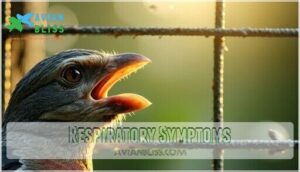
Respiratory symptoms serve as early warning signals when avian fungal disease strikes your bird’s breathing system.
Over 85% of birds with aspergillosis develop labored breathing, open-mouth breathing, or wheezing sounds.
Tracheal issues and airway disease progress rapidly, causing breathing difficulty that demands immediate antifungal therapy to prevent respiratory failure and lung infection complications.
Digestive Tract Signs
Watch for telltale digestive warning signs that signal your bird’s gut health is compromised by fungal invaders. Candidiasis and other GI tract infections create distinct symptoms you can’t ignore.
Early fecal analysis helps veterinarians identify fungal infection symptoms before serious complications develop in your feathered companion.
- Persistent regurgitation that leaves food stuck in the crop
- White, cottage cheese-like plaques coating the mouth and throat
- Watery or bloody droppings indicating severe GI tract infections
- Visible abdominal pain when your bird hunches or avoids perching, showing signs of severe GI tract issues and abdominal pain.
Neurological and Behavioral Changes
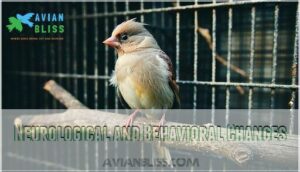
Advanced fungal infections can cross into your bird’s central nervous system, triggering seizure disorders and profound behavioral abnormalities.
You’ll notice neurological decline through disorientation, head tilts, or loss of coordination as brain lesions develop.
Cognitive impairment manifests as confusion or altered responses to familiar stimuli, requiring immediate behavioral assessments and stress reduction interventions.
Physical Examination Findings
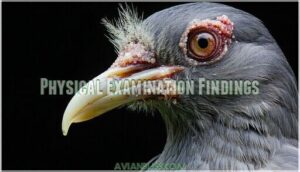
During physical examination, you’ll notice respiratory signs like dyspnea and tail bobbing that signal distress.
Look for fungal lesions around the nares and beak area. Eye infections may produce discharge or swelling.
Exercise intolerance becomes apparent when birds can’t perch normally. Voice changes often accompany respiratory compromise, while feather loss occurs around affected areas.
The presence of these symptoms can indicate a serious underlying condition, and it’s crucial to identify them to provide appropriate care, especially in cases of respiratory compromise.
Effective Treatment Options for Bird Fungal Disease
When your bird faces a fungal infection, prompt treatment with the right antifungal medications can mean the difference between recovery and serious complications.
You’ll need to work closely with an avian veterinarian to select the most effective treatment approach based on your bird’s specific condition and species.
Antifungal Medications (voriconazole, Itraconazole, Nystatin)
Three powerful antifungal medications form your arsenal against avian mycoses.
Voriconazole therapy targets aspergillosis at 10-15 mg/kg daily, delivering superior tissue penetration and 80% efficacy rates.
Itraconazole dosage ranges 10-20 mg/kg for chronic infections, while nystatin treatment handles localized candidiasis effectively.
These antifungal drugs combat fungal resistance through different mechanisms, ensuring thorough antifungal efficacy in your treatment protocol.
The treatment protocol often involves checking the Voriconazole medication options to determine the best course of action.
Nebulization and Topical Treatments

Nebulizer therapy delivers antifungal medications directly to your bird’s respiratory system, offering targeted treatment that bypasses digestive absorption challenges.
- Nebulizer Therapy – Administer voriconazole or amphotericin B through specialized bird nebulizers for 10-15 minutes twice daily
- Topical Ointments – Apply antifungal creams to affected skin areas, particularly useful for dermatophyte infections
- Antifungal Sprays – Use medicated sprays for localized fungal lesions on feathers or external surfaces
- Respiratory Aid – Combine inhalation therapy with humidified air to improve medication delivery and respiratory comfort
Effective treatment requires using safe nebulizers to guarantee proper medication delivery and minimize risks.
Surgical Removal of Granulomas
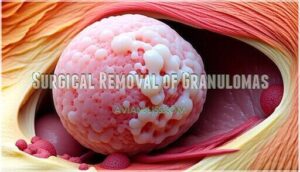
When medications can’t reach deep fungal masses, surgical intervention becomes your next line of defense.
Endoscopic procedures allow veterinarians to visualize and remove air sac granulomas with precision.
Debulking large fungal granulomas reduces infection load and improves drug penetration to remaining tissue.
This targeted approach works best for localized infections unresponsive to three weeks of antifungal therapy, and is particularly useful in reducing the infection load.
Supportive Care and Recovery

Beyond standard antifungal therapy, supportive care creates the foundation for successful recovery.
Your bird’s healing depends on thorough nutrition therapy, fluid support, and thermal care to restore immune function and accelerate wound healing.
A well-planned bird diet requires proper bird health supplements to guarantee proper nutrition.
- Nutrition Therapy: High-protein diets with vitamin A supplementation boost immune response and tissue repair
- Fluid Support: Subcutaneous or intravenous fluids prevent dehydration during medication-induced appetite loss
- Thermal Care: Controlled heating between 80-85°F reduces metabolic stress and promotes cellular recovery
Treatment Duration and Monitoring
Success in antifungal treatment hinges on precise timing and vigilant monitoring.
Your bird’s treatment duration typically spans 4-12 weeks, with candidiasis requiring shorter 10-14 day protocols.
Recovery time depends on prognosis factors like immune status and infection severity.
Follow-up care includes serial PCR tests, radiographic monitoring every 2-3 weeks, and adjusting medication dosage based on therapeutic response.
Treatment protocols demand patience—early discontinuation carries 35% relapse rates.
Preventing Fungal Infections in Birds
Prevention remains your most powerful weapon against fungal diseases that devastate avian populations worldwide. You’ll save countless birds by implementing proper environmental controls and maintaining vigilant health monitoring protocols.
Environmental Management and Hygiene
Managing your bird’s environment effectively prevents fungal spore exposure through proven strategies.
Keep humidity below 55% using dehumidifiers, ensuring proper ventilation with HEPA air purification systems.
Remove organic waste daily and disinfect surfaces weekly with bird-safe cleaners.
These sanitation practices and cleanliness protocols create hostile conditions for mold growth, protecting your feathered friend.
Effective fungal prevention methods are essential for maintaining a healthy environment.
Proper Nutrition and Stress Reduction
Why does proper nutrition matter so much for your bird’s fungal resistance? A balanced diet strengthens immune defenses, while stress management prevents the immunosuppression that opens doors to infection. Nutrient supplements fill dietary gaps that compromise health.
Essential bird health tips for nutritional support:
- Fresh pellets rich in vitamins A and E boost immune function
- Calcium-fortified foods strengthen respiratory tract defenses
- Probiotic supplements restore healthy gut flora balance
- Calming techniques like consistent routines reduce cortisol spikes
- Healthy environment spacing prevents competition stress during feeding
Early Detection and Veterinary Checkups
Since catching fungal diseases early dramatically improves your bird’s survival odds, schedule regular checkups every six months with an avian veterinarian.
These vet consultations include thorough bird screening and specialized fungal testing that can detect avian fungal infections before clinical signs appear.
Early diagnosis through professional bird disease diagnosis gives you the upper hand in treatment success.
Reducing Mold and Spore Exposure
Creating a fortress against fungal invaders requires targeting their environmental strongholds.
HEPA filtration systems eliminate 95% of airborne spores, while maintaining humidity below 55% cuts spore growth rates by 60%. Replace contaminated substrates immediately—spore counts drop 70% after thorough cleaning.
Mechanical ventilation systems reduce disease risk by 40% in aviaries. Don’t let mold turn your bird’s home into a health hazard.
Effective air purification relies on HEPA filter systems to remove harmful particles from the air, which is crucial for creating a healthy environment and preventing mold from becoming a health hazard.
Special Considerations for High-risk Birds
Certain bird species face elevated fungal infection risks requiring targeted prevention strategies.
African greys, cockatoos, and macaws possess naturally compromised immune systems, making them vulnerable to aspergillosis and other avian fungal pathogens.
Immunocompromised birds need enhanced avian hygiene protocols, including weekly air filter changes and daily enclosure sanitization.
Monitor high risk factors like stress, poor nutrition, and antibiotic use that weaken defenses against fungal prevention failures.
Frequently Asked Questions (FAQs)
How do you get rid of fungus in birds?
Antifungal medications like voriconazole or itraconazole target fungal infections effectively.
You’ll need veterinary diagnosis first, then follow prescribed treatment protocols.
Nebulization delivers drugs directly to respiratory systems, while improving husbandry prevents reinfection.
Which antifungal drugs are used to treat aspergillosis in birds?
Like arrows in a treatment quiver, voriconazole leads the charge against aspergillosis, followed by itraconazole and amphotericin B.
You’ll find voriconazole works best through nebulization, targeting respiratory infections directly while minimizing side effects.
How do you treat fungal granulomas in birds?
You’ll treat fungal granulomas using targeted antifungal medications like voriconazole or itraconazole, often combined with surgical or endoscopic removal when masses don’t respond to three weeks of drug therapy alone.
How do avian species manage fungal infections?
Birds’ bodies become battlegrounds where immune cells rally like tiny warriors against fungal invaders.
You’ll find they deploy white blood cells, inflammatory responses, and specialized respiratory defenses to combat spores naturally, though immunocompromised birds often need antifungal medication support.
How to prevent aspergillosis in birds?
Control humidity below 55%, make certain proper ventilation, remove organic debris regularly, maintain clean environments, reduce stress, provide balanced nutrition, and avoid prolonged antibiotic use that compromises immunity.
How long does it take a bird to get rid of fungus?
Fungal recovery requires remarkable resilience—your bird’s healing timeline typically spans several weeks to months, depending on infection severity, species susceptibility, and treatment response. Early intervention dramatically improves outcomes.
Can fungal infections spread between different bird species?
Yes, you’ll find that fungal infections can spread between different bird species through airborne spores, contaminated food, water, and shared environments, making cross-species transmission a real concern in multi-species aviaries.
How much do avian fungal treatments typically cost?
Treatment costs can devastate your wallet—some antifungal medications run $200-500 monthly.
You’ll face diagnostic fees ($100-300), medication expenses, and potential surgery costs.
Budget $500-2000+ for thorough treatment depending on severity.
Are there natural or home remedies for fungal infections?
Natural remedies can’t replace proper veterinary antifungal treatment for birds.
While some owners try apple cider vinegar or probiotics, these lack scientific evidence and may delay critical care, potentially worsening your bird’s condition.
When should I quarantine a bird with fungal disease?
Quarantine immediately when diagnosing, treating, or suspecting fungal infections.
Most fungal diseases aren’t contagious between birds, but quarantine prevents stress-induced immunosuppression, allows focused treatment monitoring, and protects other birds from environmental spores that could trigger secondary infections.
Conclusion
Success in bird fungal disease treatment hinges on swift recognition and decisive action.
Like a skilled detective following clues, you’ll identify symptoms early and implement targeted antifungal protocols.
Voriconazole remains your strongest weapon against aspergillosis, while nebulization delivers medication directly where it’s needed most.
Remember, addressing underlying immune deficiencies alongside infection control guarantees the best outcomes.
Your vigilance and prompt veterinary consultation create the foundation for complete recovery from these challenging conditions.