This site is supported by our readers. We may earn a commission, at no cost to you, if you purchase through links.
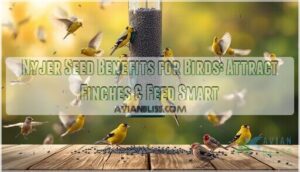
A backyard feeder stocked with nyjer seed can draw a flock of American Goldfinches within days—sometimes hours. That’s not luck. It’s biology.
Nyjer seed packs roughly 35% fat by weight, making it one of the most calorie-dense foods you can offer small birds, particularly during the energy demands of winter and migration. Finches, siskins, and redpolls have evolved to seek out exactly this kind of high-oil fuel.
Understanding the nyjer seed benefits for birds means understanding what these species actually need—and how a simple feeder choice can meaningfully support their survival and health.
Table Of Contents
- Key Takeaways
- What is Nyjer Seed for Birds?
- High-Energy Nutrition From Nyjer Seed
- Nyjer Seed Attracts Colorful Finches
- Year-Round Feeding Benefits
- Low-Waste, Clean Feeding Solution
- Supporting Bird Health and Diversity
- How to Use Nyjer Seed Effectively
- Top Nyjer Seed Products for Birds
- Frequently Asked Questions (FAQs)
- What birds eat Nyjer thistle seeds?
- Are nyjer seeds good for birds?
- What’s the difference between thistle seed and nyjer seed?
- How often should I clean nyjer feeders?
- Can nyjer seed go bad or expire?
- Why do some birds ignore my nyjer feeder?
- Should I mix nyjer with other seeds?
- What weather conditions affect nyjer seed quality?
- Can nyjer seed attract birds other than finches?
- How long does nyjer seed stay fresh?
- Conclusion
Key Takeaways
- Nyjer seed packs roughly 35% fat by weight, making it one of the most calorie-dense foods you can offer small birds, especially during cold winters and migration.
- It draws a specific crowd—American Goldfinches, Pine Siskins, Purple Finches, and Common Redpolls are its biggest fans, so don’t expect much variety beyond finches and small songbirds.
- Because the seeds are tiny and hull-free, nyjer creates far less mess than mixed blends and naturally discourages squirrels, raccoons, and rodents.
- Fresh seed matters more than you’d think—nyjer goes stale within 3 to 6 months, and birds will simply stop visiting if what’s in your feeder smells rancid or has gone damp.
What is Nyjer Seed for Birds?
Nyjer seed is one of those backyard staples that looks simple but does a lot of heavy lifting for wild birds. It comes from a flowering plant native to Ethiopia and India, and it goes by a handful of names — thistle seed, niger, nyger — depending on who you ask.
Finches especially love it for its rich oil content — if you want to attract more of them, this nyjer and finch feeding guide breaks down exactly how to get started.
Here’s what you need to know about where it comes from, what it looks like, and why it’s safe to use.
Botanical Origin and Common Names
Nyjer seed — sold as thistle seed or wild bird food — comes from Guizotia abyssinica, a sunflower-family plant native to the Ethiopian highlands. Its botanical history stretches back before 3000 B.C.
Seed classification and species identification matter here: despite common names like thistle seed, it’s no true thistle. In India, it’s called ramtil; in Ethiopia, noog. Same plant, many names.
For a deeper look at the differences between Nyjer and thistle seeds, see this helpful resource.
Appearance and Nutritional Profile
These tiny seeds look like grains of dark rice — about 3 to 4 millimeters long, smooth, and slightly shiny. Don’t let the small size fool you.
Nyjer seed packs serious nutrient density, with roughly 41% fat and 22% protein. That oil composition makes it wild bird food built for finches, whose fast digestion turns that energy content into fuel fast.
Many bird enthusiasts appreciate high nutritional content when choosing Nyjer seed for their feeders.
Safety and Import Regulations
All Nyjer seed entering the U.S. goes through strict heat treatment — reaching 248°F for at least 15 minutes — to neutralize invasive weeds before it ever reaches your feeder.
Importers must carry phytosanitary certificates and import permits, and only facility-approved operations can export it. That regulatory backbone means the wild bird food and bird nutrition you’re offering is clean, safe, and weed-free.
High-Energy Nutrition From Nyjer Seed
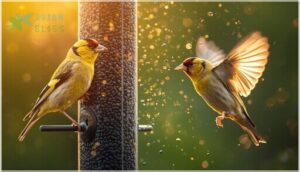
Nyjer seed punches well above its weight in terms of nutrition. It’s packed with oils, calories, and key nutrients that small birds genuinely depend on.
Here’s a closer look at what makes it such a powerhouse fuel source.
Oil Content and Calorie Density
Few seeds pack this much fuel into such a small package. Nyjer seed‘s oil composition is roughly 35% fat by weight — making it a powerhouse for bird nutrition and energy storage.
Here’s what that calorie density means at the feeder:
- ~515 calories per 100g promotes serious calorie intake
- High fat metabolism keeps finches warm overnight
- Unsaturated oil fuels fast, efficient energy use
Stock your finch feeders confidently.
Essential Vitamins and Minerals
Beyond fat and calories, nyjer seed quietly delivers real bird nutrition. It’s not just an energy source — it promotes bone strength, immunity, and nerve function too. That’s a lot from something so small.
| Nutrient | Role in Bird Health |
|---|---|
| Vitamin B | Converts food into flight energy |
| Vitamin E | Protects cells from stress damage |
| Calcium | Builds strong bones and eggshells |
| Zinc | Boosts immunity at crowded feeders |
| Iron | Carries oxygen to flight muscles |
Smart seed selection means your wild bird foods cover real dietary needs — not just hunger.
Benefits for Feather Health and Molt
Feather renewal is quietly one of the most demanding events in a bird’s year. During the molting process, finches and American Goldfinches need serious molt nutrition — and nyjer seed delivers.
- Feather growth demands 16–20% protein, which nyjer provides
- Bird plumage improves with nyjer’s 25%+ fat content
- Feather condition stays strong through essential fatty acids
- Bird health benefits when molt completes quickly and fully
Nyjer Seed Attracts Colorful Finches
Nyjer seed works like a magnet for some of the most colorful birds you’ll ever spot in your backyard. Certain finch species can’t seem to resist it, and once word gets out among the local flocks, your feeder will stay busy.
Here are the birds most likely to show up once you put nyjer seed out.
American Goldfinches
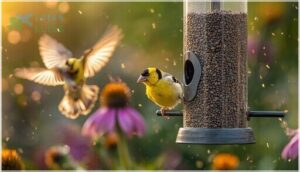
American Goldfinches are the number one fan of nyjer seed — and it’s easy to see why. Their seed diet is almost entirely plant-based, and their short, conical bills are built for exactly this kind of small seed.
Goldfinch plumage shifts dramatically with the seasons, and supporting their migration patterns and nesting habits with reliable bird feeding makes attracting finches genuinely rewarding.
Pine Siskins
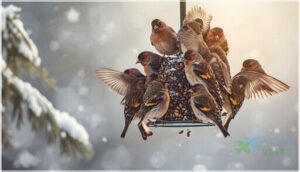
Pine Siskins are small, streaky finches — about the size of your thumb — and their irruptive movements mean they can flood your yard overnight when northern seed crops fail. Their flock behavior makes bird feeding lively and unpredictable.
Here’s what makes Pine Siskins stand out:
- Siskin Identification — Brown, heavily streaked, with yellow wing flashes
- Diet — Wild bird foods like nyjer seed are a top winter fuel
- Nesting habits — Timed around seed availability
- Irruptive movements — Nomadic flocks appear unpredictably
- Feeder tip — Clean feeders prevent salmonella outbreaks
House Finches
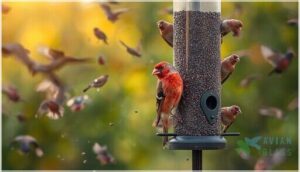
House Finches are practically built for backyard life. Their urban adaptation is noteworthy — they nest on ledges, traffic lights, and hanging planters without missing a beat. These sociable birds thrive on finch behavior rooted in flock dynamics, making bird socialization a constant at your feeder.
| House Finch Trait | Quick Detail |
|---|---|
| Diet | Nyjer seed, sunflower, safflower |
| Nesting Habits | Cups built in urban structures |
| Finch Migration | Mostly short-distance or resident |
| Wild Bird Foods | Seeds dominate 97% of diet |
| Bird Feeding Tips | Clean feeders reduce eye disease |
Purple Finches
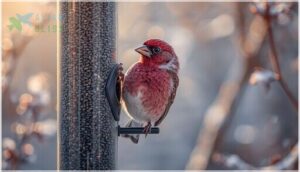
Purple Finches bring a splash of raspberry color to any bird feeder setup. Their finch behavior is more seasonal than some finches — finch migration pushes them into backyards mainly in winter and irruption years.
They share seed preferences with goldfinches, readily targeting nyjer seed in tube feeders. Their nesting habits keep them forest-bound in summer, so catch them at your feeders while you can.
Common Redpolls
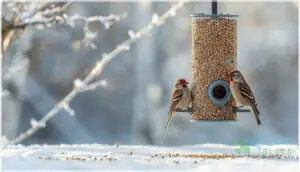
Common Redpolls are irruptive visitors — you won’t see them every winter, only when northern seed crops run short.
Their streaky brown feather patterns and bold red forehead patches make them easy to spot. These small birds travel in flocks along unpredictable migration routes, often mixing with other finches at bird feeders.
Stock your nyjer seed tube feeder, and redpolls will find it.
Year-Round Feeding Benefits
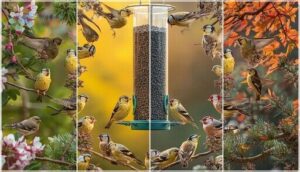
Nyjer seed isn’t just a cold-weather fix — it earns its place at your feeder in every season.
From helping birds survive freezing nights to fueling long migrations and supporting healthy molting, it covers a lot of ground.
Here’s how nyjer works hard for your backyard birds all year long.
Winter Survival and Cold Weather Fuel
Winter nights hit small finches hard — a single cold night can burn through 10% of their body weight in fat. That’s where nyjer seed earns its place as a cold weather strategy essential. Its energy-rich profile, nearly twice the calories of sunflower seed, helps birds bounce back fast.
Nyjer seed packs nearly twice the calories of sunflower seed — exactly what finches need to survive brutal winter nights
Here’s why nyjer seed matters for winter bird care:
- Fuel between storms — high fat content helps finches rebuild reserves after brutal overnight temperature drops.
- Frost tolerance mechanisms — dietary lipids convert quickly to body heat, keeping core temps near 104°F even in freezing air.
- Efficient feeding — bird feeders stocked with nyjer let finches grab maximum calories in minimal time during short winter days.
- Snow cover backup — when ice locks up natural seeds, nyjer seed becomes a lifeline for wild bird conservation efforts in your yard.
- Stable bird nutrition — nyjer holds its nutritional value in freezing temps, giving finches consistent energy through the worst cold snaps.
Supporting Migration and Breeding
Cold nights aren’t the only challenge finches face — migration and breeding push their bodies just as hard. Nyjer seed acts as reliable migration fuel, helping birds build fat reserves fast. Early breeding also depends on strong body condition, and consistent nyjer access aids egg formation and nestling support without depleting parent reserves.
| Season | Nyjer Seed Role | Bird Nutrition Benefit |
|---|---|---|
| Fall Migration | Rapid fat storage | Shorter stopover time |
| Late Winter | Body condition maintenance | Earlier breeding readiness |
| Early Spring | Egg formation support | Stronger clutch production |
| Nesting Season | Parent energy coverage | More time feeding chicks |
| Post-Fledging | Fledgling independence | Stable wild bird conservation |
Feeding During Molting Periods
Molt energy demands don’t stop after breeding season. Finches growing new feathers need roughly one-third more daily calories — and consistent nyjer seed access makes that easier to manage.
Here’s how to support small birds through molt:
- Keep feeders full at dawn and dusk for peak feeder behavior
- Pair nyjer with sunflower chips for feather protein support
- Place feeders near shrubs for body warmth and quick cover
- Check freshness weekly — bird feeding and nutrition only works if the seed is good
Low-Waste, Clean Feeding Solution
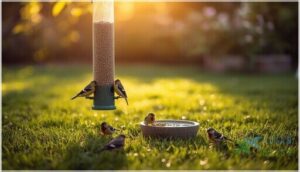
One thing backyard birders quietly love about nyjer seed is how little mess it leaves behind. Because the seeds are tiny and hull-free, cleanup stays simple and unwanted critters are far less likely to show up uninvited.
Here’s what makes nyjer a genuinely clean feeding solution for your yard.
Minimal Seed Hull Mess
Thistle seed barely leaves a trace — and that’s one of its quiet superpowers. The hulls are tiny, under 3 millimeters, so cleanup stays simple. With smart feeder design and seed tray benefits, hull reduction becomes almost painless.
| Mess Prevention Strategy | How It Helps | Best For |
|---|---|---|
| Seed tray add-ons | Catches fallen hulls | Decks and patios |
| Mesh sock feeders | Reduces spillage | Ground cleanup |
| Tube feeder ports | Limits overflow | Finches feeding |
Reduced Attraction of Unwanted Wildlife
Unlike mixed-seed blends, Nyjer seed is a natural squirrel deterrent, raccoon control solution, and deer repellent — all in one tiny package. Its bitter taste and small size make it unappealing to most unwanted visitors, supporting passive wildlife exclusion for your backyard birding setup.
Three wildlife groups that tend to leave Nyjer alone:
- Squirrels — prefer sunflower and corn over thistle
- Raccoons — rarely raid low-payoff Nyjer feeders
- Rodents — show little interest, aiding rodent management
Easy Cleanup for Backyard Birders
Cleanup doesn’t have to eat your weekend. With Nyjer seed, backyard birding stays low-maintenance because the hulls are minimal and the mess stays contained. A quick weekly rake takes care of most of it.
| Task | How Often |
|---|---|
| Bird feeder cleaning | Every 1–2 weeks |
| Ground cleanup | Weekly rake |
| Seed storage check | Before each refill |
| Waste reduction tray empty | Every few days |
| Full bird feeder scrub | Monthly |
Supporting Bird Health and Diversity
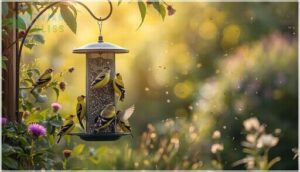
Nyjer seed does more than fill a feeder — it quietly bolsters health of small birds and brings more species into your yard over time.
The right feeding habits can make a real difference for local bird populations. Here’s what you can do to help.
Promoting Small Bird Well-Being
Nyjer seed does more than fill a feeder — it genuinely backs small bird nutrition in ways that matter. Its soft shell is easy on tiny digestive systems, and the high oil content helps finches stay warm and strong.
Prioritizing seed quality control and bird feeder safety means songbirds spend less time stressed and more time thriving in your bird friendly gardens.
Encouraging Species Variety in Your Garden
One small seed can quietly transform your backyard into a hub of garden diversity. Smart feeder placement and seed selection with nyjer seed draws in a surprising mix of songbirds and garden birds beyond just finches.
- Sock feeders welcome species attraction from siskins and redpolls
- Multiple stations reduce competition among finches and sparrows
- Bird friendly spacing lets shy species feed comfortably
- Varied feeder heights boost bird diversity across different species
Boosting Local Bird Populations
Every feeder you fill plays a small but real role in population dynamics. When your yard becomes a reliable stop for finches during migration, more birds survive to breed nearby.
Nyjer seed fosters urban birding by turning ordinary gardens into genuine bird habitat. Consistent feeding builds healthier local flocks — a simple backyard birding tip that quietly strengthens the whole neighborhood ecosystem.
How to Use Nyjer Seed Effectively
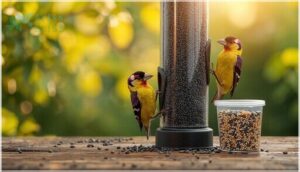
Getting nyjer seed in front of the right birds comes down to a few simple decisions. The feeder you choose, where you put it, and how you store the seed all make a real difference.
Here’s what you need to know to get it right.
Choosing The Right Feeder (Tube, Mesh Sock)
The right feeder design makes all the difference for attracting finches to your yard. Two solid options stand out: tube feeders and mesh socks.
- Tube feeders hold 0.5–1.5 quarts of nyjer seed with narrow ports that match goldfinches’ small beaks
- Mesh socks let birds cling naturally anywhere on the surface
- Both seed dispensers minimize waste with small openings
- Specialized bird accessories with drainage holes prevent soggy, moldy seed
- Multiple feeding ports on tube feeders let several finches eat at once
Placement and Maintenance Tips
Where you hang your finch feeders matters as much as what’s inside them. Aim for 5–6 feet off the ground, and keep feeders either under 3 feet or beyond 30 feet from windows to reduce collision risk. Position them 10–15 feet from shrubs for predator cover without ambush risk.
| Placement Factor | Recommendation |
|---|---|
| Feeder Height | 5–6 feet above ground |
| Window Distance | Under 3 ft or over 30 ft |
| Predator Cover | 10–15 ft from shrubs |
| Weather Shield | Sheltered side of house/hedge |
Clean feeders every two weeks to keep your nyjer seed fresh and your visitors healthy.
Preventing Spoilage and Waste
Fresh nyjer seed keeps finches coming back. Stale seed drives them away fast.
- Portion Control: Fill feeders with only 2–3 days’ worth of nyjer seed at a time
- Seed Storage: Store in airtight containers, away from heat and moisture, using within 4–6 weeks
- Freshness Checks: Sniff before refilling — musty or rancid odors mean it’s trash, not food
- Ground Cleanup: Rake fallen hulls weekly to prevent mold and deter rodents
- Feeder Maintenance and Cleaning: Rinse feeders every two weeks; dry completely before refilling
Top Nyjer Seed Products for Birds
Finding the right nyjer seed product doesn’t have to feel overwhelming. A few standout options make it easy to keep your feeders stocked with fresh, high-quality seed that birds actually love.
Here’s a look at the top picks worth adding to your setup.
1. Goldfinch In Zinnia Flower Garden T Shirt
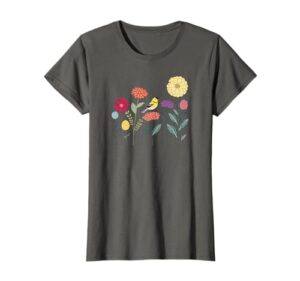
If you love finches as much as feeding them, this shirt is a natural fit. The Goldfinch In Zinnia Flower Garden T Shirt features a vivid American goldfinch perched among bright zinnia blooms — the kind of garden scene you’re already trying to create in your backyard.
At $16.99, it’s an affordable way to wear your passion. It also makes a thoughtful gift for any bird lover. Casual, colorful, and genuinely charming — it’s backyard birding you can take with you.
| Best For | Bird lovers, backyard birding fans, and gardeners who love a colorful, nature-inspired look. |
|---|---|
| Primary Appeal | Bird lovers & gardeners |
| Product Type | Graphic T-Shirt |
| Weight | Varies by size |
| Price | $16.99 |
| Feeder Compatible | N/A |
| Bird Attraction | Decorative only |
| Additional Features |
|
- Great price at $16.99 — easy to buy for yourself or as a gift
- Cheerful goldfinch and zinnia design that actually looks good
- Classic fit and machine washable, so it’s easy to wear and care for
- Fabric varies by color, so what you get depends on which one you pick
- No sizing chart or return policy info upfront, which makes ordering a little uncertain
- It’s imported, so quality control isn’t always as easy to predict
2. Wagner’s Nyjer Seed Bird Food
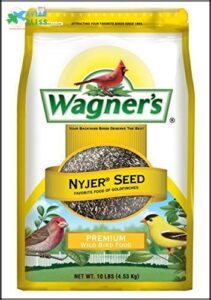
Wagner’s Nyjer Seed Bird Food is a solid choice if you’re serious about feeding finches well. It’s 100% pure Nyjer — no fillers, no mixed grains — just the high-fat, high-protein fuel small birds need.
Each pound packs roughly 150,000 seeds, so your feeder stays busy. The extra-cleaned seed means less dust and debris around your yard.
It comes in a resealable bag, which helps keep things fresh between refills. Simple, effective, and birds genuinely go for it.
| Best For | Backyard bird lovers who want to attract finches and small songbirds with a clean, high-quality seed they’ll actually eat. |
|---|---|
| Primary Appeal | Finches & songbirds |
| Product Type | Nyjer Seed |
| Weight | 10 pounds |
| Price | Not specified |
| Feeder Compatible | Finch tube/sock feeders |
| Bird Attraction | Finches & songbirds |
| Additional Features |
|
- Pure Nyjer with no fillers — finches love it and will keep coming back
- 150,000 seeds per pound means you get a lot of feeder activity for your money
- Extra-cleaned seed keeps your yard tidier than most options
- Costs more than some mixed blends, so it adds up if you’re refilling often
- Shells can make a mess, so feeder placement matters
- Packaging has had some reported leak issues, which is annoying to deal with
3. Kaytee Nyjer Wild Bird Seed
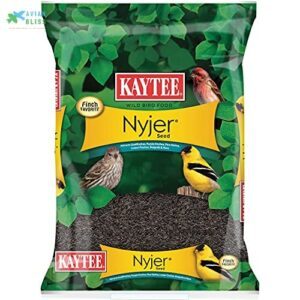
Kaytee Nyjer Wild Bird Seed keeps things refreshingly simple — one ingredient, nothing extra. It’s pure Nyjer seed with a guaranteed 35% crude fat and 18% crude protein, so every tiny seed delivers real energy.
Goldfinches and siskins show up fast when you use it consistently. The hull-free formula means almost no mess under your feeder.
It works well in tube feeders or mesh socks, and the 3-pound bag stores easily. Straightforward, effective, and birds don’t waste a single seed.
| Best For | Bird lovers who want to attract finches, siskins, and small songbirds without a lot of mess or fuss. |
|---|---|
| Primary Appeal | Finches & songbirds |
| Product Type | Nyjer Seed |
| Weight | 3 pounds |
| Price | Not specified |
| Feeder Compatible | Tube or sock feeders |
| Bird Attraction | Finches, buntings, siskins |
| Additional Features |
|
- Hull-free seeds mean almost no cleanup under your feeder
- High oil content gives birds real, lasting nutrition
- Works great in tube feeders and mesh socks — super versatile
- Some bags have shown up damaged, which is frustrating
- You’ll be refilling more than you’d expect — birds go through it fast
- On the pricier side compared to other seed options
4. Happy Wings Nyjer Bird Seed
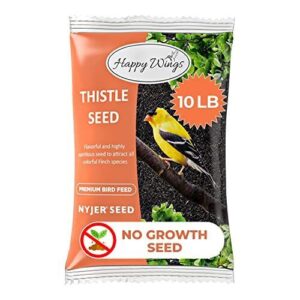
Happy Wings Nyjer Bird Seed is built around one smart idea: no mess, no sprouts. The seeds are heat-treated using a No Grow formula, so nothing germinates under your feeder. That’s a win for your lawn and your birds.
Each pound packs roughly 150,000 tiny seeds — about 30% crude fat and 16% protein — giving goldfinches, siskins, and purple finches serious fuel. Works in tube or sock feeders, and it’s widely available at Walmart, Target, and Tractor Supply.
| Best For | Backyard bird lovers who want to attract finches and songbirds without dealing with weeds or mess under their feeders. |
|---|---|
| Primary Appeal | Finches & songbirds |
| Product Type | Nyjer Seed |
| Weight | 10 pounds |
| Price | Not specified |
| Feeder Compatible | Tube or sock feeders |
| Bird Attraction | Finches & songbirds |
| Additional Features |
|
- Heat-treated seeds won’t sprout, so your lawn stays clean and weed-free
- Packed with fat and protein, making it a genuinely nutritious option for finches and songbirds year-round
- High seed count per pound means the bag lasts longer and gives you more value for your money
- Nyjer seed is pricier than most other bird seed options, so it can add up over time
- Seeds need to be stored carefully — if they get damp, birds will likely ignore them
- You’ll need a tube or sock feeder specifically, since standard feeders won’t work well with these tiny seeds
5. Wagners Nyjer Seed Wild Bird Food
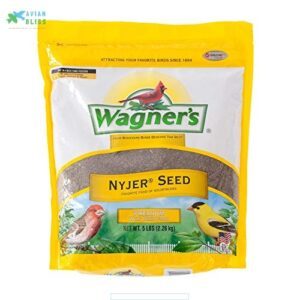
If you want a seed that works as hard as your birds do, this one earns its keep. Wagner’s Nyjer Seed Wild Bird Food is 100% pure nyjer — no fillers, no fluff.
Each pound holds around 150,000 seeds with 13.5% protein and 8% fat, giving finches steady fuel through long feeding sessions.
The extra-clean processing cuts down on dust and feeder clogs. It seals with a press-lock closure, so freshness isn’t a guessing game between refills.
| Best For | Backyard birders who want to attract finches and small songbirds with a clean, high-quality seed that keeps feeders flowing without the mess. |
|---|---|
| Primary Appeal | Finches & songbirds |
| Product Type | Nyjer Seed |
| Weight | 5 pounds |
| Price | Not specified |
| Feeder Compatible | Finch feeders |
| Bird Attraction | Finches & songbirds |
| Additional Features |
|
- Pure nyjer with 150,000 seeds per pound means more feeder visits and serious bang for your buck
- Extra-clean processing cuts down on dust and clogs, so your feeder stays happy longer
- The press-lock closure keeps the seed fresh between refills — no stale seed drama
- It’s priced higher than most mixed seed options, so the cost adds up fast
- You’ll need a finch-specific feeder with small holes — a standard feeder just won’t cut it
- Don’t expect to draw a crowd beyond finches and small songbirds; doves and squirrels will be looking elsewhere
6. Wagner’s Nyjer Seed for Finches
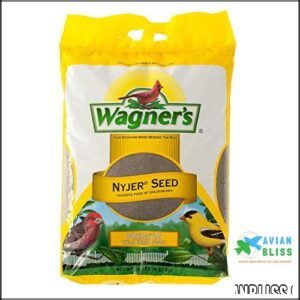
Think of this as the premium cut — same Wagner’s quality, but sized for serious finch feeding. This 20-pound bag packs 150,000 seeds per pound, with 13.5% protein and 8% fat to keep your goldfinches and pine siskins energized through cold snaps and molting seasons alike.
The press-lock closure helps preserve freshness between fills, though transferring to an airtight container works even better. Pair it with a fine-mesh sock or tube feeder, and your yard becomes a reliable pit stop for small songbirds all year.
| Best For | Anyone who wants to attract goldfinches and small songbirds to their backyard and doesn’t mind buying in bulk to keep the feeder stocked. |
|---|---|
| Primary Appeal | Finches & songbirds |
| Product Type | Nyjer Seed |
| Weight | 20 pounds |
| Price | Not specified |
| Feeder Compatible | Finch feeders |
| Bird Attraction | Finches & songbirds |
| Additional Features |
|
- Goldfinches love it — 150,000 seeds per pound means a lot of visits for your money
- High fat and protein content keeps birds fueled, especially in winter
- Works great with fine-mesh sock feeders and tube feeders built for small birds
- Pricier than standard mixed seed, so the cost adds up over time
- The resealable bag can be tricky to close — an airtight container is a smarter move
- Won’t attract much variety since it’s really designed for finches and similar small birds
Frequently Asked Questions (FAQs)
What birds eat Nyjer thistle seeds?
Like a magnet pulling iron filings, Nyjer seed draws finches fast. American Goldfinches lead the crowd, but Pine Siskins, House Finches, Purple Finches, and Common Redpolls all flock to it eagerly.
Are nyjer seeds good for birds?
Yes, nyjer seeds are great for birds. They’re packed with fat and protein, giving small birds like finches the energy they need to stay warm, fuel long flights, and raise healthy chicks.
What’s the difference between thistle seed and nyjer seed?
They’re often sold as the same thing, but they’re not. Nyjer comes from Guizotia abyssinica — a daisy relative, not a thistle. It’s sterilized, oil-rich, and safe.
True thistle grows wild and spreads freely.
How often should I clean nyjer feeders?
Clean nyjer feeders every two weeks under normal conditions. In hot or wet weather, bump that up to once a week. If you spot mold or sick birds, clean immediately.
Can nyjer seed go bad or expire?
Nyjer seed can go bad. It stays fresh for about 3 to 6 months. Heat, moisture, and air speed up spoilage. If it smells rancid or birds ignore it, toss it out.
Why do some birds ignore my nyjer feeder?
A few things can drive birds away — stale seed, clogged ports, or simply the wrong location. Check freshness first, then clean the feeder and try repositioning it somewhere open and quiet.
Should I mix nyjer with other seeds?
It depends on your goals. A finch blend adds variety and steadier feeder activity, but straight nyjer keeps things focused on goldfinches and siskins with less mess and fewer uninvited guests.
What weather conditions affect nyjer seed quality?
Weather hits nyjer seed hard. Heat above 80°F turns oils rancid fast.
Rain causes clumping and rot. High humidity breeds mold. Cold, dry conditions are actually your best friend — seed stays fresh longest there.
Can nyjer seed attract birds other than finches?
Yes, nyjer seed attracts more than just finches. Chickadees, mourning doves, sparrows, and even juncos will visit your feeders — especially in winter when food gets scarce.
How long does nyjer seed stay fresh?
Fresh nyjer seed lasts about 3 to 6 months if stored well. Once it’s in the feeder, replace it every few weeks — finches will simply stop visiting if it goes stale.
Conclusion
The smallest seeds sometimes carry the heaviest impact. A single nyjer seed feeder can quietly transform your backyard into a lifeline for finches battling cold snaps, long migrations, and the physical toll of molting.
Understanding nyjer seed benefits for birds isn’t just about attracting pretty visitors—it’s about offering real nutritional support where it counts most. Stock your feeder, place it well, and let the birds do the rest. They’ll find you.
- https://www.lyricbirdfood.com/birding-hub/feeding-tips/5-fascinating-facts-about-nyjer-seed/
- https://www.wbu.com/products/straight-seeds/nyjer/
- https://kentfeeds.com/article/attracting-wild-birds-in-winter-weather/
- https://conservingcarolina.org/winter-bird-feeding-ten-mistakes-to-avoid/
- https://order.wbu.com/glenmills/bird-food/bird-seed/nyjer