This site is supported by our readers. We may earn a commission, at no cost to you, if you purchase through links.
 You’ll encounter avian respiratory diseases when bacteria, viruses, fungi, or parasites attack your bird’s breathing system, from nasal passages to air sacs. These conditions range from mild infections to life-threatening diseases like aspergillosis.
Environmental toxins and poor ventilation can worsen symptoms, making your feathered friend struggle with breathing difficulties.
Early detection through systematic clinical evaluation helps identify specific pathogens using blood work and radiographs. Treatment involves targeted antimicrobial therapy based on the causative organism, plus supportive care including oxygen and heat therapy.
The key lies in understanding how these microscopic invaders turn your bird’s complex respiratory highway into a battleground.
Table Of Contents
- Key Takeaways
- What Are Avian Respiratory Diseases?
- Common Causes of Avian Respiratory Illnesses
- Recognizing Symptoms in Birds
- Major Types of Avian Respiratory Diseases
- Diagnosis Methods in Avian Medicine
- Treatment Options for Affected Birds
- Prevention and Bird Care Practices
- Impact on Bird Populations and Ecosystems
- Research and Advances in Avian Disease Control
- Frequently Asked Questions (FAQs)
- Conclusion
Key Takeaways
- You’ll need immediate veterinary attention when you spot respiratory distress signs like open-mouth breathing, tail bobbing, or wheezing – these symptoms indicate serious conditions that can quickly become life-threatening.
- Environmental factors play a crucial role in your bird’s respiratory health, so you must maintain proper ventilation, avoid toxic fumes from Teflon cookware and aerosols, and keep humidity levels controlled to prevent fungal growth.
- Early diagnosis through blood work, radiographs, and respiratory samples gives you the best chance of successful treatment, whether you’re dealing with bacterial infections requiring antibiotics or fungal diseases like aspergillosis needing antifungal therapy.
- Prevention through proper nutrition (especially vitamin A-rich foods), regular cage cleaning, and stress reduction creates your strongest defense against respiratory pathogens – it’s far easier than treating established infections.
What Are Avian Respiratory Diseases?
Avian respiratory diseases encompass pathological conditions that affect your bird’s breathing system, from the nasal passages to the air sacs.
You’ll encounter these disorders caused by infectious agents like bacteria, viruses, fungi, and parasites, plus environmental factors that compromise respiratory function in both wild and captive bird populations.
Definition and Scope
Think of your bird’s breathing system as a finely tuned engine – when something goes wrong, you’ll notice. Avian respiratory diseases encompass pathological conditions affecting the respiratory tract in birds, from simple infections to complex systemic disorders. These conditions impact Bird Anatomy through various mechanisms affecting Respiratory Systems.
When your bird’s respiratory system malfunctions like a broken engine, the resulting diseases can range from simple infections to life-threatening conditions that compromise essential breathing functions
Understanding Disease Classification helps you recognize:
- Upper respiratory tract infections (sinuses, nares)
- Lower respiratory tract conditions (lungs, air sacs)
- Systemic fungal infections like aspergillosis
- Viral pathogens causing respiratory distress
- Environmental toxin-induced respiratory compromise
Avian Biology shows us that birds’ unique respiratory anatomy makes them particularly vulnerable to airborne pathogens and toxins.
Importance in Avian Health
Respiratory health forms the backbone of avian wellness, directly impacting flight performance, metabolic function, and overall survival rates. Compromised respiratory systems severely limit oxygen exchange, affecting everything from feeding behaviors to reproductive success.
Disease prevention strategies become paramount when considering that respiratory infections spread rapidly through bird populations. Health monitoring protocols help detect early pathological changes before clinical signs appear.
Effective respiratory care promotes both individual bird health and broader bird conservation efforts, making avian medicine research increasingly essential for species preservation.
Common Causes of Avian Respiratory Illnesses
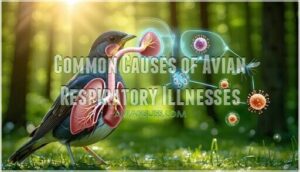
You’ll encounter four primary categories of pathogens that trigger respiratory illness in your feathered patients: viral agents like avian influenza, bacterial and fungal organisms such as Aspergillus species, parasitic invaders including air sac mites, and environmental toxins that compromise respiratory function.
Understanding these etiological factors helps you develop targeted diagnostic protocols and treatment strategies for ideal patient outcomes.
Viral Infections
Viral agents represent major threats in avian respiratory disease. Among the primary causative agents of these diseases, avian influenza virus (AIV), Newcastle disease virus (NDV), and infectious bronchitis virus (IBV) are mainly focused on because of their high mutation rates, high mortality, and prevalence. Emerging viruses continuously challenge your bird’s immune response.
Five key viral culprits you’ll encounter include:
- Avian influenza – flu viruses with pandemic potential
- Newcastle disease virus – highly contagious respiratory pathogen
- Infectious bronchitis virus – widespread chicken respiratory disease
- Avian poxvirus – causing respiratory lesions and breathing difficulty
- Avian metapneumovirus – turkey respiratory syndrome agent
Viral mutations complicate vaccine development while transmission pathways enable rapid spread through flocks. Understanding avian infectious bronchitis is essential for effective disease management and prevention strategies.
Bacterial and Fungal Agents
Bacterial pathogens like Mycoplasma and Chlamydia commonly cause respiratory infections in birds. These microbes thrive in poor ventilation conditions, making your bird’s environment vital.
Fungal infections, particularly Aspergillosis, represent serious respiratory mycoses that affect weakened immune systems.
Understanding microbial ecology helps identify these threats early through proper avian disease research and diagnostic protocols.
Parasitic Infestations
Tiny invaders can wreak havoc on your bird’s breathing system. Air sac mites commonly target finches and canaries, causing wheezing and respiratory distress. Gapeworm infections create throat blockages, while Mycoplasma organisms trigger chronic inflammation in the respiratory tract.
These respiratory parasites require swift parasite control measures to prevent serious complications in avian respiratory diseases.
Environmental Factors
Your bird’s environment can become a silent threat to its respiratory health. Air pollution from vehicle exhaust and industrial emissions compromise avian respiratory diseases susceptibility, while climate change alters habitat destruction patterns.
Toxic exposure through household chemicals and poor ventilation systems create perfect conditions for air sac mites proliferation. Even well-meaning bird lovers unknowingly expose their feathered friends to respiratory health issues through environmental factors like scented candles or cleaning products that irritate the delicate respiratory tract.
Recognizing Symptoms in Birds
You’ll notice respiratory distress in affected birds through clinical signs like dyspnea, open-mouth breathing, and abnormal respiratory sounds such as wheezing or clicking.
Watch for behavioral changes including decreased activity, altered posture with extended neck positioning, and physical manifestations like nasal discharge or tail bobbing with each breath.
Respiratory Distress Signs
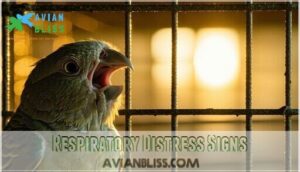
Respiratory failure in birds manifests through distinct clinical signs you can observe. Watch for avian wheezing, which sounds like high-pitched whistling during breathing. Bird coughing appears as repetitive head movements with open-beak gasping. Airway obstruction causes visible breathing difficulty with exaggerated chest movements.
Your bird’s respiratory tract shows distress through labored breathing, especially affecting the upper airways. Lower respiratory tract involvement produces deeper, more pronounced breathing patterns than normal avian respiratory diseases usually display.
Behavioral and Physical Changes

When your bird develops respiratory disease, you’ll notice subtle behavioral changes alongside obvious physical symptoms. Infected birds often become lethargic and withdrawn, spending more time sitting quietly with fluffed feathers. During health monitoring, watch for decreased activity levels and reduced vocalization patterns.
Physical symptoms include an up-and-down bob of the tail with each breath, indicating increased respiratory effort. Avian stress manifests through changes in posture, appetite loss, and reluctance to perch normally, requiring immediate bird care and management attention for proper respiratory tract function.
It’s essential to recognize respiratory emergency signs to provide timely and effective care for your bird.
Major Types of Avian Respiratory Diseases
You’ll encounter four primary respiratory disease categories that affect birds with distinct pathological presentations and clinical manifestations. These conditions range from fungal infections like aspergillosis to viral diseases such as avian influenza, each requiring specific diagnostic approaches and treatment protocols.
Aspergillosis
Aspergillosis represents the most formidable fungal infections affecting avian species worldwide. This respiratory disease occurs when Aspergillus spores infiltrate a bird’s lower respiratory tract, causing severe airsacculitis.
This non-contagious respiratory fungi creates opportunistic infections that challenge even experienced avian medicine practitioners. Bird fungus like Aspergillus fumigatus thrives in humid environments, making aspergillosis treatment particularly complex for pet owners seeking effective therapeutic interventions.
Avian Influenza
Unlike fungal infections, avian influenza spreads rapidly through bird species interactions and respiratory disease transmission. You’ll find this viral threat affects wild birds through migration patterns, creating global outbreak response challenges.
Avian virus mutations make vaccine development complex, as influenza transmission occurs between avian hosts. These avian diseases require immediate veterinary attention when detected.
Parasitic Diseases
When parasites invade your bird’s respiratory tract, they create serious breathing problems that require immediate attention. Air sac mites commonly affect finches and canaries, causing wheezing and respiratory distress. Gapeworm infections block airways, while various avian endoparasites damage delicate respiratory tissues.
Effective parasite control involves targeted medications and proper diagnostic testing for these respiratory parasites.
Hypersensitivity Pneumonitis
Inflammation becomes your macaw’s silent enemy when hypersensitivity pneumonitis strikes. This condition mimics COPD in humans, causing chronic inflammation and potential lung damage in susceptible birds. Blue and Gold macaws face the highest risk of developing this respiratory disease.
You’ll notice breathing difficulties and reduced activity levels as the respiratory tract becomes compromised, leading to respiratory failure without proper bird care and avian medicine intervention.
Diagnosis Methods in Avian Medicine
When you suspect your bird has respiratory issues, accurate diagnosis requires systematic clinical evaluation and targeted diagnostic procedures.
Your veterinarian will perform thorough physical examinations, utilize laboratory testing including blood work and radiographs, and collect respiratory samples through techniques like sinus aspirates to identify specific pathogens.
Physical Examination Techniques
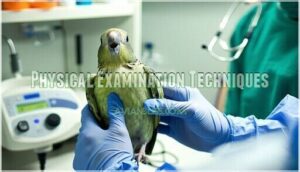
When veterinarians examine birds with respiratory symptoms, they follow systematic clinical observations to identify disease patterns. Avian inspection begins with observing posture and breathing patterns before handling.
Here’s what you’ll notice during respiratory checks:
- Labored breathing – Birds show tail bobbing and open-beak breathing
- Abnormal sounds – Wheezing or clicking indicates respiratory tract obstruction
- Nasal discharge – Clear or colored secretions suggest infection
Bird palpation reveals air sac abnormalities in avian respiratory disease cases.
Laboratory and Imaging Tests

Why search for answers when you can see them clearly? Modern diagnostic imaging and laboratory procedures reveal the mysteries of avian respiratory disease with precision. Blood analysis reveals inflammation markers while radiology techniques like CT scans detect subtle air sac changes invisible to standard X-rays.
| Test Type | Detection Capability |
|---|---|
| PCR Panels | Viral RNA/DNA identification |
| CT Imaging | Early air sac membrane thickening |
| Blood Work | Inflammatory markers |
These medical imaging advances transform avian medicine, making electron microscopic-level details accessible through routine laboratory procedures.
Sample Collection Procedures

Your veterinarian uses precise collection methods for accurate respiratory disease diagnosis. Three key procedures guarantee reliable results:
- Swab Techniques – Nasal and throat samples collect bacteria and viral particles from respiratory tracts
- Blood Collection – Serum analysis reveals systemic infections and inflammatory markers in avian patients
- Tissue Sampling – Biopsy specimens provide definitive pathological evidence following laboratory protocols for avian medicine and treatment
Treatment Options for Affected Birds

Once you’ve identified your bird’s respiratory condition through proper diagnostic methods, you’ll need to implement targeted therapeutic protocols based on the specific pathogen involved.
Your veterinarian will prescribe antimicrobial agents like antibiotics for bacterial infections or antifungal medications for aspergillosis, while supportive care measures help your feathered patient breathe easier during recovery.
Antibiotic and Antifungal Therapies
Targeting specific pathogens effectively requires precise antibiotic and antifungal selection based on culture results. Fluoroquinolones like enrofloxacin combat bacterial infections, while amphotericin B combats systemic fungal diseases.
Proper medication dosage prevents antibiotic resistance and ensures ideal therapy outcomes. Nebulized treatments boost infection control by delivering medicine directly to affected respiratory tissues, improving recovery rates.
Supportive Care Strategies
Healing takes more than medicine—you’ll need thorough palliative care strategies. Supportive care includes heat, oxygen, rest, fluids, and gavage feeding.
Environmental enrichment reduces stress while respiratory therapy delivers therapeutic benefits directly.
Nutritional support maintains strength during recovery, helping your bird bounce back from avian respiratory diseases through proper stress management techniques.
Specialized Veterinary Interventions
Beyond standard medications, you’ll need sophisticated interventions when your bird’s condition becomes critical. Specialized veterinary treatments can save lives by delivering targeted therapy directly to affected respiratory structures.
- Rigid endoscopy provides direct visualization for precise diagnosis and biopsy collection
- Nebulization therapy delivers medications straight to lungs and air sacs
- Oxygen therapy stabilizes birds during respiratory emergencies and procedures
- Air sac cannulation creates emergency breathing access during critical situations
- Surgical interventions remove obstructions or repair damaged respiratory tissues
Prevention and Bird Care Practices

You can’t prevent what you can’t predict, but you can build a fortress of proper care that keeps most respiratory pathogens at bay.
Your bird’s immune system functions as its primary defense mechanism, and maintaining ideal nutrition, immaculate environmental conditions, and toxin-free surroundings creates the foundation for respiratory health.
Proper Nutrition and Diet
Beyond antibiotics and antifungal treatments, balanced diets serve as your bird’s first line of defense against respiratory infections. Seed-based diets often lack vitamin A, creating nutrient deficiencies that compromise immune function. Feeding strategies incorporating seed alternatives like pelleted diets prevent vitamin A deficiency and secondary infections.
| Nutrient Type | Food Source | Health Benefit |
|---|---|---|
| Vitamin A | Leafy greens, carrots, sweet potatoes | Mucous membrane integrity |
| Protein | High-quality pellets | Immune system support |
| Essential fatty acids | Formulated diets | Anti-inflammatory response |
| Calcium | Ground shells, fortified foods | Metabolic balance |
Vitamin enrichment through nutrient supplements promotes respiratory health when you can’t rely on seeds alone.
Hygiene and Ventilation
Since airborne pathogens thrive in stagnant environments, you’ll need proper ventilation systems and regular cage cleaning to prevent avian respiratory diseases. Good air circulation acts like a protective shield, reducing respiratory health issues in your feathered friends through effective bird care and management.
Establish consistent sanitation methods using bird-safe disinfectants weekly. Install air quality monitors and environmental controls to maintain ideal humidity levels.
Environmental Toxin Avoidance
Smart avian hosts face significant respiratory health issues from toxic exposure. Chemical hazards, air pollution, and eco-friendly practices matter most for avian medicine and treatment success.
Common environmental toxins threatening your bird include:
- Teflon cookware and aerosol sprays releasing harmful particles
- Cigarette smoke causing immediate respiratory distress
- Oil-based paints containing volatile organic compounds
- Industrial emissions and heavy metals from poor waste management
Impact on Bird Populations and Ecosystems

When you consider respiratory disease outbreaks, they don’t just affect individual birds—they can devastate entire populations and disrupt ecosystem balance.
Pathogens like avian influenza and aspergillosis can cause massive mortality events in wild populations while simultaneously threatening captive birds and commercial poultry operations.
Effects on Wild Birds
Millions of wild birds face catastrophic population declines from avian respiratory diseases, fundamentally disrupting wildlife conservation efforts. Highly Pathogenic Avian Influenza devastates bird migration patterns, killing up to 75% of breeding populations in some species.
Aspergillosis thrives in disturbed forest habitats, creating deadly exposure zones along migratory flyways. These diseases don’t just affect individual birds—they’re reshaping entire avian community responses and threatening species extinction across diverse ecosystems worldwide.
Concerns for Pet Birds and Poultry
Pet birds and poultry face unique respiratory disease challenges in confined environments. Bird nutrition deficiencies increase infection susceptibility, while poor flock management accelerates pathogen transmission.
Veterinary diagnosis becomes critical when respiratory symptoms emerge in captive birds. Pet bird care requires vigilant monitoring for breathing abnormalities, nasal discharge, and behavioral changes.
Poultry health protocols must address overcrowding and ventilation issues. Avian welfare depends on preventive measures and prompt avian medicine interventions when respiratory diseases strike your feathered companions.
Research and Advances in Avian Disease Control

You’ll find that current research focuses on developing rapid diagnostic techniques and novel therapeutic approaches for respiratory pathogens.
Scientists are working on sophisticated molecular diagnostics that can identify specific bacterial and fungal strains within hours rather than days, helping veterinarians start targeted treatment faster.
Current Studies and Findings
Recent research reveals pioneering advances in understanding avian respiratory diseases, particularly through epidemiology research tracking H5N1 transmission patterns. Scientists have identified novel respiratory pathogens using avian genomics to map genetic resistance, while vaccine development focuses on nasal spray platforms for birds.
Disease modeling helps predict outbreaks in poultry populations, improving bird care and management strategies. Modern studies now examine avian coccidiosis interactions with respiratory infections, enhancing pet bird diseases diagnosis through molecular techniques in avian medicine and treatment.
Future Directions in Avian Medicine
Beyond current research lies an exciting frontier where Avian Genomics will transform tailored medicine approaches for individual birds. Vaccine Development platforms using mRNA technology promise faster responses to emerging pathogens, while novel respiratory therapies target specific cellular mechanisms.
Avian Informatics systems will integrate real-time monitoring with AI-powered diagnostic tools, revolutionizing avian medicine and treatment protocols. These advances in bird care and management will help veterinarians identify pet bird diseases earlier, improving veterinary diagnosis and therapy outcomes even for conditions like avian coccidiosis.
Frequently Asked Questions (FAQs)
Can birds recover completely from respiratory infections?
You’ll find that birds can absolutely recover from respiratory infections with prompt veterinary care and proper treatment.
Early diagnosis and appropriate medication substantially improve your bird’s chances of making a complete recovery.
How long do avian respiratory treatments typically take?
Treatment duration varies substantially by condition and severity, but you’ll usually see improvement within one to two weeks with proper veterinary care and medications.
Are respiratory diseases contagious between different bird species?
Like wildfire jumping between forests, many pathogenic microorganisms spread freely across species boundaries through contaminated secretions, shared water sources, and airborne droplets.
You’ll find bacterial infections like Pasteurella and viral strains particularly contagious between different bird types.
Whats the survival rate for birds with aspergillosis?
You’ll face a grim reality with aspergillosis—up to 90% of deaths in birds with aspergillosis occur from this fungal infection.
An uncomplicated case usually has a good prognosis, but early detection determines survival outcomes.
Do indoor birds get respiratory diseases more often?
Your indoor bird faces greater respiratory risks due to poor ventilation, concentrated dust exposure, and limited air circulation – making proper housing ventilation critical.
Conclusion
Managing avian respiratory diseases successfully requires your unwavering vigilance and swift action – it’s absolutely life-or-death for your feathered companions.
You’ll need proper diagnostic tools, targeted antimicrobial therapy, and environmental controls to combat these conditions effectively. Early detection through systematic clinical evaluation remains your strongest weapon against respiratory pathogens.
Remember, maintaining ideal ventilation, nutrition, and hygiene prevents most avian respiratory diseases from developing in your birds.
- https://www.sciencedirect.com/science/article/pii/S0032579123000779
- https://www.merckvetmanual.com/bird-owners/disorders-and-diseases-of-birds/lung-and-airway-disorders-of-pet-birds
- https://pmc.ncbi.nlm.nih.gov/articles/PMC12390217/
- https://www.cdc.gov/bird-flu/risk-factors/index.html
- https://www.mspca.org/angell_services/respiratory-disease-chickens/