This site is supported by our readers. We may earn a commission, at no cost to you, if you purchase through links.
 Bird mange natural remedies offer effective relief when your feathered friend faces this uncomfortable condition. Neem oil stands out as a powerhouse treatment, reducing mite populations by 80% within seven days.
Two gentle botanicals work wonders for irritated bird skin. Calendula and chamomile create a naturally soothing effect on inflamed areas, while turmeric paste brings powerful anti-inflammatory relief.
For those raw, irritated spots, aloe vera gel delivers antimicrobial protection that helps prevent secondary infections.
Don’t overlook homemade mite sprays using apple cider vinegar or diatomaceous earth dust baths. These gentle yet potent solutions work best when combined with proper hygiene practices and environmental management to tackle the root cause.
Table Of Contents
- Key Takeaways
- What Causes Mange in Birds?
- Recognizing and Diagnosing Bird Mange
- Natural Remedies for Bird Mange
- Managing Environment and Preventing Infestations
- Supporting Bird Recovery and Health
- Frequently Asked Questions (FAQs)
- How do you get rid of mange?
- How do you get rid of bird mites naturally?
- What are the best home remedies For demodectic mange?
- Does vinegar kill Bird mites?
- Is aloe vera a good home remedy for mange?
- Are You dealing with mange mites?
- How long does bird mange treatment take?
- Can bird mange spread to other pets?
- Are baby birds more susceptible to mange?
- What diet changes help during mange recovery?
- Conclusion
Key Takeaways
- Neem oil proves highly effective – Studies show neem oil reduces mite populations by 80% within seven days when applied as a diluted spray (1:40 ratio with water) or added to warm water baths.
- Multiple natural treatments work synergistically – Combining calendula for inflammation, turmeric paste for anti-inflammatory action, aloe vera for antimicrobial benefits, and diatomaceous earth dust baths creates comprehensive mite control.
- Environmental management prevents reinfection – Daily cage cleaning, proper quarantine protocols, adequate spacing (4 square feet per bird), and regular dust bath areas stop mite cycles before they establish.
- Early detection and consistent treatment ensure success – Watch for excessive preening, patchy feather loss, and behavioral changes like social isolation, then maintain treatment schedules for 2-6 weeks with weekly monitoring during the first month of recovery.
What Causes Mange in Birds?
Bird mange develops when microscopic parasitic mites infiltrate your bird’s feathers and skin, causing irritation and progressive feather loss.
These tiny pests spread through direct contact between birds, contaminated environments, and poor hygiene conditions that create perfect breeding grounds for mite populations.
Common Mite Species Affecting Birds
Which microscopic invaders are wreaking havoc on your feathered friends? Several mite species target birds with devastating effects on their health and comfort.
Five Major Mite Species Affecting Birds:
- Feather mites – Over 440 species infesting plumage, with some reaching 95% prevalence during breeding seasons
- Red Poultry Mite (Dermanyssus gallinae) – Infests 30+ wild bird species, affecting 16.7% of commercial flocks
- Knemidocoptes Species – Scaly leg and face mites causing major epizootics in up to 80% of robin populations
- Northern Fowl Mite (Ornithonyssus sylviarum) – One of two most common bird mites worldwide
- Chigger Mites – Accounting for 53.1% of mite infestations in indigenous chickens, targeting skin and feather follicles
These sarcoptic mites and other parasite infestations create serious health challenges requiring prompt identification and treatment. These mites are small, but adult bird mites are visible to the naked eye.
Risk Factors and Transmission Routes
Birds don’t catch mange by accident—specific risk factors make some more vulnerable than others. Poor hygiene protocols in your bird’s environment create perfect breeding grounds for mites, while overcrowding effects increase transmission rates dramatically.
| Risk Factor | Transmission Impact |
|---|---|
| Direct bird contact | 19% dermatitis rate in farm workers |
| Overcrowding | Accelerates mite spread in enclosed spaces |
| Poor hygiene | Creates breeding grounds for parasite infestation |
| Seasonal impact | Higher rates during warm, humid months |
| Urban exposure | Increased transmission near nesting birds |
Environmental spread occurs through contaminated surfaces, shared perches, and water sources. You’ll see higher transmission during warmer seasons when mite populations boom. These mites can cause a skin reaction in humans who are exposed.
Environmental Contributors to Infestations
Your bird’s living space can become a breeding ground for trouble faster than you might think. Poor environmental hygiene creates perfect conditions for mite infestations to flourish. Dirty cages, contaminated nesting materials, and inadequate quarantine protocols allow parasites to establish themselves quickly.
Overcrowding effects multiply these risks exponentially, while contact with wild birds introduces new threats that proper habitat management can prevent.
Recognizing and Diagnosing Bird Mange
Early detection of bird mange requires recognizing specific physical symptoms like patchy feather loss, red irritated skin, and excessive scratching or preening.
You’ll also notice behavioral changes such as restlessness, reduced activity, and birds isolating themselves from flocks.
Proper mite identification involves examining affected areas under magnification to confirm the presence of these microscopic parasites.
Physical Signs and Symptoms
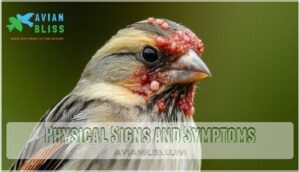
Spotting mange symptoms early can mean the difference between a quick recovery and a long battle against these persistent parasites. Look for patchy feather loss around the head, neck, and vent areas.
You’ll notice red, inflamed skin with scaly lesions that may appear crusty or raw. The affected areas often show thickened, discolored skin that feels rough to touch.
Behavioral Changes in Affected Birds

When mange takes hold, your bird’s behavior often changes before the physical symptoms become obvious. Understanding mange in birds starts with recognizing these subtle shifts that signal skin irritation and discomfort.
Watch for these key behavioral changes in affected birds:
- Increased Preening – Excessive scratching and feather picking due to intense itching
- Social Isolation – Withdrawing from flock mates or human interaction
- Appetite Changes – Reduced food intake as discomfort affects eating habits
- Sleep Disturbances – Restless nights caused by constant skin irritation
- Vocalization Changes – More frequent distress calls or unusual quietness
These behavioral shifts often appear days before visible feather loss, making early recognition important for effective natural remedies and their effectiveness in managing the condition.
Bird Mite Identification Techniques

Getting a clear picture of microscopic mites takes several different approaches working together. You can spot obvious problems just by looking, but cardboard tube traps give you real numbers on how many mites you’re actually dealing with.
To know for sure what species you have, you’ll need skin scraping samples looked at under a microscope using proper slide prep.
Putting it all together means watching the environment while using genetic tests when the usual ID methods don’t give clear answers.
Natural Remedies for Bird Mange
When conventional treatments aren’t available or you prefer gentler approaches, several natural remedies can effectively combat bird mange while supporting your feathered friend’s recovery.
These time-tested solutions—from neem oil’s antiparasitic properties to soothing aloe vera applications—offer safe alternatives that work alongside your bird’s natural healing processes.
Neem Oil Applications
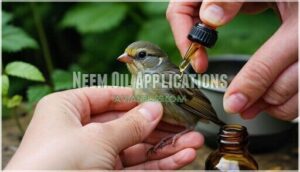
How can you utilize neem oil’s powerful antiparasitic properties to tackle stubborn mite infestations? This natural treatment offers impressive mite eradication rates while maintaining excellent bird safety profiles. Clinical studies demonstrate that direct neem application reduces mite populations by 80% within seven days, with complete elimination following repeated treatments.
Application methods include:
- Dilute neem oil 1: 40 with water for topical spraying
- Apply three treatments over 8-10 days targeting all mite stages
- Use 2 teaspoons per warm water bath for 10-minute soaks
- Spray ready-to-use solutions on coops and roosting areas
The magic happens because neem’s azadirachtin compounds mess with how mites feed and reproduce. You’ll actually see visible infestations disappear within just two hours of treatment—it’s pretty remarkable.
The best part? Since neem breaks down naturally and quickly, it won’t harm the environment. Just keep it away from areas where bees and other pollinators hang out.
Calendula and Chamomile Treatments

Two gentle botanical allies have earned their place in many bird keepers’ medicine cabinets for their notable healing properties. Calendula benefits include powerful anti-inflammatory action and wound-healing acceleration when applied as cream to affected skin areas.
Chamomile uses extend to soothing tea rinses that provide inflammation reduction and gentle application methods for sensitive birds experiencing mange symptoms.
Turmeric, Aloe Vera, and Herbal Solutions

You probably already have two powerful mite-fighting ingredients sitting in your kitchen right now: turmeric and aloe vera.
Turmeric’s anti-inflammatory properties aid complete recovery when mixed into a paste for topical application or added to feed in appropriate dosages. Fresh aloe vera gel soothes irritated skin while providing natural antimicrobial benefits.
These herbal antifungals work through synergies that boost your bird’s healing process.
Homemade Mite Sprays and Dust Baths
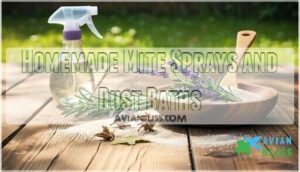
Creating your own mite-fighting arsenal doesn’t require a trip to the pet store—sometimes the most effective weapons are sitting right in your pantry. Mix equal parts water and white vinegar for a basic DIY spray that disrupts mite reproduction cycles.
For herbal dust baths, combine fine sand with dried lavender or rosemary—birds instinctively know these natural remedies help.
Apply homemade sprays using gentle misting techniques, avoiding direct contact with eyes and respiratory areas.
Diatomaceous Earth and Garlic Juice

Nature’s pantry holds two powerful allies that many bird owners overlook when battling stubborn mite infestations. Diatomaceous Earth and garlic juice offer effective mite control through different mechanisms, providing natural treatments that can break mite resistance cycles.
You’ve got four solid ways to put these natural remedies to work:
- Food-grade DE dusting – Sprinkle thin layers in dust bath areas for mechanical mite elimination
- Diluted garlic spray – Mix fresh garlic juice with water for direct feather application
- Coop treatment rotation – Alternate DE application with garlic dosage to prevent resistance
- Safe usage monitoring – Limit treatment duration to prevent respiratory irritation from DE particles
Managing Environment and Preventing Infestations
Prevention beats cure regarding bird mange, and your environment plays the starring role in keeping mites at bay.
Clean living spaces, proper quarantine protocols, and homemade pest control solutions create an unwelcome atmosphere for these microscopic troublemakers.
Effective Cleaning and Hygiene Practices
Think of cleaning as your first line of defense against these microscopic invaders that turn your bird’s home into their breeding ground. Daily cage sanitation prevents poor hygiene conditions that fuel mite populations.
Clean perches weekly, replace water daily for proper water hygiene, and remove old food to promote food safety.
Regular bathing frequency helps birds maintain natural defenses, while coop cleaning routines complement natural treatments for preventing mite and lice infestations.
Coop and Cage Maintenance
A spotless coop won’t guarantee healthy birds, but a neglected one practically rolls out the red carpet for mites and their microscopic army of trouble.
Daily waste removal prevents buildup that harbors parasites. Choose safe disinfectant choices like diluted vinegar for regular cleaning.
Assure proper air quality through ventilation, and inspect cage material safety—avoid rough surfaces where mites hide.
Quarantine and Overcrowding Prevention
When birds live cheek by jowl like passengers on a crowded subway, mites spread faster than gossip at a church social. Proper quarantine protocols and space management are your first line of defense against future mange outbreaks.
Essential overcrowding prevention strategies:
- Isolate infected birds immediately using separate quarantine areas for early detection
- Maintain adequate space requirements – at least 4 square feet per bird in coops
- Monitor social dynamics and stress reduction through proper biosecurity measures
Homemade Pest Control Solutions
You don’t need expensive commercial sprays when your pantry holds powerful mite-fighting ingredients that work just as effectively. Mix apple cider vinegar with water for DIY mite sprays, or blend garlic juice with neem oil as natural insecticides.
Essential oils like tea tree create safe dilutions for cage cleaning, while diatomaceous earth makes excellent herbal dust baths that birds can use naturally.
Supporting Bird Recovery and Health
Once you’ve addressed the mite infestation, your bird’s recovery becomes the next critical phase. Supporting their healing through natural methods helps strengthen their immune system and prevents future outbreaks.
Treating Secondary Infections Naturally
Scratching and biting at raw, irritated skin often opens the door for harmful bacteria to take hold, turning a manageable mite problem into a more serious health crisis.
You’ll need herbal antibiotics like diluted apple cider vinegar or neem oil to combat these secondary bacterial infections naturally. Essential oils such as tea tree (properly diluted) can provide additional antimicrobial assistance during your bird’s complete recovery process.
Nutritional Support and Probiotics
Your bird needs quality protein to heal damaged skin and grow back healthy feathers. If your bird is malnourished, aim for feeds with up to 25% protein content—this gives their body the building blocks for tissue repair.
Adding vitamin supplements helps fill the gaps that are slowing down recovery.
- High-protein feeds with digestible energy sources help rebuild damaged tissue
- Vitamin A and D3 supplements boost immune enhancement and skin healing
- Probiotic administration improves gut health and nutrient absorption
- Zinc and calcium additions foster feather regrowth and bone strength
- Glutamine supplementation aids immune function and intestinal repair
Recovery outcomes improve dramatically when you combine proper nutrition with natural oils and habitat management as preventive measures for long-term avian health.
Monitoring for Recurrence and Ongoing Care
Like a detective watching for clues, keeping a sharp eye on your recovering bird can mean the difference between lasting health and a frustrating cycle of reinfection. Watch for persistent itchiness or delayed feather regrowth—these signal incomplete recovery.
Schedule weekly health checks during the first month, examining skin closely for new irritation. Maintain strict environmental management and preventative measures long-term to prevent future mange outbreaks.
Frequently Asked Questions (FAQs)
How do you get rid of mange?
Effective management starts with understanding your feathered friend’s discomfort.
Your vet can prescribe anti-mite medications that actually work for your bird. Insecticidal sprays and medicated ointments go straight after the parasites, but if you want something gentler, neem oil is a solid natural option.
Toss in some probiotics to help with nutrition too.
How do you get rid of bird mites naturally?
Looking for natural ways to tackle bird mites? You’ve got some solid options that work without resorting to harsh chemicals.
Neem oil is your friend here—it messes with the mites’ ability to reproduce when you apply it directly to the affected areas. Diatomaceous earth takes a different approach, basically drying out these little parasites on contact.
- DIY spray recipes – Blend neem oil with water and add some garlic juice for a powerful mite-fighting mix
- Gentle herbal remedies – Try calendula or chamomile solutions applied straight to problem spots for natural relief
- Simple dusting method – Sprinkle food-grade diatomaceous earth on your birds once a week until the mites are gone
What are the best home remedies For demodectic mange?
Demodectic mange responds well to neem oil applications, herbal solutions like calendula cream, and essential oils diluted properly.
Natural remedies include garlic juice treatments, vinegar rinses, homemade bird mites spray, and therapeutic dust baths with diatomaceous earth for complete mite control.
Does vinegar kill Bird mites?
Vinegar acidity creates limited mite resistance advancement, as white vinegar’s 4 pH can disrupt some bird mites on contact. However, homemade bird mite spray using vinegar proves inconsistent, and safety concerns arise with application methods.
Vinegar alternatives offer greater effectiveness for bird mite infestation treatment.
Is aloe vera a good home remedy for mange?
Gentle healing makes aloe vera an effective natural remedy for bird mange. Its anti-inflammatory properties soothe irritated skin while reducing redness and itching.
Apply diluted gel directly to affected areas for best mite treatment results.
Are You dealing with mange mites?
Something’s not quite right when your feathered friend starts scratching obsessively or losing patches of feathers. Mite identification becomes essential as these microscopic parasites create serious bird discomfort and skin disease complications if left unchecked.
- Relentless scratching that breaks your heart to watch
- Patchy feather loss revealing irritated, inflamed skin beneath
- Behavioral changes like decreased appetite and social withdrawal
Treatment urgency increases with infestation severity, making early detection necessary for your bird’s wellbeing and comfort.
How long does bird mange treatment take?
Treatment time depends on how severe the mites are and their lifecycle. Most bird mange cases clear up in two to six weeks.
With natural remedies, you’ll usually see improvement in about a week to ten days if you stay consistent with treatment.
Remedy Effectiveness Timeline varies based on severity, but most birds show improvement within seven to ten days of consistent natural treatment application.
Can bird mange spread to other pets?
Most mite species causing mange in pet birds don’t jump to cats or dogs. However, some parasites can temporarily bite other pets, causing minor irritation before dying off naturally.
Are baby birds more susceptible to mange?
Why would tiny chicks face greater mite exposure? Young birds possess underdeveloped immune systems and incomplete feather development, creating nestling vulnerability.
Poor hygiene and overcrowding increase risk factors and transmission routes, making parental care essential for preventing causes of mange in birds through effective preventive measures against mange.
What diet changes help during mange recovery?
Boosting your bird’s nutrition accelerates recovery from mite damage. Focus on Immune-Boosting Foods like vitamin A-rich vegetables and protein for Feather Regrowth Diet.
Add probiotics for gut health and maintain Hydration Importance through fresh water daily.
Conclusion
Transforming your bird’s health doesn’t require expensive veterinary visits when nature provides powerful solutions right at your fingertips. These bird mange natural remedies work like gentle warriors, fighting mites while protecting your feathered companion’s delicate skin.
Nature provides powerful solutions at your fingertips—these natural remedies work like gentle warriors, fighting mites while protecting your bird’s delicate skin
Consistency beats flawlessness—stick with your chosen treatment plan and watch your bird’s vibrant feathers return.
Prevention remains your strongest ally, so maintain clean environments and monitor regularly for early signs.
- https://pmc.ncbi.nlm.nih.gov/articles/PMC10574536/
- https://healthyanimals4ever.com/blogs/news/natural-strategies-for-managing-mange
- https://www.wildlifeonline.me.uk/articles/view/mange-in-the-red-fox
- https://www.delawarenaturesociety.org/wp-content/uploads/2021/10/Stewart-and-Sebastiani.-2019.-Feather-mites..pdf
- https://anrcatalog.ucanr.edu/pdf/8162.pdf