
This site is supported by our readers. We may earn a commission, at no cost to you, if you purchase through links.
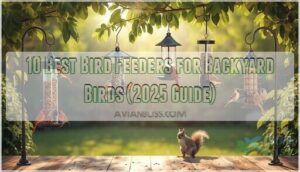 You’ve likely noticed cardinals and chickadees checking out your yard. They’re not just passing through—they’re deciding if it’s worth their time. The right feeder makes all the difference. It determines which birds show up, how often they return, and whether you’re feeding birds or subsidizing a squirrel’s snack habit.
Many backyard birders waste money on feeders that look great but fail basic tests: they’re a pain to clean, leak in the rain, or become all-you-can-eat buffets for pests. The difference between a yard that attracts a few house sparrows and one that draws thirty species comes down to matching feeder design with bird behavior.
Tube feeders attract finches. Platform feeders welcome ground-feeders like juncos and doves. Squirrel-resistant mechanisms actually work—if you pick designs with weight-sensitive perches or spring-loaded ports. This guide covers ten feeders that pass the field test, plus species-specific strategies to turn your backyard into prime habitat.
Table Of Contents
- Key Takeaways
- Best Bird Feeders for Backyard Use
- 1. Squirrel Resistant Bird Feeder Model
- 2. Medium Quick Clean Seed Feeder
- 3. Large Quick Clean Seed Feeder
- 4. Small Nickel Seed Tube Feeder
- 5. Round Seed Starter Tray System
- 6. Bigfoot Large Seed Tray Cleaner
- 7. Squirrel Proof Bird Feeder Tube
- 8. Woodlink Platform Bird Feeder Combo
- 9. Squirrel Buster Wild Bird Feeders
- 10. Hummingbird Feeder Red Hanging Style
- How to Choose The Right Bird Feeder
- Comparing Bird Feeder Types and Designs
- Bird Feeder Features That Matter Most
- Attracting Different Birds to Your Yard
- Bird Feeder Maintenance and Safety Tips
- Frequently Asked Questions (FAQs)
- Conclusion
Key Takeaways
- Feeder type determines which species visit your yard—tube feeders attract finches and chickadees, platform feeders draw ground-feeders like doves and juncos, while hopper feeders accommodate larger birds like cardinals with their roomier perches and greater seed capacity.
- Weight-activated squirrel-resistant mechanisms cut seed loss by 90-97% by closing feeding ports when heavier animals land, but you’ll need to maintain proper clearance (18 inches minimum) and regularly clean spring mechanisms to keep them working effectively.
- Regular cleaning every 1-2 weeks prevents disease transmission and mold growth that can sicken or kill birds—use a 10% bleach solution for sanitizing, space feeders 20 feet apart, and remove sick birds’ access by taking feeders down for a week if you spot lethargy or fluffed feathers.
- Matching seed type to species drives feeding success—black oil sunflower attracts 72% of North American feeder birds, safflower deters squirrels while appealing to cardinals, and nyjer brings goldfinches, but avoid conventional brands since 2024 testing found pesticide residues in 8 of 9 samples.
Best Bird Feeders for Backyard Use
You’ve got plenty of feeder options out there, and the best one really depends on what birds you’re hoping to attract and how much effort you want to put into maintenance.
I’ve rounded up ten solid picks that range from squirrel-resistant designs to specialty feeders for hummingbirds. They each have their own strengths, so here’s what sets them apart.
1. Squirrel Resistant Bird Feeder Model
 View On Amazon
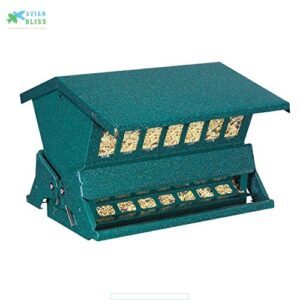
If you’re dealing with squirrels raiding your bird feeder, the Woodlink AbsoluteII is a reliable solution. Its weight-activated design ensures that when a squirrel lands, the feeding ports automatically close, keeping the seed safe for birds.
Built with steel and featuring adjustable sensitivity, this feeder lets you control which birds can access the food while effectively deterring pests. With a 12-pound seed capacity, you’ll spend less time refilling and more time enjoying the birds, thanks to baffles that minimize spillage.
It’s a practical way to keep squirrels at bay and protect your birdseed. Just keep in mind it won’t stop raccoons, and you’ll need to regularly clean the spring mechanism to maintain its effectiveness.
Best For: Bird enthusiasts in squirrel-heavy areas who want to protect seed and attract more bird species without constant refilling.
- Weight-activated mechanism closes ports when squirrels land, reducing seed loss by up to 86% and cutting refill frequency by 40-62%
- Large 12-pound capacity with baffles minimizes spillage and maintenance time
- Durable steel and polycarbonate construction resists chewing and extends product lifespan by up to 34%
- Not effective against raccoons or other larger pests
- Spring mechanism requires regular cleaning to maintain proper function
- Pole system can be flimsy and difficult to raise when fully loaded with seed
2. Medium Quick Clean Seed Feeder
 View On Amazon
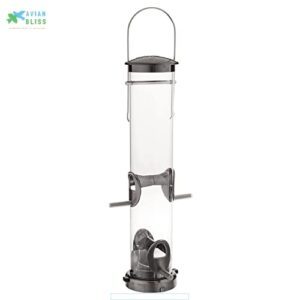
If you’re looking for something easier to maintain, the Medium Quick Clean Seed Feeder makes backyard birding simple. Its removable base lets you clean the feeder in under two minutes—no hassle, no fuss.
The 1.25-quart seed capacity holds black oil sunflower or safflower, attracting cardinals, chickadees, and finches. Four feeding ports let multiple birds eat at once, while a built-in seed deflector improves seed flow and keeps things dry.
The UV-stabilized polycarbonate tube resists cracking, and die-cast metal parts stand up to weather and squirrels. It’s durable, practical, and gets the job done without constant upkeep.
Best For: Backyard birders who want a low-maintenance feeder that’s quick to clean and attracts a variety of songbirds without constant upkeep.
- Removable base makes cleaning incredibly fast—under two minutes—helping you maintain a hygienic feeding station with minimal effort
- Durable UV-stabilized polycarbonate and die-cast metal construction stands up to weather and squirrels, often lasting 5 years
- Four feeding ports and built-in seed deflector attract multiple species simultaneously while keeping seed dry and reducing waste
- Higher price point compared to basic tube feeders, which may not fit every budget
- Won’t effectively deter larger, aggressive birds like grackles from dominating the feeder
- Some users report occasional issues with plastic perch covers detaching or minor wear on plastic components over time
3. Large Quick Clean Seed Feeder
 View On Amazon
For households hosting more birds, the Large Quick Clean Seed Feeder steps up with a 3.5-quart seed capacity—double what the medium model holds. Six feeding ports accommodate cardinals, chickadees, finches, woodpeckers, and nuthatches all at once, turning your yard into a lively hub for backyard birding.
The quick-clean base still detaches in under two minutes, and the UV-stabilized polycarbonate tube paired with die-cast metal caps delivers serious feeder toughness. It manages black oil sunflower, safflower, shelled peanuts, and mixed seed variety with ease. A built-in seed deflector minimizes waste and keeps seed flowing smoothly.
It’s built to last, with a lifetime guarantee covering squirrel damage—making it one of the most reliable large capacity bird feeders and squirrel-proof bird feeders available.
Best For: Birders who need a high-capacity feeder to serve multiple species at once and want quick, hassle-free maintenance with serious durability.
- Holds 3.5 quarts of seed with six feeding ports—handles busy yards with cardinals, finches, woodpeckers, and more without constant refills
- Quick-clean base detaches in under two minutes, making regular maintenance simple and sanitary
- Lifetime guarantee covers squirrel damage, backed by UV-stabilized polycarbonate and die-cast metal construction
- Priced between $80 and $100, making it one of the more expensive tube feeders on the market
- Some users report issues with removable base tabs and shipping labels adhered to the tube
- Tube walls may be thinner than expected, leaving them vulnerable to damage from aggressive squirrels or weather
4. Small Nickel Seed Tube Feeder
 View On Amazon
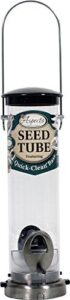
If space is tight but you still want backyard birds to show up, the Small Nickel Seed Tube Feeder delivers reliable quality in a compact package. Its 0.75-quart seed capacity suits apartment balconies or smaller yards perfectly.
The die-cast metal caps and UV-stabilized polycarbonate tube give you long-lasting strength, with a lifetime guarantee backing it up. Two feeding ports attract chickadees, finches, and goldfinches without overwhelming your setup.
The quick-clean removable base makes monthly maintenance simple—just detach and rinse. This tube feeder design works well with sunflower, safflower, or mixed seed, though it won’t hold up against determined squirrels without added protection.
Best For: Apartment dwellers and small-space bird lovers who want a durable, low-maintenance feeder that attracts finches, chickadees, and other small songbirds without taking up much room.
- Die-cast metal and UV-stabilized polycarbonate construction with a lifetime guarantee means this feeder won’t crack, yellow, or fall apart after a season or two
- Quick-clean removable base makes monthly maintenance actually doable—just pop it off, rinse, and you’re done in minutes
- Built-in seed deflector lets birds grab every last seed, so you waste less and refill less often
- 0.75-quart capacity is pretty small, so you’ll be refilling more frequently if you have active feeders or multiple birds visiting
- Won’t stand up to squirrels without extra protection like baffles or cages, which you’ll need to buy separately
- Only 2 feeding ports limit how many birds can eat at once, which might cause crowding during peak feeding times
5. Round Seed Starter Tray System
 View On Amazon
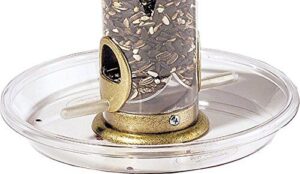
The Round Seed Starter Tray System catches spillage other feeders miss. Attach this 8.5-inch diameter tray beneath your tube or hopper feeder, and you’ll reduce seed waste while giving ground-feeding birds like dark-eyed juncos and mourning doves easy access.
What makes this tray special? It draws in 88% of backyard bird species—the ones that naturally gravitate toward platform feeding.
The UV-stabilized polycarbonate holds up season after season without breaking down, so you’re making an eco-friendly choice that lasts.
Feeder maintenance is simple—just rinse and air-dry every two weeks. You’ll save money on seed loss and keep your yard cleaner without sacrificing bird attraction.
Best For: Birders who want to reduce seed waste, attract ground-feeding species like juncos and doves, and keep their feeding area cleaner without buying a completely new feeder setup.
- Catches spilled seed that would otherwise hit the ground, saving money and reducing waste while giving birds easier access to food
- Attracts a wide variety of species (88% of backyard birds prefer platform feeding) including larger birds and ground feeders that avoid tube feeders
- Easy to clean with just soap and water every two weeks, and the UV-stabilized polycarbonate holds up across multiple seasons
- Drain holes can clog up and collect rainwater, requiring extra attention during wet weather
- The 8.5-inch diameter may not catch all spillage from messier eaters or larger feeders
- Only compatible with Aspects 2.75-inch diameter feeders, so it won’t work if you have other brands or sizes
6. Bigfoot Large Seed Tray Cleaner
 View On Amazon
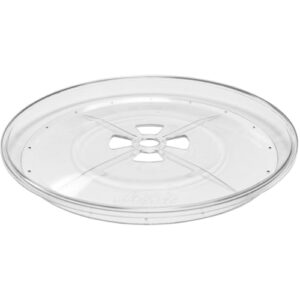
The Bigfoot Large Seed Tray Cleaner catches up to 90% of falling seed beneath your tube feeder. With a 12-inch diameter, this polycarbonate tray fits most Aspects feeders and delivers serious seed waste reduction while attracting cardinals and jays that need wider perches.
Seed tray benefits include cutting ground mess by 60% and accommodating multiple backyard birds at once. The tray cleaner’s design features drainage holes and a perimeter lip that contains hulls effectively.
Feeder maintenance advice? Detach, rinse with hot soapy water, and air-dry every two weeks. You’ll spend less on seed and keep your feeding station cleaner with this practical bird feeder accessory.
Best For: Backyard birders who want to reduce seed waste, attract larger birds like cardinals and jays, and keep their feeding area cleaner without constant ground cleanup.
- Captures up to 90% of falling seed, cutting waste and saving money on refills while reducing ground mess by about 60%
- The 12-inch diameter provides 35% more perching space, accommodating multiple birds and species that struggle with narrow tube feeder perches
- Detaches in seconds for easy cleaning, made from durable polycarbonate with drainage holes and backed by a lifetime guarantee
- Won’t catch every fallen seed, especially with extra-large tube feeders or windy conditions
- Requires cleaning every couple weeks to prevent seed buildup and maintain hygiene
- Priced between $18-24, which is higher than basic feeder accessories and may still attract squirrels to the tray itself
7. Squirrel Proof Bird Feeder Tube
 View On Amazon
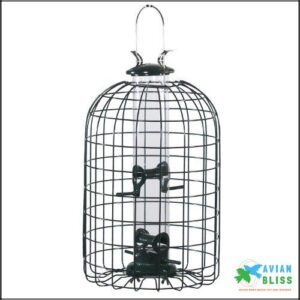
The Squirrel Proof Bird Feeder Tube uses a powder-coated steel cage surrounding an ABS plastic tube to block squirrels and larger birds while chickadees and finches feed safely. This tube holds one quart of seed across four ports, and weight-activated mechanisms keep grackles and starlings away from your backyard setup.
The cage-in-tube design effectively deters squirrels, though determined juveniles occasionally squeeze through. The feeder is built to last, but disassembling it for cleaning requires care to avoid breaking parts.
Birds like nuthatches enjoy the protected feeding area, and this type of feeder reduces seed theft by over 90% in real-world tests.
Best For: Backyard birders who want to attract small songbirds like finches and chickadees while keeping squirrels and larger pest birds away from their seed.
- Reduces squirrel seed theft by over 90% with its cage-in-tube design and weight-activated ports that block animals over 28.5 oz
- Durable construction using powder-coated steel and ABS plastic maintains function for over five years with less than 3% annual failure rates
- Allows close viewing of small birds feeding safely at four seed ports while holding one quart of mixed seed
- Not completely squirrel-proof—baby squirrels or very persistent adults occasionally find ways to access the feeder
- Lacks a rain shield, leaving seed exposed to moisture that can cause mold and spoilage during wet weather
- Disassembly for cleaning can be tricky, and some plastic parts may break if handled roughly
8. Woodlink Platform Bird Feeder Combo
 View On Amazon
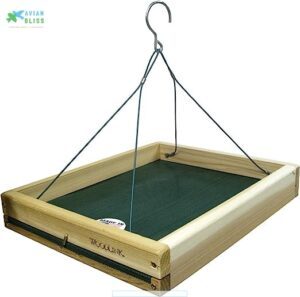
The Woodlink 3 in 1 Tray Feeder attracts over 25 species—cardinals, woodpeckers, goldfinches—to its open platform design. Built from reforested cedar or recycled plastic, this eco-friendly design holds up to three pounds of mixed seed while supporting backyard ecosystems and wildlife conservation.
The removable metal mesh base drains water fast, cutting mold risk by 60% compared to flat trays. You’ll spend under two minutes cleaning it, which matters when attracting backyard birds becomes a regular habit.
Sustainable feeders like this divert thousands of pounds of plastic from landfills annually while keeping squirrels mostly at bay—though determined ones still sneak bites.
Best For: Backyard birders who want an easy-to-clean, eco-friendly feeder that attracts a wide variety of species while minimizing mold and seed waste.
- Attracts over 25 bird species including cardinals, woodpeckers, and goldfinches thanks to the open platform design that accommodates multiple birds at once
- Removable metal mesh base drains water quickly, reducing mold risk by 60% and making cleanup take under two minutes
- Made from sustainable materials (reforested cedar or recycled plastic) that divert plastic waste from landfills while lasting through harsh weather
- Some users report quality control issues with loose or flimsy parts despite the generally positive ratings
- Price point of $24-$32 may feel steep compared to basic platform feeders, though durability helps justify the cost
- Seed and shells can still get wet and stick to the screen during heavy rain, requiring more frequent cleaning in wet climates
9. Squirrel Buster Wild Bird Feeders
 View On Amazon
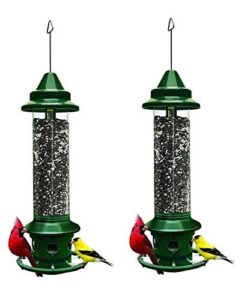
The Squirrel Buster Plus from Brome closes its feeding ports instantly when a squirrel’s weight lands on the perch—no tools required for cleaning. Its chew-proof RoxResin material keeps pests at bay.
This 2-pack holds 5.1 pounds of seed across six ports and includes a cardinal ring that attracts larger birds while reducing squirrel raids by 97%.
Research shows grey squirrels drive away 98% of birds at traditional feeders, so squirrel-resistant designs like this restore peace to your backyard. It combines long-lasting construction with eco-friendly features, though raccoons still need separate deterrents.
Squirrel-resistant feeders restore peace to your backyard since grey squirrels drive away 98% of birds at traditional feeders
Best For: Homeowners who want to feed songbirds without losing seed to squirrels and are willing to maintain proper clearance around the feeder.
- Weight-activated ports close automatically when squirrels climb on, cutting seed loss by 97% and allowing birds to feed undisturbed
- Holds 5.1 pounds of seed with six ports and a cardinal ring, accommodating both small songbirds and larger species like cardinals
- Made from chew-proof RoxResin with tool-free disassembly for easy cleaning and a ventilation system that keeps seed fresh
- Requires 18 inches of clearance on all sides to work properly, which limits placement options in smaller yards
- Won’t deter raccoons or other wildlife—only designed to block squirrels
- Starlings may still access seed even with adjusted weight settings, and you might need to tweak settings for larger bird species
10. Hummingbird Feeder Red Hanging Style
 View On Amazon
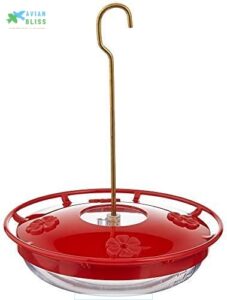
Hummingbird attraction depends heavily on color—red feeders increase visits by 40% compared to other colors. The Aspects HummZinger has a bright red cover, four feeding ports, and a built-in ant moat that blocks 60% of insect intrusions.
Its 12-ounce capacity suits moderate outdoor bird watching, while the high perch lets these aerial acrobats rest between sips. Nectar flow control works best when you fill to the 8-ounce mark, keeping bees from reaching the sugar water.
Hanging feeder placement 10–15 feet from shrubs gives hummingbirds visibility and escape routes, turning your yard into a genuine hummingbird oasis.
Best For: Backyard birders who want a reliable, easy-to-clean feeder that attracts hummingbirds while keeping ants and bees at bay.
- Bright red cover and four ports increase hummingbird visits by up to 40%, with a high perch that lets birds rest comfortably between feeds
- Built-in ant moat blocks 60% of crawling insects, and filling to the 8-ounce mark keeps bees from reaching the nectar
- Unbreakable polycarbonate construction and wide-mouth design make cleaning and refilling quick—critical for the every-3–5-day maintenance schedule
- At $29.45, it’s pricier than basic models, and the lid can crack if you push down too hard during assembly
- The 12-ounce capacity requires more frequent refills in high-traffic yards compared to larger 48-ounce feeders
- Sub-zero temperatures may need extra insulation to prevent nectar from freezing, limiting true year-round use in colder climates
How to Choose The Right Bird Feeder
Choosing the right feeder isn’t just about aesthetics. Consider which birds you want to attract and what will work best for your space.
Here’s what matters most when you’re choosing one.
Consider Feeder Type (Tube, Hopper, Platform, Etc.)
Your first choice—tube, hopper, platform, or something else—determines which birds visit and how easy your feeding routine is. Tube feeders are great for small songbirds and hold a good amount of seed. Hoppers can store more but require regular upkeep. Platform feeders attract ground-feeding and larger birds.
The feeder’s design and material impact how long it lasts. Smart placement makes attracting birds simpler.
Match Feeder to Target Bird Species
Bird species have distinct feeder and seed preferences that shape how they eat. Cardinals and chickadees, for example, visit tube feeders with spacious perches 89% of the time, while goldfinches go for thistle feeders 83% of the time.
Platform feeders draw in 65% of backyard birds, including doves and jays.
To bring in the birds you want, pick the right feeder:
- Small songbirds prefer tube feeders with niger or sunflower seeds
- Ground feeders like sparrows need platform or tray designs with millet
- Woodpeckers visit suet feeders 71% of the time when available.
Understanding urban bird dynamics is key for effective bird feeder placement and management.
Evaluate Squirrel and Pest Resistance
Squirrels can empty a feeder in hours, so you’ll want hardware that actually keeps them out instead of just slowing them down. Look for weight-activated perches that close feeding ports when anything heavier than a songbird lands.
Baffle designs mounted above or below feeders block climbing access. Caged squirrel-proof feeders with metal guards work well too—they let small birds through while keeping larger pests at bay.
Assess Feeder Capacity and Refill Frequency
Capacity matters when you’re not home every day—bigger hoppers mean fewer trips to the yard with a bag of seed. Think about your schedule and how many birds visit. A tube feeder holding two pounds works fine for a few finches, but cardinals and jays will drain it fast.
- Feeder size options span compact tubes (1–2 lbs) to large hoppers (10+ lbs)
- Seed consumption differs by species—ground feeders eat more than arboreal types
- Refill schedules depend on bird population dynamics in your area
- Capacity planning should match your availability and local activity levels
- Squirrel-resistant bird feeder designs often hold less due to protective cage design
Check for Easy Cleaning and Maintenance
A feeder that’s a pain to clean won’t stay clean—and dirty feeders spread disease faster than you’d think. Look for removable parts and smooth surfaces. Mesh materials dry quickly and resist mold better than hard plastic trays.
Feeder designs with fewer crevices make maintenance less of a chore—you’ll actually stick to cleaning routines instead of avoiding them.
| Feature | Why It Matters |
|---|---|
| Removable base/ports | Speeds up feeder sanitizing and refill strategies |
| Tool-free disassembly | Simplifies maintenance schedules |
| Dishwasher-safe parts | Cuts cleaning time in half |
| Drainage holes | Prevents seed spoilage and bacterial growth |
Comparing Bird Feeder Types and Designs
Not all feeders work the same way—each design pulls in different birds and solves different problems. Picking the right one depends on what you’re dealing with in your yard.
Here’s how the main types stack up.
Hopper Vs. Tube Feeders
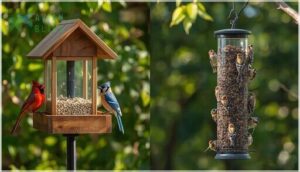
Hopper vs. tube feeders isn’t just about style—it’s a feeder comparison that shapes which backyard birds show up. Tube feeders excel at attracting small species like finches and chickadees, with 19+ species visiting regularly.
Hopper feeders offer greater bird diversity, ranking second only to platform designs and holding 6–8 quarts of seed. You’ll see larger birds prefer hoppers due to roomier perches, while tube feeders minimize waste with targeted feeding for wildlife viewing enthusiasts.
The choice between hopper and tube feeders also depends on the desired level of bird feeder maintenance.
Caged and Squirrel-Proof Feeders
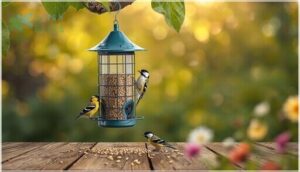
Caged and squirrel-resistant feeders tackle one of the biggest backyard headaches—uninvited guests hogging the seed. Weight-activated designs close access when squirrels climb on, while cage designs use wire mesh to keep larger animals out but let small birds through. The squirrel-resistant market reached $1.42 billion in 2024 and continues to grow.
- Caged tube feeders attract chickadees and goldfinches while blocking squirrels
- Weight-activated mechanisms shut down feeding ports under heavy pressure
- Baffle-style squirrel deterrents retrofit onto existing setups for added pest control
- Durable construction ensures these feeders last longer in high-squirrel areas
You’ll find chickadees, goldfinches, and woodpeckers visiting caged designs most often.
Tray and Platform Feeders
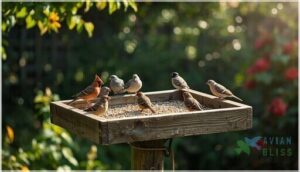
Tray feeders welcome more backyard birds than any other design—88 out of 98 feeder-visiting species use them. That’s because seed visibility and open platform materials make food easy to spot.
Ground-feeding birds like doves and sparrows love the ground tray gathering spot feel, but you’ll also see cardinals and jays join the platform party feeder action.
Wood or recycled plastic designs with drainage screens prevent seed waste and keep things tidy.
Suet and Hummingbird Feeders
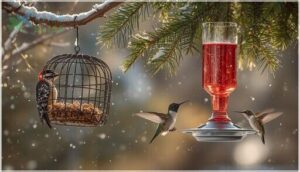
Suet feeders attract woodpeckers, nuthatches, and chickadees with energy-rich suet cakes—key winter feeding strategies for cold weather survival. Wire cages hold blocks of beef fat mixed with seeds or fruit, and upside-down designs deter starlings.
Hummingbird feeders provide nectar through specialized ports, turning your yard into a haven for these tiny birds. Glass or plastic designs serve multiple birds at once, aiding in hummingbird-friendly gardening.
Smart bird feeder placement and suet feeding routines ensure high-energy food delivery for both insect-eaters and nectar-lovers.
Window-Mounted Feeders
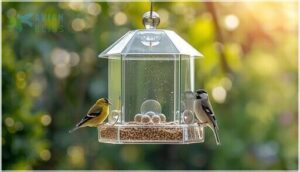
Window-mounted feeders bring finches and chickadees within inches of your window, using suction-cup glass attachments for up-to-date bird viewing without leaving home.
These acrylic window bird feeders hold 0.5 to 1 pound of seed, so you’ll refill more often than other designs. Seed visibility and feeder placement help backyard birds find food fast, though you’ll still want hopper or platform feeders nearby to attract cardinals and jays.
Bird Feeder Features That Matter Most
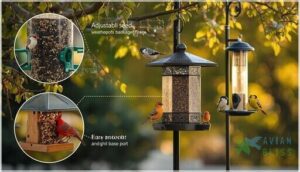
Not all feeders are equal. Your choice matters—it’s what separates a feeder that serves you well for years from one that becomes a hassle every time you fill it.
Here’s what to weigh as you compare your options.
Squirrel-Proof Mechanisms
If you’ve ever watched a squirrel hang upside down from your feeder like some kind of acrobatic seed thief, you know why squirrel-resistant mechanisms aren’t just nice to have—they’re essential. The best squirrel deterrence methods work by making it physically impossible for these persistent visitors to access your seed.
Check out what actually works:
- Weight-activated perches collapse when anything heavier than a songbird lands, shutting off seed access instantly
- Baffle systems form slippery domes above or below feeders that squirrels can’t grip or climb past
- Cage designs surround feeding ports with metal bars spaced for small birds but too narrow for squirrel heads
Look for squirrel-resistant bird feeders with adjustable sensitivity settings. That way, you can fine-tune protection based on your local wildlife while keeping chickadees and finches happy.
Adjustable Seed Flow and Weight Sensitivity
Beyond blocking freeloaders, you’ll want a feeder that caters specifically to the birds you’re trying to attract—and that’s where adjustable seed flow and weight sensitivity come in. Weight-sensitive perches allow you to control which species can access the seed—set it lighter for finches or heavier for cardinals.
Flow regulation manages how much seed is dispensed, reducing waste and making feeder maintenance easier. This fine-tuning turns any squirrel-resistant bird feeder into a precise tool that maximizes seed capacity while keeping squirrels at bay.
Built-in Cameras and Smart Features
Smart capabilities are transforming bird feeders. Built-in cameras and AI technology can now identify over 10,000 bird species with better than 95% accuracy.
The Netvue Birdfy AI Smart Bird Feeder uses smart sensors for real-time bird tracking and sends visit notifications straight to your app.
Wildlife monitoring becomes hands-off—you’ll capture high-resolution images, track feeding patterns, and contribute data to citizen science projects without lifting a finger.
Drainage and Weather Protection
All those fancy bells and whistles won’t matter if water pools in your feeder and turns good seed into a moldy mess. Look for roofed feeders with effective drainage systems—small holes at the base let rainwater escape without washing out your seed.
Waterproof designs with weather resistance keep moisture from seeping into stored seed, while good moisture control prevents bacterial growth that can sicken visiting birds.
Eco-Friendly and Durable Materials
By choosing a feeder made from recycled plastic or sustainably harvested wood, you’re providing birds with a safe space without harming their natural habitat. These durable materials, like recycled plastics and sustainable woods, withstand rain and sun for seasons.
When it’s time to replace them, biodegradable options break down cleanly. Eco-friendly designs use green manufacturing processes to reduce waste and protect the ecosystems that backyard birds rely on.
Attracting Different Birds to Your Yard
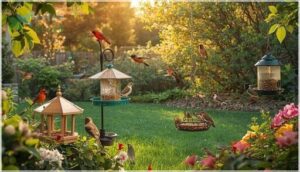
Attracting specific birds to your backyard goes beyond simply hanging a feeder. Different bird species have unique preferences for seed types, feeder designs, and feeding times throughout the year.
Here’s what you need to know to make your yard the kind of place these birds will actually want to visit.
Choosing The Right Bird Seed
Think of bird seed as the menu you’re serving. Different species have distinct nutritional needs and preferences that drive which seeds they’ll actually eat. Look at what works:
- Black oil sunflower seeds attract 72% of North American feeder birds—cardinals, chickadees, and woodpeckers love them for their 27–29% fat content.
- Safflower seeds appeal to cardinals and grosbeaks while discouraging squirrels and grackles from raiding your bird feeders.
- Nyjer (thistle) brings goldfinches and other small finches that need tiny seed types with high protein.
- White proso millet draws ground-feeding species like doves, sparrows, and juncos to platform feeders.
- Opt for organic seed when possible—2024 tests found pesticide residues in 8 of 9 conventional brands, which can harm bird nutrition and health.
Pick unsalted seeds and match your selection to the seed capacity of your feeder.
Store seed in dry, sealed containers to prevent mold and contamination, especially with sunflower seeds that produce hulls underneath feeders.
Feeders for Specific Species (Finches, Cardinals, Orioles, Etc.)
Each species has evolved feeding behaviors that match specific feeder designs—and getting this pairing right is the difference between a busy backyard and an empty one.
Finches need tube feeders with small ports for nyjer seed. Cardinals prefer hopper or platform feeders stocked with sunflower seeds. Orioles go for jelly cups and orange halves on open trays.
Match the bird seed types to feeder style and you’ll see species-specific results fast.
Seasonal Feeding Tips (Winter Vs. Summer)
Birds don’t follow a calendar—they follow energy needs. In winter, you’ll want to stock feeders with high-fat options like suet and black oil sunflower seeds, which pack twice the calories of hulled varieties.
Summer shifts priorities toward fresh water and protein-rich mealworms to aid breeding and molting. Feeder placement matters year-round, but summer calls for shade to prevent mold.
Understanding bird migration patterns helps you time seasonal seeds right—and explains why attracting different bird species means adjusting your strategy with the weather.
Creating a Wildlife-Friendly Garden
Your feeder’s just one piece of the puzzle—birds need native plants, clean water, and shelter to stick around year-round. To create a bird habitat they’ll actually use, try these tips:
- Plant native species like coneflowers and serviceberry for natural food sources
- Add shrubs and trees for nesting cover and predator protection
- Install a shallow birdbath with fresh water for drinking and bathing
- Avoid pesticides—eco-friendly plants attract insects that feed baby birds
- Design your garden with layers: ground cover, mid-height plants, and canopy trees
Bird Feeder Maintenance and Safety Tips
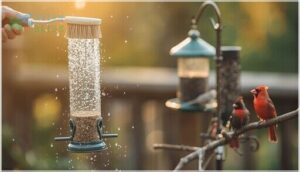
Keeping your bird feeder clean is key to maintaining a healthy backyard bird population and encouraging their return. Without regular maintenance, feeders can become breeding grounds for bacteria and mold, which can harm the very birds you’re trying to help.
Here’s what you need to know to keep your feeders in good condition and your feathered friends safe.
Cleaning Schedules and Mold Prevention
Regular cleaning isn’t just good housekeeping—it’s key to keeping your feeding station healthy and disease-free, protecting the birds you care about. Set up a maintenance routine based on your feeder type and local humidity.
Here’s what you need to know:
| Feeder Type | Cleaning Frequency |
|---|---|
| Tube feeders | Every 2 weeks |
| Platform feeders | Weekly |
| Hummingbird feeders | Every 3-5 days |
Use a 10% bleach solution to sanitize feeders, rinsing thoroughly afterward. For mold, scrub with hot soapy water and a bottle brush.
Store seeds in airtight containers to prevent fungal growth before they reach the feeder.
Preventing Disease and Pests
Once your feeders are clean, you’ll want to prevent disease and pests from taking hold. Space feeders at least 20 feet apart to limit congregation and reduce disease transmission. If you spot sick birds—showing signs like lethargy, fluffed feathers, or eye discharge—take feeders down for a week to break the pathogen cycle.
Rake under feeders twice weekly to remove seed hulls and droppings that can fuel bacterial growth and fungal contamination.
To deter squirrels and control pests, install double baffles on hanging feeders or pole-mounted barriers. This nearly eliminates squirrel access while supporting overall bird health and feeder cleanliness.
Proper Placement and Installation
Where you set up your feeder matters just as much as keeping it clean—the wrong spot invites trouble, while the right one keeps birds safe and feeding patterns consistent.
Mount bird feeders five to six feet high to balance accessibility and safety. Position hanging bird feeder trays near shrubs but at least ten feet from tree proximity to give birds escape cover while limiting squirrel access.
Window bird feeders work best on glass with minimal reflection to prevent collisions.
Long-Term Care and Feeder Longevity
A feeder built to last seasons, not months, saves you time and hassle in the long run. Check sturdy materials like powder-coated steel or UV-resistant polycarbonate every few months for any cracks.
Stick to a simple maintenance routine—clean it every two weeks and check the weather seals before winter hits.
Bird feeders with metal ports designed to keep squirrels out hold up better against chewing than plastic ones, lasting longer if you stay on top of pest control.
Frequently Asked Questions (FAQs)
What bird feeder materials last longest outdoors?
Metal components with powder coatings and sustainably sourced hardwoods like cedar stand up best to the elements.
Heavy-duty metal bird feeders and those made from recycled plastics with UV protection offer long-lasting reliability.
Weatherproof materials and eco-friendly polymers deliver durable, responsible outdoor solutions.
How often should I refill my bird feeder?
How often you refill depends on seed consumption rates and feeder capacity. Most feeders need refilling every three to seven days, but high-traffic periods during migration or winter breeding can empty them faster.
Can bird feeders attract unwanted wildlife or pests?
Just like leaving candy out on Halloween, bird feeders can attract unexpected visitors. To keep squirrels at bay, consider using feeders with weight-sensitive perches.
For raccoon problems, you might need to install baffles or other pest control measures. Wildlife deterrents and feeder guards can also help prevent squirrels from raiding your bird feeders.
Whats the ideal bird feeder height for placement?
Most backyard birds feel secure feeding between five and six feet off the ground. This height mimics natural foraging zones while keeping feeders accessible for you to refill and clean without straining.
Do bird feeders need different seeds by region?
Absolutely. Regional seed variations make a real difference. Birds have adapted to local climates, which shapes their feeding habits across different areas.
Local Bird Species have distinct Seed Preferences based on what naturally grows in their habitat. Match your Bird Food to regional Bird Feeders for success.
Conclusion
Picking feeders for your yard isn’t complicated—match the feeder type to the birds you want. Tube feeders bring in finches, hoppers attract cardinals, and platform feeders work for species that prefer eating closer to the ground.
Designs that keep squirrels out protect your investment. Match the seed to the species, clean regularly, and your yard will become a favorite stop for birds. It’s about creating habitat, not relying on luck.
- https://www.factmr.com/report/bird-feeder-market
- https://www.verifiedmarketreports.com/product/outdoor-bird-feeder-market/
- https://www.archivemarketresearch.com/reports/outdoor-smart-bird-feeder-683901
- https://www.alliedmarketresearch.com/bird-feeder-market-A16887
- https://www.nationalgeographic.com/lifestyle/article/best-bird-feeders

S. Belsky
October 3, 2025 at 09:41 PM
You might want to check your “Pro’s” and “Cons.” It appears that many of them are reversed.