This site is supported by our readers. We may earn a commission, at no cost to you, if you purchase through links.
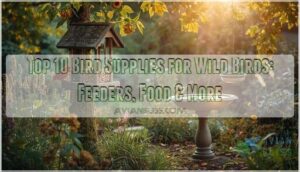
A single backyard feeder can attract over 20 different bird species in a single season—but only if you stock it right. Most people grab whatever seed bag looks cheapest at the hardware store, set it out, and wonder why squirrels eat well while the birds move on.
Wild birds are specific. A cardinal won’t dig through millet to find sunflower seeds forever. A chickadee needs a tube feeder, not an open tray. Getting your bird supplies for wild birds matched to the species you want to attract makes the difference between a feeder that sits ignored and one that becomes a neighborhood gathering spot.
The right setup—food, feeder style, water, and nesting support—turns your yard into something birds return to all year long.
Table Of Contents
- Key Takeaways
- Essential Bird Supplies for Wild Birds
- Top 10 Bird Supplies for Wild Birds
- 1. Sukh Bird Nesting Material
- 2. Kaytee Mealworm Wild Bird Food
- 3. Alpaca Fiber Bird Nesting Heart
- 4. Heath Berry Blast Suet Cakes
- 5. Winemana Hummingbird Nesting Balls
- 6. Kaytee Wild Bird Seed Mix
- 7. Kaytee Wild Bird Seed Treat Bell
- 8. Birdream Retro Pagoda Bird Feeder
- 9. Weewooday Finch Seed Sock Feeder
- 10. Wagner’s Wild Bird Food
- Comparing Bird Feeder Types and Features
- Bird Health and Nutrition Essentials
- Cleaning and Maintaining Bird Supplies
- Frequently Asked Questions (FAQs)
- How often should I clean bird feeders?
- What bird seed attracts the most species?
- Can bird feeders spread diseases among birds?
- When is the best time to feed birds?
- Do birds become dependent on feeders for survival?
- How do I attract specific bird species locally?
- What bird supplies work best in winter?
- Can bird feeders harm surrounding plants or gardens?
- How do I keep ants away from feeders?
- Are there bird supplies safe for apartment balconies?
- Conclusion
Key Takeaways
- Matching your feeder style and seed type to specific bird species — not just grabbing the cheapest bag — is what actually brings birds to your yard.
- Black oil sunflower seed is your best single investment because it attracts the widest variety of birds and gives them the fat and energy they need.
- Fresh water matters just as much as food — birds need it daily for drinking and feather health, and it’s often what keeps them coming back.
- Clean your feeders every two weeks (more in hot weather) to stop mold and disease from spreading through your backyard flock.
Essential Bird Supplies for Wild Birds
Getting the right wild birds supplies makes a real difference for the wild birds in your area.
From choosing the right feeder placement to knowing whether mealworms are good for wild birds, small decisions can really shape which species show up in your yard.
From feeders to nesting spots, each piece plays its own role in keeping birds healthy and coming back.
Here’s what you actually need to get started.
Choosing The Right Bird Feeder
Picking the right bird feeder starts with knowing your visitors. Match your setup to your yard and the birds you want:
- Use tube feeders for finches and chickadees
- Choose hopper feeders for cardinals and jays
- Pick squirrel proof feeders in bushy yards
- Place feeders 10–15 feet from cover
Feeder materials, bird species, and smart feeder placement all work together. For more tips on choosing the right feeder style, review expert guidance for your local bird species.
Selecting Nutritious Bird Food
Once your feeder’s in place, the bird food you fill it with makes all the difference. Seed quality shapes bird health more than most people realize.
Black oil sunflower seed covers your bases — it’s calorie-dense, easy to crack, and attracts dozens of species. Skip bargain mixes loaded with filler grains.
Focus on nutrient balance: fat, protein, and clean wild bird feed that birds actually eat. When making choices, consider seasonal bird feeding considerations, as nutritional needs and feeding practices can vary throughout the year.
Providing Fresh Water Sources
Food brings birds in. Water keeps them coming back.
Food draws birds to your yard, but fresh water is what makes them stay
Bird hydration is just as important as what’s in your feeder. Fresh sources like bird baths support wild bird care year-round — drinking, bathing, feather health, all of it.
- Clean water daily to protect bird health
- Bath design matters: rough surfaces, 1–2 inch depth
- Water circulation deters mosquitoes and attracts more species
Nesting Materials and Shelter Options
Beyond water, birds need safe places to raise their young. Dry grass, plant fluff, and animal hair are go-to natural fibers for nest building. Safe materials matter — skip dryer lint and string.
A birdhouse with proper nest box placement enhances bluebird habitat and bird conservation. Add predator guards, and you’re giving backyard birds a real fighting chance.
Accessories for Feeder Maintenance
Good feeder maintenance starts with the right tools. Long-handled feeder brushes scrub deep into tube feeders, while mini brushes tackle tiny hummingbird ports. Pair those with biodegradable cleaning solutions to cut through sticky residue safely.
Seed trays catch spilled hulls below, and weather guards keep seed dry longer. Add pole accessories with squirrel deterrents for solid squirrel proofing feeders — your birds will thank you.
Top 10 Bird Supplies for Wild Birds
Here are ten bird supplies worth keeping on your radar. Each one brings something useful to the table — whether you’re feeding, nesting, or just getting started.
Let’s walk through them one by one.
1. Sukh Bird Nesting Material
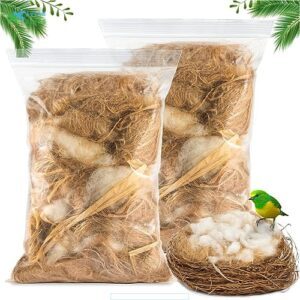
Sukh Bird Nesting Material gives small birds like finches, canaries, and hummingbirds what they need to build safe nests. It’s made from jute silk, straw, cotton, and agave sisalana — natural fibers that birds can pull apart and carry easily.
You can hang it near your feeders or tuck it into a cage nest cup. Each pack weighs about 80 grams. A heads-up: a few users reported damp material on arrival, so check yours when it comes.
| Best For | Bird lovers who want to give their budgies, finches, canaries, or parrots a cozy, natural place to nest — whether at home or out in the garden. |
|---|---|
| Primary Use | Bird Nesting |
| Target Birds | Budgies, Finches, Canaries |
| Outdoor Use | Yes |
| Brand | Sukh |
| Material | Jute, Straw, Cotton, Agave |
| Gift Suitable | Yes |
| Additional Features |
|
- Mix of jute silk, straw, cotton, and agave sisalana gives birds plenty of variety to work with when building their nest.
- Soft and flexible, so birds can pull it apart and shape it however they like.
- Works great outdoors too — hang it in a tree or garden and wild birds will find it on their own.
- Some buyers have received damp or even moldy material, which is a real quality control issue.
- Cotton can actually be dangerous for birds, so it’s worth double-checking with your vet before use.
- Packaging isn’t great — a few users felt vacuum sealing would go a long way in keeping the material fresh and dry.
2. Kaytee Mealworm Wild Bird Food
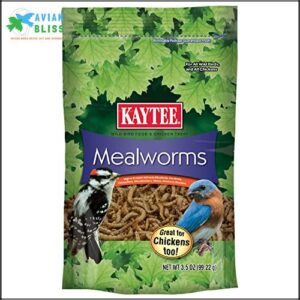
Kaytee Mealworm Wild Bird Food is one of those finds that changes your backyard game fast. These oven-dried mealworms pack 47% crude protein and 25% fat — serious nutrition for bluebirds, wrens, robins, and chickadees that often ignore seed feeders entirely.
Pair these mealworms with an easy-to-clean bird feeder so keeping up with hungry bluebirds never becomes a hassle.
You can offer them alone in a tray feeder or mix them into your usual seed blend. No refrigeration needed, and the resealable bag keeps things tidy. If baby birds are in the picture nearby, this food matters even more.
| Best For | Backyard bird enthusiasts who want to attract a wider variety of wild birds, especially species like bluebirds and wrens that tend to skip seed feeders. |
|---|---|
| Primary Use | Bird Feeding |
| Target Birds | Bluebirds, Robins, Cardinals |
| Outdoor Use | Yes |
| Brand | Kaytee |
| Material | Dried Mealworms |
| Gift Suitable | Yes |
| Additional Features |
|
- High protein and fat content makes it a genuinely nutritious treat, not just filler
- Works great on its own or mixed with seed — flexible and easy to use
- No live worms to deal with, so storage and feeding are simple
- The smell can be pretty off-putting when you open the bag
- At 3.5 ounces, the package runs out faster than you’d expect
- The cost per ounce is a bit steep compared to standard birdseed
3. Alpaca Fiber Bird Nesting Heart
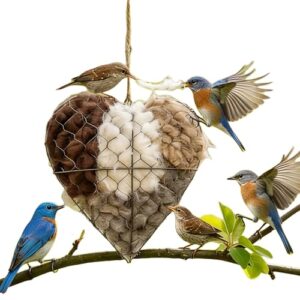
This heart-shaped nesting station is more than yard décor — it’s a working supply depot for wild birds. The wire frame holds natural alpaca fiber that chickadees, finches, and wrens tug free, beak by beak, to line their nests.
Alpaca fleece insulates well and dries fast, which helps eggs and chicks survive chilly spring nights. At about 7 inches wide, it hangs easily near your feeders. It also makes a genuinely useful gift for anyone who loves birds.
| Best For | Bird lovers and backyard gardeners who want to attract wild birds while adding a charming, functional piece to their outdoor space. |
|---|---|
| Primary Use | Bird Nesting |
| Target Birds | Cardinals, Finches, Hummingbirds |
| Outdoor Use | Yes |
| Brand | Unbranded |
| Material | Alpaca Fiber, Wire |
| Gift Suitable | Yes |
| Additional Features |
|
- Alpaca fiber is naturally insulating and dries quickly, helping keep eggs and chicks warm during cool spring nights
- Works as both a nesting station and a decorative garden piece, so you get function and style in one
- Easy to hang near feeders and makes a thoughtful, practical gift for anyone who loves birds
- At least one reviewer has questioned whether the fiber is actually alpaca or just polyester, so material quality is uncertain
- The actual product may look different from the photos, which can be a letdown when it arrives
- No clear information on how well it holds up in rain or harsh weather over time
4. Heath Berry Blast Suet Cakes
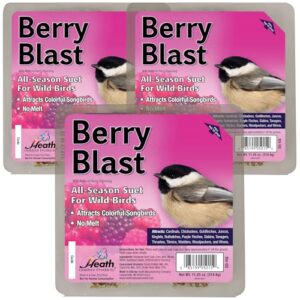
Suet is one of the easiest ways to bring real variety to your backyard flock. Heath’s Berry Blast Suet Cakes pack rendered beef suet, corn, sunflower seeds, and a fruity berry scent into a dense block that woodpeckers, cardinals, and finches can’t resist.
With 30% crude fat, it delivers serious cold-weather energy. The no-melt formula holds up to 122°F, so you can feed year-round without the mess. Each cake fits standard suet cages right out of the box.
| Best For | Backyard bird enthusiasts who want to attract a colorful variety of songbirds like woodpeckers, cardinals, and finches year-round without the hassle of messy suet. |
|---|---|
| Primary Use | Bird Feeding |
| Target Birds | Woodpeckers, Cardinals, Finches |
| Outdoor Use | Yes |
| Brand | Heath Outdoor Products |
| Material | Suet, Seeds |
| Gift Suitable | Yes |
| Additional Features |
|
- No-melt formula holds up to 122°F, so it works in summer heat without turning into a greasy mess
- Packed with corn, sunflower seeds, and a berry scent that pulls in a wide range of birds
- Made in the USA and fits standard suet cages right out of the box
- Only comes in a 3-pack, so frequent feeders will reorder often
- The berry scent may not attract birds in every region or climate
- Needs to be stored in a cool, dry place or it can degrade before use
5. Winemana Hummingbird Nesting Balls

Hummingbirds don’t just need food — they need a place to build their homes. The Winemana Hummingbird Nesting Balls give them exactly that.
Each set includes three 3.5-inch globe-shaped nests prefilled with natural rattan and soft fibers that female hummingbirds can pull through the weave when building. You hang them near feeders or flowers using the included 16.5-inch rope and hooks.
They’re reusable, weather-resistant, and honestly a thoughtful gift for any bird lover in your life.
| Best For | Bird lovers and garden enthusiasts who want to attract hummingbirds and give them a cozy spot to nest. |
|---|---|
| Primary Use | Bird Nesting |
| Target Birds | Hummingbirds |
| Outdoor Use | Yes |
| Brand | winemana |
| Material | Rattan, Polyester |
| Gift Suitable | Yes |
| Additional Features |
|
- Comes as a set of three, so you can hang them in different spots around your yard or garden
- Easy to set up — just attach the rope, hook, and you’re done
- Refillable design means you can keep using them season after season
- The polyester materials could be risky for birds, potentially causing overheating or entanglement
- They’re on the smaller side, and some users found them too small for actual hummingbird nesting
- Not the best choice for areas with heavy rain or harsh weather
6. Kaytee Wild Bird Seed Mix
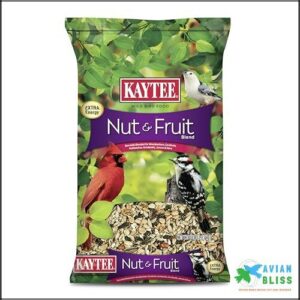
Once your nesting balls are up, you’ll want the right food to back them up. The Kaytee Wild Bird Seed Mix does that job well.
It combines black oil sunflower seeds, white millet, and red millet to feed a wide range of birds — cardinals, juncos, sparrows, mourning doves, and more. Each ingredient targets a different species.
The mix delivers at least 8% crude protein and 4% crude fat, so your backyard birds stay fueled through every season.
| Best For | Backyard bird enthusiasts who want to attract a wide variety of colorful songbirds like cardinals, woodpeckers, and nuthatches year-round. |
|---|---|
| Primary Use | Bird Feeding |
| Target Birds | Woodpeckers, Cardinals, Nuthatches |
| Outdoor Use | Yes |
| Brand | Kaytee |
| Material | Seeds, Nuts, Fruit |
| Gift Suitable | Yes |
| Additional Features |
|
- Packed with energy-rich ingredients like sunflower seeds, peanuts, raisins, and cherries — birds genuinely love it
- Blended by people who know birds, with 150 years of experience behind the formula
- Works for a huge range of species, so you’re not limiting who shows up to your feeder
- It goes fast — birds really do flock to it, so you’ll be refilling more than you might expect
- Ground feeders can turn into a chipmunk and rabbit buffet, not just a bird one
- Expect a little mess under the feeder over time
7. Kaytee Wild Bird Seed Treat Bell
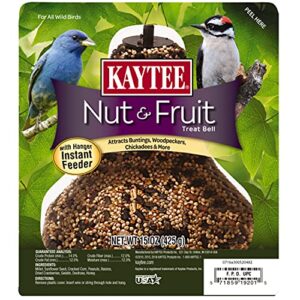
Want to take things up a notch from loose seed? The Kaytee Wild Bird Seed Treat Bell hangs ready to go — no feeder needed. It blends millet, sunflower seed, cracked corn, peanuts, raisins, and dried cranberries, all held together with real honey and gelatin.
That mix pulls in cardinals, chickadees, woodpeckers, and buntings. It delivers at least 14% crude protein and 12% crude fat, making it a solid energy source. Birds peck right at the bell, so waste stays low.
| Best For | Backyard birders who want a simple, no-fuss way to attract a variety of wild birds without dealing with a separate feeder setup. |
|---|---|
| Primary Use | Bird Feeding |
| Target Birds | Woodpeckers, Chickadees, Buntings |
| Outdoor Use | Yes |
| Brand | Unbranded |
| Material | Millet, Corn, Seeds, Honey |
| Gift Suitable | Yes |
| Additional Features |
|
- Ready to hang right out of the box — seriously, no feeder required
- The honey-and-fruit mix draws in a great mix of species, from woodpeckers to buntings
- Birds peck directly at the bell, so you’re not dealing with a mess of scattered seed on the ground
- It goes fast — some users say it’s gone in just a few days, which can feel pricey
- Shipping can be rough on it; a few buyers have received damaged bells
- Might not be worth it if your yard doesn’t already get much bird traffic
8. Birdream Retro Pagoda Bird Feeder
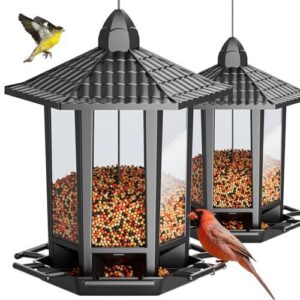
If loose seed isn’t your thing, the Birdream Retro Pagoda Bird Feeder brings both function and style to your yard. Its tiered pagoda design looks like a little lantern hanging from your tree — and it actually works.
The transparent panels let you see when seed runs low, and refilling takes seconds. At 8.2 x 9.8 inches, it holds enough seed to attract cardinals, goldfinches, and chickadees. Just note — squirrels won’t be kept out.
| Best For | Families, bird lovers, and anyone who wants to add a little charm to their yard without a complicated setup. |
|---|---|
| Primary Use | Bird Feeding |
| Target Birds | Cardinals, Goldfinches, Chickadees |
| Outdoor Use | Yes |
| Brand | Unbranded |
| Material | Plastic |
| Gift Suitable | Yes |
| Additional Features |
|
- The pagoda design actually looks good hanging in a tree — not like your typical plastic feeder
- Transparent panels make it easy to see when you’re running low on seed, no guessing
- Attracts a nice variety of birds like cardinals, goldfinches, and chickadees
- Squirrels will absolutely help themselves — no deterrent here
- Plastic construction can get brittle over time, especially in harsh weather
- The foot stands have been known to snap off, so keep some glue handy
9. Weewooday Finch Seed Sock Feeder
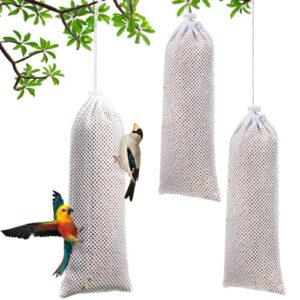
Unlike the Pagoda’s rigid panels, the Weewooday Finch Seed Sock Feeder is soft mesh — and goldfinches love it for exactly that reason. They cling right to the fabric and pull Nyjer seeds through without fighting over perch space.
Each sock runs about 11 inches long, and you get three in a pack. Fill them, hang them, and watch the action. Just make sure you’re using fresh seed — clumped Nyjer gets ignored fast.
| Best For | Backyard birders who want to attract goldfinches and don’t mind a little trial and error getting the setup right. |
|---|---|
| Primary Use | Bird Feeding |
| Target Birds | Goldfinches, Small Birds |
| Outdoor Use | Yes |
| Brand | Weewooday |
| Material | Polyester Mesh |
| Gift Suitable | Yes |
| Additional Features |
|
- You get three feeders in a pack, so you can spread them around the yard or replace one without ordering again.
- The soft mesh is easy for small birds to cling to, which is exactly what finches prefer over rigid perches.
- Super simple — fill it, hang it, done. No tools, no assembly.
- The mesh holes can run a bit large, so expect some seed to hit the ground before the birds get to it.
- Nyjer seed clumps if it gets damp, and finches will skip it entirely when that happens.
- Some users found their birds just weren’t interested — results can depend a lot on your local flock.
10. Wagner’s Wild Bird Food
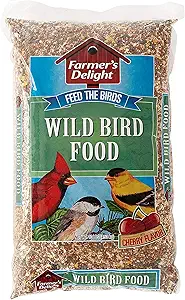
Wagner’s has been making wild bird food since 1894 — and that kind of track record means something.
Their Farmer’s Delight mix blends sunflower seed, millet, cracked corn, and milo into a budget-friendly option that still pulls in cardinals, finches, chickadees, and more. It works in hopper or tube feeders and promotes immune health year-round.
One heads-up: the cherry scent is noticeable, and squirrels won’t ignore it. But for everyday feeding, it’s a solid, no-fuss choice.
| Best For | Budget-conscious backyard birders who want to attract a wide variety of birds without spending a lot. |
|---|---|
| Primary Use | Bird Feeding |
| Target Birds | Variety of Backyard Birds |
| Outdoor Use | Yes |
| Brand | Wagner’s |
| Material | Sunflower, Millet, Corn, Milo |
| Gift Suitable | Yes |
| Additional Features |
|
- Great value for the price — you get a solid seed mix without breaking the bank
- Works in multiple feeder types, including hopper and tube feeders
- Attracts a wide range of birds, from finches to cardinals
- The cherry scent can be pretty strong — not everyone’s a fan
- Squirrels (and other critters) will likely come sniffing around
- The bag can rip easily, so handle it with care
Comparing Bird Feeder Types and Features
Not all bird feeders are built the same, and picking the right one makes a real difference in which birds show up at your yard.
From simple platform designs to feeders built for keeping squirrels out, each type has its own strengths. Here’s a closer look at what’s out there so you can find what works best for you.
Platform, Tube, and Hopper Feeders
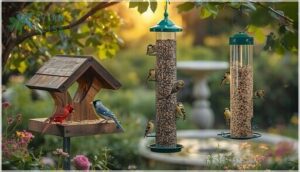
Your feeder choice shapes which birds show up. Platform feeders welcome cardinals and jays on their wide, open trays — great for bird attraction and easy feeder maintenance.
Tube feeders suit finches and chickadees with gravity-fed seed capacity. Hopper feeders hold 6–8 quarts of wild bird feed, drawing diverse species consistently.
Each feeder type uses different materials, so pick what fits your maintenance routine.
Squirrel-Proof and Caged Feeders
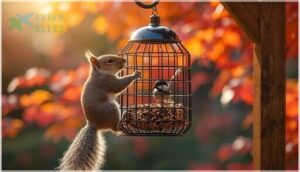
Squirrels are relentless, but squirrel proofing feeders has gotten smarter.
Weight activated mechanisms shut feeding ports the moment a squirrel lands, while cage designs use 1–1.5 inch openings that let chickadees through but block bigger intruders.
Chew resistant metal construction keeps squirrels from gnawing their way in. Add baffle installation on your pole, and you’ve got serious squirrel deterrents protecting your bird feeders all season.
Specialized Feeders for Hummingbirds and Orioles

Hummingbirds and orioles need their own setup — standard bird feeders just don’t cut it.
Hummingbird ports are small and flower-shaped, letting long bills reach nectar while keeping bees out. Bee guards and ant moats make your nectar feeder nearly insect-proof.
Oriole feeders use wider orange ports and jelly cups. Both use the same 4-to-1 sugar-water ratio.
Tips for Feeder Placement and Installation
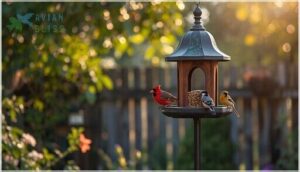
Where you put your feeder matters as much as what’s in it. For feeder height, aim for 5 to 6 feet off the ground.
For window safety and collision prevention, keep bird feeders within 3 feet of glass or beyond 30 feet — never in between. Pole installation with baffle adjustment stops squirrels cold. Smart feeder placement strategies make every visit count.
Bird Health and Nutrition Essentials

What you feed wild birds matters more than most people think. The right food can mean the difference between birds that thrive and birds that just survive.
Here’s what you need to know about keeping your backyard visitors healthy and well-fed.
Benefits of Black Oil Sunflower Seed
Black oil sunflower seed is one of the best choices for bird food you can put in your bird feeders. These small seeds pack serious sunflower benefits — about 40 to 50 percent oil — giving birds dense bird energy for cold nights and long flights.
They support feather growth and wild bird attraction across dozens of species, making your bird feeding supplies work harder with one simple bird seed.
Using Quality Seed Mixes for Diverse Species
One sunflower seed won’t feed every bird. That’s where mixed blends earn their place in your bird feeding supplies.
Quality seed variety — think sunflower seed, white millet, and safflower — covers different bill sizes and feeding styles. Good bird seed options skip filler grains that pile up uneaten. Match your mixed bird nutrition choices to feeder compatibility, and you’ll see noticeably more species visiting.
Seasonal Feeding Strategies for Wild Birds
Birds don’t eat the same way year-round — and your feeders shouldn’t either. Winter feeding tips point toward high-fat bird seed options like black oil sunflower to help small birds stay warm. Come fall, bird migration patterns mean stocking up matters most.
- Shift to calorie-dense seeds in cold months
- Add mealworms and protein mixes in spring
- Reposition bird feeders to shaded spots in summer
Supporting Feather Health and Energy Needs
Feather nutrition isn’t separate from bird energy — they’re the same conversation. Protein sources like mealworms rebuild keratin-rich plumage, while fat supplements keep small birds warm overnight. Vitamin balance rounds it out, supporting follicle health and strong regrowth.
| Nutrient | Best Sources | Key Benefit |
|---|---|---|
| Protein | Mealworms, sunflower hearts | Feather and muscle repair |
| Fat | Suet, peanuts | Long-lasting warmth and flight fuel |
| Vitamins | Seed mixes, supplements | Follicle health, plumage strength |
Your bird feeders do more than attract visitors — they support avian nutrition at the root level.
Cleaning and Maintaining Bird Supplies

Keeping your feeders and birdbaths clean is just as important as filling them up.
Dirty equipment can make birds sick fast, and nobody wants that on their conscience. Here’s what you need to know to stay on top of it.
Safe Cleaning Methods for Feeders and Baths
Keeping your bird feeding station clean doesn’t have to feel like a chore. Simple feeder maintenance goes a long way for bird safety.
- Wash bird feeders with warm soapy water every two weeks
- Use a 1:9 bleach disinfecting method for deep bath cleaning
- Rinse completely and air dry before refilling
Sanitizing solutions and proper bath cleaning protect every visitor.
Preventing Disease and Mold Growth
Mold and disease don’t need much of an invitation. A damp feeder or stagnant birdbath is all it takes.
For solid bird health and feeder maintenance, rake up spilled seed twice a week and keep water fresh every day or two.
Consistent feeder sanitation and water quality control are your sharpest tools for disease prevention and mold control year-round.
Best Practices for Regular Maintenance
Weekly feeder inspection keeps small problems from becoming big ones. Check for cracks, clogged ports, and worn hardware every few days.
Store seed in sealed, rodent-proof containers and rotate stock every two to three weeks. Stick to consistent refill schedules, log your cleaning dates, and adjust based on weather. That simple routine covers bird feeder maintenance without much effort.
Tips for Safe Handling and Hygiene
Three simple habits protect both you and your birds. Wash your hands for at least 20 seconds after any feeder sanitization or bird dropping removal task. Wear personal protection gear during cleaning.
These handwashing techniques and disinfection methods support bird health directly — because healthier feeding stations mean better wildlife conservation and more rewarding bird watching for everyone.
Frequently Asked Questions (FAQs)
How often should I clean bird feeders?
Clean seed feeders every two weeks for solid feeder maintenance and mold prevention. In hot or wet weather, bump that to weekly.
Hummingbird feeders need cleaning every one to two days in summer heat.
What bird seed attracts the most species?
Black oil sunflower seed attracts the most species of birds. Its thin shell and high fat content make it easy for cardinals, chickadees, finches, and dozens more to eat.
It’s the best choice for a single bird seed, as it offers a convenient and nutritious option.
Can bird feeders spread diseases among birds?
Yes, bird feeders can spread diseases among birds. Shared perches and contaminated seed pass germs like Salmonella and mycoplasmal conjunctivitis between visitors. Regular cleaning is your best defense.
When is the best time to feed birds?
Your morning routine sets the tone for daily feeding. Fill feeders around sunrise to match birds’ peak hunger.
In cold or stormy weather, your feeding schedules and seasonal needs matter most for successful backyard birding.
Do birds become dependent on feeders for survival?
Birds don’t truly depend on feeders. Natural foraging stays their primary survival skill.
Feeders support winter survival, but behavioral flexibility keeps them wild. Responsible bird feeding strategies simply supplement, never replace, their instinct to forage freely.
How do I attract specific bird species locally?
Start with Local Species Research. Match your feeders and food to what lives nearby.
Native Plant Selection and Bird Friendly Habitat do the heavy lifting — the right plants pull in Regional Bird Diversity naturally.
What bird supplies work best in winter?
In winter, hopper and tube feeders keep Bird Food dry through snow.
Stock Cold Weather Foods like suet and sunflower seed.
Add heated baths for Frosty Watering, and use Wild Bird Supplies built for freezing temps.
Can bird feeders harm surrounding plants or gardens?
Yes, they can. Seed hull toxicity from sunflower shells releases chemicals that cause plant damage and soil pollution beneath feeders.
Switching to hulled blends helps protect your garden while still supporting wildlife attraction.
How do I keep ants away from feeders?
Use ant moats — small water barriers that hang above your feeder. Keep them filled, and ants can’t cross. It’s one of the simplest backyard birding tips that actually works.
Are there bird supplies safe for apartment balconies?
Absolutely — apartment birding is possible.
Window suction-cup feeders and compact tube feeders work well for balcony feeder safety.
No-waste foods cut mess.
Small space solutions make urban wildlife watching easy without breaking lease rules.
Conclusion
You don’t need a big yard or expensive gear to make a real difference for wild birds. The right bird supplies for wild birds—matched to what species actually eat and where they naturally feed—does most of the work for you.
Start simple. Add one good feeder, one quality seed, one water source. Birds don’t need flawlessness; they need consistency. Show up for them, and they’ll show up for you.
- https://westchester.wbu.com/bird-baths
- https://duncraft.com/blogs/birding-tips/keep-your-feathered-friends-safe-bird-feeding-hygiene-made-simple
- https://www.aosom.com/blog-how-to-clean-a-bird-feeder-a-complete-step-by-step-guide.html
- https://wordpress.org/plugins/gdpr-cookie-compliance/
- https://www.kingsyard.com/blog/9-types-of-bird-feeders-you-should-know/