This site is supported by our readers. We may earn a commission, at no cost to you, if you purchase through links.
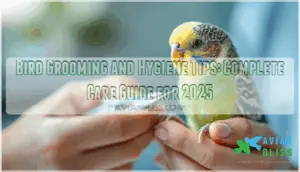 A clipped wing feather can regrow in months, but a poorly trimmed nail can cause permanent damage to a bird’s foot within seconds. Bird grooming and hygiene tips aren’t just about aesthetics—they’re fundamental to preventing physical injury, reducing stress, and maintaining the delicate balance of your bird’s natural defense systems.
Many owners unknowingly use tools designed for mammals, apply excessive restraint during procedures, or overlook early signs of distress that escalate into behavioral problems. The difference between safe grooming and inadvertent harm often comes down to understanding species-specific anatomy, recognizing stress signals before they intensify, and establishing routines that work with your bird’s instincts rather than against them.
Table Of Contents
Key Takeaways
- Improper nail trimming can cause permanent foot damage instantly, making species-specific tools and understanding avian anatomy more critical than aesthetic concerns like feather appearance.
- Bathing frequency and method must match your bird’s size and powder-down production—dusty species like cockatoos need three to four weekly sessions while budgies thrive with two to three.
- Feather abnormalities like yellowing in white cockatiels or clubbed pin feathers signal systemic disease requiring immediate veterinary assessment, not just cosmetic issues.
- Daily removal of droppings and food waste prevents bacterial breeding grounds that compromise immunity, while weekly disinfection of perches and toys controls parasite transmission between grooming sessions.
Essential Bird Grooming Tools and Setup
Proper grooming starts with having the right tools and environment in place. You’ll need specific equipment designed for avian anatomy, along with a setup that minimizes stress and maintains cleanliness.
Below, you’ll find the essential components that form the foundation of effective bird care.
Choosing Safe Grooming Tools
When you’re selecting grooming tools for your bird, the first rule is simple: if it wasn’t designed specifically for avian use, it doesn’t belong near your feathered companion. Material toxicity poses significant risks, as birds are highly sensitive to metals like zinc and lead.
You must verify that nail clippers, scissors, and perches feature stainless steel construction and ergonomic design appropriate for your bird’s size, assuring secure use during grooming sessions while minimizing stress-related complications.
Creating a Stress-Free Grooming Space
The right tools mean nothing if your bird associates the grooming area with fear, so establishing a calm environment before you ever pick up a clipper determines whether the experience becomes routine care or a prolonged battle that compromises both safety and trust.
Choose a quiet grooming zone away from household disruptions, making sure comfortable perches support your bird’s natural stance.
Employ careful interaction techniques paired with positive reinforcement, introducing grooming instruments gradually to promote stress reduction and foster a safe environment that prioritizes bird comfort throughout each session.
Hygiene and Organization Tips
A cluttered grooming station with dirty tools doesn’t just look unprofessional—it introduces pathogens that undermine every precaution you’ve taken to build trust. Maintaining sterilized equipment and an organized workspace protects your bird from bacterial exposure while streamlining each session into a predictable routine.
Implement these protocols to maintain avian hygiene standards:
- Tool Sanitization: Disinfect clippers, scissors, and perches between sessions to prevent cross-contamination.
- Product Storage: Keep bathing supplies and grooming implements in sealed containers away from cage cleaning chemicals.
- Waste Disposal: Remove discarded feathers, nail trimmings, and debris immediately to maintain your clean living space.
- Schedule Adherence: Document grooming dates to establish consistency your bird recognizes and tolerates.
Bathing Your Bird: Methods and Frequency
Bathing helps maintain feather health and overall cleanliness, but different birds have different preferences and needs with respect to getting wet. The method you choose—whether it’s a shallow dish, a gentle mist, or something else—should match your bird’s size, species, and comfort level.
Here’s how to approach bathing for various types of birds and special situations.
How to Introduce Bathing to Birds
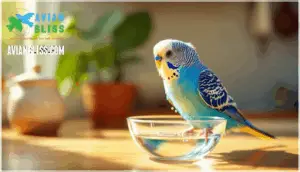
If you’ve ever watched a bird eye a bowl of water with equal parts curiosity and suspicion, you already know that introducing bathing isn’t always as simple as setting out a dish and walking away.
Start with a gradual introduction: place a shallow dish near your bird’s favorite perch, allowing observation without pressure. Use positive reinforcement when your bird shows interest, offering treats during initial bath setup.
For birds hesitant about direct water contact, gentle misting provides a safe bathing alternative that mimics natural rainfall, helping ease bathing fears while establishing healthy bathing frequency.
Bathing Budgies and Small Birds
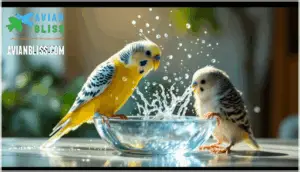
Budgies and other small birds thrive with shallow water depths between one-quarter and one-half inch, which allows them to splash without risking submersion or panic. Maintain water temperature around room temperature (70–75°F) to prevent thermal shock, which can stress delicate respiratory systems.
Bathing frequency varies by individual preference, though most budgies benefit from:
- Two to three bathing sessions weekly during warmer months
- Gentle misting with lukewarm water for hesitant bathers
- Morning bathing to help complete feather drying before nighttime temperature drops
- Chemical-free dishes as safe products—avoid soaps or additives that compromise feather integrity
These bathing methods support natural preening behaviors while reinforcing bird bathing importance for skin and plumage health.
Bathing Medium, Large, and Dusty Birds
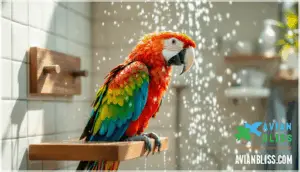
Medium and large parrots, including African greys, cockatoos, and macaws, require deeper water sources—usually one to two inches—to accommodate their size and vigorous bathing instincts. Powder-down species like cockatoos and African greys benefit from more frequent sessions to control the fine dust their specialized feathers naturally produce.
You should offer bathing methods three to four times weekly for dusty birds, maintaining water temperature at 75–80°F to support the drying process. Thorough air-drying in warm environments prevents respiratory complications, though feather conditioners remain unnecessary when natural preening follows proper bathing frequency, preserving feather and skin health through species differences in self-maintenance behaviors.
Bathing Sick, Scared, or Injured Birds

When compromised immunity or injuries affect your bird’s health, you must consult an avian veterinarian before attempting any bathing procedures. Sick birds require draft-free environments at 85–90°F, with gentle wipe-downs using vet-approved antibacterial solutions instead of full immersion.
Scared birds benefit from acclimation techniques—placing shallow dishes nearby and using positive reinforcement during brief sessions. Wound cleaning demands sterile products like diluted chlorhexidine, while intensive care cases need veterinarian supervision to prevent disease transmission and guarantee safe practices throughout recovery.
Bathing is important for birds as it helps maintain healthy feathers.
Preening and Feather Care Tips
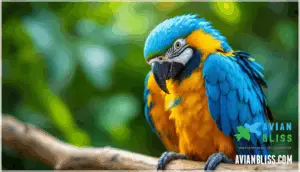
Feathers aren’t just for show—they’re the foundation of your bird’s health, insulation, and ability to fly. When preening goes wrong or feather problems develop, your bird’s quality of life suffers, making early recognition and intervention essential.
The following sections will help you support natural preening behaviors, spot warning signs of feather disease, and take action when damage occurs.
Encouraging Healthy Preening
Think of preening as your bird’s personal spa routine—when you support this natural behavior with the right environmental conditions, you’re helping maintain not just beautiful plumage, but also your bird’s physical and psychological well-being.
You can encourage healthy preening by providing:
- Adequate humidity levels (40-60%) to prevent dry feather structure and support oil gland function
- Regular bathing opportunities that stimulate natural preening techniques and feather maintenance
- Safe perches of varying textures that aid avian grooming and allow for effective preening mimicry
Social preening among cage mates further reinforces pet bird wellbeing through this essential bird hygiene behavior.
Recognizing Feather Health Issues
Feather health serves as a vital indicator of a bird’s overall well-being, often revealing systemic issues before other symptoms become apparent. Abnormal feather molting, characterized by saw-toothed edges, translucency, or stunted growth, can signal nutritional deficiencies or liver disorders. Notably, yellowing in white-feathered cockatiels is a specific indicator of hepatic disease. When assessing avian health, it is crucial to differentiate between behavioral and medical causes. For instance, the psittacine circovirus can cause feather abnormalities and beak deformities.
| Indicator | Potential Concern |
|---|---|
| Head/neck feather loss | BFDV detection methods needed; infection prevalence 16.3% globally |
| Clubbed pin feathers | Early beak and feather disease (22.5% prevalence in young birds) |
| Oval lumps under skin | Feather cyst identification important, especially in macaws |
| Seasonal feather damage | Feather mite prevalence peaks at 74% in May |
| Retained abnormal plumage | Ongoing systemic problems requiring veterinary assessment |
Compromised feather maintenance, where damaged feathers remain creased instead of resilient, necessitates immediate attention to restore proper avian grooming and overall bird health.
Preventing and Addressing Feather Damage
Damaged plumage doesn’t simply repair itself through wishful thinking; you must create conditions that allow your bird’s natural maintenance systems to function at their best while eliminating the environmental stressors causing deterioration. Addressing feather damage requires systematic intervention targeting diet impact, parasite prevention, and injury repair to restore peak avian health.
- Eliminate Feather Plucking triggers by identifying underlying causes, including molting issues, nutritional deficiencies affecting preening quality, or environmental stressors compromising feather health.
- Implement parasite prevention protocols through regular veterinary screening and appropriate treatment to prevent mite-related feather damage during seasonal peaks.
- Improve grooming conditions by providing adequate humidity, proper perching surfaces, and species-appropriate bathing opportunities that support natural feather maintenance and bird health.
Safe Nail, Beak, and Wing Maintenance

Your bird’s nails, beak, and wings require careful attention to prevent overgrowth and maintain their overall health and safety.
These maintenance tasks demand a thorough understanding of proper techniques, as mistakes can lead to pain, bleeding, or long-term complications.
The following sections outline evidence-based approaches to each aspect of this critical care routine.
Nail Trimming Techniques and Safety
Trimming your bird’s nails might feel like threading a needle while riding a roller coaster, but with proper technique and the right tools, you can master this essential skill while keeping both you and your feathered companion safe and stress-free.
Use sterilized, bird-specific clippers and identify the quick—the blood vessel visible in light-colored nails—to avoid bleeding. Trim only the sharp tip at a 45-degree angle, maintaining appropriate trimming frequency based on overgrowth prevention needs.
Keep styptic powder nearby for immediate bleeding control during nail care sessions.
Beak Care Monitoring and Trimming
Just as nail care prevents complications, monitoring beak condition protects your bird’s ability to eat and preen effectively. Healthy beaks self-maintain through natural wear, but overgrowth causes—including nutritional deficiencies, trauma, and developmental abnormalities—require veterinary intervention.
Watch for these warning signs of beak deformities:
- Crossing or warping that interferes with seed cracking
- Visible gaps between upper and lower mandibles
- Rapid overgrowth exceeding normal wear patterns
Schedule veterinary exams every 6–12 months for growth monitoring. Never attempt to trim their beaks at home—professionals use motorized Dremel tools or emery boards depending on species size, minimizing welfare concerns like bleeding or nerve damage during bird beak trimming procedures.
Wing Clipping Considerations
While beak monitoring focuses on oral function, wing clipping decisions affect your bird’s mobility, safety, and psychological well-being in ways that require careful evaluation of your household environment and species-specific flight needs. Consult your avian veterinarian before trimming, as improper bird wing trimming causes injury, bleeding, and permanent flight restriction.
| Factor | Clipping Approach | Clipping Alternatives |
|---|---|---|
| Bird Safety | Prevents window collisions, escape risks | Secured flight rooms, supervised exercise |
| Ethical Concerns | Removes natural behavior, increases falls | Maintains species-appropriate mobility patterns |
| Regrowth Impact | Molt cycles restore flight within 6–12 months | No physiological disruption required |
Integrating them into your decision-making process helps you prioritize both physical bird safety and psychological health when evaluating whether to trim their birds’ wings.
Maintaining a Clean Living Environment
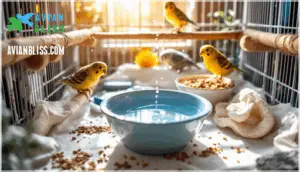
A clean habitat isn’t just about aesthetics—it’s your first line of defense against illness and infection. Daily maintenance prevents pathogens from multiplying, while strategic cleaning targets high-risk zones where bacteria and parasites thrive.
Here’s what you need to focus on to keep your bird’s environment safe and sanitary.
Daily Cage Cleaning Routines
Your bird’s cage isn’t just a home—it’s a breeding ground for bacteria, fungi, and parasites unless you maintain a consistent daily cleaning routine that covers the most critical contamination zones.
Remove all uneaten food, droppings, and discarded debris from perches, grate trays, and cage floors each morning to prevent bacterial buildup.
Disinfecting surfaces and rotating toy sanitation into your grooming routine guarantees your pet bird care standards support long-term health, not compromise it.
Bird Bath Water Quality and Hygiene
Stagnant water transforms even the cleanest bird bath into a vector for avian disease within 24 to 48 hours, making daily water replacement a non-negotiable standard for responsible bird care.
Summer months increase waterborne diseases and algae control challenges, requiring increased vigilance with water quality concerns.
Choose bath materials that resist bacterial buildup—stainless steel or ceramic over porous surfaces. Use chlorinated water or bottled water only if your municipal supply contains harmful additives, and avoid scented cleaning solutions that compromise respiratory health.
Preventing Bacterial and Parasite Buildup
Because bacterial and parasite contamination thrives in neglected environments, establishing rigorous cage sanitation protocols protects your bird from mites, lice, and systemic infections. Daily removal of feces, uneaten food, and soiled bedding is the cornerstone of preventing bacterial buildup and parasite control.
- Replace food and water dishes daily to maintain water hygiene and food safety
- Disinfect perches and toys weekly using avian-safe solutions
- Schedule regular health checkups to detect parasites before clinical signs appear
- Consider probiotics use to support gastrointestinal flora and immune resilience
Recognizing Stress and Promoting Wellbeing
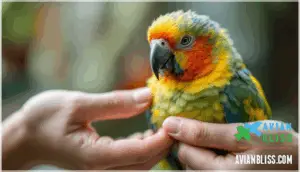
Grooming sessions can become a source of anxiety if your bird’s comfort isn’t prioritized, yet stress signals are often subtle and easy to overlook. Understanding what causes distress and how to counteract it transforms routine care from a potential ordeal into an opportunity for trust-building.
The following factors play significant roles in maintaining both physical health and psychological stability throughout your bird’s life.
Signs of Stress During Grooming
Avian care experts know that vocalization changes—louder screeches, unusual silence, or rapid alarm calls—often signal distress before you notice physical symptoms.
Watch for body language like pinned eyes, raised feathers, rapid breathing or panting signs, and attempts to flee during bird grooming sessions.
Avoidance behaviors, feather plucking, and aggressive lunging all indicate your pet bird’s stress threshold has been crossed, requiring immediate adjustment to your interaction technique.
Creating a Positive Grooming Experience
When you’ve mastered reading stress signals, the next step is transforming grooming from a battle into something your bird actually tolerates—or even enjoys.
- Build Trust through gradual exposure: introduce grooming tools during calm moments outside your grooming routine, allowing your bird to investigate them in a safe grooming area before actual use, which helps reduce anxiety considerably.
- Practice Careful Interaction with positive reinforcement: reward cooperative behavior immediately with preferred treats, transforming bird grooming into an activity your bird associates with pleasant outcomes rather than stress.
- End Positively every session: conclude before your bird becomes overwhelmed, making sure each grooming experience finishes on a calm note that strengthens your bond for future grooming tips application.
Diet, Exercise, and Social Interaction for Health
Think of grooming as just the appetizer—what happens between sessions determines whether your bird truly thrives or merely survives.
A Balanced Bird Diet meeting nutritional needs, paired with Exercise Importance through foraging behavior and toys, reduces stress considerably.
Social Enrichment and Mental Stimulation through interactive play address bird behavior needs, transforming your companion from simply cared-for to genuinely flourishing.
Frequently Asked Questions (FAQs)
What diseases spread through improper bird hygiene?
Dirty cages can literally become breeding grounds for disaster, harboring fungal infections, bacterial diseases, and parasitic infestations that threaten pet bird health.
Bird owners must prioritize hygiene prevention to minimize zoonotic risks from parasites and mites, consulting an avian vet when concerns arise.
How often should perches be disinfected?
Disinfecting perches weekly with safe, bird-appropriate products prevents bacterial and parasite buildup that compromises pet bird health. Natural wood perches require more frequent attention than synthetic materials, as porous surfaces harbor pathogens.
Integrating this task into your grooming routine maintains a clean living space.
Can birds share grooming tools safely?
Tool cross-contamination poses significant health risks, particularly when birds harbor species-specific pathogens or parasites.
You shouldn’t share grooming tools between birds without thorough disinfection methods using veterinarian-recommended solutions, as individual bird health status directly impacts transmission potential during bathing and pet care routines.
What are signs of mites or lice?
Parasites like mites and lice cause intense itching, leading to excessive scratching, feather plucking, or restlessness. You’ll notice feather damage, skin irritation, or tiny moving specks during examination.
Prompt veterinary diagnosis guarantees effective treatment and prevents complications.
How to sanitize food and water dishes?
You’ll want to wash food and water dishes daily using hot water and dish soap that’s safe for birds, guaranteeing thorough biofilm removal. Material matters—stainless steel resists bacteria better than plastic.
For sanitizing frequency, disinfect weekly with diluted bleach or avian-safe disinfectants, rinsing completely before refilling.
Conclusion
A single grooming mishap can unravel months of trust-building faster than any behavioral protocol can repair it. Bird grooming and hygiene tips aren’t optional protocols—they’re the foundation of physical safety and psychological stability.
Master the anatomy-specific techniques, read stress signals before they escalate, and build routines that align with your bird’s natural rhythms. When grooming becomes predictable rather than traumatic, you’re not just maintaining feathers and nails—you’re preserving the trust that makes every other aspect of care possible.
- https://www.sciencedirect.com/science/article/am/pii/S0003347223001082
- https://phthiraptera.myspecies.info/sites/phthiraptera.info/files/96616.pdf
- https://pmc.ncbi.nlm.nih.gov/articles/PMC10090598/
- https://academic.oup.com/jue/article/2/1/juw005/2624138
- https://homeygnomevet.com/a-guide-to-sanitation-and-disinfection-for-avian-species/