This site is supported by our readers. We may earn a commission, at no cost to you, if you purchase through links.
 Your bird’s beak isn’t just a tool for cracking seeds—it’s a living structure that regenerates continuously throughout life, much like your fingernails. When the keratin layers grow properly, the beak maintains its ideal shape through natural wear, but nutritional deficiencies, lack of appropriate surfaces for self-maintenance, or underlying disease can disrupt this delicate balance.
Understanding the fundamentals of healthy beak development enables you to recognize early warning signs, provide the right dietary building blocks, and create an environment that facilitates natural beak conditioning, ultimately preventing painful overgrowth or deformities that compromise your bird’s ability to eat, preen, and thrive.
Table Of Contents
Key Takeaways
- A bird’s beak is a living structure made of keratin that regenerates continuously, requiring proper nutrition (especially vitamin A, calcium, phosphorus, and specific amino acids) and appropriate surfaces for natural wear to maintain its ideal shape and prevent painful overgrowth or deformities.
- Daily observation of your bird’s beak for smoothness, symmetry, proper alignment, and species-appropriate color helps catch early warning signs of nutritional deficiencies or disease, which often show up in beak texture and structure before other symptoms appear.
- Environmental enrichment through safe chew toys, natural wood perches, and foraging activities promotes healthy beak conditioning by encouraging natural wear patterns, eliminating the need for manual trimming in most healthy birds.
- Routine wellness exams with an avian veterinarian at least once or twice yearly enable early detection of beak disorders, while proactive disease prevention strategies—including quarantine protocols for new birds and regular biosecurity measures—protect against infectious diseases like beak and feather disease virus.
Signs of a Healthy Bird Beak
Before you can support your bird’s beak health, you need to know what normal looks like. A healthy beak isn’t just about appearance—it’s a window into your bird’s overall well-being.
Let’s look at the key signs that tell you your feathered friend’s beak is in great shape.
Smoothness, Symmetry, and Alignment
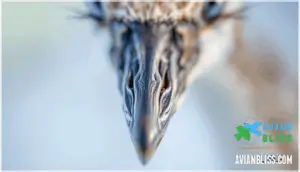
When you look at your bird’s beak, you’re checking for three key features that tell you everything’s working as nature intended: a smooth surface free of cracks or chips, even symmetry from side to side, and proper alignment where the upper and lower mandibles meet like a well-fitted puzzle.
Here’s what each feature reveals about your bird’s beak health:
- Beak smoothness factors indicate proper nutrition and keratin production
- Beak symmetry importance guarantees effective eating and preening abilities
- Developmental alignment prevents future feeding complications
- Texture irregularities may signal underlying beak abnormalities and causes requiring attention
Think of alignment issues as red flags—when the upper and lower beaks don’t match up correctly, your bird can’t grasp food properly, which affects everything from nutrition to overall wellness. Signs of a healthy beak mean you’re doing something right, while beak abnormalities warrant a closer look at diet, environment, and possible disease.
Bird beak health isn’t complicated, but catching problems early makes all the difference.
Normal Beak Color and Texture
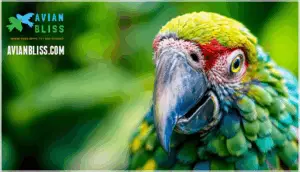
A healthy beak’s color should match what’s typical for your bird’s species—whether that’s jet black, pale ivory, or something in between—and the surface texture shouldn’t show any flaking, unusual rough patches, or discolored spots that might hint at nutritional gaps or early disease.
You’ll notice a healthy beak sheen that looks almost polished, plus normal beak growth without peeling layers. Beak texture changes or unexpected beak pigment variations deserve attention, since they often reveal beak condition issues before other signs of a healthy beak disappear.
Species-Specific Beak Shape and Size

Each species comes with its own blueprint—parrots sport curved, powerful beaks built for cracking tough shells, while finches carry delicate, cone-shaped ones designed for seed-husking—so knowing what’s normal for your bird helps you spot trouble before it starts.
Understanding beak morphology and evolutionary adaptations tied to each avian species’ dietary niche keeps you alert to subtle changes:
- Beak structure and function vary widely across bird species based on feeding habits
- Genetic variation influences individual differences within the same species
- Beak dimorphism between males and females occurs in certain species
- Normal avian anatomy includes proportional beak size relative to head and body
Watch for deviations from your bird’s typical beak structure—oversized growth, asymmetry, or unusual curves signal potential problems.
Nutrition for Optimal Beak Development
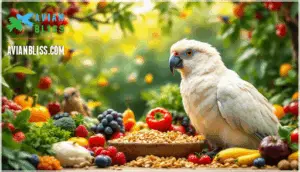
Your bird’s beak health starts from the inside out, and proper nutrition forms the foundation for strong, resilient beak tissue. The right balance of nutrients doesn’t just support growth—it prevents common problems before they begin.
Proper nutrition builds strong beaks from within, preventing problems before they start
Let’s look at the key nutritional elements that keep your bird’s beak in top condition.
Essential Nutrients for Beak Health
Your bird’s beak depends on five key nutrients working together like a well-tuned orchestra. Vitamin A keeps beak surfaces smooth and prevents cracking, while balanced calcium and phosphorus build structural integrity. Protein sources deliver amino acids—especially glycine, tyrosine, and serine—that form resilient keratin. Healthy fats maintain natural gloss and elasticity, and trace mineral supplements like zinc sustain ongoing keratin formation. Nutritional deficiencies quickly show up as rough, overgrown, or brittle beaks, making a balanced diet non-negotiable for beak health. A healthy beak is indicative of good parrot care tips and overall well-being.
| Nutrient | Role in Beak Health |
|---|---|
| Vitamin A | Maintains epithelial tissues, prevents flaking |
| Calcium + Phosphorus | Strengthens beak structure and mineralization |
| Amino Acids | Build hard keratin proteins for resilience |
Importance of Fresh Fruits and Vegetables
Fresh fruits and vegetables don’t just add color to your bird’s diet—they deliver living enzymes, antioxidants, and phytonutrients that no pellet can fully replicate. Colorful diets supply vitamin-rich nutrition that prevents nutritional deficiencies and bolsters healthy bird diet fundamentals.
Rotate these fresh vegetables and healthy snacks daily:
- Dark leafy greens (kale, dandelion) for calcium and vitamin A
- Orange vegetables (carrots, squash) that boost immune function
- Berries packed with antioxidants for cellular protection
- Bell peppers delivering vitamin C for tissue repair
Pair fresh food benefits with premium pelleted food for ideal nutrient balance in your bird nutrition plan.
Recommended Diets for Birds and Chickens
Think of your bird’s dietary needs as a custom blueprint—what works for a macaw won’t necessarily fuel a finch, and backyard chickens operate on an entirely different nutritional playbook.
Here’s how diets impact birds across species:
| Bird Type | Recommended Diet Foundation |
|---|---|
| Parrots & Macaws | Premium pelleted food (70%) + fresh vegetables, leafy greens, limited seed diets |
| Finches & Canaries | Quality seed mix + fresh produce + calcium supplements |
| Chickens | Layer feed with balanced nutrition + scratch grains + greens |
Pellet foods provide consistent bird nutrition, while fresh vegetables deliver enzymes that keep beaks strong and trim.
Role of Supplements and Omega-3 Fatty Acids
Supplementation isn’t about replacing a solid diet—it’s about filling the nutritional gaps that even the best pellets and produce can’t always cover. Omega-3 supplements support beak health by reducing inflammation and promoting keratin strength, while vitamin D aids calcium absorption for structural integrity.
You’ll find fatty acid sources in fish oils or flaxseed, but consult your avian vet before adding supplements—overdosing can harm your bird.
At-Home Beak Care Tips

Keeping your bird’s beak healthy at home doesn’t require special training, but it does take some intentional setup and daily awareness. You can support natural beak wear and grooming through simple environmental enrichments that encourage your bird’s instincts.
Here are three practical ways to maintain beak health between veterinary visits.
Safe Chew Toys and Foraging Activities
One of your best investments in beak health doesn’t cost much at all—it’s simply giving your bird the right items to chew, shred, and explore throughout the day. Safe chew toys made from untreated wood, natural rope, or paper encourage healthy beak trimming while satisfying your parrot’s instincts.
You can also hide treats in foraging materials like woven palm leaves or cardboard boxes, which keeps your bird mentally engaged and naturally wears down the beak through exploration.
Conditioning Perches and Natural Wear
While chew toys tackle mental stimulation, the perches your bird stands on every day quietly shape beak health through constant, gentle contact.
Conditioning perches made from natural wood or cement create gentle abrasion that maintains healthy beak shape without causing damage. You’ll notice natural wear patterns develop as your bird grips and climbs, encouraging proper beak conditioning through everyday movement—no trimming required for most species.
Regular Observation and Hygiene Practices
Your bird’s beak won’t send you a text message when something’s wrong, so daily observation becomes your most valuable diagnostic tool. Watch for changes in color, texture, or alignment during regular bird observation—these are signs of unhealthy beak conditions.
Include beak inspection in your hygiene routines by gently checking for cracks or overgrowth during care. Maintaining bird beak health means spotting problems early, when they’re easiest to address through proper beak care and observation tips.
Identifying and Addressing Beak Problems
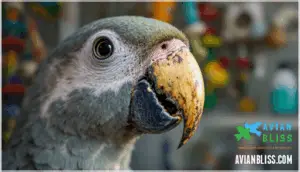
Your bird’s beak can tell you a lot about their overall health, and catching problems early makes all the difference. Sometimes what looks like a minor cosmetic issue signals a deeper nutritional deficiency or developing disease.
Here’s what to watch for and when it’s time to call your avian vet.
Common Beak Abnormalities and Causes
Beak problems can stem from infections, poor diet, environmental toxins, or injury. Understanding what you’re seeing helps you act quickly:
- Overgrown beak or scissor beak – Often tied to improper wear, vitamin A deficiency, or genetic factors affecting keratin growth
- Viral infections – Avian keratin disorder from Poecivirus and beak and feather disease virus cause misshapen, brittle beaks in affected populations
- Beak deformities from malnutrition – Calcium or protein shortfalls weaken structure, while seed-only diets create imbalances
- Environmental exposures – Pesticides and pollutants may contribute to keratin disorders, though research continues
Catching these beak abnormalities early improves outcomes markedly. A balanced beak health diet is vital for preventing beak problems.
Signs of Malnutrition or Disease
When malnutrition or disease takes grip, your bird’s beak often sends the first warning signals before other symptoms appear. Look for flaking, discoloration, or soft spots—these disease indicators point to vitamin deficiencies or liver disease.
Nutritional imbalances show up as brittle texture or abnormal growth patterns, while beak deformities from nutrient deficiencies worsen without dietary changes.
Recognizing these malnutrition symptoms early prevents serious health complications down the road.
When to Seek Avian Veterinary Care
If you spot any of these warning signs—flaking, discoloration, overgrowth, bleeding, or difficulty eating—don’t wait to schedule an appointment with an avian veterinarian. Sudden beak changes or behavioral changes like avoiding food demand immediate attention. Your vet will conduct an avian health assessment to pinpoint the cause and provide treatment. Identifying beak problems early prevents painful complications and maintains your bird’s quality of life.
Consider avian veterinary care urgent when you notice:
- Bleeding or cracked beak that won’t stop
- Overgrown beak issues affecting alignment
- Eating difficulties causing weight loss
- Breathing problems or discharge
Preventing Beak Disorders and Disease
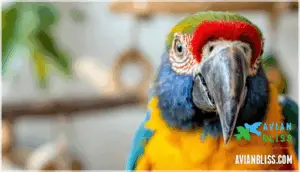
The best defense against beak disorders is prevention, and that starts with a proactive approach to your bird’s overall health. Regular veterinary care, smart disease prevention practices, and understanding genetic risks can help you catch potential problems before they become serious.
Let’s look at three key strategies that will keep your bird’s beak in top condition for years to come.
Routine Wellness Exams for Birds
Just like you schedule annual check-ups with your doctor, your feathered companion needs consistent wellness visits with an avian veterinarian to catch potential beak issues before they become serious problems. Exam frequency matters—most birds benefit from wellness exams at least once or twice yearly, depending on age and species.
During these avian health assessments, your avian veterinarian performs a thorough physical exam, checking beak alignment, texture, and growth patterns. This preventative care approach aids early detection of nutritional deficiencies or disease, making health monitoring an essential part of responsible bird ownership.
Disease Prevention Strategies
Protecting your bird from infectious diseases like beak and feather disease virus (BFDV) requires a proactive approach that combines biosecurity measures, proper hygiene, and strategic health monitoring. Quarantine measures are critical when introducing new birds—isolate newcomers for at least 30 days and have your avian veterinarian test for BFDV prevalence before integration.
Maintain strict hygiene protocols by disinfecting cages, perches, and food bowls regularly, since proper bird nutrition alone won’t protect against avian diseases.
Early detection through routine blood testing helps identify infections before clinical signs appear, especially in young birds with genetic predisposition to certain conditions.
Genetic Factors and Early Intervention
Understanding avian genetics can help you catch developmental issues before they become permanent problems. Approximately 12% of beak deformities in captive birds stem from genetic factors and incubation temperature abnormalities, making early detection vital. If you notice mild beak curvature in hatchlings, consider these early correction strategies:
- Apply gentle outward pressure for 10 minutes, repeated 6–8 times daily during the first few days post-hatch
- Monitor closely for crossed mandibles or alignment issues that signal genetic predisposition
- Consult your avian veterinarian about genetic testing options if deformities persist
Early intervention works best within days of hatching, when cartilage remains malleable and responsive to manual correction techniques that can prevent lifelong beak problems.
Frequently Asked Questions (FAQs)
How often should I check my birds beak at home?
You’ll want to peek at your bird’s beak daily during feeding time—it’s like checking the oil while filling up gas.
Spotting beak problems early, from cracks to overgrowth, means faster intervention and healthier outcomes for your feathered friend.
Can temperature affect chick beak development during incubation?
Yes, temperature plays a critical role. Research shows that abnormal incubation temperatures contribute to roughly 12% of beak deformities in captive cockatoos and macaws, affecting embryo growth and beak formation during chick development.
What toys help prevent overgrown beaks in parrots?
Chew toys made from natural wood, rope, and palm materials work best for keeping your parrot’s beak trimmed naturally.
Rotating foraging toys that hide treats inside wooden blocks encourages chewing, which promotes healthy wear and prevents overgrowth without manual beak trimming.
How does cage bar spacing impact beak health?
Proper bar spacing is, plain and simple, the cornerstone of preventing beak injury and trapped heads in parrots. Wire thickness and cage design directly influence bird conduct—narrow gaps can cause your parrot’s beak to snag or receive damage during climbing, while wider spacing poses entrapment risks that compromise healthy beak care and overall safety.
Conclusion
Proper practice of healthy beak development tips protects your bird from painful problems that compromise quality of life. By providing calcium-rich foods, appropriate conditioning surfaces, and vigilant monitoring, you create conditions where keratin grows at the right rate and wears naturally.
Your attention to nutrition, environmental enrichment, and early intervention transforms beak care from reactive crisis management into proactive wellness maintenance—guaranteeing your feathered companion can eat, preen, and communicate comfortably for years to come.