This site is supported by our readers. We may earn a commission, at no cost to you, if you purchase through links.
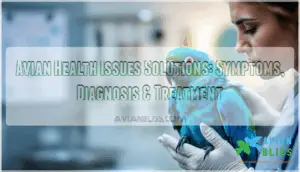 Your bird’s subtle shift from perch to floor corner might be the only warning you’ll get. Birds instinctively hide illness to avoid appearing vulnerable to predators, a survival mechanism that means you’ll often miss early disease signs until the problem becomes serious. By the time most bird owners notice something’s wrong, their feathered companion may already be in distress.
Understanding avian health issues solutions starts with recognizing those barely-there changes in conduct, droppings, and physical appearance that signal trouble. Whether you’re dealing with a backyard flock or a beloved pet parrot, knowing how to spot, diagnose, and treat common bird diseases can mean the difference between a quick recovery and a tragic outcome.
Table Of Contents
Key Takeaways
- Birds hide illness instinctively until they’re seriously sick, so subtle behavioral changes like hiding more, playing less, or shifts in droppings are your earliest warning signs—missing these early indicators often means catching the problem too late.
- Daily monitoring of droppings, appetite, weight, feather condition, breathing patterns, and posture catches diseases like avian influenza, candidiasis, and salmonella before they become emergencies, making consistent observation your most effective diagnostic tool.
- Biosecurity measures—daily cage sanitation, water changes, quarantine protocols for new birds, and pest control—prevent most avian diseases more effectively than treating them after they’ve taken hold.
- Vaccination paired with proper nutrition, stress reduction, and appropriate housing creates immune resilience that protects your flock, but early veterinary intervention remains critical when you spot warning signs like labored breathing, seizures, or inability to perch.
Recognizing Signs of Illness in Birds
Spotting illness in your bird isn’t always straightforward, especially when signs are subtle or easily missed. Knowing what changes to watch for can make a world of difference in catching problems early. Here’s what you should keep an eye on.
Changes in Bird Behavior and Activity
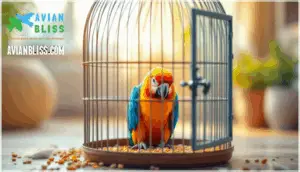
When your bird starts acting differently—hiding more, playing less, or suddenly showing zero interest in what’s happening around them—it’s often the first clue that something’s wrong. Recognizing sick birds early means watching for these behavioral red flags before physical symptoms appear.
Behavioral changes like hiding, reduced play, and withdrawn interest often signal illness in birds before physical symptoms appear
You might notice social interaction changes, vocalization alterations, or sleep pattern shifts. Lethargic birds may stop preening or show flight pattern changes.
Abnormal Bird Droppings and What They Mean
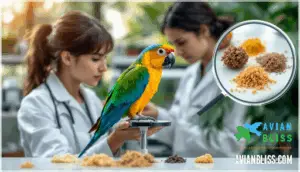
Your bird’s droppings are like a daily health report card—they reveal what’s happening inside when everything else might look normal on the outside. Healthy fecal output has three distinct parts, and knowing what’s normal helps you spot disease symptoms fast.
Watch for these parasite indicators and bird disease diagnosis clues:
- Dropping color changes – green, yellow, or black suggest liver problems or infections
- Dropping consistency – watery or overly solid signals digestive issues
- Urate appearance – white portion turning yellow or green indicates kidney disease
- Dietary impact – new foods temporarily change color, but persistent changes need attention
- Hydration levels – excessive liquid around droppings means polyuria or stress
Bird droppings and health are directly connected, making daily monitoring your best early-warning system.
Appetite Loss and Weight Changes
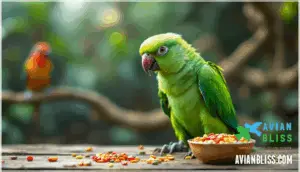
If you notice your bird eating less or its body feeling lighter when you pick it up, something’s wrong—birds hide illness until they’re really struggling, so even small changes matter.
Weight monitoring and body condition checks catch dietary deficiencies, metabolic disorders, and parasitic infections before organ failure sets in. Loss of appetite often signals crop stasis or nutrient deficiencies, so track changes in bird appetite daily and weigh your bird weekly using a gram scale for early detection.
Physical Symptoms (feather Condition, Breathing, Posture)
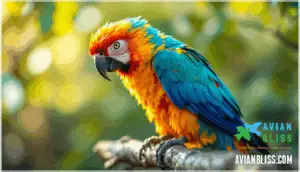
Beyond what the scale shows, your bird’s feathers, breathing pattern, and the way it carries itself tell you whether organs are failing, infections are taking hold, or something’s shutting down inside.
Watch for these physical symptoms in your feathered friend:
- Plumage quality issues: Fluffed, ragged, or missing feathers signal skin lesions, nutritional deficits, or chronic stress
- Breathing difficulties: Tail bobbing, open-mouth breathing, or wheezing point to respiratory problems needing immediate care
- Wing drooping: One or both wings hanging low indicates injury, weakness, or neurological damage
- Posture changes: Hunching, lying flat, or abnormal head positioning reveals pain or systemic illness
These feather abnormalities and posture shifts rarely appear alone—they’re your bird’s distress signals demanding action.
Common Avian Health Issues
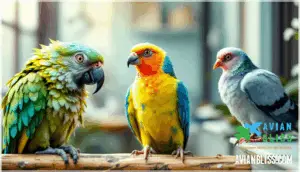
Birds face several health challenges that can threaten their wellbeing, from viral infections to bacterial diseases. Understanding the most common conditions helps you recognize problems early and seek appropriate care.
Let’s look at the key diseases you’re likely to encounter as a bird owner.
Avian Pox, Polyomavirus, and Parrot Fever
Three viral diseases—avian pox, polyomavirus, and parrot fever—stand out as some of the most serious health threats your bird can face, each capable of spreading quickly through flocks and causing devastating illness if you don’t catch them early.
Avian pox causes warty growths on skin and mucous membranes, while polyomavirus often kills young birds before symptoms appear.
Parrot fever, caused by bacteria, can spread to humans (zoonosis), making early recognition critical for your family’s safety and your bird’s survival.
Candidiasis and Salmonella Infections
While avian pox and polyomavirus grab headlines, two other infections—candidiasis and salmonella—quietly threaten birds through contaminated food, water, and less-than-spotless cages, making daily hygiene your best defense against these opportunistic invaders. Candidiasis, a yeast infection, creates white lesions in your bird’s mouth and throat, while salmonella symptoms include ruffled feathers and lethargy that signal bacterial infection.
Watch for these warning signs:
- White patches coating the beak interior—candidiasis thrives when immunity drops
- Persistent diarrhea with foul odor—salmonella spreads fast through flocks
- Difficulty swallowing or regurgitation—fungal infections block the digestive tract
Clean cages daily and disinfect food bowls to stop these preventable measures before antibiotic resistance becomes your next challenge.
Coccidiosis and Cellulitis in Birds
Two diseases that hit commercial flocks especially hard—coccidiosis and cellulitis—cost producers millions annually while creating suffering that often goes unnoticed until entire barns show symptoms. Coccidiosis symptoms include bloody droppings and weight loss as parasites damage intestinal walls, while cellulitis treatment targets the bacterial infection causing inflamed skin patches in broiler chickens.
Your avian vet can diagnose both through laboratory tests, but disease prevention through clean litter and proper ventilation stops these economic disasters before veterinary care becomes necessary.
Avian Influenza and Its Impact
Since 2022, HPAI outbreaks have killed nearly 175 million birds in the United States alone, making bird flu one of the most devastating diseases affecting both wild and domestic flocks. H5N1 bird flu now infects mammals too—over 1,074 dairy cattle herds across 17 states carry the virus, creating zoonotic potential you can’t ignore.
Economic consequences hit hard: egg prices jumped over 25%, trade bans followed detections, and preventing avian influenza through biosecurity remains your best defense since wild bird migration drives seasonal surges that control strategies struggle to contain.
The dairy industry faces significant challenges, with losses reaching $950 per cow due to decreased milk production and cow loss.
Diagnosing Bird Diseases
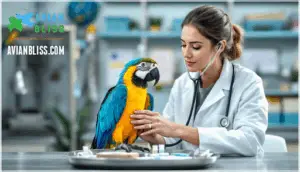
Getting to the bottom of what’s making your bird sick requires more than just guesswork—it takes a methodical approach that combines observation, hands-on examination, and the right diagnostic tools.
Your vet will follow several key steps to pinpoint the problem and recommend the best course of action. Let’s walk through what happens during the diagnostic process.
Taking an Accurate Medical History
When your bird shows up looking off, the story you tell your vet can matter just as much as the symptoms themselves. Owner observations about behavioral changes, diet details, and environmental factors help pinpoint what’s wrong before any physical examination begins.
Share previous illnesses, recent stress, or new cage mates—these clues guide diagnostic testing and shape your avian medicine approach, often saving precious time when clinical signs are subtle.
Performing a Physical Examination
Once your vet has the full picture from your bird’s history, their hands-on exam becomes the real detective work—looking, listening, and feeling for clues that lab tests alone might miss. Visual inspection reveals feather quality, posture, and breathing patterns, while palpation techniques detect masses or swelling beneath the skin. Auscultation skills pick up abnormal heart or lung sounds that signal respiratory distress. Sample collection and proper equipment needed complete this critical step in avian medicine, connecting medical history to diagnostic testing.
- Feather assessment shows nutritional deficiencies, parasites, or self-trauma
- Body condition scoring identifies weight loss hidden under plumage
- Respiratory rate and effort reveal infection or air sac disease
- Vent examination detects abnormal droppings or reproductive issues
Clinical Pathology and Laboratory Diagnostics
Laboratory work transforms what your vet sees during exams into measurable data. Hematologic indicators like packed cell volume and heterophil-to-lymphocyte ratios reveal stress, anemia, or infection hidden beneath feathers. Biochemical markers, including cholesterol and glucose levels, detect liver disease or metabolic problems.
Diagnostic techniques range from rapid point-of-care analyzers to molecular assays like PCR testing for polyomavirus or BFDV. Quality control guarantees accurate results, making clinical pathology of pet birds essential for pinpointing the root cause of illness.
Evaluating avian liver function is vital, as elevated bile acids are a sensitive marker of dysfunction.
Identifying Avian Species and Risk Factors
Different bird species face unique health challenges based on their anatomy, behavior, and natural history—and knowing which species you’re treating can be the difference between recovery and tragedy. Species identification guides your diagnostic approach because genetic predisposition, habitat risks, and environmental factors determine exposure risk. Migration patterns can introduce diseases across regions, while certain avian species show symptoms of bird diseases differently.
- Parrots and psittacines carry higher risk factors for infection from polyomavirus and psittacosis
- Waterfowl face increased exposure risk to avian influenza through migration patterns and wetland habitats
- Raptors require species-specific blood reference ranges since their physiology differs dramatically from songbirds
- Canaries and finches show genetic predisposition to air-sac mites and respiratory infections
Effective Treatment Options for Birds
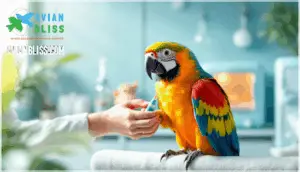
Once you’ve diagnosed your bird’s condition, the next step is choosing the right treatment approach. The options range from at-home supportive care to prescription medications, depending on the severity and type of illness.
Here’s what you need to know about treating
Medication Administration Routes
Getting medicine into your bird’s system can happen in several different ways, and choosing the right route depends on how sick your bird is and what type of medication they need.
Oral medications work well for stable birds that can swallow safely. Intramuscular injections deliver medicine quickly into muscle tissue, while subcutaneous injections place medication under the skin for slower absorption. Intravenous injections go directly into the bloodstream for critical cases.
Topical applications treat skin conditions, and nebulization therapy helps respiratory issues by turning medication into a breathable mist.
Supportive Care and Emergency First Aid
Sometimes the medicine itself isn’t enough—your bird might need basic life support to help them recover while medications start working. Emergency first aid stabilizes your bird before you reach an avian veterinarian.
- Wound management includes gentle cleaning and bandaging to prevent infection
- Fracture care involves immobilizing injured limbs with temporary splints
- Hypothermia treatment uses external heat sources to restore normal body temperature
- Toxin exposure requires immediate removal from the source and supportive fluids
Antibiotic, Antiviral, and Antifungal Therapies
Your bird’s specific diagnosis determines which targeted therapy—antibiotic for bacterial infections, antiviral for viral diseases, or antifungal for yeast problems—will actually cure the illness rather than just manage symptoms. Antibiotic treatment works for parrot fever and salmonella, while antifungal medication targets candidiasis. Viral infections rarely respond to antiviral drugs, requiring supportive care instead.
Dosage calculation matters critically—too little breeds drug resistance, too much risks toxicity monitoring issues.
Sometimes combination therapies or prophylactic use prevent secondary infections.
When to Seek Avian Veterinary Care
Birds don’t always show you they’re sick until the situation’s already serious—knowing when to pick up the phone can mean the difference between a full recovery and a devastating loss. Call your avian veterinarian immediately if you notice emergency symptoms like labored breathing, bleeding, seizures, or inability to perch.
Behavioral changes—lethargy, fluffed feathers, or appetite loss—warrant same-day specialist referrals. Don’t wait for multiple signs of illness in birds to appear.
Proactive checkups and preventative care catch problems early, giving your feathered friend the best chance at emergency care for birds when seconds count.
Preventing Avian Health Problems
Keeping your birds healthy starts long before illness strikes. The best defense is a solid prevention strategy that covers biosecurity, proper housing, timely vaccinations, and daily care routines.
Let’s walk through the key measures that’ll help you protect your flock from disease.
Biosecurity and Hygiene Measures
Think of biosecurity as your first line of defense—it’s not just about cleaning up after problems arise, but stopping diseases before they ever reach your birds. Here’s how to build solid hygiene practices into your daily routine:
- Cage Sanitation: Remove droppings daily and disinfect perches, food bowls, and cage bars weekly to eliminate harmful bacteria and fungi.
- Water Quality: Change water daily and scrub containers to prevent bacterial growth that causes infections like salmonella.
- Quarantine Protocols: Isolate new birds for 30-45 days before introducing them to your flock, preventing disease spread from asymptomatic carriers.
- Vector Control: Use screens and pest management to keep wild birds, rodents, and insects away—they’re common disease carriers that compromise your biosecurity measures.
Safe Bird Handling and Housing
Proper care isn’t just about avoiding bites—it’s about creating an environment where stress stays low and disease risk drops right along with it.
Choose a cage size that allows flight and movement, with varied perches to prevent foot injuries. Make sure safe toys are non-toxic and regularly inspected.
Temperature control between 65–80°F prevents respiratory illness, while safe bird treatment—using gentle restraint and clean hands—protects both you and your pet bird housing from contamination and injury.
Vaccination Recommendations and Schedules
Vaccination protects your flock like armor in battle—when timed right and paired with smart preventative measures, vaccine efficacy can reach up to 97% against deadly strains. Here’s what you need to know about bird disease prevention through vaccination:
- Recombinant vaccines are given at hatch or in-ovo, followed by inactivated boosters between weeks 7–15 to strengthen the immune system before production starts.
- Layer hens require two-dose protection for long-term immunity lasting 12–18 months, while broilers may need only one dose due to shorter lifespans.
- Booster timing matters—extended intervals improve antibody persistence by up to 22%, reducing economic impact from outbreaks.
These vaccination recommendations greatly lower mortality rates during disease outbreaks, safeguarding both bird health and farm sustainability.
Nutrition, Routine Care, and Environmental Management
A balanced diet isn’t just fuel for your birds—it’s the foundation that determines whether they thrive through stressful seasons or succumb to preventable illness. Avian nutrition should include species-appropriate pellets, fresh vegetables, and clean water changed daily.
Cage maintenance, stress reduction through enrichment activities, and controlling environmental factors like temperature and humidity directly impact your birds’ immune resilience and overall health care outcomes.
Frequently Asked Questions (FAQs)
What should I do during an avian disease outbreak?
Isolate sick birds immediately to prevent disease transmission. Contact authorities if required, strengthen biosecurity measures, and implement strict hygiene practices.
Disinfect all surfaces and equipment while managing your flock’s population carefully to protect healthy birds.
What are safe disinfectants for avian environments?
Choose disinfectants with low toxicity, like diluted chlorhexidine or quaternary ammonium compounds.
Apply after thorough cleaning, guarantee proper ventilation, and rinse surfaces completely to prevent residue effects and maintain safe biosecurity in your bird’s environment.
Are there natural remedies for common bird ailments?
Ironically, while science has given us powerful medications, many bird owners still turn to gentler methods first. Herbal remedies like chamomile for stress and echinacea for immune support show promise, though evidence remains limited. Probiotics improve gut health, especially after antibiotic treatments.
However, essential oils can be toxic to birds—their respiratory systems are extremely sensitive. Always consult an avian vet before trying alternative approaches, as symptoms like lethargy or appetite loss may signal serious illness requiring immediate medical intervention, not home treatments.
How do weather changes affect avian health?
Weather changes greatly impact your birds’ health. Temperature extremes stress their systems, triggering disease spread and respiratory issues.
Seasonal migration patterns and habitat changes alter food scarcity, affecting nutrition.
Environmental factors in avian care—humidity, barometric pressure—influence symptoms and bird illness severity.
Conclusion
A sick cockatiel hiding in a cage corner, barely eating, taught one owner that waiting for obvious symptoms means losing precious time.
Spotting subtle shifts in conduct, droppings, and posture lets you catch problems early when avian health issues solutions are most effective.
Your vigilance matters—birds depend on you to notice what they can’t tell you. Trust your instincts, document changes, and contact an avian veterinarian quickly. Early intervention saves lives.
- https://www.cidrap.umn.edu/avian-influenza-bird-flu/avian-flu-exacts-heavy-financial-toll-dairy-industry-report-says
- https://pmc.ncbi.nlm.nih.gov/articles/PMC11258884/
- https://www.aphis.usda.gov/livestock-poultry-disease/avian/avian-influenza/hpai-detections/commercial-backyard-flocks
- https://aaes.uada.edu/news/bird-flu-analysis/
- https://www.csis.org/analysis/how-bird-flu-impacting-agriculture-and-food-security-united-states