This site is supported by our readers. We may earn a commission, at no cost to you, if you purchase through links.
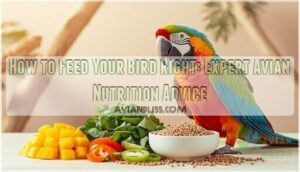 Sixty percent of seed-fed birds develop vitamin deficiencies that owners don’t recognize until serious health problems emerge. Nutrition shapes everything from feather quality to lifespan, yet distinguishing evidence-based guidance from dangerous myths requires knowing what to look for.
You’re trying to do right by your feathered companion, but conflicting advice floods the internet—one source swears by pellets, another promotes seeds, and social media influencers tout miracle supplements without credentials. Reliable avian nutrition advice online exists, but you need to recognize credible sources, understand species-specific requirements, and know when professional consultation becomes essential rather than optional.
Table Of Contents
Key Takeaways
- Pelleted diets outperform seed-only diets by providing complete amino acid profiles and preventing the 60% deficiency rate seen in seed-fed birds, with research showing 67% better weight management in birds fed pellets.
- Your bird’s nutritional needs aren’t universal—they shift dramatically based on species (lories need 3-5% protein while macaws require 15%), age (growing chicks need 18-23% protein versus 16-18% for adults), and life stage, making one-size-fits-all advice dangerously misleading.
- Water is the most critical nutrient for avian health at 50-60 ml per kilogram daily, yet proper calcium-to-phosphorus ratios (2:1 minimum) and vitamin D3 supplementation are equally essential since up to 34% of captive birds develop metabolic bone disease from inadequate mineral balance.
- Over 36% of online bird nutrition advice contains unsubstantiated claims that spread 450% faster than evidence-based information, making it essential to verify guidance through peer-reviewed sources and consult an avian veterinarian for diet transitions, sudden health changes, or species-specific concerns.
Choosing The Best Diet for Your Bird
You’ll make some of the most important decisions for your bird’s health when you select its daily diet. Commercial pellets, seed mixes, fresh foods, and feeding routines all play distinct roles in meeting your bird’s nutritional requirements.
Let’s examine the core diet options and practical feeding strategies that support long-term avian wellness.
Pelleted Vs. Seed-Based Diets
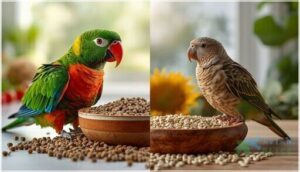
When choosing between pelleted diets and seed-only diets, you’re making a decision that fundamentally shapes your bird’s long-term health. Veterinarian recommendations consistently favor pellets due to their nutritional completeness, while seed diet deficiencies contribute to significant health complications.
Consider these critical differences in bird diet and nutrition:
- Pelleted diets provide complete amino acid profiles, whereas seed-only diets lack essential lysine and methionine
- Seeds contain up to 70% fat, far exceeding healthy requirements and increasing obesity risk
- Calcium-to-phosphorus ratios in seed diets fall dangerously below the recommended 2:1 threshold
- Health outcome comparison shows pelleted birds experience 67% better weight management and improved immune function
- Conversion difficulties exist, yet 96% of birds successfully adapt to nutrition plans incorporating pellets when appropriate methods are used
Despite clear avian nutrition evidence, over 90% of pet parrots still consume mostly seed-based diets. This disconnect between veterinarian recommendations and common practice puts countless birds at risk for vitamin A deficiency, fatty liver disease, and metabolic bone disorders. It’s important to note that pellets are balanced and can prevent selective eating. Don’t let misleading “complete” seed labels fool you—most synthetic vitamins remain in discarded hulls, never reaching your bird.
Formulated Diet Types and Brands
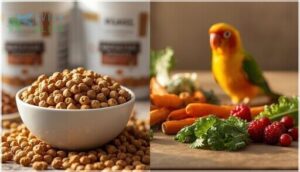
Once you’ve committed to pelleted diets, you’ll face a market projected to reach USD 5.62 billion by 2035. Leading brands like Harrison’s, Roudybush, and Mazuri differ in pellet composition, ingredient sourcing, and recall history.
Research shows 20% protein formulations enhance growth in cockatiels, while premium lines now include probiotics and pesticide-free ingredients. Review brand comparison data and market trends carefully—commercial diets vary markedly in nutritional planning quality.
The global bird feed market is influenced by factors such as commercial bird feed trends and consumer preferences.
Incorporating Fresh Fruits and Vegetables
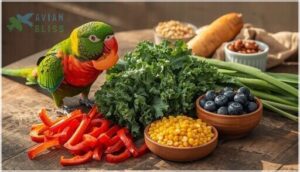
Commercial pellets lay the foundation, but fresh foods bring nutrient balance and variety your bird needs. Aim for 20%–40% fresh produce daily—favor deep-colored vegetables like carrots and kale over high-sugar fruits.
Always wash thoroughly for fresh produce safety, remove toxic seeds from apples and cherries, and offer only what your bird can finish in a few hours to support ideal avian digestion.
Portion Control and Feeding Schedules

You can’t set a universal portion or schedule—chickadees may eat 35% of their body weight daily, while ravens need just 4%. Most birds feed continuously through daylight hours, peaking before sunset, so meal timing matters less than consistent access.
Monitor your bird’s weight closely: overfeeding drives obesity and fatty liver disease. Adjust portion sizes based on species, activity level, and age for proper nutrient balance and avian nutrition.
Essential Nutrients for Avian Health
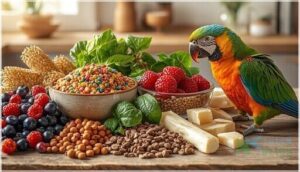
Getting the right balance of nutrients makes all the difference in your bird’s long-term health and vitality. While commercial diets cover many bases, understanding what your bird actually needs helps you make informed choices and spot potential gaps.
Let’s walk through the essential nutrients that keep your feathered companion thriving.
Water: The Critical Nutrient
You might think seeds or pellets top the list, but water is the most critical nutrient for bird health. Your bird needs fresh, clean water daily—approximately 50–60 ml per kilogram of body weight—to maintain hydration and nutrient balance.
Water is the most critical nutrient for birds, requiring 50–60 ml per kilogram of body weight daily to maintain health
Poor water quality or inadequate hydration sources lead to serious dehydration risks, affecting drinking behaviors and overall avian nutrition plans.
Protein and Amino Acid Requirements
Protein powers feather growth, tissue repair, and immunity—but quality matters more than quantity. Your bird’s nutritional requirements depend on species and life stage, with growing chicks needing 18–23% dietary protein levels while laying hens thrive on 16–18%.
Essential amino acids like lysine and methionine are critical for proper protein digestion and amino acid balance. Watch for amino acid deficiency signs:
- Reduced growth rate or body weight loss
- Feather abnormalities (cup-shaped or pigment loss)
- Decreased egg production in layers
- Lower feed intake and poor nutrient balance
- Impaired nitrogen retention
Even well-meaning avian nutrition plans fail without adequate dietary supplements addressing these gaps.
Fats and Essential Fatty Acids
Dietary fats are essential for your bird’s cellular health, but the balance of omega fatty acids determines whether these lipids are beneficial or harmful. Psittacine species require a diet consisting of 5–12% fat, with at least 1% being essential fatty acids like linoleic acid to ensure proper fat metabolism.
| Fatty Acid Type | Primary Function | Top Sources |
|---|---|---|
| Omega-3 | Immune support, flight efficiency | Fish oil, flaxseed |
| Omega-6 | Membrane health, reproduction | Safflower, sunflower seeds |
| Saturated | Energy reserves | Palm nuts, coconut |
Fatty acid supplements become crucial when seed-based diets lead to nutrient imbalances. Sedentary birds on high-fat diets are at risk of obesity and atherosclerosis, while deficiencies can result in reproductive failures.
Carbohydrates for Energy
Think of carbohydrates as your bird’s primary fuel source—ranging from starch in corn and wheat (which can comprise up to 40% of poultry rations) to simple sugars in fruits and vegetables. Here’s what you need to know about carb sources and avian digestion:
- Dietary fiber (cellulose) aids gut motility despite being indigestible
- Energy metabolism in budgerigars requires 48–128 kJ daily
- Excess sugar intake converts to body fat, triggering obesity
- Blood glucose concentrations average 244 mg/dL in birds
- Carbohydrate deficiency forces protein catabolism, causing muscle wasting
Your bird’s nutrient balance depends on matching dietary needs to species-specific enzyme activities for ideal bird health.
Calcium and Mineral Supplementation
Your bird’s skeleton holds 99% of its calcium reserves, making supplementation essential—especially since up to 34% of captive chicks develop metabolic bone disease from inadequate dietary calcium and vitamin D3. Without proper mineral balance, you’re risking avian osteoporosis and fractures that compromise bone health.
| Supplement Type | Primary Benefit | Typical Sources |
|---|---|---|
| Calcium | Skeletal development, egg production | Cuttlebone, limestone blocks |
| Vitamin D3 | Enhances calcium absorption | Fortified pellets, UV exposure |
| Trace Minerals | Eggshell strength, immune function | Chelated premixes, formulated diets |
| Phosphorus | Bone mineralization (ideal Ca:P 2-8:1) | Grains, legumes |
Bioavailable dietary supplements—from chelated minerals to stabilized vitamin blends—prevent calcium deficiency while supporting nutrient balance across all life stages.
Adapting Diets for Bird Species and Life Stages

Your bird’s nutritional needs aren’t one-size-fits-all—they shift based on species, age, and habitat. A canary’s diet looks nothing like a macaw’s, and what works for a growing chick won’t sustain a senior bird.
Let’s break down how to tailor your approach across different species and life stages.
Species-Specific Nutritional Needs
Your feathered companion isn’t just ‘a bird’—each species carries unique nutritional requirements shaped by evolution.
Lories thrive on nectar-like diets with just 3–5% protein, while macaws need 15% protein and carefully balanced fats around 15%. Eclectus parrots demand soft, fiber-rich vegetables comprising 35% of their intake, whereas budgerigars require fat restricted under 10% to prevent obesity.
Understanding these species-specific needs ensures proper nutrient balance and peak bird health.
Dietary Adjustments for Growth and Seniors
Just as nutrient demands shift with age, your bird’s diet must adapt across growth stages and senior care. Young birds need precision nutrition—higher protein (18.8g daily) and calcium (4.12g) accelerate development, achieving target weight five days sooner. Senior care requires the opposite approach:
- Reduce protein, phosphorus, and sodium
- Boost vitamins A, E, B12, and essential fatty acids
- Provide smaller, highly digestible meals
- Increase moisture content for better hydration
Ideal life stage feeding prevents age-related diseases and maintains balanced nutrient levels.
Addressing Nutritional Gaps in Captivity
Captive feeding creates systematic nutrient deficiencies—up to 90% of parrots on seed-only diets lack adequate calcium, while excessive fats distort mineral balancing.
You’ll need dietary enrichment: formulated pelleted diets (75-100% of intake) supply complete nutritional requirements, while targeted avian supplements correct species-specific gaps in vitamins A, D3, and trace minerals.
Diversifying food types strengthens gut health and fosters natural foraging patterns.
Preventing and Managing Avian Nutrition Issues
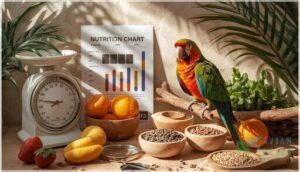
Even with careful planning, nutritional challenges can emerge in your bird’s diet—and catching them early makes all the difference. From vitamin deficiencies to weight concerns, you’ll need to stay alert to subtle changes that signal trouble.
Let’s walk through the most common issues you might encounter and how to address them before they compromise your bird’s health.
Recognizing and Preventing Deficiencies
Vigilance is your first line of defense against nutritional deficits. Up to 60% of seed-fed birds develop vitamin deficiencies, particularly vitamins A and D, alongside mineral imbalance affecting calcium absorption.
Watch for white plaques in the mouth, poor feather quality, or bone deformities—deficiency symptoms that signal inadequate nutrient intake.
Shifting to pelleted diets reduces these risks by 50%, supporting avian disease prevention and meeting nutritional requirements effectively.
Monitoring for Obesity and Malnutrition
Keeping tabs on your bird’s weight is as important as providing proper avian nutrition. Track weight weekly—obesity strikes 1 in 4 pet birds, while malnutrition signs like visible keel bones signal trouble.
Use these health monitoring steps for nutrition assessment:
- Weigh your bird on digital scales weekly
- Palpate the keel bone monthly for obesity prevention
- Log feed intake to track nutritional balance
- Watch for reduced activity or excess fat deposits
Early detection facilitates effective dietary treatment and meets nutritional requirements before conditions worsen.
Managing Food Allergies and Sensitivities
Sensitivity to certain ingredients—from peanuts in seed blends to cross-reactivity with egg proteins—can trigger respiratory distress or feather loss in your bird. Allergy testing through avian veterinarians identifies problem foods, while allergen avoidance and dietary restrictions prevent reactions.
You’ll address nutrient deficits from eliminations by adding vitamin D3 and targeted supplements, ensuring dietary treatment maintains complete nutrient intake without compromising avian nutrition or introducing toxic foods.
Importance of Regular Health Checks
Annual exams catch nutritional deficiencies before they escalate into liver or metabolic bone disease. Wellness strategies include weight monitoring—just a few grams signal trouble—plus blood tests and fecal analysis for disease detection.
Since birds hide symptoms for days, veterinary guidance ensures health monitoring identifies problems early. These assessments improve your nutrition management, protecting your bird through proactive avian health and disease prevention rather than crisis intervention.
Finding Reliable Avian Nutrition Advice Online

The internet offers thousands of articles on bird nutrition, but not all sources provide accurate or species-appropriate guidance. You’ll need to distinguish evidence-based recommendations from well-meaning but potentially harmful advice.
Let’s examine how to identify credible information, recognize when professional consultation is necessary, and stay current with legitimate avian nutrition research.
Identifying Misinformation and Myths
The internet is a minefield of dietary fallacies and avian pseudoscience. You’ll encounter social media myths about “addictive” sunflower seeds and pellets as cure-alls—neither holds up under bird nutrition research.
Over 36% of online advice contains unsubstantiated claims, and viral posts outperform evidence-based nutrition science by 450%.
Online fact checking and consulting peer-reviewed sources protect your bird from nutrition misconceptions that compromise avian health and undermine proper dietary supplements.
When to Consult an Avian Veterinarian
Think of your avian veterinarian as your bird’s nutritional safety net—most health crises stem from diet gone wrong. You should reach out for veterinary guidance and advice when:
- Your bird refuses food for 24 hours or shows sudden weight loss
- Droppings change color, consistency, or frequency unexpectedly
- Feather quality deteriorates or plucking behavior emerges
- Breathing difficulties or lethargy appear without obvious cause
- You’re shifting diets or managing chronic conditions
Emergency care beats delayed intervention every time in avian medicine.
Staying Updated With Research and Trends
Avian nutrition research evolves rapidly—scholarly publications increased 8.3% from 2020 to 2025, bringing fresh insights into bird wellness and dietary innovations.
You’ll find science updates on vitamin supplementation, species-specific nutritional requirements, and fortified formulations now dominating the market.
Follow peer-reviewed journals, reputable avian organizations, and nutrition science conferences to stay current.
Reliable nutrition planning for birds depends on distinguishing evidence-based advances from fleeting social media trends.
Frequently Asked Questions (FAQs)
How do I transition my bird to a new diet safely?
Switching your bird’s food overnight? That’s a recipe for disaster.
Instead, blend the new diet with the old—starting at 25% new—and increase gradually over four weeks, monitoring weight and behavior daily.
What kitchen foods are toxic or dangerous for birds?
You shouldn’t offer avocado, chocolate, caffeinated drinks, alcohol, fruit pits, onions, garlic, salty snacks, or high-fat human foods—these cause serious cardiac, respiratory, and metabolic harm in birds, with no safe threshold established.
How does foraging enrichment improve my birds nutrition?
Foraging enrichment is like unlocking nature’s blueprint—it sparks natural foraging behaviors that boost dietary variety, curb selective eating, improve metabolism, strengthen muscle tone, and refine energy efficiency.
Through varied diet exploration and active bird feeding and foraging strategies, these benefits are maximized.
Should I use supplements if feeding a pelleted diet?
Most pelleted diets provide complete nutrition, so you don’t need routine supplements.
However, breeding birds, those with deficiencies, or species with unique requirements may benefit from targeted supplementation under veterinary guidance.
Conclusion
Your bird’s diet isn’t just food—it’s medicine, prevention, and longevity wrapped into every meal. Finding trustworthy avian nutrition advice online separates thriving companions from those silently suffering deficiencies.
You’ve learned to identify credible sources, recognize species-specific requirements, and spot red flags in conflicting information. Now comes the essential part: implementing what you know and consulting your avian veterinarian when questions arise.
Your feathered friend’s vibrant future depends on choices you make today.
- https://naturesnest.co.za/blogs/news/trusting-the-right-sources-fact-checking-pet-bird-health-and-diet-information
- https://www.aviary.org/wp-content/uploads/2023/03/2022_HoenigLatta_CurrentMethodsAvianDietAnalysis_AmericanOrnithology.pdf
- https://birdsupplies.com/blogs/news/signs-of-bird-malnutrition-and-how-to-save-your-bird-now
- https://www.nature.com/articles/s41597-021-01049-9
- https://www.dvm360.com/view/practical-avian-nutrition-proceedings