This site is supported by our readers. We may earn a commission, at no cost to you, if you purchase through links.

Your finch just puffed up its feathers and stopped singing—two subtle signs that something might be wrong. Finches are masters at hiding illness, a survival instinct that makes early detection challenging for even experienced bird owners. By the time symptoms become obvious, your bird may already be seriously ill.
The good news is that most finch health problems are preventable with proper care. A well-designed habitat, balanced nutrition, and consistent cleaning routines form the foundation of finch wellness. Understanding what your birds need—and recognizing when something’s off—can add years to their lives and keep them active, social, and thriving in your home.
Table Of Contents
- Key Takeaways
- Creating The Ideal Finch Habitat
- Essential Finch Diet and Nutrition Tips
- Maintaining Hygiene for Healthy Finches
- Detecting and Preventing Finch Illness
- Providing Mental Stimulation and Exercise
- Managing Stress and Preventing Disease
- Top 10 Finch Care Books and Guides
- 1. The Complete Finch Owner’s Guide
- 2. Society Finch Care and Training Guide
- 3. Zebra Finch Care Guide Book
- 4. Zebra Finch Care: Novice Guide
- 5. Finch Care Easy Approach Guide
- 6. Finch Care Essentials: Expert Guide
- 7. Gouldian Finch Care A Colorful Guide
- 8. The Gouldian Finch Handbook Complete Guide
- 9. Ultimate Finch Care A Complete Guide
- 10. Gouldian Finch Breeding Log Book
- Frequently Asked Questions (FAQs)
- How do you care for finches?
- What should I do if my Finch is sick?
- How do you raise a healthy Finch?
- Do finches have health problems?
- How do you handle a finch?
- What is a finch care sheet?
- How often should finches bathe or be misted?
- What is the ideal temperature range for finches?
- Can finches be trained to step up?
- How long do finches typically live in captivity?
- Conclusion
Key Takeaways
- Finches hide illness instinctively, so catching early warning signs like fluffed feathers, weight loss, or breathing changes can prevent serious health problems that escalate quickly.
- A proper habitat with horizontal flight space, safe materials like stainless steel, and correct bar spacing under 0.5 inches creates the foundation for preventing stress-related diseases.
- Balanced nutrition requires 60-70% pellets, only 5-10% seeds due to their low nutritional value, and 20-30% fresh produce, with cuttlebone providing essential calcium for bone health and egg production.
- Daily spot-cleaning, weekly accessory washing, and monthly disinfection routines directly reduce respiratory infections and parasite loads while helping you detect health changes before they become emergencies.
Creating The Ideal Finch Habitat
Your finch’s home sets the foundation for everything—health, happiness, and longevity. Getting the habitat right isn’t complicated, but you need to know what matters most. Let’s walk through the essentials that’ll keep your birds thriving.
Minimum Cage Size and Dimensions

Your finch needs a flight cage that’s at least 24″ long, 14″ wide, and 18″ tall for a pair. Cage floor space matters more than height, since finches fly horizontally. Bar spacing rules require gaps under 0.5″ to prevent escape.
Overcrowding dangers include stress and aggression, so follow aviculture trends toward larger enclosures. Proper cage design promotes natural movement and reduces health risks.
Round cages are discouraged because finches prefer small corners.
Choosing Safe Cage Materials

Metal toxicity risks make cage material critical for finch safety. Stainless steel is the safest choice, while galvanized cages can leach zinc at dangerous levels. Powder-coated enclosures sometimes flake, exposing toxic metals underneath.
Watch for these red flags:
- Lead-based paints causing neurological symptoms
- Copper with green oxidation indicating poisoning risk
- Treated woods emitting respiratory irritants
Stick with stainless steel or certified acrylic for worry-free cage design. When selecting a cage, consider the importance of proper cage maintenance tips to cultivate a safe environment.
Placement for Optimal Comfort

Your finch habitat setup doesn’t end with safe materials—proper habitat placement matters just as much. Position the cage at eye level or higher, ideally three feet off the floor, to reduce stress and improve your bird’s sense of security.
Focus on draft avoidance by keeping it away from windows and vents. Light exposure should be consistent but indirect, while noise reduction and good air quality protect respiratory health.
Bar Spacing and Layout Guidelines
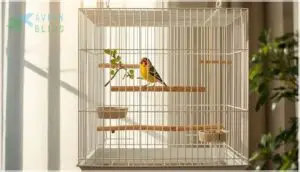
Once you’ve placed your cage correctly, focus on bar spacing to keep your finch safe. Choose bars spaced no more than ⅜ inch apart for escape prevention and injury reduction. This ideal dimension prevents heads or legs from getting stuck.
Rectangular cage design with horizontal bars encourages natural flight behavior, while powder-coated or stainless steel material safety protects against toxins.
Proper enclosure layout directly impacts behavioral health and cage hygiene accessibility.
Essential Finch Diet and Nutrition Tips
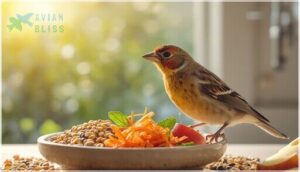
Your finch’s diet plays a major role in keeping them healthy, active, and thriving. Proper nutrition helps prevent illness, promotes strong bones, and gives your bird the energy they need every day.
Let’s break down what your finch should eat, including the right balance of pellets, seeds, and fresh foods.
Pellet, Seed, and Produce Balance
You’ll want to build your finch diet around 60–70% formulated pellets, limit seeds to just 5–10% due to low calcium and vitamin A, and round out the balance with 20–30% fresh vegetables, sprouts, and a bit of fruit.
This pellet-heavy feeding strategy prevents obesity and nutritional deficiencies while supporting better feather quality and immune function.
Safe Fruits and Vegetables to Offer
When choosing safe foods for your finch, you can offer chopped apples (seedless), blueberries, bananas, and melon for their vitamin C and hydration.
For vegetables, try grated carrots, broccoli florets, bell peppers, and zucchini to boost finch nutrition.
Wash all produce thoroughly, remove leftovers within four hours, and rotate at least three types per feeding to guarantee nutritional diversity and prevent spoilage in your finch diet.
Foods to Avoid for Finch Health
Your finch can’t tolerate certain toxic foods, no matter how healthy they seem for you. Protect your bird by completely avoiding:
- Avocado – Contains persin, causing cardiac arrhythmia and rapid death, even in tiny amounts
- Chocolate and caffeine – Trigger seizures, abnormal heart rhythms, and potentially fatal organ failure
- Onion, garlic, and uncooked beans – Destroy red blood cells and disrupt gut absorption, leading to anemia and toxicity
Alcohol poisoning occurs quickly in finches, so keep processed foods away too.
Importance of Cuttlebones and Calcium
Calcium deficiency poses a significant threat to your finch’s bone health and eggshell quality, particularly during the breeding season. Cuttlebone, composed of approximately 85% calcium carbonate, offers excellent mineral absorption, which is crucial for maintaining overall finch health and aiding in beak grooming. When clipped to cage bars, it provides essential nutrients that support avian nutrition and help prevent metabolic bone disease.
| Benefit | Impact | Result |
|---|---|---|
| Calcium supply | Prevents deficiency | Strong bones, proper metabolism |
| Egg production | Sustains shell formation | Healthy clutches |
| Beak maintenance | Natural grooming | Prevents overgrowth |
| Trace minerals | Enhances absorption | Improved pet bird nutrition |
Maintaining Hygiene for Healthy Finches

A clean cage is your finch’s first line of defense against illness and infection. Regular cleaning routines help you catch health problems early, while proper grooming keeps your bird comfortable and stress-free.
Let’s walk through the daily, weekly, and monthly tasks that will keep your finches healthy and thriving.
Daily, Weekly, and Monthly Cleaning Routines
Think of cage hygiene as your finch’s first line of defense against disease. You’ll want to spot-clean daily, removing droppings and changing water to prevent bacterial growth.
Weekly cleaning involves washing all accessories and cage bars with safe agents. Monthly, disinfect the entire enclosure and inspect for wear.
Regular cleaning frequency directly reduces respiratory illness and parasite loads, protecting your finch’s health.
Disinfecting and Bedding Changes
Proper disinfectant contact time—at least 10 to 30 minutes—ensures you’re actually killing pathogens, not just rinsing surfaces. Remove your finches completely before disinfecting, as fumes can be toxic.
Change bedding weekly to control parasites and airborne disease risks, and consider these bedding material risks for safer cleaning and maintenance:
- Paper-based products minimize dust and ingestion hazards
- Corn cob bedding can cause fatal bowel obstructions
- Wood shavings harbor dangerous mold spores
- Cedar releases liver-toxic compounds
Nail Trimming and Grooming Basics
Beyond cage hygiene, finch bird grooming and care involves managing nail overgrowth—a leading cause of mobility issues. Trimming techniques require sterile nail clippers and incremental cuts to avoid the quick, which bleeds in 80% of accidents. Bleeding control with styptic powder is non-negotiable. Perch impact matters: textured surfaces reduce trimming frequency by 40%. Professional grooming remains safest for inexperienced owners, though beak trimming rarely becomes necessary.
| Grooming Element | Risk Without Care | Effective Prevention |
|---|---|---|
| Nail Care | 31% pododermatitis increase | Textured perches + monitoring |
| Quick Injury | 80% of trimming accidents | Incremental clipping technique |
| Professional Grooming | 22% home bleeding incidents | Annual veterinary assessment |
Detecting and Preventing Finch Illness
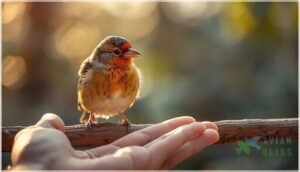
Finches hide illness well, so you need to watch closely for early warning signs. Catching problems early can make the difference between a quick recovery and a serious health crisis.
Finches hide illness well, so watch closely for early warning signs that make the difference between quick recovery and crisis
Let’s look at the most common symptoms, diseases, and when it’s time to call your avian vet.
Common Signs of Illness in Finches
Your finch’s daily routine speaks volumes about their health. When common finch health problems emerge, several clear signs of finch illness appear, signaling it’s time to investigate further.
- Feather condition: Over 92% of sick finches display fluffed, ruffled, or dirty plumage
- Weight changes: Chronic illness causes measurable mass loss of 8–13% in affected birds
- Eye appearance: Swollen, cloudy, or crusty eyes occur in up to 100% of conjunctivitis cases
- Breathing issues: Open-mouth breathing and wheezing affect over 70% of birds with respiratory symptoms
- Activity levels: Loss of appetite appears in 90% of finches experiencing avian diseases
Frequent Diseases and Risk Factors
Several avian diseases pose serious threats to your finch’s wellbeing. Mycoplasmal conjunctivitis has caused population declines of up to 60% in affected regions, while trichomonosis accounts for roughly 62% of annual mortality in some finch species. Feeder transmission through contaminated surfaces increases these risks considerably.
Respiratory infections, viral diseases, and mycotoxin exposure from damp feed create additional husbandry risks that proper disease prevention strategies can address.
When to Call an Avian Veterinarian
Breathing difficulties like tail bobbing or open-mouth breathing demand immediate veterinary attention, as respiratory distress accounts for over 60% of finch emergencies.
You should also call an avian vet for finches when you notice appetite changes, injury assessment needs, dropping abnormalities, or egg-laying issues.
Don’t wait—most bird emergencies escalate within 24 hours, making prompt finch veterinary care essential for survival.
Providing Mental Stimulation and Exercise

Finches aren’t meant to sit still all day, and a cage alone won’t keep them happy or healthy. Just like you’d get restless without anything to do, your finches need ways to move, explore, and stay mentally engaged.
Let’s look at some practical ways to enrich their environment and prevent boredom-related problems.
Benefits of Toys, Perches, and Play Gyms
Enrichment toys and play gyms keep your finches mentally sharp while promoting natural behaviors like foraging and climbing. Toys and enrichment for birds reduce boredom and stress, making behavioral enrichment essential. Mental stimulation for finches directly bolsters their overall wellness.
Perch variety—think different textures and diameters—prevents foot problems and encourages exercise promotion throughout the day. Rotate perches and accessories regularly, prioritizing toy safety by choosing lightweight options designed for small species.
Social Interaction and Group Housing
Your finches thrive in pairs or small groups since social isolation can harm their well-being. Group housing in an aviary promotes natural flock dynamics and enriches socialization for pet birds.
Allow at least 3 to 4 square feet per pair to meet space requirements and reduce group aggression. Balanced sex ratios and multiple perches support healthy behavior while minimizing territorial conflicts.
Strategies to Prevent Stress and Boredom
You can prevent stress by rotating toys every 48 hours, which maintains interest and mental stimulation. Foraging behavior increases active time by 20%, so scatter seeds or use foraging puzzles for avian enrichment.
Stable habitat familiarity, consistent light-dark cycles, and social enrichment through companionship lower stress by 30%. Dietary support with balanced nutrition strengthens your finch’s nervous system, while varied perches and chewing toys reduce boredom-induced behaviors by 25%.
Managing Stress and Preventing Disease
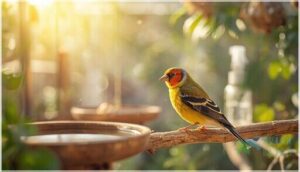
Stress and disease often go hand in hand for finches, so keeping your birds healthy means staying one step ahead of both. When you understand what triggers stress and how to maintain a clean environment, you can prevent many common health problems before they start.
Let’s look at three key areas that will help you keep your finches happy, calm, and disease-free.
Causes and Signs of Feather Plucking
When your finch starts pulling out its own feathers, it’s a red flag that something’s wrong. Medical causes like nutritional deficiencies, infections, and skin irritations often trigger feather plucking, while behavioral factors such as boredom, stress, and sexual frustration play major roles. Housing impact matters too—low humidity, overcrowding, or isolation can spark overgrooming. Watch for these plucking signs:
- Irregular bald patches with exposed skin
- Excessive preening and head rubbing
- Increased anxiety or restlessness
- Feather cysts under the skin
- Self-mutilation and widespread feather loss
Stress triggers from environmental changes demand immediate stress reduction efforts to protect finch health problems from escalating.
Mite Prevention and Cage Hygiene
Regular cage cleaning is your strongest defense against mites and parasitic infestations in finches. Change bedding weekly and disinfect the entire cage monthly using bird-safe products to maintain best finch care and hygiene.
For early detection, inspect feathers around the vent area during routine checks.
Quarantine protocols for new birds, combined with preventive ivermectin use and environmental control through proper ventilation, stop mite problems before they start.
Assessing and Reducing Environmental Stress
Think of your finch’s environment as a thermostat that directly influences their well-being. Temperature stressors, especially below 30°C, trigger chronic stress responses you’ll see through restlessness and feather plucking.
To improve finch health and wellness through proper habitat placement:
- Maintain temperatures near 30°C with consistent water access and UV exposure
- Minimize noise reduction by avoiding loud household areas with good ventilation
- Practice social buffering through compatible companions and thoughtful cage arrangement
Top 10 Finch Care Books and Guides
Learning about finch care doesn’t stop with online articles—books and guides offer deeper insights you can reference whenever questions come up. Whether you’re raising zebra finches, Gouldian finches, or society finches, the right resource can walk you through everything from daily routines to breeding basics.
Here are ten helpful books and guides that cover the essentials and beyond.
1. The Complete Finch Owner’s Guide
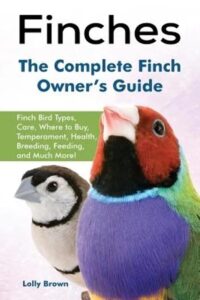
Published by NRB Publishing, this thorough guide spans 126 pages and covers everything you need about finch care, from basic housing to breeding finches. You’ll discover valuable information on finch species, buying guides, and finch temperament, helping you decide if these birds suit your lifestyle.
The book covers finch health care, finch health and wellness, and caring for finches in detail. While it includes useful insights on finch housing and environment, some readers note occasional typos and black-and-white photos instead of color illustrations.
Best For: People who want a practical, straightforward guide to finch care, whether they’re thinking of getting finches or already have them.
- Covers all the basics from housing to feeding, health, and breeding.
- Easy to follow, with tips useful for both beginners and experienced finch owners.
- Helps readers create a healthy, enriching environment for their birds.
- Contains occasional typos and some factual gaps about certain finch species.
- Includes only black-and-white photos, which may not meet everyone’s expectations.
- Some readers felt it could offer more detail and color illustrations.
2. Society Finch Care and Training Guide
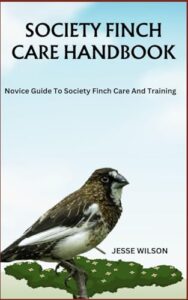
Another strong choice for beginners, this 82-page independently published book focuses exclusively on Society Finch behavior, finch habitat setup, and breeding habits. Priced at $9.25, it walks you through taming techniques, socialization needs, and diet specifics like balancing pellets with vegetables and seeds.
You’ll learn to spot health indicators early, understand their non-aggressive nature, and manage group housing without stress. While some information overlaps with free online resources, the concentrated focus on Society Finch care makes this a practical desk reference for finch health care basics.
Best For: Beginning Society Finch owners who want a focused, budget-friendly reference guide covering socialization, diet basics, and breeding habits in one compact place.
- Covers species-specific essentials like taming techniques, group housing dynamics, and the importance of keeping finches in pairs or small flocks to prevent stress.
- Explains practical health monitoring with clear stress indicators and preventative care steps, helping you catch issues before they become serious.
- Offers detailed diet guidance with percentages and safe food lists, plus breeding management tips to avoid overpopulation.
- At 82 pages, it’s fairly short and some of the information can be found for free through online finch communities and care sheets.
- Doesn’t address the fact that Society Finches aren’t known for melodious singing, which might disappoint owners expecting vocal entertainment.
- The book won’t help much if you’re dealing with complex health emergencies or need in-depth avian medical knowledge beyond basic care.
3. Zebra Finch Care Guide Book
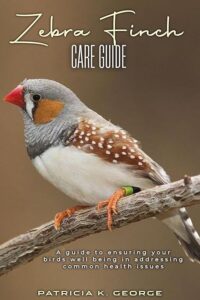
If you’re focused specifically on zebra finches, this 98-page guide digs into their natural history, breeding insights, and daily routines. At $9.23, it covers finch habitat setup, finch diet and nutrition, and health measures like spotting early illness signs.
You’ll find practical advice on cage dimensions, temperature control, and calcium supplementation for breeding pairs. While it won’t replace a vet for complex problems, it offers solid zebra finch care fundamentals.
The guide limitations include species-specific focus, so it’s best if zebra finches are your primary interest.
Best For: Bird enthusiasts who want detailed, species-specific guidance on zebra finch care, from habitat setup to breeding practices.
- Covers all the essentials—housing specs, diet guidelines, health monitoring, and breeding tips—in one affordable guide at $9.23.
- Practical details like cage dimensions (35.6 × 35.6 × 45.7 cm), temperature ranges (20-25°C), and mesh spacing help you set up proper housing right away.
- Includes behavioral insights and breeding advice that’s useful whether you’re keeping finches as pets or planning to raise chicks.
- Only focuses on zebra finches, so it won’t help if you’re caring for other bird species or want a general bird care overview.
- Complex health issues may still need a vet visit since the guide covers identification and prevention but not advanced treatment.
- At 98 pages, it’s more comprehensive than casual readers might need if they just want quick setup tips.
4. Zebra Finch Care: Novice Guide
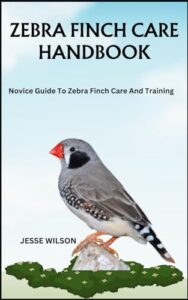
Beginners often stumble over common beginner mistakes like cage size or seed-only diets, but this 89-page novice guide confronts those gaps head-on. At $9.39, it zeroes in on zebra finch behavior, basic needs, and socialization tips, making finch health care less intimidating for first-time owners.
You’ll learn breeding basics, habitat dimensions, and how to spot early illness signs—all written for people new to finch care. While it doesn’t dive deep into complex diseases, it’s a practical starting point for finch wellness and finch tips that matter most.
Best For: First-time zebra finch owners who need a straightforward, budget-friendly intro to daily care, basic health monitoring, and social needs without getting overwhelmed by advanced breeding or veterinary topics.
- Covers essential beginner gaps like proper cage setup, balanced diets beyond seeds, and recognizing early illness signs so you don’t miss critical health changes.
- At $9.39 for 89 pages, it’s an affordable crash course that gets you up to speed on socialization, habitat requirements, and breeding basics without a huge time investment.
- Written specifically for novices, so the language stays clear and practical instead of burying you in technical jargon or assumptions you already know finch behavior.
- Limited depth on advanced topics means experienced breeders or owners dealing with complex health issues will need additional resources or vet guidance.
- Doesn’t detail specific diseases, treatments, or medications, so you’ll still rely on an avian vet when serious problems arise.
- Short page count may leave some questions unanswered, especially around long-term care, seasonal adjustments, or troubleshooting unusual behaviors.
5. Finch Care Easy Approach Guide
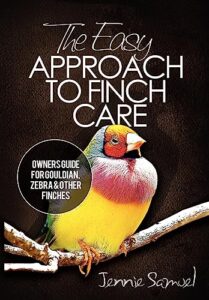
If you want a no-nonsense introduction to finch wellness without wading through dense chapters, this straightforward guide breaks down simple habitat setup, balanced diet basics, and routine maintenance for finches in accessible terms.
You’ll discover why cleanliness matters for preventing respiratory infections and how early detection of changes in droppings or behavior can save your bird’s life.
It covers stress reduction techniques and finch environment tweaks that support finch health care, making it a practical resource for anyone building confidence in finch care fundamentals.
Best For: Beginners who want a straightforward introduction to finch care basics without getting overwhelmed by technical details.
- Simple, easy-to-read format with a table of contents and index makes it quick to find what you need.
- Covers essential topics like habitat setup, diet, cleanliness, and stress reduction in accessible language.
- Affordable at $6.99, making it a low-risk starting point for new finch owners.
- Lacks in-depth information and species-specific details that experienced owners or breeders would need.
- Contains editing issues, spelling mistakes, and some inaccuracies according to multiple reviewers.
- Limited coverage of advanced topics like enrichment strategies, social dynamics, and mental stimulation techniques.
6. Finch Care Essentials: Expert Guide
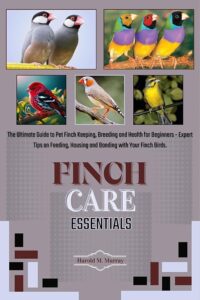
This expert resource delivers finch care essentials with clinical precision, covering cage size minimums of 24″ long and emphasizing calcium source options like cuttlebones for bone strength.
You’ll find detailed guidance on cage location strategies to prevent overheating, mental enrichment through varied perches and toys, and daily cleaning protocols that protect respiratory health.
It tackles common finch health problems with veterinarian-backed advice, making finch health and care manageable even for newcomers committed to finch wellness.
Best For: Finch owners seeking science-backed guidance on habitat setup, stress management, and preventive health care to keep their birds thriving.
- Covers critical cage specifications and environmental factors like lighting and placement to prevent common stress-related issues.
- Addresses parasite prevention with practical strategies including mite monitoring, cleaning schedules, and natural bird behaviors like dustbathing.
- Explains the link between stress, feather plucking, and immune health with actionable enrichment tips to improve finch well-being.
- Print replica format only limits accessibility for readers who prefer other digital formats or audiobooks.
- May not dive deep into care requirements for rare or specialized finch species beyond common varieties.
- Readers facing complex health issues might still need to consult an avian vet for species-specific or advanced medical concerns.
7. Gouldian Finch Care A Colorful Guide
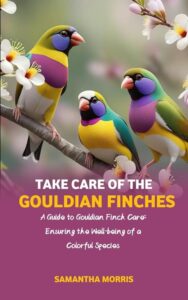
This colorful guide zeroes in on Gouldian finch care with species-specific detail, addressing their need for warmer temperatures around 70°F and humidity above 50% to replicate their tropical habitat.
You’ll discover specific finch diet recommendations featuring white millet and fresh greens, plus health monitoring strategies for stress reduction and social behavior management.
The 20-page resource prepares you with avian health tips on finch wellness, from finch environment setup to disease prevention, making it invaluable for maintaining your Gouldian finch’s vibrant plumage and long-term health.
Best For: Bird enthusiasts and aviculturists who want species-specific care guidance for Gouldian finches, whether they’re just starting out or already experienced with finch keeping.
- Covers everything from habitat setup to breeding genetics with practical details like exact temperature ranges (70°F) and specific seed mixes tailored to Gouldian finches.
- Written by an avian conservationist who connects captive care to wild conservation efforts, giving your hobby a bigger purpose.
- At $3.99 for 20 pages, it’s an affordable quick-reference guide that gets straight to the point without overwhelming you.
- The 20-page length means some topics might feel surface-level if you’re looking for deep dives into advanced breeding techniques or complex health issues.
- Assumes you already know basic bird care fundamentals, so complete beginners might need to supplement with general aviculture resources first.
- Focuses exclusively on Gouldian finches, so if you keep mixed aviaries with other species, you’ll need additional guides.
8. The Gouldian Finch Handbook Complete Guide
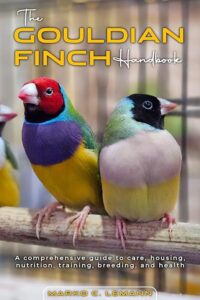
At 62 pages, The Gouldian Finch Handbook Complete Guide delivers extensive finch care details on housing, finch wellness, and avian health designed specifically for this vibrant species. You’ll find expert insights on Gouldian finch behavior, social structures, and nutrition balance, including that essential 70% pellet diet supplemented with fresh produce.
The handbook overview covers breeding protocols, training techniques, and recognizing stress signals, making it valuable for both novice and experienced bird health enthusiasts.
Though reader reviews remain limited due to its April 2025 publication date, the content accuracy and guide comparison value make it a solid investment at $5.99.
Best For: First-time Gouldian Finch owners and experienced bird keepers looking for a compact, species-specific resource covering housing setup, nutritional balance, breeding basics, and early disease detection.
- Covers the full spectrum of Gouldian Finch care in one affordable guide, from cage dimensions and bar spacing to dietary supplements and stress reduction strategies.
- Provides actionable health monitoring advice, including recognizing illness symptoms like fluffed feathers and lethargy, plus hygiene protocols to prevent common diseases.
- Offers practical enrichment ideas and behavioral insights that help you understand finch social structures, vocalizations, and signs of happiness versus stress.
- At 62 pages, the guide may feel brief for readers seeking in-depth coverage of advanced breeding techniques or complex medical conditions.
- Limited reader reviews due to the April 2025 publication date make it harder to gauge real-world effectiveness and content quality.
- The species-specific focus means it won’t be useful if you own other finch varieties or mixed aviaries with different bird types.
9. Ultimate Finch Care A Complete Guide
Definitive Finch Care A Complete Guide is your go-to resource for thorough finchkeeping, covering everything from finch psychology to effective training techniques. Priced at $2.99, this 36-page handbook packs practical advice on finch communication, nutrition balance, and habitat setup.
You’ll learn how to address behavior problems like feather plucking while building a stronger bond with your bird. Though its ranking of 4,677 in Pet Food & Nutrition suggests niche appeal, the guide offers solid fundamentals for both newcomers and experienced avian care enthusiasts seeking accessible bird health information.
Best For: First-time finch owners and bird enthusiasts looking for an affordable, straightforward introduction to finch care basics without diving into advanced avian topics.
- Covers essential topics like habitat setup, nutrition, hygiene, and illness detection in one compact guide that’s easy to reference quickly.
- Budget-friendly at $2.99, making expert finch care advice accessible without a significant financial commitment.
- Includes practical training methods and behavioral problem-solving tips that help strengthen your relationship with your finch.
- At only 36 pages, the guide may lack depth on specialized topics or advanced finch care techniques that experienced owners might need.
- Focused exclusively on finches, so it won’t help if you’re caring for other bird species or planning a mixed aviary.
- Lower ranking in its category suggests it may not be as comprehensive or well-known as other finch care resources available.
10. Gouldian Finch Breeding Log Book
Serious Gouldian finch breeders need a reliable way to monitor breeding behaviors and track patterns over time. The Gouldian Finch Breeding Log Book offers 120 templates to record pair details, chick detail tracking, and hatch dates across its 123 pages.
Log book benefits include breeding data analysis that aids breeding program improvement, helping you spot trends in your finch bird colony.
While manual data entry takes effort and the 10-chick limit per template may frustrate larger operations, this $9.99 resource answers common finch FAQs for dedicated finch breeding enthusiasts.
Best For: Dedicated Gouldian finch breeders who want a straightforward, organized system to track breeding pairs, chick development, and hatch records without digital tools.
- 120 breeding templates give you plenty of space to document multiple breeding cycles throughout the season, making it easier to spot patterns and improve your program over time.
- Includes dedicated sections for pair details, chick information (date laid, hatched, sex, band color), and notes, so all your critical breeding data stays in one place.
- Affordable at $9.99 and compact at 6×9 inches, making it easy to keep near your aviary for quick updates during daily checks.
- Limited to 10 chicks per breeding template, which can be restrictive if you’re managing larger clutches or multiple foster arrangements.
- Manual data entry takes time and increases the chance of recording errors compared to digital tracking systems.
- Physical book format isn’t as convenient as digital alternatives for analyzing trends, sharing data, or making quick edits.
Frequently Asked Questions (FAQs)
How do you care for finches?
Finch care involves providing proper housing, balanced nutrition, and daily hygiene routines. Understanding basic finch needs, behavior, and communication helps you prevent finch diseases while supporting their lifespan through attentive monitoring and environmental enrichment.
What should I do if my Finch is sick?
If your finch shows disease signs like lethargy or abnormal droppings, isolate it immediately.
Provide warmth and minimize handling.
Contact an avian vet for finches, especially if symptoms worsen or emergency action becomes necessary.
How do you raise a healthy Finch?
You raise a healthy finch by providing a spacious habitat, balanced diet with seeds and fresh produce, clean environment, regular health monitoring, and social companionship.
These basics support finch disease prevention and stress reduction naturally.
Do finches have health problems?
Yes, common finch health issues include mycoplasmal conjunctivitis, trichomoniasis, avian pox, and bumblefoot. Recognizing symptoms early and seeking veterinary care helps prevent disease transmission while proper hygiene reduces risks considerably.
How do you handle a finch?
Hold your finch by placing your palm across its back and wings, with fingers gently around its neck. Apply firm but gentle pressure to prevent escape while avoiding chest compression that restricts breathing.
What is a finch care sheet?
A care sheet consolidates expert recommendations on finch diet and nutrition, finch enclosure cleaning, and maintaining finch hygiene into an accessible format.
Its content overview emphasizes preventative care, helping you recognize when veterinary care becomes necessary while covering daily routines.
How often should finches bathe or be misted?
Most finches bathe twice weekly, though daily bathing is fine.
Offer a shallow dish with lukewarm water around half an inch deep, or mist gently above the cage several times weekly to maintain feather health.
What is the ideal temperature range for finches?
Your finches thrive between 68-77°F (20-25°C), their thermoneutral zone where stress stays low.
Avoid temperature fluctuations and watch for cold stress signs like fluffed feathers or heat stress signs including open-mouth breathing during acclimation.
Can finches be trained to step up?
Most finches won’t naturally step up without rewards—only about 1% comply reliably.
However, fledgling training using gentle pressure, positive reinforcement schedules, and high-value treats builds handling benefits, behavioral flexibility, and strengthens your bird’s bond with you.
How long do finches typically live in captivity?
Most captive finches live between 5 and 15 years, depending on species lifespan and genetic factors. Zebra finches average 5 to 9 years, while excellent care and avian nutrition can extend some species’ longevity considerably beyond captivity vs. wild lifespans.
Conclusion
You might worry finch health care tips sound complicated, but most owners master the basics in just a few weeks. Your daily routine—fresh food, clean water, and a quick cage check—takes only minutes.
The real secret is consistency, not flawlessness. Watch for subtle changes in behavior, keep their environment stress-free, and don’t hesitate to call an avian vet when something feels off. Your attention to these details makes all the difference in their longevity and quality of life.
- https://www.omlet.us/guide/finches_and_canaries/keeping_pet_finches/
- https://www.classace.io/answers/write-an-essay-about-why-finch-is-the-best-self-care-app
- https://www.reddit.com/r/Finches/comments/18v7wek/how_much_space_does_a_finch_cage_need/
- https://www.kaytee.com/learn-care/pet-birds/everything-you-need-to-know-about-pet-finches
- http://www.finchinfo.com/general/basic_housing.php