This site is supported by our readers. We may earn a commission, at no cost to you, if you purchase through links.
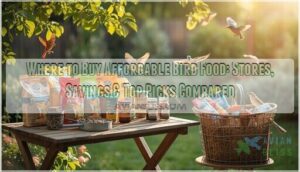
The sound of wings beating at your window is a gentle reminder—feeding wild birds isn’t just a pastime, it’s how you invite color and song right to your doorstep. But anyone who’s cringed at checkout knows how fast those little seeds add up. Somewhere between sticker shock and watching cardinals bicker over scraps, you start to wonder where to buy affordable bird food without cutting corners on quality or variety.
Knowing where to look and what to buy can turn feeding time into a pleasure, not a chore, for both you and your feathered guests.
Table Of Contents
- Key Takeaways
- Where to Find Affordable Bird Food
- Bird Food Price Comparison and Savings
- Top Affordable Bird Food Products
- 1. Audubon Park Black Oil Sunflower Seed
- 2. Audubon Park Sunflower Hearts And Chips
- 3. Kaytee Safflower Seed For Wild Birds
- 4. Wagner’s Nyjer Seed Wild Bird Food
- 5. Hampton Farms Roasted In-Shell Unsalted Peanuts
- 6. Kaytee Wild Bird Songbird Blend Seed
- 7. Wagner’s Cherry Flavored Wild Bird Food
- 8. Kaytee All American Wild Bird Seed
- Types of Bird Food and Their Benefits
- Tips for Saving Money on Bird Food
- Frequently Asked Questions (FAQs)
- Conclusion
Key Takeaways
- Buying bird food in bulk from warehouse clubs, direct-from-mill sources, or through subscriptions can lead to significant savings without sacrificing quality.
- Local stores often offer better prices on popular seeds like sunflower and safflower than online retailers, while online shopping shines for bulk deals and flash sales.
- Choosing specialty shops or family-owned mills can provide fresher, region-specific blends, and loyalty discounts that support both your birds and local community.
- Mixing bulk purchases, coupon use, and eco-friendly packaging helps keep costs down, reduces waste, and supports your neighborhood as well as your feathered friends.
Where to Find Affordable Bird Food
When feeding your backyard birds, finding the best deal on quality food makes all the difference. You’ve got several shopping options, each with its own perks.
Let’s take a look at where you can get the most value for your flock.
Comparing Local Stores Vs. Online Retailers
When you’re comparing local vs. online for the cheapest bird food retailers, the choice really comes down to priorities. Local stores let you pick up what you need right away and may price-match national promotions, while online shopping offers bigger brand selection, easy subscription savings, and broader birdseed price comparison—even if delivery times run a bit longer.
Considering the impact of environmental issues, it’s also important to think about single-use plastics in packaging.
Bulk Discount Retailers and Warehouse Clubs
If you’re keeping an eye on the cheapest bird food retailers, warehouse clubs like Sam’s Club, Costco, and Tractor Supply make a big splash with bulk savings. Here’s how to make the most of them:
- Membership Savings: Sign up for perks.
- Pallet Discounts: Big orders, lower unit prices.
- Regional Pricing & Home Storage Solutions: Shop local for fresher, quality seed.
These savings can be symbols of abundance for bird enthusiasts.
Specialty Bird Food Shops
If you crave Expertise Matters in your buying experience, specialty bird food shops bring just that. These local stores excel with Region-Specific Blends and Non-Traditional Formulations, giving you seed quality you can see and staff know-how you can trust.
Yes, their prices run higher, but many folks find the boost in customer satisfaction and cost savings analysis worth it when comparing bird food prices.
Direct-from-Mill and Family-Owned Options
When you want true Mill savings and family discounts, consider buying direct from a family-owned mill. These mills often offer loyalty programs and custom blends that fit your local birds, not just the one-size-fits-all mixes found online or at a local store.
The result? Lower costs and fresher seed, especially for those tracking the true price and cost savings analysis.
Bird Food Price Comparison and Savings
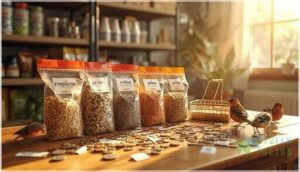
Finding the best value on bird food isn’t always as simple as checking a price tag. There are real savings to be found if you know where to look and when to buy.
Here’s what to keep an eye on as you shop.
Local Store Vs. Online Price Analysis
Ever notice how shopping for birdseed feels like chasing a moving target? Local vs. online price comparisons often come down to cost, with local stores offering retail price advantages on sunflower hearts and safflower—sometimes nearly 50% less. Still, online retailers tempt with bulk discounts and flash sales. Factor in regional pricing and price volatility before picking favorites.
| Source | Example Cost (2 lb) | Typical Savings |
|---|---|---|
| Local Store | $9.99–$11.99 | Up to 50% vs. online |
| Online Retail | $20.34–$23.40 | Bulk/Promo discounts |
| Pet Store | $8.98–$18.98 | Best for safflower |
| Warehouse | $10–$25 (bulk) | Bulk discounts (15–30%) |
| Subscription | Varies | 5–20% recurring |
Bulk Purchasing and Subscription Discounts
If stretching your dollar matters, buying bulk bird seed or starting a subscription is a game changer. Volume discounts and Mill Savings often stack up to 35% off. Subscriptions bring steady reorder cycles and perks like free shipping. Pair that with price tracking tools and online shopping for true budget wins—here’s how the main options compare:
| Option | Bulk Savings | Subscription Perks |
|---|---|---|
| Warehouse Club | 12–35% discount | Occasional promo |
| Direct-from-Mill | 5–20% savings | Seasonal flat rates |
| Online Retail | 8–15% discount | Flexible pause/cancel |
Seasonal and Promotional Deals
Seasonal blends and promotional bundling pop up often—retailers rotate limited-edition mixes and bundle trays with feeders, boosting both price savings and variety.
Watch for store brands and multi-channel deals in your region, since pricing swings and flash discounts are common, especially online.
Here’s how some deals stack up:
| Deal Type | Typical Savings |
|---|---|
| Promotional Bundling | 8–18% |
| Seasonal Blends | 5–12%* |
| Store Brands | 15–40% |
| Multi-Channel Deals | 2–6% |
Cost Savings Strategies for Bird Food
Some days, saving on bird food is like catching a break in a rainstorm—you just need the right strategy. Bulk buying slashes the per-pound cost, subscriptions chip away a little more, and price monitoring lands extra discounts. Choose local for community support or zero waste to cut loss. Here’s how smarter choices help your savings take flight:
| Strategy | Cost Effect | Emotional Win |
|---|---|---|
| Bulk Buying | 6–18% lower | Feels secure |
| Subscription Savings | 5–15% off | Steady supply |
| Local Support | 4–10% saved | Shop with heart |
| Zero Waste | Up to 5% less | Waste-free pride |
Top Affordable Bird Food Products
There are plenty of wallet-friendly bird foods out there, but a few always stand out for quality and value.
Here’s a quick look at some reliable favorites you can find easily. Let’s walk through a few top picks that give you the best bang for your buck.
1. Audubon Park Black Oil Sunflower Seed
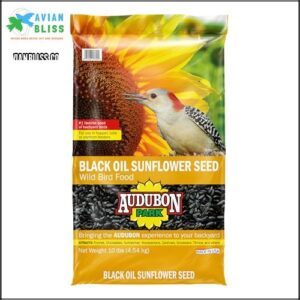
If you’re looking to bring a parade of birds to your backyard, Audubon Park black oil sunflower seed is a smart choice. This family-farmed bird food is all about Seed Nutrition, packing protein and healthy fat for feathered friends of every kind.
With its wide Species Attracted range—you’ll spot everything from cardinals to chickadees—and impressive Feeder Versatility, it belongs in any feeder.
Factor in strong Market Demand and affordable Retail Availability at your local store, and you’ve got a price that’s tough to beat.
Best For: Backyard birdwatchers who want to attract a wide variety of wild birds with a high-nutrition, versatile seed.
- Attracts over 50 wild bird species, including cardinals, finches, and woodpeckers.
- Works with most types of feeders and offers great nutrition for birds year-round.
- Widely available and more affordable in local stores than online.
- May contain some debris, half shells, or non-seed material.
- Some buyers report it can be dusty or not always fresh.
- Pricier than bulk options from feed stores or budget online sellers.
2. Audubon Park Sunflower Hearts And Chips
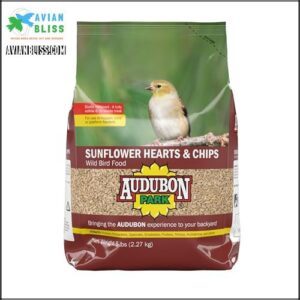
Ever wish bird food could be less messy, more nutritious, and simple to find? Audubon Park sunflower hearts and chips are just that—100% consumable, shell-free, and a hit with finches, chickadees, and nuthatches in any feeder.
You’ll spot the difference in Product Availability, as this birdseed pops up in both local stores and online, thanks to expanded Buying Habits and distribution.
With price trends showing bulk and subscription savings, plus fresher blends and ethical sourcing, feeding birds just got easier.
Best For: Backyard birdwatchers who want a mess-free, easy-to-use bird seed that attracts a wide range of songbirds and supports sustainable, local sourcing.
- Shell-free seeds create less mess and are 100% consumable, so there’s no waste.
- Attracts multiple bird species and works in various types of feeders.
- Widely available online and in stores, with discounts on bulk, subscription, or seasonal orders.
- Some customers report package damage or receiving mostly seed fragments.
- Can attract squirrels and other non-bird wildlife to your feeders.
- Costs can add up, especially if you need to refill frequently or maintain several feeders.
3. Kaytee Safflower Seed For Wild Birds
If you’re hoping to keep squirrels out and wild birds happy, Kaytee Safflower Seed checks both boxes. With its high nutritional value and solid protein punch, this bird food attracts favorites like cardinals and chickadees—while that bitter taste sends squirrels searching elsewhere.
Bird preferences can vary by region, but safflower is a smart pick if you want fewer messes and persistent pests. With good seed storage, you’ll keep it fresh longer, and its regional availability makes stocking up a breeze.
Best For: Backyard bird enthusiasts seeking to attract songbirds like cardinals and chickadees while discouraging squirrels and other nuisance feeders.
- High in protein and oil, attracting a variety of desirable songbirds.
- Bitter taste naturally deters squirrels and often unwanted birds.
- Available in bulk and through subscription services, making it convenient and cost-effective.
- Some birds, like juncos and blackbirds, may avoid safflower seeds.
- Shelled residue can create extra clean-up around feeders.
- Effectiveness may vary by region, and supply can occasionally be limited in rural areas.
4. Wagner’s Nyjer Seed Wild Bird Food
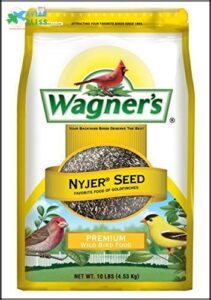
Wagner’s Nyjer Seed Wild Bird Food is a sure-fire way to keep finches flocking to your feeder. Known for its high seed quality and extra-clean batches, this Nyjer seed stands out for dependable freshness and packaging integrity—so less mess, more songbirds.
Buyers weighing affordable bird food options will appreciate that local retailers and bulk buying strategies often beat online prices.
If you want to nurture goldfinches and other tiny songbirds with premium nutrition and less waste, Wagner’s Nyjer Seed is a smart pick.
Best For: Dedicated backyard birders who want to attract goldfinches and other small songbirds with top-notch, extra-clean Nyjer seed.
- High energy, extra-clean Nyjer seed attracts finches and creates minimal waste.
- Convenient velcro closure keeps the 10-pound bag fresh and easy to use.
- Widely available in urban stores and online, with bulk options that help lower the cost.
- More expensive than basic or blended bird seed options.
- Shells can build up under the feeder, so placement and cleanup matter.
- Occasional packaging issues like small bag leaks can happen.
5. Hampton Farms Roasted In-Shell Unsalted Peanuts
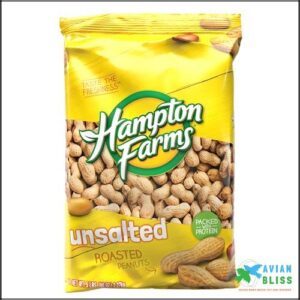
If you want to change things up for your backyard birds—and maybe some curious squirrels—Hampton Farms Roasted In-Shell Unsalted Peanuts offer serious value. With their high protein and heart-healthy fats, these peanuts help wild birds thrive, while their shells encourage natural foraging.
Cost-conscious shoppers will notice that bulk bags often cut the price per pound. Their **U.S.
-grown sourcing and low-waste packaging** can also reduce environmental impact, making Hampton Farms Peanuts both a practical and thoughtful bird food pick.
Best For: Bird and nature lovers who want a nutritious, low-sodium snack for backyard wildlife that’s also heart-healthy and environmentally friendly.
- Endorsed by the American Heart Association, high in protein, and supports bird health with essential nutrients.
- Grown in the USA and widely available in bulk, helping both your wallet and the planet.
- Unsalted and low in sodium, making them safe for birds, pets, and humans alike.
- Some shells might be broken or over-roasted, and freshness can vary from bag to bag.
- Price may go up during peak seasons, and coupons or deals aren’t always available.
- Not labeled organic, and may not suit those who prefer salted or flavored peanuts.
6. Kaytee Wild Bird Songbird Blend Seed
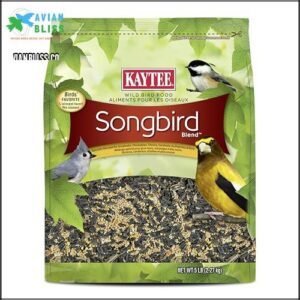
Kaytee Wild Bird Songbird Blend Seed is popular for feeding wild birds, especially if you love seeing flashes of color at your feeder. This blend—crafted by a brand with a long-standing Kaytee reputation—offers a mix of sunflower seeds, peanuts, and millet, all aimed at attracting songbirds to your backyard oasis.
At around $18.99 for a five-pound bag, the price sits comfortably between budget and premium. Songbird blend reviews praise its effectiveness, though quick eaters may have you refilling feeders more often.
Best For: Backyard bird lovers who want to attract colorful songbirds with an easy, trusted seed blend.
- Attracts a wide variety of songbirds, bringing more color to your yard.
- Nutritious mix designed by experts with over 150 years of experience.
- Suitable for year-round use and appeals to most wild bird species.
- May attract squirrels and needs frequent refilling as birds eat quickly.
- Some small birds might ignore the sunflower seeds.
- Quality can vary, with a few users reporting it’s not the highest grade but still works.
7. Wagner’s Cherry Flavored Wild Bird Food
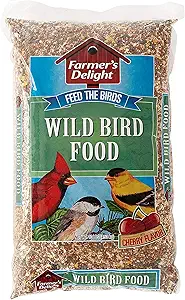
Cherry flavor appeal gives this wild bird food a spot in many feeders, especially in homes aiming for extra color and variety. Consumer demographics show suburban families and garden groups are keen on this novelty, while its nutritional value remains on par with classic seed mixes.
With an average price just under $10 for a 5-lb bag, it stands as a middle-tier choice in the bird food market. You’ll find Wagner’s Cherry Flavored Wild Bird Food both online and at local stores, making price comparison easy.
Best For: Suburban bird enthusiasts, families, and backyard birdwatchers looking for an affordable and flavorful way to attract a more colorful variety of birds.
- Attracts a wide range of backyard birds, especially finches and cardinals.
- Cherry flavor appeals to buyers seeking something new, with strong brand loyalty on repeat purchases.
- Widely available in stores and online, with competitive pricing and promotional deals.
- Some birds may waste seeds they dislike, causing mess around feeders.
- Strong cherry aroma might not appeal to all users and may attract squirrels or raccoons.
- Per-pound cost is slightly higher than standard, unflavored seed mixes.
8. Kaytee All American Wild Bird Seed
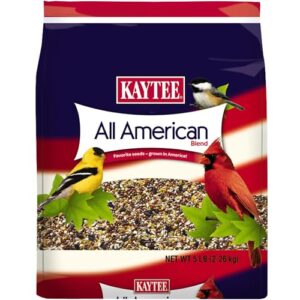
If you’re looking for a blend that draws a crowd to your feeder, Kaytee All American Wild Bird Seed is a strong contender. Packed with a mix of bird-preferred grains and black oil sunflower, its nutritional value attracts a variety of backyard visitors.
Cost-effectiveness stands out here—you’ll often spot better prices online, especially during sales, but local stores keep it affordable too. The main gripe? Occasional packaging issues, so check bags for damage.
All in all, this Kaytee seed review earns top marks for bird attraction.
Best For: People who want a reliable, affordable wild bird seed blend that attracts a wide range of backyard birds.
- Rich in black oil sunflower and bird-preferred grains, so it draws many wild bird species.
- Affordable pricing, with extra savings possible through bulk buying, subscriptions, and seasonal deals.
- Widely available both in stores and online, so it’s easy to keep feeders stocked.
- Some users report occasional packaging damage or torn bags.
- Attracts many species but may not appeal to every type of wild bird.
- Quality and freshness can vary slightly depending on the retailer or shipping.
Types of Bird Food and Their Benefits
Choosing bird food isn’t a one-size-fits-all situation—it really depends on the birds you hope to welcome. Each type brings something different to the table, both in nutrition and in which feathered friends might show up.
Let’s look at the most common options and what makes each one a smart pick for your backyard.
Sunflower Seeds: Black Oil and Hearts
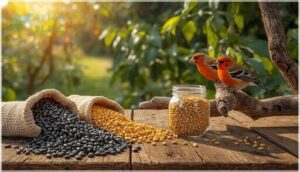
Ever wonder why black oil sunflower seed is the mainstay in backyard feeders? Its thin shell means more edible seed, higher nutritional content, and lower waste, all at a great price—especially from local stores. Here’s how to make the most of your sunflower seeds:
- Opt for black oil for maximum seed attractiveness.
- Choose sunflower hearts for less mess.
- Store seeds in airtight containers.
Safflower and Nyjer Seeds
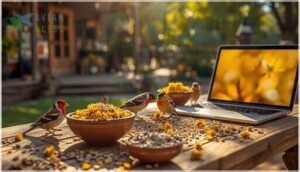
Think of safflower seed and Nyjer seed as the savvy shopper’s staples for attracting a variety of finches and songbirds. Safflower seed fits tight budgets in local stores, while Nyjer seed shines for both energy boost and cost efficiency—especially when you blend and store seed wisely.
With online and regional access rising, you’ll find affordable bird food year-round, no sweat.
Peanuts, Mealworms, and Suet
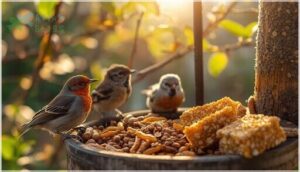
Looking to help your backyard birds thrive? Adding peanuts, mealworms, and suet cakes to your feeder mix is a game changer.
Peanuts are packed with energy—especially great for winter. Mealworms deliver that tasty protein boost birds crave during busy months.
And don’t overlook suet for winter feeding—it’s dense, affordable, and keeps birds warm when seed blend formulation needs a fat-rich helping hand.
Bird Seed Mixes and Formulated Diets
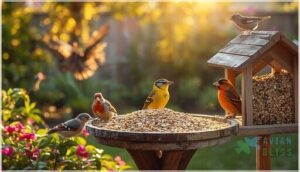
Want to keep your feathered visitors happy? Bird seed mixes and formulated diets offer a world of Bird food varieties—all packed with Blend Nutritional Value. Try these to boost backyard joy:
- Seed Mix Variety appeals to many species.
- Formulated Diet Benefits deliver targeted nutrition.
- Species-Specific Diets meet unique needs.
- Consider Organic Seed Options for a natural touch.
Choosing The Right Food for Local Birds
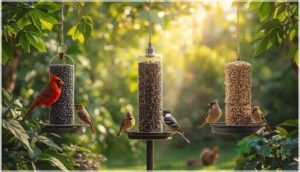
Curious which seed type to put in your feeder today? Start by thinking about the local species you see. Some birds love sunflower seeds; others flock to nyjer or suet.
Seasonal needs also matter. Mix up your bird food varieties for more visitors, and pick blends with lower filler for nutritional value and even a bit of squirrel deterrence.
Tips for Saving Money on Bird Food
Saving money on bird food is easier than you might think. There are a handful of simple strategies that keep your feeders full without stretching your budget.
Here’s what to look for when you shop.
Buying in Bulk for Lower Prices
When you buy bird food in bulk, you’re planting the seeds of long-term savings right in your backyard. Try these tips for making the most of volume discounts:
- Split bulk bags with neighbors for shared buying and lower prices.
- Use airtight storage solutions to prevent spoilage.
- Track price per pound online.
- Bulk purchasing trims cost—not quality.
Using Coupons and Subscription Services
Coupon stacking and digital discounts can turn your bird food bill into loose change, especially when paired with loyalty programs pushing weekly online deals. Subscription tiers with free shipping save 10–15% per year, but keep an eye on auto-renewal risks—prices sometimes jump quietly.
Bulk buyers often land bonus coupons, making each bag of seed a little lighter on your wallet.
Selecting Zero Waste and Eco-Friendly Options
Digital deals do more than trim your spend—they can also support eco-friendly decisions. Zero waste seed options, like bulk seed benefits and compostable bags, shrink your waste in a heartbeat. Local sourcing and sustainable seed choices matter for the planet, too. Imagine your next refill as an environmentally friendly swap, not just another chore:
- Bulk, unpackaged seed stations
- Compostable or recyclable packaging
- Sustainable, zero waste seed options
Supporting Local and Reducing Environmental Impact
When you choose a local store over online, you’re backing neighborhood businesses and trimming your carbon footprint. Local birding shops often stock regionally sourced seed, which means less packaging waste and fewer delivery miles.
Community gardens sometimes offer zero waste seed options, too, making environmentally friendly seed sourcing part of your routine—and a win for both birds and the planet.
Frequently Asked Questions (FAQs)
How can I store bird food to keep it fresh?
Storing bird food in airtight containers with temperature control (between 50–70°F) prevents pest problems and mold risk. Keep seed and bird feed off the floor. Use the FIFO method with labeled bulk storage for maximum freshness.
Are there safe alternatives if certain seeds are out of stock?
Isn’t it odd how a missing seed type can actually open new doors?
Try millet and corn for songbirds, swap safflower as an easy sunflower substitute, use peanuts as a supplement, or offer insect-based treats to keep everyone happy.
How do I attract specific bird species affordably?
Looking to attract certain backyard birds on a budget? Focus on high-energy seeds—black oil sunflower for most species, or safflower to deter nuisance species.
Smart feeder placement and seasonal feeding boosts visits, especially when you sync with your local flora.
What impact do weather conditions have on feeding costs?
Weather patterns like drought and winter storms can shrink crop yields, disrupt supply chains, and push up bird food costs.
Climate change causes more price volatility, especially online, with notable winter months seeing higher bird feeding expenses across the board.
Conclusion
Think of each seed as a small promise dropped into your yard, dotted with hope and invitation. The right approach to where to buy affordable bird food is like finding the perfect key—opening your backyard to more joy, less worry.
With every smart purchase, you’re not just saving money; you’re nurturing a flock and building a community of color and song. Every feed is a quiet reminder: kindness grows, for both birds and the hearts that feed them.
- https://www.flipsnack.com/countrymaxstores/wild-bird-guide_winter-2022/full-view.html
- https://writers.com/common-themes-in-literature
- https://spines.com/themes-in-literature/
- https://stlcc.edu/student-support/academic-success-and-tutoring/writing-center/writing-resources/topic-ideas.aspx
- https://www.5staressays.com/blog/research-paper-guide