This site is supported by our readers. We may earn a commission, at no cost to you, if you purchase through links.
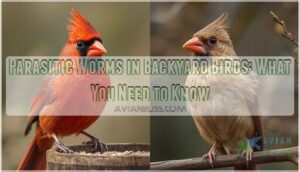
A bird at your feeder looks healthy one week, then shows up scraggly and thin the next. While you might blame competition for food or harsh weather, internal parasites could be stealing nutrients right from its digestive tract.
Parasitic worms in backyard birds are more common than most people realize, affecting everything from chickens to wild songbirds. These hidden invaders don’t just cause discomfort—they drain blood, block intestines, and can weaken entire flocks if left unchecked.
Understanding which worms target birds, how they spread through your yard, and what warning signs to watch for can help you protect the feathered visitors you’ve worked hard to attract.
Table Of Contents
- Key Takeaways
- What Are Parasitic Worms in Backyard Birds?
- How Birds Become Infected With Worms
- Symptoms of Worm Infestation in Birds
- Bird Species Most Susceptible to Worms
- Risk Factors for Worm Parasites in Backyards
- Diagnosing Worm Parasites in Birds
- Treatment Options for Infected Birds
- Preventing Worm Parasites in Backyard Birds
- Impact of Parasitic Worms on Bird Populations
- Frequently Asked Questions (FAQs)
- Conclusion
Key Takeaways
- Parasitic worms affect 20-90% of backyard birds depending on species, with roundworms, tapeworms, and hookworms stealing nutrients, causing anemia, and potentially killing up to 30% of heavily infected flocks—especially vulnerable juveniles.
- Birds pick up worms by eating contaminated soil, infected insects like beetles and slugs, or through dirty feeders where parasite eggs can survive for months, making your backyard itself a transmission hotspot.
- Watch for weight loss (5-18% drop), watery diarrhea, pale combs, ruffled feathers, and lethargy as warning signs, and get veterinary diagnosis through fecal tests or blood work rather than guessing—wrong treatment fuels dangerous drug resistance.
- Prevent infections by cleaning feeders weekly with diluted bleach, rotating feeding locations every 1-2 weeks to break contamination cycles, and quarantining new birds for 30-45 days before mixing them with your flock.
What Are Parasitic Worms in Backyard Birds?
Parasitic worms are internal organisms that live inside birds, feeding off their host’s nutrients and causing various health problems. These parasites come in several forms, each affecting birds differently depending on where they settle in the body.
Understanding the common types and their impact on bird health helps you recognize potential problems in your backyard visitors.
Common Worm Species Affecting Birds
Several worm parasites threaten backyard birds’ health. Nematode identification is critical, as roundworms like Subulura brumpti infect up to 68% of surveyed chickens. Cestode infections include tapeworms such as Raillietina species, affecting roughly 27% of domestic pigeons. Filarial worms circulate in bloodstreams, causing respiratory distress. Trematode decline has been documented over 20 years in farmland birds, though regional prevalence varies widely by species susceptibility. Parasite prevalence is high in both pigeons and chickens.
Common culprits include:
- Roundworms (Ascaridia, Capillaria) stealing nutrients from intestines
- Tapeworms (Raillietina species) absorbing food through gut walls
- Hookworms draining blood and causing severe anemia
- Threadworms triggering persistent diarrhea and weight loss
How Worms Impact Bird Health
Worm parasites damage bird health in measurable ways. Mortality rates can hit 30% in heavily infected flocks, especially among juveniles. Growth effects include a 22% drop in nestling development and 17% lower fledging weights. Nutritional deficiencies result from malabsorption—infected birds lose up to 25% of nutrient intake. Reproduction impacts show 16% fewer eggs laid.
Behavioral changes like lethargy and ruffled feathers signal parasite infestation symptoms you shouldn’t ignore. Birds can contract both internal and external parasites that impact their health.
How Birds Become Infected With Worms

Understanding how worms get into birds helps you protect the ones visiting your yard. Birds pick up parasites through several pathways, each tied to their daily routines and environment.
Let’s look at the main ways these infections happen.
Parasite Life Cycles
Understanding how worm parasites complete their life cycles helps you protect your backyard birds. About 61% of these endoparasites follow direct cycles—birds ingest embryonated eggs from contaminated soil, and larvae develop into adults within 20–35 days.
Key factors in parasitology include:
- Egg survival: Roundworm eggs remain infectious for up to one year outdoors
- Larval persistence: Infective stages survive 2–4 weeks in your yard
- Seasonal dynamics: Warm, wet months accelerate helminthiasis transmission
Host ingestion during foraging causes 88% of infections, with asexual multiplication rapidly increasing parasite infestation levels.
Intermediate Hosts (Insects, Beetles)
Many tapeworms reach your backyard birds through insect vectors like ants, beetles, and houseflies. A single slug can harbor over 1,500 infective parasite stages. When birds eat these infected beetles or other insects, they ingest endoparasites that mature into adult worms.
This beetle transmission causes significant economic impact in poultry, with gastrointestinal parasites costing up to $190 per bird annually. Effective bird parasite control strategies must target these host ecology pathways.
Environmental Contamination
Beyond insect hosts, your backyard itself becomes a reservoir for worm parasites through fecal shedding. Studies show soil contamination reaches 15.5% in residential areas, with parasite eggs persisting for weeks on feeders and bathing sites.
Poor hygiene practices at feeding stations create site dynamics where birds continuously reinfect themselves.
Wildlife disease prevention requires understanding that egg persistence makes parasite control and prevention essential for protecting backyard birds from repeated parasite infestation cycles.
Symptoms of Worm Infestation in Birds
Spotting a worm infestation early can make all the difference in helping your backyard birds recover. The signs aren’t always obvious at first, but knowing what to look for helps you act quickly.
Here are the key symptoms that signal your feathered visitors might be dealing with parasitic worms.
Weight Loss and Poor Condition
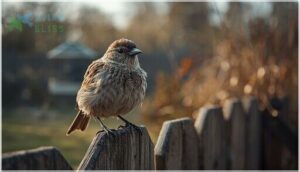
Weight loss signals trouble in your backyard birds. Infected birds can drop 5% to 18% of their body weight, showing visible muscle wasting and deteriorating feather quality. Worm parasites steal nutrients, reducing feed efficiency and impairing nutrient absorption.
Studies link severe parasite infestation with mortality rates reaching 25% in heavily burdened flocks. Poor body condition makes these birds vulnerable to secondary infections and premature death.
Diarrhea and Digestive Changes

Diarrhea often reveals digestive parasites at work in your birds. Up to 26.6% of backyard flocks show coccidia-related diarrhea, while intestinal parasites affect about 20% of wild songbirds.
You’ll notice watery droppings, sometimes with undigested feed particles. These changes signal malabsorption syndromes and nutritional deficits.
Severe cases cause intestinal impaction, mucosal congestion, and electrolyte imbalance—potentially life-threatening conditions requiring immediate veterinary attention.
Lethargy and Ruffled Feathers
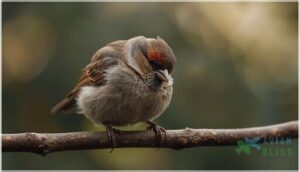
When your birds fluff up and barely move, energy depletion from worm parasites is likely draining their reserves. Lethargy affects up to 80% of heavily infected finches, with symptom correlation between inactivity and parasite burden. Watch for:
- Birds spending less time active or feeding
- Persistent ruffled feathers for feather thermoregulation
- Higher age susceptibility in juveniles (42% vs. 20% in adults)
- Mortality rates reaching 80% in severe cases
These bird diseases demand immediate veterinary assessment.
Anemia and Pale Features
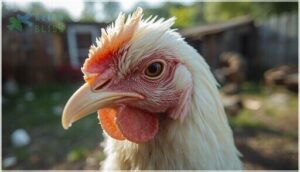
Look closely at your chickens’ combs and wattles—if they’re pale or shriveled, anemia from worm parasites may be the culprit.
Studies show 86.6% of backyard chickens with intestinal parasites develop red cell reduction and low hemoglobin levels, especially during heavy parasite infestations in birds.
This pale comb causes poor performance impacts, including reduced egg production and increased mortality. Anemia prevalence climbs when avian health declines from these bird diseases.
Bird Species Most Susceptible to Worms

Not all birds face the same level of risk regarding worm parasites. Some species are naturally more vulnerable due to their physiology, behavior, or living conditions.
Understanding which birds are most susceptible can help you focus your prevention efforts where they matter most.
Chickens and Poultry Risks
If you’re raising chickens, helminth prevalence matters—up to 80% of backyard poultry carry intestinal parasites. Poor biosecurity risks and free-ranging lifestyles create perfect transmission routes through contaminated soil and insects.
Species susceptibility is high in chickens, making regular deworming medications and veterinary care essential.
The economic impact is real: infected birds produce fewer eggs and grow slower. Strong poultry health management prevents these losses.
Wild Songbirds and Corvids
Wild songbirds and corvids face unique challenges. Corvid parasite vectors like crows and magpies spread helminths across mixed flocks, with urban bird infections reaching higher levels than rural areas. Songbird helminth prevalence affects 20% of surveyed birds, worsened by omnivorous feeding risks. Seasonal parasite abundance peaks dramatically in winter—nearly 44 times spring levels.
Key avian health management concerns:
- Roundworms and tapeworms dominate intestinal infections
- Thrushes show highest worm burdens among songbirds
- Mixed-species flocks increase transmission risks
- Environmental contamination drives urban outbreaks
Juvenile Vs. Adult Birds
Age is a factor with worm parasites. Juveniles face far greater risk than adults—22.4% of young birds show infection versus 17.9% of adults. Their immune development isn’t complete yet, making them vulnerable to higher parasite loads and steeper mortality differences.
Transmission dynamics shift too: juveniles can harbor double the egg count of adults, affecting long-term outcomes and reproductive impact across backyard populations.
Risk Factors for Worm Parasites in Backyards

Your backyard can become a breeding ground for parasitic worms without you even realizing it. The conditions you create—or fail to address—directly influence whether worm parasites thrive or disappear.
Let’s look at the key risk factors that increase worm transmission among your backyard birds.
Poor Hygiene and Dirty Feeders
Among all backyard bird risks, dirty feeders stand out as parasite hotspots. Without proper feeder sanitation and hygiene practices, contamination sources multiply rapidly—eggs and larvae accumulate on surfaces, spiking transmission rates by up to 40%.
Daily cleaning with diluted bleach greatly reduces intestinal parasites and health consequences. Your commitment to avian disease prevention through strict parasite prevention and control protects bird health and wellness while supporting proper bird nutrition and diet.
Overcrowding and Flock Density
Beyond dirty feeders, high flock density creates a perfect storm for worm parasites. When birds crowd together, transmission skyrockets—your backyard flock faces 70% higher infection rates in poorly managed spaces.
Here’s what density does:
- Stress weakens immunity, making birds vulnerable to intestinal parasites
- Worm burden severity multiplies as contamination accumulates in confined areas
- Health and productivity decline—egg production drops 20-30% in overcrowded flocks
Keep spacing below 4-5 birds per square meter to protect against bird diseases.
Seasonal and Environmental Influences
Temperature impacts worm transmission more than you’d think. Parasite prevalence jumps 10% with each 1°C rise, while rainfall effects create environmental reservoirs where eggs thrive in moist soil.
Humidity influence peaks during warmer months when intermediate hosts flourish. Winter drops infection rates to 18%, but immunity variation means your birds stay vulnerable year-round.
Weather patterns directly shape wildlife health risks in bird species populations.
Diagnosing Worm Parasites in Birds

If you suspect a bird in your backyard has worms, getting a proper diagnosis is the first step toward helping it recover. Your vet has a few tools to confirm what’s going on inside the bird’s body.
Let’s look at the main ways parasites are detected.
Blood Tests for Parasitic Detection
Your vet can detect worm parasites using sophisticated blood tests that fecal examinations might miss. Blood films reveal microfilariae from filarial worm infections, while PCR sensitivity reaches as low as 0.02 parasites per microliter.
ELISA screening works well for larger flocks, and proper sample handling on filter paper achieves 97% detection accuracy. These veterinary medicine tools help diagnose parasites across different bird species effectively.
Veterinary Assessment and Organ Analysis
When fecal examinations and blood work don’t tell the full story, your avian vet uses sophisticated diagnostic techniques to assess organ pathology. Post-mortem tissue analysis reveals the true severity patterns of worm damage through:
- Endoscopy of lungs, intestines, and air sacs
- Histological markers like inflammatory cell infiltration
- Radiography showing parasite burden
- Tracheal washing for airway infections
These veterinary medicine tools confirm infection when birds shed eggs inconsistently.
Treatment Options for Infected Birds
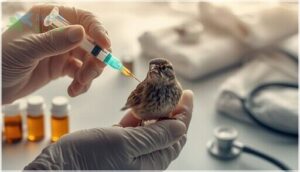
If your bird tests positive for worms, you’ll need to act quickly to clear the infection and restore their health.
Treatment usually involves targeted medications combined with supportive care to help the bird recover. Your vet will guide you through the best approach based on the specific parasite and your bird’s condition.
Bird-Safe Deworming Medications
When your bird tests positive for worms, you’ll need targeted antiparasitic medications. Fenbendazole is the go-to choice for roundworms in backyard chickens—it’s FDA-approved with no egg withdrawal period. Moxidectin offers another safe option, while praziquantel effectively combats tapeworms. Albendazole, however, carries risks of liver toxicity, so careful dosing is essential.
Natural alternatives like wormwood show promise but shouldn’t replace veterinary care for birds in severe cases.
Supportive Care and Nutrition
When worms rob your bird of nutrients, recovery depends on more than just medication. Your infected bird needs specialized nutritional support to rebuild strength and fight off intestinal parasites effectively.
Here’s what supportive avian nutrition and diet should include:
- Protein intake at 20% or higher helps infected birds maintain body weight during recovery
- Vitamin supplementation with calcium (60-120 mg daily) plus vitamins D, A, and E reduces anemia and aids immune function
- Hydration support through electrolyte-enriched water combats diarrhea and prevents dangerous fluid loss
Feed small amounts frequently—every 20-45 minutes for juveniles—to aid avian digestive health without overwhelming compromised intestines.
Importance of Veterinary Guidance
Self-diagnosing can turn a manageable problem into a deadly crisis. Without veterinary care for birds, you risk misidentifying worm species, administering unsafe medication, and fueling drug resistance that makes future treatment impossible.
Here’s why professional avian medicine matters:
| Benefit | DIY Approach | Veterinary Guidance |
|---|---|---|
| Accurate diagnosis | Guesswork | 90%+ sensitivity via fecal testing |
| Deworming treatment options | Generic products | Species-specific antiparasitic medications |
| Safe medication | Contamination risk | Quality-controlled, licensed wormers |
| Flock health | Reinfection cycles | Strategic parasite diagnosis and treatment |
Veterinarians guarantee ethical considerations like proper dosing and egg withdrawal periods, protecting both your birds and your family.
Preventing Worm Parasites in Backyard Birds

The good news is that you don’t have to wait until your backyard birds get sick to take action.
Simple, consistent habits can dramatically reduce the risk of worm parasites spreading through your feeding stations and bird habitats.
Let’s look at three practical strategies you can start using today.
Cleaning Feeders and Water Sources
Every week or two, you’ll want to scrub your feeders with soap and hot water, then soak them in a bleach solution—one part bleach to nine parts water—for ten minutes. This cleaning protocol dramatically cuts parasite prevention risks and aids disease reduction.
Daily birdbath cleaning interrupts the infectious cycle, lowering the impact on prevalence of worms and safeguarding avian health through consistent parasite control.
Rotating Feeding Locations
Moving your feeder every week or two slashes soil contamination and transmission rates by cutting parasite loads at any one spot by over 40%. Rotating locations interrupts the cycle that allows intestinal parasites to build up in the ground.
This simple biosecurity measure boosts population health, supporting backyard bird conservation and wild bird health by making worm parasites far less likely to spread.
Quarantine and Health Monitoring
Before mixing new birds with your flock, quarantine them for 30 to 45 days. This quarantine duration lets you spot parasite symptoms early and apply deworming treatments if needed.
Run fecal tests during this window and practice biosecurity measures like separate equipment and washing hands between groups.
Health monitoring through quarantine effectiveness reduces transmission risk by over 60%, protecting your entire backyard population with proper veterinary guidance on parasite diagnosis and treatment options.
Impact of Parasitic Worms on Bird Populations
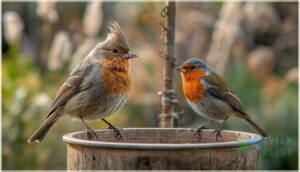
Parasitic worms don’t just make individual birds sick—they can affect entire populations in your backyard and beyond. Understanding how widespread these infections are and what they do to bird communities helps you see why prevention matters so much.
Let’s look at what the data tells us about infection rates, survival impacts, and the bigger picture for bird conservation.
Prevalence and Severity in Backyard Birds
Worm parasites affect backyard birds more often than you might expect. Studies show infection rates ranging from 20% in wild birds to over 90% in some backyard poultry populations.
Regional prevalence varies dramatically—seasonal variation peaks during rainy periods, while infection intensity can differ tenfold between geographic areas.
Mixed infections occur in up to 85% of affected birds, increasing severity and clinical outcomes considerably.
Effects on Growth, Reproduction, and Survival
When parasites take hold, they don’t just make birds uncomfortable—they reshape their future. Nestlings infected with intestinal parasites grew nearly 2 grams less over five days, a difference that matters for juvenile development. Survival rates drop sharply too: chicks carrying ten parasite larvae face double the mortality risk.
Female seabirds with higher worm burdens raised 30% fewer chicks to fledgling status, showing how helminthiasis cuts reproductive output while triggering physiological impacts and behavioral changes that ripple through bird species susceptibility.
Female seabirds carrying heavier worm burdens fledged 30% fewer chicks, demonstrating how parasites directly reduce reproductive success and alter behavior across vulnerable bird species
Broader Ecological and Conservation Concerns
Beyond your backyard, parasitic worms reshape entire ecosystems. Climate Effects intensify infections as temperatures rise, while Biodiversity Loss threatens specialist parasites—reducing ecosystem complexity by 22%.
Zoonotic Risks emerge when contaminated soil spreads pathogens to pets and wildlife.
Conservation Strategies now target parasite monitoring as an early warning system for Ecosystem Health and Balance, recognizing that healthy parasite communities reflect Wildlife Ecology integrity across Wild Bird Conservation and Health initiatives.
Frequently Asked Questions (FAQs)
Can parasitic worms spread from birds to humans?
Yes, though rare, certain helminth infections pose a zoonotic transmission risk through contaminated water or food.
Prevention strategies include proper hygiene when handling birds, avoiding exposure pathways, and maintaining clean feeding areas to protect public health.
How long do worm eggs survive in soil?
Egg survival duration depends on soil temperature effects and moisture level impact. Most helminthiasis-causing intestinal parasites persist several months under ideal conditions.
Sunlight exposure and proper parasite control measures greatly reduce worm parasites’ viability.
Do migratory birds carry more parasites than residents?
Migratory bird species carry roughly 4 times more unique parasites than residents.
Long-distance travel increases exposure to diverse worm species across regions, while migration stress temporarily weakens immune response, boosting infection risk.
Can wild birds recover from worms without treatment?
Some wild birds can fight off light worm loads naturally—immunity kicks in for about 30-40% of adults.
But juveniles and heavily infected birds rarely recover without treatment, facing steep survival odds.
Are certain feeder types safer from parasite transmission?
Feeder design greatly affects parasite prevention. Material cleanability and shape matter—platform feeders allow easier sanitation than tube feeders.
Moisture retention increases risk, while species segregation helps control parasite transmission and protects bird health.
Conclusion
An ounce of prevention is worth a pound of cure for parasitic worms in backyard birds. Clean feeders, rotate feeding spots, and watch for subtle changes in your birds’ appearance and behavior. These simple steps can stop parasites before they take hold.
If you notice warning signs, don’t wait—seek veterinary guidance quickly. Your vigilance protects not just individual birds, but the entire community that depends on your yard for survival.
- https://microbiologysociety.org/news/society-news/more-than-one-in-five-uk-wild-birds-have-parasitic-infections-research-finds.html
- https://edis.ifas.ufl.edu/publication/VM015
- https://kb.rspca.org.au/knowledge-base/how-when-and-why-should-i-worm-my-birds/
- https://2024.sci-hub.box/5194/d9e036f2d80e3e03c0a77417d14390c1/draycott2006.pdf
- https://pmc.ncbi.nlm.nih.gov/articles/PMC3427665/