This site is supported by our readers. We may earn a commission, at no cost to you, if you purchase through links.
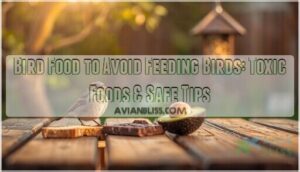
You toss a piece of toast to the sparrows at your patio table, thinking you’re doing them a favor. But that innocent gesture might be doing more harm than good. Many foods we consider safe, or even healthy for ourselves, contain compounds that birds’ systems simply can’t handle.
Chocolate, avocado, and even certain fruit seeds pack hidden dangers that can trigger cardiac distress, hemolysis, or worse. Understanding which bird food to avoid feeding birds isn’t about being paranoid—it’s about protecting the creatures you’re trying to help.
The difference between nourishing your backyard visitors and inadvertently poisoning them often comes down to knowing which common foods belong in your kitchen, not your feeder.
Table Of Contents
Key Takeaways
- Chocolate, avocado, and allium vegetables (onions, garlic) contain compounds that cause cardiac arrest, hemolysis, and sudden death in birds—even small amounts like 10 grams of dark chocolate or a quarter-clove of garlic can be lethal.
- Processed foods, including bread, salty snacks, and sugary items, lack essential nutrients and cause malnutrition, obesity, kidney failure, and angel wing deformity despite making birds feel full.
- Fruit pits and seeds from apples, cherries, peaches, and plums contain cyanogenic compounds that break down into cyanide, making seed removal critical before offering these fruits to birds.
- Dirty feeders spread diseases like salmonellosis and aspergillosis at alarming rates, but cleaning them every two weeks with a 1:9 bleach solution eliminates 99% of pathogens and protects entire flocks.
Foods That Are Toxic to Birds
Some foods that seem harmless can actually be deadly to birds, and it’s worth knowing which ones to keep out of your feeders. Even small amounts of certain ingredients can cause serious health problems, from heart failure to poisoning.
Here are the most dangerous foods you should never offer to wild birds.
Chocolate and Caffeine-Containing Foods
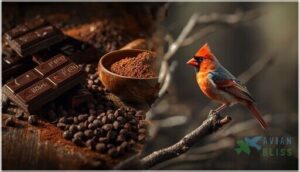
Chocolate’s dark secret? It contains methylxanthines—theobromine and caffeine—that trigger cardiac arrhythmias, seizures, and death in birds, even in tiny amounts. Your backyard visitor weighing 100 grams can die from just 10 grams of dark chocolate.
Chocolate contains methylxanthines that cause cardiac arrest and seizures in birds—just 10 grams of dark chocolate can kill a 100-gram bird
All chocolate types pose risks, with cocoa powder being exceptionally lethal. Avian metabolism can’t process these compounds like ours can, making chocolate one of the most dangerous toxic foods you’ll encounter.
Birds that ingest chocolate require immediate chocolate toxicity guidance to prevent serious health complications.
Avocado (Flesh, Skin, and Pit)
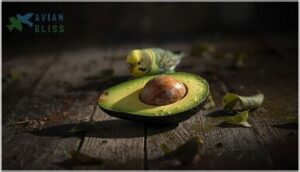
Avocado toxicity hits just as hard. Persin—a fungicidal compound in the flesh, skin, pit, and even avocado oil—causes cardiac distress and sudden death across bird species. Budgerigars can die from just 3.5 grams, while canaries succumb to 2 grams.
Signs appear within 15–30 minutes: lethargy, breathing trouble, collapse. There’s no antidote, so avoid all avocado parts completely.
Bird owners should research avocado toxic effects to better understand the risks.
Alliums (Onion, Garlic, Shallots)
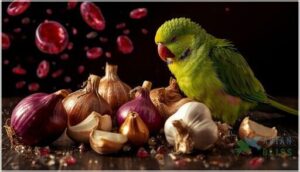
Allium toxicity doesn’t stop there—onion, garlic, and shallots cause bird hemolysis through organosulfoxides that rupture red blood cells. Just a quarter-clove of garlic can trigger avian anemia in parrots, while geese fed green onion suffered 8.4% mortality within 48 hours.
Symptoms—lethargy, vomiting, cardiac changes—appear days later, making garlic poisoning especially insidious. All forms (raw, cooked, powdered) threaten bird health and safety.
Honey and Moldy Foods
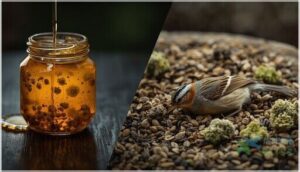
Honey carries a hidden Botulism Risk—Clostridium botulinum spores kill 10,000–50,000 birds annually, causing paralysis and respiratory failure. Even pasteurized varieties aren’t guaranteed safe.
Moldy Foods pose equal danger: Fungal Pathogens like Aspergillus infect up to 95% of aspergillosis cases, while Mycotoxin Exposure from Moldy Grains and Moldy Seeds destroys immune function and liver health.
Bird Food Safety demands you skip these Toxic Foods for Birds entirely—Toxic Food Avoidance protects the species you’re trying to help.
Fruit Pits and Seeds (Apple, Cherry, Peach, Plum)
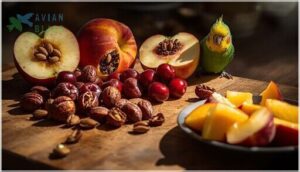
Apple, cherry, peach, and plum pits contain amygdalin, a cyanogenic compound that breaks down into cyanide. While a cockatiel needs 40–60 crushed apple seeds for cyanide poisoning, you shouldn’t risk it.
Fruit seed toxicity varies by species and body weight, making seed removal tips essential for bird feeding safety. Always core apples and strip fruit flesh from pits before offering these treats—avian nutrition depends on vigilance against toxic substances for birds.
Processed and Junk Foods Birds Should Avoid
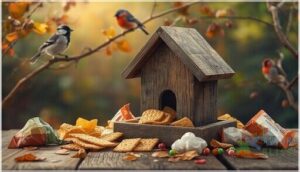
You mightn’t think twice about tossing a bird some leftover chips or a piece of toast, but these everyday foods can cause real harm. Processed snacks and junk foods contain salt, sugar, and additives that birds’ bodies simply weren’t designed to handle.
Here’s what to keep out of your feeders and away from your feathered visitors.
Salty Snacks (Chips, Crackers, Salted Nuts)
That chip you’re munching might seem harmless, but for birds it’s a recipe for disaster. Salt toxicity in birds is no joke—those salty snacks like chips, crackers, and salted nuts can trigger sodium poisoning fast, leading to kidney failure and death.
Here’s why these toxic foods wreck avian health:
- Severe dehydration: Excess sodium forces birds into overdrive trying to flush it out
- Neurological damage: Tremors, seizures, and disorientation follow high-sodium meals
- Kidney shutdown: Just a few grams overwhelms their system completely
Follow proper feeding guidelines—stick to unsalted seeds and fresh foods that support real avian nutrition instead.
Bread and Bakery Products
Tossing stale bread to birds might feel generous, but you’re setting them up for avian malnutrition and feeding hazards. Bread lacks essential nutrients—causing nutrient deficiencies that leave birds starving despite full stomachs.
Mold risks from bakery products trigger deadly respiratory infections, while harmful ingredients promote obesity and angel wing deformity. Skip these toxic foods entirely.
Choose bread alternatives like unsalted seeds and fresh fruit to support real bird nutrition and avian health instead.
Sugary Foods and Sweets
Sugar addiction in birds isn’t worth the sweet toxicity—processed sweets drive bird obesity and dietary imbalance faster than you’d think. Studies show diets exceeding 20% sugar calories cause fat deposits within weeks, triggering avian malnutrition and organ stress.
Harmful ingredients like artificial sweeteners cause hypoglycemia and liver damage. Skip these toxic foods entirely to protect bird nutrition and avian health.
Chewing Gum and Candy
Gum toxicity poses serious urban hazards beyond digestive issues—sticky residues trap birds’ feathers and feet, with recovery rates below 40%.
Candy risks include xylitol-induced hypoglycemia and liver damage, while theobromine from chocolate candies triggers cardiac arrhythmias at just 0.1 g per kg bodyweight.
These toxic foods offer zero nutrition, driving bird obesity and malnutrition. Avoid all sweets to protect bird health through proper food safety and avian medicine principles.
Other Unsafe Foods for Birds
Beyond the obviously toxic and processed foods, there are a handful of other common items in your kitchen that don’t belong in a bird feeder. Some of these might surprise you—they seem harmless at first glance but can cause real problems for our feathered friends.
Let’s walk through a few more foods you’ll want to keep out of reach.
Dairy Products
You might think a small piece of cheese won’t hurt, but bird nutrition tells us otherwise. Birds can’t digest lactose, making dairy products a poor choice that often triggers gastrointestinal health problems, including diarrhea and dehydration.
Instead, offer your feathered visitors safe calcium sources like cuttlebone or mineral blocks—these bird-friendly alternatives support their needs without the toxic risks that dairy brings to bird health.
Raw or Spoiled Meat
Raw meat poses serious disease transmission risks you shouldn’t ignore. At least ten recalls since 2018 have flagged contamination with salmonella, listeria, and E. coli—pathogens that trigger bacterial infections and avian diseases in birds.
Spoilage effects worsen rapidly outdoors, attracting pests and fostering toxic mold. Recent avian influenza cases highlight raw meat risks.
Protect bird health and bird nutrition by skipping meat entirely at your feeders.
Desiccated Coconut
Another everyday kitchen staple creates hidden dangers for your feathered visitors. Desiccated coconut undergoes rapid expansion inside tiny stomachs, absorbing fluids and swelling to dangerous volumes. This gastrointestinal risk leads to impaction, obstruction, and sometimes death.
- The dried flakes can expand several times their original size
- Swelling dangers include crop blockage and fatal digestive distress
- High fat content promotes avian obesity while displacing nutritious bird food
- Fresh coconut halves are safer alternatives that don’t cause toxic swelling effects
Protect bird health by keeping this processed ingredient away from feeders entirely.
Uncooked Rice and Pasta
You’ve probably heard the old myth that uncooked rice explodes in bird stomachs—good news, it doesn’t. Multiple studies confirm rice safety for avian digestion, with over 40 species regularly eating it in rice-farming regions. Uncooked pasta’s also non-toxic.
However, both lack essential nutrients for proper bird nutrition, so they’re poor bird food choices. Follow feeding guidelines: offer these plain and sparingly, never as staples. Focus instead on nutrient-rich seeds that truly support bird health.
Health Risks of Feeding Birds Unsafe Foods
When birds eat the wrong foods, the consequences can be swift and serious. From toxic reactions to long-term health problems, unsafe foods put wild birds at real risk.
Let’s look at the specific ways poor food choices can harm the birds visiting your yard.
Poisoning and Toxic Reactions
When toxic foods hit a bird’s system, symptoms can appear within 12 to 48 hours—and they’re not subtle. Theobromine from chocolate, persin from avocado, and cyanide from fruit pits trigger cardiac arrhythmias, respiratory distress, and rapid death in sensitive species. Moldy seeds introduce mycotoxins that damage the liver.
In documented cases, salt toxicity alone has caused mortality rates reaching 20% in exposed flocks.
Malnutrition and Obesity
The irony? You can harm birds by feeding them too much—or the wrong things entirely. Poor avian nutrition creates a double threat: malnutrition from nutrient-deficient seed-only diets, or bird obesity from high-fat human scraps. Both disrupt dietary needs and bird wellbeing.
- Malnourished birds lose up to 50% body weight, with visible muscle wasting
- High-energy diets increase abdominal fat by 47% and trigger metabolic disorders
- Dietary imbalance causes feather health problems, liver disease, and reduced survival in offspring
Disease Transmission and Mold Exposure
Think of your backyard feeder as a potential disease hub if you’re not careful. Bird health depends on spotting risks early—bacterial contamination from feces, fungal infections from moldy seeds, and avian pathogens thrive where feeder hygiene fails. Disease outbreaks and transmission spike at dirty feeding stations.
Regular cleaning cuts transmission by half—your diligence protects entire flocks.
| Risk Type | Common Source | Prevention |
|---|---|---|
| Salmonella (6.4% prevalence) | Fecal buildup, moldy seed | Clean feeders biweekly with bleach solution |
| Aspergillosis | Damp grains, contaminated peanuts | Store food dry, discard moldy seeds immediately |
| Mycoplasma conjunctivitis | Tube feeders, crowded stations | Move feeders 20 feet regularly, space stations apart |
| H5N1 avian influenza | Raw meat, contaminated products | Never offer raw poultry, follow FDA toxicology guidelines |
Digestive Distress and Choking Hazards
Unsuitable food particles cause serious digestive issues—crop impaction accounts for over 60% of emergency bird cases, and choking risks from oversized pieces affect up to 37% of small passerines. Food blockages and gizzard damage from inappropriate items can be life-threatening.
Watch for these warning signs of digestive distress:
- Open-mouth breathing and tail bobbing—you’ve got 5 minutes to act before mortality risk jumps 67%
- Drastic reduction in droppings—crop impaction cuts output by 75%, signaling blockage
- Continual straining without results—toxicology studies link this to moldy seeds and indigestible materials that trigger avian diseases
Safe Bird Feeding Practices to Follow
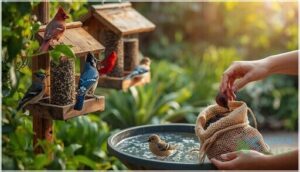
Now that you know what foods can harm birds, it’s time to shift your focus to what actually helps them thrive. Creating a safe feeding environment doesn’t require complicated steps—just a few mindful practices.
Let’s walk through the essential habits that’ll keep your feathered visitors healthy and your backyard a true sanctuary.
Choosing Nutritious Bird Foods
Your bird’s health depends on making smart choices. Black-oil sunflower seeds, safflower, white proso millet, and peanuts deliver outstanding nutrient balance—40% fat and 16% protein in sunflower alone. These seed selections outperform mixed blends with 45% less waste.
Skip the bread and toxic foods. Instead, offer healthy treats like fresh fruit and unsalted nuts to support bird health and nutrition through proper bird diet fundamentals.
Maintaining Feeder Hygiene
Your feeder can become a disease hotspot faster than you’d think. Clean it every two weeks—weekly during heavy use—with a 1:9 bleach solution to eliminate 99% of pathogens like Salmonella.
Maintaining bird feeder hygiene isn’t optional; dirty feeders spread trichomonosis and avian pox through accumulated debris. Rinse thoroughly, scrub birdbaths weekly, and sweep ground areas regularly for effective disease prevention and feeder maintenance.
Avoiding Food Contamination
Mycotoxins and bacterial pathogens lurk in damp seed, contaminating your feeder with aflatoxin levels that can reach toxic concentrations. You’ll protect bird safety by storing food in airtight containers, discarding wet or moldy seed immediately, and monitoring for Campylobacter and Salmonella—detected in up to 13% of feeder environments.
These contamination risks demand vigilant feeder maintenance and antimicrobial protection through proper seed storage practices.
Supporting Bird Health and Conservation
Beyond cleaning feeders, you’ll support wild bird care through habitat restoration and conservation efforts. Native plants boost bird-friendly environments by 48%, while reducing pesticides increases prey populations by 28%. Join bird monitoring programs to track population health—your data informs wildlife management decisions.
Consider these wildlife conservation actions:
- Plant native species that provide natural food sources
- Reduce chemical use in your yard
- Report sightings to citizen science databases
Together, we’re protecting birds from toxic foods and habitat loss.
Frequently Asked Questions (FAQs)
Can birds eat leftover pizza or pasta sauce?
Here’s the deal: leftover pizza or pasta sauce is a no-go for birds. High sodium levels, toxic garlic and onion powder, plus dairy and spoilage risks make these foods genuinely dangerous.
Are fried foods harmful to wild birds?
Yes, fried foods pose serious risks to wild birds. High sodium levels damage kidneys, while trans fats disrupt metabolism and feather waterproofing.
These items also reduce gut microbiota diversity, weakening immunity and increasing disease susceptibility.
Is peanut butter safe for all bird species?
Like a two-sided coin, peanut butter offers nutrition yet poses aflatoxin dangers and choking risks. Bird species tolerance varies—woodpeckers handle it, while finches struggle.
Use feeder safety tips: thin spreads, unsalted options, strict hygiene for bird health management.
Can birds digest spicy foods like peppers?
Birds handle spicy peppers without issue. They lack the capsaicin receptor mammals have, so hot foods don’t burn or harm them.
Pepper nutrition and spicy seed benefits support avian digestion and bird health management naturally.
Should I stop feeding birds during summer months?
You don’t need to stop summer feeding, but adjust your bird feeding practices. Offer smaller amounts daily, prioritize water provision over food, maintain strict feeder hygiene, and guarantee safe bird feeding in shaded spots.
Conclusion
Don’t let good intentions ruffle feathers. Knowing which bird food to avoid feeding birds transforms you from accidental threat to genuine ally.
Those chocolate crumbs, avocado scraps, and moldy bread carry consequences birds can’t voice until it’s too late. Your feeder can be a lifeline or a liability—the choice hinges on information you now possess.
Feed thoughtfully, clean regularly, and watch your backyard visitors thrive rather than merely survive.
- https://avianreport.com/foods-unsafe-for-wild-birds/
- https://www.petmd.com/bird/foods-are-toxic-birds
- https://www.avianandanimal.com/foods-birds-should-avoid.html
- https://chirpforbirds.com/wild-bird-resources/which-human-foods-are-bad-for-birds/
- https://hari.ca/avian-care/importance-of-salt-sodium-chloride-in-bird-food/