This site is supported by our readers. We may earn a commission, at no cost to you, if you purchase through links.
Last spring, more than 670 bird species appeared on backyard checklists across the country, each drawn by a different combination of seeds, feeders, and quiet corners. If you’ve ever watched a cardinal bypass your feeder or puzzled over why goldfinches vanish in July, you know that bird preferences are anything but random.
Choosing bird seed isn’t a one-size-fits-all affair—it’s about matching texture, nutrition, and season to each species that lands nearby. With a little strategy, your yard becomes more than a stopover: it turns into a dependable haven, feathered with returning visitors and bursts of unexpected color.
Table Of Contents
Key Takeaways
- Match bird seed types to the specific birds in your area by considering their bill shape, feeding habits, and seasonal needs.
- Avoid mixes with filler ingredients like red millet and wheat, prioritizing high-value seeds such as black oil sunflower or safflower for nutrition and health.
- Use appropriate feeders and strategic placement to attract diverse species while keeping seeds clean, fresh, and safe from pests or mold.
- Adjust your seed choices throughout the year for birds’ shifting nutritional needs, offering high-fat seeds in winter and protein or fruits in warmer months.
Key Factors in Choosing Bird Seed
Choosing the right bird seed starts with a few important considerations. The options you pick can shape which birds visit and how healthy they stay.
Here are the key factors to keep in mind as you make your decision.
Understanding Bird Species in Your Area
Curiosity drives the best bird feeding results. Start with a Local Bird ID app or checklist—over 670 bird species were spotted in the U.S. last year, with diversity shaped by Habitat Preferences and Migration Patterns.
Knowing the Conservation Status and Feeding Behavior of your avian visitors helps you attract specific bird species and support local birds throughout changing seasons.
A recent report indicates alarming bird declines across the U.S.
Matching Seed Types to Bird Preferences
Matching seed types to species isn’t just about nutrition—it’s about understanding bill morphology, seed size, and even seed novelty. Some birds, like finches, favor nyjer, while cardinals go for safflower’s bitter taste. Individual preferences and seasonal variation shape feeder visits. That’s why observing feeding habits helps you fine-tune your seed selection for your local avian species. Proper feeder cleaning every two weeks is essential to prevent disease.
- Black oil sunflower attracts diverse bird species
- Safflower deters squirrels, attracts cardinals
- Nyjer suits small-billed finches
- Millet draws ground-feeding birds
Seasonal Dietary Needs and Adjustments
Once you’ve matched seed types to local birds, it’s time to think about seasonal dietary changes. Winter bird feeding means high-fat seeds for Winter Fattening, while Spring Protein needs call for insects or mealworms. Summer Hydration comes from fruit and softer foods, and Autumn Migration benefits from energy-dense options.
Birds need high-fat seeds in winter, protein-rich insects in spring, fruits in summer, and energy-dense foods for autumn migration
Regular Feeder Cleaning keeps birds healthy as their needs shift throughout the year.
Avoiding Fillers and Low-Quality Ingredients
As you adjust seed choices for the season, pay close attention to filler identification in discount seed mixes. Filler seeds like red millet and wheat lead to nutritional deficiencies and wasted money, while harmful seed types can introduce safety concerns.
Always check seed mixture ingredients—opt for blends rich in black oil sunflower or safflower, and avoid mixes packed with low-value filler ingredients.
Popular Bird Seed Types and Their Benefits
Choosing the right bird seed can make all the difference in who visits your yard. Each type brings its own benefits, depending on what you’re hoping to attract.
Here’s a closer look at the most popular options and what they offer.
Black Oil Sunflower Seeds: Versatility and Attraction
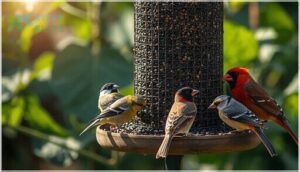
Think of black oil sunflower seeds as the best option in birdseed—rich in energy, packed with protein, and easy for most birds to crack. These sunflower seeds boost feeder activity, appealing to finches, chickadees, sparrows, and cardinals alike.
Beyond supporting birds’ high-energy needs, they even carry human benefits, making them a flexible choice for diverse seed nutrition.
Safflower Seeds: Squirrel and Pest Resistance
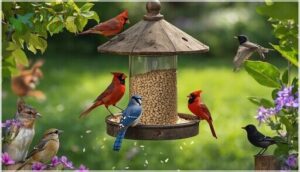
When pesky squirrels and aggressive blackbirds chase your backyard birds away, safflower seeds step up as an effective squirrel deterrent. The bitter taste keeps pests at bay, giving cardinals and songbirds first dibs on these nutrient-dense kernels. Durable through all seasons and cost-efficient, safflower facilitates smart seed selection focused on diversity, Cardinal Attraction, and simple pest control.
- Squirrel Deterrent: reduces feeder theft by up to 70%
- Cardinal Attraction: favored by cardinals, chickadees, and jays
- Cost Efficiency: long shelf life, minimal waste
Millet: Best for Ground-Feeding Birds
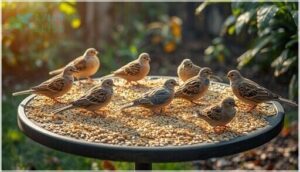
Ground-feeding birds, especially sparrows and doves, thrive on millet—one of the most cost-efficient seed types available.
Millet nutrition brings essential vitamins and minerals to your backyard, attracting diverse species through platform feeding or as part of quality seed mixes.
For reliable sparrow attraction and best value, choose fresh millet to keep groundfeeders returning all season long.
Nyjer (Thistle): Perfect for Finches
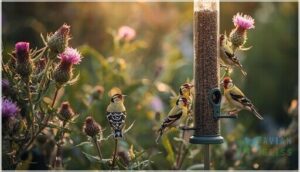
Curious why finches flock to a yard and linger? Nyjer Thistle Seeds hold the answer—these oil-rich, lightweight seeds offer prime nutritional value and drive real finch attraction, especially for goldfinches.
Using tube feeders with fine ports, you can improve feeder design and maintain seed freshness.
For lasting results or extra color, consider planting thistle as a natural supplement.
Cracked Corn, Peanuts, and Suet: Specialty Options
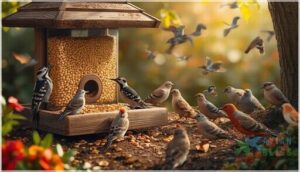
Looking to broaden feeder visitation? Specialty seed types like cracked corn, a staple in many Seed Mixes, packs vitamins that support nearly 50 bird species, especially ground-feeders. Peanut varieties provide dense energy, attracting woodpeckers and nuthatches.
Suet recipes, blending animal fat and grains, support winter survival—critical for insectivores. These specialtyspecific offerings make your feeding station truly inclusive.
Feeder Selection, Placement, and Seed Storage
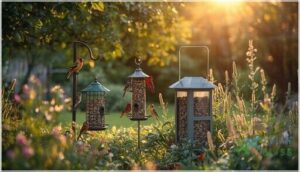
Figuring out which feeder works best is just as important as picking the right seed. The way you set things up and store your seed can completely change which birds show up and how healthy they stay.
Let’s take a closer look at what goes into making those choices.
Matching Feeders to Seed Types
Choosing feeders for specific seeds is as practical as sorting tools for a task—match the feeder type and seed size for best results. Tube feeders limit seed waste with nyjer and sunflower, while platform feeders serve ground-feeding species with cracked corn or peanuts.
Species-specific feeders and weather protection feeders improve hygiene, seed freshness, and bird diversity. Material matters—choose rust-resistant, easy-to-clean designs.
Feeder Placement for Species Diversity
After matching feeders to seeds, feeder placement brings your entire setup to life. You want height variation, reliable cover proximity, and good feeder visibility to attract different bird species. Pay attention to spatial distribution and urbanization impact—with the right layout, you’ll encourage more visitors.
Try:
- Setting feeders at varying heights
- Keeping some feeders near cover
- Spacing feeders apart
- Maximizing visibility
Preventing Mold, Disease, and Spoilage
Spacing feeders boosts diversity, but healthy flocks rely on mold prevention, feeder cleaning, and safe seed storage. Moldy seed invites aflatoxin risks; regular feeder cleaning keeps bacteria and disease transmission low. Promptly removing spoiled feed limits spoilage risks and fosters strong, vibrant visitors.
| Concern | Solution | Benefit |
|---|---|---|
| Mold Growth | Regular Feeder Cleaning | Lowers Disease Spread |
| Spoilage Risks | Immediate Seed Removal | Reduces Toxin Exposure |
| Disease Control | Use Clean Equipment | Encourages Healthy Flocks |
Safe and Effective Seed Storage Practices
Stepping beyond feeder hygiene, safe seed storage practices deserve your constant attention. Metal bins with tight lids deter rodents and moisture, curbing mold growth and aflatoxin risks. Cool, dry locations improve temperature control, while frequent inventory rotation keeps older seed out. Watch for location hazards and signs of infestation—these habits go a long way in protecting your flock’s nutrition.
- Use rodent-resistant container material
- Monitor temperature and moisture levels
- Rotate inventory regularly
- Inspect for signs of infestation
Top Bird Seed Products for Backyard Feeding
When choosing bird seed, there’s no shortage of options on the shelf. If you want to make the most of your backyard feeder, a few proven products are worth considering.
Here are some top picks to help attract a wide range of birds to your yard.
1. Wagner’s Black Oil Sunflower Bird Seed
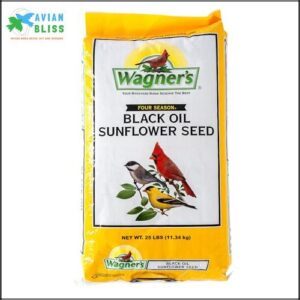
If there’s a single “must-have” in birdseed, it’s Wagner’s Black Oil Sunflower Bird Seed. Seed quality stands out—thin shells make it easy for small-beaked birds, and the high nutritional value (14% protein, 24% fat) feeds their daily energy needs.
You notice almost instantly how it attracts a diverse range of bird species, from cardinals to finches. Customer reviews highlight strong bird acceptance.
Suitable for most feeder types, this sunflower seed delivers consistent results, making seed selection simple for any backyard.
Best For: Backyard bird watchers who want to attract a wide variety of birds with a high-quality, nutritious seed that’s easy for all species to eat.
- Attracts a diverse range of birds, including cardinals, finches, woodpeckers, and more
- High protein and fat content for healthy, energetic birds year-round
- Works well in nearly any type of bird feeder
- Some bags may contain twigs or non-seed debris
- No resealable closure on the 25-pound bag, which can make storage messy
- May attract squirrels and other unwanted wildlife
2. C&S Orange Delight Suet Cakes
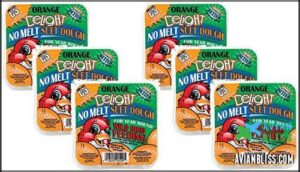
A staple in bird food, C&S Orange Delight Suet Cakes offer impressive suet cake appeal for your backyard setup. You’ll attract woodpeckers, orioles, and even finches—especially when feeders feature these cakes. Strong weather performance means little waste, even during hot spells.
Highlighted for economic value, each cake lasts a week and draws mixed bird species.
As the birdseed market grows, you’ll see more natural, fruit-infused options, but Orange Delight stands out for balancing bird species attracted and feeder-friendly resilience year-round.
Best For: Backyard bird enthusiasts who want to attract a variety of fruit-loving species and enjoy easy, low-mess feeding in any weather.
- Attracts a diverse range of birds, including woodpeckers, orioles, and finches.
- No-melt formula holds up in hot and humid climates, reducing waste.
- Each cake lasts up to a week, making it budget-friendly and low maintenance.
- Some birds may not prefer the orange flavor, depending on the area.
- Cakes can break if not packaged carefully.
- Contains artificial flavoring, which may not appeal to those seeking all-natural options.
3. Wagner’s Nyjer Seed Wild Bird Food
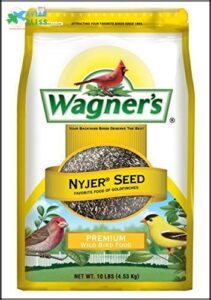
Wagner’s Nyjer Seed Wild Bird Food is a standard for seed purity and minimal waste, making it ideal for your finch attraction strategy. Its dense Nyjer seeds—over 150,000 per pound—translate into frequent visits, less debris under feeders, and higher nutritional value for finches and other small songbirds.
Purpose-built for finch feeders with tiny ports, this birdseed delivers superior seed quality and assures each feeding benefits flock health. For anyone comparing seed types, this is a first-rate choice in feeder pairing.
Best For: Backyard bird enthusiasts who want to attract finches and other small songbirds while keeping feeder mess and seed waste to a minimum.
- Attracts finches like goldfinches and pine siskins with high-energy, extra-clean Nyjer seed
- Minimal ground mess thanks to pre-shelled seeds and fewer husks
- Velcro press-lok bag closure makes refilling and storage easy
- More expensive than many standard or premium birdseed blends
- Packaging may develop small leaks, occasionally causing spills during storage or delivery
- Not suitable for larger birds or feeders with bigger ports
4. Wingfield Farm Virginia In Shell Peanuts
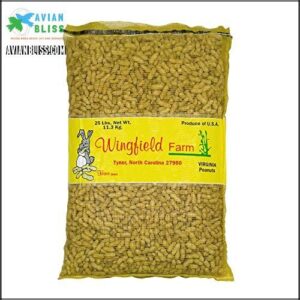
Wingfield Farm Virginia In Shell Peanuts stand out for their generous size, high Peanut Nutritional Value, and striking Bird Species Attraction. These peanuts provide a dense energy source for blue jays and woodpeckers, while their sturdy shells promote natural foraging.
Proper Storage and Safety—keeping peanuts cool and dry—ensures quality for months, catering to cost-conscious, avid backyard feeders.
Market Demand reflects growing Customer Satisfaction; many choose these peanuts over other seed types for their reliability, freshness, and the rich activity they bring to birdseed stations.
Best For: Backyard wildlife enthusiasts and animal lovers who want a reliable, nutritious feed for attracting birds, squirrels, and deer to their outdoor spaces.
- Large, fresh in-shell peanuts provide dense energy and nutrition for a variety of wildlife.
- Encourages natural foraging behavior and draws vibrant, active birds to feeders.
- Bulk 25 lb bags offer good value for frequent feeders and stay fresh when stored properly.
- Not suitable for human consumption and must be kept away from people.
- Can be costly if feeding a large number of animals or over a long period.
- May not attract smaller bird species that can’t open the shells.
5. Kaytee Wild Bird Black Oil Sunflower

Looking for a way to boost species attraction at your feeder? Kaytee Wild Bird Black Oil Sunflower shines in seed quality and feeding ease, thanks to its high-oil content and thin hulls—ideal for cardinals, finches, and chickadees.
Package sizing is flexible enough for starter and seasoned birders alike, while careful storage considerations help these sunflower seeds stay fresh and nutritious year-round.
When you prioritize smart seed selection among birdseed and seed types, this product makes everyday birdwatching feel rewarding and dependable.
Best For: Backyard bird lovers who want to attract a wide mix of wild songbirds with a high-quality, easy-to-eat seed.
- High oil content and thin hulls make it easy for small birds like finches and chickadees to eat.
- Triple-cleaned and made in the USA, ensuring clean, quality seed with minimal debris.
- Available in multiple sizes and recommended by most customers for dependable bird feeder performance.
- May attract squirrels and other unwanted critters along with birds.
- Some users find the price high and wish for larger or more affordable bag options.
- Whole sunflower shells can build up under feeders and require regular cleanup.
Frequently Asked Questions (FAQs)
Can pets safely eat spilled bird seed?
Picture your pet treating spilled birdseed like a buffet—what could go wrong? Aflatoxin Poisoning, Digestive Upset, and Nutritional Deficiencies loom large.
Prioritize Preventative Measures with prompt seed spillage cleanup, smart seed storage, and swift Veterinary Response if exposure occurs.
How do I handle seed allergies?
Spotting allergy symptoms early—such as skin reactions or breathing issues—is essential. Use allergen-free feeders and safe seed alternatives to protect backyard bird health.
Prioritize emergency action plans and community education about avoiding harmful ingredients. This fosters family safety and ensures a healthier environment for both birds and people.
What attracts hummingbirds beyond sugar water?
While nectar and sugar water get most of the attention, hummingbirds crave natural nectar, fruit options like watermelon or oranges, insect protein, and vivid visual attractants—think bright flowers and fruit or jelly for birds.
Seasonal feeding brings surprise visitors.
Are organic bird seeds worth the cost?
Organic bird seed usually costs more, but its nutritional seed benefits, lower pesticide exposure, and positive environmental impact appeal to many.
If seed quality, ingredient analysis, bird health, and sustainability matter, the cost-benefit tradeoffs may feel justified.
How should I dispose of old or spoiled seed?
Think of spoiled seed as a wolf in sheep’s clothing: composting birdseed is best if it’s mold-free, but moldy seeds require landfill protocols and careful double-bagging for disease prevention.
Follow municipal guidelines to support waste reduction.
Conclusion
What does it take to transform your backyard into a sanctuary for feathered visitors? Success starts when you know how to choose bird seed that meets diverse nutritional needs and suits the habits of the birds you want to attract.
With every thoughtful selection, you’re inviting a richer variety and guaranteeing a safer table for every species. In the quiet, attentive act of feeding, your yard becomes not just a stopover, but an essential, living habitat for birds.
- https://birdchat.com/wp-content/uploads/2014/09/What-Type-of-Seed-Should-I-Offer-to-My-Backyard-Birds.pdf
- https://www.birdfy.com/blogs/blogs/types-of-bird-seeds-that-birds-love-best-how-to-choose-the-right-bird-seed
- https://georgiawildlife.com/out-my-backdoor-best-seeds-backyard-bird-feeders
- https://www.allaboutbirds.org/news/types-of-bird-seed-a-quick-guide/
- https://www.eatthismuch.com/calories/state-bird-seed-2048116