This site is supported by our readers. We may earn a commission, at no cost to you, if you purchase through links.
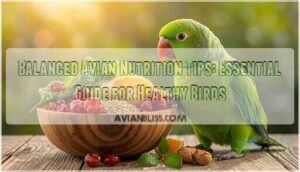
Your parrot’s vibrant plumage and energetic chatter depend on more than affection—they’re direct reflections of what fills the food bowl each day. Yet many bird owners unknowingly serve nutritionally bankrupt diets, mistaking convenient seed mixes for complete nutrition while their feathered companions develop silent deficiencies that manifest as dull feathers, lethargy, or weakened immunity.
The gap between what most captive birds eat and what their bodies actually need remains surprisingly wide, even among well-intentioned caretakers. Mastering balanced avian nutrition tips transforms this interaction entirely, turning mealtime into a cornerstone of preventative health rather than a missed opportunity for peak wellness.
Table Of Contents
Key Takeaways
- Seed-based diets cause nutritional deficiencies in most captive birds, while pelleted formulas covering 75% of intake deliver balanced nutrition that prevents the fatty liver disease affecting 70% of seed-only fed birds.
- Fresh produce comprising 20-30% of daily intake provides essential micronutrients and immune support that pellets alone can’t supply, but you must remove uneaten portions within 3-4 hours to prevent dangerous bacterial growth.
- Species-specific requirements vary dramatically—parrots need balanced pellets, finches thrive on seed mixes with soft foods, and softbills require low-iron formulations—making one-size-fits-all feeding approaches ineffective and potentially harmful.
- Daily water changes, weekly cage disinfection, and avoiding toxic foods like avocado (which killed 75% of exposed budgerigars within 48 hours) form non-negotiable hygiene practices that prevent the 19.6% E. coli prevalence found in poorly maintained bird environments.
Key Components of Balanced Avian Nutrition
Your bird’s health starts with understanding what actually fuels its body—and what it needs to thrive. Like building blocks, certain nutrients work together to support everything from vibrant feathers to a strong immune system.
Let’s break down the essential components that form the foundation of a well-balanced avian diet.
Essential Macronutrients and Micronutrients
Your bird’s health depends on getting the right mix of macronutrients and micronutrients daily. Think of these as your bird’s nutritional foundation:
- Protein sources deliver amino acids like lysine for strong muscles and feathers—adult birds need 12-20% crude protein
- Fat absorption allows vitamin D3 uptake and concentrated energy
- Carb energy fuels daily activities through seed and pellet consumption
- Vitamin supplementation prevents the deficiencies affecting 80-90% of poorly-fed birds
- Mineral balance maintains proper calcium-to-phosphorus ratios for skeletal health
Without these essential components working together, you’ll see warning signs like dull plumage and lethargy. Birds require sufficient Vitamin D3 production for overall well-being.
Importance of Dietary Variety
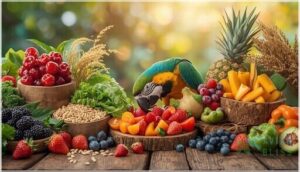
Feeding the same foods day after day robs your bird of mental stimulation and critical nutrients. A varied diet promotes optimal avian health and overall well-being.
Dietary variety fosters foraging behavior, strengthens immune function, and maintains healthy gut microbiota—all while preventing obesity. Fresh produce paired with species-specific diets meets unique nutritional needs better than monotonous feeding.
| Limited Diet | Varied Diet |
|---|---|
| Selective eating habits | Natural foraging encouraged |
| Nutrient deficiencies common | Balanced nutrient profile |
| Higher disease risk | Enhanced immune function |
Role of Protein, Fats, and Carbohydrates
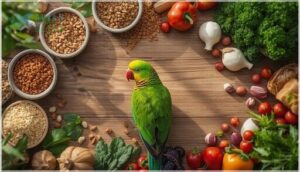
Understanding macronutrients is essential for meeting your bird’s energy balance demands. Proteins support feather growth, which accounts for 25% of total body protein, and immune function. Most companion birds require 7-15% protein, depending on their species. Fats provide concentrated energy and aid in fat metabolism, necessitating 5-12% of the diet. Carbohydrates fuel nervous system function through carbohydrate conversion, although birds easily store excess as fat. Maintaining proper dietary ratios prevents both deficiencies and obesity.
Five Essential Macronutrient Guidelines:
- Small psittacines require 10-14% protein for maintenance, increasing to 15-20% during growth periods.
- Include polyunsaturated fat sources like linoleic acid, comprising at least 1% of dry diet weight.
- Balance protein sources from pellets, legumes, and occasional lean meats for complete amino acid profiles.
- Monitor fat intake carefully—77% of pet birds consume 1.5-2 times maintenance requirements, risking obesity.
- Provide complex carbohydrates through whole grains rather than simple sugars for sustained energy release.
Critical Vitamins and Minerals for Birds
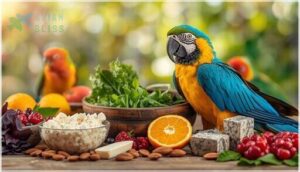
While macronutrients fuel daily activities, micronutrients orchestrate everything from bone development to immune resilience. Vitamin A maintains skin, eyes, and feather quality—deficiency appears as swelling and respiratory issues. Calcium sources like cuttlebones are essential for skeletal strength and egg production. B-complex vitamins offer metabolic support but require daily replenishment due to rapid excretion.
| Vitamin/Mineral | Primary Functions | Deficiency Signs |
|---|---|---|
| Vitamin A | Eye health, immunity, feather condition | Swelling, dullness, respiratory problems |
| Calcium & Vitamin D | Bone strength, D3 synthesis, egg formation | Weakened bones, egg binding, rickets |
| B-Complex & Trace minerals | Metabolism, enzyme activation, thyroid function | Lethargy, poor feathers, deformities |
Mineral absorption depends on proper calcium-to-phosphorus ratios. Over-supplementation risks interference—excess zinc blocks copper uptake, creating new deficiencies.
Choosing The Best Diet for Your Bird
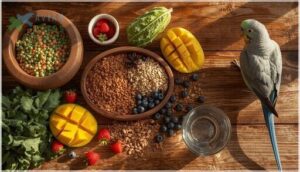
Your bird’s diet is one of the most important decisions you’ll make for their long-term health. The choices can feel overwhelming at first—pelleted foods, seed mixes, fresh produce, and supplements all promise different benefits.
Let’s break down what actually works so you can build a nutrition plan that keeps your feathered friend thriving.
Pelleted Vs. Seed-Based Diets
You might think all bird foods are created equal, but a seed-based diet can be a slow path to malnutrition. Pelleted diets provide balanced nutrition, meeting 80-100% of daily needs when comprising 75% of intake, while seeds contain excess fat and serious deficiencies in calcium and vitamin A.
Diet conversion reduces obesity risks substantially—seed-only diets cause hepatic lipidosis in 70% of affected birds, but switching to pellets resolves fatty liver symptoms in 80% of cases.
Formulated Diet Types and Recommended Brands
Several production methods shape your bird’s pelleted diets—understanding these differences helps you choose wisely. Cold-pressed pellets maintain longer fiber chains at 70-80°C, while the extrusion process uses 90-180°C for airier textures. Nutri-Berries blend whole grains nutritionally equivalent to pellets.
Veterinary recommendations consistently favor:
- Harrison’s – certified organic, backed by 40+ years of trials
- Roudybush – suitable for daily maintenance
- Zupreem FruitBlend – psittacine-specific formulas
- Lafeber Premium – natural preserves, multiple formats
Incorporating Fresh Fruits and Vegetables
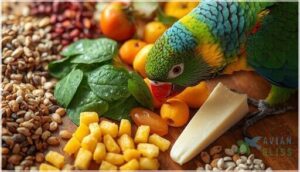
Adding fresh fruits and vegetables to your bird’s diet brings digestive benefits and immune function support that pellets alone can’t deliver. Aim for produce proportions of 20-30% daily, favoring safe options like kale, carrots, and berries while avoiding toxic foods such as avocado and apple seeds. This strategy prevents deficiencies and keeps meals interesting.
| Vegetable Category | Safe Examples | Key Benefits |
|---|---|---|
| Leafy Greens | Kale, spinach, chard | High calcium, vitamin A |
| Root Vegetables | Carrots, sweet potato, beets | Beta-carotene, fiber |
| Cruciferous | Broccoli, cauliflower | Antioxidants, vitamin C |
Remove uneaten fresh foods within 3-4 hours to prevent bacterial growth and spoilage.
Safe Protein and Calcium Sources
Protein and calcium form the foundation of skeletal strength and reproductive success in your bird. You’ll find safe animal proteins in cooked eggs (weekly), low-fat cheese (sparingly), and occasional cooked salmon, while plant options include lentils, quinoa, and broccoli. For calcium, offer leafy greens like kale, cuttlebone, or mineral blocks—especially critical during breeding needs when wild diets naturally shift toward calcium-rich snails and insect exoskeletons.
- Cooked eggs provide highly digestible animal proteins for weekly supplementation
- Quinoa supplies complete protein with all essential amino acids
- Kale and spinach deliver calcium naturally through daily leafy greens
- Cuttlefish bone and mineral blocks offer convenient commercial calcium supplements
- Breeding periods demand increased calcium through supplements administered daily
Preventing Nutritional Deficiencies in Birds
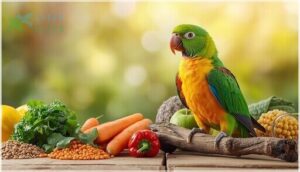
Even a well-intentioned bird owner can miss the early warning signs that something’s off with their pet’s diet. Poor nutrition doesn’t always announce itself with dramatic symptoms—it can show up as subtle changes in behavior, appearance, or energy that are easy to overlook.
Here’s what you need to watch for and how to address nutritional gaps before they become serious health problems.
Recognizing Signs of Poor Nutrition
Your bird’s body offers clear warnings when nutritional deficiencies take hold—if you know what to look for. Physical signs include poor feather development, dull plumage, nasal discharge, and skeletal deformities. Behavioral changes like lethargy, feather picking, or reduced appetite often accompany these symptoms. Watch for digestive symptoms such as changes in stool, weight loss, and increased drinking. Vitamin deficiencies can trigger respiratory issues, reproductive problems including thin-shelled eggs, and neuromuscular disorders.
| Physical Signs | Behavioral Changes | System-Wide Issues |
|---|---|---|
| Feather abnormalities, broken or frayed feathers | Lethargy, “perch potato” syndrome | Digestive symptoms, dark green stools |
| Nasal discharge, swelling around eyes | Feather picking, repetitive pecking | Reproductive issues, egg binding |
| Skeletal deformities, lameness, fractures | Poor appetite, weakness | Increased drinking and urination |
| White plaques in mouth, blunted choanal papillae | Tremors, seizures, depression | Fatty liver disease, respiratory distress |
Strategic Use of Supplements
Think of supplements as precision tools, not blanket solutions—your bird needs the right intervention at the right moment. Veterinary guidance ensures dosage accuracy and species specificity when addressing nutritional deficiencies.
Vitamin supplementation and mineral supplementation work best when timed strategically, often weekly rather than daily. Organic options exist, but focus first on essential supplements and minerals your bird actually lacks, not every product on the shelf.
Monitoring Weight, Energy, and Feather Health
Beyond supplementation, you’ll need to track three key signs that reveal your bird’s nutritional status: weight fluctuations, energy levels, and feather quality. Weekly weighing catches obesity risks early—African Grey Congo parrots should stay within 470-700 grams, while Galahs average 345 grams. Watch for these warning signals:
- Lethargy replacing your bird’s usual playfulness
- Dull, brittle feathers or plucking behavior
- Body condition score below 3, indicating muscle loss
A balanced diet maintains species averages and ideal body condition.
Adjusting Diet for Life Stages
Your bird’s needs shift dramatically as they age—what fuels a nestling won’t sustain a senior. Nestling diets demand 22% protein for rapid growth, while fledgling needs emphasize feather development.
During breeding seasons, boost calcium to 2.75% for egg production. Molting periods require extra protein for feather synthesis.
Senior adaptations include omega-rich, low-fat formulas. These dietary changes prevent deficiencies throughout your bird’s life.
Safe Feeding and Hygiene Practices

Even the most balanced diet won’t protect your bird if food handling practices introduce contamination or expose them to harmful substances.
Proper preparation, storage, and cage hygiene form the foundation of disease prevention in captive avian species.
Let’s examine the specific practices that safeguard your bird’s health while maintaining peak nutrition.
Proper Food Preparation and Storage
When you’re preparing food for your bird, temperature control isn’t just a suggestion—it’s essential for preventing bacterial growth and food spoilage.
Follow these critical steps:
- Cook poultry-based meals to 165°F to eliminate pathogens
- Use thawing bird food methods that prioritize refrigeration over countertop defrosting
- Discard safe marinades after contact with raw ingredients
- Store foods in airtight storage containers to maintain nutrient retention
- Remove fresh items within 3-4 hours to prevent fungal growth
These hygiene practices directly impact your bird’s health and longevity.
Cleanliness to Prevent Illness
Your bird’s health hinges on what she eats—but also on the cleanliness of where she eats it. Daily cleaning of feeders and disinfecting cages weekly dramatically lowers bacterial growth and pathogen reduction risks.
Studies show bleach wipes cut aerobic bacteria by 1.7 log CFU/ml immediately. Poor hygiene practices correlate with 19.6% E. coli prevalence in pet birds, making zoonotic control through safe feeder hygiene practices non-negotiable for illness prevention.
Poor cage hygiene correlates with nearly 20% E. coli prevalence in pet birds, making regular disinfection non-negotiable for disease prevention
Avoiding Toxic Foods and Human Food Dangers
While providing fresh variety matters, certain foods pose serious human food dangers. Avocado toxicity killed 75% of exposed budgerigars within 48 hours. Chocolate dangers, salty snacks, and natural toxins like apple seeds also threaten your bird.
Preventive actions include never sharing table food—opt for safe food options instead. Educational outreach reduced toxic items ingestion by 35% in bird-keeping communities.
Fresh Water Access and Quality
Beyond clean bowls, water quality and health go hand-in-hand. Your bird needs daily provision of fresh water—replacing it at least once daily prevents microbial risks from bacteria that thrive in warm, soiled conditions.
Check for chemical contaminants like excessive chlorine, monitor water temperature for palatability, and follow cleaning protocols with soap and thorough rinsing. Hydration and bird health depend on ensuring clean fresh water access every single day.
Tailoring Diets to Species and Seasons
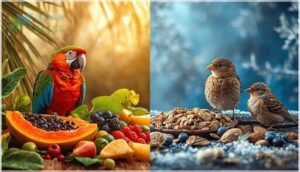
Not all birds thrive on the same diet, and what works in summer won’t always meet your bird’s needs in winter. Your parrot, finch, or canary requires nutrition suited to its species, size, and the changing seasons.
Here’s what you need to know to customize your bird’s diet for best health year-round.
Species-Specific Dietary Requirements
Your bird’s nutritional needs vary dramatically by species. Parrot nutrition centers on balanced pelleted foods, while finch diets thrive on seeds complemented with soft foods. Softbill feeding requires low-iron formulations to prevent storage disease. Macaw preferences lean toward nuts and palm fruits, reflecting their florivore nature.
Understanding species-specific dietary requirements and common species deficiencies helps you prevent obesity, hypocalcemia, and vitamin deficits across different avian species.
Seasonal Nutrition Adjustments
Your bird’s nutritional needs fluctuate with the seasons—just as wild birds shift intake patterns based on environmental factors and food availability. These seasonal feeding considerations help you support breeding seasons, molting periods, and egg production.
- Winter fat: Increase fat-rich foods during cold months to fuel thermoregulation when energy demands climb roughly 14%.
- Summer protein: Boost protein sources during breeding seasons to support chick growth and feather development.
- Molting support: Provide extra protein and fat during molting periods, when feathers—which are over 90% protein—require substantial nutritional investment.
Adjust light exposure to maintain vitamin D synthesis year-round.
Transitioning Birds to Healthier Foods
Switching your bird to a healthier, balanced diet isn’t always easy—but with gradual adjustment methods, diet conversion can reach 96% success. Start by mixing pellets with familiar seeds in small ratios, then increase new foods every 2–3 weeks.
Monitoring progress through daily intake logs helps you track nutritional outcomes, while patience triumphs over common barriers like food refusal during the critical first week.
Consulting Avian Veterinarians for Guidance
When only 12% of bird owners seek routine veterinary care, many miss critical guidance on avian nutrition. Your avian veterinarian evaluates body condition, identifies nutritional deficiencies, and develops evidence-based conversion methods specific to your bird’s species and life stage.
- They recommend specific pelleted brands and monitor dietary adherence
- Annual wellness checks cost around $100—less than treating established disease
- Professional guidelines guarantee safe diets that protect bird health
Frequently Asked Questions (FAQs)
How often should I change my birds water?
You should change your bird’s water daily at minimum. Biofilm formation and water contamination begin within 24 hours, raising disease transmission risks.
Clean water promotes hydration and a balanced diet essential for avian nutrition.
Can birds eat sprouted seeds safely at home?
Yes, you can safely offer sprouted seeds at home if you follow strict seed preparation protocols. Proper rinsing twice daily prevents bacterial growth and fungal growth, unlocking impressive nutritional benefits while minimizing contamination risks when integrating sprouted seeds into your bird’s seed diet.
What temperature should bird food be served?
Most avian diets are safely served at room temperature, between 65°F and 80°F.
Hand-feeding formula temperature for baby birds requires precise monitoring at 102°F–106°F to prevent crop burns while ensuring proper nutrient retention and food safety.
Do birds need probiotics for digestive health?
Like tiny architects of the gut, probiotics reshape your bird’s digestive health by boosting beneficial gut bacteria balance, enhancing digestive enzyme production, and strengthening immune system responses—especially valuable after antibiotic use or dietary transitions.
How much should my bird eat daily?
Most companion parrots eat about 10–15% of their body weight daily. Species differences matter—a budgie needs roughly 15–20 grams, while a cockatiel requires 30–40 grams. Monitor intake and adjust portion sizes to prevent overfeeding.
Conclusion
Every meal you serve either builds resilience or silently erodes your bird’s vitality—there’s no middle ground. Applying balanced avian nutrition tips consistently transforms the trajectory of your companion’s health, preventing deficiencies before symptoms ever surface.
Monitor feather quality, energy levels, and weight with the same vigilance you’d apply to your own wellness. When uncertainty arises, consult an avian veterinarian who can tailor recommendations to your bird’s unique species requirements and life stage.
- https://www.reallywildbirdfood.co.uk/news/post/2019/09/02/best-diet-for-pet-birds?srsltid=AfmBOopdH8gqGyuCPCSDFmt_6cC8b-45XLVM1P3qOkI2pycF8WQhY2pP
- https://docs.google.com/document/d/1oLkHEYUJCNAPUiBUMZ0dLpninxul-k3Zmbhv_gRAzEY/mobilebasic
- https://www.msdvetmanual.com/management-and-nutrition/nutrition-exotic-and-zoo-animals/nutrition-in-psittacines
- https://www.harrisonsbirdfoods.com/wp-content/uploads/2024/02/04nutrition1.pdf
- https://watchbird-ojs-tamu.tdl.org/watchbird/article/view/2374/2347