This site is supported by our readers. We may earn a commission, at no cost to you, if you purchase through links.
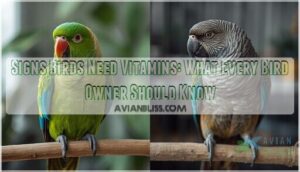
Your parrot’s once-vibrant plumage now looks dull, like a faded photograph left in the sun too long. She’s quieter than usual, spending more time huddled on her perch instead of chirping at dawn. These subtle shifts aren’t just personality quirks—they’re your bird’s way of telling you something’s wrong.
Vitamin deficiencies in birds don’t announce themselves with alarms, but they leave unmistakable clues if you know where to look. From brittle feathers and lethargy to changes in appetite and breathing, the signs birds need vitamins often show up gradually, giving you a critical window to act before minor deficits turn into serious health problems. Recognizing these early warnings can mean the difference between a quick nutritional fix and a trip to the emergency vet.
Table Of Contents
- Key Takeaways
- Common Signs Birds Need Vitamins
- Feather and Skin Changes to Watch For
- Behavioral Clues of Vitamin Deficiency
- Specific Symptoms Linked to Vitamin Deficiencies
- Oral and Digestive Warning Signs
- Reproductive and Neurological Indicators
- When to Seek Veterinary Advice
- Frequently Asked Questions (FAQs)
- Conclusion
Key Takeaways
- Vitamin deficiencies in birds show up through visible physical changes like dull or brittle feathers, lethargy, respiratory issues, and changes in appetite—catching these early signs gives you a critical window to fix nutritional problems before they become serious health emergencies.
- Specific vitamins cause distinct symptoms: Vitamin A deficiency leads to swollen eyes and nasal discharge, Vitamin D3 deficiency causes weak bones and trouble standing, and iodine deficiency results in voice changes and breathing problems.
- Behavioral red flags like decreased playfulness, increased aggression, or unusual vocalizations often signal underlying vitamin deficiencies affecting your bird’s nervous system and overall well-being before physical symptoms become severe.
- Over-supplementing vitamins can be just as dangerous as deficiency—fat-soluble vitamins like A and D3 accumulate in the body and cause toxicity, so you should always get veterinary guidance before starting any supplement regimen rather than guessing dosages on your own.
Common Signs Birds Need Vitamins
Your bird’s body has a way of waving red flags when something’s not quite right, and vitamin deficiencies often show up in surprisingly visible ways. You’ll notice these signs before things get serious, which gives you a real advantage in keeping your feathered friend healthy. Catching these warning signs early means you can adjust your bird’s nutritional intake before deficiencies become serious health problems.
Let’s walk through the most common warning signs that tell you it’s time to take a closer look at your bird’s nutrition. If you notice changes in feather quality, energy levels, or droppings, you might be dealing with one of the most common nutritional mistakes bird owners make.
Dull or Brittle Feathers
You’ll notice feather condition tells a powerful story about your bird’s nutritional health. When vitamin deficiency sets in, particularly Vitamin A deficiency, plumage quality suffers dramatically. Dull, brittle feathers often signal nutritional deficiencies in birds that require immediate dietary attention.
Watch for these telltale signs:
- Feathers losing their natural shine and appearing noticeably dull
- Brittle feathers that break easily during normal preening
- Delayed or patchy molting issues with uneven feather growth patterns
Proper avian nutrition fosters healthy feather care and maintenance, while deficiencies compromise beak health and overall feather growth. Understanding the importance of methodological rigor is essential for evaluating scientific studies on bird nutrition.
Lethargy and Weakness
When your bird shows reduced energy levels and poor muscle tone, vitamin deficiency often plays a central role. B-complex vitamins drive metabolic rate and nutrient absorption, so nutritional disorders manifest as persistent lethargy and weakened physical condition. You might see your bird spending more time perched quietly, reluctant to fly or play. Addressing vitamin A deficiency in birds can restore your pet’s energy and muscle strength within weeks.
Addressing bird health through proper vitamin supplements can restore vitality within days. Proper vitamin supplements can significantly improve bird health, especially when managing viral infections in birds that compromise their immune systems.
Changes in Appetite
Just as energy levels shift, you’ll often see unusual eating habits emerge—your feathered friend may suddenly refuse favorite foods or pick at seeds without enthusiasm.
Dietary balance suffers when vitamin deficiency disrupts nutrient absorption, causing unpredictable food preference changes. Some birds overeat yet lose weight, while others ignore meals entirely.
Restoring dietary variety and addressing nutritional disorders through proper supplementation can normalize eating habits and support appetite stimulation within weeks.
Respiratory Issues
When appetite changes persist, breathing difficulties often follow—labored breaths, wheezing, or nasal discharge signal deeper vitamin deficiencies in birds affecting avian respiratory health.
Airway obstruction from swollen tissues or tracheal problems can emerge, particularly when vitamin A levels drop, compromising your bird’s natural defenses against avian infections.
Left unchecked, these respiratory issues escalate toward respiratory failure, making early intervention critical for bird health.
Feather and Skin Changes to Watch For
Your bird’s feathers and skin are like a window into their overall health, often showing the first signs that something’s off nutritionally. When vitamin deficiencies develop, you’ll notice changes in texture, appearance, and even how well feathers grow back after molting.
Let’s look at the specific feather and skin changes that signal your bird might need vitamin support.
Poor Feather Quality
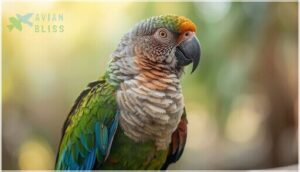
When your bird’s plumage loses its vibrant sheen, you’re witnessing a red flag for vitamin deficiency. Dull, frayed feathers that break easily signal problems with keratin synthesis—the protein foundation of healthy plumage care.
Nutritional disorders in birds often show up first in feather quality, affecting beak health too. Addressing these molting issues through targeted bird nutrition prevents further keratin defects and restores that natural luster.
Bald Patches or Delayed Molt
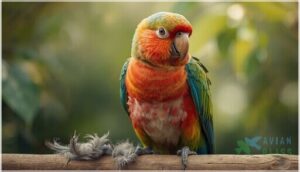
Bare spots or delayed feather regrowth often signal vitamin deficiency disrupting normal molt cycles. Vitamin A shortfalls, along with copper and zinc imbalances in avian nutrition, compromise plumage quality and beak health.
These nutritional disorders create irregular shedding patterns, sometimes accompanied by skin lesions. Proper feather care and maintenance requires identifying whether the problem stems from diet gaps or underlying illness.
Dry or Flaky Skin
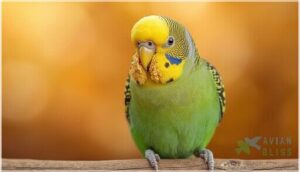
When your bird’s skin turns flaky around the beak, face, or legs—especially with dull feathers—you’re likely seeing vitamin A deficiency or low essential fatty acids at work. These dry patches can progress to avian dermatitis if ignored.
Skin moisture depends heavily on dietary fat and fat-soluble vitamins, so improving feather condition and overall bird health means addressing nutritional deficiencies promptly.
Behavioral Clues of Vitamin Deficiency
You’ll notice that vitamin deficiencies don’t just affect your bird’s physical appearance—they also change how your bird acts day to day. When essential nutrients are missing, your feathered friend might seem less like themselves, showing shifts in energy, mood, or even the way they communicate with you.
Here are three key behavioral changes that often signal your bird needs nutritional support.
Decreased Activity or Playfulness
You’ll notice something’s off when your bird stops playing with favorite toys or ignores your attempts at social interaction. This drop in activity levels and playful behavior often signals vitamin deficiency affecting the immune system.
When nutritional deficiencies take hold, your bird’s energy fades—they’ll spend more time perched quietly, show less interest in bird exercise, and barely respond to environmental enrichment that once sparked joy.
Increased Irritability or Aggression
When your once-friendly bird suddenly snaps or lunges without warning, vitamin deficiency might be the hidden culprit. Nutrient deficits—especially vitamin A—can trigger aggression through underlying discomfort and reduced stress management capacity.
These vitamin imbalances affect bird behavior more than you’d expect, causing irritability that behavioral therapy alone won’t fix. Addressing nutritional deficiencies with proper vitamin supplements often restores your bird’s even temperament alongside veterinary guidance.
Unusual Vocalizations
Has your parrot’s cheerful chatter turned hoarse or changed pitch? Vocal stress signs often reveal nutritional deficiencies affecting the respiratory tract and vocal apparatus.
Vitamin A deficiency, in particular, compromises mucous membranes, altering avian speech patterns through swelling or discomfort.
When you track these bird communication shifts alongside other symptoms, you’re catching vitamin deficiency early—before bird behavior and wellness deteriorate further.
Specific Symptoms Linked to Vitamin Deficiencies
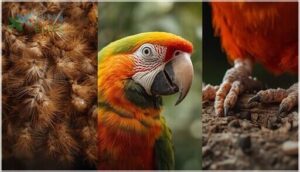
When your bird’s body runs low on specific vitamins, you’ll notice distinct physical symptoms that point directly to what’s missing. Each deficiency creates its own signature warning signs, making it easier to pinpoint the problem once you know what to look for.
Let’s walk through three of the most common vitamin-related symptoms you might spot in your feathered friend.
Swollen Eyes or Nasal Discharge (Vitamin A)
When your bird’s eyes look puffy or you spot discharge around the nostrils, you’re likely seeing vitamin A deficiency at work. Those mucous membranes need adequate vitamin A to stay healthy and fight off eye infections that compromise avian health and feather quality.
Watch for these telltale signs of vitamin deficiency:
- Swollen, watery eyes with crusty buildup around the lids
- Clear or cloudy nasal discharge that won’t clear up
- Frequent sneezing paired with respiratory sounds
- White plaques forming inside the mouth or sinuses
- Dull plumage appearing alongside these eye and nose symptoms
Your bird’s body is sending urgent signals that its diet needs adjustment.
Weak Bones or Trouble Standing (Vitamin D3)
You might notice your bird wobbling when it tries to perch or struggling to stand upright—these are red flags for vitamin D3 deficiency affecting bone health. Without adequate vitamin D, your bird can’t absorb calcium properly, leading to skeletal issues like soft bones or even fractures.
Providing UVB lighting and calcium supplements helps correct this imbalance before serious damage occurs.
Voice Changes or Breathing Problems (Iodine)
When your budgie’s voice suddenly sounds hoarse or weak, iodine deficiency might be affecting thyroid function and vocal strength. You’ll also notice wheezing or irregular breathing as thyroid imbalance impacts respiratory health.
This micronutrient gap in avian nutrition makes birds more vulnerable to respiratory issues and metabolic slowdowns. Addressing vitamin deficiency in birds early—through iodine-enriched foods or supplements—helps restore normal vocal issues and breathing patterns.
Oral and Digestive Warning Signs
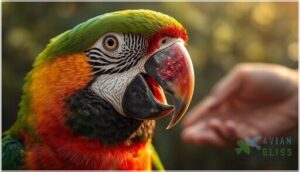
Your bird’s mouth and digestive system can tell you a lot about their nutritional health, often before other symptoms appear. When vitamin deficiencies affect these areas, you’ll notice specific changes that are hard to miss during daily interactions.
Let’s look at three key warning signs that suggest your bird needs immediate nutritional support.
White Plaques in Mouth or Sinuses
When you spot creamy white patches clinging to your bird’s mouth or sinus areas, you’re likely seeing signs of fungal infections or severe Vitamin A deficiency. These oral lesions often signal nutritional disorders that have compromised avian respiratory health.
Sinus pathology can develop alongside these plaques, requiring diagnostic tests to distinguish between fungal causes and vitamin deficiency. Treatment options depend on identifying the underlying issue through proper bird health and hygiene practices.
Oral Lesions
Redness, swelling, or ulcers inside your bird’s mouth often stem from oral infections tied to vitamin A deficiency or other nutritional disorders. These lesions signal mucosal disease that weakens your bird’s immune system and can compromise beak health and digestive health.
Lesion treatment requires veterinary guidance—sometimes involving antibiotics, antifungals, or dietary adjustments—while proper nutrition and avian dentistry care help prevent recurrence.
Digestive Upsets or Poor Weight Gain
When your bird’s gut health falters, you’ll see weight loss even when appetite stays strong—a telltale sign of malabsorption issues that block nutrient absorption and create vitamin deficiency. Watch for these digestive red flags:
- Watery or soft droppings suggesting intestinal inflammation
- Undigested food particles in stool
- Steady weight decline despite normal eating
- Lethargy paired with poor dietary balance
These warning signs mean your bird’s digestive enzymes and immune system need support to restore proper bird nutrition and health through improved weight management.
Reproductive and Neurological Indicators

When vitamin deficiencies affect your bird’s reproductive system or nervous system, the signs can be subtle at first but deeply concerning. You might notice issues with breeding, unusual movements, or changes in how your bird coordinates its body.
Let’s look at three key indicators that point to these more serious vitamin-related problems.
Reduced Egg Laying or Infertility
When your hen’s clutch size shrinks or eggs stop altogether, vitamin deficiency might be sabotaging her reproductive health. Vitamin A deficiency can damage the oviduct lining, while vitamin D3 deficiency weakens calcium metabolism—leading to thin shells and fertility issues.
Avian nutrition plays a vital role here, and vitamin therapy through dietary supplements and a balanced diet often restores egg production within weeks, improving your bird’s overall health.
Head Tremors or Seizures
When you notice rhythmic head nodding or sudden muscle twitching, neurological disorders or vitamin deficiency symptoms may be at play. Seizure causes in bird neurology often trace back to vitamin imbalance—particularly calcium or vitamin D3 shortfalls that disrupt neuromuscular function.
Head tremor accompanied by weakness signals vitamin deficiencies in birds, demanding urgent veterinary evaluation to distinguish metabolic disturbance from toxin exposure and restore bird health and nutrition.
Poor Coordination
When your bird staggers or hesitates mid-perch, motor skill issues and balance problems point to neuromuscular disorders tied to vitamin deficiencies in birds—especially vitamin A deficiency that disrupts nerve signals. You’ll see:
- Unsteady gait or repeated stumbling on flat surfaces
- Flight difficulties with awkward landings
- Incoordination between beak and feet during feeding
- Abnormal tail bobbing or leaning to one side
These neurological issues compromise bird health and nutrition, weakening the immune system and demanding coordination exercises under veterinary guidance.
When to Seek Veterinary Advice

You can’t always tell if your bird’s symptoms are serious or just a temporary blip, which is why knowing when to call your vet matters. Some warning signs demand immediate attention, while others suggest it’s time for a check-up and professional guidance on supplementation.
Let’s look at the key situations that mean it’s time to pick up the phone.
Persistent or Multiple Symptoms
When your bird shows prolonged lethargy or multiple symptoms that won’t quit, you’re likely facing vitamin deficiencies that need professional attention. Persistent symptoms signal chronic health issues requiring veterinary intervention.
Nutritional deficiencies rarely resolve without targeted treatment, so don’t wait when your bird’s health declines consistently.
| Symptom Pattern | Duration to Watch | Action Needed |
|---|---|---|
| Recurring problems with appetite | Week or more | Schedule vet visit |
| Persistent symptoms (lethargy, weakness) | Several days | Professional assessment |
| Multiple deficiency signs together | Any timeline | Immediate consultation |
Sudden Onset of Severe Signs
When your bird collapses, gasps for air, or develops tremors within hours, you’re facing a medical emergency that demands immediate action.
Acute illness and systemic failure don’t wait—respiratory distress from severe vitamin A deficiency or sudden neurological episodes linked to vitamin D3 deficiency require emergency care right away.
Don’t hesitate; severe trauma to your bird’s system needs professional intervention now.
Guidance on Safe Vitamin Supplementation
Once you’ve recognized the warning signs, you’ll want to act carefully. Vitamin supplements for pet birds aren’t regulated like medications, so dosage control matters—too much can lead to vitamin toxicity just as easily as deficiency harms your bird.
Act carefully with bird vitamins—unregulated supplements can cause toxicity just as easily as deficiency harms your bird
Always seek veterinary guidance before starting any bird vitamin supplements. Your vet will tailor avian nutrition recommendations to your bird’s species and current health, preventing vitamin deficiencies safely.
Frequently Asked Questions (FAQs)
Can vitamin deficiencies affect a birds lifespan?
Like a slow leak draining vitality, untreated vitamin deficiencies can indeed shorten your bird’s lifespan. Vitamin A and D3 deficiencies compromise immunity and bone strength, while proper nutrient balance fosters longevity and health outcomes.
Do different bird species require different vitamins?
Yes, different species have distinct vitamin needs based on their unique physiology and natural diets. Parrots, waterfowl, and passerines each require customized supplementation—one-size-fits-all approaches don’t work in avian nutrition.
How long does recovery from deficiency take?
Recovery timeframes vary widely—from two to twelve weeks for most vitamin deficiencies, though severe cases may need three to six months of dietary balance, vitamin supplements, and veterinary guidance for complete health restoration.
Can over-supplementing vitamins harm my bird?
Absolutely—vitamin toxicity is real, and fat-soluble vitamins like A and D3 can accumulate dangerously. You’ll risk kidney damage, bone issues, or hypercalcemia if supplement risks override dietary balance in bird nutrition.
What foods naturally boost vitamin levels in birds?
Fresh foods like papaya, kiwi, leafy greens, carrots, and sweet potatoes deliver vitamin A and other essential nutrients.
These vitamin-rich foods support balanced nutrition and meet your bird’s dietary requirements better than supplements alone.
Conclusion
Your bird’s body speaks a language all its own, and fluency comes from watching closely. When you spot the signs birds need vitamins—faded feathers, listless mornings, breathing changes—you’re catching problems while they’re still fixable.
Don’t wait for symptoms to compound. A quick vet visit and the right supplements can restore your companion’s health before small deficiencies become serious setbacks. Your attention today protects their vitality tomorrow.
- https://www.kwikpets.com/collections/bird-vitamins-supplements
- https://www.sciencedirect.com/science/article/pii/S0749208123000268
- https://x.com/godofprompt/status/1990526288063324577
- https://www.linkedin.com/posts/bohdanlukianets_tasks-study-research-activity-7373377539521667072-UTEi
- https://arxiv.org/html/2507.17948v2