This site is supported by our readers. We may earn a commission, at no cost to you, if you purchase through links.

Your backyard flock’s respiratory distress doesn’t necessarily require the same intervention strategy as your neighbor’s sick birds, even when the clinical presentation appears identical, because the underlying pathogenic mechanism—whether bacterial or viral in origin—fundamentally determines both the appropriate therapeutic approach and the epidemiological risk profile you’re managing.
Bacterial pathogens such as Mycoplasma gallisepticum and Pasteurella multocida represent distinctly different biological entities compared to viral agents like avian influenza virus or Newcastle disease virus, operating through separate replication mechanisms, exhibiting unique cellular tropisms, and responding to entirely different classes of antimicrobial interventions.
Understanding the difference between bacterial and viral bird diseases isn’t merely an academic exercise in microbial taxonomy; it’s the foundational knowledge that separates effective disease management from costly therapeutic failures and determines whether your intervention will halt transmission or merely provide symptomatic palliation while the pathogen continues spreading through your population.
Table Of Contents
- Key Takeaways
- Key Differences: Bacterial Vs Viral Bird Diseases
- Common Bacterial Bird Diseases
- Common Viral Bird Diseases
- Symptoms Comparison: Bacterial Vs Viral Bird Diseases
- Diagnosis, Treatment, and Prevention Strategies
- Top 10 Products for Bird Disease Awareness and Care
- 1. Bird Flu Virus Book
- 2. Bird Flu Survival Information Toolkit
- 3. Bird Flu Information Guide
- 4. The Bird Flu Hoax Book
- 5. Avian Flu Information and Documents
- 6. Homeopathic Treatment Of Influenza
- 7. Influenza Survival Guide Book
- 8. Boiron Oscillococcinum Flu Relief
- 9. iHealth COVID Flu Test Kit
- 10. Zicam Cold Remedy Nasal Spray
- Frequently Asked Questions (FAQs)
- What is the difference between a bacterial disease and a viral disease?
- How do I know if my bird has a bacterial infection?
- What are five major differences between viruses and bacteria?
- How long are infected birds contagious to others?
- Can bacterial and viral infections occur simultaneously in birds?
- What environmental factors increase bird disease risk?
- Are wild birds carriers of these diseases?
- How do you disinfect aviaries after disease outbreaks?
- Conclusion
Key Takeaways
- Bacterial pathogens like Mycoplasma gallisepticum and Pasteurella multocida respond to targeted antibiotic therapy within 48-72 hours, while viral agents, including avian influenza and Newcastle disease, require supportive care and vaccination protocols since antiviral medications remain largely ineffective in avian species.
- Accurate differentiation between bacterial and viral etiologies depends on recognizing distinct clinical patterns—bacterial infections typically produce localized lesions and site-specific inflammation, whereas viral pathogens generate systemic effects across multiple organ systems with pronounced neurological involvement.
- Diagnostic precision through PCR testing, bacterial culture, and serological analysis determines whether your intervention strategy should employ antimicrobial agents for bacterial disease or implement biosecurity measures and vaccination programs for viral prevention.
- Preventive management combining serotype-specific vaccination schedules, rigorous biosecurity protocols, and environmental control measures provides superior protection compared to reactive treatment approaches, particularly for highly contagious viral diseases where mortality can exceed 90 percent in unvaccinated populations.
Key Differences: Bacterial Vs Viral Bird Diseases
Understanding whether your bird is battling a bacterial infection or a viral infection isn’t just academic—it’s the difference between effective treatment and wasted time.
Recognizing the signs of viral bird diseases early gives you a fighting chance to intervene before your bird’s condition deteriorates beyond recovery.
Knowing whether your bird has a bacterial or viral infection determines whether treatment will work or waste your time
While both types of pathogens can compromise your bird’s respiratory system and overall health, they operate through fundamentally different mechanisms that demand distinct therapeutic approaches.
You’ll need to grasp three critical distinctions—classification and causes, cellular structure and replication, and response to treatment—to protect your flock effectively.
Classification and Causes
Understanding etiologic factors helps you distinguish bacterial vs viral infections in your birds. Pathogen classification relies on disease etiology—bacteria are single-celled infectious agents capable of independent reproduction, while viral infections require host cells to replicate, establishing distinct causal relationships that determine your treatment approach for avian respiratory infections.
play a vital role in enabling accurate diagnosis and effective communication among veterinary professionals.
| Classification Type | Bacterial Infections | Viral Infections |
|---|---|---|
| Etiologic Basis | Single-celled organisms (prokaryotes) | Non-living particles requiring host cells |
| Anatomical Targeting | Respiratory tract, skin, systemic organs | Respiratory system, nervous system |
| Pathological Process | Localized lesions, abscesses, inflammatory responses | Systemic weakness, neurological damage |
| Epidemiological Pattern | Often chronic, localized spread | Acute onset, highly contagious |
| Common Avian Examples | Mycoplasma gallisepticum, E. coli | Avian influenza, Newcastle disease |
Cellular Structure and Replication
Bacterial organisms possess complex cellular machinery, including a cell membrane, ribosomes for protein synthesis, and independent DNA replication mechanisms, enabling self-sufficient reproduction that you can disrupt with targeted antimicrobial therapy.
Viral particles lack these autonomous metabolic structures, instead hijacking your bird’s cellular metabolism, mitochondrial function, and protein synthesis pathways to replicate during avian influenza and other viral infections, fundamentally altering disease prevention strategies including vaccination protocols.
| Structural Feature | Bacterial Pathogens | Viral Pathogens |
|---|---|---|
| Cell Membrane | Present, lipid bilayer | Absent (protein capsid only) |
| Genetic Material | Circular DNA, independent replication | RNA/DNA, requires host machinery |
| Metabolic Capacity | Self-sufficient protein synthesis | Depends entirely on host cells |
Response to Treatment and Medications
These structural contrasts directly shape your medication efficacy and therapy response timelines, since bacterial infections respond to antibiotics within 48 to 72 hours when you catch them early, whereas viral infections rely on antiviral medications—rarely used in birds—and supportive care, making vaccines your most powerful disease management tool for improving recovery rates and treatment outcomes.
| Treatment Approach | Bacterial Infections | Viral Infections |
|---|---|---|
| Primary Medication | Antibiotics (tetracyclines, macrolides, fluoroquinolones) | Antiviral medications (rarely used) |
| Expected Response Time | 48–72 hours with appropriate therapy | Variable, depends on immune clearance |
| Treatment Duration | 5–14 days based on severity | Supportive care until resolution |
| Prevention Strategy | Biosecurity, sanitation, targeted antimicrobials | Vaccination, immune support |
Common Bacterial Bird Diseases

Bacterial respiratory pathogens represent a significant challenge in avian medicine, as these single-celled organisms can establish chronic infections that progressively compromise your bird’s respiratory function, overall health, and longevity if left unaddressed.
Understanding the most prevalent bacterial diseases affecting avian species allows you to recognize early clinical signs, implement appropriate biosecurity measures, and work effectively with your veterinarian to develop targeted treatment protocols. The following bacterial pathogens constitute the primary etiological agents you’re likely to encounter in both commercial poultry operations and companion bird settings.
Mycoplasma Gallisepticum Infections
When you notice your flock coughing with nasal discharge and swollen eyes, you’re likely facing Mycoplasma gallisepticum, a wallless bacterial infection that spreads both from hens to chicks and between birds through shared equipment.
This respiratory disease resists standard beta-lactam antibiotics due to its unique structure, so you’ll need specialized antibiotic therapy, strict avian biosecurity measures, and strategic vaccination to protect your poultry health and maintain effective flock management despite antibiotic resistance challenges.
For a deeper understanding of the disease’s progression, diagnostic tools, and prevention strategies, see this overview of Mycoplasma gallisepticum infection.
Staphylococcus and Bordetella Avium
You’ll encounter two distinct bacterial infections in your flock: Staphylococcus aureus, a Gram-positive opportunistic pathogen that colonizes wounds and compromised tissues leading to localized abscesses, septicemia, and occasionally synovitis.
And Bordetella avium, a Gram-negative respiratory pathogen causing bordetellosis characterized by tracheal colonization, persistent coughing, nasal discharge, and secondary bacterial complications in turkeys and poultry, necessitating targeted antibiotics following susceptibility testing and rigorous biosecurity measures.
Pasteurella Multocida and Riemerella Anatipestifer
Your flock faces two serious avian pathogens: Pasteurella multocida, a Gram-negative coccobacillus causing fowl cholera with respiratory diseases, nasal discharge, lameness, and potential zoonotic transmission requiring penicillin-based treatment, and Riemerella anatipestifer, a rod-shaped bacterium producing septicemia, meningitis, neck twisting, and facial swelling in waterfowl.
Both bacterial infections demand vaccination programs, biosecurity measures, and strategic poultry disease control to maintain ideal poultry health.
Chlamydophila Psittaci and Escherichia Coli
You’ll confront Chlamydophila psittaci, a gram-negative obligate intracellular bacterium causing avian chlamydiosis with weight loss, ocular discharge, and respiratory health compromise, alongside Escherichia coli, an opportunistic pathogen producing colibacillosis, pericarditis, and septicemia.
Disease diagnosis requires serology, PCR testing, and bacterial culture, while Escherichia treatment involves strategic antibiotic protocols, biosecurity measures, and Chlamydophila symptoms management through vaccination programs targeting these critical avian pathogens.
Common Viral Bird Diseases

When you’re managing a flock, knowing the viral threats your birds face isn’t just academic—it’s the difference between a thriving aviary and a devastating outbreak.
Unlike their bacterial counterparts, viral pathogens hijack your birds’ cellular machinery to replicate, spreading rapidly through respiratory droplets and direct contact while remaining resistant to conventional antibiotic intervention.
You’ll need to recognize four major viral respiratory diseases that pose the greatest risk to both commercial and backyard poultry operations.
Avian Influenza Virus
You’re facing one of the most feared viral bird diseases when avian influenza strikes your flock. This enveloped RNA virus, classified as influenza A, causes severe respiratory disease through its segmented genome that reassorts frequently, generating new strains.
Bird vaccination remains your strongest defense, though highly pathogenic subtypes like H5N1 spread rapidly despite preventive measures, making early recognition of avian flu symptoms critical for protecting respiratory health in poultry populations.
Newcastle Disease Virus
Newcastle Disease Virus stands as one of the most devastating viral bird diseases, causing mortality rates exceeding 90 percent in unvaccinated flocks during severe disease outbreaks. This single-strand RNA avian respiratory pathogen triggers rapid virus transmission through contaminated droplets, with virus mutation generating varying virulence levels that challenge your bird vaccination protocols.
The disease manifests in several ways, including respiratory and neurological symptoms.
- Respiratory symptoms appear first, manifesting as coughing, sneezing, and conjunctivitis before neurological signs develop
- Velogenic strains cause twisted necks, tremors, and paralysis through nervous system involvement
- Virus transmission accelerates in high-density operations via fomites and wild bird contact
- Diagnosis combines RT-PCR testing with clinical observation of hemorrhagic tracheitis lesions
- Vaccine programs using live attenuated or inactivated formulations provide essential protection against circulating Newcastle Disease strains
Infectious Bronchitis Virus
Your flock faces a formidable challenge when Infectious Bronchitis Virus, a highly mutable coronavirus harboring spike, membrane, envelope, and nucleocapsid proteins on its viral structure, infiltrates your operation through respiratory secretions and contaminated fomites, causing coughing, sneezing, nasal discharge, nephritis in certain strains, and devastating declines in egg production that demand serotype-specific vaccine protocols and rigorous biosecurity to achieve effective disease management.
| Virus Structure Component | Function in Pathogenesis |
|---|---|
| S (Spike) Protein | Mediates host cell attachment via S1 and S2 subunits |
| M (Membrane) and E (Envelope) | Enable virion assembly and morphogenesis |
| N (Nucleocapsid) | Binds genomic RNA forming ribonucleoprotein complex |
You’ll confront limited cross-protection from existing vaccines as this avian respiratory pathogen’s 27-32 kilobase positive-sense RNA genome undergoes constant mutation and recombination, generating new variants that evade immunity, so ongoing surveillance identifying circulating genotypes combined with carefully scheduled live attenuated and inactivated vaccine administration targeting both respiratory and reproductive tracts becomes essential for maintaining flock health despite transmission dynamics influenced by farm biosecurity practices, temperature fluctuations, and wild bird carriers spreading viral infections across your premises.
Avian Pneumovirus
Avian pneumovirus, a negative-sense single-stranded RNA virus carrying attachment protein G and fusion protein F on its lipid envelope, infiltrates your birds’ respiratory tracts through viral bird diseases transmission pathways, causing mucus accumulation, coughing, nasal discharge, and infraorbital swelling characteristic of swollen head syndrome in chickens, while vaccine efficacy rates depend on matching circulating subtypes through surveillance-guided disease diagnosis and treatment protocols that integrate biosecurity measures, all-in-all-out management, and rapid disease outbreak response strategies to control viral load management and minimize economic losses.
- RT-PCR assays detect avian pneumovirus RNA in nasal swabs for accurate disease diagnosis and treatment
- Inactivated and recombinant vaccines reduce respiratory disease prevention failures when matched to regional subtypes
- Secondary bacterial infections complicate avian pneumovirus transmission dynamics requiring multimodal intervention
- Thorough disinfection of ventilation systems controls viral load management between production cycles
- Whole genome sequencing informs vaccination and immunization strategies during outbreak investigations
Symptoms Comparison: Bacterial Vs Viral Bird Diseases
Distinguishing between bacterial and viral infections in avian species requires careful observation of clinical manifestations, as these pathogens often produce overlapping yet distinctly different symptom profiles that can guide your diagnostic approach.
While respiratory distress appears frequently in both etiologies, the pattern of systemic involvement, tissue-level pathology, and neurological sequelae can reveal critical differences that inform treatment decisions.
Understanding these comparative presentations will help you recognize whether you’re dealing with a bacterial pathogen amenable to antimicrobial therapy or a viral agent requiring supportive care and biosecurity interventions.
Respiratory Signs and Systemic Symptoms

You’ll notice respiratory signs like cough, nasal discharge, and breathing difficulty alongside systemic symptoms such as fever and lethargy when your bird faces bacterial or viral infection. Tachypnea frequently signals respiratory disease, while dyspnea may indicate pneumonia or bronchitis from pathogens including avian pneumovirus.
These combined signs help distinguish systemic infection severity and guide respiratory disease prevention strategies against viral and bacterial pathogens threatening avian health.
| Respiratory Signs | Systemic Symptoms |
|---|---|
| Avian cough (productive or dry) | Fever and elevated body temperature |
| Nasal discharge (serous, mucoid, purulent) | Lethargy and reduced activity levels |
| Tachypnea and breathing difficulty | Anorexia and decreased feed intake |
| Dyspnea indicating airway obstruction | Dehydration from respiratory effort |
| Abnormal lung sounds on auscultation | Weight loss and metabolic stress |
Localized Lesions Vs Systemic Effects

When bacterial infections target your bird, you’ll observe lesion formation confined to specific sites—localized abscesses, cutaneous crusting, or discrete respiratory issues requiring focused infection control. Viral bird diseases, however, produce systemic effects throughout multiple organs simultaneously, complicating disease diagnosis and treatment.
Understanding this distinction guides disease management strategies for both viral and bacterial pathogens affecting bird health.
| Bacterial Infections | Viral Infections |
|---|---|
| Localized abscesses and tissue-specific lesions | Systemic viremia affecting multiple organ systems |
| Site-confined inflammation with discrete boundaries | Widespread cellular damage and immune dysregulation |
| Targeted antimicrobial intervention at lesion sites | Multisystem supportive care and antiviral protocols |
Neurological and Behavioral Changes in Birds

Beyond physical lesions, you’ll notice your bird’s mental state shifts when infection strikes—viral pathogens invade neural tissue, disrupting brain function and triggering disorientation, ataxia, or sudden aggression reflecting limbic system disturbances. Avian influenza and Newcastle disease compromise neuroplasticity and avian cognition, altering behavioral patterns through stress responses that manifest as reduced exploration, abnormal head tilt, or seizure activity requiring immediate disease prevention and control interventions.
| Bacterial Neurological Signs | Viral Bird Disease Symptoms |
|---|---|
| Secondary meningitis from systemic spread | Direct neural invasion with viral replication |
| Localized cranial nerve deficits | Widespread encephalitis and cerebellar dysfunction |
| Antimicrobial-responsive tremors | Progressive behavioral changes resistant to antibiotics |
Diagnosis, Treatment, and Prevention Strategies

When you suspect your bird is ill, accurate diagnosis becomes the cornerstone of effective intervention, distinguishing between bacterial pathogens that respond to antimicrobial therapy and viral agents requiring alternative management strategies.
Your approach to treatment will differ fundamentally depending on the causative organism, with antibiotics serving as the primary weapon against bacterial infections while viral diseases demand supportive care and preventive measures. Understanding the diagnostic methods available to you, the appropriate therapeutic interventions for each pathogen type, and the critical role of vaccination and biosecurity in preventing disease emergence will empower you to protect your flock’s health with confidence and precision.
Diagnostic Methods for Bird Diseases
When your bird falls ill, pinpointing the culprit—whether bacterial or viral—demands advanced disease diagnosis tools that combine clinical intuition with modern technology. Clinicopathological characteristics guide your veterinarian’s approach, integrating multiple diagnostic methods to achieve accurate identification.
- Radiography imaging reveals air sac inflammation and skeletal abnormalities
- Laboratory testing including realtime RT-PCR detects viral bird diseases rapidly
- Microbiological sampling through choanal and tracheal swabs identifies respiratory pathogens
- Point care testing and avian endoscopy provide immediate clinical insights
Antibiotics Vs Antivirals
Once you’ve identified whether your bird’s infection is bacterial or viral, treatment options diverge sharply: antibiotics target bacterial infections by disrupting cell walls and essential processes, while antivirals block viral replication within host cells, making medication safety and disease management critical.
Pharmaceutical research shows that antibiotics work broadly across species, whereas antivirals remain virus-specific, and both demand careful infection prevention strategies to minimize drug resistance development.
Role of Vaccination in Bird Health
Vaccination consistently delivers your strongest shield against both viral bird diseases and select bacterial pathogens, yet you’ll find vaccine efficacy depends heavily on timing, formulation, and flock management practices that align immunization schedules with maternal antibody decline and production milestones, ensuring strong bird immunity while minimizing virus shedding and disease transmission.
The following strategies are used to control outbreaks and stabilize production:
- Avian influenza vaccine development uses inactivated, live attenuated, recombinant vector, and subunit platforms to control outbreaks and stabilize production.
- Prime-boost strategies combining different vaccine types achieve 100 percent protection from mortality and sharply reduce viral shedding after challenge.
- Maternal antibody transfer from vaccinated hens provides passive protection in chicks, but high levels can neutralize early live vaccines, requiring delayed administration.
- Matching vaccine strains to circulating field viruses improves disease prevention outcomes and limits the risk of driving viral evolution in partially immune populations.
Biosecurity and Disease Control
You’ll protect your flock most effectively when biosecurity measures combine controlled access, farm sanitation, and bird quarantine protocols that prevent pathogen introduction, while disease surveillance and health monitoring systems detect threats early, enabling rapid infection prevention and management that safeguards both poultry farm biosecurity and public health awareness through thorough disease control strategies targeting bacterial and viral agents alike.
Top 10 Products for Bird Disease Awareness and Care
You’ll find that managing avian disease risks requires access to reliable educational resources and practical tools that can help you understand transmission pathways, recognize clinical signs, and implement appropriate biosecurity protocols.
The following curated selection includes informational guides, diagnostic testing kits, and supportive care products intended to improve your preparedness and response.
1. Bird Flu Virus Book
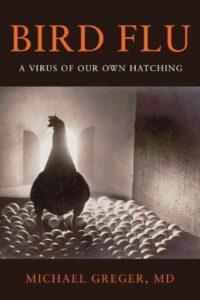
You’ll find essential insights in Dr. Michael Greger’s exhaustive 465-page exploration of avian influenza evolution and pandemic preparedness, published by Lantern Books in November 2006, which systematically examines how influenza A viruses originating in wild bird populations undergo mutation and reassortment events facilitated by human agricultural practices and environmental factors such as migratory flyways.
While detailing the eight-segmented RNA genome structure, hemagglutinin and neuraminidase surface proteins that determine viral attachment and host range, and providing evidence-based guidance on distinguishing high-pathogenicity strains through rapid diagnostic testing and implementing effective biosecurity measures.
| Best For | Readers interested in public health, disease prevention, and the science behind pandemics, especially those wanting to take a deep dive into the bird flu virus and its broader implications. |
|---|---|
| Format | Book |
| Publication Year | 2006 |
| Page Count | 465 |
| Target Audience | General public |
| Weight | 1.75 lbs |
| Primary Focus | Bird flu pandemic |
| Additional Features |
|
- Offers a thorough and accessible explanation of bird flu and its potential impact on human health.
- Provides practical insights and solutions to help protect families and reduce future pandemics.
- Serves as a valuable resource for those interested in preventive medicine, food safety, and public health.
- Some science and recommendations may be outdated due to the 2006 publication date.
- The book’s warnings and focus on worst-case scenarios might feel overwhelming or alarming to some readers.
- Currently out of print, making it hard to find a used copy in good condition.
2. Bird Flu Survival Information Toolkit
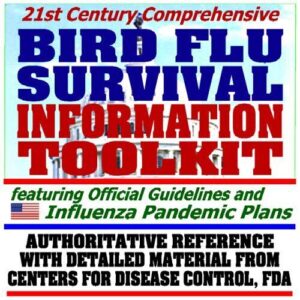
You’ll access thorough pandemic preparedness resources through this CD-ROM collection containing nearly 18,000 pages from authoritative federal agencies including CDC, FDA, NIH, and USDA, which systematically organizes official government information on H5N1 virus transmission dynamics, risk stratification protocols, clinical symptomatology, diagnostic testing methodologies, treatment algorithms utilizing antivirals, and prevention strategies incorporating vaccination approaches.
While providing healthcare professionals with these resources, the collection aims to offer comprehensive information.
| Best For | Healthcare professionals, researchers, and preparedness coordinators needing a vast, government-sourced reference on bird flu and pandemic influenza. |
|---|---|
| Format | CD-ROM |
| Publication Year | 2006 |
| Page Count | 18000 |
| Target Audience | Medical professionals |
| Weight | 2.4 oz |
| Primary Focus | Federal bird flu info |
| Additional Features |
|
- Huge collection of official resources and guidelines from leading health agencies.
- Powerful search and indexing for quick information access.
- Covers clinical protocols, patient education, and pandemic response in one portable package.
- Content may be outdated and not reflect recent developments or guidelines.
- Requires a CD-ROM drive and basic computer skills to access.
- Limited usefulness for those without access to Adobe Acrobat Reader software.
3. Bird Flu Information Guide
This 40-page resource, priced at $9.99 and published in December 2024, delivers accessible explanations of avian influenza virus classification by hemagglutinin and neuraminidase surface proteins.
It also covers human transmission mechanisms through direct contact with infected birds or contaminated environments, and clinical manifestations ranging from respiratory symptoms including fever, cough, and sore throat to severe pneumonia and multi-organ involvement.
While incorporating prevention strategies emphasizing personal protective equipment usage, biosecurity practices, and antiviral treatment protocols utilizing oseltamivir when indicated early in illness.
| Best For | General readers wanting a quick introduction to bird flu basics without needing advanced medical knowledge. |
|---|---|
| Format | Book |
| Publication Year | 2024 |
| Page Count | 40 |
| Target Audience | General public |
| Weight | N/A |
| Primary Focus | Bird flu overview |
| Additional Features |
|
- Breaks down complex virus science (like hemagglutinin and neuraminidase) into plain English that non-experts can actually understand
- Covers practical stuff you can actually use—protective gear recommendations, biosecurity steps, and when antivirals like oseltamivir might help
- Affordable at under $10 and recently published, so the information reflects current understanding of the virus
- At just 40 pages, it can’t dive deep into every aspect of bird flu—you’re getting breadth over depth
- Bird flu research moves fast, so parts of the guide could need updates as new strains or treatments emerge
- This is educational material, not medical advice—you’d still need to consult healthcare professionals for actual diagnosis or treatment decisions
4. The Bird Flu Hoax Book
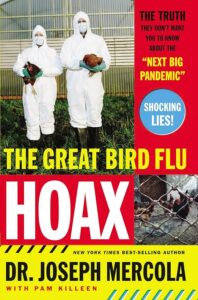
Shifting perspectives entirely, a 2009 publication from Thomas Nelson weighing twelve ounces across two hundred fifty-six pages presents alternative interpretations of avian influenza pandemic risk assessment, suggesting governmental and corporate entities may exaggerate pathogen transmission concerns and mortality statistics for financial and political objectives rather than public health imperatives.
| Best For | People who question mainstream narratives about health crises and want alternative takes on the bird flu and government responses. |
|---|---|
| Format | Book |
| Publication Year | 2009 |
| Page Count | 256 |
| Target Audience | General public |
| Weight | 12 oz |
| Primary Focus | Bird flu skepticism |
| Additional Features |
|
- Offers a contrarian perspective for those skeptical of big business and government motives.
- Provides discussion points on how media and authorities may shape public fear for profit.
- Includes alternative insights that might help readers decide what information to trust about health risks.
- Some arguments may seem speculative or light on solid scientific backing.
- Focus sometimes shifts to the author’s personal nutrition views instead of staying on the main subject.
- Information could feel dated given the book was published in 2009.
5. Avian Flu Information and Documents
A 2005 Progressive Management CD-ROM containing seventeen thousand eight hundred fifty-nine pages compiles thorough Federal documentation regarding avian influenza pathogenesis, H5N1 viral characteristics potentially precipitating pandemic scenarios, and US
| Best For | Users who need comprehensive, official government information on avian influenza and biosecurity, from poultry owners to industry professionals. |
|---|---|
| Format | CD-ROM |
| Publication Year | 2005 |
| Page Count | 17859 |
| Target Audience | Poultry producers |
| Weight | 0.8 oz |
| Primary Focus | Avian influenza biosecurity |
| Additional Features |
|
- Includes 17,859 pages of up-to-date government documents and resources
- Advanced search lets you quickly find specific topics or keywords
- Ideal for anyone needing trusted, full-spectrum coverage of H5N1 and bird flu management
- Information may be outdated compared to recent research
- CD-ROM format might not work with modern devices lacking disc drives
- Advanced search features may be tough for less tech-savvy users to navigate
6. Homeopathic Treatment Of Influenza
You’ll find an alternative perspective in the four hundred fifty-four-page Emryss publication addressing homeopathic approaches to influenza management, incorporating sixty-eight remedy profiles alongside historical documentation of the 1918 Spanish Flu pandemic’s homeopathic treatment protocols.
The ninety-eight-page Quick Keynote Reference enables rapid identification of indicated remedies for respiratory manifestations, though you should recognize that homeopathic methodologies lack strong clinical validation through conventional double-blind, placebo-controlled trials establishing efficacy comparable to evidence-based antimicrobial or antiviral pharmaceutical interventions.
| Best For | Homeopaths and practitioners looking for a detailed reference on historical homeopathic approaches to treating influenza and respiratory infections. |
|---|---|
| Format | Book |
| Publication Year | 2020 |
| Page Count | 454 |
| Target Audience | Homeopaths |
| Weight | 1.46 lbs |
| Primary Focus | Homeopathic flu treatment |
| Additional Features |
|
- Includes a 98-page quick reference guide that helps you find remedies fast
- Covers 68 different homeopathic remedies with detailed profiles for flu and respiratory conditions
- Provides historical context from the 1918 Spanish Flu pandemic showing how homeopathy was used back then
- Contains mostly reprinted older material that may feel outdated to some readers
- Not ideal if you don’t have homeopathic training or background knowledge
- The price point doesn’t match the value for everyone, especially since it lacks recent research or updated treatment protocols
7. Influenza Survival Guide Book
You’ll discover practical preparedness strategies in the one hundred ninety-eight-page digital publication priced at two dollars and ninety-nine cents, emphasizing hygiene protocols, antiviral accessibility checklists, and systematic household emergency planning for viral respiratory disease outbreaks.
Though you should recognize that its avian influenza applicability remains limited given its primary focus on human influenza pathophysiology, transmission dynamics, and pharmaceutical intervention protocols rather than species-specific veterinary considerations, diagnostic algorithms, or biosecurity measures appropriate for domestic or commercial poultry populations experiencing orthomyxov.
| Best For | People looking for straightforward, practical advice on surviving flu outbreaks or pandemics without needing technical details. |
|---|---|
| Format | Book |
| Publication Year | 2016 |
| Page Count | 198 |
| Target Audience | General public |
| Weight | N/A |
| Primary Focus | Influenza virus science |
| Additional Features |
|
- Clear, plain-language explanations about the flu virus, vaccines, and treatments.
- Practical survival tips, hygiene checklists, and household planning for emergencies.
- Useful as extra reading for high school science or for those curious about virus preparedness.
- Not ideal for readers seeking in-depth or highly technical information.
- Mainly covers human influenza, not animal or veterinary flu issues.
- Published in 2016, so it may not reflect the very latest research or outbreak trends.
8. Boiron Oscillococcinum Flu Relief
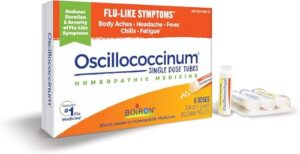
You won’t find scientifically validated efficacy when examining Boiron Oscillococcinum, a homeopathic preparation containing Anas barbariae hepatis et cordis extractum diluted to 200CK potency, wherein no measurable molecules of the original duck tissue extract remain in the final sublingual pellet formulation marketed for temporary symptomatic relief of body aches, headache, fever, chills, and fatigue associated with influenza-like illness.
While manufacturers assert non-drowsy symptom reduction and absence of known drug interactions, you must recognize that this product lacks peer-reviewed evidence supporting clinical effectiveness in treating confirmed avian or human influenza infections.
| Best For | People who prefer homeopathic remedies and want a natural-feeling option to try at the first sign of flu symptoms, especially families looking for a non-drowsy product with no known drug interactions. |
|---|---|
| Format | Medicine |
| Publication Year | N/A |
| Page Count | N/A |
| Target Audience | Families |
| Weight | N/A |
| Primary Focus | Flu symptom relief |
| Additional Features |
|
- Easy to take with meltaway pellets that dissolve in your mouth—no water needed, which is handy when you’re traveling or on the go
- Won’t make you drowsy or interact with other medications you might be taking
- Safe for the whole family, including kids ages 2 and up
- Lacks strong scientific evidence proving it actually works against the flu
- Only effective if you take it right when symptoms start—waiting too long means it probably won’t help much
- Homeopathic dilution means there’s essentially no active ingredient left in the pellets, so results vary widely from person to person
9. iHealth COVID Flu Test Kit
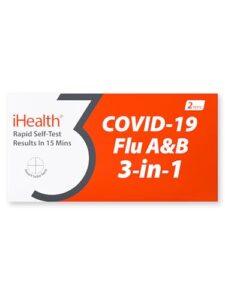
You can distinguish between viral infections affecting your birds using the iHealth COVID-19 and Flu A/B Combo Rapid Test, an FDA-authorized diagnostic tool delivering results within 15 minutes through non-invasive anterior nares swab collection, though this home-testing platform targets human influenza strains rather than avian-specific viral pathogens.
The ICF-3000 model provides you with concurrent detection capabilities for three distinct viral entities using a cassette-based immunoassay format, enabling rapid differential diagnosis when distinguishing influenza presentations from other respiratory syndromes in your household environment.
| Best For | People who want quick, at-home results for COVID-19 and flu, especially families needing frequent, easy testing. |
|---|---|
| Format | Test Kit |
| Publication Year | N/A |
| Page Count | N/A |
| Target Audience | Households |
| Weight | 1.45 oz |
| Primary Focus | COVID and flu testing |
| Additional Features |
|
- Results for COVID-19, Flu A, and Flu B in just 15 minutes
- Simple, portable, and easy to use—even for travel or home use
- FDA-authorized and suitable for age 2 and up (with adult help for young kids)
- Only for human use, not for anyone under age 2
- Each kit has just 2 tests, so not ideal for large groups
- Requires following several steps and adult help for children
10. Zicam Cold Remedy Nasal Spray
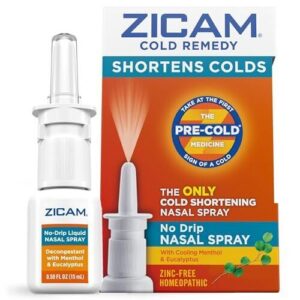
You won’t use Zicam Cold Remedy to treat your birds, as this zinc-free homeopathic formulation containing Galphimia glauca 4X, Luffa operculata 4X, and Sabadilla 4X targets human respiratory viral infections rather than avian pathogens.
The menthol-eucalyptus spray provides congestion relief through nasal passage flushing mechanisms designed for human anatomy, not avian respiratory systems, which possess fundamentally different physiological structures including air sacs and parabronchial networks that contraindicate mammalian intranasal pharmaceutical delivery methods.
| Best For | People looking for a gentle, zinc-free nasal spray that may ease symptoms and shorten the length of a cold when used at the first sign. |
|---|---|
| Format | Nasal Spray |
| Publication Year | N/A |
| Page Count | N/A |
| Target Audience | Adults and children |
| Weight | 0.5 oz |
| Primary Focus | Cold symptom relief |
| Additional Features |
|
- No-drip spray with plant-based ingredients, menthol, and eucalyptus for a cooling, soothing feel.
- Aims to shorten cold length and help with multi-symptom relief, including congestion.
- Suitable for both adults and children (age minimum unspecified), with a formula free of zinc.
- Needs to be used every 3 hours, with a max of 5 doses per day, which can be inconvenient.
- May cause a burning sensation due to menthol, which some find uncomfortable.
- Not meant for young children (exact age limit not listed) and results may vary from person to person.
Frequently Asked Questions (FAQs)
What is the difference between a bacterial disease and a viral disease?
You’d think telling bacteria and viruses apart would be straightforward, yet these pathogens confuse even experienced bird owners—bacteria are living organisms treatable with antibiotics, while viruses require host cells and need antiviral medications.
How do I know if my bird has a bacterial infection?
Your bird’s breathing patterns, droppings, and behavior reveal infection clues—watch for open-mouth breathing, thick nasal discharge, lethargy, and swelling, then consult your veterinarian for accurate bacterial diagnosis through culture and examination.
What are five major differences between viruses and bacteria?
You’re basically comparing a functioning city to an invading blueprint.
Bacteria are living cells that self-replicate, while viruses need your bird’s cells to reproduce, lack metabolism, and carry genetic material in protein shells.
How long are infected birds contagious to others?
Your bird’s contagious window depends on whether bacteria or viruses are shedding—bacterial infections usually last one to two weeks, while viral infections can persist for one to three weeks after symptoms emerge.
Can bacterial and viral infections occur simultaneously in birds?
Your flock can face both bacterial threats and viral threats at once—coinfections involving Mycoplasma gallisepticum alongside Newcastle disease virus, for instance, exacerbate respiratory distress, complicate diagnosis, and require combined antimicrobial and supportive care strategies for effective management.
What environmental factors increase bird disease risk?
Overcrowding, poor ventilation, contaminated water, and inadequate sanitation substantially increase your flock’s susceptibility to both bacterial pathogens and viral respiratory pathogens by increasing direct contact, airborne particle loads, and environmental microbial persistence.
Are wild birds carriers of these diseases?
Feathered friends can be flying pharmacies for trouble. Yes, wild birds carry bacterial pathogens like Mycoplasma gallisepticum and viral agents including avian influenza, often spreading these diseases asymptomatically to domestic flocks through fecal contamination and direct contact.
How do you disinfect aviaries after disease outbreaks?
You’ll need to remove all organic debris from cages, apply EPA-registered disinfectants following pathogen-specific contact times, rinse surfaces thoroughly, and verify complete dryness before reintroducing your birds.
Conclusion
Your flock’s health challenges won’t resolve themselves through wishful thinking—understanding the difference between bacterial and viral bird diseases provides you with the diagnostic clarity necessary to select appropriate interventions rather than applying ineffective treatments that allow pathogens to proliferate unchecked.
When respiratory distress appears in your birds, you’re not facing an unsolvable mystery but a manageable clinical problem requiring pathogen-specific approaches that protect both individual animals and your entire population from preventable mortality.
- https://pmc.ncbi.nlm.nih.gov/articles/PMC8695362/
- https://links.e.response.mayoclinic.org/EmailPreview-GeneralHealth
- https://mcforms.mayo.edu/mc5200-mc5299/mc5256-01.pdf
- https://www.merckvetmanual.com/pharmacology/vaccines-and-immunotherapy/types-of-vaccines-for-animals
- https://www.nature.com/articles/s41541-025-01115-y