
This site is supported by our readers. We may earn a commission, at no cost to you, if you purchase through links.
Your bird’s subtle shift from playful chatter to unusual silence isn’t just a mood swing—it’s often the first whisper of something more serious. Bacterial infections strike avian companions with alarming stealth, turning vibrant creatures into quiet shadows of themselves within hours.
The challenge? Birds instinctively mask illness as a survival mechanism, making early detection a matter of knowing exactly what changes to watch for. Recognizing signs of bacterial infections in birds means looking beyond the obvious, understanding that ruffled feathers or a missed meal can signal an urgent need for intervention.
From respiratory distress to subtle shifts in droppings, each symptom tells part of a critical story—one that demands your immediate attention and clinical precision to protect your feathered friend’s health.
Table Of Contents
- Key Takeaways
- Common Signs of Bacterial Infections in Birds
- Respiratory Symptoms of Bacterial Infections
- Digestive Issues Linked to Infection
- Behavioral Changes Indicating Illness
- Physical Appearance and Feather Condition
- Diagnosing Bacterial Infections in Birds
- Common Bacterial Diseases in Birds
- Risk Factors and Prevention Strategies
- When to Seek Veterinary Care
- Frequently Asked Questions (FAQs)
- How do you treat a bacterial infection in birds?
- How do pet birds get bacterial infections?
- What are some bacterial diseases of birds?
- Can bacterial infections spread between different bird species?
- How long does antibiotic treatment typically last?
- Are certain bird breeds more susceptible to infections?
- Can humans contract bacterial infections from pet birds?
- Whats the survival rate after severe bacterial infection?
- Conclusion
Key Takeaways
- Birds instinctively mask illness as a survival mechanism, making early detection critical—watch for subtle behavioral changes like decreased vocalization, social withdrawal, or lethargy before physical symptoms become obvious.
- Respiratory distress (labored breathing, nasal discharge, eye swelling) and digestive issues (diarrhea, vomiting, abnormal dropping color) are the most visible warning signs of bacterial infection requiring immediate veterinary attention.
- Prevention hinges on three controllable factors: maintaining strict cage hygiene with daily cleaning, avoiding overcrowding that weakens immune defenses, and providing proper nutrition with vitamin C, zinc, and probiotics to support gut health.
- Early diagnosis dramatically improves survival rates and shortens recovery time—regular veterinary check-ups establish baseline health values and catch infections before they progress to life-threatening septicemia.
Common Signs of Bacterial Infections in Birds
Bacterial infections don’t always announce themselves with dramatic symptoms, but your bird’s body will send signals if something’s wrong.
Knowing the difference between bacterial and viral disease risks for backyard birds helps you respond faster when symptoms appear.
Recognizing these early warning signs can make the difference between a quick recovery and a serious health crisis. Here are the most common indicators that your bird may be fighting a bacterial infection.
Spotting early warning signs of bacterial infection can mean the difference between quick recovery and serious crisis for your bird
Lethargy and Weakness
When your bird’s energy levels plummet, it’s often the first warning sign of bacterial infection. Lethargy manifests as prolonged rest, weak grip strength, and reluctance to fly or perch—behavioral signs you can’t ignore.
This metabolic slowdown affects physical condition across the board: hunched posture, shallow breathing, and cold extremities signal compromised health. Respiratory issues and temperature changes may accompany the fatigue, making veterinary care essential for proper bird health and wellness.
Understanding the connection between bird illness and symptoms of lethargy in animals can help you spot health concerns early.
Loss of Appetite
Along with lethargy, you’ll notice your bird pushing food around the dish without actually eating—a telltale sign of bacterial infection.
This appetite change often appears within 24 to 48 hours, paired with digestive problems like diarrhea or respiratory issues such as nasal discharge.
Food avoidance quickly leads to weight loss and nutrition deficits, threatening avian health because birds burn energy fast and lack reserves. It’s important to note that some symptoms may indicate common bacterial pathogens in birds.
Excessive Sleeping
When your bird sleeps 10 to 12 hours at night but suddenly dozes through most of the day, bacterial infection may be at work. Healthy birds maintain consistent sleep patterns and rest only briefly during daylight.
Watch for hunched, fluffed resting postures on low perches or the cage floor—classic lethargy signals. Excessive daytime napping paired with breathing changes or altered droppings demands immediate veterinary care.
Withdrawn or Quiet Behavior
Along with excessive sleeping, social withdrawal signals bacterial infection. Your bird may stop greeting you at the cage door, ignore familiar voices, or avoid group feeding times—all departures from normal activity levels.
Quiet behavior replaces usual calls and songs. Watch for perch preference shifts: sick birds sit alone in corners, skip feather preening, and show lethargy instead of curiosity. These symptoms warrant immediate veterinary care.
Respiratory Symptoms of Bacterial Infections

Respiratory symptoms are often the most visible warning signs of bacterial infection in birds. When bacteria invade your bird’s respiratory system, you’ll notice changes in how they breathe and physical signs around their airways.
Here are the key respiratory symptoms that indicate your bird needs veterinary attention.
Labored or Noisy Breathing
When your bird breathes with an open beak at rest or shows tail bobbing with each breath, bacterial respiratory infections may be causing airway obstruction. Listen for wheezes, clicks, or rattling breathing sounds that signal respiratory distress.
You’ll notice reduced chest expansion and labored breathing patterns. These breathing changes demand immediate veterinary attention—respiratory failure progresses rapidly, and early avian disease diagnosis substantially improves treatment outcomes.
Nasal Discharge
Thick, cloudy discharge from your bird’s nostrils—especially yellow or green—signals bacterial infection requiring veterinary care. You may see crusty buildup around the nares, sneezing, or head shaking as your bird tries clearing mucus.
This respiratory health problem often indicates rhinitis or sinus infection. When nasal discharge appears alongside lethargy or appetite loss, the bacterial symptoms suggest systemic illness demanding immediate avian medicine intervention.
Swollen or Watery Eyes
Puffy lids and wet streaks on your bird’s face point to bacterial infection symptoms affecting the eyes. Ocular swelling may narrow or seal the eye opening, causing vision impairment that makes perching and flight difficult. Conjunctiva redness signals active inflammation, while thick discharge can cloud the cornea and risk corneal damage without prompt avian health intervention.
- Eye infection symptoms include bulging tissue, crusted discharge, and constant squinting
- Birds may misjudge distances, bump cage bars, or stop flying when both eyes swell shut
- Combining eye problems with lethargy or poor appetite indicates serious bacterial infections in birds requiring urgent care
Sneezing and Coughing
When you hear rapid sneezing or a harsh cough, bacterial infection may be driving respiratory distress in your bird. The sneezing reflex clears irritants at high speed, while cough dynamics force air through inflamed airways to expel thick nasal discharge.
These symptoms signal airborne transmission risk and demand immediate avian health attention—especially when combined with labored breathing or eye swelling.
Digestive Issues Linked to Infection

Your bird’s digestive system often shows the first visible signs of bacterial infection. When harmful bacteria colonize the gastrointestinal tract, you’ll notice changes in droppings, regurgitation, or abnormal digestive behavior.
Watch for these three critical digestive symptoms that warrant veterinary attention.
Diarrhea and Loose Droppings
Diarrhea ranks among the most telling digestive issues linked to bacterial infections in birds. You’ll notice changes in stool quality that signal trouble with gut health:
- Watery or unformed droppings replacing the normal solid fecal portion
- Abnormal dropping color—pale, yellow, or greenish hues indicating infection
- Increased frequency of loose stools throughout the day
Fecal analysis through veterinary care provides definitive diagnosis of bacterial infections in birds, protecting your bird’s health.
Vomiting or Regurgitation
When your bird forcefully expels stomach contents with abdominal contractions, you’re witnessing vomiting—distinct from passive regurgitation during feeding behavior.
Bacterial infection triggers both through GI tract irritation and crop infection. Watch for accompanying respiratory distress, weight loss despite eating, and dehydration signs like sunken eyes.
Vomiting triggers lasting beyond 24 hours demand immediate veterinary care to preserve digestive health and prevent systemic complications.
Changes in Dropping Color and Consistency
Beyond vomiting, you’ll detect bacterial infections through dramatic shifts in dropping color and fecal consistency. Bright green or yellow urates signal liver disease or systemic infection, while tarry black feces indicate internal bleeding—both veterinary emergencies.
Watery, unformed droppings spreading across cage liner reveal diarrhea from gut bacteria. Normal droppings show three distinct parts: dark formed feces, white urates, and clear urine. Monitor daily for digestive health.
Behavioral Changes Indicating Illness
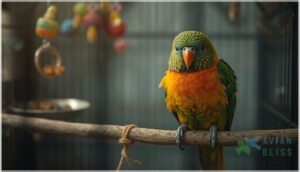
Birds won’t always show obvious physical symptoms when they’re fighting a bacterial infection. Sometimes the first red flag is a shift in behavior—your normally active, chatty bird suddenly goes quiet or loses interest in things it used to enjoy.
Watch for these three key behavioral changes that can signal your bird needs veterinary attention.
Decreased Activity Levels
Often, the first sign of bacterial infections you’ll notice is a bird that simply stops doing what it loves. Lethargy replaces normal energy as your bird skips perch-hopping, foraging, and flight patterns it once enjoyed daily. This behavioral shift signals that something’s draining its stamina—and demands prompt veterinary care.
- Reduced perching: Sick birds stay on one low perch or the cage floor instead of exploring their space
- Less foraging: Toys and food puzzles sit untouched as infection saps motivation to play
- Posture changes: Hunched stance, fluffed feathers, and slow movements reveal discomfort and fatigue
Altered Vocalization Patterns
When your bird’s chatter turns hoarse or calls soften to whispers, suspect respiratory infection. Bacterial diseases affecting the syrinx or trachea produce raspy sounds, abnormal pitch, or complete voice loss—vocal change signs you can’t ignore.
A parrot that suddenly stops its morning song or a canary with wet, gurgling notes needs immediate veterinary care to prevent airway compromise and restore normal sound production.
Reduced Social Interaction
Social withdrawal signals serious trouble in flock dynamics. Watch for bird isolation when your pet abandons shared perches, skips group feeding, or stops grooming its mate—interaction changes that disrupt normal social hierarchy.
A normally affectionate parrot that refuses handling or a bonded pair that perches apart shows bacterial infections progressing. Lethargy drives this retreat from companions, making veterinary care urgent before systemic disease worsens.
Physical Appearance and Feather Condition
Your bird’s feathers and overall physical appearance are often the first visible signs that something’s wrong. A healthy bird takes pride in its plumage, but bacterial infections can quickly turn those sleek feathers into telltale markers of illness.
Watch for these three critical changes in your bird’s physical condition.
Ruffled or Dirty Feathers
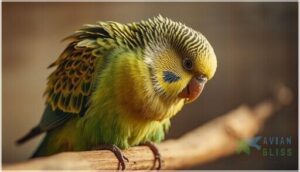
When your bird stops preening, it’s often the first red flag you’ll notice. Ruffled plumage that stays fluffed for hours signals illness, not just a bad mood.
Dirty feathers around the vent point to bacterial infection causing diarrhea, while matting on the chest suggests vomiting episodes.
Grooming changes accompany systemic disease—healthy birds keep their feathers sleek and aligned through constant attention to avian health.
Skin Lesions or Redness
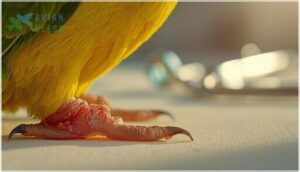
Swollen patches, crusts, or inflamed areas signal bacterial dermatitis requiring immediate attention. Bacterial infections produce redness symptoms ranging from pink follicle bumps in feather folliculitis to open sores with discharge.
Footpad swelling indicates bumblefoot, while chronic skin lesions under wings or near the vent suggest deeper tissue involvement. Lesion treatment depends on identifying the pathogen through culture, making veterinary assessment essential for restoring avian health.
Abnormal Beak or Claw Appearance
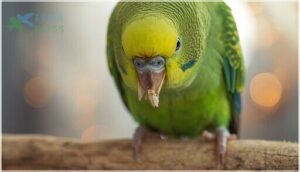
Bacterial infections disrupt keratin formation, causing beak deformities like overgrowth, rough surfaces, or darkened tips. You’ll notice claw overgrowth when foot infections alter perching pressure, and nail problems emerge as toes curl or stiffen.
Chronic liver disease from poor nutrition compounds these keratin issues. Beak infections produce flaky textures and painful cracks, while severe cases show tissue death requiring immediate veterinary care for birds to prevent permanent damage and restore avian disease prevention.
Diagnosing Bacterial Infections in Birds

Pinpointing a bacterial infection in your bird requires more than watching for symptoms at home.
Your avian veterinarian will use specific diagnostic tools to confirm what’s happening inside your bird’s body. Two essential methods form the foundation of accurate diagnosis: a thorough physical examination and targeted laboratory testing.
Physical Examination
Your avian veterinarian begins the Physical Examination with a thorough Visual Inspection of your bird’s overall demeanor and posture. During this Veterinary Care visit, the vet performs a Beak Examination to check for deformities and inspects the oral cavity for lesions.
The Feather Analysis reveals ruffling or soiling that signals Bacterial Infections. The Body Condition is assessed by palpating the chest muscles, while a Symmetry Check ensures wings and limbs move equally—key Symptoms of underlying infection affecting Bird Health.
Bloodwork and Fecal Analysis
When you suspect illness, your vet orders Blood Tests including a complete blood count to detect elevated white blood cells—a hallmark of Bacterial Infections.
Lab Results from a chemistry panel evaluate organ function, while Fecal Exams reveal abnormal bacteria through gram staining.
These Diagnostic Tools work together as essential components of Disease Diagnosis and Treatment in Avian Health Research and Studies, enabling precise Veterinary Diagnosis of Bacterial diseases in pet birds before systemic complications develop.
Common Bacterial Diseases in Birds
Bacterial infections don’t all look the same—different pathogens target different systems in your bird’s body. Some bacteria primarily attack the respiratory tract, while others wreak havoc on the digestive system or spread throughout the bloodstream.
Understanding these three main categories will help you recognize what your bird might be facing.
Respiratory Infections (e.g., Chlamydia, Mycobacteria)
Respiratory problems from bacterial infections often strike through airborne transmission in crowded aviaries. Avian chlamydiosis causes nasal discharge and labored breathing, while avian mycobacteriosis triggers chronic coughing and weight loss.
Both bacterial pneumonia and mycobacterial disease create serious respiratory symptoms requiring prompt diagnosis. These zoonotic diseases can spread to humans, so protect yourself during handling and seek veterinary care immediately when breathing difficulties appear.
Gastrointestinal Bacterial Diseases
While respiratory infections attack from the air, gastrointestinal bacterial diseases strike your bird’s digestive tract with equal severity.
Gut health deteriorates rapidly when harmful bacteria disrupt the avian microbiome, producing bacterial toxins that damage intestinal walls. You’ll notice sudden diarrhea, vomiting, and abdominal bloating.
These digestive disorders require immediate antibiotic treatment for birds to prevent dehydration and systemic complications from intestinal infection.
Systemic Infections and Septicemia
When bacterial infections spread beyond the gut, they enter your bird’s bloodstream—a condition called septicemia. This blood infection triggers a systemic response that can rapidly progress to septic shock.
You’ll see sudden collapse, difficulty breathing, and profound weakness. Sepsis treatment demands immediate antibiotic treatment and intensive supportive care. In avian medicine, systemic infections represent true emergencies where infection control determines survival.
Risk Factors and Prevention Strategies
Understanding what puts your bird at risk is the first step toward keeping bacterial infections at bay. Many cases trace back to preventable environmental and care-related factors that weaken your bird’s natural defenses.
Let’s look at the three main risk areas you can control to protect your feathered companion’s health.
Poor Hygiene and Husbandry
Without consistent cage cleaning and proper hygiene practices, you’re setting the stage for bacterial infections. Dirty feeders, inadequate ventilation systems, and soiled bedding create ideal conditions for pathogens to thrive.
Implement strict sanitation practices including daily feeder sanitization and weekly deep-cleaning routines. Don’t skip bird quarantine protocols when introducing newcomers—these preventive measures form your first line of defense against disease transmission.
Overcrowding and Stress
Too many birds in cramped quarters doesn’t just stress your flock—it weakens their immune defenses and accelerates disease transmission. Overcrowding disrupts social dynamics, increases noise levels, and creates constant competition for resources.
You’ll notice aggression, feather plucking, and elevated cortisol responses. Space management and environmental enrichment aren’t luxuries; they’re biological necessities that directly impact your birds’ resistance to bacterial infections and infectious diseases.
Nutrition and Immune Health
Your bird’s diet is the frontline defense against bacterial infections and infectious diseases. Micronutrient balance—including vitamin C, zinc, and selenium—directly strengthens immune support at the cellular level.
Dietary fiber and probiotic benefits improve gut health and hygiene, while nutrient synergy from varied avian nutrition ensures ideal bird health and wellness. Protein quality, omega-3 fatty acids, and adequate hydration complete the foundation for infectious disease resistance.
When to Seek Veterinary Care
Knowing when to call your avian veterinarian can mean the difference between a full recovery and a life-threatening crisis.
Some symptoms demand immediate attention, while others highlight why regular check-ups catch problems before they escalate. Here’s what you need to watch for and when to act.
Warning Signs Requiring Immediate Attention
When fever climbs above 104 degrees Fahrenheit or your bird shows labored breathing with pale membranes, you’re facing a medical emergency that demands urgent attention. These critical care situations require immediate intervention to prevent severe infections from progressing to systemic disease or septicemia.
- Sudden neurological symptoms like weakness, seizures, or loss of balance
- Acute digestive collapse with bloody diarrhea or repeated vomiting
- Respiratory distress including open-mouth breathing or thick nasal discharge
Don’t wait—contact your avian veterinarian immediately.
Importance of Early Diagnosis
Catching bacterial infections early dramatically shifts your bird’s prognosis factors and treatment outcomes. Early detection allows timely intervention when disease diagnosis and treatment are most effective, reducing organ damage and shortening antibiotic treatment for birds. Your avian medicine and surgery team can deploy diagnostic tools that identify pathogens before systemic complications develop.
| Early Diagnosis Benefits | Delayed Diagnosis Risks |
|---|---|
| Higher survival rates with targeted antibiotics | Progressive organ failure and septicemia |
| Shorter recovery time and lower costs | Extended hospitalization and invasive therapies |
| Prevents transmission to other birds | Widespread flock contamination |
Recognizing symptoms promptly means your bird receives appropriate care when bacterial infections respond best to treatment.
Role of Regular Health Checks
Preventive care through routine veterinary visits forms your strongest defense against bacterial infections. Scheduled health monitoring establishes baseline values and detects subtle changes before disease diagnosis and treatment become urgent.
Your avian veterinary medicine professional can:
- Assess essential signs and body condition for abnormalities
- Review nutritional status affecting bird wellness
- Perform early detection screenings through blood work
- Update vaccination protocols and bird health and hygiene practices
- Identify risk factors requiring intervention
Annual checkups keep your bird thriving.
Frequently Asked Questions (FAQs)
How do you treat a bacterial infection in birds?
Like a well-aimed antibiotic therapy, antibiotic therapy strikes at bacterial infections when your avian vet confirms the diagnosis.
Antimicrobial therapy, infection control, and supportive care form the foundation of effective bacterial management and bird medication protocols.
How do pet birds get bacterial infections?
Pet birds acquire bacterial infections through ingestion of contaminated food or water, inhalation of aerosolized bacteria from droppings, direct contact with dirty surfaces, or vertical transmission from infected eggs during reproduction.
What are some bacterial diseases of birds?
Your bird may contract Avian Chlamydia (psittacosis disease), Fowl Cholera, Bird Tuberculosis, or Bacterial Enteritis.
These bacterial infections range from respiratory conditions to gastrointestinal bacterial diseases, with some posing zoonotic disease transmission risks to humans.
Can bacterial infections spread between different bird species?
Yes, bacterial infections can spread between bird species through direct contact, contaminated surfaces, and airborne transmission.
Cross-species transmission occurs frequently with common avian pathogens, making infection control measures essential in multi-species aviaries.
How long does antibiotic treatment typically last?
Though many assume longer is better, antibiotic treatment usually lasts 7 to 14 days for bacterial infections in birds.
Your avian vet determines the exact duration based on infection severity and clinical response.
Are certain bird breeds more susceptible to infections?
Certain species show heightened vulnerability to bacterial infections due to genetic factors and immune response variations.
Pigeons, cockatiels, and finches face elevated environmental risks when husbandry or nutrition impact their defenses.
Can humans contract bacterial infections from pet birds?
You can contract zoonotic diseases like psittacosis, salmonella, and campylobacter from infected pet birds through droppings, secretions, or direct contact—making proper hygiene and careful handling essential for preventing bacterial cross-contamination.
Whats the survival rate after severe bacterial infection?
Like a storm’s severity determines a ship’s fate, infection severity determines survival, which depends on treatment timing, and your bird’s overall health—mortality risks climb sharply with septicemia, but early antibiotic treatment dramatically improves prognosis indicators and recovery times.
Conclusion
Protecting your parrot’s health pivots on prompt, precise observation. Recognizing signs of bacterial infections in birds—from labored breathing to behavioral shifts—enables you to act before minor symptoms spiral into life-threatening crises.
Your vigilance bridges the gap between subtle distress signals and timely veterinary intervention. Don’t wait for obvious deterioration. Schedule regular avian health assessments, maintain flawless cage hygiene, and trust your instincts when something feels wrong.
Early detection remains your bird’s strongest defense against bacterial illness.
- https://www.merckvetmanual.com/exotic-and-laboratory-animals/pet-birds/bacterial-diseases-of-pet-birds
- https://vcahospitals.com/know-your-pet/chlamydophilosis-in-birds
- https://www.avianexotichospital.com/nutrition-for-psittacine-birds.html
- https://www.dvm360.com/view/infectious-diseases-birds-prey-proceedings
- https://myrightbird.com/articles/how-to-tell-if-your-pet-bird-is-sick