This site is supported by our readers. We may earn a commission, at no cost to you, if you purchase through links.
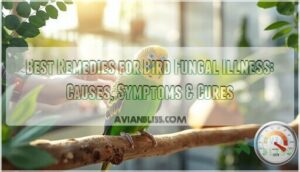
The fungus growing in your bird’s respiratory system right now doesn’t care that you’re doing your best. Aspergillosis and candidiasis thrive in conditions you might not even notice—a humid corner of the cage, a brief stressful week, or a round of antibiotics that threw everything off balance. These infections move fast, and the early signs, like quieter chirps or slightly labored breathing, blend into the background noise of daily life.
Understanding the best remedies for bird fungal illness means catching these silent invaders before they compromise your bird’s airways, digestion, or neurological function. The good news? You’ve got options that range from veterinary antifungals to carefully applied home strategies, and knowing when to use each one can mean the difference between a full recovery and a prolonged struggle.
Table Of Contents
- Key Takeaways
- Common Causes of Bird Fungal Illness
- Key Symptoms of Fungal Infections in Birds
- Effective Veterinary Treatments for Fungal Illness
- Home and Natural Remedies for Recovery
- Preventing Fungal Infections in Birds
- Frequently Asked Questions (FAQs)
- How do you treat fungal infection in birds?
- What is the best antifungal for birds?
- What does apple cider vinegar do for birds?
- Can fungal infections spread between different bird species?
- How long does antifungal treatment typically last?
- Are certain bird breeds more prone to infections?
- What temperature and humidity levels prevent fungal growth?
- Conclusion
Key Takeaways
- Fungal infections in birds, particularly aspergillosis and candidiasis, thrive when environmental triggers like poor ventilation, stress, or immune suppression create the right conditions—making early detection of subtle symptoms like labored breathing or behavior changes critical before they escalate to systemic illness.
- Effective treatment combines veterinarian-prescribed antifungals (primarily itraconazole, with amphotericin B for severe cases) alongside diagnostic procedures like fungal cultures and imaging, while supportive care including proper nutrition, hydration, and stress reduction creates the foundation for recovery.
- Home remedies like diluted apple cider vinegar (1 teaspoon per liter of water) and small amounts of coconut oil can support immune function and gut health when used correctly, but they complement rather than replace veterinary antifungal medications for active infections.
- Prevention requires maintaining cage humidity between 40-60%, implementing twice-weekly sanitization with bird-safe products, providing balanced nutrition with adequate vitamins A, C, D, and E, and enforcing 30-90 day quarantine protocols for new birds to stop fungal infections before they start.
Common Causes of Bird Fungal Illness
Fungal infections in birds don’t just happen out of nowhere—they need the right conditions to take hold. Understanding what creates these conditions helps you protect your feathered companion before problems start.
From poor ventilation to weakened immunity, recognizing common fungal infections in pet birds starts with identifying these environmental triggers early.
Let’s look at the three main culprits that allow fungal illnesses to develop.
Environmental Fungal Spores
In the wild, microscopic fungal spores—especially Aspergillus—float through your bird’s air like invisible dust. These particles, about 2 to 30 micrometers across, thrive in warm, damp conditions and settle on cage surfaces, nesting materials, and water dishes.
Spore formation accelerates in poorly ventilated spaces, creating environmental contamination that can trigger avian fungal infections even in healthy birds exposed to high concentrations.
Immune Suppression and Stress
Beyond spore exposure, your bird’s immune system determines whether those fungal invaders take hold. Stress—whether from overcrowding, temperature swings, or sudden changes—triggers hormonal shifts that suppress immune balance, leaving your companion vulnerable. Corticosteroids, antibiotics, and even chronic anxiety weaken those natural defenses.
Your bird’s immune system decides if fungal spores take hold, and stress from overcrowding, temperature changes, or medications weakens those natural defenses
When birds become immunocompromised, fungi like Aspergillus exploit the opening, making antifungal therapy necessary where a healthy immune system would’ve cleared the infection naturally.
Poor Hygiene and Diet
Even a strong immune system can’t compensate for environmental neglect. Dirty cages, moldy feed, and stagnant water create breeding grounds for fungal infections—think of it as rolling out the welcome mat for Aspergillus and Candida.
Malnutrition effects, especially vitamin A deficiency, further compromise respiratory linings. Without proper bird nutrition and a clean environment, you’re stacking risk factors that even antifungal therapy struggles to overcome.
Key Symptoms of Fungal Infections in Birds
Catching a fungal infection early can make all the difference in your bird’s recovery, but you’ll need to know what to look for. The symptoms aren’t always obvious at first—some birds hide their discomfort remarkably well until things get serious.
Here’s what commonly shows up when fungi take hold, from breathing troubles to unusual behaviors that signal something’s wrong.
Respiratory and Digestive Signs
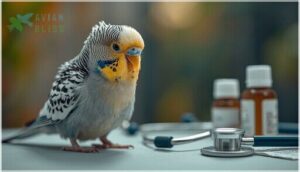
Respiratory distress in avian fungal infections often shows up as labored breathing, tail bobbing, or open-mouth breathing—signs that shouldn’t be ignored. You might notice wheezing, nasal discharge, or even coughing as airways struggle against fungal spores like Aspergillus.
Early detection is crucial, so familiarize yourself with common avian breathing problem signs to catch infections before they become severe.
Digestive issues frequently accompany these symptoms, with regurgitation, weight loss, or diarrhea pointing toward systemic involvement. These overlapping signs make early veterinary intervention and antifungal medications critical for recovery.
Behavioral and Physical Changes
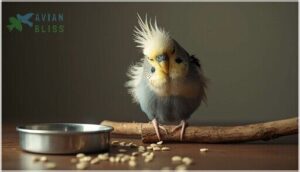
Lethargy often acts as your first red flag—watch for reduced perching, fluffed feathers, and quieter vocalizations. Physical symptoms stack quickly with bird behavior shifts:
- Appetite drops sharply, with selective eating or complete refusal
- Weight loss becomes visible through thinning bodies and prominent keels
- Feather condition deteriorates, appearing dull, ruffled, or oily
- Balance issues cause frequent slips and weakened grip strength
- Sleep patterns fragment, with increased hiding and social withdrawal
These changes warrant immediate veterinary attention.
Skin and Neurological Symptoms
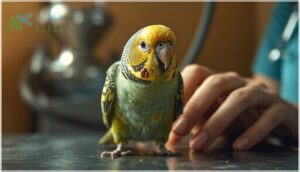
Skin lesions—crusty patches around the beak or feet—often signal deeper trouble when fungal infections spread beyond tissue surfaces. Neurological damage shows through head tilts, tremors, and wobbling that indicate vestibular issues or fungal neuropathy affecting nerve function.
You’ll notice behavioral changes like disorientation, circling, or sudden weakness. These symptoms demand immediate veterinary attention, as avian fungal infections progressing to the nervous system require aggressive antifungal medications and supportive care.
Effective Veterinary Treatments for Fungal Illness

When your bird shows signs of a fungal infection, getting the right veterinary care can make all the difference between a full recovery and ongoing health struggles. Your vet has several powerful tools at their disposal, from targeted antifungal medications to diagnostic tests that pinpoint exactly what’s happening inside your bird’s body.
Let’s look at the main treatment approaches your avian veterinarian will likely use to help your feathered friend heal.
Antifungal Medications (Itraconazole, Amphotericin B, Etc.)
When fungal infections threaten your bird’s health, antifungal medications like itraconazole and amphotericin B become essential tools. Itraconazole dosage typically varies by species and infection severity, disrupting fungal cell membranes through targeted antifungal therapy.
Amphotericin B, nystatin, and terbinafine offer alternatives when fungal resistance emerges. Your vet will consider medication interactions and adjust treatment to enhance treatment outcomes while protecting your bird’s liver and kidney function.
For more details on the range of available for treating fungal infections, consult clinical resources.
Diagnostic Procedures and Laboratory Tests
Accurate diagnosis starts with understanding what’s happening inside your bird’s body. Your vet will combine multiple avian disease diagnosis methods to confirm fungal infections and guide treatment:
- Fungal culture on specialized agar isolates organisms within 3-7 days
- Blood tests assess organ function and infection severity
- Imaging techniques like radiographs reveal internal lesions
- Cytology analysis identifies fungal elements in tissue samples
- Molecular sequencing confirms species when cultures aren’t conclusive
These avian medicine and veterinary care tools provide the roadmap for effective treatment.
Supportive Care and Monitoring
Beyond antifungals, your bird needs consistent Essential Sign Tracking and daily Behavior Monitoring to catch setbacks early. Your Veterinarian will guide Medication Compliance, ensuring doses stay on schedule.
Hydration Support through fresh water and species-appropriate Nutrition accelerate Bird Recovery and Rehabilitation.
Environmental Control—cleaning cages, reducing Stress, maintaining airflow—directly impacts Fungal Infection Management. Think of supportive care as the foundation that lets medicine do its job.
Home and Natural Remedies for Recovery
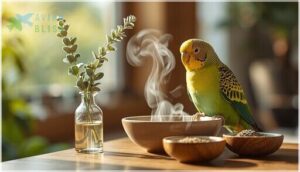
While veterinary treatment forms the backbone of recovery, there are some safe, natural remedies you can use at home to support your bird’s healing process. These aren’t replacements for professional care, but they can complement your vet’s treatment plan and help create an environment where your bird can bounce back more quickly.
Let’s look at a few tried-and-true approaches that many bird owners have found helpful.
Safe Use of Apple Cider Vinegar
You’ve probably heard apple cider vinegar praised as a natural fix, but dilution guidelines matter more than the benefits themselves for your bird’s safety. ACV mixtures can support gut health and help combat yeast infections in birds, but only when you respect vinegar safety and bird hydration needs.
- Always dilute ACV at 1 teaspoon per liter of fresh water—never offer it straight
- Use only plain, unflavored ACV with the mother for best quality
- Monitor drinking patterns daily to verify your bird stays properly hydrated
- Replace ACV water after 24 hours to prevent microbial growth and concentration shifts
- Watch for adverse signs like drooling or lethargy, and discontinue if they appear
While antifungal medications remain the benchmark for treating fungal infections, ACV offers gentle immune support when used correctly alongside nutrition and health improvements.
Coconut Oil and Immune Support
Like apple cider vinegar, coconut oil brings antimicrobial effects to the table, but it works differently—lauric acid converts to monolaurin in your bird’s body, targeting pathogens while supporting the immune system.
Its fatty acid profile boosts cellular function and helps absorb vitamins that strengthen defenses.
Start with tiny amounts, around 1/8 teaspoon mixed into soft foods, watching for digestive tolerance while antifungal medications do the heavy lifting.
Environmental Cleaning and Stress Reduction
Cleaning your bird’s environment aids recovery, but don’t overlook stress management—it shapes immune system resilience just as much as nutrition does. Fungal infections thrive when birds feel anxious, so create calm conditions alongside sanitation.
- Run HEPA air purification systems to remove 99.97% of airborne fungal spores
- Use bird-safe cage sanitizing products twice weekly on perches and accessories
- Monitor humidity control between 40-60% using digital hygrometers
- Improve ventilation systems with 15-minute fresh air cycles twice daily
- Practice stress management through consistent routines and quiet cleaning sessions
Preventing Fungal Infections in Birds
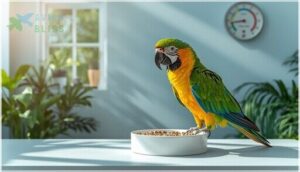
The best way to handle fungal infections is to stop them before they start. A few simple habits can protect your bird from exposure to spores, keep their immune system strong, and catch problems early.
Let’s walk through three practical steps that make a real difference.
Cage Hygiene and Ventilation
Your bird’s cage environment plays a starring role in preventing avian fungal infections. Aim for six to twelve air changes per hour through proper ventilation systems, keeping humidity between 40 and 60 percent to discourage mold.
Daily cleaning routines for food dishes, weekly bedding changes, and monthly deep cage sanitation create an airflow management strategy that keeps fungal spores at bay. For best results, always follow to help guarantee a healthy environment.
Balanced Nutrition and Immune Health
A well-designed nutrition plan builds the immune system your bird needs to resist fungal infections. Here’s what disease prevention demands:
- Protein sources like fish meal or soy support antibody production and tissue repair
- Vitamin supplements (A, C, D, E) strengthen mucosal barriers in respiratory and digestive tracts
- Mineral balance through zinc and selenium aids immune cell function
- Gut health via probiotics and fiber-rich foods enhances overall bird health
Quarantine and Regular Health Checks
When new birds arrive, you’ll want to enforce quarantine protocols for 30 to 90 days, keeping them in separate cages with dedicated equipment.
During bird isolation, health monitoring includes baseline exams, fecal screening, and daily checks of appetite and breathing patterns.
This veterinary care for birds prevents avian fungal infections, protecting bird health and wellness through proven fungal disease prevention and avian hygiene practices.
Frequently Asked Questions (FAQs)
How do you treat fungal infection in birds?
Treating fungal infections in birds requires veterinarian-prescribed antifungal medications like itraconazole or amphotericin B.
This should be combined with supportive care, including clean housing, balanced nutrition, stress reduction, and careful monitoring throughout your bird’s recovery period.
What is the best antifungal for birds?
Itraconazole serves as the benchmark for most avian fungal infections, offering broad-spectrum coverage with relatively low toxicity. Amphotericin B manages severe systemic cases, while nystatin targets digestive tract infections effectively.
What does apple cider vinegar do for birds?
Apple cider vinegar acts like a gentle balancing agent. Its organic acids support bird digestion, gut health, and feather shine while offering mild immune boost properties.
However, it never replaces antifungals for treating yeast infections or fungal infections.
Can fungal infections spread between different bird species?
Yes, fungal infections in birds can spread between different species through shared air and contaminated environments. Moldy bedding, crowded aviaries, and immunocompromised birds increase cross-species transmission risks markedly.
How long does antifungal treatment typically last?
As the saying goes, patience is a virtue—antifungal therapy for avian fungal infections usually runs 2 to 6 weeks, though severe respiratory or systemic cases may require 3 months with regular veterinary rechecks guiding treatment duration adjustments.
Are certain bird breeds more prone to infections?
Certain species carry distinct vulnerabilities to avian fungal infections. Budgerigars, canaries, and cockatiels show heightened susceptibility to Aspergillosis, while macaws face increased risk in damp conditions, reflecting varied breed susceptibility and infection patterns across avian genetics.
What temperature and humidity levels prevent fungal growth?
To discourage fungal growth, keep relative humidity below 50 percent and temperatures around 20–22°C.
Cooler, drier air slows spore production, while warmer, moist conditions above 25°C accelerate Aspergillus and other avian fungal infections.
Conclusion
Think of fungal illness like a fire that needs three things: fuel, oxygen, and a spark. Remove any one, and it dies out.
The best remedies for bird fungal illness work exactly that way—targeted antifungals extinguish the infection, environmental cleanup cuts off the fuel, and immune support removes the conditions that let it ignite.
Your bird’s recovery hinges on addressing all three, not just one. That’s how you turn the tide.
- https://www.bing.com/ck/a?!&&p=e51917d370eefc3dd49cc74555ee1fa29d93a16a671fce234581f1cfeb278c05JmltdHM9MTc2MDA1NDQwMA&ptn=3&ver=2&hsh=4&fclid=0957ba2e-c406-6473-154c-ac5ec59d6530&psq=Fungal+infections+can+be+very+serious+for+birds&u=a1aHR0cHM6Ly9hdmlhbmJsaXNzLmNvbS9iaXJkLWZ1bmdhbC1pbmZlY3Rpb24tY2F1c2VzLw
- https://www.dvm360.com/view/pet-birds-need-fewer-seeds-more-formulated-diets
- https://www.merckvetmanual.com/exotic-and-laboratory-animals/pet-birds/mycotic-diseases-of-pet-birds