This site is supported by our readers. We may earn a commission, at no cost to you, if you purchase through links.
Your bird’s feet grip a perch for up to 12 hours each day. That single surface shapes their foot health more than any other factor in captivity.
Poor perches cause arthritis, pressure sores, and even permanent deformities. The right perch does the opposite. It exercises foot muscles, trims nails naturally, and prevents painful conditions before they start.
What makes a good bird perch comes down to diameter, texture, material variety, and placement. Get these elements right and you give your bird the foundation for healthy feet and confident movement throughout their cage.
Table Of Contents
- Key Takeaways
- What Makes a Good Bird Perch
- Different Types of Bird Perches
- Choosing The Right Perch Size
- Top 7 Bird Perches for Your Feathered Friend
- Perch Placement and Safety Tips
- Frequently Asked Questions (FAQs)
- What is the best perch for birds?
- What makes a bird a perching bird?
- Why do bluebird houses not have a perch?
- Can perches help with my birds beak health?
- How many perches should one cage have?
- Are dowel perches bad for pet birds?
- Do birds sleep better on certain perch types?
- When should I replace my birds perches?
- Conclusion
Key Takeaways
- Your bird’s feet grip their perch for 12 hours daily, making diameter variety (1/4″ to 1.5″ depending on species), textured surfaces, and natural materials essential to prevent arthritis, pressure sores, and foot deformities.
- Mix perch types—natural wood branches, rope climbers, and cement surfaces—to exercise different foot muscles, trim nails naturally, and maintain healthy circulation throughout the day.
- Position perches at varied heights with 6-12 inches of horizontal clearance, keeping them at least six inches from food and water bowls to prevent contamination while encouraging natural movement.
- Replace perches every 6-12 months or immediately when you spot deep cracks, splinters, slippery surfaces, mold, or signs of foot sores on your bird.
What Makes a Good Bird Perch
Your bird’s perch isn’t just a place to sit—it’s where they spend most of their day. A good perch holds their feet properly, keeps them healthy, and gives them the comfort they need. Let’s look at what really matters when choosing the right perch for your feathered friend.
Before you pick a perch, make sure you’ve got the right bird cage to house it properly.
A good perch holds your bird’s feet properly and provides the comfort they need throughout the day
Proper Diameter for Comfortable Grip
A perch diameter that fits your bird’s foot size is the foundation of good bird care. When the grip comfort is right, your bird can wrap its toes about two-thirds around the perch without strain. This simple rule protects foot health and bird safety:
- Small birds thrive on perches around 1/4″ to 1/2″
- Medium species need 1/2″ to 3/4″ diameters
- Large birds require 3/4″ to 1 1/2″ for secure grip
Textured Surfaces for Foot Health
Surface texture matters as much as diameter for keeping your bird’s feet healthy. Raised patterns and gentle ridges spread pressure evenly across the foot pads, preventing sore spots and slips. These textured perch materials give your bird a secure foot grip whether they’re resting or hopping.
Natural branches often provide this built-in texture, while some synthetic options replicate it for better bird comfort and nail trimming.
Variety in Perch Thickness
Your feathered friend needs more than one thickness to stay comfortable and fit. A single diameter throughout the day causes fatigue and pressure points.
When you offer grip variety with changing perch thickness, you strengthen foot muscles and improve circulation. Look for perch material that shifts from 0.6 to 1.6 inches depending on bird size.
This texture mix mirrors natural perches’ benefits while boosting foot exercise and overall bird comfort.
Natural Materials Vs Synthetic Options
You’ve thought about diameter and thickness—now consider what you wrap your bird’s feet around each day. Natural branches offer variable wood texture and eco-friendliness since they’re renewable and compostable. Synthetics like plastic pass durability tests and resist moisture better, but they add to landfill waste. Bird preference often leans toward natural materials for comfort, though sustainability factors favor responsibly sourced wood options:
- Wood provides variable diameters that mimic natural perching.
- Rope offers flexible climbing surfaces.
- Plastic resists moisture and simplifies cleaning.
- Natural options break down at end of life.
Choose based on your bird’s needs and your values.
Stability and Secure Mounting
When your bird perch stand rocks during takeoff, safety goes out the window. Secure fasteners and vibration dampening matter as much as perch size itself. Mounting hardware should pass safety ratings and distribute load across multiple points.
Here’s what reliable bird cage setup demands:
| Feature | Why It Matters |
|---|---|
| Reinforced brackets | Even load distribution prevents tipping |
| Lock washers | Stop loosening from vibration |
| Wide base plates | Reduce risk on uneven surfaces |
Inspect fasteners monthly to keep your bird perch selection secure.
Different Types of Bird Perches
Your bird’s feet work hard all day, so choosing the right perch isn’t just about filling cage space. Different perch types serve different purposes—some help with nail care, while others encourage exercise and play.
Let’s look at the main options you’ll find and what each one brings to the table.
Natural Wood Branch Perches
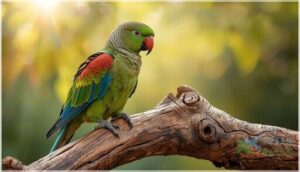
Real wood branches give your bird the closest thing to a perch in the wild. Wood grain variations and branch flexibility let your bird’s feet work naturally. Natural bark benefits grip without slipping.
Choose a wooden perch with diameters from half an inch to three inches for variety. Always consider wood sourcing ethics and proper perch sanitization.
Natural branch options like manzanita or java wood offer texture variations that encourage healthy foot exercise—explore more natural perch choices for small birds to support your bird’s wellbeing.
Bird perch selection matters for long-term foot health. For an example of safe materials and modular design, see these eco-friendly parrot perch options.
Rope and Climbing Perches
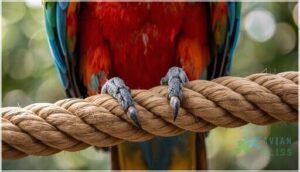
Braided fibers give your bird a secure foothold and a fun workout at the same time. Rope perches let your bird practice climbing techniques while exercising foot muscles with every grip.
Look for rope material around half to three-quarters of an inch in diameter for most parrots. Perch texture helps prevent slipping. Check regularly for fraying to keep your bird safe and comfortable.
Cement and Stone Perches
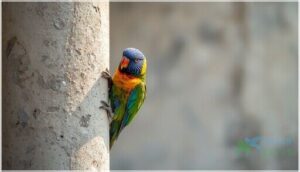
Concrete and stone offer a double win for avian health: they naturally trim nails while giving your bird a rock-solid grip. These perches use cement finish or natural stone texture to keep feet exercised and secure.
- Diameter ranges from 1.0 to 2.5 inches to match different bird sizes
- Textured surfaces prevent slipping and promote healthy foot pads
- Sealed coatings protect against moisture while maintaining bird grip
- Durable construction resists denting but requires secure mounting hardware
Plastic Textured Perches
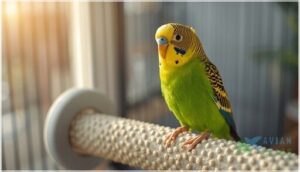
Looking for low-maintenance bird accessories and products? Plastic textured perches deliver bird-safe grip through molded patterns that massage foot pads while reducing slips.
These durable options resist soaking and wipe clean between uses, supporting avian health through consistent perch sanitation. You’ll find diameters from 1/4 to 3/4 inches to match your bird’s size, offering texture variance without the upkeep demands of natural perch material.
For more details on secure plastic perch options, consider products designed specifically for small birds and cage adaptability.
Combination Multi-Texture Perches
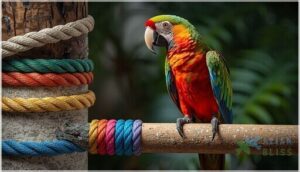
Choosing the right perch means combining textures that keep your bird’s feet strong and engaged. Multi-texture perches blend wood, rope, and synthetic surfaces in one design, delivering varied grip zones that exercise different foot muscles.
- Wood segments offer natural bark texture for secure footing
- Rope sections provide flexible climbing surfaces
- Silicone inserts add slip-resistant contact points
- Cement zones gently trim nails during routine perching
These perch designs support foot health through texture variety while simplifying your setup.
Choosing The Right Perch Size
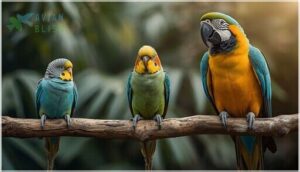
Getting the right perch size isn’t just about what fits in the cage. Your bird’s foot width determines whether a perch provides a healthy grip or causes strain and discomfort.
Here’s how to match perch dimensions to your bird’s specific needs.
Measuring Your Bird’s Foot Width
You can measure your bird’s foot width using a caliper or flexible tape placed across the widest part of the open foot. Gently cradle your bird in a towel and record the distance in millimeters for accurate perch diameter guide results.
This foot measurement tips approach ensures proper perch width selection, supporting bird health through correct grip size analysis and ideal foot health checks for your feathered companion.
Small Bird Perch Dimensions
Once you know your bird’s foot width, you can pick the right perch size. Small bird perches need diameters from 1/4 to 3/8 inch for an ideal small diameter grip. A thin perch risks digging into foot pads, while a thick perch prevents toes from closing fully.
Proper perch length and width let your bird’s foot wrap comfortably around the wood with secure contact.
Medium Bird Perch Requirements
Medium birds like cockatiels and conures need perches with a diameter between 1/2 and 3/4 inch for proper bird footcare. A 5/8 inch perch offers grip variety and aids bird exercise without overextending toes.
Choose perch material that blends textured bark with perch stability to prevent slipping. Mix perch shapes and sizes within this range to strengthen different foot muscles and promote bird care and health through natural movement.
Large Bird Perch Specifications
Large parrots, such as macaws and cockatoos, require sturdier support due to their powerful feet. Perches should be between 1.5 and 2.5 inches wide, with hardwood or textured platform surfaces to ensure comfort and security for their wide toes.
To provide the best care for your parrot, consider the following:
- Choose perch material like untreated maple for strength
- Verify safety features include stainless steel mounts
- Check perch size lets toes spread fully
- Plan perch maintenance with weekly cleanings
Species-Specific Considerations
Beyond size charts, bird species specific care means matching perches to your pet’s unique foot anatomy and beak adaptations. Species diversity shapes everything from claw health to bird behavior.
For instance, cliff-dwelling birds prefer vertical perches, while active species need multi-texture options. Understanding avian health and wellness helps you choose perches that support natural gripping, prevent foot pad issues, and encourage movement.
Top 7 Bird Perches for Your Feathered Friend
You need the right perch to keep your bird healthy and comfortable. The best options combine proper sizing, safe materials, and smart design features.
Here are seven perches that meet these standards and work well for different bird species.
1. Natural Wood Bird Perch Stand
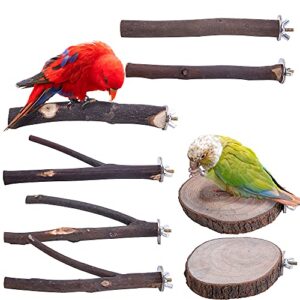
The Deloky 8-piece natural wood perch set gives your parrot a natural grip without slipping. You get hanging branches and round platforms made from untreated hardwood, so your bird can chew safely.
Built-in bolts and wing nuts make installation quick—no extra tools needed. The dimensions measure 11.02″ by 3.7″ by 3.94″, fitting budgies, cockatiels, and lovebirds comfortably.
Some owners report loose washers affecting stability, so check the hardware before your bird climbs. A slight chemical smell may appear when you first open the package.
| Best For | Bird owners with small to medium parrots like budgies, cockatiels, and lovebirds who want natural perches that support healthy feet and beaks. |
|---|---|
| Material | Natural wood |
| Target Bird Size | Small to medium |
| Installation | Built-in bolts/nuts |
| Cleaning Method | Hand wash |
| Primary Purpose | Perching and exercise |
| Durability | Chewable wood |
| Additional Features |
|
- Natural hardwood surface mimics branches in the wild and gives birds a safe material to chew
- Quick setup with included bolts and wing nuts—no hunting for extra hardware
- Mix of hanging perches and platforms creates variety in your bird’s cage
- Washers may be too small, making some perches wobble or feel unstable
- Chemical odor when first unpacked requires airing out before use
- Size works for smaller birds but won’t accommodate larger parrot species
2. Borangs Wood Bird Perch Platform
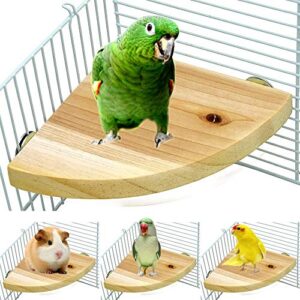
The Borangs platform offers a 7.28-inch square surface made from 100% natural fir wood. Your bird gets a stable base for feeding and resting without tipping, plus the smooth texture won’t scratch delicate feet.
You can wipe it clean with a damp cloth when droppings build up. The platform fits parakeets, cockatiels, budgies, and lovebirds, and you’ll need a star-head screwdriver to install it.
Some units arrive with a strong wood smell, so air it out first. Birds may chew through the wood over time.
| Best For | Bird owners looking for a natural wood platform that gives parakeets, cockatiels, budgies, and lovebirds a stable spot to perch, feed, and rest. |
|---|---|
| Material | Natural fir wood |
| Target Bird Size | Small birds |
| Installation | Star-head screws |
| Cleaning Method | Easy to clean |
| Primary Purpose | Play and rest |
| Durability | Porous wood |
| Additional Features |
|
- Made from 100% natural fir wood with a smooth surface that won’t hurt your bird’s feet
- Easy to clean with a damp cloth and durable enough for daily use
- Fits in cage corners to save space while giving your bird room to play and climb
- Often arrives with a strong wood smell that needs airing out before use
- Requires a star-head screwdriver for installation, which isn’t always on hand
- Birds may chew through the wood over time, leading to damage and the need for replacement
3. Penn Plax Natural Wood Bird Perch
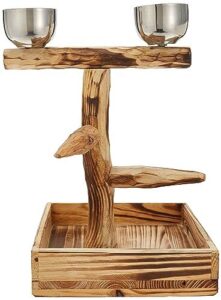
Penn Plax uses untreated natural wood branches with diameters from 0.5 to 1.5 inches. Your cockatiel or conure gets varying grip zones that strengthen foot muscles and trim nails naturally.
The perch measures 10.5 by 9 by 13.5 inches and includes two stainless steel cups plus a drop tray. You’ll secure it with screws or bolts inside most 18 to 24 inch cages.
Some owners report splinters or heavy wood stain, so sand rough spots before use. Birds may slip on droppings, so wipe the bark daily.
| Best For | Cockatiel and conure owners who want a natural perch that exercises foot muscles and trims nails while providing food and water stations. |
|---|---|
| Material | Natural wood |
| Target Bird Size | Small to medium |
| Installation | Easy assembly |
| Cleaning Method | Drop tray included |
| Primary Purpose | Standing and playing |
| Durability | Natural branches |
| Additional Features |
|
- Natural wood branches in varied diameters (0.5–1.5 inches) strengthen grip and keep nails trimmed without manual clipping
- Includes two stainless steel cups and a removable drop tray for simple feeding and cleanup
- Fits most standard 18–24 inch cages and works as a standalone play station outside the cage
- Some units arrive with splinters or excess wood stain that require sanding before safe use
- Natural bark holds droppings and needs daily wiping to prevent slipping
- Size and branch spacing work poorly for larger parrots like macaws or cockatoos
4. KandH Heated Bird Perch
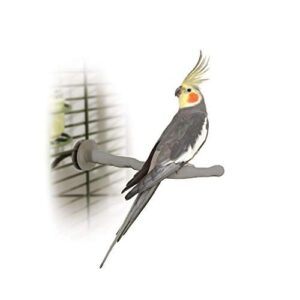
If your bird shivers near drafty windows or air conditioning vents, a heated perch offers steady warmth. The KandH Thermo Perch uses a low-voltage heating element wrapped in bite-resistant plastic. It mounts securely to wire cages and maintains a safe temperature range through an internal thermostat.
You’ll find three sizes: small at 1 inch diameter and 10.5 inches long, medium at 1.25 inches and 13 inches, or large at 2 inches and 14.5 inches. The irregular shape reduces pressure sores and foot cramping during long rests.
| Best For | Bird owners dealing with cold drafts, air conditioning, or caring for sick, injured, or elderly birds that need extra warmth. |
|---|---|
| Material | Non-toxic plastic |
| Target Bird Size | Small to large |
| Installation | Plug-in mount |
| Cleaning Method | Wipe clean |
| Primary Purpose | Warmth and comfort |
| Durability | Bite-resistant |
| Additional Features |
|
- Thermostatically controlled heating keeps the perch at a safe, consistent temperature without overheating
- Unique irregular shape helps prevent pressure sores and foot cramping during long perching sessions
- Three size options fit different bird species, from small finches to large parrots
- Requires regular monitoring to ensure the perch isn’t too hot for your specific bird
- Plastic mounting threads can snap over time and may need replacement
- Some birds may be initially scared of the perch or simply prefer traditional unheated options
5. Polly’s Window And Shower Bird Perch
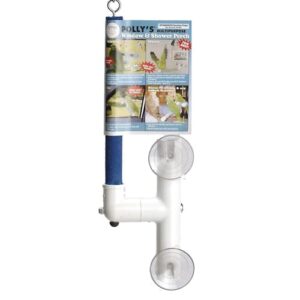
Watching your parrot preen in the shower can brighten your morning routine. Polly’s window and shower perch attaches to glass, mirrors, or tile with oversized suction cups.
The sandy texture grips wet feet and files nails naturally as your bird shifts weight. You’ll find it folds flat for storage and measures around 16 inches long.
Check that suction cups seal firmly before each use. Clean the perch weekly with mild soap to keep the textured surface working properly.
| Best For | Bird owners who want a secure perch for their small to medium-sized parrots during shower time or window perching. |
|---|---|
| Material | Plastic |
| Target Bird Size | Small to medium |
| Installation | Suction cups |
| Cleaning Method | Occasional cleaning |
| Primary Purpose | Showering and sunlight |
| Durability | Textured surface |
| Additional Features |
|
- Oversized suction cups attach firmly to smooth surfaces like glass, mirrors, and tile
- Sandy textured surface helps grip wet feet and naturally trims nails as birds move
- Folds flat when not in use, making storage easy
- Some users report suction cups failing to hold over time
- The perch can become slippery when wet, making it harder for birds to grip
- Sandpaper texture may be too abrasive for birds with sensitive feet
6. Bird Bungee Climbing Rope Toy
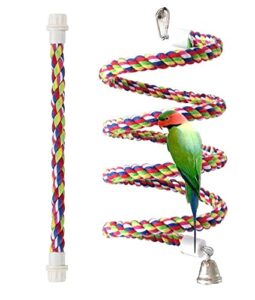
Cotton rope perches add a soft climbing challenge your bird won’t ignore. The Bird Bungee Climbing Rope Toy bends into custom shapes with an internal wire, letting you configure curves and angles that suit your cockatiel or conure. A small bell at the end encourages playful interaction.
The 43-inch length fits most cages and strengthens foot muscles through repeated gripping.
Inspect the rope weekly for frayed fibers and replace it when threads show wear to keep your bird safe.
| Best For | Small to medium-sized parrots like cockatiels and conures that need soft perching surfaces and enrichment through climbing and play. |
|---|---|
| Material | 100% cotton rope |
| Target Bird Size | Small to medium |
| Installation | Active hook |
| Cleaning Method | Hand wash |
| Primary Purpose | Exercise and balance |
| Durability | Bendable wire core |
| Additional Features |
|
- Bendable wire inside lets you shape the rope into custom curves that fit your cage layout
- Cotton material is gentle on feet while building grip strength through climbing
- Includes a bell for extra entertainment and mental stimulation
- Requires weekly checks for frayed threads since birds can pull the rope apart over time
- Hand-wash-only care makes cleaning more tedious than wipe-down toys
- Not ideal for heavy chewers or larger parrots that may destroy cotton fibers quickly
7. Luonfels Bird Perch And Swing Set
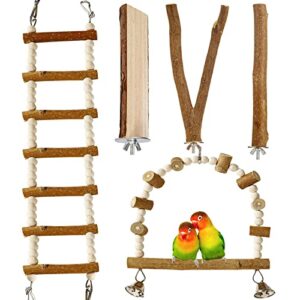
Apple tree branches bring natural variety to cage time, and the Luonfels Bird Perch And Swing Set delivers three perches, one ladder, and a swing in a single package. Varying diameters shift pressure across your bird’s feet during movement. The moderately hard wood satisfies chomping needs for parrots, cockatiels, and conures.
An active hook simplifies installation. Check the bells on included toys—some owners report sharp edges near beaks. Hand wash the set regularly and inspect for mold before first use.
| Best For | Bird owners with medium to large parrots who want a natural wood play set that exercises feet and satisfies chewing instincts. |
|---|---|
| Material | Apple tree wood |
| Target Bird Size | Large birds |
| Installation | Active hook |
| Cleaning Method | Hand wash |
| Primary Purpose | Exercise and entertainment |
| Durability | Moderately hard wood |
| Additional Features |
|
- Made from 100% safe apple tree branches with varying diameters that naturally shift pressure on birds’ feet
- Complete set includes three perches, a ladder, and a swing—everything needed for active play and exercise
- Moderately hard wood satisfies natural chomping behavior while helping trim beaks
- Size may be too large for smaller birds like parakeets or budgies
- Some users reported receiving moldy branches or products without protective plastic covers
- Bells on toys can have sharp edges that pose a risk near birds’ beaks and faces
Perch Placement and Safety Tips
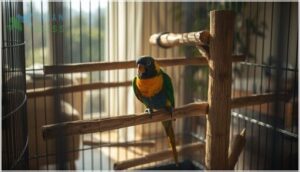
Where you put your bird’s perch matters just as much as the perch itself. Poor placement can lead to stress, injuries, or health problems you don’t want to deal with.
Let’s cover the key safety tips that’ll keep your bird comfortable and secure.
Optimal Height and Spacing
For maximum comfort and safety, you’ll want to stagger your bird perch heights by 3 to 6 inches vertically. Vertical spacing prevents crowding and encourages natural climbing behavior.
Keep horizontal clearance at 6 to 12 inches between perches to reduce territorial squabbles. Proper cage layout promotes bird movement and avian health and wellness.
When choosing the right perch size and position, always measure from the cage floor—ideally 6 to 8 inches minimum.
Sunlight and Shade Balance
Your perch size and placement choices matter even more when you consider light exposure. Position at least one bird perch where shade patterns provide refuge from direct sun—reducing surface heat by 10 to 15 degrees.
Thermal comfort promotes avian health and wellness, while sunlight filtering through partial cover encourages natural bird behavior.
Climate control in your bird habitat starts with balancing bright zones and cooler retreats.
Distance From Food and Water
When planning perch placement, keep food and water bowls at least six inches apart to prevent splash contamination and reduce droppings in drinking water. This distance guideline protects hygiene factors while ensuring water accessibility remains simple for every bird owner managing their bird cage setup daily.
Place perches away from feeding stations—positioning them on different walls or heights encourages movement and keeps your pet bird care routine cleaner.
Preventing Slips and Falls
Stability stands as your first line of defense against avian injuries. Check that each bird perch locks firmly into place—loose mounts create wobble that risks falls.
Choose slip-resistant surfaces with natural bark or textured grooves to improve perch grip safety and protect foot health. Avoid smooth plastic that mimics wet floors in footwear design studies; rough textures give your bird the traction needed for confident movement and fall prevention.
Daily Cleaning and Maintenance
Every morning, wipe down perches with a damp microfiber cloth to remove droppings and debris—daily dusting prevents bacteria buildup that threatens your bird’s health. Consistent hygiene routines protect respiratory systems and keep feet healthy.
- Wash perches with warm water and mild soap at least once daily
- Replace cage liners to reduce odor and bacterial growth
- Change drinking water daily to prevent contamination
- Sanitize feeding bowls with hot soapy water after each use
Proper perch sanitation and cage cleaning form the foundation of effective pet bird care.
Frequently Asked Questions (FAQs)
What is the best perch for birds?
Your bird needs variety—a mix of wood perches, rope, and textured surfaces ensures strong foot health, comfortable grip, and natural beak care throughout the day.
What makes a bird a perching bird?
A perching bird grips branches with three toes forward and one back, ensuring secure balance on narrow limbs.
This foot anatomy allows your feathered friends to sleep without falling, locking their grip naturally.
Why do bluebird houses not have a perch?
You might think bluebirds can’t manage without a perch—but they actually thrive. Perchless design blocks predators from easy access while letting bluebirds cling directly to the entrance, improving nesting safety and optimizing entry.
Can perches help with my birds beak health?
Yes, textured perches with rough surfaces promote beak trimming through natural chewing. Natural wood encourages gnawing that wears down beaks evenly. Rotating different perch textures ensures balanced beak health and proper nail care simultaneously.
How many perches should one cage have?
Cage size and bird activity levels determine perch quantity. Small birds thrive with 2 to 3 perches, while medium parrots need 3 to Large birds benefit from 4 to 6 perches plus climbing options.
Are dowel perches bad for pet birds?
Dowel perches aren’t ideal for pet bird foot health. Their uniform diameter forces constant pressure on the same spots, raising bumblefoot risk.
Mix in textured, varied-thickness perch alternatives for better bird comfort and perch safety.
Do birds sleep better on certain perch types?
Birds sleep more soundly on perches matching their foot width with textured surfaces.
Natural wood with varied diameters provides a secure grip and reduces slipping, encouraging longer uninterrupted rest periods throughout the night.
When should I replace my birds perches?
Replace perches when deep cracks appear, wood splinters, or surfaces become slippery from wear. Swap them out every 6 to 12 months or immediately if mold, fraying, or foot sores develop.
Conclusion
Your bird spends half its waking life standing. That’s not coincidence—it’s biology. What makes a good bird perch isn’t about decoration. It’s about preventing pain. Diameter variety exercises their feet. Texture prevents sores. Natural materials keep them engaged.
You’ve seen the options and sizing guidelines. Now choose perches that match your bird’s grip, not your cage’s aesthetic. Their feet will thank you with every confident step they take.
- https://www.theparrotmom.com/products/completeparrotperchstand_naturalparrotplaystand
- https://www.housedigest.com/2080622/attract-bird-diy-features-from-scrap-wood/
- https://bras-center.com/items/Stand-Wood-Parrot-Stand-Wood-Perches-Natural-Wood-Bird-Perch/1478788
- https://runningmechanics.com/Perch-For-Small-Birds-c-1017684