This site is supported by our readers. We may earn a commission, at no cost to you, if you purchase through links.
Your parrot’s cage might look spotless, but invisible fungal spores are already circulating through the air, settling on perches, toys, and food dishes where they multiply silently. Aspergillosis alone accounts for 60-80% of fatal respiratory infections in captive birds, yet most owners don’t recognize the threat until breathing distress becomes obvious.
The gap between infection and symptoms can stretch weeks or months, making prevention your most powerful tool. By controlling environmental triggers, maintaining rigorous hygiene protocols, and supporting immune function through targeted nutrition, you can dramatically reduce your bird’s exposure to these opportunistic pathogens before they establish a foothold in vulnerable respiratory tissues.
Table Of Contents
- Key Takeaways
- Common Avian Fungal Diseases
- Environmental Factors Influencing Fungal Growth
- Hygiene Practices for Fungal Prevention
- Nutrition and Immune Support
- Stress Reduction and Bird Wellbeing
- Monitoring for Early Symptoms
- Veterinary Care and Preventive Measures
- Frequently Asked Questions (FAQs)
- Conclusion
Key Takeaways
- Aspergillosis causes 60-80% of fatal respiratory infections in captive birds, yet symptoms often don’t appear until weeks or months after spores establish in lung tissue—making prevention through humidity control (40-60%), proper ventilation (8-12 air changes hourly), and HEPA filtration your most powerful defense.
- Your daily hygiene protocol must include complete cage disinfection with labeled contact times, feeders scrubbed twice daily to destroy biofilm protection for fungal spores, and bedding replaced every 4-7 days before moisture accumulation creates mold breeding grounds.
- Immune system strength depends on balanced nutrition with complete proteins, antioxidant-rich foods, and probiotic support, combined with stress reduction through stable temperatures (65-75°F with less than 5°F hourly swings), social enrichment, and predictable routines that prevent the immune compromise that invites opportunistic pathogens.
- Early detection through weekly respiratory monitoring (watch for tail bobbing, rapid breathing, wheezing), behavioral changes (lethargy, reduced vocalization), and biannual veterinary exams catches infections before they become life-threatening, while 30-day quarantine protocols with immediate veterinary screening protect your flock from new arrivals carrying hidden fungal threats.
Common Avian Fungal Diseases
Fungal infections pose one of the most persistent threats to avian health, silently taking hold in environments that seem perfectly normal to the untrained eye.
Understanding the early warning signs and exploring proven bird fungal disease treatment strategies can mean the difference between recovery and a devastating outcome.
Understanding which pathogens you’re up against—and how they operate—gives you the upper hand in protecting your flock.
Let’s examine the three fungal culprits that cause the majority of disease cases in captive birds.
Aspergillosis and Its Causes
Aspergillosis stands as the most common respiratory infection threatening your bird’s health, caused when microscopic Aspergillus spores slip past avian immune systems. You’ll encounter these fungal spore growth culprits lurking everywhere:
- Aspergillus fumigatus dominates as the primary Aspergillosis pathogen
- A. flavus and A. niger follow as frequent offenders
- Rhizopus and Mucor species occasionally trigger respiratory distress
- Penicillium strains contribute to fungal infections
- Decaying organic matter, damp bedding, and moldy substrates harbor concentrated spores
These bird health risks multiply rapidly in compromised environments. For further details on, extensive information is available from NORD.
Candida and Other Pathogens
While Aspergillus dominates respiratory concerns, Candida albicans poses a different threat—this yeast lives harmlessly in your bird’s mouth, gut, and genitals until stress or antibiotics disrupt the bird microbiome. When your avian immune system weakens, Candida transforms into an opportunistic pathogen requiring targeted antifungal medications.
You’ll also face Candida glabrata, which resists standard Candida treatment, plus bacterial co-infections like Staphylococcus that complicate fungal infections.
How Fungal Infections Spread Among Birds
Understanding transmission helps you protect your flock.
Airborne transmission occurs when fungal spores—especially Aspergillus—become aerosolized from moldy bedding, contaminated feed, or dusty environments, then enter your bird’s respiratory tract during normal breathing. Dense housing amplifies this risk, while environmental pathogens accumulate on perches, feeders, and shared surfaces.
Social interaction among birds increases exposure, particularly when immune system defenses are already compromised by stress or poor nutrition.
For a deeper look at clinical signs of fungal infection, consult veterinary sources focused on avian disease recognition.
Environmental Factors Influencing Fungal Growth
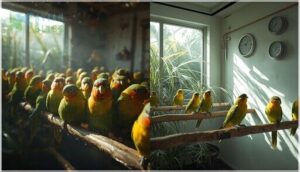
Your bird’s environment can either protect against fungal threats or become a breeding ground for dangerous spores. The conditions inside your aviary—humidity, temperature, airflow—directly determine whether fungi like Aspergillus can establish colonies that threaten your flock’s respiratory health.
Let’s examine the three critical environmental factors you need to control.
Humidity and Temperature Control
Maintaining humidity between 40 and 60 percent is your first defense against airborne fungal infections—anything higher invites spore-laden condensation on perches, cage walls, and substrates. Pair that with stable temperatures from 70 to 85°F during the day, cooling 5 to 10 degrees at night, to mimic natural cycles and keep your bird’s respiratory health strong.
Pair these climate controls with proper cage placement and airflow design to prevent drafts that compromise immunity even when temperature and humidity stay optimal.
Use digital humidity sensors and climate control systems to monitor these parameters daily, adjusting gradually by 1–2 degrees or 2–5 percent to avoid stress-induced immune compromise.
Importance of Proper Ventilation
Beyond humidity control, ventilation systems move fresh air through your avian space every 5 to 15 minutes, diluting fungal spores before they settle and multiply. Strategic airflow management prevents stagnant pockets where mold thrives, protects respiratory health, and bolsters your bird’s immune defenses.
- Replace indoor air continuously without creating cold drafts
- Install HEPA-grade filters to capture 0.3-micron particles and prevent fungal infections
- Schedule vent filter maintenance every 3 to 6 months for ideal air purification
Proper ventilation isn’t optional—it’s antifungal treatment you deliver passively, every minute of every day.
Managing Air Quality and Ventilation Ducts
Clean ducts and tight seals turn your filtration systems into powerful Air Purification tools that protect Avian Respiratory Health. Schedule professional Duct Sanitation every 12 months, replace high-efficiency filters quarterly, and maintain Ventilation Rates that deliver 8 to 12 air changes per hour.
Strategic Environmental Management—proper sealing, moisture-resistant linings, accurate Humidity Control—eliminates hidden reservoirs where Fungal Infections begin.
Hygiene Practices for Fungal Prevention
Your daily hygiene routine forms the first line of defense against fungal pathogens in your aviary. While environmental controls set the stage, it’s the hands-on sanitation practices that directly interrupt the fungal life cycle.
Here’s how to build an effective cleaning protocol that targets spore accumulation at every touchpoint.
Cage Cleaning and Sanitation Protocols
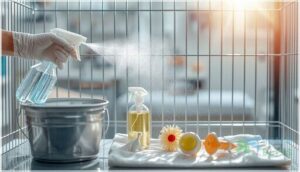
Your bird’s cage isn’t just housing—it’s the frontline defense against fungal threats. Daily cage cleaning prevents spore accumulation, while proper sanitation schedules guarantee long-term infection control.
- Remove waste and soiled material every morning before disinfecting with avian-safe products
- Follow labeled contact times, rinse thoroughly, and dry completely before reintroducing birds
- Sanitize feeders, waterers, and toys after each session using dedicated cleaning tools to maintain biosecurity measures
These hygiene protocols form your environmental management foundation.
Bedding Management and Mold Prevention

Damp bedding is a silent invitation for mold growth, and your choice of materials determines whether you’re fighting or feeding fungal spores. Use low-moisture pine shavings or paper pulp, replace them every 4–7 days, and inspect daily for discoloration or musty odors.
Maintain humidity below 60 percent, guarantee cross ventilation systems circulate fresh air continuously, and dry all surfaces completely—these sanitation practices form your environmental management foundation against moldy conditions and fungal infection.
Disinfecting Feeders, Drinkers, and Equipment

Feeders and drinkers harbor invisible biofilms that protect fungal spores from casual rinsing, so you need a two-step protocol: wash with neutral-pH detergent twice daily, then apply quaternary ammonium or hydrogen peroxide disinfectants following label directions.
Scrub all surfaces with soft brushes, rinse thoroughly, air-dry completely, and replace cracked components—this cleaning schedule forms your core infection control strategy for avian health and environmental management.
Nutrition and Immune Support
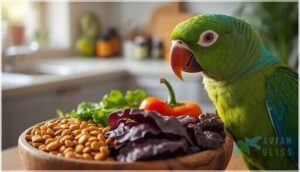
Your bird’s diet isn’t just fuel—it’s the foundation of a resilient immune system that can actively resist fungal invaders. What you feed, how you store it, and which supplements you choose all directly impact your bird’s ability to fight off pathogens like Aspergillus and Candida.
Let’s examine three critical nutritional strategies that strengthen your bird’s natural defenses.
Balanced Diets to Boost Immunity
Your bird’s immune system thrives on nutrient balance. Complete proteins from cooked eggs and legumes supply amino acids for antibody formation, while antioxidant-rich dark greens and berries protect immune cells from oxidative damage.
Incorporate dietary fiber through vegetables and whole grains to nourish beneficial gut bacteria. Consider probiotic foods or supplements to fortify the gut-immune axis that guards against fungal invasion.
Safe Food Storage to Prevent Mold
Even premium pellets turn toxic when stored improperly. Use airtight containers to seal dry goods and maintain humidity below 60 percent, blocking spore invasion that produces aflatoxin and other mycotoxins.
Store all avian feed in cool, dry locations away from sunlight, checking weekly for moisture buildup or musty odors that signal contamination requiring immediate disposal.
Supplements for Avian Immune Health
Beyond clean storage, targeted supplements fortify your bird’s immune system against fungal threats. Vitamin E benefits include boosting intestinal antibody production—5,000 mg per kg diet raises IgA levels markedly.
Organic minerals like selenium and zinc show enhanced bioavailability, boosting antioxidant support and cellular defenses.
Herbal supplements and probiotics round out immune system support, reducing infection severity when pathogens strike.
Stress Reduction and Bird Wellbeing

Stress doesn’t just make your birds uncomfortable—it weakens their immune defenses, creating an open door for fungal infections to take hold. When birds experience chronic stress from temperature swings, social conflicts, or inadequate enrichment, their bodies can’t fight off pathogens like Aspergillus or Candida effectively.
Stress weakens your bird’s immune defenses, opening the door for fungal pathogens like Aspergillus and Candida to take hold
Here’s how to create a low-stress environment that keeps your flock healthy and resilient.
Recognizing and Minimizing Stressors
Surprisingly, loud daily appliances, unpredictable lighting, and cramped cages silently sabotage your bird’s immune system support. You’ll minimize stress by establishing light cycle consistency, reducing noise levels near housing, and optimizing space with varied perches.
Social harmony matters too—unstable flock changes or incompatible companions trigger behavioral stress that weakens avian health. Prioritize behavioral enrichment through foraging toys, maintain predictable routines, and watch for pacing or feather-picking that signals your stress management strategies need adjustment.
Temperature and Environmental Stability
Thermal balance extends stress management into climate territory—your bird thrives when stable perch temperatures hover between 65 and 75°F, never swinging more than 5°F hourly. Pair that with humidity control below 60 percent, continuous ventilation systems exchanging fresh air, and you’ll slash fungal infection risk while supporting avian health through environmental management and hygiene that keeps temperature, air quality, and moisture in check.
Social and Enrichment Needs
Companionship matters—pair housing or small group setups reduce stress by 20–30 percent through social interactions and sensory diversity that mirror natural flock life.
Layer in cognitive stimulation via puzzle feeders, physical exercise on varied diameter perches, and environmental enrichment through rotating toys, and you’ll fortify immune system resilience while improving avian health, nutrition absorption, and overall stress reduction through comprehensive bird care protocols.
Monitoring for Early Symptoms
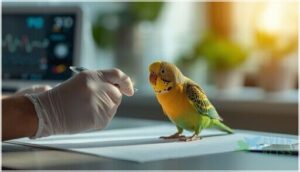
Catching fungal infections early can mean the difference between a quick recovery and a life-threatening crisis. You’ll need to watch for subtle changes in breathing patterns, behavior shifts, and physical condition—things that might seem minor at first but signal serious trouble brewing beneath the surface.
Let’s break down the warning signs you can’t afford to miss, along with practical monitoring routines that’ll keep your birds safe.
Respiratory and Behavioral Warning Signs
Breathing patterns reveal your bird’s silent struggle with Aspergillosis long before a crisis hits. Watch for rapid breathing at rest, wheezing sounds, or tail bobbing—each signals respiratory distress demanding immediate action. Behavioral changes like lethargy, reduced vocalization, and sleep disturbances often accompany respiratory issues, creating a diagnostic picture you can’t ignore.
- Open-mouth breathing with visible nostril widening means your bird’s respiratory system is failing
- Sudden withdrawal from flock mates combined with respiratory signs points to serious illness
- Cyanosis around the beak signals dangerously low oxygen levels requiring emergency response
Routine Health Checks and Observation
Weekly visual inspection of your bird’s feathers, beak, and eyes catches fungal infections before respiratory health deteriorates. Behavior monitoring—appetite shifts, reduced grooming, lethargy—provides critical diagnostic clues.
Track weight, temperature, and heart rate to establish baselines that reveal immune system changes early. Combine feather analysis with health scoring during routine avian veterinary care to protect against silent fungal threats.
When to Seek Veterinary Advice
Don’t wait when you spot emergency signs—sudden respiratory distress, open-mouth gasping, or cyanosis around the beak demands urgent care within hours.
Veterinary signals like persistent nasal discharge lasting beyond 3–4 days, unresponsive lethargy, or seizures require immediate avian veterinary care.
Early crisis management with antifungal medications prevents fungal infections from spreading to essential organs, protecting your bird’s health.
Veterinary Care and Preventive Measures

Even the most diligent home care can’t replace the trained eye of an avian veterinarian. Regular professional oversight catches what you might miss, identifies high-risk birds before symptoms emerge, and establishes protective protocols that keep your flock one step ahead of fungal threats.
Here’s how veterinary partnerships strengthen your prevention strategy.
Regular Veterinary Examinations
Schedule wellness exams every six to twelve months to catch early warning signs—respiratory distress, weight loss, or subtle behavioral shifts—before fungal infections advance. Your avian veterinarian will perform thorough physical examinations, blood work, fecal testing, and radiographs to screen for disease.
These vet visit schedules guarantee bird health checks that monitor flock health, deliver veterinary guidance on respiratory health, and create individualized preventive care plans customized to each bird’s risk profile.
Antifungal Prophylaxis for High-Risk Birds
Your high-risk birds—those recovering from surgery, battling chronic respiratory disease, or facing immune system compromise—need antifungal prophylaxis strategies customized to their vulnerability.
Avian specialists prescribe antifungal medications like voriconazole or itraconazole to prevent Aspergillus and other fungal infections before they take hold.
This proactive antifungal therapy, combined with high-risk management protocols and regular monitoring, dramatically reduces mortality while minimizing fungal resistance risks through careful dosing and stewardship.
Quarantine Procedures for New Arrivals
Every newcomer brings unknown health status, so quarantine protocols become your front-line biosecurity measures against avian fungal infections.
Here’s what arrival screening demands:
- Immediate isolation in dedicated enclosures physically separated from your flock
- Veterinary examination within 24–48 hours documenting baseline health and immune system status
- Written health clearance before any bird exits quarantine
Strict hygiene and observation during this period prevent devastating outbreaks.
Frequently Asked Questions (FAQs)
Can outdoor aviaries reduce fungal infection risks?
Yes, outdoor aviaries naturally combat fungal infections. Natural ventilation slashes humidity below fungal thresholds, sunlight dries surfaces and inhibits mold, and strategic aviary design with cross-ventilation reduces stagnant air where spores accumulate.
How often should air filters be replaced?
Replace filters monthly in most avian facilities, especially those housing susceptible species.
HVAC maintenance improves air quality, reduces fungal spore load, and protects avian respiratory health through consistent ventilation system efficiency.
Are probiotics effective for preventing avian fungal infections?
While gut health microbiome balance matters, probiotics show limited direct antifungal power in avians. Certain strains support immune system readiness, but they’re supplements—not substitutes—for proven fungal prevention through ventilation, sanitation, and veterinary oversight.
Conclusion
Protective protocols and persistent vigilance form your frontline defense against respiratory threats that thrive in complacency. These avian fungal disease prevention tips aren’t optional extras—they’re survival strategies that separate thriving flocks from struggling patients.
Your bird’s lungs can’t detox accumulated spores once infection takes hold, making daily environmental control, immune support, and early detection your non-negotiable responsibilities.
Prevention demands consistency, but respiratory failure demands everything. Choose prevention.