This site is supported by our readers. We may earn a commission, at no cost to you, if you purchase through links.
Your cockatiel’s breathing shouldn’t sound like anything at all. When healthy birds breathe, the process is silent, unobtrusive, invisible—you might watch for minutes without noticing the subtle rise and fall of their chest. That’s why respiratory problems in pet birds can catch even experienced owners off guard: by the time you hear wheezing or notice labored breathing, the disease has often progressed substantially.
Birds instinctively hide illness until they can’t anymore, a survival mechanism that makes early detection challenging. The respiratory system in avian species is uniquely complex, with air sacs extending throughout their bodies that make them both incredibly efficient flyers and surprisingly vulnerable to infections, toxins, and environmental irritants.
Understanding what triggers these conditions, recognizing the subtle warning signs before crisis hits, and knowing how to respond can mean the difference between a full recovery and a devastating outcome.
Table Of Contents
- Key Takeaways
- Common Causes of Respiratory Problems in Birds
- Recognizing Respiratory Symptoms in Pet Birds
- Major Respiratory Diseases Affecting Pet Birds
- Species-Specific Respiratory Issues
- Diagnostic Approaches for Respiratory Disease
- Treatment Options for Respiratory Problems
- Supportive Care for Birds With Respiratory Disease
- Preventing Respiratory Illness in Pet Birds
- When to Seek Veterinary Care
- Frequently Asked Questions (FAQs)
- How do you treat a bird with respiratory problems?
- What are the symptoms of a respiratory virus?
- Can respiratory infections spread between different bird species?
- How long does typical respiratory disease treatment last?
- Are there vaccines available for pet bird diseases?
- Can birds fully recover from chronic respiratory conditions?
- What are safe cleaning products around pet birds?
- Conclusion
Key Takeaways
- Birds instinctively hide respiratory illness until they’re critically compromised, making silent breathing the healthy baseline and any audible wheezing, tail bobbing, or labored breathing a sign that disease has already progressed substantially.
- Respiratory problems stem from four main causes—infectious agents (bacteria, viruses, fungi, parasites), vitamin A deficiency from all-seed diets, environmental toxins like nonstick cookware fumes and aerosol sprays, and species-specific vulnerabilities that vary by bird type.
- Early intervention within 24-48 hours of noticing symptoms dramatically improves survival rates, while delayed treatment often results in chronic conditions or irreversible lung damage from scar tissue formation.
- Prevention requires maintaining 40-60% humidity, using HEPA filtration to remove airborne pathogens, eliminating household toxins, providing vitamin A-rich foods beyond seeds, and establishing 30-day quarantine protocols for new birds.
Common Causes of Respiratory Problems in Birds
Your bird’s respiratory system is more delicate than you might think, and understanding what threatens it can make the difference between a quick recovery and a serious health crisis.
Recognizing early warning signs like persistent sneezing and coughing in birds helps you catch respiratory infections before they progress into life-threatening complications.
Understanding what threatens your bird’s delicate respiratory system can mean the difference between quick recovery and a serious health crisis
Respiratory problems don’t happen in a vacuum—they stem from specific, identifiable causes that range from microscopic invaders to everyday household hazards. Let’s look at the four main categories that put your feathered companion at risk.
Infectious Agents (Bacteria, Viruses, Fungi, Parasites)
Respiratory tract infections stem from four main infectious agents that threaten your bird’s health. Bacterial infections, including Gram-negative organisms, cause bacterial pneumonia when your bird’s immune defenses weaken. Viral infections like Poxvirus increase viral load throughout the respiratory system, while fungal spores from Aspergillus create serious fungal infections.
Parasites—particularly air sac mites—disrupt infectious cycles through these key mechanisms:
- Binary fission allows bacteria to multiply rapidly in airways
- Viral particles hijack host cells during replication cycles
- Inhaled fungal spores colonize lungs when humidity rises
Effective parasite control requires understanding transmission routes. Advanced scanning systems are available to identify in both animals and humans.
Nutritional Deficiencies (Vitamin a Deficiency)
Beyond infectious agents, poor avian nutrition and diet directly contribute to respiratory disease in pet birds. Vitamin A deficiency weakens epithelial health, reducing mucus function in airways and increasing infection risk.
An all-seed diet lacks the carotenoids your bird needs for respiratory defense. Obtaining sufficient vitamin A is critical to avoid complications such as night blindness and immune problems.
| Deficiency Effect | Physical Sign | Dietary Prevention |
|---|---|---|
| Ocular manifestations | Dull eyes, poor tear production | Dark leafy greens, carrots |
| Mucous membrane damage | Dry, scaly skin patches | Sweet potatoes, bell peppers |
| Airway vulnerability | Increased nasal discharge | Fortified pellets, liver |
Environmental Toxins and Irritants
While dietary gaps weaken your bird’s defenses, the air they breathe carries its own dangers. Environmental hazards and indoor irritants pose immediate risks that can prove fatal within minutes.
Toxic fumes from household chemicals trigger life-threatening responses:
- Nonstick cookware containing PTFE releases deadly gas when overheated, killing birds rapidly
- Pesticide exposure from aerosol sprays irritates airways, causing wheezing within minutes
- Cigarette smoke and air pollution damage delicate lung tissue with every breath
- Oil-based paints emit inhaled toxins that provoke respiratory distress
Protecting your bird means identifying these environmental hazards before toxicity occurs.
Species-Specific Risk Factors
Beyond airborne threats, your bird’s species determines unique vulnerabilities. Budgerigars and cockatiels harbor Mycoplasma or Chlamydia without showing respiratory disease, while older Amazon parrots develop bacterial sinus infections linked to seed-heavy diets.
These genetic predispositions and species traits shape how environmental adaptations, dietary influences, and breeding factors impact avian respiratory health and wellness.
Recognizing Respiratory Symptoms in Pet Birds
Catching respiratory problems early can make all the difference in your bird’s recovery, but you’ll need to know what warning signs to watch for.
Birds often hide illness until they’re quite sick, so subtle changes in breathing or behavior deserve your immediate attention. The symptoms below will help you recognize when your feathered companion needs veterinary care.
Changes in Breathing Patterns
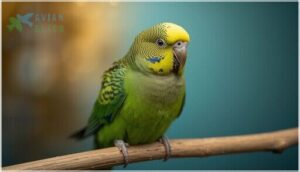
One of the first warning signs you’ll notice is a shift in your bird’s breathing patterns. When respiratory disease or respiratory tract infections take hold, the respiratory rate increases—you’ll see faster, shallower breaths instead of calm inhalations.
Tail bobbing signals serious airway obstruction and poor chest expansion. Watch for breathing sounds like wheezes, open-mouth breathing, or irregular rhythm, all pointing to compromised avian respiratory health requiring immediate attention.
Nasal Discharge and Watery Eyes
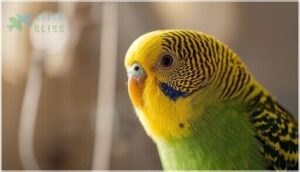
Abnormal discharge from your bird’s nares or eyes reveals underlying nasal irritation, sinus inflammation, or respiratory tract infections. These visible signs often signal advancing respiratory disease requiring veterinary assessment.
- Clear watery discharge suggests mild irritation from dust or pollen, while purulent secretions indicate bacterial eye infections or sinusitis.
- Tear duct issues obstruct normal drainage, causing overflow and mucous production.
- Bilateral watery eyes with nasal mucus point to viral or fungal involvement affecting overall avian health.
- Unilateral discharge may indicate localized sinus problems requiring targeted treatment for ideal bird health and wellness.
Sneezing, Wheezing, and Coughing
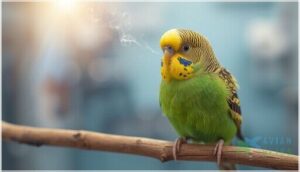
Respiratory sounds like sneezing, wheezing, and coughing reveal your bird’s struggle with airway obstruction, mucus clearance issues, or tracheal health problems.
Vitamin A deficiency often worsens these symptoms, so proper avian respiratory disease treatment includes targeted supplementation alongside airway support.
Sneezing often signals upper respiratory tract irritation, while wheezing—a high-pitched whistle during exhalation—and coughing indicate lower respiratory disease.
These breathing patterns warn of avian respiratory emergencies demanding immediate veterinary attention to protect respiratory health in birds.
Behavioral Signs and Tail Bobbing
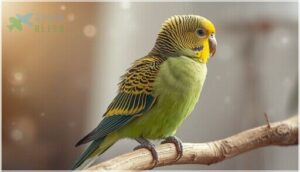
Your bird’s tail movement tells a story about their breathing patterns and overall comfort. Persistent tail bobbing synchronized with each breath points to increased respiratory effort, a key behavioral clue signaling respiratory disease.
Watch for these stress signals indicating respiratory problems:
- Forceful tail bobbing while resting, especially with fluffed feathers
- Open-mouth breathing or beak gaping during quiet moments
- Tail movements paired with nasal discharge or frequent sneezing
- Sudden behavioral changes in a previously calm bird
Understanding bird behavior and psychology helps you recognize when tail bobbing crosses from normal balance adjustments to genuine respiratory health concerns requiring veterinary intervention.
Major Respiratory Diseases Affecting Pet Birds

When your bird shows respiratory symptoms, the underlying cause often falls into one of several disease categories that veterinarians encounter regularly in practice.
Some conditions develop from fungal spores in the environment, while others stem from bacterial infections, viruses, or microscopic parasites living in your bird’s airways. Understanding these major respiratory diseases will help you recognize what your veterinarian might be looking for during diagnosis and treatment.
Aspergillosis and Other Fungal Infections
Among fungal diseases, aspergillosis stands as the leading respiratory threat to your bird. Caused by inhaling airborne Aspergillus fumigatus spores from moldy substrates or damp environments, this respiratory fungus manifests in two forms—acute exposure in young birds or chronic infection in immunocompromised individuals. Aspergillosis treatment requires extended voriconazole therapy, while bird fungal prevention hinges on rigorous fungal spore control through ventilation, substrate hygiene, and humidity management.
| Risk Factor | Common Source | Prevention Strategy |
|---|---|---|
| Moldy bedding | Cage substrates | Weekly cleaning protocols |
| Poor ventilation | Damp indoor spaces | Air filtration systems |
| Construction dust | Renovation debris | Quarantine during projects |
| Spoiled food | Old seed hulls | Daily dish sanitation |
| Immune suppression | Prolonged antibiotics | Judicious medication use |
Avian Influenza and Viral Diseases
While fungal threats demand attention, viral respiratory diseases—particularly avian influenza—pose zoonotic risks that extend beyond your feathered companion.
Influenza transmission occurs through respiratory secretions and contaminated surfaces, with high-pathogenicity strains causing rapid mortality in susceptible species. Though avian vaccines exist for commercial flocks, viral mutation complicates prevention.
If you suspect bird flu exposure, contact both your avian veterinarian and local health authorities immediately.
Bacterial Sinusitis and Pneumonia
After viral threats, bacterial infections like sinusitis and avian pneumonia often disrupt breathing and energy in pet birds. You might notice facial swelling, purulent nasal discharge, or tail bobbing—signals that the respiratory tract is under siege. Prompt antibiotic therapy and sinus treatment can prevent respiratory failure and avian respiratory emergencies.
- Puffy nares and crusts
- Rapid breathing or tail bobbing
- Purulent nasal discharge
- Lethargy and reduced appetite
Parasitic Infections (Air Sac Mites, Gapeworms)
While bacteria and viruses dominate respiratory disease discussions, airway parasites present an equally urgent threat to pet birds.
Air sac mites burrow deep into airways, causing tail bobbing and hoarse breathing, while gapeworms form Y-shaped obstructions in the trachea that trigger gasping. Both parasitic diseases in birds demand swift gapeworm treatment and antiparasitic therapy to halt respiratory damage and interrupt the parasite life cycle before mite infestations spread flock-wide.
Species-Specific Respiratory Issues

Not all birds face the same respiratory challenges. Your parrot’s species can actually determine which infections they’re most vulnerable to, and understanding these patterns helps you recognize problems early.
Let’s look at the specific respiratory issues that affect budgerigars, cockatiels, Amazon parrots, finches, canaries, and macaws.
Budgerigars and Cockatiels
Your budgerigar or cockatiel may carry Mycoplasma or Chlamydia without showing respiratory disease symptoms, making social bonding and breeding challenges riskier when infection spreads.
Seed-heavy diets create nutritional gaps that weaken respiratory health in birds, while color mutations don’t protect against these hidden threats.
Respiratory disease diagnosis requires an avian veterinarian’s expertise, as feather plucking or behavioral changes may signal underlying infection needing prompt beak trimming evaluation and treatment.
Amazon Parrots
Older Amazon parrots on seed-heavy diets develop chronic bacterial sinus infections more readily than younger birds or those receiving balanced nutrition. Your parrot’s vitamin A deficiency weakens the mucous membranes lining the nasal passages, creating an environment where Gram-negative bacteria thrive.
Poor beak health and feather plucking often accompany these respiratory infections, signaling nutritional gaps that require immediate attention. Respiratory disease diagnosis starts with evaluating your bird’s diet alongside clinical signs, as proper bird nutrition forms the foundation of respiratory care.
Finches and Canaries
Air sac mites represent the primary respiratory threat to finches and canaries, invisible parasites that colonize your bird’s entire respiratory tract and compromise feather health without visible external symptoms. Proper aviary design and finch nutrition directly influence respiratory health in birds, as these species mask illness until respiratory disease diagnosis becomes urgent.
Consider these protective measures for your canary’s respiratory health:
- Monitor breathing patterns during quiet periods, watching for labored chest movements
- Provide vitamin A-rich foods to strengthen mucous membranes and support beak care
- Maintain clean, well-ventilated housing to reduce airborne irritants affecting pet birds
- Schedule routine veterinary exams, as canary behavior changes signal early respiratory disease
Macaws and Hypersensitivity Pneumonitis
Blue and gold macaws develop hypersensitivity pneumonitis when housed with powder-down species like cockatoos, creating a feather dust allergy that triggers chronic lung inflammation similar to asthma.
You’ll notice your macaw breathing with visible chest effort, wheezing during activity, or showing reduced stamina—signs demanding avian respiratory care. Improving bird air quality through HEPA filtration and separating dusty species prevents this serious respiratory disease in pet birds.
Diagnostic Approaches for Respiratory Disease

When your bird shows signs of respiratory illness, your veterinarian will use a combination of diagnostic tools to pinpoint the underlying cause.
The process starts with a hands-on evaluation and may progress to more specialized tests depending on what the initial findings reveal. Here’s what you can expect during the diagnostic workup.
Physical Examination Techniques
When your bird struggles to breathe, a thorough hands-on exam becomes the foundation for accurate bird disease diagnosis. Your veterinarian begins with avian inspection from a distance, observing breathing patterns and tail bobbing that signal respiratory tract distress.
Respiratory auscultation follows, listening for wheezes or crackles, while tracheal palpation checks for structural issues. Mucous membrane color reveals oxygenation status—critical during avian respiratory emergencies when clinical signs of respiratory infections demand immediate attention.
Blood Tests and Imaging (Radiographs)
Beyond physical exams, your veterinarian relies on avian hematology and diagnostic radiology to pinpoint respiratory infections. Complete blood counts reveal elevated white cells signaling infection, while blood gas analysis evaluates oxygen levels during avian respiratory emergencies.
Radiograph interpretation visualizes air sacs, lungs, and masses—essential for respiratory imaging that guides disease diagnosis. Together, these tools map respiratory tract pathology and direct treatment for your bird’s specific condition.
Advanced Diagnostics (Sinus Aspirates, Endoscopy)
When standard tests don’t provide answers, sinus aspiration and endoscopy techniques offer a closer look.
Your veterinarian uses avian endoscopy to visually inspect the respiratory tract, directly sampling secretions for disease diagnosis. These respiratory sampling methods identify specific bacteria, fungi, or avian pathology causing pulmonary disease—allowing precise respiratory therapy rather than guesswork with antibiotics.
Treatment Options for Respiratory Problems

Once your veterinarian identifies what’s causing your bird’s respiratory illness, they’ll create a treatment plan customized to the specific infection or condition.
The approach depends on whether you’re dealing with bacteria, fungi, parasites, or environmental factors—each requires different medications and care strategies. Let’s look at the main treatment options your vet might recommend to help your bird breathe easier and recover.
Antibiotics and Antifungals
When your bird’s culture results identify bacteria or fungi, targeted treatment options become clear.
Antibiotics attack bacterial invaders by disrupting cell wall synthesis or protein production, while antifungals interfere with fungal cell membranes to halt respiratory tract infections.
Both demand precise dosing specific to your bird’s species and weight, since drug interactions and antibiotic resistance pose real concerns that therapy monitoring helps prevent.
Anti-Parasitic Medications
When respiratory parasites like air sac mites or gapeworms invade your bird’s respiratory tract, anti-worm drugs and targeted bird mite treatment become necessary.
Ivermectin manages most respiratory parasites through careful dosing, while praziquantel targets flukes when needed. These avian anthelmintics require precise weight-based calculations to guarantee effective parasite control without toxicity—your veterinarian will guide treatment and management protocols for parasitic diseases.
Supportive Therapies (Fluids, Nutrition)
Medications alone won’t restore your bird’s strength during respiratory illness. Fluid therapy helps to alleviate dehydration through intravenous or subcutaneous routes, maintaining electrolyte balance when drinking decreases.
Nutritional support via enteral feeding delivers calories through syringe or tube when your bird can’t eat voluntarily. Hydration monitoring through daily weighing and dietary customization with species-appropriate formulas guarantee the respiratory tract receives proper support throughout recovery.
Hospitalization and Intensive Care
When acute dyspnea or severe illness strikes, your bird may need avian ICU admission for round-the-clock emergency veterinary care. Intensive care units provide critical nursing with temperature-controlled housing, continuous monitoring, and specialized respiratory support including oxygen therapy and ventilator care when needed.
Avian emergency protocols include:
- Controlled Environment – Heated enclosures at 85-88°F with 70% humidity ease breathing effort
- Oxygen Delivery – Cages or masks supply high concentrations without invasive intubation when possible
- Fluid Replacement – Intravenous or intraperitoneal routes correct dehydration rapidly in critically ill patients
- Assisted Feeding – Gavage nutrition meets metabolic demands once hydration stabilizes
Supportive Care for Birds With Respiratory Disease
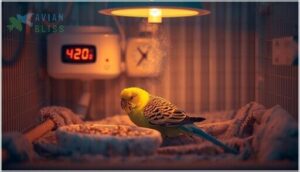
When your bird is fighting a respiratory infection, creating the right healing environment makes all the difference.
Beyond medications, you’ll need to carefully manage temperature, humidity, nutrition, and oxygen levels to support recovery.
Here’s what your sick bird needs to heal comfortably at home or in the hospital.
Heated and Humidified Environments
When your bird struggles to breathe, think of warm, moist air as medicine for inflamed airways. You’ll want to maintain enclosure temperatures between 28 and 32°C with relative humidity around 70 percent, using heated humidifiers and ventilation systems that balance supportive care with air purification.
This temperature management and humidity control prevent mucus thickening while protecting against fungal infections in birds during recovery.
Nebulization and Oxygen Therapy
Beyond warmth and moisture, you’ll often need aerosol therapy to deliver medication directly into your bird’s airways. A nebulizer setup converts liquid drugs into breathable mist, targeting infections like fungal infections in birds or bacterial pneumonia.
When respiratory support demands more, oxygen delivery through tubing provides critical avian inhalation assistance, improving blood oxygen levels while your veterinarian treats the underlying infectious diseases in birds through supportive care for birds.
Nutritional Support and Hydration
Your critically ill bird won’t survive without aggressive fluid therapy and nutritional support customized to its depleted reserves. Supportive care means delivering isotonic electrolyte management through subcutaneous or intravenous routes, restoring hydration methods that stabilize circulation.
Once fluids replenish tissues, gavage feeding introduces elemental dietary supplements—easily absorbed nutrient balance for avian nutrition—while you track weight daily to gauge bird health and adjust supportive care protocols.
Monitoring and Recovery at Home
Daily monitoring transforms your home into a recovery environment where you log breathing rates, appetite shifts, and droppings to detect subtle changes.
Consistent nebulizer use with saline, paired with proper bird hydration and warm environments, aids post illness support while you watch for tail bobbing or discharge that signals bacterial infections, fungal infections in birds, or even avian influenza requiring urgent veterinary care for birds.
Preventing Respiratory Illness in Pet Birds

Prevention requires a multi-layered approach that targets your bird’s environment, nutrition, and exposure to potential threats. Simple daily habits can dramatically reduce your bird’s risk of developing respiratory disease, and many preventive measures cost nothing but awareness.
The following strategies will help you create a healthier living space that protects your bird’s delicate respiratory system.
Environmental Management and Air Quality
Your bird’s respiratory health depends heavily on what it breathes every day. Install HEPA air purifiers to capture fine dander and mold spores that can trigger fungal infections like aspergillosis.
Maintain humidity between 40-60% and guarantee 4-6 air changes hourly through proper ventilation systems. Eliminate smoking, scented products, and aerosols—these indoor pollutants irritate delicate airways and increase susceptibility to bacterial and viral diseases.
Proper Diet and Vitamin Supplementation
You can’t clean air if your bird’s diet isn’t fueling a strong immune defense. Balanced nutrition prevents vitamin A deficiency, the leading dietary factor behind respiratory infections in avian medicine.
Work with your veterinarian on dietary planning that includes:
- Fortified pellets as 60-70% of daily intake
- Dark leafy greens and orange vegetables for beta carotene
- Careful vitamin therapy only when deficiency is diagnosed
- Minimal mineral supplements unless blood tests confirm need
- Consistent nutrient balance to support mucous membrane integrity
Avoid over-supplementation—excess vitamins strain organs and worsen bird diseases and disorders. Proper bird owner education on infectious diseases in birds starts with what’s in the bowl.
Reducing Exposure to Toxins and Irritants
Your bird’s lungs have no defense against household hazards you might ignore every day. Air purification with HEPA filters removes airborne pathogens linked to infectious diseases in birds, while toxic-free homes eliminate PTFE fumes from non-stick cookware that kill within minutes.
Bird-friendly cleaning products and proper indoor air quality management address environmental factors as aggressively as treating vitamin A deficiency—both prevent bird diseases and disorders before they start.
Quarantine and Biosecurity Practices
Beyond air quality, effective isolation techniques form your frontline defense against respiratory infections. Quarantine zones protect both incoming birds and your current flock from avian influenza and other contagious pathogens—biosecurity protocols matter as much as any treatment.
Disease prevention through proper sanitation methods includes:
- Isolating new arrivals for 30 days in dedicated quarantine zones with separate equipment
- Changing clothes and disinfecting hands before handling different birds
- Using bird-safe disinfectants on cages between cleanings
- Obtaining health certificates from reputable breeders before acquisition
- Training everyone who interacts with your birds to recognize respiratory symptoms early
When to Seek Veterinary Care

Recognizing when your bird needs immediate veterinary attention can mean the difference between a full recovery and a life-threatening crisis.
Birds instinctively hide illness until they’re critically compromised, so even subtle changes in breathing warrant professional evaluation.
Understanding which signs require emergency care, how to find qualified avian expertise, and what long-term management involves will help you respond quickly when your bird’s health is on the line.
Emergency Signs in Respiratory Distress
Acute dyspnea—severe breathing difficulties—demands emergency care when your bird gapes open-mouthed, struggles to perch, or shows rapid tail bobbing with each breath. These critical symptoms signal respiratory failure requiring immediate avian medicine expertise.
Nasal discharge paired with labored breathing suggests infection, possibly even avian influenza. In pulmonology, these distress signals represent your bird’s body calling for urgent intervention before the situation becomes irreversible.
Importance of Early Intervention
Once you spot those emergency signs, timely medical care becomes your bird’s lifeline. Early detection methods—like catching subtle tail bobbing or mild discharge—allow rapid symptom relief and prevent progression from simple sinusitis to life-threatening pneumonia.
Proactive health strategies and emergency response plans improve survival rates dramatically. In avian medicine and pulmonology, addressing respiratory problems within 24 to 48 hours often means the difference between quick recovery and chronic bird diseases requiring intensive treatment.
Finding an Avian Veterinarian
Veterinary care for respiratory problems requires a specialist who knows avian medicine inside and out. To locate qualified help near Ashburn, Virginia, you can:
- Check the Association of Avian Veterinarians directory for local referrals within 50 miles
- Confirm the clinic offers emergency care, in-house radiographs, and diagnostic services
- Verify vet credentials like ABVP certification or avian-focused residency training
Avian specialists familiar with bird diseases and treatment—from aspergillosis to avian influenza—give your companion the best shot at recovery.
Follow-Up and Long-Term Management
Recovery doesn’t stop once your bird comes home—ongoing care determines long-term outcomes. Follow-up schedules every four to six weeks let your avian medicine specialist track clinical signs, adjust medications, and confirm your bird’s breathing improves.
Medication adherence matters: finish antibiotics or antifungals completely to prevent relapse. Owner education on home care tips—like monitoring tail bobbing and maintaining humidity—ensures you catch setbacks early and support respiratory recovery.
Frequently Asked Questions (FAQs)
How do you treat a bird with respiratory problems?
Your bird’s labored breathing demands immediate veterinary medicine intervention.
Airway management, targeted bacterial or fungal medication administration, supportive care including nebulization, and post-treatment monitoring guarantee long-term recovery from bird diseases and treatment challenges.
What are the symptoms of a respiratory virus?
Viral respiratory infections often produce fever, nasal discharge, coughing, labored breathing, and fatigue in birds.
Avian influenza and other airborne viruses can cause severe breathing difficulty, requiring immediate infection control measures to prevent respiratory failure.
Can respiratory infections spread between different bird species?
Yes, pathogens can jump between species when birds share environments or feeders.
Wild reservoirs transmit avian influenza and bacteria through aerosol transmission, while subclinical carriers spread infections in mixed aviaries, threatening poultry health.
How long does typical respiratory disease treatment last?
Treatment duration varies widely based on disease severity and pathogen type.
Bacterial infections usually require 7 to 10 days of antibiotics, while fungal conditions like aspergillosis may demand 4 to 8 weeks of antifungal therapy for complete resolution.
Are there vaccines available for pet bird diseases?
Unlike the poultry industry with its well-established vaccination programs, avian vaccination for pet birds remains limited.
Polyomavirus and experimental vaccines exist for specific diseases, but routine immunization schedules aren’t standard in single-bird households.
Can birds fully recover from chronic respiratory conditions?
Recovery prognosis depends on scar tissue extent and immune response.
While chronic management through respiratory rehab can restore quality of life, full recovery from aspergillosis or infectious diseases remains unlikely once fibrosis develops.
What are safe cleaning products around pet birds?
Think of your home as your bird’s entire world—what you breathe together matters.
Choose bird-friendly cleaners like diluted white vinegar, hydrogen peroxide, and baking soda, avoiding PTFE, aerosols, and phenols for safe pet care.
Conclusion
Your bird’s respiratory system wasn’t designed for nonstick pans, moldy seed, or dusty air—yet here we’re. The good news: most respiratory problems in pet birds are preventable through environmental vigilance and early detection.
Watch breathing patterns daily, maintain exceptional air quality, and never dismiss subtle changes as insignificant. When you catch illness early, treatment outcomes improve dramatically. Your attentiveness to those silent breaths could save your bird’s life.