This site is supported by our readers. We may earn a commission, at no cost to you, if you purchase through links.
A backyard chicken suddenly stops her usual chatter, begins breathing with her beak open, and sits hunched in the corner while her flockmates scratch and forage. These signs point to respiratory infections in backyard birds, conditions that strike poultry keepers with alarming frequency and can spread rapidly through an entire flock.
Bacteria like Mycoplasma, viruses such as avian influenza, fungi including Aspergillosis, and environmental stressors all attack the delicate airways and air sacs that birds rely on for efficient oxygen exchange. Unlike mammals, birds lack a diaphragm and depend entirely on a complex system of air sacs extending throughout their bodies, making them exceptionally vulnerable to respiratory compromise.
Recognizing early symptoms and understanding treatment options can mean the difference between a single sick bird and losing your entire flock.
Table Of Contents
- Key Takeaways
- What Are Respiratory Infections in Backyard Birds?
- Causes of Respiratory Infections in Birds
- Recognizing Symptoms in Backyard Birds
- How Respiratory Infections Spread
- Diagnosing Respiratory Infections in Birds
- Treatment Options for Infected Birds
- Preventing Respiratory Infections in Your Flock
- Supporting Recovery and Bird Wellness
- When to Seek Veterinary Help
- Frequently Asked Questions (FAQs)
- How to treat respiratory infection in birds?
- Can a bird survive a respiratory infection?
- Can bird droppings cause respiratory problems?
- Can respiratory infections spread to humans from birds?
- How long does recovery typically take for birds?
- Are certain bird species more susceptible to infections?
- Can birds get vaccinated against respiratory infections?
- Whats the survival rate for infected backyard birds?
- Conclusion
Key Takeaways
- Birds’ unique respiratory anatomy—including air sacs throughout their bodies and the absence of a diaphragm—makes them exceptionally vulnerable to respiratory infections from bacteria like Mycoplasma, viruses such as avian influenza, and fungi including Aspergillosis.
- Early recognition of symptoms like open-mouth breathing, nasal discharge, eye swelling, and lethargy combined with prompt veterinary intervention within 24-48 hours dramatically improves survival rates and prevents flock-wide outbreaks.
- Prevention hinges on maintaining clean housing with proper ventilation (40-60% humidity, 6-12 air exchanges per hour), reducing stress through adequate spacing, and implementing strict biosecurity protocols to limit pathogen transmission through contaminated equipment and human contact.
- Treatment requires a comprehensive approach combining veterinarian-prescribed antibiotics or antifungals, supportive care like nebulization and oxygen therapy, and environmental adjustments including warmth, humidity control, and immune-supporting nutrition during the typical 2-6 week recovery period.
What Are Respiratory Infections in Backyard Birds?
Respiratory infections in backyard birds are illnesses that affect the airways, lungs, and air sacs—the delicate system birds rely on to breathe efficiently.
Common symptoms include wheezing, labored breathing, and unusual discharge from the nostrils—if you notice these signs of bird respiratory infection, quick action can make all the difference.
These infections can range from mild sniffles to life-threatening conditions, depending on the cause and how quickly you intervene. Understanding what these infections are, how they impact your birds, and which types you’re most likely to encounter helps you recognize trouble early and respond with confidence.
Definition and Overview
Respiratory infections in backyard birds are diseases affecting the airways, lungs, and related structures, causing breathing issues. These illnesses stem from bacteria, viruses, fungi, or environmental stressors.
They target the nasal passages, sinuses, trachea, air sacs, and lungs, leading to coughing, sneezing, and noisy breathing. Both acute short-term conditions and chronic long-term problems fall under this umbrella term in avian respiratory health.
How Respiratory Infections Affect Birds
Birds rely on a complex avian respiratory system with air sacs that enable efficient gas exchange during flight and rest. When respiratory infections strike, inflammation and mucus obstruct these pathways, forcing labored breathing and open-mouth gasping. Air sac damage disrupts oxygen flow, leading to stamina loss and reduced activity.
Respiratory infections obstruct birds’ air sacs and airways, forcing labored breathing and disrupting the oxygen flow they need to fly and survive
You’ll notice vocal changes, eye discharge, and lethargy as symptoms worsen, signaling organ impact that demands prompt attention. Proper management includes understanding the risks of poor ventilation and sanitation in preventing respiratory illness.
- Swollen airways narrow breathing passages, causing wheezing and clicking sounds
- Mucus buildup blocks gas exchange across air sacs and lung tissue
- Persistent respiratory disease weakens your bird’s immune response and overall vitality
Common Types Found in Backyard Settings
Your feathered friends face three main respiratory threats in backyard habitats. Bacterial infections like Mycoplasma and Chlamydia commonly affect urban wildlife, especially house sparrows and mourning doves.
Viral infections, including avian influenza, spread quickly among bird species at shared feeders. Fungal diseases such as aspergillosis develop in damp environments, making wild bird care and habitat cleanliness essential for protecting bird health.
Causes of Respiratory Infections in Birds

Respiratory infections in backyard birds don’t come from just one source. Several different pathogens can invade your bird’s delicate respiratory system.
Understanding what causes these infections helps you protect your flock and respond quickly when problems arise.
Bacterial Infections (e.g., Mycoplasma, Chlamydia)
When bacteria sneak into your flock, two common culprits—Mycoplasma and Chlamydia—often lead the charge. These respiratory bacteria spread through direct contact, shared equipment, and even contaminated droppings, making flock management critical.
- Mycoplasma lacks a cell wall, resisting many common antibiotics
- Chlamydia psittaci causes psittacosis and can transmit to humans
- Coughing, nasal discharge, and reduced egg production signal bacterial infections
- PCR testing on swabs confirms avian Mycoplasma and Chlamydia symptoms
Viral Infections (e.g., Avian Influenza)
Influenza A viruses, including highly pathogenic strains like H5N1, pose a serious threat to your backyard flock. Avian flu spreads through contaminated water, droppings, and wild bird contact, with mortality rates often exceeding 50 percent in exposed groups.
You’ll notice sudden respiratory distress, drooping wings, reduced egg production, and sometimes neurological signs. Strong biosecurity, early reporting, and infection control measures protect your birds and prevent wider transmission.
The poultry industry worldwide has experienced substantial economic and health impacts due to high pathogenicity avian influenza.
Fungal Infections (e.g., Aspergillosis)
Mold spores floating in dusty bedding and damp feed trigger aspergillosis, a fungal infection that settles deep in your bird’s airways and air sacs. You’ll see persistent coughing, nasal discharge, and labored breathing that won’t respond to antibiotics.
Antifungals like itraconazole, combined with improved ventilation and bird hygiene, form the core of aspergillosis treatment and respiratory therapy for airborne pathogens.
Environmental and Stress Factors
Beyond germs, poor air quality and overcrowding wear down your flock’s defenses. Dusty litter, weak ventilation systems, and humidity control failures let airborne pathogens thrive.
Strengthening gut health with proven coccidia prevention strategies helps birds resist infections when environmental stressors compromise their immune systems.
Noise reduction matters too—constant traffic or machinery elevates stress hormones that suppress immunity. Stress management through sanitation and hygiene, environmental health practices, and stress reduction strategies keeps respiratory tracts resilient against infection.
Recognizing Symptoms in Backyard Birds
Spotting a respiratory infection early can make all the difference in your bird’s recovery.
The signs aren’t always obvious at first, but once you know what to watch for, you’ll be able to act quickly. Here are the key symptoms that signal your bird needs help.
Breathing Difficulties and Wheezing

When your bird’s breathing becomes labored or you hear a high-pitched whistle during exhalation, you’re witnessing wheezing sounds—a clear signal that respiratory infections or airway obstruction may be narrowing the tracheal issues. These breathing difficulties often indicate respiratory disease affecting the respiratory tract infections pathway.
Watch for open-mouth breathing or tail bobbing, as these breathing patterns warn of potential respiratory failure. If wheezing persists, pulmonary health is at risk and veterinary care becomes urgent.
Nasal Discharge and Sneezing

You’ll often notice clear watery discharge from your bird’s nostrils first—this signals viral upper respiratory infections or allergies affecting nasal anatomy. Thick yellow-green mucus points to bacterial involvement, while blood streaks warrant immediate veterinary attention.
Frequent sneezing patterns accompany these discharge types, helping clear irritants from the respiratory tract. Monitor both nasal discharge and sneezing closely; persistent symptoms beyond a week indicate serious respiratory health concerns requiring professional treatment to protect avian hygiene and prevent disease spread.
Eye Swelling and Discharge

Swollen eyelids signal respiratory infections spreading to your bird’s ocular system, often presenting as conjunctivitis or blepharitis. Watch for these eye infection symptoms:
- Thick yellow-green discharge crusting overnight around lashes
- Puffy, reddened tissue surrounding one or both eyes
- Clear watery tearing accompanying respiratory disease
Corneal ulcers may develop if left untreated. Early treatment with antibiotic drops improves avian respiratory health outcomes within days.
Lethargy, Appetite Loss, and Voice Changes
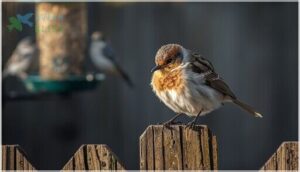
While eye symptoms demand your attention, watch for subtler Early Lethargy Signs: fluffed feathers, hunched posture, and reduced activity—especially in afternoon heat.
Infected birds show Rapid Weight Loss from appetite decline, preferring water over feed. Vocal Quality Shifts become obvious as chirps turn raspy or hoarse.
Behavioral Isolation follows, with sick birds retreating from flock mates. These Respiratory Infections symptoms progress quickly, making early detection critical for successful treatment.
How Respiratory Infections Spread

Respiratory infections don’t just appear out of nowhere—they move through your flock in specific, predictable ways. Understanding how these respiratory infections spread helps you protect healthy birds and stop outbreaks before they take hold.
Let’s look at the three main pathways that bring respiratory disease into your backyard setup.
Bird-to-Bird Transmission
When you keep multiple birds together, respiratory infections can spread faster than you might expect. Close contact during perching, feeding, and roosting creates ideal transmission routes for airborne pathogens.
Social behavior in flock dynamics means infected birds shed respiratory secretions that nearby companions quickly inhale. Shared water bowls and feeders become disease vectors, turning everyday interactions into infectious disease risks requiring careful avian disease management.
Environmental Contaminants
Beyond direct bird-to-bird contact, air pollution introduces invisible threats to your flock’s respiratory health. Particulate matter from nearby traffic can average 12 micrograms per cubic meter, irritating delicate air sacs.
Toxic fumes from pesticide exposure, industrial emissions, and even household cleaners create airborne irritants that weaken your birds’ defenses. Environmental factors and bird health remain deeply connected—what floats unseen can trigger serious respiratory infections.
Human and Equipment Vectors
You may unintentionally carry respiratory infections to your flock through contaminated hands, clothing, and equipment. Biosecurity protects bird respiratory health when you wash hands between handling birds, dedicate boots to the coop, and disinfect feeders and transport cages after each use. Visitors pose similar risks. Surface vectors and gear contamination introduce pathogens faster than direct contact, making veterinary care critical when human transmission threatens your avian respiratory system.
- Wash hands thoroughly before and after handling birds
- Change clothing and footwear before entering the coop
- Disinfect feeders, waterers, and transport cages regularly
- Limit visitor access and enforce biosecurity protocols
- Store bird-handling gear separately from household items
Diagnosing Respiratory Infections in Birds

Getting an accurate diagnosis is the first step toward effective treatment. While you can monitor your bird at home for warning signs, a veterinarian will use a combination of physical exams and diagnostic tools to confirm the infection and identify the cause.
Here’s what to expect during the diagnostic process.
At-Home Observation Tips
Before you reach for the phone, there’s much you can spot at home. Watching your bird’s behavior closely reveals early warning signs of respiratory infections. Track symptoms daily using this simple observation guide:
| What to Watch | Signs of Concern |
|---|---|
| Breathing Patterns | Rapid rate, nostril flare, tail bobbing, open-mouthed breathing |
| Feather Condition | Ruffled plumage, puffing up, missing patches |
| Beak Inspection | Nasal discharge, crusting, facial wetness |
| Vocal Changes | Hoarseness, muffled calls, pitch shifts |
Monitor activity levels and appetite—lethargy paired with breathing difficulties warrants immediate attention for bird respiratory health.
Veterinary Physical Examinations
Your avian veterinarian starts every physical examination from a distance, observing breathing rate, posture, and any tail bobbing before handling your bird. This breathing assessment minimizes stress while capturing critical respiratory infection diagnosis clues.
During hands-on veterinary care, the exam unfolds systematically:
- Airway inspection of nares, choanal slit, and oral cavity for discharge or plaques
- Thoracic evaluation via stethoscope over lungs and air sacs
- Respiratory auscultation listening for crackles, wheezes, or harsh airflow
- Body condition check for weight loss tied to avian disease diagnosis
Diagnostic Tests (Bloodwork, Swabs, Imaging)
Three diagnostic categories pin down respiratory infections in your bird’s avian respiratory system.
Blood analysis through complete counts and chemistry panels reveals infection markers and organ function. Swab techniques from nasal passages or the choanal slit identify bacterial, viral, or fungal pathogens through PCR and culture.
Imaging studies—radiographs, CT scans, or ultrasound—expose air sac involvement and lung changes guiding targeted avian disease diagnosis.
Treatment Options for Infected Birds
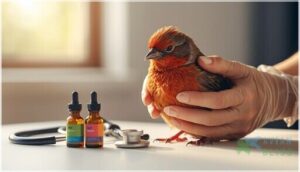
Once your vet confirms a respiratory infection, treatment begins immediately to prevent the condition from worsening.
The approach depends on the type of infection—bacterial, viral, or fungal—and how severe your bird’s symptoms are. Your vet will likely combine medication with supportive care to give your bird the best chance at recovery.
Antibiotics and Antifungal Medications
When bacterial infections like Mycoplasma take hold, your veterinarian will prescribe antibiotics such as doxycycline or amoxicillin suited to your bird’s weight and species. For fungal respiratory infections, antifungals like fluconazole become necessary.
Proper bird dosage matters critically:
- Always complete the full medication course to prevent antibiotic resistance
- Follow pharmacy guidelines exactly—never adjust doses independently
- Monitor for side effects during treatment
Medication safety protects your flock’s future health.
Nebulization and Oxygen Therapy
When breathing becomes labored, nebulization delivers medication directly into your bird’s airways as a fine mist.
Your vet may recommend oxygen therapy alongside nebulizer use for severe respiratory infections, supporting tissue oxygen delivery while promoting airway clearance. These treatments reduce respiratory effort, help thin mucus secretions, and provide targeted respiratory support that oral medications can’t match in critical avian respiratory system care.
Supportive Care (Heat, Humidity, Fluids)
Your bird’s body works hard to fight infection, which is why supportive care plays such a vital role in recovery. Heat therapy maintains a stable, warm recovery environment between 30–35°C, while humidity control and steam therapy keep airways moist and mucus flowing. Meanwhile, fluid management ensures hydration through clean water and electrolyte solutions, supporting respiratory care and helping your bird regain strength.
- Monitor temperature with a thermometer to prevent overheating or chills
- Use a humidifier or damp cloth to maintain 40–60% humidity without creating mold
- Offer fresh fluids frequently, checking intake daily for signs of dehydration
Hospitalization in Severe Cases
When your bird’s breathing doesn’t improve with at-home treatment, hospitalization provides intensive monitoring, oxygen support, and isolation protocols to prevent spread.
Severe respiratory infections may require mechanical ventilation if breathing becomes life-threatening. During veterinary care, your bird receives round-the-clock respiratory disease management until discharge criteria—stable vitals, independent eating, and normalized breathing—are met.
Preventing Respiratory Infections in Your Flock

Prevention is always easier than treatment in the case of respiratory infections in your flock.
A few simple changes to your bird’s environment can dramatically reduce the risk of illness. Here are the most effective steps you can take to keep your birds breathing easy.
Cage and Habitat Cleanliness
Clean cages form your first line of defense against respiratory disease. Daily spot cleaning removes droppings and moisture, while complete bedding replacement every three to seven days prevents bacterial buildup.
Proper cage sanitation, combined with avian hygiene practices and thoughtful habitat design, directly reduces airborne pathogens that threaten your flock’s respiratory health. Wash perches weekly with bird-safe detergent, disinfect all surfaces, and store clean bedding separately.
Air Quality and Ventilation
Fresh air keeps your flock’s lungs clear. Good ventilation paired with air filtration and humidity control between 40 and 60 percent cuts respiratory infection risk. Ventilation systems that exchange indoor air with outdoor air dilute carbon dioxide and flush out airborne irritants, dust, and moisture.
To achieve this, consider the following steps:
- Install mechanical fans or open windows daily
- Use HEPA filters to trap fine dust and spores
- Monitor humidity with simple gauges
- Avoid smoke, aerosols, and strong cleaners
- Replace filters regularly for consistent air purification
Reducing Stress and Crowding
Stress and crowding weaken your birds’ immune defenses and make respiratory infections more likely. When birds feel cramped or anxious, they’re more vulnerable to disease.
Space management and crowd control start with simple adjustments:
| Strategy | Action | Benefit |
|---|---|---|
| Perch spacing | Place perches 6 to 8 inches apart vertically | Prevents lineup stress at feeders |
| Multiple feeding stations | Provide 8 to 12 inches per bird | Reduces meal-time crowding |
| Visual barriers | Add low shrubs or lattice panels | Lowers aggression and perceived density |
| Stable social groups | Keep familiar companions together | Minimizes pecking order disruptions |
| Environmental enrichment | Rotate foraging mats and dust baths | Reduces boredom-related stress |
Bird socialization and stress reduction for birds improve pet bird care and bird health and wellness. Gradual introductions over several days, timed feeding schedules, and outdoor rotation in smaller groups all support bird wellness and cut respiratory infection risk.
Supporting Recovery and Bird Wellness

Once your bird starts treatment, your job shifts to creating the best conditions for healing. Recovery depends on more than medication—it requires targeted nutrition, close observation, and a few smart changes to the environment.
Let’s walk through the essentials that help sick birds bounce back and stay healthy long-term.
Nutrition and Immune Support
You can think of nutrition as the foundation your bird builds its defense on. A strong immune system starts with nutrient balance and the right building blocks for recovery.
- Feed vitamin C-rich foods like citrus and berries to support immune cell function and respiratory tissue integrity.
- Provide zinc sources such as lean meats or fortified seeds to strengthen immune responses.
- Include probiotic supplements or fermented foods to balance gut microbes that influence systemic immunity.
- Offer antioxidant rich foods like whole grains and vegetables to reduce inflammation and oxidative stress.
Adequate protein, dietary fiber, and hydration support antibody production, mucus clearance, and mucosal barriers in the respiratory tract, helping prevent disease progression and relapse.
Monitoring Progress and Relapse Prevention
Recovery tracking starts with daily observation of breathing patterns and appetite. Keep a simple symptom log noting dates, respiratory signs, and food intake to catch relapse early.
Schedule weekly veterinary checks during post-illness care to adjust treatment options as needed. Watch for returning cough, nasal discharge, or wheezing—classic relapse signs requiring prompt intervention.
Consistent health monitoring and prevention strategies protect your flock from recurring respiratory disease.
Environmental Adjustments During Recovery
During recovery, boost air quality by running a HEPA filter and increasing fresh air exchanges to 6 to 12 per hour. Use a hygrometer to maintain humidity control between 40 and 60 percent, easing airway irritation.
Good ventilation paired with stress reduction—dim lighting, minimal handling, and quiet recovery spaces—facilitates healing. Daily sanitation and hygiene practices prevent reinfection while environmental factors affecting bird respiratory health stabilize.
When to Seek Veterinary Help
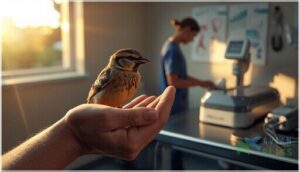
Not every cough or sneeze requires a vet visit, but respiratory infections can worsen fast in birds. Knowing when home care isn’t enough—and when professional help becomes urgent—can make the difference between recovery and crisis.
Let’s walk through the signs that mean it’s time to pick up the phone and the steps to find the right avian veterinarian for your flock.
Warning Signs of Severe Illness
If your bird shows laboured breathing beyond sixty breaths per minute, persistent sneezing with thick nasal discharge, or neurological symptoms like head tilts and tremors, you’re witnessing critical indicators that demand emergency care.
Severe dehydration, visible through sunken eyes and tented skin, signals respiratory failure risk. These symptoms of respiratory infections aren’t mild—they’re warning you that time matters most now.
Importance of Early Intervention
When you act within 24 to 48 hours of the first symptoms, you improve recovery odds and protect your entire flock from widespread respiratory disease. Early intervention helps you:
- Achieve rapid diagnosis of the specific pathogen driving treatment decisions
- Limit viral load exposure through prompt isolation and biosecurity start measures
- Improve air quality quickly to reduce irritants that worsen respiratory infections
- Prevent long-term impacts on egg production and weight gain
Finding an Avian Veterinarian
Start with the American Association of Avian Veterinarians’ online directory to locate an avian specialist vet near you. Check vet credentials, clinic services including in-house diagnostics and emergency care, plus avian experience with your species.
Online reviews from local bird clubs offer practical insight into veterinary care quality. Call ahead to confirm they provide avian medicine and ask about same-day availability for urgent respiratory cases.
Frequently Asked Questions (FAQs)
How to treat respiratory infection in birds?
When your feathered friend shows breathing trouble, Medication Therapy starts with veterinary-prescribed Antibiotics for bacterial causes or Antifungals for fungal issues.
Bird Nursing includes Airway Clearance through nebulization, alongside warmth and humidity support.
Can a bird survive a respiratory infection?
Yes, with early veterinary care and proper treatment. Recovery rates improve when you provide antibiotics or antifungals, respiratory therapy, stable warmth, and nutrition.
Survival factors include infection prognosis, age, and immune strength.
Can bird droppings cause respiratory problems?
Like invisible dust devils stirring in a coop, dried bird droppings can release fungal spores and airborne pathogens—Histoplasma, Cryptococcus, Aspergillus—that irritate your airways and trigger respiratory infections when you breathe them in.
Can respiratory infections spread to humans from birds?
Certain respiratory infections, like psittacosis from Chlamydophila psittaci and bird flu, can spread to humans through airborne transmission of contaminated droppings or secretions—making preventive measures and prompt veterinary care essential safeguards against these zoonotic diseases.
How long does recovery typically take for birds?
Though healing starts the moment treatment begins, patience proves essential—most backyard birds overcome respiratory infections within two to six weeks, depending on species, infection severity, and veterinary care quality.
Are certain bird species more susceptible to infections?
Different species show varying vulnerability to respiratory disease. Parrots, especially budgerigars and Amazons, face higher bacterial and fungal infection risks.
Finches and waterfowl in crowded conditions also demonstrate increased susceptibility through specific avian immunity patterns.
Can birds get vaccinated against respiratory infections?
Commercial poultry can receive respiratory shots for diseases like infectious bronchitis and Newcastle disease, but backyard bird vaccination remains less common due to availability, cost, and administration challenges—consult your avian veterinarian.
Whats the survival rate for infected backyard birds?
Survival rates hinge on the pathogen involved, your bird’s immune status, and how quickly you seek veterinary care—ranging from near-complete recovery with early treatment to rapid mortality in severe viral outbreaks.
Conclusion
A hen standing tall again after treatment, eyes bright and chest rising steadily—that’s the reward of vigilance. Respiratory infections in backyard birds don’t have to mean devastation if you catch early warning signs, maintain clean housing, and act quickly.
Your flock depends on your attention to subtle changes in breathing, behavior, and vitality. With proper care, veterinary support when needed, and preventive measures in place, you’ll keep your birds thriving through every season.
- https://todaysveterinarypractice.com/exotic-medicine/performing-an-avian-physical-examination-in-practice/
- https://www.uoguelph.ca/ahl/content/diagnosing-respiratory-disease-backyard-chickens
- https://www.mspca.org/angell_services/respiratory-disease-chickens/
- https://blog.meyerhatchery.com/2023/06/chicken-body-condition/
- https://www.bird-vet.com/ChickenVet-ChronicRespiratoryDisease-CRD.aspx