
This site is supported by our readers. We may earn a commission, at no cost to you, if you purchase through links.
Your bird’s breathing changes before anything else does—a subtle shift in rhythm, a barely audible click, a tail that bobs with each inhale. These microseconds of respiratory distress often represent the only warning window you’ll get before a treatable condition becomes critical.
Unlike mammals, birds possess air sacs that mask early disease signs, meaning they’ll maintain normal behavior even as oxygen exchange deteriorates. You’re working against avian physiology itself: their unique respiratory anatomy—designed for the metabolic demands of flight—amplifies illness rapidly while concealing symptoms until disease has progressed substantially.
Learning to recognize bird respiratory disorders requires understanding what healthy breathing looks like in your specific species, then training your eye to detect deviations most owners miss until their bird is gasping.
Table Of Contents
- Key Takeaways
- What Are Bird Respiratory Disorders?
- Common Causes of Respiratory Disorders in Birds
- Key Risk Factors for Avian Respiratory Issues
- Early Behavioral Signs to Watch For
- Visible Physical Symptoms in Affected Birds
- How to Listen for Abnormal Breathing Sounds
- Specific Respiratory Conditions to Recognize
- Steps for At-Home Observation and Monitoring
- When to Seek Veterinary Care Immediately
- Frequently Asked Questions (FAQs)
- How do I know if my bird has respiratory issues?
- How do you recognize respiratory diseases in poultry?
- What is the symptoms of bird lung disease?
- Can respiratory disorders be prevented through diet alone?
- How long does respiratory treatment typically last?
- Are certain bird species more prone to infections?
- Can respiratory diseases spread to other household pets?
- What diagnostic tests are most accurate for birds?
- Conclusion
Key Takeaways
- Birds’ unique air sac anatomy masks early respiratory disease until oxygen exchange has significantly deteriorated, meaning subtle breathing changes—tail bobbing, clicking sounds, or slightly increased respiratory rate—often represent your only warning window before a treatable condition becomes critical.
- Respiratory disorders stem from five primary sources (bacterial, viral, fungal, parasitic, and environmental toxins), with risk amplified by poor nutrition (especially vitamin A deficiency), unsanitary conditions, overcrowding, and exposure to cigarette smoke or household chemicals that compromise airway defenses.
- Early behavioral shifts—lethargy, vocal changes, reduced appetite—precede obvious physical symptoms, while specific audible cues (wheezing indicates airway obstruction, gurgling signals fluid accumulation, clicking points to bronchial narrowing) help pinpoint where in the respiratory tract disease has taken hold.
- Emergency intervention becomes non-negotiable when you observe open-mouth breathing with nostril flaring, blue-tinged beak or tongue, inability to perch, sudden collapse, or any symptom persisting beyond 24 hours—delay at these stages risks irreversible damage or respiratory failure.
What Are Bird Respiratory Disorders?
Bird respiratory disorders encompass a range of conditions—bacterial, viral, fungal, parasitic, and environmental—that compromise your bird’s ability to breathe properly. These disorders can affect any part of the respiratory tract, from the nares and trachea to the lungs and air sacs, with symptoms varying based on the infection’s location and severity.
Early detection is crucial—watch for signs of bird respiratory infection like labored breathing, nasal discharge, or unusual sounds when your bird breathes.
Recognizing these conditions early gives your bird the best chance at recovery, since respiratory disease can progress rapidly without intervention.
Definition and Overview
Respiratory disorders in birds affect the airways and air sacs that enable breathing—conditions ranging from infections to inflammatory processes that disrupt the oxygen exchange your feathered companion relies on. Understanding these disorders matters because birds depend on rapid, efficient airflow to meet metabolic demands, especially during flight and stress.
Bird Respiratory Health hinges on several interconnected systems:
- Avian Anatomy includes rigid lungs paired with multiple air sacs that move air during both inhalation and exhalation
- Air Sac Function provides unidirectional airflow, supporting remarkably high oxygen extraction efficiency
- Breathing Patterns vary by species but usually range from 20 to 60 breaths per minute at rest
Importance of Early Recognition
Once you understand the delicate architecture powering your bird’s breathing, spotting problems early becomes your most powerful tool. Early Warning Signs—a slight shift in breathing rate, subtle lethargy, or faint wheezing—allow Rapid Detection Methods that can prevent progression to severe distress. Timely Intervention Strategies reduce stress, shorten recovery, and aid less invasive treatments, while Bird Monitoring Tips help you catch respiratory infections before secondary complications arise, strengthening overall Avian Disease Management.
Recognizing the importance of early detection can lead to improved outcomes and a higher quality of life for your bird.
| Benefit of Early Recognition | Impact on Bird Respiratory Health |
|---|---|
| Faster veterinary evaluation | Increases treatment success rates |
| Reduced respiratory progression | Prevents severe airway obstruction |
| Lower intervention intensity | Promotes quicker, gentler recovery |
| Prevention of secondary infections | Protects overall immune function |
Common Causes of Respiratory Disorders in Birds

Your bird’s respiratory system can fall victim to a wide range of threats—from microscopic pathogens to everyday environmental hazards you mightn’t even notice.
Understanding what causes these disorders is the first step in protecting your feathered companion, because each type of threat requires a different approach to prevention and care. Let’s examine the five primary culprits behind avian respiratory disease.
Bacterial Infections
Bacteria such as Mycoplasma and Chlamydia invade your bird’s respiratory tract, causing nasal discharge, labored breathing, and lethargy—hallmarks of bacterial pneumonia that can progress to respiratory failure without prompt intervention.
You’ll want to pursue bacterial isolation through culture testing to guide targeted antibiotic therapy, since proper bird disease management hinges on identifying the specific pathogen compromising your bird’s respiratory health.
Birds are also at risk from environmental irritants and infections, which can contribute to a range of respiratory diseases.
Viral Agents
While bacteria pose a serious threat, viral infections—including avian influenza and other bird flu strains—introduce a different challenge. These viral diseases in poultry and companion birds trigger acute respiratory failure through high viral load, overwhelming your bird’s immune response and often paving the way for secondary infectious diseases. Vaccine development has improved outcomes in some species, yet strict biosecurity remains your first defense.
- Crowded aviaries increase viral load transmission—poor ventilation accelerates spread among susceptible birds.
- Viral infections weaken immunity—damaged airways invite bacterial pneumonia and worsen breathing distress.
- Quarantine protocols prevent introduction—isolating new arrivals blocks viral diseases before they take hold.
Fungal Infections
Among airborne threats, fungal spores—particularly those causing bird aspergillosis—rank as the most common fungal infections in birds, compromising respiratory health through granulomatous inflammation in lungs and air sacs.
Moldy feed, poor ventilation, and damp bedding foster airborne fungus growth, making older or immune-compromised birds especially vulnerable to severe respiratory fungi and avian respiratory diseases requiring antifungal therapy and environmental cleanup.
Parasitic Infestations
When parasitic infestations take hold—air sac mites, gapeworms, and other opportunistic organisms—you’ll witness breathing disruption as parasites physically block air passages, triggering distress that demands swift parasite control and gapeworm treatment.
- Air sac diseases from mite infestations often appear in crowded, unsanitary conditions
- Microscopic examination and targeted bird parasitology tests confirm parasitic respiratory health threats
- Antiparasitic medications combined with rigorous cleaning resolve most avian respiratory diseases
- Regular health monitoring catches parasite problems before severe distress develops
Environmental Toxins
Toxic fumes from cigarette smoke, oil-based paints, and cleaning agents irritate your bird’s respiratory tract—triggering coughing, wheezing, and chronic airway inflammation that compromises avian respiratory health.
Prolonged exposure can also create conditions that encourage fungal growth, making comprehensive avian respiratory disease treatment essential for recovery.
Air pollution, high ammonia levels from droppings, and moldy feed release fungal spores that worsen respiratory disease. Chemical exposure demands environmental toxin avoidance, mold prevention, and improved ventilation systems to protect avian respiratory diseases from environmental triggers.
Key Risk Factors for Avian Respiratory Issues

Understanding what causes respiratory problems is only half the picture—you also need to know what makes your bird vulnerable in the first place.
Certain environmental conditions, dietary gaps, and living situations can weaken your bird’s defenses and set the stage for infection. Let’s look at the most common risk factors that compromise avian respiratory health.
Poor Nutrition and Vitamin Deficiency
You’ll find that even subtle dietary imbalances can set the stage for respiratory trouble in your bird.
Vitamin A deficiency—one of the most common malnutrition effects in seed-only diets—causes squamous metaplasia of mucous membranes, which dramatically increases susceptibility to infections.
Protein undernutrition, calcium-phosphorus imbalance, and iodine deficiency also compromise respiratory health, weakening immune function and even compressing airways when thyroid glands enlarge.
Unsanitary Living Conditions
Your bird’s cage may be its haven, but dirty cage hazards silently undermine respiratory health every day. Ammonia poisoning from litter buildup irritates airways and triggers chronic rhinitis, while mold growth in damp bedding releases spores that inflame delicate tissues.
Poor ventilation issues and inadequate sanitation practices create a breeding ground for respiratory infection treatment needs—high moisture fuels bacterial transmission, and contaminated water containers harbor biofilms that compromise avian respiratory diseases prevention and overall pet bird care.
Exposure to Irritants and Smoke
Cigarette smoke exposure dramatically spikes airway inflammation and worsens clinical signs—smoke exposure and chemical irritants from household cleaners trigger coughing, sneezing, and respiratory tract damage.
Indoor air quality matters: dust particles from bedding lodge in bronchi, aerosols irritate nasal passages, and outdoor air pollution reduces oxygen exchange.
Protecting your bird from respiratory toxins prevents avian respiratory diseases and eliminates the need for costly respiratory infection treatment.
Overcrowding and Stress
Beyond smoke and fumes, overcrowding stress compounds respiratory vulnerability—high stocking density accelerates pathogen transmission among birds, while chronic stress suppresses immune function and raises infection susceptibility.
Inadequate perching forces abnormal posture that impairs breathing mechanics, and frequent handling elevates cortisol, promoting airway inflammation. Managing cage dynamics and flock behavior protects respiratory tract health and reduces avian respiratory disease risk.
Early Behavioral Signs to Watch For

Before your bird shows obvious physical symptoms like labored breathing or discharge, you’ll often notice subtle shifts in behavior—these early warning signs can be easy to miss if you’re not paying attention.
Before obvious symptoms appear, subtle behavioral shifts often signal trouble—but they’re easy to miss if you’re not watching closely
Birds are masters at hiding illness, so even small changes in energy, voice, or eating habits deserve your immediate attention. Here’s what to watch for in those critical early stages.
Lethargy and Decreased Activity
When you notice your bird spending most of the day perched quietly with minimal movement, you’re witnessing one of the earliest warning signs that something’s wrong—energy loss signals potential trouble in the respiratory tract.
Activity levels drop sharply as respiratory disease takes hold, and what once was a lively companion now shows persistent lethargy signs, barely responding to your approach or favorite treats, often sleeping through daylight hours.
Changes in Vocalization
Alongside declining energy, you’ll hear vocal pattern shifts—your bird’s calls may grow harsher, breathier, or lose trill complexity as breathing rhythm effects compromise airway flow. Voice quality drops as respiratory tract inflammation narrows sound channels, producing pitch alterations and nasal-sounding notes that signal avian respiratory diseases developing beneath the surface.
- Raspy or strained chirps replacing clear, melodic notes
- Increased vocal pauses interrupting normal call frequency changes
- Muffled or monotone warbles lacking their usual resonance and range
Reduced Appetite
When breathing becomes uncomfortable, your bird’s eating habits often shift first—appetite loss appears even before overt respiratory signs surface. You’ll notice food aversion despite access to fresh feed, hunger cues diminish, and nutrition deficits begin accumulating.
If refusal persists beyond twenty-four hours, respiratory disease may be developing, undermining avian nutrition and respiratory health in pet birds before visible distress emerges.
Visible Physical Symptoms in Affected Birds
Once you know what behavioral shifts to watch for, you’ll need to recognize the physical signs that confirm respiratory distress.
These visible symptoms often appear before your bird reaches a critical state—and catching them early can make the difference between successful treatment and irreversible damage. Here’s what you should look for during your daily health checks.
Labored or Open-Mouth Breathing
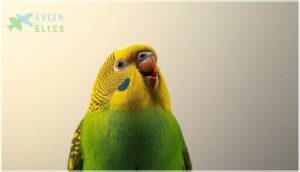
When your bird’s beak remains ajar during rest—or you spot an extended neck position paired with flared nostrils—you’re witnessing a critical red flag for respiratory disease.
Labored breathing signals airway obstruction, tracheal issues, or even avian pneumonia, conditions that can rapidly progress to respiratory failure if the respiratory tract and system aren’t promptly evaluated.
Open-mouth breathing isn’t normal—it’s a compensatory response demanding urgent attention.
Tail Bobbing and Extended Neck

A pronounced rhythmic motion at the tail base—coupled with a stretched neck that stays rigid during rest—marks a distressing escalation in your bird’s work of breathing, signaling that respiratory disease has compromised normal respiratory patterns and the entire respiratory tract may be struggling.
Key indicators of respiratory distress through avian body language:
- Tail bobbing intensity: Exaggerated up-and-down tail movement synchronized with each breath reflects labored respiratory rhythms and increased muscle engagement
- Persistent neck extension: A rigidly held, stretched posture widens airways but signals significant breathing effort beyond normal avian respiratory patterns
- Context matters: Tail movement during calm perching—not flight or excitement—indicates genuine respiratory tract compromise requiring avian medicine evaluation
- Progressive worsening: Rapid increase in bobbing frequency or neck rigidity over hours demands immediate attention to prevent bird health deterioration
- Accompanying postural changes: Open-beak breathing, wing droop, or fluffed feathers alongside abnormal tail and neck posture confirm serious avian respiratory diseases
Nasal Discharge and Watery Eyes
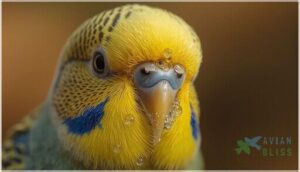
Watery eyes paired with mucous production from the nostrils—clear to yellow-green in color—reveal nasal irritation or eye infections that often accompany avian respiratory diseases.
Tear duct issues and upper airways inflammation drive this dual presentation, since drainage pathways converge near the sinuses; conditions like avian influenza exploit this anatomical link, threatening bird health through rapid respiratory tract compromise.
Sneezing, Coughing, and Wheezing
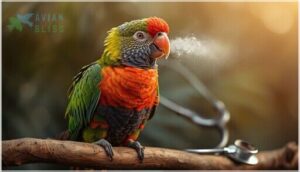
When you hear repetitive sneezing—often in short bursts throughout the day—paired with dry, nonproductive coughing and high-pitched wheezing during expiration, you’re witnessing respiratory sounds that signal airway irritation across multiple levels of the respiratory tract.
These sneezing patterns and coughing characteristics together reflect inflammatory conditions central to avian respiratory diseases, demanding prompt evaluation to prevent progression of bird health issues that compromise the entire respiratory system.
How to Listen for Abnormal Breathing Sounds
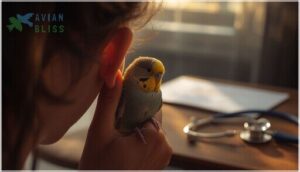
Your bird’s breathing shouldn’t sound like anything at all—healthy respiration is virtually silent. When you start hearing noises with each breath, you’re picking up on audible evidence that something’s obstructing or inflaming the airways, and these sounds provide vital diagnostic clues about where the problem’s located.
Listen closely during quiet moments, because what you hear—wheezing, clicking, rattling—can help you and your veterinarian pinpoint exactly what’s going wrong.
Wheezing and Clicking Noises
When you hear a high-pitched whistle during exhalation, you’re detecting wheezing—a telltale sign of airway obstruction in your bird’s respiratory tract.
Clicking sounds signal abrupt airflow changes past narrowed bronchial passages, often accompanying bacterial infections, avian influenza, or fungal conditions. Both noises warrant respiratory monitoring, as early detection of these breathing patterns helps prevent complex avian respiratory diseases and facilitates effective pulmonary medicine interventions.
Rattling or Gurgling Sounds
When fluid accumulates in your bird’s respiratory tract, you’ll hear wet, bubbling noises—gurgling sounds that indicate tracheal obstruction or airway inflammation. These respiratory noises signal mucus moving through partially blocked airways, a hallmark of avian respiratory diseases requiring immediate pulmonary medicine evaluation.
Unlike wheezing, gurgling suggests secretion buildup that compromises breathing efficiency, demanding prompt veterinary intervention to prevent escalating breathing difficulties.
Loss of Normal Bird Voice
Beyond gurgling, you’ll notice your bird’s voice changing when syrinx infections or airway obstructions inflame the vocal apparatus at the trachea’s base.
Hoarseness, muffled calls, or complete silence indicate tracheal issues affecting sound production—vocal cord damage from chronic respiratory tract inflammation.
In avian medicine, voice fatigue signals underlying avian respiratory diseases requiring bird health assessment, as the syrinx controls all vocalization in birds.
Specific Respiratory Conditions to Recognize

You’ll encounter several distinct respiratory diseases in your bird—each with its own pattern of symptoms and progression that you’ll need to recognize quickly.
Some conditions result from fungal spores in the environment, while others come from viral or parasitic invaders that target specific parts of the respiratory tract. Understanding these specific diseases will help you identify what’s affecting your bird and communicate more effectively with your veterinarian.
Aspergillosis
You’ll encounter aspergillosis—a critical fungal infection—when persistent coughing, labored breathing, and appetite loss signal air sac disease affecting your bird’s respiratory tract.
This avian respiratory disease develops granulomas that compromise gas exchange, leading to respiratory failure if untreated.
Chronic mold exposure in poorly ventilated housing fuels fungal toxins, making environmental remediation essential alongside veterinary antifungal therapy in avian medicine.
Avian Influenza
Avian influenza—a highly contagious viral disease—spreads rapidly through viral transmission, affecting your bird’s respiratory system with sudden coughing, sneezing, nasal discharge, and facial swelling that can escalate to severe breathing difficulty and flock mortality.
- Asymptomatic carriers complicate disease diagnosis, making regular monitoring essential
- Quarantine and reporting suspected bird flu outbreaks to authorities prevents devastating spread
- Contact with infected birds, contaminated surfaces, or aerosols enables transmission among viral diseases
Air Sac Mite Infestation
While viral diseases can devastate flocks quickly, microscopic parasites silently invade your bird’s respiratory system—air sac mites burrow deep into air sacs, causing sneezing, open-mouth breathing, tail bobbing, and noisy respiration that signals respiratory distress.
Heavy mite infestation triggers air sac damage and secondary bacterial infections, requiring prompt mite control through veterinary-prescribed antiparasitic medications and thorough cage sanitation to prevent avian respiratory diseases from progressing.
Gapeworm and Other Parasites
Gapeworms and other respiratory parasites lodge in your bird’s trachea, causing that characteristic “throat grasping” behavior—your bird extends its neck repeatedly, trying to dislodge these endoparasites while coughing, wheezing, or even expelling visible worms during respiratory distress.
- Watch for persistent coughing fits that don’t resolve on their own
- Notice prolonged neck stretching during breathing attempts
- Observe reduced activity levels and reluctance to vocalize normally
- Check droppings and cage surfaces for expelled parasitic material
- Seek bird deworming medications through your avian veterinarian promptly
Effective parasite control requires veterinary-prescribed respiratory therapy combined with rigorous cage sanitation—you’ll prevent reinfection by eliminating contaminated feed and blocking access to invertebrate carriers that transmit gapeworm infections and other avian respiratory diseases.
Newcastle Disease
Newcastle disease strikes through viral transmission, causing your bird to develop coughing, gasping, nasal discharge, and facial swelling.
Mortality rates climb rapidly in unvaccinated flocks during disease outbreaks, making vaccine development and early isolation critical to preventing respiratory failure and limiting the spread of this notifiable avian respiratory disease across your aviary or household birds.
Steps for At-Home Observation and Monitoring

You can’t protect your bird if you don’t notice something’s wrong—and respiratory issues often start small. Establishing a consistent observation routine helps you catch warning signs before they escalate into emergencies.
Here’s how to monitor your bird’s respiratory health at home with simple, systematic checks.
Daily Health Checks
You’ll want to establish a consistent morning routine—check your bird’s posture, energy, and appetite within the first hour after waking. Observe breathing for sixty seconds, noting any unusual effort or noise, then inspect the nares and beak for discharge.
Daily weighing at the same time helps catch subtle weight loss, and a simple health log records these respiratory monitoring findings so you can spot patterns early.
Tracking Symptoms and Progression
Symptom logging turns anecdotal worry into actionable data—you’ll document breathing rhythms, environmental triggers, and disease progression patterns to establish a baseline that reveals when your bird’s lower respiratory tract is compromised. Track respiratory patterns daily, noting frequency, severity, and duration of each episode, then correlate these health monitoring observations with potential exposures (aerosols, smoke, new foods) to identify risk factors for pulmonary disease in birds or avian influenza.
- Record peak symptom times to capture when breathing distress intensifies throughout the day
- Compare pre-treatment and post-treatment severity so you can gauge therapeutic response objectively
- Share weekly summaries with your veterinarian, bringing dated logs to clinical visits for faster diagnosis
Identifying Subtle Changes
Breathing rhythms shift long before crisis strikes—you’ll catch early warning signs by tracking subtle symptoms that novice owners overlook. Monitor behavioral cues during rest periods, watching for minor posture changes or raspy vocalizations that signal lower respiratory tract involvement before overt pulmonary distress emerges.
| Respiratory Patterns | Behavioral Cues |
|---|---|
| Slight rate increases at rest | Head bobbing shifts |
| Tail positioning changes | Morning appetite drops |
| Wing balance alterations | Voice quality loss |
| Quiet breathing irregularities | Reduced vocal variety |
These subtle symptoms—documented through daily observation—form the foundation of proactive avian medicine, enabling you to intervene before birds develop life-threatening pulmonology crises.
When to Seek Veterinary Care Immediately

Respiratory distress in birds can escalate from manageable to life-threatening in a matter of hours—making swift recognition of emergency signs essential to your bird’s survival.
While some symptoms warrant scheduled veterinary visits, certain clinical presentations demand immediate professional intervention regardless of the time or day. You’ll need to distinguish between three critical categories of emergency respiratory scenarios that require urgent care.
Severe Breathing Distress
You’ll recognize respiratory failure when your bird gapes open-mouthed with flaring nostrils—a blue-tinged tongue signals avian hypoxia demanding emergency care within minutes.
Conditions like aspergillosis, avian influenza, or hypersensitivity pneumonitis affecting the lower respiratory tract can escalate to pulmonary disease rapidly. Collapse, panic, or severe breathing difficulties warrant critical interventions now—delay risks irreversible damage.
Persistent or Worsening Symptoms
Chronic infection progresses relentlessly—if your bird’s breathing problems persist beyond 24 hours, fevers exceed 104°F, or weight drops more than 5% within 48 hours, you’re watching disease progression that won’t self-resolve.
Aspergillosis and other pulmonary disease affecting the air sac demand intervention; untreated respiratory disorders escalate symptom severity, driving mortality rates upward as respiratory failure looms closer with each labored breath.
Emergency Signs in Birds
Beyond persistent decline lies collapse—when your bird shows signs of respiratory failure like open-mouth breathing with flaring nostrils, bluish beak coloration indicating severe hypoxia, or inability to perch following trauma, you’re witnessing critical symptoms demanding emergency care immediately.
Avian medicine recognizes three absolute red flags requiring ER evaluation:
- Sudden neurological changes—seizures, disorientation, or collapse
- Suspected toxic exposure to household chemicals or aerosol sprays
- Uncontrolled bleeding or air sac swelling after injury
Frequently Asked Questions (FAQs)
How do I know if my bird has respiratory issues?
You’ll notice changes that telegraph trouble—labored breathing, tail bobbing, wheezing, nasal discharge, or reduced appetite signal respiratory distress requiring prompt veterinary assessment and diagnostic tests to identify bacterial, viral, fungal, or parasitic causes.
How do you recognize respiratory diseases in poultry?
You’ll spot respiratory disorders through labored breathing, nasal discharge, coughing, and tail bobbing—early signs like lethargy, reduced vocalization, and decreased appetite signal airway obstruction before severe breathing difficulty emerges in your flock.
What is the symptoms of bird lung disease?
You’ll notice labored breathing with tail bobbing, open-mouth positioning, nasal discharge, wheezing sounds, and lethargy—signs of lung infections, airway obstruction, or air sac involvement requiring immediate avian medicine intervention.
Can respiratory disorders be prevented through diet alone?
Diet alone won’t prevent all respiratory disorders in birds—you’ll need proper hygiene, ventilation, and toxin avoidance too—but balanced avian nutrition with adequate vitamin A, antioxidants, and mineral balance substantially strengthens respiratory health defenses.
How long does respiratory treatment typically last?
Treatment duration depends on diagnosis—bacterial infections usually take 7 to 14 days, while aspergillosis and air sac issues may require 4 to 12 weeks of medication management with veterinary follow-up care throughout.
Are certain bird species more prone to infections?
Yes—parrots like budgerigars face higher tuberculosis rates, while canaries and finches often harbor Salmonella in crowded aviaries.
Waterfowl carry greater avian influenza exposure, and pigeons frequently host Chlamydia in urban settings.
Can respiratory diseases spread to other household pets?
Multi-pet household management becomes critical when birds show respiratory distress—Aspergillosis spores and bacterial infections can spread through shared air, triggering cross-species transmission risks that compromise household pet safety in cats and dogs.
What diagnostic tests are most accurate for birds?
When your bird’s breath becomes the window to diagnosis, radiograph imaging, CT scans, and endoscopy procedures offer the clearest view—paired with microbial testing and fecal sampling for thorough veterinary diagnosis in avian medicine.
Conclusion
Your bird’s respiratory system won’t forgive hesitation—early detection saves lives, delayed recognition guarantees suffering.
The skills to recognize bird respiratory disorders demand consistent observation: monitoring breathing patterns during quiet moments, documenting subtle changes before they cascade, responding to whisper-soft warnings your bird’s physiology desperately tries concealing.
Master these recognition techniques now, establish your baseline observations today, because tomorrow’s gasping emergency began with yesterday’s overlooked tail-bob you rationalized away.