This site is supported by our readers. We may earn a commission, at no cost to you, if you purchase through links.

Your eyesight isn’t what it used to be, but that shouldn’t keep you from identifying the cardinal at your feeder or the warbler in the oak tree. Traditional field guides weren’t designed with aging eyes in mind—tiny fonts, cluttered layouts, and confusing technical jargon can turn what should be a joyful hobby into a frustrating squint-fest.
Fortunately, publishers now recognize that birders over 60 represent one of the fastest-growing segments of the hobby, and they’ve responded with guides featuring large print, high-contrast photos, and simplified identification keys. The right bird field guide for seniors can transform your backyard into a vibrant classroom, where every feathered visitor becomes easier to name and understand.
Table Of Contents
- Key Takeaways
- Key Features of Senior-Friendly Bird Field Guides
- Top 9 Bird Field Guides for Seniors
- 1. Bird Watching Journal Notebook
- 2. Picture Book of Birds
- 3. Bird Trivia Book
- 4. Backyard Bird Identification Guide Book
- 5. Backyard Birdwatcher Bible Book
- 6. Sibley Field Guide To Eastern Birds
- 7. Sibley Birds Field Guide Western North America
- 8. National Geographic Bird Field Guide
- 9. Ornithology Textbook Fourth Edition
- How to Choose The Right Guide
- Health Benefits of Birding for Older Adults
- Enhancing Your Bird Watching Experience
- Frequently Asked Questions (FAQs)
- Conclusion
Key Takeaways
- Modern bird field guides designed for seniors now feature large print, high-contrast photos, and simplified layouts to address visual challenges that traditional guides ignored, making identification easier for aging eyes.
- The right guide depends on your specific region (eastern versus western North America), experience level, and whether you prefer lightweight portability for field trips or comprehensive home references with detailed species information.
- Bird watching delivers measurable health benefits for older adults, including cognitive stimulation through species identification, stress reduction within 20 minutes outdoors, and social connection through local birding clubs and group outings.
- Pairing your field guide with digital apps, creating a bird-friendly backyard with native plants and feeders, and joining community birding activities transforms occasional sightings into a rewarding daily practice that supports both mental and physical well-being.
Key Features of Senior-Friendly Bird Field Guides
When you’re shopping for a bird field guide, certain features make all the difference in how much you’ll actually use it.
A solid bird identification book comparison helps you weigh illustration quality, range maps, and portability before committing to one guide.
The best guides for seniors balance clear visuals with practical design, so you can identify birds quickly without straining your eyes or lugging around a heavy book.
Let’s look at three essential features that separate truly senior-friendly guides from the rest.
High-Quality Photos and Illustrations for Identification

When you’re peering at a warbler or sparrow in varied light, image clarity makes all the difference. High-quality photos in your field guide—usually 600 to 1200 pixels—guarantee sharp species recognition even on cloudy mornings or from a distance.
- Visual comparison plates place similar birds side by side, highlighting distinguishing traits like eye rings and wing bars.
- High-contrast illustrations reduce glare and improve outline visibility for quick bird identification.
- Multiple viewing angles show dorsal, ventral, and in-flight poses so you capture every detail.
- Color-calibrated images reflect true plumage hues, preventing misidentification during seasonal changes.
These visual aids and identification tips turn guesswork into confident recognition.
Lightweight and Durable Design for Outdoor Use

Carrying a field guide all morning shouldn’t leave your shoulder aching. Senior-friendly guides weigh 14 to 22 ounces and feature durable spiral bindings that let you flip pages without cracking the spine.
Waterproof pages resist rain and accidental spills, while laminated polypropylene covers shrug off moisture and fingerprints. Compact formats slip into pockets, and rounded corners prevent papercuts during long birding sessions.
Enhanced Accessibility With Color Contrast and Layout

Beyond weight and durability, readability and accessibility matter most for seniors in the field. High-contrast illustrations with simplified layouts reduce visual clutter, while sans-serif fonts in large print improve clarity.
WCAG contrast standards (4.5:1 for text, 3:1 for headings) guarantee legibility outdoors. Ample whitespace around images and consistent column spacing help your eyes locate species quickly, even in bright sunlight.
Top 9 Bird Field Guides for Seniors
You’ve got plenty of solid options in the area of senior-friendly bird guides, each designed with different needs in mind. Some focus on simple identification with big photos, while others offer journals for tracking sightings or deeper knowledge for experienced birders.
Here’s a look at nine guides that balance readability, durability, and practical features for older adults.
1. Bird Watching Journal Notebook
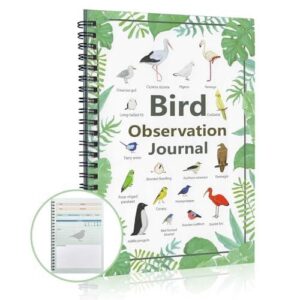
When you want a hands-on way to track your birding adventures, the Bird Watching Journal Notebook delivers 126 spiral-bound pages at A5 size (5.83 x 8.27 inches). Each observation page gives you dedicated spaces for date, species, time, location, bird behavior, habitat, sounds, weather, and even room for quick sketches.
The 16-page index keeps your sightings organized, while the lay-flat spiral binding makes field entries easy. One caution: some users found the writing lines quite small, and there’s a spelling error on the cover.
| Best For | Birdwatching enthusiasts, nature lovers, biology students, and researchers who want a structured journal to document sightings and track observations in the field. |
|---|---|
| Page Count | 126 |
| Language | English |
| Publisher | OFFICE SEEK |
| Format Type | Spiral Journal |
| Target Audience | Birding Enthusiasts |
| Illustrations/Photos | Space for Sketches |
| Additional Features |
|
- 126 pages with dedicated sections for all key details (date, species, location, behavior, habitat, weather, sketches)
- Spiral binding lets the journal lay flat while you’re writing outdoors
- 16-page index helps you quickly find and organize past sightings
- Not hardcover, so it needs careful handling to avoid wear and tear
- Writing lines are quite small, which can be tough if you have larger handwriting
- Cover has a spelling mistake (like “Eagle” misspelled)
2. Picture Book of Birds

If you prefer calm visual moments over complex data, the Picture Book of Birds offers 80 full-color photographs across 83 pages, each showcasing a single bird against its natural habitat. At 6 x 9 inches and just 5.9 ounces, you can hold it comfortably for extended sessions.
The large-print captions provide the bird’s common name, scientific name, and a short uplifting fact—no jargon, no clutter. A free companion video accessible via QR code adds authentic bird sounds to boost recognition and spark memories.
| Best For | Families and caregivers looking for a gentle, dignified way to engage seniors with dementia or Alzheimer’s through calming bird photography and simple facts. |
|---|---|
| Page Count | 83 |
| Language | English |
| Publisher | Silver Dove Books |
| Format Type | Photo Book |
| Target Audience | Dementia/Alzheimer’s Patients |
| Illustrations/Photos | 80 Photos |
| Additional Features |
|
- 80 high-quality bird photos with large-print captions that are easy to read and process
- Free companion video with authentic bird sounds adds a sensory dimension that can trigger memories
- Thoughtful design avoids clinical language, making it suitable for shared family moments or therapy settings
- Captions are intentionally brief, so it won’t satisfy readers wanting detailed species information
- Requires internet access to use the QR code video feature
- At 83 pages, the selection is limited compared to comprehensive bird guides
3. Bird Trivia Book

When you want to blend entertainment with identification skills, Stan Tekiela’s Bird Trivia Book delivers 80 pages of funny, strange, and astonishing facts paired with award-winning wildlife photography. At 5.25 x 7.5 inches and just 8 ounces, it fits easily in your bag or jacket pocket during park visits.
The question-and-answer format keeps you engaged whether you’re outdoors or relaxing at home, covering unique behaviors and fascinating details that help you remember each species. It’s perfect for impressing grandchildren with your new bird knowledge.
| Best For | Bird enthusiasts and nature lovers who want a portable, entertaining resource that combines beautiful photography with quirky facts to enhance outdoor adventures and casual learning. |
|---|---|
| Page Count | 80 |
| Language | English |
| Publisher | Adventure Publications |
| Format Type | Fact Book |
| Target Audience | Bird Lovers |
| Illustrations/Photos | Bird Photography |
| Additional Features |
|
- Compact size (5.25 x 7.5 inches, 8 ounces) makes it easy to carry on hikes or birding trips
- Features award-winning wildlife photography paired with engaging question-and-answer format
- Appeals to all skill levels, from beginners to experienced bird watchers looking for conversation starters
- Short length at only 80 pages may leave readers wanting more content
- Flimsy binding reported by some users could affect durability with frequent use
- Not comprehensive enough for those seeking an in-depth field guide or reference book
4. Backyard Bird Identification Guide Book
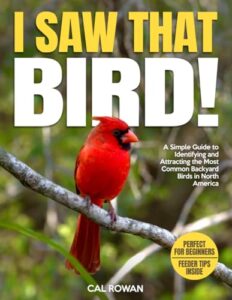
If you prefer a single resource that covers all your backyard visitors, the Backyard Bird Identification Guide Book profiles over 90 common North American species with full-color photographs and simple ID tips. At 8.5 x 11 inches and 7.4 ounces, it’s lighter than most pocket guides yet provides clear visual reference for quick matching at your feeder.
You’ll find practical advice on food choices and feeder setups that attract the birds you want, plus beginner-friendly language that skips the confusing jargon entirely.
| Best For | Brand-new birders and backyard homeowners who want a simple, no-jargon guide to identify common visitors and learn what feeders and foods will bring more birds to their yard. |
|---|---|
| Page Count | 79 |
| Language | English |
| Publisher | Stillwater Press |
| Format Type | Photo Guide |
| Target Audience | Beginner Birders |
| Illustrations/Photos | 90+ Photos |
| Additional Features |
|
- Covers 90 species with full-color photos and straightforward ID tips that make recognition quick and easy
- Includes practical feeder and food advice so you can attract the specific birds you want
- Beginner-friendly language with no confusing technical terms or ornithology jargon
- Limited to common North American backyard birds, so it won’t help if you live in other regions or want to identify rare species
- Some readers may want more photos per species or more detailed behavioral information
- Advanced birders will likely find the content too basic for their needs
5. Backyard Birdwatcher Bible Book
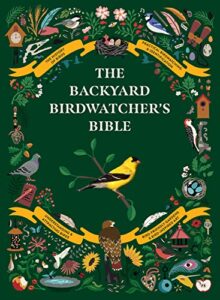
When you need both a learning guide and a living room centerpiece, the Backyard Birdwatcher Bible Book delivers 416 pages of full-color profiles, habitat tips, and garden design advice.
At 7.75 x 9.95 inches, it weighs more than pocket guides—making it ideal for home reference rather than field trips.
You’ll discover practical chapters on feeder installation, nest box selection, and plant lists that attract local species, all written by ornithologists Paul Sterry, Christopher Perrins, and colleagues for readers at every skill level.
| Best For | Bird lovers who want a comprehensive home reference with species profiles, garden tips, and beautiful photography—not a lightweight field guide. |
|---|---|
| Page Count | 416 |
| Language | English |
| Publisher | Abrams Books |
| Format Type | Reference Book |
| Target Audience | Backyard Enthusiasts |
| Illustrations/Photos | Photography & Art |
| Additional Features |
|
- 416 pages of expert-written content covering identification, habitats, feeders, and bird-friendly landscaping
- Stunning full-color photos and maps show males, females, and species ranges across regions
- Helpful for all skill levels, from beginner birdwatching basics to advanced backyard habitat design
- Heavy and bulky at 7.75 x 9.95 inches, making it impractical to carry outdoors
- Some copies arrive with shipping damage to covers or pages
- Not ideal if you need a portable guide for field trips or hiking
6. Sibley Field Guide To Eastern Birds

If you bird east of the Rockies, the Sibley Field Guide To Eastern Birds covers 650 regional species with over 4,600 illustrations that show wingbars, tail patterns, and seasonal plumage shifts—details you need when a warbler lands three feet away.
At 4.82 x 7.78 inches and 464 pages, it slips into a jacket pocket yet provides frequency data, nesting habits, voice descriptions, and migration maps coded for winter, summer, and year-round ranges, making quick field IDs easier for eyes that appreciate clear captions and high-contrast plates.
| Best For | Birders of all skill levels who explore areas east of the Rocky Mountains and want a portable guide with detailed illustrations and migration data for quick field identification. |
|---|---|
| Page Count | 464 |
| Language | English |
| Publisher | Knopf |
| Format Type | Field Guide |
| Target Audience | All Birders |
| Illustrations/Photos | 4,600+ Illustrations |
| Additional Features |
|
- Covers 650 eastern bird species with over 4,600 illustrations showing fine details like wingbars, tail patterns, and seasonal plumage variations
- Compact size (4.82 x 7.78 inches) fits easily in a pocket while still offering comprehensive information on frequency, nesting, behavior, and voice
- Updated range maps clearly distinguish winter, summer, year-round, migration, and rare sightings for accurate seasonal identification
- Text size is small and there’s no large print edition available for users who need easier readability
- Measurements are given in inches rather than metric, which may inconvenience international users
- Limited to birds east of the Rockies, so it won’t help if you travel to western regions
7. Sibley Birds Field Guide Western North America

When you watch birds west of the Rockies, the Sibley Birds Field Guide Western North America delivers 715 species through 5,046 detailed illustrations that capture bill shape, wing patterns, and regional color variations—features critical when identifying similar warblers or flycatchers in coastal or mountain habitats.
At 4.7 x 7.7 inches across 504 pages, it combines portability with extensive range maps coded for winter, summer, migration, and rare sightings, plus flat-open binding that stays put when you’re balancing binoculars and comparing a field mark to the plate.
| Best For | Birdwatchers in Western North America who want a comprehensive, portable field guide with detailed illustrations for identifying species from the Pacific Coast to the Rockies. |
|---|---|
| Page Count | 504 |
| Language | English |
| Publisher | Knopf |
| Format Type | Field Guide |
| Target Audience | Western Birders |
| Illustrations/Photos | 5,046 Illustrations |
| Additional Features |
|
- 715 species with over 5,000 illustrations showing regional variations and field marks like bill shape and wing patterns
- Range maps clearly mark winter, summer, migration, and rare sighting areas across Western North America
- Flat-open binding keeps pages in place while you’re juggling binoculars in the field
- Small print and illustrations may require a magnifying glass for some users
- Heavier than competing field guides, which can be tiring on long hikes
- Similar species are sometimes separated by many pages, making quick comparisons harder
8. National Geographic Bird Field Guide

The National Geographic Field Guide to the Birds of North America gives you 1,023 species across 592 pages, revised with the latest taxonomy and 250 fresh illustrations from top nature artists.
At 1.96 pounds and 5.47 x 8 inches, it balances thorough coverage with manageable weight for longer outings. You’ll find quick-find thumbtabs, high-contrast text for aging eyes, and updated range maps showing where birds breed and winter—details that help you separate similar species when a warbler or sparrow lands in uncertain light.
| Best For | Beginning to advanced birders who want a comprehensive field guide with hand-painted illustrations and the latest taxonomy for identifying birds across North America. |
|---|---|
| Page Count | 592 |
| Language | English |
| Publisher | National Geographic |
| Format Type | Field Guide |
| Target Audience | Beginning to Advanced |
| Illustrations/Photos | Hand-painted Illustrations |
| Additional Features |
|
- Covers 1,023 species with 250 new illustrations and quick-find thumbtabs that make it easy to locate birds in the field
- Uses the latest American Ornithological Society taxonomy so your identifications align with current scientific standards
- Includes detailed range maps, behavior notes, and habitat information that help you separate similar species
- The new taxonomic order might take some getting used to if you’re familiar with older field guides
- Range maps may not reflect recent climate-driven shifts in where birds actually show up
- Hand-painted illustrations can be too bold or detailed for some users who prefer photographic guides
9. Ornithology Textbook Fourth Edition

Frank Gill’s Ornithology Fourth Edition isn’t a field guide you’ll tuck in your pocket—at 688 pages and $185.99, it’s a thorough textbook published by W. H. Freeman in February 2019.
If you want to understand why birds migrate, how feathers evolved, or what drives breeding behavior, you’ll find over 400 color photographs, bolded key concepts, and end-of-chapter questions across five parts covering origin, anatomy, behavior, reproduction, and conservation. It’s designed for students but rewards any curious reader willing to go deep.
| Best For | College students studying ornithology or serious bird enthusiasts who want a comprehensive, research-backed understanding of bird biology beyond what field guides offer. |
|---|---|
| Page Count | 688 |
| Language | English |
| Publisher | W. H. Freeman |
| Format Type | Textbook |
| Target Audience | Students/Laypeople |
| Illustrations/Photos | 400+ Color Photos |
| Additional Features |
|
- Over 400 full-color photos and visual aids make complex topics like anatomy and physiology easier to grasp
- Updated fourth edition includes current research on topics like population ecology and conservation
- End-of-chapter questions and pedagogical elements help reinforce learning for classroom or self-study
- Expensive at $185.99, which some readers feel isn’t justified given the need for supplemental materials
- Dense and technical content may overwhelm casual readers or those looking for lighter introductory material
- Online version lacks page numbers, making it harder to reference specific sections
How to Choose The Right Guide

Picking the right field guide isn’t about finding the “best” book—it’s about finding your book, the one that matches where you live, how you learn, and what feels comfortable in your hands.
A guide that works perfectly for a birder in Arizona might frustrate someone in Maine, and a book that energizes a beginner could bore an experienced observer. Let’s walk through four practical considerations that’ll help you choose a guide you’ll actually use.
Consider Your Geographic Region and Local Species
When you pick a field guide, start with your home turf. Regional birding guides for North American birds focus on local species you’ll actually see—eastern guides emphasize migratory warblers, while western editions highlight different habitat diversity.
Bird identification books for seniors that cover your climate effects and migration patterns make bird watching more rewarding, because you won’t flip past dozens of species that never visit your backyard.
Match Guide Complexity to Your Experience Level
Matching your experience to the right guide boosts confidence fast. If you’re new to birding, look for senior-friendly guides with simple Learning Tracks that start with common yard birds before tackling migratory species.
Guide Reviews often highlight Birding Levels, so you can do a quick Skill Assessment. Experience Matching matters—accessible birding resources for seniors use large print and minimal jargon, while expert field guides add range maps and scientific names for seasoned watchers.
Evaluate Print Vs Digital Format Options
You can choose between print and digital formats, each with trade-offs.
Print Durability wins in rain and rough handling, with large print editions boosting readability and accessibility in senior-friendly guides.
Digital Storage lets you carry dozens of field guide titles with adjustable Screen Readability and Offline Access on trail.
For a Format Comparison, weigh whether digital vs print birding resources suit your grip strength and eyesight best.
Read Reviews and Seek Recommendations
When you compare field guide reviews, look for senior feedback that mentions readability and durability by name. Ask local bird clubs for recommendation strategies suited to your region’s species.
Veteran birders often share which bird identification books for seniors help most with authenticity checks in the field. Reading authentic guide comparisons from experienced watchers ensures you’ll pick a senior-friendly guide that truly works outdoors.
Health Benefits of Birding for Older Adults

Bird watching offers far more than a pleasant hobby—it’s a genuine pathway to better health as you age. When you step outside with your field guide, you’re engaging your mind, calming your nerves, and often connecting with others who share your curiosity.
Let’s look at four specific ways birding benefits your physical and mental well-being.
Cognitive Engagement and Memory Support
Bird watching isn’t just pleasant—it’s a workout for your brain. When you identify species and recall field marks, you’re running mental exercises that strengthen memory retention and cognitive benefits.
Here’s how senior-friendly guides support brain stimulation:
- Memory games through naming birds and recalling details later
- Visual recall exercises matching photos to species names
- Learning strategies using color patterns and wing shapes
- Cognitive stimulation activities like weekly themed quizzes
- Dementia-friendly resources with high-contrast images and simple logs
Stress Reduction Through Nature Therapy
Getting outdoors with your field guide delivers real nature therapy—within 20 minutes in green space, you’ll feel your heart rate settle and stress ease.
Mindful walking while listening to birds song can drop self-reported stress by 10 to 20 points. These calming environments offer outdoor relaxation that promotes cognitive and mental health benefits of bird watching for seniors, especially in parks and forests.
Social Connection via Birding Groups
Joining bird watching groups turns solo outings into social learning adventures where you’ll swap field marks and share sightings.
When you walk with local birding communities, mentorship programs pair seasoned members with beginners—buddies who point out tricky species and favorite hotspots.
These outdoor recreation for seniors groups foster community engagement through regular meetups, building social connections that extend beyond group outings into lasting friendships.
Many clubs actively foster inclusivity and cultural diversity, enriching the birding experience for all members.
Support for Dementia and Memory Loss
When memory slips like sand through fingers, picture-rich field guides become dementia-friendly resources that anchor attention and spark reminiscence activities.
When memory fades, picture-rich field guides anchor attention and spark reminiscence through dementia-friendly design
Large high-contrast images with simple one-line captions serve as memory aids, reinforcing cognitive stimulation through bird therapy. You’ll find these guides support memory retention while delivering cognitive and mental health benefits of bird watching—gentle dementia care that honors readability and accessibility for seniors facing cognitive challenges.
Enhancing Your Bird Watching Experience

You’ve got your field guide—now it’s time to get even more from your birding adventures. Whether you’re exploring digital tools, building a backyard habitat, or connecting with fellow birders, the right strategies can transform occasional sightings into meaningful experiences.
Here’s how to deepen your engagement with the birds around you.
Using Digital Apps Alongside Field Guides
When you pair mobile apps with your paper field guide, you activate powerful digital ID tools that speed up bird identification in the field.
Apps like eBird and other birding software offer app integration that matches songs to species, while virtual guides provide photo comparisons and range maps on your phone.
Mobile accessibility features let you adjust text size, and most apps work offline—perfect when cell service isn’t available.
For more details on essential birding field guides, explore resource pages designed to suit all skill levels.
Quick-Access Indexes and Visual Reference Tools
Field guides built for seniors pack visual aids that slash search time when you spot a bird overhead. Index systems with color-coded tabs divide species by wetland, forest, and urban habitats, so you flip straight to the right section.
Reference clusters group similar bird profiles with high-quality photos and bold page numbers, turning your senior-friendly guide into a true navigation tool for quick, confident identification.
Creating a Bird-Friendly Backyard Environment
Once you know how to identify birds, your own yard becomes the best classroom. Attracting birds to yards starts with native plantings that supply seeds and berries year-round, while shallow bird baths offer drinking water.
Add these five steps for backyard birding success:
- Plant aster, coneflower, and serviceberry for natural food sources
- Install predator-guarded nest boxes at proper heights
- Position bird baths in open areas near cover
- Layer shrubs from groundcover to small trees for shelter creation
- Schedule garden maintenance after nesting season ends
Clean feeders weekly and store seed in sealed containers—this simple routine facilitates bird identification practice right outside your window, turning every senior-friendly guide into a daily reference for bird watching adventures.
Joining Birding Tours and Community Activities
Beyond your backyard, birding tours connect seniors with fellow enthusiasts who share field guide tips and bird species insights during group outings.
Tour logistics handle permits and transport, while guides prioritize birding tour safety through briefings and rest stops.
Community events like photo swaps and local club meetups strengthen group dynamics, turning bird watching into a shared adventure where your bird identification skills and bird watching journal entries spark lasting friendships.
Frequently Asked Questions (FAQs)
What is the best field guide for birds?
The Sibley Guide to Birds stands out for detailed illustrations and thorough coverage, though your ideal choice depends on whether you need eastern or western regional focus and prefer photographs over drawings.
What binoculars work best for senior birders?
You’ll want 8×42 or 10×42 binoculars with 15mm eye relief for eyeglass wearers, quick focus speed, image stabilization for steadier viewing, and fully multi-coated lens coating to enhance brightness during dawn bird watching sessions.
How do I clean field guide pages?
Gently dust delicate pages using soft cloths. Dab dampened (not dripping) cloths on stubborn smudges, then dry immediately.
Skip harsh cleaners. Proper page preservation keeps waterproof pages readable and your senior-friendly field guides durable through seasons.
Can I birdwatch from a wheelchair?
Yes, wheelchair birding works beautifully. Accessible trails with firm surfaces, seated viewing platforms, and adaptive equipment like tripod-mounted binoculars let you enjoy bird watching comfortably.
Many parks now offer inclusive tourism programs for seniors.
What clothing is recommended for birding trips?
Most birders dress for the trail, not the opera—yet proper layered clothing transforms your outing.
Start with moisture-wicking base layers, add insulation, then protective gear in muted earth tones for camouflage tips and comfortable bird watching.
Are there birding clubs specifically for seniors?
Many local senior centers host weekly birding outings with accessible routes, while national associations maintain senior-friendly club listings.
These groups often provide adaptive gear, social gatherings, and volunteer roles that make bird watching welcoming for older adults.
Conclusion
It’s ironic: the creatures you’re watching can spot a seed from fifty feet away, yet we needed decades to design bird field guides for seniors that don’t require a magnifying glass.
Now you have options that respect both your passion and your vision. Choose a guide that fits your region, matches your experience level, and feels comfortable in your hands. Then step outside—those cardinals and warblers aren’t getting any younger either, and they’re waiting for you to notice them.