This site is supported by our readers. We may earn a commission, at no cost to you, if you purchase through links.
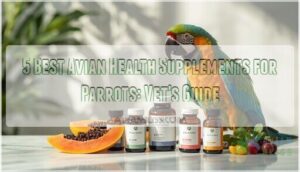
Your parrot’s pellet-heavy diet might be missing critical nutrients, even if you’ve invested in premium brands. Most commercial formulations fall short on specific vitamins, minerals, and fatty acids that wild parrots obtain from diverse tropical foods—deficiencies that won’t show symptoms until organ damage begins.
Veterinary clinics regularly see parrots with flaky beaks, poor feather quality, and weakened immunity, conditions that could’ve been prevented with targeted supplementation. The challenge isn’t whether your bird needs avian health supplements for parrots, it’s identifying which nutrients require boosting and selecting products that deliver bioavailable forms without risking toxicity.
Understanding the science behind supplement selection separates guesswork from evidence-based care that extends your companion’s lifespan.
Table Of Contents
- Key Takeaways
- Essential Nutrients in Parrot Supplements
- Factors to Consider When Choosing Supplements
- Top Avian Health Supplements for Parrots
- Safe Supplement Use and Monitoring
- Frequently Asked Questions (FAQs)
- What supplements do parrots need?
- How do I know if my parrot has a vitamin deficiency?
- What are signs of poor parrot nutrition?
- Can parrots share supplements with other pet birds?
- Do wild parrots need supplements in captivity?
- How long do supplements take to show results?
- Are organic supplements better than synthetic versions?
- What supplements help parrots during molting season?
- Conclusion
Key Takeaways
- Commercial parrot pellets often lack critical nutrients like vitamin A, calcium, and omega-3 fatty acids that wild parrots obtain from diverse tropical foods, creating deficiencies that cause organ damage before symptoms appear.
- Supplement selection requires matching your bird’s species, age, and current diet to specific nutrient gaps—seed-heavy diets typically need vitamin A and calcium, while pellet-fed birds may need fewer additions.
- Safe supplementation demands precise dosing based on body weight and monitoring for toxicity signs, since fat-soluble vitamins like A and D3 accumulate in the liver and mineral imbalances trigger organ stress.
- Quality supplements should meet Good Manufacturing Practices standards with third-party testing for contaminants, and you’ll need veterinary guidance to prevent over-supplementation or dangerous nutrient interactions.
Essential Nutrients in Parrot Supplements
Your parrot’s health starts with the building blocks you provide—vitamins, minerals, fatty acids, and probiotics that work together like a well-tuned orchestra.
Even with premium pellets and fresh foods, many parrots still develop common nutrient gaps in pet birds that compromise their long-term health.
When you understand what each nutrient does, you can spot gaps in your bird’s diet and make smarter choices about supplementation. Let’s break down the essential nutrients that keep your parrot thriving, from immune-boosting vitamins to gut-friendly probiotics.
Key Vitamins for Parrot Health
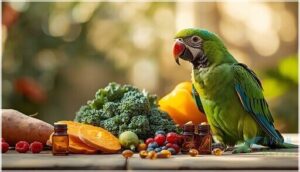
You want your parrot to thrive, not just survive, and that starts with critical vitamins.
Vitamin A benefits skin, feather follicles, and immunity—seed diets often fall short, leading to flaky beaks and respiratory trouble. Chronic vitamin A deficiency is a leading concern in parrots fed a seed-only diet, often resulting in serious nutrition-linked issues.
Vitamin D3 importance lies in calcium absorption for strong bones and eggshells.
Vitamin E sources protect cells as antioxidants, while B complex role fuels energy and metabolism, keeping your bird active and vibrant.
Important Minerals and Their Roles
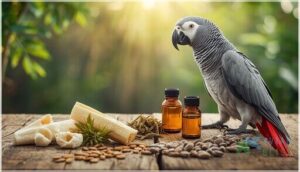
Vitamins set the stage, but minerals complete the picture. Calcium balance and phosphorus levels must hit a roughly 2-to-1 ratio in growing birds, and even slight imbalances weaken bones fast. Without vitamin D3, your parrot can’t absorb calcium at all.
Watch for three red flags:
- Iodine deficiency causing goiter and breathing trouble
- Zinc toxicity from chewed galvanized metal
- Selenium benefits lost when dietary levels swing too high or low
Mineral deficiencies quietly erode avian nutrition and health—omega-3 fatty acids help, but balanced minerals matter most. For a deeper understanding of why iodine is essential, see the risks associated with.
Fatty Acids and Probiotics Benefits
Minerals build structure, but omega-3 fatty acids fine-tune inflammation control and feather quality.
A 4:1 omega-6 to omega-3 balance promotes reproductive health, cognitive function, and cardiovascular endurance in your bird.
Probiotic supplements restore gut health after stress or antibiotics by boosting beneficial bacteria that improve nutrient absorption, strengthen the intestinal barrier, and reduce pathogen load—core pillars of parrot health and wellness.
How Supplements Fill Dietary Gaps
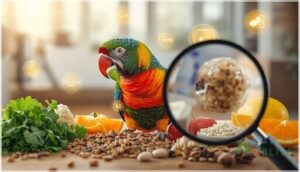
Even balanced diets leave gaps. Seed-heavy meals lack vitamin A, calcium, and iodine; heat-processed pellets lose some B vitamins; selective eaters skip vegetables altogether.
Avian vitamin supplements correct these dietary imbalances with targeted nutrient deficits coverage. Gap analysis reveals whether your parrot needs multivitamins, mineral blends, or fatty acid boosters—supplement efficacy depends on matching formulation to actual shortfalls in avian nutrition.
Factors to Consider When Choosing Supplements
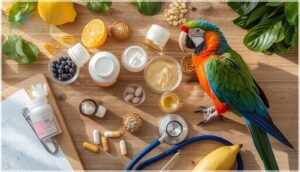
Choosing the right supplement for your parrot isn’t a one-size-fits-all decision. You need to match the product to your bird’s unique biology, current diet, and health status, while ensuring what you’re giving is both safe and effective.
Let’s walk through the key factors that’ll guide you toward the best choice for your feathered companion.
Species, Age, and Dietary Needs
Not all parrots need the same nutritional supplements for birds, because species variations and age factors shape dietary needs in fundamental ways. You can’t simply grab any avian vitamin supplements without matching them to your bird’s unique biology and life stage.
Consider these health considerations when evaluating parrot nutrition:
- Granivorous species like budgerigars thrive on grain-heavy parrot diets with pellets and vegetables
- Frugivorous parrots including Amazons and Eclectus require higher fresh fruit intake
- Growing chicks need protein-dense formulas compared to adult maintenance plans
- Senior parrots benefit from easily digested, antioxidant-rich foods with reduced calories
- Breeding hens demand extra calcium and vitamin D3 for eggshell formation
Your parrot’s activity level, housing, and any medical conditions further modify supplement choices.
Identifying Nutritional Deficiencies
Recognition of malnutrition signs guides your supplement choices, because visible clues often reveal hidden nutritional gaps before blood tests confirm them. Watch for these common vitamin and mineral deficiencies:
| Physical Sign | Likely Nutrient Imbalance |
|---|---|
| Dull, frayed feathers; poor feather health | Vitamin A, amino acids, minerals |
| Overgrown, flaking beak; beak problems | Vitamin A, calcium, phosphorus |
| Nasal discharge, sneezing; respiratory issues | Vitamin A deficiency |
| Weakness, seizures in African greys | Calcium, vitamin D3 shortage |
Avian vitamin supplements and nutritional supplements for birds correct these deficits when you identify them early and match vitamin supplements for birds to your parrot’s specific presentation.
Supplement Forms and Administration
The physical form of avian vitamin supplements determines how effectively you’ll deliver them to your bird. Most nutritional supplements for birds come in five formats:
- Powder mixing over soft foods like chop or soaked pellets for measured intake
- Water administration requiring fresh daily solution and precise ratios per ounce
- Food delivery through moist carriers such as warm mash or favorite fruits
- Oral dosing via syringe for accurate body-weight calculations
- Supplement storage in cool, dry conditions to preserve potency
Choose forms matching your parrot’s eating habits when supplementing parrot diets.
Quality, Safety, and Veterinary Guidance
You want avian vitamin supplements produced under Good Manufacturing Practices and screened for heavy metals, microbial contaminants, and mycotoxins through third-party testing. Manufacturing standards and quality control reduce toxicity prevention risks, while regulatory compliance ensures labels match actual nutrient levels.
Always seek veterinary advice for parrots before adding parrot supplements, because avian veterinary care professionals tailor dosing to your bird’s species, diet, and health status, preventing avian health and nutrition problems linked to veterinary oversight gaps.
Top Avian Health Supplements for Parrots
You’ll find hundreds of supplement brands on the market, but only a handful meet the specific nutritional needs of parrots while maintaining the safety standards I recommend in clinical practice.
The five products below represent formulations I’ve evaluated for ingredient quality, species-appropriate ratios, and practical administration methods that actually work in real-world settings. Each targets different nutritional gaps you might encounter depending on your parrot’s diet, age, and health status.
1. Wild Harvest Bird Vitamin Supplement
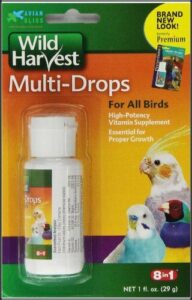
Wild Harvest Multi-Drops delivers a potent vitamin punch in a tiny package—1 fluid ounce of liquid concentrate supplies about 36,250 IU of vitamin A, 3,625 IU of vitamin D3, and a strong B-complex profile to support immune function, calcium regulation, and energy metabolism in your parrot.
You’ll add just one drop per ounce of drinking water daily, mixing fresh vitamin-treated water each morning and discarding leftovers to maintain effectiveness. This unflavored formula works well for seed-based diets, though careful dosing prevents toxicity.
| Best For | Bird owners feeding seed-based diets who need a simple way to boost vitamin intake through drinking water. |
|---|---|
| Form | Drop |
| Target Species | All birds |
| Life Stage | All stages |
| Primary Benefit | Supports proper growth |
| Vitamin Content | High-potency vitamins |
| Country of Origin | USA |
| Additional Features |
|
- High-potency formula with 36,250 IU vitamin A plus D3 and B-complex supports immune health and proper growth
- Easy one-drop-per-ounce dosing makes daily supplementation simple and precise
- Works for multiple bird species including canaries, parakeets, and cockatiels
- Leaves yellow stains in water feeders that are difficult to clean
- Requires daily fresh mixing since leftover vitamin-treated water must be discarded
- High potency demands careful dosing to avoid vitamin toxicity
2. Oasis Vita Drops Multivitamin for Birds
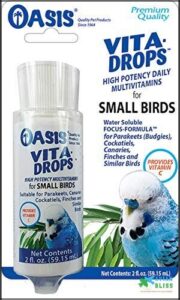
Oasis Vita Drops offers a water-based liquid formula designed for small cage birds—parakeets, canaries, finches, cockatiels, conures, and lovebirds—with a separate high-potency version for larger parrots.
Each fluid ounce delivers 2,960 IU of vitamin A, 1,480 IU of D3, 65 IU of vitamin E, plus a complete B-complex and 740–1,000 mg of vitamin C to support immunity and stress resilience.
You’ll shake well, then mix the measured dose into your bird’s drinking water daily, watching to verify acceptance since birds can be picky about fortified water.
| Best For | Bird owners looking for an easy-to-use daily multivitamin that mixes into drinking water for parakeets, canaries, finches, cockatiels, and other small cage birds. |
|---|---|
| Form | Liquid |
| Target Species | Small cage birds |
| Life Stage | All stages |
| Primary Benefit | Immune system health |
| Vitamin Content | Complete multivitamin |
| Country of Origin | USA |
| Additional Features |
|
- Complete vitamin and mineral formula with extra vitamin C to boost immune system health
- Simple liquid form that mixes into water—no need to force-feed pills or powders
- Made in the USA with high-quality ingredients specifically formulated for small bird species
- Has a strong, unpleasant smell that some users find off-putting
- Birds can be picky and may refuse to drink fortified water, making acceptance unpredictable
- Not a replacement for vet care if your bird is seriously sick or showing signs of infection
3. Hari Hagen Parrot Vitamin Supplement
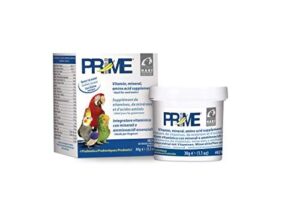
Hari Hagen Prime delivers 14 vitamins, 9 minerals, and lysine and methionine amino acids in an ultra-fine powder you’ll sprinkle over moist foods—greens, chopped vegetables, fruit—rather than dry seed.
Each 1 c.c. dose includes 3.85 million colony-forming units of Lactobacillus acidophilus and Streptococcus faecium, plus amylase and protease enzymes to help your parrot break down starches and proteins more efficiently.
Small birds receive 0.5 c.c. daily, medium parrots 1 c.c., large species 1.5 c.c., ensuring consistent intake without waste.
| Best For | Bird owners looking to improve their parrot’s feather quality, digestion, and overall health through a comprehensive vitamin and mineral supplement with probiotics. |
|---|---|
| Form | Powder |
| Target Species | Seed-eating birds |
| Life Stage | All stages |
| Primary Benefit | Improved digestion |
| Vitamin Content | 14 vitamins |
| Country of Origin | Not specified |
| Additional Features |
|
- Combines vitamins, minerals, amino acids, enzymes, and probiotics in one formula for complete nutritional support
- Micro-encapsulated probiotics deliver millions of beneficial bacteria to support digestive health
- Easy dosing system with clear measurements based on bird size (0.5 to 1.5 c.c. depending on species)
- Small 1.1 oz container may run out quickly with daily use, especially for multi-bird households
- Strong odor can be off-putting during preparation and mixing
- Loose powder format only works well with moist foods, limiting application options compared to water-soluble supplements
4. Vitakraft Egg Food for Birds
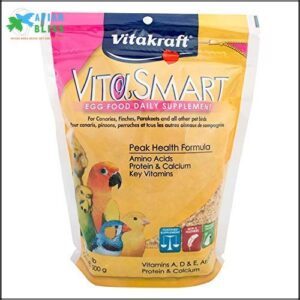
Unlike pure vitamin powders, Vitakraft Egg Food puts protein front and center—dried egg delivers 17.5 percent crude protein, while white millet and niger seed add familiar textures your parrot already recognizes.
You’ll get 49,940 IU vitamin A per kilogram, 4,400 IU D3, and 143 IU vitamin E, plus B vitamins and calcium. Mix two tablespoons into pellets dry, or moisten it with water to create a soft mash during molt, breeding, or recovery from illness when extra calories and amino acids matter most.
| Best For | Bird owners who want a protein-rich supplement to support their parrots, parakeets, canaries, finches, or cockatiels during molting, breeding, or recovery periods. |
|---|---|
| Form | Seeds |
| Target Species | All bird species |
| Life Stage | All life stages |
| Primary Benefit | Daily nutrition |
| Vitamin Content | Vitamins A, D, E |
| Country of Origin | Not specified |
| Additional Features |
|
- High protein content from real eggs (17.5%) combined with seeds birds naturally enjoy, making it easy to mix into their regular diet
- Packed with vitamins A, D3, E, and B-complex plus calcium to support energy, growth, and overall vitality
- Flexible serving options—use it dry as a topper or moistened into a soft mash when your bird needs extra nutrition
- Price point at $12.48 for 1.1 pounds may feel steep compared to basic seed mixes
- Packaging doesn’t always hold up in shipping, leading to spills or crushed product on arrival
- Results vary by bird, so you’ll want to check with your vet before adding it as a regular supplement
5. Nekton Multi Vitamin for Birds
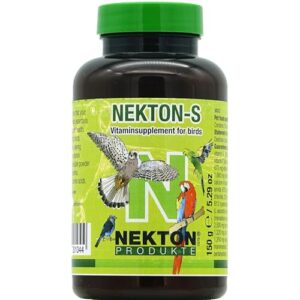
Nekton-S delivers thirteen vitamins, eighteen free-form amino acids, and minerals in a single unflavored powder that’s been trusted in zoos and breeding facilities for over thirty-five years.
You’ll find 6,600,000 IU vitamin A per kilogram, 10,000 IU D3, and trace minerals like iron at 3,000 mg per kilogram to support feather, blood, and thyroid health.
Mix one level gram into 250 ml drinking water or 100 g soft food daily, replacing the solution each morning since vitamins degrade when exposed to light and heat.
| Best For | Bird owners looking for a comprehensive daily vitamin supplement to support feather health, reduce stress, and fill nutritional gaps in seed-based diets. |
|---|---|
| Form | Powder |
| Target Species | All caged birds |
| Life Stage | All life stages |
| Primary Benefit | Stress reduction |
| Vitamin Content | 13 vitamins |
| Country of Origin | Not specified |
| Additional Features |
|
- Contains 13 vitamins, 18 amino acids, and essential minerals in one powder for complete daily nutrition
- Helps maintain smooth feathers and reduces stress-related behaviors like feather picking
- Trusted zoo-grade formula that’s been used in professional breeding facilities for over 35 years
- Turns drinking water yellow when mixed, which may be unappealing to some birds
- Requires daily water changes since vitamins break down quickly when exposed to light and heat
- Powder can be difficult to scoop from the bottle without tweezers or a small measuring tool
Safe Supplement Use and Monitoring
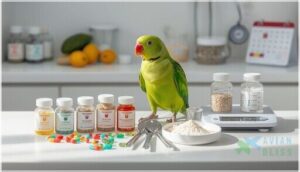
Even the best supplements can backfire if you’re not careful with dosing, storage, or timing. Your parrot’s safety hinges on knowing the fine line between helpful and harmful, which shifts based on what they already eat and how their body responds.
Here’s what you need to watch for to keep supplementation safe and effective.
Proper Dosing and Avoiding Toxicity
You can’t treat supplements like a “more is better” game—toxicity thresholds in parrots are far lower than in people, and dose calculations must factor in your bird’s body weight, species, and daily food intake.
Supplements aren’t a more is better game—parrots have lower toxicity thresholds than humans, so dosing must match body weight, species, and diet
Vitamin overload, especially with fat-soluble A or D3, builds up silently in the liver, while mineral balance mistakes can trigger diarrhea or organ stress, so safe administration means sticking to label limits and never stacking multiple vitamin supplements.
Monitoring Health and Adjusting Dosage
Effective health tracking starts with weekly weigh-ins on the same digital scale, watching for 5-to-10-gram shifts that can flag dosage problems early.
Recording daily food intake, droppings, and behavior builds a pattern you’ll share with your avian vet during follow-up visits, where nutrient panels confirm whether your vitamin supplements are correcting deficiencies or overshooting safe limits.
Dosage adjustments rely on veterinary guidance, not guesswork.
Recognizing Signs of Over- or Under-supplementation
Vigilance catches subtle shifts before crisis strikes. Watch for these red flags that signal nutrient imbalance in your bird’s avian health:
- Dropping analysis reveals diarrhea, bright yellow urates from liver stress, or gritty white deposits pointing to vitamin D excess.
- Feather condition shows dullness or frayed tips when vitamin deficiency limits growth.
- Beak health deteriorates with soft, flaky surfaces from calcium imbalance.
- Behavior changes include lethargy, weakness, seizures in calcium-deficient African greys, or irritability from toxicity.
- Appetite shifts paired with weight loss warn of organ damage from chronic supplement safety missteps.
Vitamin supplements work only when you monitor their effects closely.
Best Storage and Handling Practices
Protection starts the moment you bring vitamin supplements home. Temperature control between 15 and 25 degrees Celsius preserves potency, while moisture management demands cool, dry storage away from steam and humidity. Container storage in original opaque packaging shields light-sensitive vitamins, and handling protocols limit air exposure during daily use. Expiration tracking through batch dates ensures supplement safety and efficacy for ideal bird health.
| Storage Factor | Best Practice | Why It Matters |
|---|---|---|
| Temperature control | Keep at 15–25°C, avoid heat above 30°C | Prevents oxidation, preserves vitamin stability |
| Moisture management | Store away from sinks, steam, open windows | Blocks mold, bacterial growth, powder clumping |
| Container storage | Use original opaque bottles, seal tightly | Shields from light, limits air exchange |
| Handling protocols | Open briefly, keep hands dry, replace water daily | Reduces contamination, maintains freshness |
Frozen fortified pellets stay viable for six months, but thawed products require prompt use within weeks to maintain avian veterinary care standards.
Frequently Asked Questions (FAQs)
What supplements do parrots need?
Parrots eating all-seed diets often need vitamin A, calcium paired with vitamin D3, and B-complex vitamins to prevent deficiencies. Birds on balanced pellets with fresh foods usually require fewer supplements.
How do I know if my parrot has a vitamin deficiency?
Watch for dull feathers, flaky skin, nasal discharge, or weight loss despite steady appetite—these signal vitamin shortfalls.
Behavior shifts, weak grip, and diet history help your avian vet confirm deficiency.
What are signs of poor parrot nutrition?
One powerful theory states that feathers reveal everything—and it’s largely true.
Dull plumage, beak issues, skin problems, and dropping color changes expose nutrition deficits faster than lab work, making bird health observation your first diagnostic tool.
Can parrots share supplements with other pet birds?
Most bird supplements are formulated with species-specific dosing, diet variations, and vitamin and mineral balance in mind, so sharing between parrots and smaller birds risks over-supplementation or deficiency.
Always follow label warnings and veterinary advice for parrots.
Do wild parrots need supplements in captivity?
Ironically, bringing a wild parrot indoors often strips away the dietary balance nature provided.
Captive diet needs shift dramatically—seed-heavy meals lack vitamin A and calcium, making targeted parrot supplements essential for avian health where wild nutrition once sufficed.
How long do supplements take to show results?
Most parrot supplements show subtle health improvements within two to four weeks of consistent use, though feather quality changes require a full molt cycle—usually six to twelve weeks—for visible results.
Are organic supplements better than synthetic versions?
Picture two supplement bottles side by side—one labeled “organic,” the other “synthetic.” Neither guarantees superiority.
Nutrient absorption, supplement stability, and your parrot’s dietary needs for parrots matter more than label claims.
What supplements help parrots during molting season?
During molt, you’ll want to focus on vitamin A, vitamin D3, B complex, and calcium supplements to support feather regrowth.
Adding omega-3 fatty acids and probiotics helps maintain skin health and nutrient absorption throughout this demanding period.
Conclusion
An ounce of prevention beats a pound of cure—especially when organ damage develops silently over months. Your parrot’s longevity hinges on nutrient precision, not guesswork with avian health supplements for parrots.
Cross-reference deficiency symptoms with bloodwork results, choose bioavailable formulations from reputable manufacturers, and maintain dosing records that prevent toxicity. Monitor beak texture, feather quality, and activity levels quarterly.
Supplementation isn’t optional care—it’s the difference between surviving captivity and thriving in it.
- https://www.merckvetmanual.com/management-and-nutrition/nutrition-exotic-and-zoo-animals/nutrition-in-psittacines
- https://abirdtoy.com/blogs/news/supplements-for-parrots
- https://www.northernparrots.com/blog/calcium-vitamin-d-specialised-lighting/
- https://birdpalproducts.com/products/probiotic-powder
- https://www.glamac.com/blog/an-introduction-to-poultry-probiotics-unleashing-the-health-benefits-for-your-flock/