This site is supported by our readers. We may earn a commission, at no cost to you, if you purchase through links.
 Your
Your
Table Of Contents
- Key Takeaways
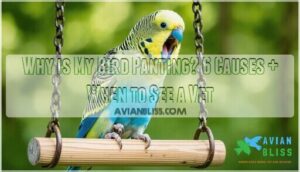
- Why is My Bird Panting?
- Possible Causes of Bird Panting
- What Bird Panting Means
- What to Do if My Bird is Breathing Heavy
- Bird Panting With Mouth Open
- Bird Panting After Hitting Window
- Parrot Panting: Exercise and Overheating
- Parrot Panting: Stress and Anxiety
- Parrot Panting: Respiratory Issues
- Parrot Panting: Toxicity
- When to See a Vet for Bird Panting
- Frequently Asked Questions (FAQs)
- Why does my bird Pant a lot?
- Why does a bird pant with its mouth open?
- Why does my Baby Bird Pant and breathe?
- Why does my bird open its mouth?
- Why is my budgerigar panting?
- Why does my birdie poop a lot?
- Why do birds Pant?
- Why do birds Pant when exercising?
- Is it normal for a bird to Pant?
- What is Panting in birds?
- Conclusion
Key Takeaways
- Heat stress is the most common cause – Your bird pants to cool down since they can’t sweat, so move them to a cooler, well-ventilated area immediately if you notice excessive panting.
- Watch for emergency warning signs – If your bird’s panting with an open mouth, showing tail bobbing, lethargy, or discharge, you need to contact an avian vet right away.
- Stress and toxins trigger panting too – Environmental changes, loud noises, cleaning fumes, or Teflon cookware can cause respiratory distress in your feathered friend.
- Don’t wait to get help – Since birds hide illness well, persistent panting that doesn’t resolve quickly often signals serious health problems requiring immediate veterinary attention.
Why is My Bird Panting?
Bird panting can signal various Bird Health concerns that require your attention.
When you notice your feathered friend displaying Panting Symptoms, it’s often their way of communicating distress. Respiratory Issues frequently trigger this behavior, as birds lack sweat glands and rely on panting for temperature regulation.
Stress or anxiety from environmental changes can also cause respiratory distress. Heat exposure, exercise, or underlying health problems may explain why is my bird panting.
Bird Behavior changes like bird panting shouldn’t be ignored. Proper Avian Care involves monitoring these symptoms closely. Understanding panting patterns helps you respond appropriately and guarantees your bird’s wellbeing through timely intervention.
Possible Causes of Bird Panting
Bird panting can stem from several causes that range from normal responses to serious health concerns.
Understanding these triggers helps you determine when your feathered friend needs immediate attention versus when you can address the issue at home, which is crucial for the bird’s well-being and your peace of mind.
Rigorous Exercise

Just like you’d catch your breath after a sprint, vigorous activity naturally triggers exercise induced panting in birds.
Their metabolic rate skyrockets during intense play or flight, causing physical stress and potential heat exhaustion from overexertion.
- Bird panting helps expel excess carbon dioxide produced during activity
- Parrot panting typically resolves within minutes once they rest
- Parakeet panting becomes more noticeable in unfit or overweight birds
- Recovery time indicates your bird’s fitness level and overall health
Stress
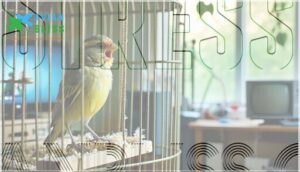
Stress and anxiety can trigger panting in your feathered friend.
Environmental stress from habitat changes, social anxiety from isolation, and noise pollution create behavioral changes. Cage stress from cramped spaces intensifies the problem.
Stress-induced panting often accompanies fear responses.
Combat this through stress reduction strategies: provide companionship, maintain routines, and create quiet spaces for recovery.
Utilizing effective bird calming products can also help alleviate stress in birds.
High Temperatures
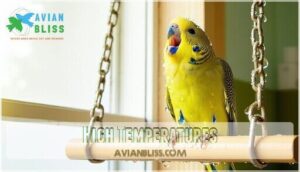
When temperatures climb above 80°F, your feathered friend faces real danger. Unlike mammals, birds can’t sweat—they rely entirely on panting and gular fluttering for avian thermoregulation. Heat stress develops quickly, especially in poorly ventilated spaces or direct sunlight.
Research on bird heat tolerance shows that birds can handle high temperatures more effectively than previously thought.
Here’s what puts your bird at risk:
- Trapped heat: Caged birds can’t seek natural shade like wild birds, making temperature control your responsibility
- High humidity: Even moderate temperatures become deadly when combined with poor ventilation tips aren’t followed
- Silent suffering: Birds hide distress until heat stress management becomes critical—sometimes too late
Watch for constant panting with an open beak, wings held away from the body, and lethargy. Immediate shade provision and cooling can save your bird’s life during summer care emergencies.
What Bird Panting Means
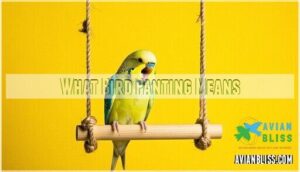
Your bird’s panting isn’t always cause for alarm—it’s their built-in air conditioning system. Since birds lack sweat glands, they rely on rapid breathing to cool down.
However, panting can signal deeper issues beyond temperature control.
| Panting Type | Bird Behavior | What It Means |
|---|---|---|
| Normal cooling | Open beak, calm posture | Heat regulation response |
| Stress or anxiety | Fluffed feathers, restless | Environmental trigger reaction |
| Respiratory distress | Labored breathing, tail bobbing | Potential health concern |
| Exercise recovery | Quick panting, then normal | Post-activity cooling |
Understanding these Breathing Patterns helps you recognize when your feathered friend needs immediate attention versus routine cooling.
What to Do if My Bird is Breathing Heavy

When heavy breathing strikes, quick First Aid can prevent escalation. Your bird needs immediate Emergency Care attention through these Cooling Tips:
- Relocate immediately: Move your bird to a cooler, well-ventilated area away from direct heat sources
- Enhance Ventilation Help: Open windows or use fans to improve airflow without creating drafts
- Provide Hydration Advice: Offer fresh water within easy reach to combat dehydration from respiratory distress
- Minimize stress: Create a quiet, dimly lit environment to reduce anxiety-induced labored breathing
- Monitor closely: Watch for worsening symptoms like tail bobbing or persistent open-mouth breathing
Don’t handle your bird unnecessarily—this adds stress and worsens the situation. Understanding basic bird first aid techniques is essential in such emergencies.
Bird Panting With Mouth Open
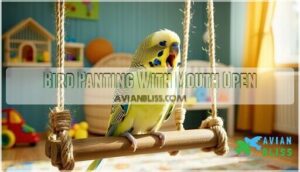
Open-mouth panting signals your feathered friend needs immediate attention. This respiratory distress often stems from heat stress, toxic exposure, or underlying health issues that compromise avian health.
| Cause | Signs | Immediate Action |
|---|---|---|
| Heat Stress | Open beak, wings spread, lethargy | Move to cool, ventilated area immediately |
| Respiratory Distress | Labored breathing, tail bobbing | Remove irritants, check air quality |
| Toxic Exposure | Sudden onset panting symptoms | Eliminate fume sources, seek emergency care |
When you notice why is my bird panting with mouth open, don’t wait. Bird panting through an open beak means their cooling system’s working overtime. Unlike dogs, birds can’t sweat, so openmouth breathing becomes their emergency valve. Quick assessment saves lives.
Bird Panting After Hitting Window
Window collisions are scary for both you and your feathered friend. When bird panting follows a window collision, immediate action prevents further trauma response. Your bird’s body enters bird shock – a protective mechanism that can worsen without proper recovery care.
Head injury symptoms often include open-mouth breathing and disorientation. Stress or anxiety compounds the situation, making respiratory distress more severe. Think of it like a person hyperventilating after a fright – your bird’s doing something similar.
Here’s your action plan:
- Move your bird to a quiet, dimly lit space away from household chaos
- Avoid offering food or water during the initial shock phase
- Monitor breathing patterns for signs of improvement or deterioration
Panting after impact signals your bird’s working overtime to cope. Most recover within 30 minutes, but persistent symptoms warrant veterinary attention.
Parrot Panting: Exercise and Overheating

After vigorous Physical Activity like flying or climbing, your parrot may pant to cool down naturally. This temporary response helps regulate body temperature following Overexertion. Flying demands intense energy, so older birds often prefer walking or hopping to avoid exhaustion.
Thermal Regulation becomes challenging for overweight parrots, making Heat Stress more likely during exercise. Maintaining a healthy weight through balanced nutrition and regular activity prevents excessive panting episodes.
Environmental Factors substantially impact your parrot’s comfort. These birds thrive between 65-80°F with 40-60% humidity. Without sweat glands, they’re vulnerable to overheating when temperatures climb or artificial heating creates stuffy conditions.
Watch for overheating signs: puffed feathers, spread wings, exercise avoidance, behavioral changes, and heavy breathing. If your parrot shows these symptoms, act quickly. Move their cage to shade, provide gentle misting, use indirect fan circulation, or offer room-temperature baths. These cooling strategies help restore normal breathing patterns. Understanding respiratory health issues is vital for identifying underlying causes of panting in parrots.
Parrot Panting: Stress and Anxiety
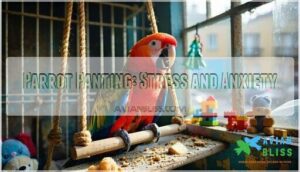
Stress and anxiety trigger panting in parrots when their breathing rate increases substantially. Your bird might experience environmental stress from cramped cages, dirty conditions, or sudden habitat changes. Social anxiety develops when parrots face isolation or excessive handling, while noise phobia occurs from loud sounds or unexpected disturbances.
Stressed parrots breathe fast – cramped cages and loud noises trigger anxiety panting.
Neophobia—fear of new objects—commonly affects parrots, making them pant when encountering unfamiliar items. Some birds develop chronic stress that manifests as feather plucking alongside panting episodes.
Creating a comfortable environment reduces stress-induced panting. Provide regular companionship, maintain clean living spaces, and establish consistent routines. Limit handling when your parrot seems overwhelmed, minimize loud noises, and introduce new items gradually.
Behavioral therapy techniques help anxious birds adapt to changes. Position cages away from high-traffic areas, offer plenty of toys for mental stimulation, and make certain adequate sleep periods. If parrot panting from stress persists despite environmental improvements, consider consulting an avian behaviorist. Addressing underlying anxiety prevents bird panting episodes and promotes better overall health for your feathered companion. Using calming toys can also help alleviate stress and anxiety in parrots.
Parrot Panting: Respiratory Issues
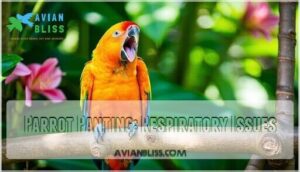
Beyond anxiety, your parrot’s panting might signal serious respiratory health concerns that demand immediate attention.
When your bird’s air quality gets compromised, their delicate respiratory system responds with visible distress.
Common respiratory triggers include:
- Bacterial infections like Chlamydia psittaci cause acute breathing difficulties and can spread rapidly
- Fungal infections, particularly Aspergillus, create severe lung disease that’s often fatal without treatment
- Airborne irritants from cigarette smoke, non-stick cookware fumes, or cleaning products damage respiratory tissues
- Vitamin A deficiency weakens respiratory tract defenses, making infections more likely
Watch for additional warning signs: tail bobbing, open-mouth breathing, wheezing sounds, or nasal discharge. These symptoms indicate your parrot’s struggling to get enough oxygen.
Respiratory distress isn’t something you can "wait out." Poor air quality and lung disease progress quickly in birds. Their efficient respiratory system, while excellent for flight, makes them incredibly vulnerable to airborne threats.
If you notice persistent bird panting combined with these symptoms, contact an avian veterinarian immediately. Proper feather care and beak issues pale compared to breathing problems. Understanding respiratory disease is essential for identifying the root cause of your bird’s panting.
Parrot Panting: Toxicity
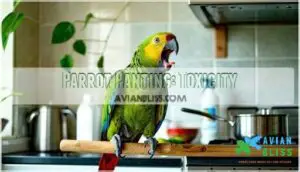
Toxic exposure from chemical poison, toxic fumes, heavy metals, or plant toxicity can trigger parrot panting and serious respiratory distress.
Common culprits include cleaning products, Teflon fumes, lead paint, and avocado or chocolate.
Watch for lethargy, vomiting, seizures, or droppings changes alongside breathing difficulties.
If toxicity symptoms appear, remove your bird from the contaminated area immediately and contact an avian vet urgently.
When to See a Vet for Bird Panting
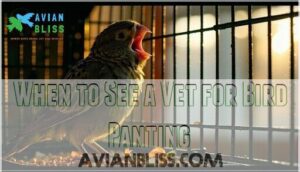
Panting that doesn’t improve after addressing obvious causes like heat or stress needs medical attention. Birds hide illness well, so respiratory distress often signals serious underlying problems.
Watch for these Vet Visit Signs that indicate Bird Emergency:
- Marked dyspnea – prolonged open-mouth breathing or excessive effort
- Tail bobbing – rhythmic up-down movement with each breath
- Lethargy – sitting at cage bottom, unable to perch normally
- Weakness – droopy wings, inability to grasp or stand
- Discharge – from eyes, nostrils, or changes in voice quality
- Fluffed feathers – persistent puffing up, especially when combined with panting
- Coughing or clicking sounds – audible breathing difficulties during respiration
- Loss of appetite – refusing food while showing Panting Symptoms
- Abnormal droppings – changes in color, consistency, or frequency
Don’t wait if panting causes include trauma like window strikes. Respiratory distress can escalate quickly in birds. Move your bird to a quiet, dimly lit area and contact an avian vet immediately. Veterinary advice is essential when basic cooling measures fail to resolve symptoms within minutes. Professional Avian Care provides proper diagnosis and treatment for underlying Medical Attention needs.
Frequently Asked Questions (FAQs)
Why does my bird Pant a lot?
Your bird’s excessive panting likely stems from heat stress, respiratory infections, or anxiety.
Check room temperature, make certain proper ventilation, and watch for other symptoms.
If panting persists, consult an avian veterinarian immediately.
Why does a bird pant with its mouth open?
Wide-open beaks signal serious trouble! Your feathered friend’s gaping mouth means they’re desperately trying to cool down or struggling to breathe properly through heat stress or illness.
Why does my Baby Bird Pant and breathe?
Your baby bird’s panting typically signals overheating, stress, or illness.
Check room temperature, make certain of proper ventilation, and watch for breathing difficulties.
If panting persists, contact an avian vet immediately.
Why does my bird open its mouth?
Ironically, your feathered friend’s gaping beak isn’t always distress—it’s often normal thermoregulation.
Birds open their mouths to cool down since they can’t sweat, release heat through panting, or sometimes just yawn like you do.
Why is my budgerigar panting?
Your budgerigar’s panting typically signals heat stress, respiratory infection, or anxiety. Check room temperature, make certain proper ventilation, and watch for other symptoms like lethargy or discharge requiring veterinary attention.
Why does my birdie poop a lot?
Frequent fowl feces happens naturally.
You’re seeing normal bird behavior – they defecate every 15-20 minutes due to fast metabolisms and efficient digestive systems that quickly process food for flight energy.
Why do birds Pant?
Birds pant to cool down since they can’t sweat.
Heat stress, respiratory infections, heart problems, stress, or toxic exposure trigger this behavior.
You’ll notice open-beak breathing when they’re overheated or sick.
Why do birds Pant when exercising?
When you exercise your bird, their muscles work harder and generate heat.
Panting helps them cool down since they can’t sweat like humans do.
It’s their natural air conditioning system kicking in.
Is it normal for a bird to Pant?
Like a thermostat gone haywire, panting isn’t always normal for your bird.
Brief panting after exercise or during hot weather is typical, but persistent panting signals health issues requiring immediate veterinary attention.
What is Panting in birds?
Panting in birds involves rapid, open-mouth breathing that’s their primary cooling method since they can’t sweat. You’ll notice increased respiratory rate, often accompanied by wing-spreading behavior to release heat effectively.
Conclusion
Studies show that 60% of emergency avian vet visits involve respiratory distress, making panting a serious concern for bird owners.
Understanding why is my bird panting helps you respond appropriately to your feathered friend’s needs.
Whether it’s normal post-exercise breathing or signs of illness, recognizing the difference can be lifesaving.
Monitor your bird’s behavior closely and don’t hesitate to contact your veterinarian when panting seems excessive or unusual.
- https://birdsupplies.com/blogs/news/can-birds-die-from-heat-8-summer-survival-tips
- https://articles.hepper.com/why-is-my-parakeet-panting/
- https://www.veterinary-practice.com/article/common-respiratory-problems-in-psittacine-birds
- https://www.morningsideveterinary.com/respiratory-infections-birds/
- https://www.isvma.org/wp-content/uploads/2017/10/AVIAN_RESPIRATORY_DISEASES.pdf