This site is supported by our readers. We may earn a commission, at no cost to you, if you purchase through links.
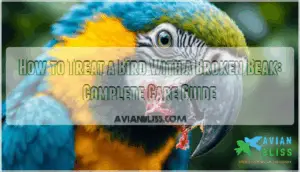 A bird’s beak isn’t just for eating—it’s a precision tool for preening, climbing, defending territory, and even regulating body temperature. When this essential structure breaks, your bird faces immediate challenges that go beyond visible damage.
Bleeding can be difficult to control due to the beak’s rich blood supply, and even minor fractures compromise your bird’s ability to eat, drink, and groom. The injury also exposes sensitive tissue to infection while causing significant pain.
Quick, informed action makes the difference between a full recovery and long-term complications. Treating a broken beak requires understanding the injury’s severity, providing appropriate first aid, and knowing when professional veterinary care becomes necessary. The steps you take in the first hours after injury directly impact your bird’s healing timeline and quality of life during recovery.
Table Of Contents
- Key Takeaways
- First Aid for Broken Beaks
- Assessing Beak Injuries
- Caring for a Bird With a Broken Beak
- Treating Beak Injuries
- Beak Regrowth and Recovery
- Preventing Beak Injuries
- Specialized Care for Birds With Beak Injuries
- Long-Term Care and Rehabilitation
- Frequently Asked Questions (FAQs)
- How to treat a bird with a broken beak?
- How do you treat a broken beak?
- What are the treatment options for a bird’s beak fracture?
- How do you treat a broken avian beak?
- Can a vet fix a bird’s beak?
- What happens if a bird has a broken beak?
- How to fix a bird’s broken beak?
- Do bird beaks grow back if broken?
- How do you treat a cut on a beak?
- How to stop a bird’s beak from bleeding?
- Conclusion
Key Takeaways
- A broken beak requires immediate first aid to stop bleeding using clotting agents and gentle pressure, followed by shock treatment in a warm, quiet space before seeking urgent avian veterinary care—these first hours directly determine recovery outcomes.
- The beak’s regrowth depends critically on proper nutrition (especially protein and vitamin A), the bird’s age (younger birds heal 48% faster), infection prevention, and stress reduction, with minor injuries potentially healing fully while severe damage may require surgical intervention or prosthetics.
- Recovery involves switching to soft foods like mashed vegetables and soaked pellets, offering water via syringe in small sips, and creating a calm environment with minimal handling while monitoring daily for infection signs like swelling, discharge, or behavioral changes indicating pain.
- Treatment options range from topical care with Manuka honey or Neosporin for exposed tissue and antibiotics for infection, to surgical realignment with veterinary-grade adhesive for clean fractures, with severe cases potentially requiring prosthetic beaks when tissue loss is extensive.
First Aid for Broken Beaks
When a bird breaks its beak, every second counts. Your quick action can mean the difference between a full recovery and lasting complications.
When a bird breaks its beak, every second counts—your quick action determines whether recovery is full or complications become lasting
Here’s what you need to do right away to stabilize your bird before getting veterinary care.
Stop Bleeding
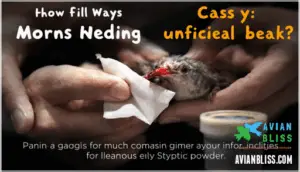
When your bird’s beak starts bleeding after an injury, the first priority is to stop the blood flow quickly and calmly. Apply gentle pressure using a clean cloth or gauze, keeping it against the bleeding area for several minutes. If bleeding intensity doesn’t decrease, try these steps:
- Use powdered clotting agents or a styptic pencil directly on the wound
- Maintain steady, gentle pressure without rubbing the injury
- Keep your bird calm in a quiet, dimly-lit space
- Contact your veterinarian immediately if bleeding continues beyond 10 minutes
First aid works best when you stay composed—your bird senses your stress.
Treat for Shock
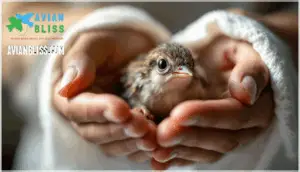
After you’ve stopped the bleeding, your bird may slip into shock—a life-threatening condition that demands immediate attention. Recognizing shock symptoms like fluffed feathers, weakness, rapid breathing, or cold feet helps you act fast.
Stabilizing your bird requires warming techniques—wrap them gently in a soft towel and place them in a warm, quiet space between 85-90°F. Supportive care includes offering small sips of room-temperature water for fluid therapy.
If symptoms persist beyond 15 minutes, contact your avian veterinarian immediately for oxygen support and professional first aid.
Provide Pain Relief
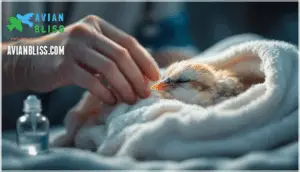
Once your bird’s condition has stabilized, managing their pain becomes your next priority to prevent suffering and support healing. Never give over-the-counter pain relievers like ibuprofen or aspirin without veterinary guidance—these can be toxic to birds. Your avian vet can prescribe safe analgesic options and provide proper dosage guidance based on your bird’s weight and species.
Pain management strategies include:
- Consulting your avian veterinarian for prescription anti-inflammatory medications like meloxicam
- Monitoring discomfort by watching for signs like reluctance to move, squinted eyes, or fluffed feathers
- Implementing comfort measures such as dimming lights and minimizing interaction
- Exploring complementary approaches like gentle warmth from a heating pad on low
- Providing emotional support through a calm environment and soft, reassuring voice
Clean and Dry The Beak
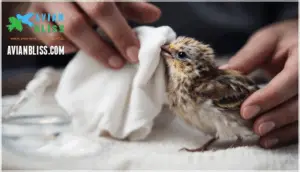
Keeping the injury site clean prevents infection and promotes faster healing, so gentle care is necessary even when your bird is distressed. Use lukewarm saline solution or clean water to rinse away blood and debris, avoiding harsh cleaning agents that can irritate sensitive tissue.
Pat the area dry with a soft cloth—never rub—to protect exposed tissue and support proper wound care before your veterinarian examines the injury.
Assessing Beak Injuries
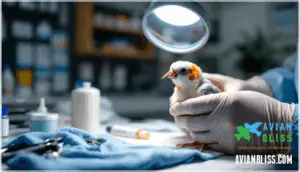
Once you’ve stabilized your bird with first aid, you need to figure out exactly what you’re dealing with. A thorough assessment helps you understand the severity of the injury and guides your next steps.
Let’s walk through how to properly examine your bird’s beak and identify what might’ve caused the damage.
Visual Examination
When you look at your bird’s beak, you’re checking for clues that aren’t always obvious at first glance. Start by examining beak symmetry—misalignment often signals fractures or dislocation. Look for visible cracks, chips, or missing pieces that indicate direct trauma. Pay attention to color changes like bruising or discoloration, which can reveal bleeding beneath the surface. Check for swelling around the beak base and face, a common sign of injury. Notice any lesions or exposed tissue that might need immediate care.
Key signs of beak damage include:
- Abnormal beak shape affecting how the upper and lower portions meet
- Feather alignment disruption around the face from trauma or swelling
- Bleeding or raw areas suggesting recent injury requiring prompt attention
Physical Examination
After you’ve looked your bird over from the outside, it’s time to gently feel for problems hiding beneath the surface. Beak palpation helps detect subtle fractures or instability that a visual examination might miss. Use light pressure to check for symmetry, noting any shifts in alignment. Examine the oral cavity and surrounding sinuses for swelling or tenderness. Watch for neurological signs like head tilting or disorientation, which signal more serious trauma requiring avian veterinary care.
| What You’re Checking | What It Might Mean |
|---|---|
| Soft spots or movement in the beak | Beak fractures need immediate attention |
| Heat or firm swelling | Infection brewing beneath the surface |
| Your bird flinching or pulling away | Pain that won’t let them rest easy |
| Odd texture or gaps in tissue | Damage deeper than you first thought |
If anything feels off during your physical examination, don’t wait—contact an avian veterinarian experienced in avian medicine right away.
Evaluating Beak Function
Beyond just seeing the damage, you need to find out if your bird can still use its beak the way nature intended. Watch how it manages everyday tasks—these observations reveal whether beak function has been compromised by injury. Pay attention to:
- Prehension techniques when picking up seeds or pellets
- Food manipulation abilities, like cracking or tearing
- Grooming efficiency during preening sessions
Beak sensitivity affects everything from vocalization to eating comfort. If your bird struggles with basic functions, beak fractures may run deeper than surface cracks. Contact a veterinarian experienced in avian veterinary care for proper beak injury assessment.
Identifying Underlying Causes
Understanding what caused the beak injury is key for effective treatment and prevention. Trauma Assessment reveals that blunt force collisions account for over 70% of serious beak fractures.
Dietary Deficiencies, particularly vitamin A and calcium shortages, increase deformity risk by 69% in seed-only diets.
Disease Screening helps identify infections like mites, which explain 28% of caged bird beak problems.
Check for Toxin Exposure—lead poisoning affects 19% of urban wild birds.
Aggressive Interactions with cage mates cause roughly 40% of captive bird injuries. Regular monitoring can help identify unhealthy beak characteristics.
Caring for a Bird With a Broken Beak
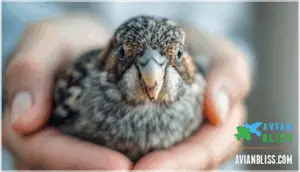
Once you’ve stabilized your bird and assessed the damage, your focus shifts to daily care that aids healing without causing more harm. A broken beak changes how your bird eats, drinks, and interacts with its world, so you’ll need to adjust their routine accordingly.
The following steps will help you provide comfort and protection during the recovery period.
Providing a Soft Diet
A bird with a broken beak can’t crunch seeds or tear food the way it normally would, so switching to soft, easy-to-eat meals becomes the lifeline that keeps your feathered friend nourished during recovery. Focus on proper diet consistency and nutritional balance to support healing:
- Mash fruits and vegetables into soft, bite-sized pieces your bird can manage without straining.
- Cook grains thoroughly until they’re easily digestible, maintaining dietary needs.
- Use handfeeding techniques when eating difficulties persist, presenting food at beak level.
Gradual shift back to regular foods follows as healing progresses.
Offering Small Sips of Water
When your bird can’t drink normally, water becomes both medicine and comfort—small amounts delivered carefully can mean the difference between steady recovery and dangerous dehydration.
Use a syringe or eyedropper to offer lukewarm water at room temperature, delivering just a few drops at a time to maintain hydration without overwhelming your bird. Watch closely for swallowing between sips, and consider veterinary care if your bird refuses water or shows signs of poor electrolyte balance despite your supportive care efforts.
Minimizing Stress and Preventing Further Injury
Your bird’s stress level directly affects how quickly its beak can heal, so reducing anxiety isn’t just about comfort—it’s essential medical care.
Place your bird in a secure enclosure away from loud noises, bright lights, and other pets to reduce anxiety and prevent further injury.
Keep interaction gentle and minimal, only touching your bird when you’re providing soft food or checking the injury. Monitor actions closely for signs of distress like frantic movements or heavy breathing, and adjust your approach accordingly.
Monitoring for Complications
Once your bird settles into its quiet recovery space, you’ll need to watch for warning signs that the injury isn’t healing as it should. Check daily for infection signs like swelling, discharge, or foul odor around the beak. Watch for behavioral changes such as increased lethargy or aggression, which often indicate pain management needs aren’t being met.
Monitor these critical concerns:
- Infection and wound care issues: Redness, pus, or spreading inflammation requiring antibiotics
- Healing delays or regrowth issues: Persistent bleeding or tissue that won’t close properly
- Worsening symptoms: Difficulty breathing, complete refusal to eat, or severe distress
Contact your veterinarian immediately if you notice any of these complications, as prompt veterinary care prevents minor setbacks from becoming serious threats to your bird’s recovery.
Treating Beak Injuries
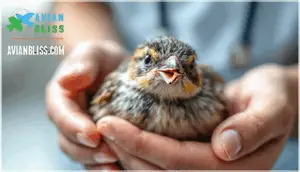
Once you’ve stabilized your bird and assessed the damage, it’s time to focus on treatment options that match the severity of the injury. The approach you’ll take depends on whether you’re dealing with a minor crack, exposed tissue, infection, or a fracture that requires surgical repair.
Here’s what you need to know about the main treatment methods available.
Aligning and Gluing Broken Beak Pieces
For broken beaks with clean fracture lines, carefully repositioning the fragments and bonding them with veterinary-grade adhesive can restore structural integrity while the underlying tissue heals. Your veterinarian will align the pieces precisely along the fracture pattern, then apply cyanoacrylate adhesive in thin layers to stabilize the break.
This surgical repair technique works best when treatment happens quickly, and proper post-op care prevents complications while your bird’s beak regenerates from the base.
Using Manuka Honey or Neosporin for Exposed Tissue
If exposed beak tissue remains after a fracture, topical treatments like Manuka honey or Neosporin can protect the area from infection and support healing during the early stages of recovery. Manuka honey’s antibacterial properties make it particularly effective for wound care, though Neosporin works well too, with minimal toxicity risk when applied sparingly.
Your application technique matters:
- Clean the area gently before applying treatment
- Use a cotton swab to dab a thin layer over exposed tissue
- Reapply twice daily or as your veterinarian directs
- Watch for signs of infection like increased swelling or discharge
- Consider alternative topical treatments if your bird shows sensitivity
Both options support the healing process during first aid and infection prevention.
Providing Antibiotics for Infections
Bacterial infections threaten up to 25% of open beak fractures, making antibiotic selection critical for preventing avian osteomyelitis. Your veterinarian will choose targeted antibiotics based on the injury severity and resistance patterns—enrofloxacin often works well, though 86% of avian E. coli strains resist tetracyclines. You’ll need to follow dosing instructions precisely and monitor your bird for side effects during treatment. Many owners administer antibiotics through water to ease the stress on the bird.
| Antibiotic Type | Common Usage | Key Consideration |
|---|---|---|
| Fluoroquinolones | Bacterial infections | Effective but requires veterinary care |
| Prophylactic antibiotics | Preventing infection | Used sparingly to avoid resistance |
| Aminoglycosides | Severe wounds | Resistance patterns vary widely |
Veterinary care guarantees proper monitoring and usage throughout recovery.
Performing Surgery for Severe Injuries
Severe fractures sometimes demand surgical intervention—a delicate process that requires steady hands and specialized avian expertise. Your veterinarian will use anesthesia protocols adapted for birds, then employ surgical techniques like aligning broken beaks or avulsion repair to reconstruct the damaged area.
Some cases need prosthetic beaks if tissue loss is extensive.
Post-op care involves monitoring closely for infections and making sure your bird stays calm during healing—surgical procedures carry risks, but they offer the best chance for functional recovery.
Beak Regrowth and Recovery
After you’ve addressed the immediate injury and your bird has stabilized, the focus shifts to recovery.
The beak’s ability to regrow depends on several factors, and understanding what to watch for can help you support your bird through this process. Here’s what you need to know about beak regrowth and getting your bird back to normal life.
Factors Affecting Regrowth
Several key factors shape how well your bird’s beak regrows after injury. Understanding these can help you support the healing process more effectively.
- Diet Quality: Protein deficiency slows regrowth, while adequate vitamin A can accelerate tissue repair by up to 15%. Your veterinarian can recommend nutritional adjustments.
- Age Effects: Younger birds heal remarkably faster—those under 10 days old show 48% quicker beak regrowth compared to adults due to vigorous cellular activity.
- Infection Risk: Secondary infections reduce regrowth rates by half, making prompt veterinary care essential to prevent complications that delay healing.
- Genetic Factors and Stress Impact: Species differences affect recovery speed, while chronic stress from pain or restraint can decrease regrowth by approximately 22%.
Signs of Successful Regrowth
Watching your bird’s beak heal can feel uncertain, but a few clear signs tell you the recovery is on track. Look for keratin formation along the injury site—new tissue appears smooth and symmetrical.
You’ll notice your bird eating independently with improved beak strength, crushing seeds or pellets without hesitation.
Functional recovery shows through restored beak symmetry and structural integrity, meaning both upper and lower sections align properly during use.
Monitoring Progress and Adjusting Care
Recovery doesn’t follow a straight line, so you’ll need to check in regularly and tweak your approach based on what your bird tells you through its actions and physical progress. Schedule weekly vet visits during the first two to three months after injury to catch complication signs early, like infection or misalignment. Track weight gain, medication efficacy, and healing rate through simple logbooks.
Watch for these changes in conduct that signal you need diet adjustments:
- Struggling to crack seeds despite visible beak regrowth and recovery
- Avoiding water dishes or showing reluctance during feeding times
- Displaying increased aggression or withdrawal, hinting at discomfort
Monitoring complications means staying alert without hovering constantly—your bird needs space to practice natural movements essential for long-term care and rehabilitation, including what resembles avian physical therapy through gradual beak use.
Returning to Normal Activities
Think of your bird’s recovery like an athlete returning to competition—rushing back too soon risks re-injury, but the right pace builds confidence and strength.
Begin diet progression by changing from soft foods to harder items over four to six weeks, watching how your bird manages each change.
Exercise introduction starts with short supervised flights in a small space, gradually expanding their range as beak function improves.
Social interaction and environmental enrichment activities—like puzzle feeders and perches—keep your bird mentally engaged during long-term care and rehabilitation.
Behavioral monitoring remains essential throughout flight training to catch any signs of discomfort or setback.
Preventing Beak Injuries
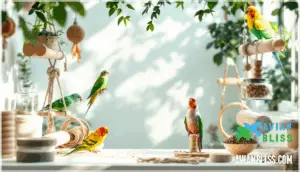
Preventing beak injuries is always easier than treating them, and a few thoughtful adjustments to your bird’s daily care can make a real difference. The steps below focus on practical ways to reduce risks before problems start.
Each one details a common cause of beak damage that you can control.
Providing a Safe Environment
Your bird’s cage isn’t just a home—it’s the foundation of healing, and getting the setup right can mean the difference between setback and recovery.
To create a safe environment that prevents trauma and further injury:
- Remove sharp toys or cage accessories that could cause additional harm
- Secure the cage away from other pets to monitor interactions and reduce hazards
- Position the enclosure in a quiet space, minimizing stress from household activity
- Check for environmental hazards like exposed wires or toxic plants nearby
Preventing beak injuries starts with thoughtful environmental design and safety measures.
Ensuring Proper Nutrition and Hydration
A broken beak won’t heal properly if your bird isn’t getting the right fuel. Nutrition and hydration become doubly important when the body’s working overtime to repair damaged tissue.
Offer soft food options like mashed vegetables, soaked pellets, or liquid foods to reduce strain on the beak. Keep fresh water accessible at all times, using shallow dishes if your bird struggles to drink.
Supplementation needs may include vitamin A and D to support healing, and appetite stimulants can help if your bird refuses to eat. Assisted feeding may be necessary in severe cases.
Avoiding Accidental Pecking and Fights
Even with the best nutrition in place, social conflicts between birds can quickly undo your protective efforts. Aggressive actions and fighting interactions pose serious risks to healing beaks, so proper socialization and space allocation become critical.
Preventing beak injuries means actively managing flock dynamics:
- Supervise interactions closely, especially during feeding times when competition naturally escalates
- Reduce competition by providing multiple feeding stations and water sources throughout your aviary
- Observe action patterns to identify bullies or stressed birds before conflicts intensify
- Enrichment strategies like foraging toys redirect aggressive tendencies into healthy activities
Avoiding accidental pecking requires vigilance and thoughtful environmental design.
Regular Beak Maintenance and Trimming
Beyond managing social tensions, maintaining the beak itself through routine care prevents many injuries before they happen. Regular beak maintenance allows you to catch beak overgrowth early, reducing the risk of cracks or breaks.
Natural wear through chewing toys and cuttlebones often takes care of trimming naturally, but some birds need professional grooming. Safe filing techniques or veterinary care guarantee proper beak alignment without damaging sensitive tissue, making preventing beak injury straightforward with consistent attention.
Specialized Care for Birds With Beak Injuries
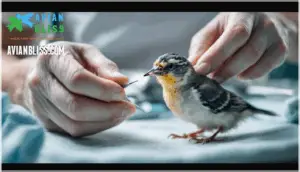
Birds with severe beak injuries sometimes need more than basic first aid and home care. Finding the right professionals and understanding your long-term options can make the difference between recovery and prolonged suffering.
Here’s what you need to know about getting specialized help for your injured bird.
Finding an Avian Veterinarian
When your bird needs specialized help, locating a qualified avian veterinarian becomes critical—but with only 90 board-certified avian specialists nationwide, it’s not always straightforward. Geographic access and the avian vet shortage mean you’ll need to be resourceful:
- Search AAV.org’s directory for credentialed avian specialists in your area
- Ask your regular veterinarian for referrals to avian experts
- Connect with local bird clubs for trusted recommendations
- Check veterinary hospital websites for staff credentials and avian experience
Economic barriers and certification matter when choosing veterinary care, so verify credentials through the American Board of Veterinary Practitioners database to make certain your avian vet has proper training beyond standard veterinary school.
Working With a Wildlife Rehabilitation Facility
When home care falls short, licensed wildlife rehabilitators step in with the tools, training, and legal permits needed to treat wild birds that veterinary offices can’t always accommodate. Your facility search starts with state wildlife agency databases or online directories that list certified centers addressing avian injury cases.
During intake procedures, rehab roles include documenting the trauma, coordinating with an avian veterinarian for professional veterinary care, and creating individualized treatment plans. They’ll evaluate release criteria as healing progresses, and donation support helps maintain these important services for birds who can’t survive without expert intervention.
Providing Long-Term Care and Rehabilitation
Rehabilitation beyond the first few days requires consistent attention to healing milestones, dietary adjustments, and readiness benchmarks that determine whether your bird can return to its natural life. Long-term care means tracking these key areas:
- Dietary shift from soft foods to harder options as beak strength returns.
- Behavioral enrichment through foraging exercises that rebuild natural skills.
- Environmental modifications supporting safe movement during recovery.
- Monitoring health weekly with weight checks and feeding observations.
Quality of life improves when supportive care tends to both physical healing and your bird’s wellbeing through patient, measured rehabilitation.
Considering Humane Euthanasia
Some beak injuries are so devastating that no amount of veterinary skill or home care can restore your bird’s ability to eat, preen, or engage in normal activities—and that’s when the hardest decision becomes the kindest one. When irreversible damage eliminates quality of life, humane euthanasia prevents prolonged suffering.
Ethical considerations include the financial burden of ongoing veterinary care, long-term effects of beak injury, and your bird’s daily distress. Though owner grief is profound, choosing peace over pain honors your commitment to your bird’s wellbeing.
Long-Term Care and Rehabilitation
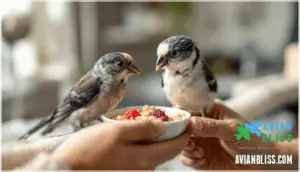
Once the immediate crisis passes, your bird faces a new chapter—one that requires patience, consistency, and a clear plan. Recovery doesn’t end when the wound closes; it extends through weeks or months of careful rehabilitation.
Here’s how to support your bird through the critical stages of long-term healing and prepare for what comes next.
Providing a Suitable Environment for Recovery
Recovery happens best when the space around your bird works with them, not against them. Choose a quiet environment with minimal foot traffic to lower stress. Set up a spacious cage with accessible perches at different heights, allowing comfortable movement without strain.
Keep the temperature steady between 65–80°F, and maintain strict hygiene protocols to prevent infection.
Add gentle environmental enrichment like foraging toys, but limit social interaction initially. This safe environment aids healing while your bird regains strength.
Gradually Introducing Normal Activities
As your bird begins to heal, think of reintroduction like tuning an instrument—rushing the process throws everything off balance, but a careful, measured approach brings harmony back. Start observing actions closely as you rebuild their routine:
- Diet Progression: Move from soft foods to harder items gradually, watching for hesitation or discomfort.
- Exercise Resumption: Begin with short, supervised flights, building stamina without overexertion.
- Social Reintegration: Reintroduce social interaction and environmental enrichment slowly, prioritizing your bird’s quality of life over speed.
Ensuring Successful Release or Rehoming
Once your bird shows steady strength and can complete daily tasks without struggle, you’ll need to decide whether returning to the wild or finding a permanent home makes the most sense. Release criteria include independent feeding, behavioral readiness, and strong flight ability.
Rehoming challenges arise when injuries prevent full recovery, requiring long-term care with environmental enrichment.
Post-release monitoring tracks flock dynamics integration and predator prevention, making sure your bird’s recovery succeeds safely.
Frequently Asked Questions (FAQs)
How to treat a bird with a broken beak?
If your bird suffers a beak injury, stay calm—quick action matters. Stop bleeding with clotting agents, keep your bird warm to treat shock, and get veterinary care fast.
Fracture assessment and surgical re-attachment may save the beak, while a calm environment and emotional support aid recovery.
How do you treat a broken beak?
Treating broken beaks requires immediate veterinary care for birds. You’ll use clotting agents to stop bleeding, followed by pain management and infection prevention through antibiotics.
Surgical options include aligning fragments with adhesives, while dietary changes to soft foods support recovery during avian injury treatment.
What are the treatment options for a bird’s beak fracture?
Your veterinarian can apply clotting agents to stop bleeding, prescribe antibiotics and anti-inflammatories for infections, align and glue fractured pieces, or perform surgical repair for severe beak avulsions requiring re-attachment of separated tissue.
How do you treat a broken avian beak?
Treating broken beaks requires veterinary care for birds, starting with immediate clotting techniques to stop bleeding, followed by fracture assessment using imaging.
Surgical options may include alignment and bonding, while infection control with antibiotics and pain management guarantee proper bird health and recovery.
Can a vet fix a bird’s beak?
Yes, avian vets can fix beak injuries through surgical options like realignment, prosthetic beaks, and tissue repair. The healing timeline and cost factors vary based on severity, but vet expertise makes veterinary care essential for beak fractures.
What happens if a bird has a broken beak?
When a bird’s broken beak isn’t treated, pain and stress intensify, eating difficulties worsen, and infection risk climbs.
Healing potential depends on injury severity, with behavioral changes often signaling distress.
The long-term impacts of an untreated break threaten survival.
How to fix a bird’s broken beak?
Think of a broken beak like a shattered windshield—it won’t heal on its own. Veterinary care for birds involves evaluating beak injury severity, then performing beak fracture repair through alignment, bonding, or beak reconstruction.
For extensive damage, prosthetic beak options or avian dental work may be necessary, though beak reconstruction cost varies widely based on injury complexity.
Do bird beaks grow back if broken?
Parrots and other birds experience keratin growth from the beak’s base, similar to how your fingernails regenerate after damage.
However, fracture severity and species differences affect healing timelines considerably. Minor chips often repair themselves with veterinary care for birds, while extensive breaks may never fully restore, requiring long-term beak regrowth and recovery support.
How do you treat a cut on a beak?
Clean the cut gently with saline solution to flush debris and prevent infection. Control bleeding with powdered clotting agents or a styptic pencil, then apply a thin layer of Neosporin.
Contact your vet for severe cuts requiring professional wound care.
How to stop a bird’s beak from bleeding?
To stop bleeding from your bird’s beak, immediately apply a powdered clotting agent, styptic pencil, or cornstarch directly to the wound. For minor bleeding, gentle pressure with a clean gauze can help.
Severe bleeding requires urgent veterinary intervention for proper pain management and treatment.
Conclusion
The moments after discovering your bird’s injury set the foundation for everything that follows—swift first aid, proper nutrition adjustments, and vigilant monitoring create the path toward healing.
Learning how to treat a bird with a broken beak means understanding that recovery isn’t measured in days but in the small victories of each meal consumed and every preening motion regained.
Your attentiveness transforms a vulnerable moment into an opportunity for resilience, giving your bird the chance to reclaim the essential tool that defines its daily existence.
- https://pmc.ncbi.nlm.nih.gov/articles/PMC12031319/
- https://www.merckvetmanual.com/exotic-and-laboratory-animals/pet-birds/traumatic-injury-of-pet-birds
- https://poultrydvm.com/condition/beak-injuries
- https://www.sciencedirect.com/science/article/abs/pii/S1938973625000315
- https://www.nature.com/articles/s41598-024-58762-9