This site is supported by our readers. We may earn a commission, at no cost to you, if you purchase through links.
 Your parrot’s sudden refusal to eat, combined with excessive sleep, isn’t just a bad mood—it’s your bird’s way of telling you something is seriously wrong. In the wild, parrots are hardwired to mask illness until they can’t anymore, a survival instinct that keeps predators from targeting weak flock members.
By the time a parrot shows visible signs like lethargy and appetite loss, the underlying problem has often advanced considerably. The challenge you’re facing right now is that dozens of conditions—from respiratory infections to heavy metal poisoning—can trigger these exact symptoms.
Understanding what’s happening inside your bird’s body, recognizing the red flags that demand immediate veterinary attention, and knowing which supportive steps you can take at home could mean the difference between a full recovery and a devastating outcome.
Table Of Contents
- Key Takeaways
- Signs of a Sick Parrot
- Common Causes of Parrot Inappetence and Lethargy
- Immediate Actions for a Non-eating, Sleepy Parrot
- When to Seek Emergency Veterinary Care
- Diagnostic Procedures for Lethargic, Non-eating Parrots
- Treatment Options for Inappetent, Lethargic Parrots
- Preventing Illness in Parrots
- Environmental Factors Affecting Parrot Health
- Nutritional Considerations for Recovering Parrots
- Long-term Management of Parrot Health
- Frequently Asked Questions (FAQs)
- What are the signs of a sick parrot?
- What to do if your parrot is not eating?
- Why is my bird sleeping so much all of a sudden?
- Why is my parrot sleeping so much?
- How do social interactions affect parrot health?
- Can stress impact a parrots eating habits?
- What role does hydration play in parrot recovery?
- How can toys influence a parrots appetite?
- Are there specific signs of pain in parrots?
- How often should I weigh my parrot at home?
- Conclusion
Key Takeaways
- When your parrot stops eating and sleeps excessively, it’s masking illness until the condition has already progressed significantly—by the time visible symptoms appear, you’re facing a medical emergency that demands immediate veterinary intervention, not a wait-and-see approach.
- Dozens of serious conditions—from respiratory infections to organ failure—produce identical symptoms of lethargy and appetite loss, making professional diagnostic testing (blood work, fecal analysis, imaging) absolutely essential since guessing the cause or trying home remedies wastes critical time and worsens outcomes.
- Your parrot’s high metabolism means it can’t afford to skip meals—smaller species face life-threatening hypoglycemia and dehydration within 48 hours of refusing food, so any appetite loss lasting beyond 12–24 hours requires emergency veterinary care to prevent irreversible organ damage.
- Prevention through proper nutrition (pellet-based diets with fresh vegetables), environmental enrichment, stress reduction, and annual veterinary wellness exams catches 39% of health problems before symptoms appear, dramatically improving survival rates compared to reactive care after your bird becomes visibly ill.
Signs of a Sick Parrot
When your parrot refuses food and sleeps more than usual, you’re right to worry—these are often the first red flags that something’s wrong. Parrots are masters at hiding illness, so by the time you notice behavioral changes, the problem may already be advancing.
Here are the key warning signs to watch for in a sick parrot.
Decreased Appetite and Excessive Sleeping
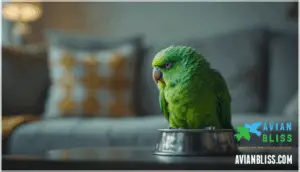
Often, the first signs something’s wrong with your parrot are loss of appetite and lethargy. When your bird refuses favorite foods or sleeps far more than its usual 10-12 hours, you’re witnessing critical warning signals. These symptoms appear in over 70% of parrots with undiagnosed illness, and anorexia affects more than 60% of sick birds at presentation.
Here’s what you need to watch for:
- Refusing previously loved foods – your parrot turns away from treats it normally devours
- Sleeping 12-14+ hours daily – well beyond the healthy baseline for most species
- Sitting fluffed and motionless – conserving energy while the body fights illness
- Showing little interest in interaction – withdrawing from normal social engagement
Don’t wait if these changes persist beyond 24 hours. Parrots experiencing both anorexia and lethargy face mortality risks exceeding 70% without prompt veterinary attention. Their high metabolism means they can’t afford to skip meals—hypoglycemia and dehydration become life-threatening within just two days in smaller species.
It’s vital to monitor your parrot’s health closely and seek advice from an avian vet care professional to address any potential issues.
Puffed Feathers and Unusual Posture
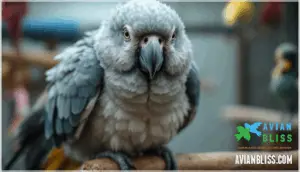
Puffed feathers and unusual posture changes are telling stress signals that demand your immediate attention. When your parrot fluffs up continuously for more than a few hours, it’s struggling with thermal regulation—trying to trap warm air against its skin because its body temperature has likely dropped 1–2°C below normal.
This feather puffing isn’t just about comfort; clinical studies show that 70–75% of parrots displaying prolonged fluffing also exhibit lethargy and loss of appetite, pointing to systemic infection, liver disease, or respiratory distress. You’ll often notice your bird hunched low on its perch, wings slightly drooped, or tail pointing downward—all signs it’s conserving energy while fighting illness.
This avian body language speaks volumes about parrot wellbeing. If your parrot’s posture looks "off" and those feathers stay puffed beyond a brief chill, you’re witnessing parrot health issues that need veterinary evaluation before they escalate. Understanding parrot body language is vital for identifying these health issues early on.
Changes in Droppings and Behavior

Your parrot’s droppings tell a story—one you need to read carefully. Normal droppings have three distinct parts: feces (brown to green), urates (white to cream), and clear urine. When those components shift—persistent watery output, dark tarry feces, or yellow-green urates—you’re seeing digestive health breaking down.
Birds showing reduced dropping volume often aren’t eating enough, a behavioral sign linked directly to early anorexia. If fecal changes last beyond 24–48 hours alongside lethargy, your parrot needs fecal analysis now. These parrot health issues don’t wait.
- Watery droppings with excess urine output may signal kidney dysfunction, stress, or systemic infection requiring immediate veterinary attention
- Dark, tarry feces suggest internal bleeding or digested blood—a serious parrot health issue that demands emergency care
- Green or yellow urates often indicate liver disease, hepatitis, or bacterial infection affecting your bird’s digestive health
- Reduced dropping frequency and volume correlate with decreased food intake, an early warning sign of parrot eating behavior problems
- Foul-smelling droppings (unlike typical odorless parrot feces) point to bacterial imbalance or clostridial infection needing diagnostic work
Respiratory Issues and Nasal Discharge
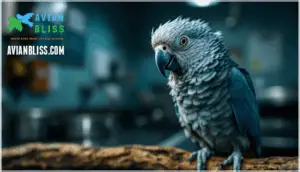
Beyond dropping changes, watch your parrot’s breathing closely. Tail-bobbing with each breath, open-mouth breathing, or audible clicking sounds signal respiratory infections that demand immediate veterinary care for birds. Nasal discharge—whether clear, cloudy, or colored—often accompanies tracheal diseases or air sac disorders.
Avian aspergillosis, a fungal infection, strikes African greys and Amazons hard, with mortality approaching 80% without treatment. Sneezing, wheezing, and head shaking point to upper respiratory problems that quickly deteriorate your parrot’s health and wellness.
An avian veterinarian can diagnose these conditions through imaging and cultures, protecting both your bird and your household from zoonotic risks.
Weight Loss and Lethargy
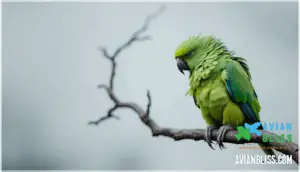
Visible weight loss in your parrot isn’t just cosmetic—it’s a red flag for serious metabolic disorders, nutrient deficiencies, or systemic infections. Losing even 5–10% of body weight can be life-threatening for small birds, while drops beyond 10% signal urgent illness. Paired with lethargy, these symptoms point to conditions ranging from avian diabetes to chronic wasting syndromes.
You’ll notice a prominent keel bone, fluffed feathers, and closed eyes—signs your parrot’s body is failing. Don’t wait. Early intervention dramatically improves outcomes for parrot health and wellness when parrot not eating meets unexplained weight loss.
- Metabolic causes like iodine deficiency and thyroid dysfunction drain energy reserves
- Infectious diseases such as Parrot Bornavirus impair digestion and nutrient absorption
- Anorexia and excessive sleeping indicate late-stage systemic disease requiring immediate veterinary care for birds
Common Causes of Parrot Inappetence and Lethargy
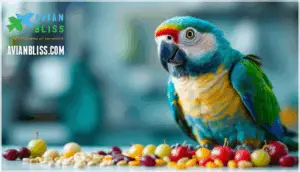
When your parrot stops eating and sleeps more than usual, you’re right to be concerned—these changes often signal something’s wrong. The underlying causes range from medical illness to dietary gaps and environmental stressors.
Let’s look at the most common culprits behind this worrying behavior.
Illness and Stress Factors
When your parrot won’t eat and sleeps constantly, illness and stress are often intertwined culprits. Chronic stress triggers the hypothalamic-pituitary-adrenal axis, flooding your bird’s system with corticosterone—a hormone that suppresses immune function and disrupts nutrient absorption. This physiological cascade leaves parrots vulnerable to bacterial, viral, and fungal infections while simultaneously killing their appetite.
Behavioral changes like feather plucking, lethargy, and reduced vocalization signal deeper distress, whether from environmental upheaval, loneliness, or undiagnosed disease.
Nutritional Deficiencies Impact
Deficiency quietly undermines your parrot’s vitality before symptoms become obvious. Poor nutrition accounts for roughly 60–70% of medical problems in companion parrots, with vitamin A deficiency, calcium imbalance, and iron storage disease topping the list. Seed-based diets—still fed to most pet birds—lack critical micronutrients, leaving your parrot vulnerable to nutritional imbalances that suppress appetite and drain energy.
Here are three key malnutrition effects to recognize:
- Vitamin deficiency causing crusty nasal discharge and weakened immune response
- Mineral imbalance triggering muscle tremors and chronic lethargy in species like African greys
- Protein inadequacy leading to poor feather quality and delayed healing
Dietary corrections through pelleted diets and nutrient supplements can reverse these problems, but you’ll need nutrition advice from an avian veterinarian to address your parrot’s specific dietary needs effectively.
Environmental Influences on Appetite
Your parrot’s surroundings shape appetite as powerfully as any illness. Temperature stress above 30°C suppresses feeding and triggers excessive sleep as birds conserve energy through reduced mobility.
Light exposure matters too—inadequate or inconsistent photoperiods disrupt melatonin secretion, decreasing feeding frequency and promoting lethargy. Noise pollution raises stress hormones that kill appetite, while poor air quality from household toxins causes metabolic disruption.
Environmental enrichment for parrots directly counters these problems by stimulating natural foraging behaviors and reducing inactive periods tied to environmental stress.
Immediate Actions for a Non-eating, Sleepy Parrot
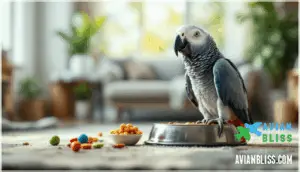
When your parrot stops eating and sleeps more than usual, acting quickly can make all the difference. The steps you take in the first few hours help stabilize your bird while you arrange veterinary care.
Here’s what you need to do right away to support your parrot through this critical period.
Creating a Warm, Comfortable Environment
When your parrot feels unwell, thermal comfort becomes critical—think of warmth as medicine. Position the cage away from drafts and maintain ambient temperatures between 20°C and 25°C to prevent immune suppression and support recovery. Cover the cage at night with a breathable blanket to preserve heat, or consider a heated perch to aid temperature regulation without overheating.
Monitor humidity control at 40–60% to protect respiratory health, while ensuring good air quality and appropriate lighting systems support natural rhythms. These environmental changes reduce stress and help your parrot conserve energy for healing.
Offering Hydration and Easily Digestible Foods
Ever notice how a tired bird turns its nose up at food and water? That’s when Fluid Therapy and Hydration Methods matter most. Offer warm water and soft grains—think cooked rice or mashed vegetables—for Digestive Health. Nutrient Supplements boost recovery, while Food Palatability encourages eating. Simple choices can transform your parrot’s nutrition and overall health.
- Warm, plain water—comfort in a dish
- Soft fruits—gentle on digestion
- Cooked grains—easy energy
- Nutrient-rich supplements—support healing
Monitoring Droppings and Overall Condition
Your parrot’s droppings tell a powerful story about its internal health. Healthy droppings have three distinct parts: solid feces (brown or green), creamy white urates, and clear urine. When your bird isn’t eating well, watch for red flags in Droppings Analysis—black or red coloring suggests internal bleeding, while yellow hints at liver or kidney disease. Foul odors point to bacterial or fungal infection.
For effective Health Monitoring and parrot care:
- Check droppings every few hours for color, texture, and volume changes
- Watch for watery consistency or undigested seeds, signaling Digestive Health problems
- Note stained vent feathers, indicating diarrhea or cloacal inflammation
Even a 10% weight loss signals serious health issues requiring immediate veterinarian attention. Parrot Hydration affects dropping consistency too—absent urine means dehydration. Document what you see; Fecal Testing by your veterinarian can reveal parasites, yeast, or bacteria before animal health deteriorates further. Persistent changes beyond 24 hours demand professional examination, as nutrition and diet directly influence dropping quality.
Avoiding Home Remedies and Pet Store Medications
Once you’ve observed your bird’s droppings and overall condition, your instinct might push you toward quick fixes—but home remedies and pet store medications pose serious parrot health risks. The ASPCA Animal Poison Control Center reports that 29% of bird poisoning cases involve medications from well-meaning owners administering human or pet-store treatments. That’s a sobering statistic when your parrot’s already vulnerable.
Here’s why you need to step back from the supplement aisle and call your avian veterinarian instead. Human medications like ibuprofen or acetaminophen are outright toxic to birds—just one tablet can trigger renal or gastrointestinal failure. Many over-the-counter bird tonics contain essential oils like eucalyptus or melaleuca that cause respiratory distress and even death in parrots. What seems harmless on the label might contain paradichlorobenzene or other compounds that damage avian lungs over time.
Beyond Avian Toxicology concerns, these products interfere with Professional Diagnosis. When you give your parrot unprescribed antimicrobials or herbal supplements before veterinary assessment, you distort blood work and fecal cultures. Vets report that pre-treatment with home remedies can prolong hospital stays and increase treatment costs by up to 35% because symptoms get masked and pathogens become harder to identify. You’re basically throwing a blanket over the warning lights your bird’s body is trying to show.
Toxic Food Avoidance extends to those vitamin-enriched water additives too. They alter water taste, and when birds refuse to drink, dehydration accelerates clinical decline. The National Association of Avian Veterinarians recommends immediate discontinuation of all unverified supplements before evaluation to prevent masking systemic diseases.
Safe Medication exists—but only under Veterinary Guidance. Species variation can alter drug metabolism by up to 400%, which is why the National Avian Research Institute insists on consulting certified avian vets for dosing. What works for a cockatiel might harm a macaw. Professional veterinary care for parrots means your bird gets drugs with established avian safety data, prescribed at the right dose for its species, weight, and condition.
When your parrot shows parrot appetite loss and lethargy, supportive care—warmth, hydration, quiet—is safer than any bottle promising miracles. Clinical best practice emphasizes heat support and hydration over unsupervised pharmacologic treatment until diagnostics pinpoint the problem. Think of it this way: you wouldn’t perform surgery on yourself with YouTube tutorials. Parrot care and maintenance requires the same respect for professional expertise, especially during parrot health and wellness emergencies.
Preparing for Emergency Veterinary Care
Once you’ve ruled out home remedies and unverified treatments, you need to act fast. Having an emergency kit ready makes all the difference when your parrot’s condition worsens. Avian first aid supplies and transport safety measures can save critical minutes during crisis preparedness.
Here’s what your emergency veterinary care plan should include:
- Stock an avian first aid kit with gauze pads, styptic powder, tweezers, a clean towel, and a secure transport carrier—veterinary experts recommend keeping these visible and accessible.
- Keep your avian veterinarian’s contact details posted where you can grab them immediately, including 24-hour emergency clinic numbers and poison control hotlines.
- Prepare a hospital cage or padded travel carrier maintained at 80–85°F with minimal perches, soft padding, and partial covering to reduce stress during transport.
Contact your avian vet before you leave if possible—they can prepare oxygen support or incubators in advance, improving your bird’s chances markedly. Reporting weight, breathing rate, and droppings over the phone helps triage accuracy and lets the clinic prepare targeted interventions.
Emergency kits and veterinary contact information aren’t just reassuring—they’re lifesaving tools that turn panic into purposeful action.
When to Seek Emergency Veterinary Care
When your bird refuses food for more than 12 hours or shows severe lethargy, you’re facing an avian emergency. Birds hide illness until they’re critically sick, so visible symptoms mean urgent intervention is needed. Contact an avian veterinarian immediately if you notice labored breathing, blood in droppings, seizures, or collapse. Don’t wait and see—prompt care dramatically improves survival rates, while delays often prove fatal.
| Emergency Sign | What It Means | Your Action |
|---|---|---|
| No eating 12–24 hours | Energy depletion risk | Call vet immediately |
| Tail bobbing, open-mouth breathing | Respiratory crisis | Emergency care now |
| Blood in droppings, collapse | Life-threatening condition | Hospitalize without delay |
Diagnostic Procedures for Lethargic, Non-eating Parrots
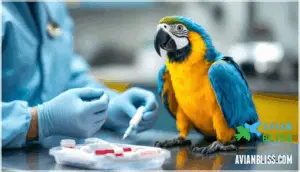
When your parrot won’t eat and seems unusually tired, your veterinarian will need to run several diagnostic tests to find the root cause.
These procedures help pinpoint everything from infections to organ problems, giving your vet the information needed to create an effective treatment plan.
Here’s what you can expect during the diagnostic process.
Physical Examination and Fecal Analysis
When your veterinarian examines a lethargic parrot, they start by watching your bird’s posture and breathing before any hands-on work begins. This careful approach reveals essential clues about bird health before stress from handling skews the picture.
Avian palpation of the chest muscles shows body condition—ranging from emaciated to obese—while beak evaluation checks for symmetry and discharge. Fecal testing through wet mounts and PCR assays detects parasites and pathogens that compromise gut health, and diagnostic imaging may follow if needed.
Here’s what your avian veterinarian assesses:
- Feather condition revealing stress bars from prior nutritional deficits
- Eye moisture and clarity indicating dehydration or infection
- Nasal discharge suggesting respiratory health issues
- Weight changes exceeding 10% from baseline
- Dropping layers showing fecal, urate, and urine abnormalities
These diagnostic tests guide targeted treatment, giving your parrot the best chance at recovery.
Blood Work and Bacterial Cultures
Blood work reveals what the naked eye can’t—your avian veterinarian uses hematology tests and blood panels to expose hidden illness driving your parrot’s decline. A packed cell volume below 35% signals anemia, while elevated liver enzymes paired with bacterial infections from culture techniques pinpoint sepsis or organ compromise. Bacterial cultures from throat or cloaca swabs identify specific pathogens like Klebsiella or E. coli, guiding targeted antibiotic therapy instead of guesswork. These diagnostic tests and diagnostic markers transform uncertainty into actionable treatment plans.
- Packed cell volume detects dehydration or anemia quickly
- Liver enzyme elevation reveals hidden organ stress
- Culture results guide precise antibiotic selection
- Combined blood tests and cultures improve diagnostic accuracy
Radiographs and Ultrasound Imaging
Radiographs and ultrasound imaging cut through the guesswork when your parrot won’t eat and sleeps constantly. Avian radiology uses the natural air contrast from air sacs to make coelomic imaging remarkably clear—your avian veterinarian can spot enlarged organs, foreign bodies, or egg binding with up to 90% accuracy.
Ultrasound techniques complement this by visualizing soft tissues and fluid collections that radiographs miss. Together, these diagnostic imaging tools reveal hidden health issues in bird anatomy, guiding your veterinary care toward targeted treatment instead of trial and error.
Oral Cavity Examination and Direct Smears
When your parrot won’t eat, the oral cavity examination becomes your veterinarian’s window into hidden health issues. Your avian veterinarian uses sterile swabs to collect samples from the tongue, choanal slit, and oropharynx, then creates direct smears to identify bacterial colonization, fungal infections, and oral lesions before culture results arrive. This quick screening reveals problems like avian candidiasis—detectable with over 90% accuracy using simple smear techniques—that often lurk behind dental problems and parrot behavior changes.
What your vet looks for during oral examination:
- Mucosal color and moisture – Pale or dry tissues signal dehydration or circulatory distress affecting appetite
- Caseous plaques or nodules – White patches indicate fungal infections like Candida or bacterial overgrowth
- Beak alignment and symmetry – Malocclusion creates feeding difficulties leading to malnutrition
- Inflammatory patterns on smears – Heavy bacterial colonization (over 20 organisms per field) guides treatment decisions
- Budding yeast or pseudohyphae – Diagnostic markers of candidiasis requiring immediate antifungal therapy
Screening for Infectious Diseases
When your parrot can’t shake lethargy and inappetence, screening for infectious diseases separates treatable conditions from life-threatening pathogens. Your avian veterinarian runs PCR diagnostics and blood serum tests to detect viral or bacterial infections—tools that catch avian bornavirus in 72% of neurologically affected birds and identify chlamydiosis before it spreads to you.
Combined diagnostic tests for birds include:
- Fecal analysis and cloacal swabs – Captures intermittent shedding of polyomavirus and beak-and-feather disease virus
- Viral load testing with serology – Distinguishes active infection from past exposure, guiding isolation and veterinary care for birds
Avian pathogen detection through repeat sampling catches what single tests miss.
Treatment Options for Inappetent, Lethargic Parrots
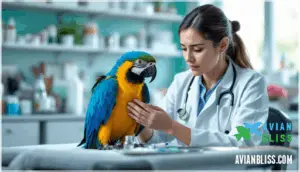
Once your vet identifies what’s making your parrot sick, treatment begins immediately and targets both the symptoms and the root cause. The approach depends on your bird’s specific condition, but most cases involve a combination of medical interventions and supportive measures.
Here’s what your veterinarian will likely recommend to get your parrot eating again and restore their energy.
Fluid Therapy and Nutritional Support
When your parrot refuses food and sleeps constantly, fluid therapy and nutritional aid become your most powerful tools. Dehydration compounds illness rapidly, so rehydration through warmed crystalloids restores circulation and energy. Parrots require approximately 48 ml/kg/day for maintenance, with severely dehydrated birds needing immediate bolus infusions. Emergency feeding through tubes delivers critical nutrients when anorexia persists beyond 72 hours, preventing dangerous hepatic lipidosis.
Here’s what targeted aid provides:
| Therapy Type | Administration Method | Primary Benefit |
|---|---|---|
| Fluid Balance (LRS, saline) | IV, IO, or subcutaneous | Restores hydration and circulation |
| Nutrient Supplements (B-complex) | Injectable or oral | Aids metabolic recovery |
| Emergency Feeding (formulas) | Tube or syringe | Prevents weight loss and organ damage |
| Colloid Therapy (Hetastarch) | IV bolus at 5 ml/kg | Maintains vascular volume |
| Electrolyte Solutions | Warmed to 100–106°F | Corrects imbalances safely |
Your avian veterinarian will calculate exact volumes based on dehydration percentage and body weight, then monitor droppings and alertness to confirm improvement within 30–60 minutes.
Antibiotics and Other Medications
Once your parrot stabilizes with fluids, targeted medications tackle the root illness directly. Your avian veterinarian will select therapies based on diagnostic results, matching the drug to the pathogen or deficiency discovered. Broad-spectrum antibiotics like enrofloxacin combat bacterial infections at 5 mg/kg twice daily, while antifungals such as itraconazole address respiratory mycoses.
Here’s what your veterinary prescriptions may include:
- Fluoroquinolone antibiotics for Chlamydia, Pseudomonas, or Salmonella infections
- Antifungal agents like amphotericin B for systemic aspergillosis
- Antiparasitic dewormers such as albendazole at 0.05–0.1 ml per 100 g body weight
- Antiviral drugs including acyclovir for herpesvirus outbreaks
Always follow dosing schedules precisely to prevent antibiotic resistance and medication side effects. Drug interactions can occur—especially when combining enrofloxacin with ketoconazole—so report all supplements or treatments you’ve tried. Your avian pharmacy may compound medications into flavored suspensions, making administration easier while you monitor for improvement in appetite and energy.
Supportive Care and Environmental Modifications
Beyond medications, your parrot needs a healing sanctuary. Thermal regulation is critical—maintain ambient temperatures between 85–90°F using heating lamps that cover half the cage, allowing self-regulation. Humidity control at 50–60% promotes respiratory comfort, while lighting adjustments to 10–12 hours of full-spectrum UVB aid vitamin synthesis.
Environmental enrichment like perches and chewable toys reduces cortisol during stress management. Partial cage covering minimizes visual stressors, creating the stress alleviation essential for recovery.
Addressing Underlying Health Issues
Once supportive care stabilizes your parrot, pinpointing the root cause becomes priority. Your avian veterinarian will target specific underlying medical conditions in birds—whether it’s aspergillosis, fatty liver disease, or vitamin A deficiency.
Dietary therapy corrects nutritional gaps, while avian medicine tackles infections or metabolic disorders. Effective veterinary care means treating what blood work and health screening reveal, not just symptoms.
Proactive parrot wellness prevents common health issues in parrots from escalating into crises.
Follow-up Care and Monitoring
After addressing the illness itself, follow-up care becomes your safety net. Schedule re-examinations every 7–14 days—your veterinarian will track treatment response and adjust health checks as needed.
At home, monitor weight daily with a gram scale; losses exceeding 5% signal trouble. Watch droppings, appetite, and activity closely. These recovery strategies catch relapses early, when intervention works best.
Regular vet care and nutrition planning during post-illness care reduce chronic health issues by nearly 30%, keeping your feathered companion on track toward full recovery.
Preventing Illness in Parrots
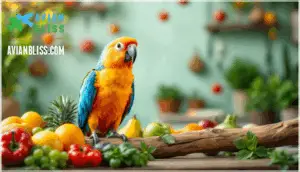
Prevention really is the best medicine for keeping your parrot healthy and active. By focusing on a few key areas of daily care, you can catch problems early and reduce the risk of serious illness.
Let’s look at the practical steps that make the biggest difference in your bird’s long-term health.
Proper Nutrition and Feeding Practices
You can’t build a fortress on a shaky foundation—parrot nutrition and diet work the same way. A balanced diet prevents illness before it starts. Base your bird’s meals on high-quality pellets (60-75% of intake) to guarantee nutrient balance, then add fresh fruits and vegetables for variety and hydration:
- Offer dark leafy greens, carrots, and sweet potatoes for essential vitamins
- Limit seeds and nuts to occasional treats due to high fat content
- Provide fresh water daily and follow consistent feeding schedules
Pellet nutrition tackles deficiencies common in seed-only diets, like calcium and vitamin A shortfalls. Dietary supplements aren’t usually needed if you’re feeding quality formulated food. Shifting from seeds takes patience, but eating a proper diet reduces illness risk markedly.
Environmental Enrichment and Mental Stimulation
Mental stimulation acts as preventive medicine for your parrot’s wellbeing. Behavioral enrichment cuts stress-related problems by up to 50% and keeps your bird engaged like they would be in the wild. Puzzle feeders and foraging techniques occupy 50-60% of their day naturally, matching wild activity patterns. Cognitive stimulation through environmental toys reduces excessive sleeping by 25% and guards against psychological distress.
- Rotate foraging toys every 2-3 weeks to prevent boredom
- Provide puzzle feeders that require manipulation and problem-solving
- Encourage social interaction through varied auditory and visual stimuli
- Introduce environmental changes gradually with bark mulch or digging trays
Regular Health Check-ups and Screenings
Schedule annual or semi-annual veterinary care with an avian veterinarian—it’s your frontline defense against hidden health issues. Birds instinctively mask illness, so preventive medicine through regular health exams detects disease before your parrot stops eating or sleeps excessively. These preventative checkups establish baseline metrics and catch problems early—wellness visits reveal preclinical disease in 39% of parrots before symptoms appear.
New birds need examination within 1-2 weeks of adoption to rule out contagious illness.
| Screening Component | What It Detects | Frequency Recommended |
|---|---|---|
| Physical examination & fecal analysis | Parasites, bacterial infections, organ abnormalities | Every 6-12 months |
| Blood work & diagnostic tests for birds | Anemia, infection, metabolic disorders | Annually or as needed |
| PCR testing for viral diseases | PBFDV, polyomavirus, hidden carriers | At acquisition & annually |
Maintaining a Clean and Safe Living Space
Your parrot’s cage hygiene directly impacts respiratory and digestive health. Weekly disinfection slashes bacterial presence by up to 90%. Use bird-safe disinfectants like F10 veterinary solutions or diluted white vinegar for cage cleaning, avoiding chlorine or ammonia that trigger respiratory distress.
Daily removal of uneaten food and liner replacement reduces bacterial buildup by 70%. Implement proper ventilation systems with HEPA filters to decrease airborne contaminants by 85%, supporting air purification and environmental maintenance.
This environmental enrichment protects animal welfare and strengthens your parrot care routine.
Recognizing and Minimizing Stress Factors
Stress isn’t just a human problem—your parrot feels it too. Noise above 70 dB triggers fear responses and biting, while sudden environmental changes spike stress hormones within 24 hours.
Recognize warning signs: puffed feathers, reduced vocalization, or feather plucking affecting 10–15% of captive parrots.
Minimize stress through Environmental Enrichment like foraging toys, which cut feather-damaging behavior by 30%. Provide daily Social Interaction (60+ minutes), maintain stable temperatures, and reduce noise through predictable routines.
Behavioral Therapy via puzzle feeders and rotating enrichment sustains stress alleviation—your parrot’s appetite depends on it.
Environmental Factors Affecting Parrot Health
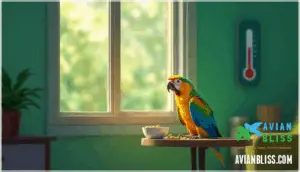
Your parrot’s environment plays a much bigger role in its health than many owners realize. Small changes in temperature, light, or social contact can tip a healthy bird into illness.
Here’s what you need to monitor to keep your parrot thriving.
Temperature and Humidity Control
Your parrot’s comfort zone isn’t just about feeling good—it’s essential for thermoregulation strategies and preventing serious illness. Keep your bird’s environment between 65-80°F with 40-60% humidity to support healthy eating and energy levels. Temperature monitoring becomes critical during seasonal changes, especially in winter when heaters dry the air.
- Maintain stable temperatures suited to your parrot’s species—African Greys prefer 70-75°F, while macaws tolerate slightly warmer ranges
- Use humidifiers or misting to prevent respiratory distress and feather plucking from dry air
- Avoid drafts and sudden environmental changes that trigger stress-induced appetite loss
- Guarantee proper heat stress prevention when temperatures climb above 85°F with adequate airflow
Environmental control directly impacts your parrot’s recovery when they’re already struggling with inappetence and lethargy.
Exposure to Toxins and Harmful Substances
Beyond temperature and humidity, toxin exposure poses a silent but serious threat to your parrot’s health and wellness. Household cleaners, non-stick cookware fumes, and contaminated feed can trigger bird illness within hours.
Over 60% of emergency avian health care visits stem from chemical hazards like bleach, ammonia, or airborne poisons from heated Teflon. Even your bird’s food isn’t safe—more than 72% of commercial feeds contain toxic fungi.
Remove these fume poisoning risks immediately, especially if your parrot shows environmental changes like lethargy or inappetence.
Lighting and Photoperiod Considerations
Lighting often goes unnoticed when parrots show health issues and unusual eating or sleeping patterns, yet your bird’s Circadian Rhythms depend entirely on proper photoperiod effects. Aim for 10–12 hours of daily light using full-spectrum bulbs—excessive exposure beyond 14 hours disrupts Melatonin Regulation, triggering hormonal imbalance and reproductive stress.
Avian Vision detects blue wavelengths that suppress melatonin most strongly, so dim evening lights protect natural bird behavior. Light Therapy through gradual dawn-dusk transitions fosters normal rest cycles and appetite recovery.
Social Interaction and Companionship
Just as proper lighting sets the stage for healthy rhythms, your parrot’s Social Bonds matter equally. Companion Care isn’t optional—flock animals experience measurable distress in isolation, with stress hormones rising 35% after six weeks alone.
Pair-housed birds show 37% fewer repetitive behaviors and improved feather condition. Even Virtual Interaction through video calls can boost positive behaviors by 28%, proving that Parrot Friendship and Flock Dynamics directly influence appetite and energy levels.
Cage Size and Layout
Your parrot’s home directly impacts recovery. While social bonds shape mood, Cage Dimensions and Bar Spacing determine whether your bird can truly stretch and move. African Greys need at least 30″ × 36″ × 48″—cramped quarters reduce feeding by 20% due to poor Ventilation Systems and airborne irritants.
Thoughtful Perch Placement and Enrichment Strategies matter:
- Position three to four varied-texture perches at staggered heights to reduce leg strain
- Keep foraging toys to 20–25% of cage space—clutter stresses, balance stimulates
- Choose rectangular over round cages; birds show 40% lower stress hormones in angular environments
Proper environment fosters parrot behavior and psychology, turning housing into healing.
Nutritional Considerations for Recovering Parrots

When your parrot isn’t eating well, recovery depends on the right nutritional approach. You’ll need to focus on foods that rebuild strength without overwhelming a weakened system.
Here’s what works best during the recovery phase.
Easily Digestible and High-Energy Foods
When your parrot’s refusing food, think of recovery nutrition as rebuilding a bridge—you need strong materials that won’t collapse under stress. Start with high-energy foods proven to support healing:
- Harrison’s Recovery Formula provides 42% protein and 22% fat for energy boosters during critical illness.
- Hard-boiled eggs and cooked lentils offer easily digestible proteins with natural digestive enzymes for better absorption.
- Cooked sweet potatoes and brown rice deliver nutrient supplements through complex carbohydrates that stabilize blood sugar without overwhelming your bird’s compromised system.
Warm these healthy treats to 39–40°C—temperature matters for eating acceptance and proper nutrition during health issues affecting your parrot’s balanced diet.
Supplementing With Vitamins and Minerals
Supplementing vitamins and minerals during recovery requires precision—too little won’t help, too much can harm. Your parrot needs 2,000–4,000 IU of vitamin A per kilogram daily, since seed diets contain barely 30 µg/kg. Calcium supplements work only when paired with vitamin D3 and UVB lighting for proper absorption.
Here’s what matters for nutrient interactions:
| Nutrient | Recovery Role |
|---|---|
| Vitamin A | Repairs respiratory tissues, boosts immunity |
| Calcium | Aids muscle function, bone strength |
| Vitamin D3 | Facilitates calcium metabolism, prevents hypocalcemia |
| Minerals | Maintains electrolyte balance during illness |
| UVB Light | Triggers natural vitamin D synthesis |
Quality pellet diets eliminate guesswork with balanced nutrition. Consult your avian vet before adding supplements—over-supplementation causes pancreatitis and liver damage in parrots with existing health issues.
Encouraging Natural Foraging Behaviors
Recovery means rekindling your parrot’s instinct to hunt for meals, not just eat from a bowl. Wild parrots forage 4–8 hours daily, and captive birds crave that mental workout too.
Restore this drive by:
- Hiding nutrient-rich foods inside shredding toys or crumpled paper for beak exercises
- Rotating foraging toys weekly to prevent boredom and sustain interest in food hiding challenges
- Scattering small portions throughout the cage to mimic environmental enrichment
These foraging techniques transform recovery feeding into active play, doubling activity levels while rebuilding your bird’s appetite and strength.
Transitioning Back to Regular Diet
Think of diet reintroduction as climbing a ladder—you can’t skip rungs without risking a fall. Start by reducing recovery foods by 25% weekly while adding formulated pellets and familiar produce.
Monitor your parrot’s weight daily; losing more than 1–2% weekly signals you’re moving too fast. Watch for food refusal, changes in droppings, or lethargy—red flags demanding you pause and reassess.
Nutrient balance matters: aim for 75–80% pellets, 15–20% vegetables, maintaining appetite through gradual shifts over four weeks.
Addressing Specific Nutritional Deficiencies
When your parrot’s diet has been lacking, you’re fundamentally rebuilding their foundation from the ground up. Vitamin deficits—especially vitamin A in seed-dependent birds—cause respiratory vulnerability and weakened immunity. Protein requirements and amino acid needs become critical during recovery, as inadequate lysine and methionine compromise feather regrowth and tissue repair. Mineral imbalance, particularly calcium deficiency in African greys, may trigger tremors or seizures. Targeted nutrient supplements restore health faster than diet alone.
- Monitor for blunted choanal papillae or nasal discharge suggesting vitamin A deficiency
- Offer beta-carotene-rich foods like carrots and sweet potatoes to correct hypovitaminosis A
- Verify calcium reaches 0.8–1.2% of diet through fortified pellets or cuttlebone
- Provide adequate UVB lighting to support vitamin D3 synthesis and calcium absorption
- Address iodine deficiency with veterinary-approved supplementation if your parrot shows voice changes
Long-term Management of Parrot Health
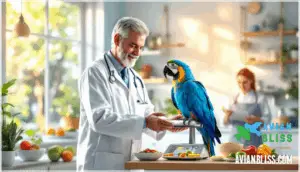
Once your parrot’s appetite returns and energy levels stabilize, the real work begins. Long-term health management isn’t about reacting to crises—it’s about building habits that keep your bird thriving for years to come.
Here’s how you protect your parrot’s health over the long haul.
Establishing a Routine Health Monitoring Plan
Weekly weight tracking acts as your first line of defense—a 5–10% drop signals trouble before other symptoms appear. Combine this with daily observations of droppings, energy levels, and feeding duration to catch health issues early. Annual wellness checks with blood work detect subclinical problems in 39% of parrots, while quarterly data reviews help you spot patterns. Think of it as building a health timeline that transforms scattered observations into actionable insights for veterinary care.
| Monitoring Task | Frequency |
|---|---|
| Weight tracking | Weekly |
| Droppings analysis | Daily |
| Blood work & exam | Annually |
| Data review | Quarterly |
Structured health logs improve diagnostic efficiency by 40% and help you recognize stress in parrots before it affects nutrition and diet. Environmental monitoring—temperature, lighting, humidity—completes your wellness checks, reducing preventable illness by 35%.
Implementing Preventive Care Measures
Beyond tracking health metrics, preventive care means taking proactive steps to stop problems before they start. Annual avian check-ups reduce preventable disease by approximately 40%, while twice-yearly fecal screenings catch parasites in multi-bird homes.
Daily cage cleaning cuts bacterial counts by 85%, and proper ventilation prevents respiratory issues.
Nutrition planning with formulated pellets increases nutrient consistency by 90% compared to seed diets.
Environmental control—maintaining 40–60% humidity and 10–12 hour light cycles—maintains your parrot’s circadian rhythm and feather health.
Stress management through foraging toys and social interaction lowers cortisol levels by 25%, creating a foundation for long-term wellness.
Educating Owners on Early Warning Signs
Once prevention is in place, your role shifts to vigilance. Owner awareness becomes your strongest defense against illness. Studies show only 42% of parrot owners correctly recognize lethargy or eating problems as red flags—yet early detection boosts survival by up to 80%. Visual health diaries improve symptom recognition accuracy by 47%, turning you into an expert observer. Here’s what demands your attention:
- Puffed feathers during active hours signal distress or illness
- Weight drops exceeding 5% weekly indicate serious health issues
- Droppings showing color or consistency changes correlate with disease in 90% of cases
- Persistent daytime sleeping increases infection likelihood 3.5-fold
- Sudden aggression or withdrawal reflects stress in 55% of avian illness cases
Health education through avian wellness programs reduces emergency visits by 35%. Veterinary collaboration matters—67% of diagnostic success depends on accurate symptom reporting. Regular checkups every 6–12 months double your chances of catching problems before anorexia and lethargy appear.
Adapting Care for Aging or Chronically Ill Parrots
Older parrots or those battling chronic illness demand thoughtful adjustments to their world. Senior parrot nutrition shifts toward reduced protein and fat, but you’ll need to boost vitamins A, E, B12, zinc, and omega-3s to slow degenerative diseases. Cage temperatures around 75–80°F promote metabolism and recovery, while padded perches ease arthritic joints. Environmental enrichment—puzzle feeders, foraging toys—keeps cognitive function sharp and delays mental decline. Regular grooming prevents self-injury from reduced mobility. Blood panels and radiographs every 6–12 months catch liver or kidney issues early, ensuring medications stay properly dosed as metabolism changes.
| Care Component | Adaptation for Aging/Chronically Ill Parrots |
|---|---|
| Diet | Lower protein/fat; increase vitamins A, E, B12, omega-3s; soaked pellets for easier digestion |
| Environment | 75–80°F cage temps; padded perches; reduced drafts; low-traffic placement |
| Enrichment | Puzzle feeders; consistent routines; gentle training; visual/auditory stimulation |
| Medical Monitoring | Blood panels, radiographs every 6–12 months; regular nail/beak trimming |
| Mobility Support | Ramps, cage-level perches, assisted feeding if needed; pain management as prescribed |
Monitor weight, droppings, and appetite weekly—non-invasive quality-of-life metrics that guide your decisions. Avian palliative care focuses on comfort: controlled pain relief, hydration support, and assisted feeding when appetite crashes. Aging parrot wellness isn’t just reactive—it’s about preserving dignity and joy through their golden years.
Building a Relationship With an Avian Veterinarian
All those preventive measures mean little without veterinary medicine backing you up. Long-term bonding with an avian vet transforms parrot health and wellness—regular visits with the same professional shorten diagnostics by 25–30%, since they already know your bird’s baseline. Veterinarian trust matters during emergencies, too; clinics prioritize established clients, cutting critical response times. Owner education through consistent avian care reduces illness recurrence by 22%, and your parrot’s stress drops when familiar hands do the exam.
- Schedule annual wellness exams to catch disease before symptoms appear—39% of issues surface this way
- Share behavioral changes openly; your observations improve diagnostic accuracy by roughly 20%
- Keep contact details handy for after-hours crises, a perk often reserved for long-term clients
Frequently Asked Questions (FAQs)
What are the signs of a sick parrot?
Your parrot isn’t auditioning for a method-acting role—if it’s sleeping constantly, sitting fluffed like a feather duster, or ignoring food, something’s wrong.
Watch for dropping changes, respiratory distress, weight fluctuation, and behavioral depression. Loss of appetite and lethargy signal illness requiring immediate veterinary attention.
What to do if your parrot is not eating?
When appetite disappears, act fast—parrots can deteriorate quickly. Keep your bird warm (around 28–32°C) and offer variety: soft foods like warm mashed sweet potato, favorite fruits, or easily digestible options. Hand-feeding methods can restore caloric intake temporarily.
Hydration is critical—provide fresh water or oral rehydration fluids. Reduce stress by covering part of the cage for privacy. Avoid pet store medications and home remedies.
If your parrot refuses food for 24 hours, contact an avian veterinarian immediately for proper diagnosis and treatment.
Why is my bird sleeping so much all of a sudden?
When sleep patterns change suddenly, your bird may be signaling distress—lethargy often masks underlying infections, toxin exposure, or nutritional imbalances.
Monitor for inactivity paired with anxiety or stress factors, as molting impact alone rarely explains dramatic shifts in emotional wellbeing.
Why is my parrot sleeping so much?
When your bird’s sleep duration extends well beyond 12 hours daily, underlying illnesses like infections or metabolic disorders often drive this lethargy. Environmental factors—poor lighting, excessive noise, or temperature extremes—also disrupt avian sleep patterns.
Behavioral consequences of stress include inactivity and withdrawal, signaling your parrot needs immediate veterinary attention.
How do social interactions affect parrot health?
Social bonding isn’t just nice to have—it’s critical medicine for your parrot’s wellbeing. Regular interaction reduces stress hormones by up to 50%, strengthens immune response against infections, and prevents depressive behaviors like excessive sleeping.
Without companionship, parrots face cognitive decline and serious behavioral impacts that compromise their health.
Can stress impact a parrots eating habits?
Yes, stress dramatically impacts your parrot’s eating habits. While some think only illness causes inappetence, psychological stress alone can slash food intake by up to 50% through elevated corticosterone levels that suppress hunger signals.
Environmental enrichment and consistent routines effectively reverse stress-related appetite loss.
What role does hydration play in parrot recovery?
Proper hydration directly aids nutrient absorption, electrolyte balance, and temperature regulation in sick birds. Without adequate fluids, your parrot’s recovery stalls—dehydration impairs gut function and slows metabolic healing. Fluid therapy restores circulation and helps weakened parrots regain strength faster.
How can toys influence a parrots appetite?
A puzzle feeder becomes a golden key, unlocking your parrot’s natural drive to work for food. Introducing foraging toys and cognitive enrichment taps into instincts that wild parrots use four to six hours daily.
Toy rotation every few days keeps curiosity high, reducing parrot stress factors while encouraging parrot eating through mental stimulation and natural foraging behavior.
Are there specific signs of pain in parrots?
Parrots mask pain instinctively—over 75% hide discomfort to avoid appearing vulnerable.
Watch for drooped wings, fluffed feathers (present in 80% of pain cases), reduced vocalizations, reluctance to perch, or guarding behaviors like sudden aggression when touched.
How often should I weigh my parrot at home?
Weekly weighing detects early illness in 39% of parrots before symptoms appear. You should weigh your parrot once a week, ideally each morning before breakfast, using a gram-sensitive scale to establish baseline weight and catch concerning health fluctuations early.
Conclusion
An ounce of prevention is worth a pound of cure, especially when your parrot not eating and sleeping a lot signals trouble brewing beneath the surface.
You’ve learned to read the warning signs, understand the diagnostic process, and take decisive action before minor symptoms spiral into critical emergencies.
Trust your instincts when something feels off—your bird depends on your vigilance and swift response to survive illness that they’re biologically programmed to hide until it’s almost too late.
- https://vcahospitals.com/know-your-pet/anorexia-and-lethargy-in-birds
- https://www.merckvetmanual.com/exotic-and-laboratory-animals/pet-birds/nutritional-diseases-of-pet-birds
- https://www.harrisonsbirdfoods.com/wp-content/uploads/2024/03/842-861-Ch31-Malnutrition.pdf
- https://www.tandfonline.com/doi/full/10.1080/08927936.2023.2238434
- https://www.chewy.com/education/bird/parrot/what-you-need-to-know-about-a-parrots-night-and-day-cycle