This site is supported by our readers. We may earn a commission, at no cost to you, if you purchase through links.

That rhythmic hammering on your siding at 6 AM isn’t a construction crew—it’s a lovesick woodpecker announcing his bachelor status to the neighborhood. These birds drill into homes for three main reasons: claiming territory, hunting for insects, or carving out a cozy nursery. The damage escalates quickly, with some species creating dozens of holes in a single morning session.
Fortunately, you can protect your property without breaking federal law or harming these protected birds. The key lies in understanding what draws woodpeckers to your home and implementing deterrents that make them pack up and relocate to more suitable real estate.
Table Of Contents
- Key Takeaways
- Identifying Woodpecker Damage on Property
- Understanding Why Woodpeckers Peck
- Humane Woodpecker Deterrent Strategies
- Repairing and Preventing Woodpecker Damage
- Legal Considerations for Woodpecker Control
- Top 8 Products for Woodpecker Prevention
- Frequently Asked Questions (FAQs)
- How do I permanently get rid of woodpeckers?
- What is the penalty for killing a woodpecker?
- What is toxic to woodpeckers?
- How do you get a woodpecker to leave?
- What is the most effective woodpecker deterrent?
- How do exterminators get rid of woodpeckers?
- Why are woodpeckers pecking my house?
- What smells do woodpeckers hate?
- How do you ward off woodpeckers safely?
- How to stop woodpecker damage to a home?
- Conclusion
Key Takeaways
- Woodpeckers target homes for three main reasons—claiming territory through drumming, hunting insects in wood, and excavating nesting cavities—with damage escalating rapidly during spring breeding season when males hammer to attract mates.
- All woodpeckers are federally protected under the Migratory Bird Treaty Act, making lethal control illegal without permits and carrying fines up to $5,000 plus potential jail time, so homeowners must rely exclusively on humane deterrents.
- The most effective prevention strategy combines physical barriers like bird netting with rotating visual deterrents such as reflective tape and decoy predators, moved weekly to prevent birds from becoming habituated to stationary threats.
- Repairing woodpecker damage requires filling holes with exterior-grade wood filler, eliminating underlying insect infestations that attract the birds, and conducting regular maintenance checks every two weeks during peak activity periods to catch new damage early.
Identifying Woodpecker Damage on Property
Woodpeckers leave behind telltale signs that help you confirm they’re the culprits behind your property damage. Understanding what to look for—from distinctive hole patterns to the unmistakable drumming sounds—lets you assess the situation accurately and respond quickly.
Identifying the specific species—whether it’s a downy, hairy, or pileated—can be easier when you familiarize yourself with common woodpeckers of Massachusetts and their unique markings.
Here’s how to identify the most common indicators that woodpeckers have made your home their target.
Recognizing Pecking Patterns on Wood and Siding
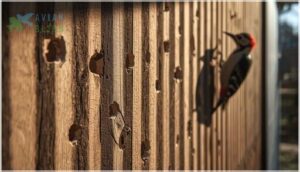
Pecking pattern analysis starts with spotting telltale signs on your wood siding. Woodpeckers create rows of evenly spaced, small round holes that form vertical or horizontal lines across boards—distinct from random insect damage.
- Fresh holes show light-colored wood around clean edges
- Cedar and pine display sharper, deeper peck marks than harder materials
- Drumming sounds paired with shallow, uniform holes signal territory marking rather than nesting
For long-term solutions, homeowners can explore woodpecker-resistant siding options to prevent recurring damage.
Spotting Nesting Cavities and Entry Holes
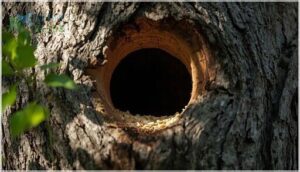
Beyond shallow drumming holes, you’ll find larger entry holes—usually 1 to 4 inches across—signaling active woodpecker nesting. Fresh wood chips piled below circular cavities in dead or damaged trees confirm recent excavation. These entry hole patterns usually appear 6 to 30 feet high, with smooth interior edges from repeated pecking.
Monitor these spots during spring when woodpecker nesting activity peaks for effective woodpecker damage prevention.
| Cavity Feature | What It Means | Action Needed |
|---|---|---|
| Fresh wood chips below | Active excavation underway | Install deterrents immediately |
| 1-4 inch circular opening | Established nesting site | Apply woodpecker control methods |
| Smooth interior walls | Repeated use over time | Consider professional woodpecker removal |
| Elevated location (6-30 ft) | Preferred nesting height | Focus deterrents at this level |
Common Signs of Infestation and Noise Disturbance
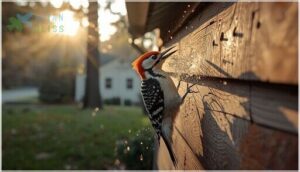
You’ll hear rhythmic woodpecker drumming during early morning hours—especially in spring—when males hammer metal gutters or cedar siding to establish territory. These acoustic disturbance patterns differ from irregular scratching noises other pests make. Watch for tapping that repeats in short bursts, then stops abruptly.
Damage assessment becomes urgent when woodpecker noise continues daily, signaling infestation signs requiring immediate woodpecker behavior intervention before structural harm worsens.
Distinguishing Woodpecker Damage From Other Pests
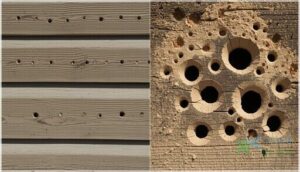
While acoustic signs help confirm woodpecker problems, you need pest identification skills to separate their work from other invaders. Carpenter ants leave scattered pits with hollow sounds when tapped, not deliberate drilling patterns. Beetle borers create irregular oval exit holes with powdery frass, unlike woodpeckers’ neat linear rows of uniform holes along wood grain—critical for property damage mitigation.
- Clean, circular entry holes signal nesting patterns, not random insect chewing
- Rhythmic tapping at dawn confirms woodpecker damage over silent beetle activity
- Evenly spaced rows distinguish insect infestations from wood-boring pest galleries
For more advice, you can learn how to spot characteristic woodpecker presence signs to distinguish this type of property damage.
Understanding Why Woodpeckers Peck
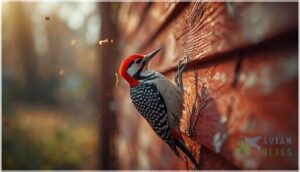
Before you can stop woodpeckers from hammering away at your home, you need to understand what’s driving their behavior in the first place. These birds aren’t just being destructive for fun—they’re following deep biological instincts tied to survival, reproduction, and territory.
Let’s break down the four main reasons woodpeckers target homes and properties.
Mating and Territory Marking Behaviors
You might think woodpeckers are just after bugs, but that drumming noise actually fulfills a bigger purpose. Males hammer on gutters and siding to announce their territorial displays and attract mates.
This rhythmic pecking—loudest during spring mornings—acts like a courtship ritual that broadcasts strength and boundary defense. The louder and more persistent the drumming, the better their chances at mate attraction and nesting success.
Searching for Food Sources in Wood
Woodpecker foraging centers on one thing: hunting insect-packed wood. They tap, listen, and chisel through bark excavation to reach beetle larvae, carpenter ants, and termites hiding beneath. Tree species like oaks and maples harbor more food sources, making them prime targets for woodpecker damage.
Three key insect attraction patterns:
- Fresh larvae clusters emerge in moist, rotting wood after spring rains
- Bark beetles tunnel under loose scales on sunlit, stressed trunks
- Fungal infections soften dead wood, releasing sap that draws wood-boring insects year-round
Nesting Habits and Seasonal Activity
Spring triggers the most intense woodpecker behavior—drumming patterns accelerate as breeding season peaks in April and May.
You’ll notice these birds excavating nesting sites in mature or dead trees, carving deep cavities high off the ground to protect their young.
Many species reuse old nesting materials and cavities rather than starting fresh, which explains why they return to the same spots year after year.
Environmental Attractants Around Homes
Your landscape might be rolling out the welcome mat without you realizing it. Dense deciduous trees near your siding provide both concealment and insect buffets during breeding season, while bird feeders positioned close to windows draw woodpeckers during dawn and dusk.
Standing water or moist mulch near foundations encourages the insect populations these birds hunt, making property protection essential for wildlife conservation.
Humane Woodpecker Deterrent Strategies
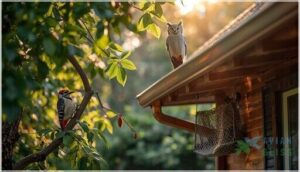
You don’t have to live with the constant drumming and property damage woodpeckers cause. There are several proven methods to discourage these birds from targeting your home without breaking any laws or causing harm.
The strategies below work by making your property less appealing and more difficult for woodpeckers to access.
Installing Visual Deterrents and Reflective Objects
Shiny objects work like a force field for your property—woodpeckers see the flash and think twice about landing. Install visual deterrents 6 to 10 feet above ground and space them every 8 to 12 feet for full coverage.
- Hang reflective tape in zigzag patterns along damaged siding
- Mount metallic ribbons on tree limbs for vivid light flashes
- Position spinning pinwheels at 3 to 5 foot intervals
- Combine decoy placement with reflective features at dawn and dusk
Using Noise-Making Devices and Frightening Methods
A sharp blast from an air horn can jolt a determined bird off your siding in seconds. Noise devices and acoustic repellents deliver sudden sound patterns that disrupt pecking behavior—try motion-activated sirens, whistles, or recorded distress calls.
Alternate sonic deterrents randomly to prevent habituation, and aim frightening techniques toward damage zones during early morning or late afternoon when these bird control methods work best.
Setting Up Decoy Predators Effectively
A life-size owl decoy with reflective eyes can convince woodpeckers that real danger lurks nearby. Position your predator models five to fifteen meters from active pecking sites, facing the structure to create a believable threat.
Move them weekly to prevent habituation, and choose battery-powered versions with slight head movements—subtle motion tactics boost realism and keep these visual repellents working season after season.
Blocking Access With Bird Netting and Barriers
When decoys aren’t enough, bird netting creates a physical barrier that stops woodpeckers cold. You’ll want heavy-duty polyethylene mesh with quarter-inch to half-inch openings, stretched taut across damaged siding or eaves. Secure edges with stainless steel fasteners to prevent gaps, and inspect every six to twelve months for tears or loose anchors.
- Knotted plastic netting resists UV damage for years
- Dual-layer systems protect high-risk ledges
- Custom panels seal vents and pipe openings
- Professional installation ensures no entry points remain
Repairing and Preventing Woodpecker Damage

Once you’ve successfully deterred woodpeckers from your property, you’ll need to address the damage they’ve left behind and take steps to prevent future problems. Repairing existing holes and replacing compromised materials isn’t just about aesthetics—it’s about protecting your home from water damage, rot, and insect infestations that could attract woodpeckers all over again.
Here’s how to repair the damage and maintain your property so these persistent birds don’t come back for round two.
Filling and Sealing Holes in Wood and Siding
Once you’ve chased off the birds with woodpecker deterrents, it’s time for siding repair. Clean the damaged area first, removing dust and loose fibers—proper surface preparation ensures strong adhesion. For holes under half an inch, exterior-grade wood filler works perfectly. Larger cavities need backing material like fiberglass mesh before filling holes in wood. After the filler cures completely, sand smooth and apply stain-blocking primer. Finish with matching exterior paint or stain to seal against moisture. For gaps and joints, choose high-quality exterior caulk rated for wood—caulk applications around trim prevent water intrusion that leads to rot.
The key is addressing woodpecker damage promptly—inspect seasonally and touch up any peeling paint before minor issues become major headaches.
Here’s a quick reference for woodpecker mitigation repairs:
| Hole Size | Material Needed | Method |
|---|---|---|
| Under 1/2 inch | Exterior wood filler | Fill directly, sand, prime |
| Over 1/2 inch | Filler + backing mesh | Support first, then fill |
| Gaps/joints | Paintable exterior caulk | Seal, smooth, paint over |
| All repairs | Primer + topcoat | Protect from moisture/UV |
Replacing Rotting or Damaged Materials
Sometimes fillers won’t cut it—when woodpecker damage exposes rot, you need full material replacement. Strip out any compromised boards plus one inch beyond the visible decay to catch hidden spread.
Install weather-resistant, preservative-treated lumber that matches your existing thickness and profile. Pre-finish new pieces with exterior primer before fastening with stainless steel nails, and seal every joint with quality exterior caulk to prevent future wood damage and moisture problems.
Eliminating Insect Infestations in Structures
Woodpeckers pecking at your siding often signals insect damage underneath—usually wood-boring beetles or carpenter ants.
Treat these entry points with pesticide sealant around utility penetrations and cracks wider than 1/16 inch, cutting access routes by 60 percent. Pair this with infestation monitoring using sticky traps along suspected paths.
Thorough pest control methods, including moisture reduction and strategic sealant applications, stop both the bugs and the birds.
Conducting Regular Maintenance Checks
Regular inspections every two weeks during spring help you catch woodpecker damage prevention issues before they escalate. Check siding for fresh holes, assess structural integrity around eaves, and record findings in your home maintenance log. Seasonal checks align with peak activity periods—that’s when preventive measures matter most.
Schedule property maintenance after storms to identify new vulnerabilities and maintain tree protection barriers around damaged wood.
Legal Considerations for Woodpecker Control

Before you take action against woodpeckers, you need to know the law. These birds aren’t just a nuisance—they’re federally protected, and harming them can land you in serious legal trouble.
Here’s what you need to understand about woodpecker protection laws, penalties, permit requirements, and legal solutions that keep you on the right side of the regulations.
Understanding Federal and Local Protection Laws
Before you hang that first deterrent, know this: all woodpeckers fall under Federal Laws through the Migratory Bird Treaty Act, which makes them Protected Species you can’t harm without serious Legal Consequences.
All woodpeckers are federally protected under the Migratory Bird Treaty Act—harming them brings serious legal consequences
The US Fish and Wildlife Service enforces these Wildlife Regulations as part of broader Conservation Efforts for Wildlife Protection. Federal Law prohibits killing, trapping, or destroying nests, so your control methods must stay strictly nonlethal.
Penalties for Harming Protected Woodpecker Species
Breaking Federal Law by harming woodpeckers triggers steep legal consequences under the Migratory Bird Treaty Act—and the US Fish and Wildlife Service doesn’t take violations lightly. Here’s what Wildlife Protection enforcement looks like:
- Federal Fines up to $5,000 for individuals and $10,000 for organizations
- Jail Sentences reaching six months for serious offenses
- Restoration Costs for habitat damage and corrective actions
- Elevated penalties when nests or eggs are destroyed
Wildlife Conservation and Law means Permit Requirements exist for a reason.
When Permits Are Required for Lethal Control
Lethal Control isn’t your first move—Federal Regulations demand it be your last. Before you can legally remove a woodpecker, you’ll need a depredation permit from the US Fish and Wildlife Service, issued only after you’ve exhausted nonlethal options and documented damage thoroughly.
Here’s what the Federal Migratory Bird Treaty Act requires for Wildlife Management permits:
| Permit Stage | What You Must Prove | Timeline Restrictions |
|---|---|---|
| Documentation | Photos of damage, failed deterrents, financial impact | 30-60 days processing |
| Damage Assessment | Site inspection by wildlife official | Seasonal blackout May 15-Aug 15 |
| Approval Conditions | Humane methods only, specific bird counts | Annual renewal required |
Wildlife permitting and regulations aren’t bureaucratic red tape—they’re your legal shield. Skip the Permit Requirements, and you’re facing the same penalties as deliberate poaching.
Eco-Friendly and Lawful Management Solutions
The smartest Woodpecker Deterrents blend Eco-Friendly Methods with Legal Considerations, letting you protect your property without crossing federal lines. Non-Lethal Control works when you commit to consistency—these Sustainable Solutions require patience, but they’re your ticket to Wildlife and Property Coexistence.
Here’s your Eco-Friendly Solutions for Woodpeckers toolkit:
- Physical barriers like bird netting create instant exclusion zones without harming protected species
- Habitat modification removes food sources and nesting attractants through proper Pest Control and Removal
- Sensory deterrents using reflective tape and sound devices maintain Wildlife Management and Conservation standards
- Routine monitoring catches damage early, making Woodpecker Control Methods more effective long-term
Top 8 Products for Woodpecker Prevention
You’ve got plenty of options regarding keeping woodpeckers away from your property without breaking any laws. The right products can make all the difference between constant pecking and peaceful mornings.
Here are eight proven tools that homeowners have used successfully to deter these persistent birds.
1. Gorilla Wood Filler Natural Finish
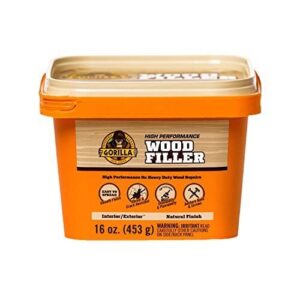
Once you’ve deterred the birds, you’ll need to repair the damage they left behind. Gorilla Wood Filler Natural Finish offers a strong, water-resistant solution for patching those pecked-out holes and gouges.
This 16-ounce tub spreads easily and dries to a natural finish that you can sand, stain, or paint to match your siding or trim. It anchors nails and screws securely, making it ideal for both indoor and outdoor woodpecker repairs that won’t shrink or crack over time.
| Best For | DIYers and homeowners looking to repair woodpecker damage or fill cracks and holes in wood surfaces both indoors and outdoors. |
|---|---|
| Primary Material | Wood filler |
| Weight | 1 pound |
| Outdoor Use | Yes |
| Weatherproof | Water-resistant |
| Installation | Apply directly |
| Reusable | No |
| Additional Features |
|
- Water-resistant formula holds up well in outdoor conditions without shrinking or cracking
- Easy to work with—spreads smoothly and can be sanded, stained, or painted to match your existing wood
- Strong enough to anchor nails and screws, making it ideal for structural repairs
- Not suitable for areas with continuous water exposure like submerged wood
- Can dry out quickly if the lid isn’t sealed tightly after use
- Some users report needing to add water to rehydrate the filler if it arrives too dry
2. Hausse Horned Owl Bird Scarecrow Decoy
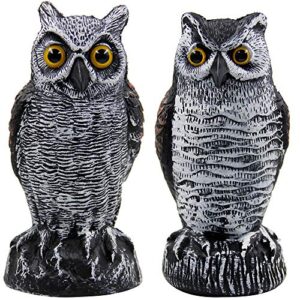
After patching up the damage, it’s time to prevent repeat performances. The Hausse Horned Owl Decoy stands 10.5 inches tall with realistic feathers and a rotating head that moves in the wind, creating the illusion of a live predator scanning your property.
This 2-pack lets you position bogus predators strategically around vulnerable areas. The hollow bottom accepts sand or gravel for stability, and you can mount each decoy on a pole or stake. Just remember to relocate them weekly—woodpeckers catch on fast to stationary threats.
| Best For | Homeowners dealing with persistent woodpecker damage who want a humane, low-maintenance deterrent that works around the clock. |
|---|---|
| Primary Material | Plastic |
| Weight | 15.8 ounces |
| Outdoor Use | Yes |
| Weatherproof | Yes |
| Installation | Place on ground |
| Reusable | Yes |
| Additional Features |
|
- Realistic design with detailed feathers and rotating head creates convincing predator presence
- 2-pack coverage lets you protect multiple problem areas simultaneously
- Hollow base design allows for weighted stability or pole mounting depending on your setup
- Requires weekly repositioning to prevent woodpeckers from recognizing it as a fake
- Won’t deter larger pests like deer or rabbits that aren’t threatened by owls
- Some smart bird species like crows and pigeons may ignore the decoy entirely
3. Eacilles Holographic Bird Ribbon
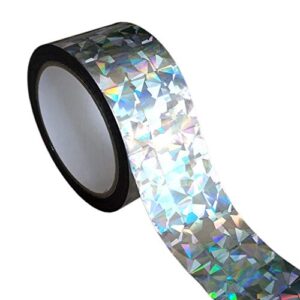
If stationary owls aren’t cutting it, the Eacilles Holographic Bird Ribbon brings movement into the mix. This 330-foot roll of double-sided reflective tape catches sunlight from every angle, throwing flashes of light that unsettle woodpeckers mid-approach.
Cut it into strips and hang them near damaged siding or eaves—the slightest breeze sets the ribbons twisting, creating unpredictable light patterns.
At just 2 inches wide, the thin plastic construction means it won’t hold up forever in harsh weather, so plan on replacing strips periodically.
| Best For | Homeowners looking for an affordable, motion-based deterrent to supplement other woodpecker control methods in areas with moderate wind exposure. |
|---|---|
| Primary Material | Plastic |
| Weight | 5.3 ounces |
| Outdoor Use | Yes |
| Weatherproof | Moderate |
| Installation | Cut and hang |
| Reusable | Yes |
| Additional Features |
|
- Creates unpredictable light patterns with any breeze, triggering woodpeckers’ instinct to avoid sudden flashes
- 330-foot length provides enough material to protect multiple problem areas around your property
- Easy setup—just cut strips to length and hang near damaged siding or vulnerable spots
- Thin plastic construction won’t withstand harsh weather or strong winds for extended periods
- Effectiveness drops as birds acclimate to the repetitive flashing pattern over time
- Requires periodic replacement and repositioning to maintain deterrent effect
4. Coolrunner Bird Garden Netting
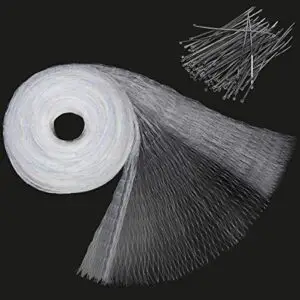
When reflective tape alone won’t stop persistent peckers, the Coolrunner Bird Garden Netting offers full physical coverage. This 33-foot by 16.4-foot UV-resistant nylon sheet drapes over vulnerable siding, eaves, or tree trunks to create a barrier woodpeckers can’t breach.
The 1-inch mesh allows airflow while blocking access to wood surfaces. Secure it with the included cable ties, keeping the net taut so birds can’t slip underneath.
It’s lightweight enough to reposition as needed, and the clear color won’t clash with your home’s exterior.
| Best For | Homeowners dealing with persistent woodpecker damage who need full coverage protection for large areas like siding, eaves, or multiple trees. |
|---|---|
| Primary Material | Nylon |
| Weight | 1.26 pounds |
| Outdoor Use | Yes |
| Weatherproof | UV-resistant |
| Installation | Tie with cables |
| Reusable | Yes |
| Additional Features |
|
- Large 33ft x 16.4ft coverage area protects extensive surfaces in one installation
- UV-resistant nylon won’t degrade in sun and comes with 100 cable ties for easy setup
- 1-inch mesh blocks woodpeckers while allowing air and light through, plus it’s clear so it won’t stand out
- Installation can be tricky solo—you’ll likely need a second person to keep it taut
- The mesh might not lay perfectly flat and can look a bit uneven in spots
- Small, determined birds could potentially squeeze through the 1-inch openings
5. Stonebriar Oval Metal Wall Mirror
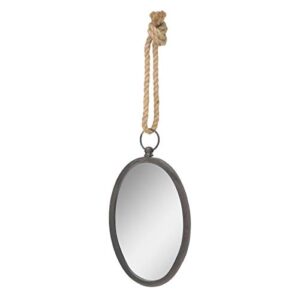
Bright, reflective surfaces confuse woodpeckers and send them looking elsewhere for drumming spots. The Stonebriar Oval Metal Wall Mirror, measuring 11.5 inches tall by 7.6 inches wide, features a distressed bronze metal frame that catches sunlight throughout the day.
Hang it near problem areas using the built-in rope loop—no extra hardware needed. The glass creates moving reflections as the sun shifts, tricking birds into thinking a predator lurks nearby.
At 1.39 pounds, it’s light enough to mount on siding without extra reinforcement.
| Best For | Homeowners looking for an affordable, decorative solution to deter woodpeckers from small problem areas around their home. |
|---|---|
| Primary Material | Glass/Metal |
| Weight | 1.39 pounds |
| Outdoor Use | No |
| Weatherproof | No |
| Installation | Wall mount |
| Reusable | N/A |
| Additional Features |
|
- Built-in rope loop makes hanging simple without buying extra mounting hardware
- Lightweight design won’t damage siding or require wall reinforcement
- Dual purpose as both a functional bird deterrent and rustic home decor accent
- Smaller size (11.5″H x 7.6″W) may not provide enough reflective coverage for larger affected areas
- Quality control issues reported with size inconsistencies between different units
- Effectiveness depends on sun angle and may not work well in shaded spots
6. Reynolds Heavy Duty Aluminum Foil Roll

Hanging strips of aluminum foil near damaged siding creates flashes of light that repel woodpeckers from landing. The foil’s reflective surface moves with every breeze, mimicking predator movement that keeps woodpeckers on alert.
Reynolds Heavy Duty Aluminum Foil Roll, at 12 inches wide and 50 square feet long, tears cleanly along its built-in cutting edge without shredding. The thick gauge resists wind better than standard foil, staying in place during storms.
Wrap it around tree trunks or tack strips vertically along siding where birds drum.
| Best For | Homeowners looking for a durable, reusable foil solution to deter woodpeckers from damaging siding and trees without using chemicals or harmful methods. |
|---|---|
| Primary Material | Aluminum |
| Weight | 10.5 ounces |
| Outdoor Use | Yes |
| Weatherproof | Yes |
| Installation | Cover surface |
| Reusable | Yes |
| Additional Features |
|
- Extra-thick aluminum resists tearing in wind and weather, so strips stay put longer than regular foil
- 12-inch width makes it easy to create large reflective barriers that cover problem areas quickly
- Reusable material means you can adjust placement or move strips to new spots as needed
- Costs more than standard aluminum foil, which adds up if you need to cover large areas
- Not suitable for use near acidic environments (like certain fertilizers or treatments) due to potential corrosion
- May be harder to find in local stores, requiring online ordering
7. Bursvik Large Aluminum Wind Chime
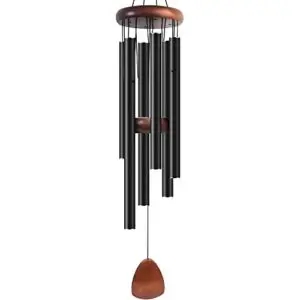
Wind chimes deliver a double defense by combining motion and sound that woodpeckers associate with territory already claimed by other birds.
The Bursvik Large Aluminum Wind Chime measures 37 inches from hook to wind catcher, with six black anodized tubes tuned to a B major pentatonic scale. Each tube ranges from 8.7 to 12.6 inches, producing deep, resonant tones when breezes strike the adjustable pine striker.
Hang it near damaged siding or eaves where drumming occurs most frequently during spring mating season.
| Best For | Homeowners looking for a dual-purpose wind chime that creates calming outdoor ambiance while naturally deterring woodpeckers from damaging home exteriors. |
|---|---|
| Primary Material | Aluminum/Pine |
| Weight | 1.26 pounds |
| Outdoor Use | Yes |
| Weatherproof | Corrosion-resistant |
| Installation | Hang outdoors |
| Reusable | N/A |
| Additional Features |
|
- Six aluminum tubes produce deep, soothing tones in a B major pentatonic scale that won’t sound jarring or chaotic
- Durable aluminum and pine construction resists corrosion and weather damage for long-term outdoor use
- Adjustable wooden striker lets you customize the sound intensity to match your preference and wind conditions
- Can become excessively noisy during strong wind conditions, which may disturb neighbors or indoor activities
- The 37-inch total length (including hook and string) requires adequate clearance and may be too large for compact spaces
- May need periodic striker adjustments to maintain optimal sound quality over time
8. Battife Reflective Garden Pinwheels

Spinning blades that flash sunlight create a persistent motion barrier woodpeckers won’t cross, making pinwheels one of the simplest deterrents you can deploy in minutes.
The Battife Reflective Garden Pinwheels stand 19.7 inches tall with multi-colored Mylar blades that catch and scatter light at constantly shifting angles. Push the pre-assembled plastic stakes 6 to 12 inches into soil near entry points, windows, or damaged siding. Wind spins the blades to produce moving reflections that startle approaching birds throughout daylight hours, covering more ground than static mirrors alone.
| Best For | Homeowners looking for a simple, low-maintenance visual deterrent to keep woodpeckers and smaller birds away from garden areas and home exteriors. |
|---|---|
| Primary Material | Plastic |
| Weight | Not specified |
| Outdoor Use | Yes |
| Weatherproof | Moderate |
| Installation | Stake in ground |
| Reusable | Yes |
| Additional Features |
|
- Pre-assembled design makes setup quick—just push stakes into soil and you’re done
- Reflective blades catch sunlight from multiple angles to create moving light patterns that actively discourage birds
- Easy to reposition around your property as needed without tools or complicated installation
- Rubber stoppers can come loose in moderate wind, requiring occasional maintenance
- Not built for heavy weather or persistent larger birds that might ignore the motion
- Effectiveness drops significantly on cloudy days when there’s less sunlight to reflect
Frequently Asked Questions (FAQs)
How do I permanently get rid of woodpeckers?
You can’t truly eliminate woodpeckers forever, but combining reflective tape, noise devices, and physical barriers discourages them long-term. Rotate deterrents regularly and address attractants like insects or rotting wood.
What is the penalty for killing a woodpecker?
Killing a woodpecker protected under the Migratory Bird Treaty Act can result in fines reaching several thousand dollars per violation and potential jail time, with organizations facing even steeper penalties than individuals.
What is toxic to woodpeckers?
Like ye olde apothecaries’ poisons, treated lumber with arsenic, lead paint residues, pesticide-coated surfaces, and toxic wood preservatives can sicken woodpeckers.
Avoid chemical repellents—they harm birds and violate federal protections.
How do you get a woodpecker to leave?
You’ll scare off persistent woodpeckers by combining reflective foil strips with decoy predators, loud noises, and physical barriers like bird netting.
Reposition deterrents every few weeks to prevent birds from adapting and returning.
What is the most effective woodpecker deterrent?
The best defense is a good offense—physical barriers like metal flashing and steel sheets win every time.
They prevent pecking entirely, unlike visual or sound deterrents that birds eventually ignore.
How do exterminators get rid of woodpeckers?
Professional wildlife control specialists rely on physical exclusion barriers like bird netting, visual deterrents such as reflective tape, and sound devices to disrupt drumming patterns.
They address underlying insect infestations and seal entry points to prevent recolonization.
Why are woodpeckers pecking my house?
Woodpeckers hammer your house to attract mates and claim territory during the spring breeding season.
They also drill into soft, rotted wood to expose beetle larvae, carpenter bees, and other insect prey hidden beneath your siding.
What smells do woodpeckers hate?
Strong citrus scents, vinegar, peppermint oil, garlic, and ammonia all repel woodpeckers—though you’d think birds drawn to hammering metal gutters wouldn’t mind a little aromatherapy. Reapply these deterrents after rain for lasting effectiveness.
How do you ward off woodpeckers safely?
You can safely ward them off by hanging reflective tape, installing bird netting over damaged areas, and setting up wind chimes or decoy owls near active pecking spots without causing harm.
How to stop woodpecker damage to a home?
It feels like they’ll never quit, but you can reclaim your home by installing taut bird netting, applying reflective Mylar tape, and filling holes with epoxy—then reposition deterrents weekly so birds don’t adapt.
Conclusion
Those persistent drumbeats on your home represent more than noise—they’re nature testing your boundaries. Learning how to get rid of woodpeckers means establishing firm but ethical property lines that redirect their energy elsewhere.
Once you’ve sealed entry points, eliminated food sources, and installed deterrents, you’re not just defending siding—you’re reclaiming your peace. The woodpeckers will find suitable trees, and you’ll wake to silence instead of construction-grade percussion. That’s genuine problem-solving.
- http://www.bioone.org/doi/abs/10.2193/2006-491
- https://fwsepermits.servicenowservices.com/fws
- https://www.fws.gov/service/3-200-13-migratory-bird-depredation
- https://www.aphis.usda.gov/operational-wildlife-activities/migratory-bird-depredation-permit-process
- https://ipm.ucanr.edu/home-and-landscape/woodpeckers/pest-notes/