This site is supported by our readers. We may earn a commission, at no cost to you, if you purchase through links.
You’ve probably driven past thousands of miles of roadside without giving it much thought—but that forgotten strip between pavement and property line is working harder than you’d imagine. These overlooked corridors house over 10 million acres of pollinator habitat, slash fatal crashes by 60% when properly designed, and fuel a $36 billion global industry of rest stops and roadside stands.
What started as simple land buffers in the 1920s has evolved into critical infrastructure that connects ecosystems, saves lives, and shapes how we experience every journey. Understanding roadsides means recognizing them not as wasted space, but as engineered ecosystems where safety standards, ecological corridors, and economic opportunity intersect at highway speed.
Table Of Contents
- Key Takeaways
- What Are Roadsides?
- Ecological Role of Roadsides
- Roadside Features and Attractions
- Safety and Management of Roadsides
- Economic and Social Impact of Roadsides
- Frequently Asked Questions (FAQs)
- What is roadsides?
- How many roads are there in a roadside row?
- What is roadside collection?
- Are roadsides the last refuge?
- Is roadside one or two words?
- What is the meaning of by the roadside?
- What is a roadside called?
- What does road side mean?
- How do roadside attractions impact local economies?
- What are common challenges in roadside maintenance?
- Conclusion
Key Takeaways
- Roadsides act as vital habitats for pollinators and wildlife, connecting fragmented ecosystems across millions of acres.
- Thoughtful roadside design and safety measures, like crash barriers and clear sightlines, can cut fatal crashes by up to 60%.
- Roadside attractions and retail fuel a $36 billion global industry, driving local economies and tourism.
- These strips of land are more than buffers—they blend safety, ecology, and culture, shaping every journey you take.
What Are Roadsides?
You’ve probably driven past hundreds of roadsides without giving them much thought—but what exactly are they? These strips of land alongside our roads have a rich history and play a bigger role in our infrastructure than you might think.
Let’s break down where the term comes from, how these spaces evolved over time, and what legally defines a roadside today.
Definition and Etymology
You’ve probably driven past a hundred roadsides today without thinking twice about the word itself. According to Merriam-Webster and similar dictionary entries, “roadside” means the strip of land along a road—pretty straightforward modern usage.
But here’s where word history gets interesting: the term popped up around 1744, blending “road” (Old English for “journey”) with “side.” Legal interpretations today define it as anything outside the traveled way, showing how evolving definitions adapt to our infrastructure needs.
Many travelers rely on roadside assistance when unexpected vehicle issues arise.
Historical Evolution of Roadside Areas
Roadsides weren’t always the planned spaces you see today. Back in the 1910s-1920s, Automobile Tourism Growth sparked the need for gas stations and rest stops along rural routes. Early Roadside Parks emerged in the late 1920s—Michigan opened one in 1929.
But here’s the shift: early road engineers, trained in railroad construction, designed narrow cuts with steep slopes. Later, Landscape Engineering Changes integrated beautification into Road Infrastructure Usage, transforming roadsides from purely functional strips into scenic corridors shaped by American Roadside Culture and Land Use Influence.
The age of a road reserve greatly impacts conservation values.
Legal Definitions and Property Boundaries
So what counts legally as a “roadside”? The Federal Highway Administration defines it as any public right-of-way space not used for travel lanes, shoulders, or sidewalks—think medians and verges.
Right-of-way widths vary by state statute, usually spanning 10-12 foot lanes plus buffer zones.
Property Rights get tricky here: setback requirements (often 40 feet), Eminent Domain cases for Land Acquisition, and Boundary Disputes over infrastructure expansion all shape your roadside environment daily.
Ecological Role of Roadsides

You might think roadsides are just empty strips of pavement and grass, but they’re actually pulling serious weight for the environment.
These narrow corridors along our highways and rural roads create surprising pockets of habitat that wildlife and pollinators desperately need.
Let’s look at how these overlooked spaces are quietly doing some heavy lifting for our ecosystems.
Native Vegetation and Wildlife Habitat
Think of roadsides as living highways for wildlife—they’re not just pavement edges. Virginia’s data shows native plant diversity jumps from 114 species at road edges to 281 on backslopes, creating essential wildlife corridors through fragmented landscapes.
When you support habitat restoration with native seeds, you’re boosting biodiversity conservation and ecosystem services. These roadside environments connect agriculture and natural areas, reducing environmental impact while supporting species movement across your landscape.
Pollinator Conservation Corridors
You’ve probably driven past millions of tiny heroes without realizing it. Over 10 million acres of rights-of-way serve as pollinator habitat, connecting fragmented landscapes where agriculture and urban development have squeezed out native vegetation.
Reduced mowing practices boost wildflower blooms, directly increasing bee abundance.
When you support conservation efforts with wider verges and native plantings, you’re building essential wildlife corridors that deliver critical ecosystem services.
Invasive Species and Environmental Challenges
Beyond their ecological benefits, roadsides can become highways for trouble. Species dispersal accelerates as invasive plants like Japanese knotweed colonize tens of kilometers in under a decade.
You’re looking at habitat fragmentation, pollutant accumulation from road salt and heavy metals, and management risks that strain infrastructure budgets.
Mitigation strategies now blend mechanical controls with ecological restoration—critical for environmental studies guiding sustainable agricultural practices and reducing the environmental impact of infrastructure.
Roadside Features and Attractions
Roadsides aren’t just strips of pavement and grass—they’re where America’s travel culture comes alive. From quirky landmarks that make you hit the brakes to humble fruit stands and welcoming rest stops, these spaces shape how you experience every journey.
Let’s explore what makes roadside features so essential to the driving experience.
Classic Roadside Attractions and Landmarks
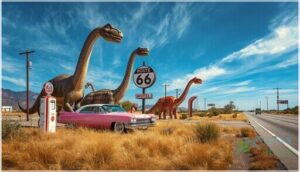
You’ve probably spotted them—those larger-than-life fiberglass sculptures and vintage signs that make you hit the brakes. Roadside attractions and quirky landmarks, from California’s giant dinosaurs to retro motels along Route 66, emerged during the 1930s highway boom.
Today’s Roadside America revival blends vintage roadside charm with highway oddities, turning forgotten roadside legends into Instagram-worthy stops that draw millions of visitors annually.
Roadside Retail, Vendors, and Stands

Roadside retail has transformed from simple hamburger stands into a $36 billion global industry. Today’s roadside vendors aren’t just selling fuel—they’re competing with quick-service concepts using loyalty apps and order-ahead systems.
Modern roadside stands can pull in impressive daily revenue when they nail their sales strategies, though vendor regulation varies wildly depending on where you’re parked.
Rest Areas, Architecture, and Amenities
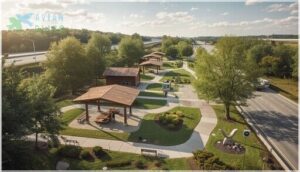
Ohio pioneered modern rest area design in 1959, launching an architectural evolution you can still trace today. Early butterfly roofs and scalloped designs gave way to regionally inspired structures—think rustic picnic shelters doubling as sculptural landmarks.
Today’s traveler services prioritize accessibility features, sustainable architecture, and CPTED safety principles.
Popular amenities? Clean public restrooms (still the top concern), vending machines, RV dumps, and free coffee keep travelers moving safely.
Safety and Management of Roadsides
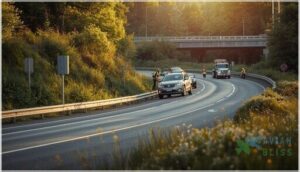
Roadsides aren’t just about getting from point A to point B—they’re carefully managed spaces where safety, maintenance, and emergency response all come together. The good news? Traffic fatalities have been dropping sharply, thanks to smarter design and better management practices.
Let’s look at how we keep these essential corridors safe, well-maintained, and ready when you need help.
Roadside Safety Measures and Fatality Trends
Think of every highway trip you take—the infrastructure around you is quietly working to keep you alive. Here’s what’s actually happening along those roadsides:
- Crash barriers cut fatal run-off-road incidents by up to 60% when properly installed
- Roadside lighting and emergency response systems helped push U.S. traffic fatality rates down 8.2% in early 2025
- Safety inspections now target high-speed corridors where restraint use and barrier placement matter most
Your seatbelt? It’s still your best defense—92% of front-seat occupants buckle up, and they’re the ones walking away.
Vegetation Management and Maintenance Practices
Behind the scenes, your highway’s clean sightlines depend on strategic mowing—one to four passes per year, timed to control weeds without wrecking pollinator habitat. Herbicide application targets just the trouble spots now, cutting chemical drift while native planting outcompetes invasives naturally.
Erosion mitigation keeps shoulders stable, and salt-tolerant species handle winter deicing. It’s agriculture meeting transportation infrastructure, and it works.
Emergency Services and Assistance
When you’re stuck with a flat or worse, you’ll meet the roadside rescue crew. They handle everything from battery jump-starts to full vehicle recovery, plus accident assistance if things go sideways. Here’s what they bring:
- Towing and winching gear for disabled cars
- Medical aid equipment for injury response
- Traffic control devices protecting the scene
- Emergency response coordination with paramedics
Response times average nine minutes nationwide, though rural calls take longer. These roadside services face serious risks—63% of provider fatalities happen at night on high-speed corridors.
Economic and Social Impact of Roadsides
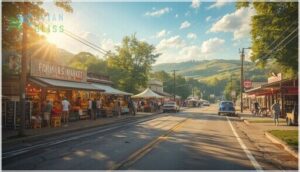
Roadsides aren’t just strips of asphalt and grass—they’re economic engines that quietly pump millions into local communities. From scenic byways that draw travelers to quirky roadside stands preserving tradition, these everyday spaces shape how we connect, spend, and experience place.
Let’s look at how roadsides influence economies, culture, and the coming years of commerce along our highways.
Role in Local Economies and Tourism
Roadside attractions aren’t just quirky photo ops—they’re economic powerhouses. Scenic byways pull in between $250,000 and $450,000 per mile annually in visitor spending, creating local jobs and boosting tourism revenue.
Roadside attractions generate up to $450,000 per mile annually, transforming quirky stops into powerful economic engines for local communities
Delaware’s roadside tourism sector alone contributed $4.7 billion to state GDP in 2023. When you stop at that vintage diner or fruit stand, you’re fueling economic growth through roadside amenities and retail commerce.
Community Engagement and Cultural Significance
Beyond tourism dollars, roadsides shape cultural heritage and social connection. Public art projects along highways boost community pride—South Hedland’s street murals brought a 77% stronger sense of place.
Roadside festivals create gathering spaces where you’ll find community engagement in action, from youth-led installations to Indigenous artist collaborations. These aren’t just pretty walls; they’re platforms for cultural anthropology and community development that strengthen social relations through shared roadside experiences.
Trends in Roadside Commerce and Innovation
Three major shifts are redefining roadside retail and commerce: digital payments now dominate mobile commerce, eco-friendly solutions like EV charging rigs command premium fees, and retail outlets blend fresh groceries with rapid charging.
App-based platforms transform economic activities with transparent pricing and geo-tracking, while sustainable services—think hybrid tow trucks—appeal to environmentally conscious travelers exploring roadside tourist attractions across travel and tourism corridors.
Frequently Asked Questions (FAQs)
What is roadsides?
Ever wondered how a simple strip of land beside a road became so important? Roadside origins trace back centuries, shaping public access, defining borders, and balancing land ownership.
Today, roadsides connect communities, support wildlife, and host vibrant roadside America.
How many roads are there in a roadside row?
Usually, you’ll find just one road in a typical roadside row. But with Median Rows, Interchange Complexity, or Parallel Roads, Multi-Road Corridors can create overlapping rows—showcasing the quirky layers of roadside architecture in American Culture.
What is roadside collection?
Think of roadside collection as your weekly ritual—rolling bins to the curb, trusting specialized trucks to whisk away household waste and recyclables.
Collection methods, recycling policies, and public awareness all shape how we tackle waste reduction and litter control.
Are roadsides the last refuge?
In many places, roadsides are the last refuge for native plants and pollinators—acting as unexpected Biodiversity Hotspots.
Habitat Preservation here bolsters Wildlife Corridors and essential Ecosystem Services, making Conservation Efforts along roadside sites more important than ever.
Is roadside one or two words?
Roadside is one word—never split. Language standards, grammar rules, and spelling conventions all agree. Dictionary definitions from MerriamWebster and others list “roadside” as a single term, whether you’re talking about roadside stands or roadsides in general.
What is the meaning of by the roadside?
Picture the roadside as a stage set just off the main road—“by the roadside” means right beside it.
Whether it’s a roadside stand, scenic views, or a roadside building, it’s all happening near the pavement’s edge.
What is a roadside called?
You’ll often hear the strip beside a road called the verge, shoulder, or curb—regional variations and legal terminology abound.
Colloquial names like “wayside” pop up in Roadside America history, especially around classic roadside trading and building spots.
What does road side mean?
Let’s pull over for a quick definition: “road side” means the strip of land flanking a road, outside the paved area.
Roadside terminology varies regionally, but in modern usage, it’s important for safety, travel guides, and Roadside America adventures.
How do roadside attractions impact local economies?
Visitor spending at roadside attractions fuels Tourism Revenue, boosts Local Jobs, and sparks Economic Growth. From quirky travel destinations to roadside trading, these Unconventional Travel Destinations drive Community Development, supporting local economies through hotels, shops, and unique experiences.
What are common challenges in roadside maintenance?
When it rains, it pours—roadside maintenance faces hefty challenges like high maintenance costs, stubborn litter control, invasive species choking roadside hedges, aging infrastructure, and safety hazards.
Even roadside fences and trading spots need constant attention to keep transportation safe.
Conclusion
Picture a monarch butterfly drifting along the highway, tracing a ribbon of wildflowers that’s more than just scenery—it’s survival. That’s the quiet power of roadsides: they’re lifelines, storytellers, and safety nets rolled into one.
Next time you’re cruising past a patch of green or a quirky fruit stand, remember you’re sharing the road with habitats, history, and hope. Roadsides aren’t just margins; they’re where journeys are made richer, safer, and—sometimes—unexpectedly beautiful.
- https://docs.google.com/forms/d/1GAQr3Kn1cURCVHUA82hAga1Wv8DCH0IuqDLRUrOpN7M/viewform?ts=63f4f653&entry.1515682415=https://www.merriam-webster.com/dictionary%2Froadside
- https://premium.britannica.com/mw-unabridged/?utm_source=mw&utm_medium=inline-def&utm_campaign=evergreen
- https://dictionary.cambridge.org/us/dictionary/english/roadside
- https://www.merriam-webster.com/dictionary/roadside
- https://www.sciencedirect.com/topics/earth-and-planetary-sciences/roadside-environment