This site is supported by our readers. We may earn a commission, at no cost to you, if you purchase through links.
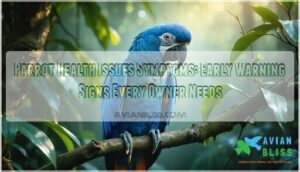 You’ll notice parrot health issues symptoms when your feathered friend starts acting differently than usual.
Watch for fluffed feathers, changes in appetite or drinking habits, unusual quietness or excessive vocalization, and drooping wings.
Physical signs include ruffled plumage, distended abdomen, weakness, and poor overall appearance.
Since parrots naturally hide illness as a survival instinct, these early warning signs can be subtle but critical.
A healthy parrot that suddenly becomes lethargic or stops its normal chatter is telling you something’s wrong.
Recognizing these symptoms quickly can mean the difference between a treatable condition and a serious health crisis that requires immediate attention.
Table Of Contents
- Key Takeaways
- Parrot Health Issues
- Viral Parrot Diseases
- Fungal Infections
- Bacterial Parrot Diseases
- Parasitic Conditions
- Nutritional Deficiencies
- Frequently Asked Questions (FAQs)
- What are the symptoms of a parrot illness?
- What diseases affect parrots?
- What are the 5 parrot diseases?
- Are parrots dangerous?
- How do you know if a parrot is healthy?
- How do you know if a parrot has feather disease?
- How to tell if a parrot is unwell?
- What are the symptoms of parrot disease?
- What are the symptoms of parrot deficiency?
- How do birds act when sick?
- Conclusion
Key Takeaways
- Watch for behavioral changes first – You’ll catch illness early by noticing when your parrot becomes unusually quiet, changes eating habits, or acts lethargic, since these signs appear before physical symptoms.
- Don’t ignore physical warning signs – Look for fluffed feathers, drooping wings, breathing difficulties, abnormal droppings, or weight loss, as these indicate your bird needs immediate veterinary attention.
- Understand that parrots hide illness naturally – Your bird’s survival instinct makes them conceal symptoms, so you’ll need to watch closely for subtle changes in their daily routines and behavior patterns.
- Seek veterinary care immediately when symptoms appear – Early intervention can mean the difference between treating a minor condition and facing a life-threatening emergency, so don’t wait to get professional help.
Parrot Health Issues
Your parrot’s health depends on recognizing subtle warning signs before they become serious problems. These birds naturally hide illness, making early detection essential for their survival and well-being.
Recognizing Symptoms Early
Your parrot’s well-being depends on catching illness early—often before obvious symptoms appear.
Early detection saves lives—vigilant owners spot illness before symptoms become critical.
Subtle changes in appetite, sleep patterns, or daily routines can signal developing health problems. Watch for behavioral cues like increased aggression, unusual quietness, or changes in vocalization patterns.
Early detection through careful observation enables prompt action and preventative care. Remember, parrots naturally hide illness signs as survival instinct, making your vigilant monitoring essential for identifying bird health problems before they become serious.
Owners should also watch for signs of labored or open-beak breathing, which can indicate respiratory distress. This includes being aware of subtle changes and behavioral cues to ensure the well-being of your parrot.
Behavioral Changes in Parrots
Beyond changes in appetite or energy, you’ll notice subtle shifts in your parrot’s daily routines that signal potential health concerns.
These behavioral red flags often appear before physical symptoms become obvious.
- Vocalization Changes: Your usually chatty bird becomes unusually quiet or develops a raspy, strained voice
- Appetite Shifts: Sudden food aversion, picking at favorite treats, or changes in eating patterns and meal timing
- Sleep Disturbances: Restlessness during normal sleep hours or excessive daytime sleeping in unusual positions
- Social Withdrawal: Avoiding interaction with family members, hiding in corners, or refusing to come out of the cage
- Feather Plucking: Obsessive grooming, creating bald patches, or showing increased anxiety through repetitive behaviors
These parrot behavior changes and sudden behavior changes require immediate attention, as sick parrot behavior cues often manifest through parrot lethargy causes and parrot appetite loss before physical symptoms appear.
Physical Signs of Parrot Sickness
Five critical physical symptoms reveal parrot illness signs: abnormal feather growth or loss indicates serious health problems, beak changes signal nutritional deficiencies, unusual droppings color warns of internal issues, breathing difficulty suggests respiratory infection, and appetite loss often precedes major illness.
These bird sickness indicators help identify parrot lethargy causes early, preventing serious parrot health problems from developing.
Viral Parrot Diseases
Viral infections pose serious threats to parrot health and can spread rapidly through your flock if left undetected.
Understanding these diseases helps you spot early warning signs and take swift action to protect your feathered companions.
Proventricular Dilatation Disease
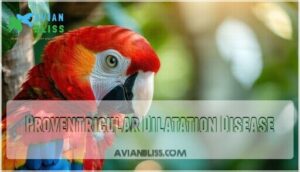
When symptoms strike your parrot, Proventricular Dilatation Disease (PDD) ranks among the most serious threats.
This condition, caused by Avian Bornavirus, creates devastating gastrointestinal impact and neurological symptoms.
You’ll notice chronic weight loss despite normal appetite, regurgitation, and undigested seeds in droppings.
Advanced cases show tremors, difficulty perching, and muscle wasting, making PDD diagnosis urgent for proper supportive care.
It’s suspected that avian bornavirus (ABV) is the primary cause of PDD.
Psittacine Beak and Feather Disease
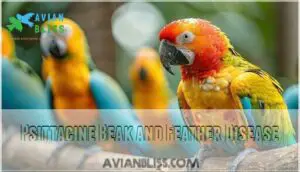
This devastating viral nightmare transforms your feathered friend into a shadow of itself. PBFD diagnosis relies on PCR testing, revealing the cruel reality that supportive care can’t cure this progressive disease.
Your beloved bird becomes a mere shell of its former vibrant self.
Feather abnormalities and beak lesions mark the beginning of an irreversible journey. Good hygiene practices are essential for prevention.
- Your vibrant parrot’s beautiful plumage slowly disappears – symmetrical feather loss creates heartbreaking bald patches
- Brittle, malformed beaks fracture easily – once-strong beaks become fragile and prone to painful breaks
- Secondary infections overwhelm weakened immune systems – your beloved bird becomes vulnerable to every threat
- PBFD transmission spreads through innocent interactions – feather dust and dander silently infect other birds
Avian Polyomavirus
Avian polyomavirus strikes younger birds hardest, though adult immunity often develops naturally.
You’ll notice swollen abdomen, loss of appetite, vomiting, and dehydration as key polyomavirus symptoms.
Transmission routes include dander, droppings, and direct contact, with vertical transmission possible from hen to egg.
| Symptom Category | Observable Signs |
|---|---|
| Physical Changes | Swollen abdomen, weight loss |
| Digestive Issues | Vomiting, loss of appetite |
| General Health | Dehydration, lethargy |
| Prevention | Polyomavirus vaccination available |
Avian Flu

Most bird flu strains pose serious threats to your parrot’s health, with H5N1 transmission causing sudden death in many cases.
You’ll notice respiratory symptoms like coughing and sneezing before severe illness develops.
This zoonotic potential creates global impact concerns, making prevention strategies essential.
Unfortunately, vaccine efficacy remains limited for parrots, so strict biosecurity measures offer your best protection against this devastating avian flu outbreak.
Fungal Infections
Fungal infections can silently threaten your parrot’s health, often developing when their immune system is compromised or their environment becomes too humid.
These opportunistic organisms target different body systems, from the digestive tract to the respiratory system, making early recognition essential for your bird’s recovery, as their immune system is already compromised.
Candidiasis
Your feathered friend’s mouth might tell a different story when candidiasis strikes. This fungal infection, caused by Candida, creates distinctive white oral plaques and triggers crop stasis, leaving your parrot struggling with basic functions.
- Candida symptoms: Watch for white patches in the mouth, regurgitation, and loss of appetite
- Early intervention: Antifungal treatment works best when started immediately after diagnosis
- Preventative hygiene: Clean food dishes daily and maintain proper cage sanitation to prevent recurrence
Aspergillosis
Unlike the oral infections seen with candidiasis, aspergillosis targets your parrot’s respiratory system when they inhale contaminated spores from damp environments.
This opportunistic fungal infection strikes immunocompromised birds hardest, causing wheezing and breathing difficulties that worsen without treatment.
A clean environment is essential, as poor ventilation increases risks for fungal spore development.
| Early Warning Signs | Advanced Symptoms |
|---|---|
| Subtle breathing changes | Severe respiratory distress |
| Reduced activity levels | Open-mouth breathing |
| Loss of appetite | Exercise intolerance |
Aspergillosis diagnosis requires veterinary imaging and fungal cultures, while aspergillosis treatment involves long-term antifungal medications.
Preventing aspergillosis means maintaining dry, well-ventilated spaces and avoiding moldy food sources that create environmental risk factors for this serious parrot respiratory condition.
Avian Gastric Yeast
While aspergillosis targets respiratory health, your parrot might face another sneaky fungal threat.
Avian gastric yeast (megabacteriosis) mimics serious digestive diseases, causing weight loss despite healthy appetites.
You’ll notice regurgitation, diarrhea, and lethargy as key megabacteriosis symptoms.
Transmission routes include contaminated environments and fecal contact.
Diagnostic methods require PCR testing for accuracy, while treatment options focus on Amphotericin B.
Prevention strategies emphasize quarantine and hygiene.
Bacterial Parrot Diseases
Bacterial infections can strike your parrot quickly, often requiring immediate veterinary attention to prevent serious complications.
These diseases spread easily between birds and some can even transfer to humans, making early recognition of symptoms absolutely critical for your bird’s health and your family’s safety.
Psittacosis
Psittacosis, also known as Parrot Fever, poses serious zoonotic risk to you and your bird. This bacterial infection from Chlamydia psittaci spreads through airborne particles, making early detection essential for successful psittacosis treatment.
Key parrot disease symptoms include:
- Green diarrhea and respiratory distress
- Eye discharge with difficulty breathing
- Lethargy and loss of appetite
- Depression and weakness
Chlamydophila psittaci requires immediate veterinary intervention, as prevention methods like thorough disinfection protect both you and your feathered companion, and early action is crucial for successful treatment and preventing further zoonotic risk.
Avian Mycobacteriosis
While psittacosis spreads through respiratory droplets, avian mycobacteriosis takes a different path.
This bacterial infection affects birds aged 3-10 years, causing weight loss and chronic wasting. Diagnosis methods include PCR testing and tissue biopsies, though early detection proves challenging.
Treatment duration spans 6-12 months with combination antibiotics. The zoonotic potential exists for immunocompromised humans, making prevention strategies essential for parrot health issues.
| Symptom Category | Key Signs |
|---|---|
| Early Stage | Weight loss, poor feathering |
| Advanced Stage | Lethargy, breathing difficulty |
| Physical Changes | Organ enlargement, granulomas |
| Diagnostic Findings | Leukocytosis, monocytosis |
Bacterial Respiratory Infections
Beyond upper respiratory ailments, bacterial infections can attack your parrot’s lower airways, causing pneumonia symptoms and airsacculitis.
You’ll notice breathing difficulty, nasal discharge, and crusty nostrils when sinus infections take hold.
These bacterial infections require immediate veterinary attention for proper treatment options.
Prevention strategies include maintaining clean air quality and avoiding drafts around your bird’s cage to ensure a healthy environment and prevent bacterial infections.
Parasitic Conditions
Parasites can silently attack your parrot’s health, often going unnoticed until symptoms become severe.
You’ll need to recognize the early warning signs of common parasitic infections like giardiasis, coccidiosis, and mites to protect your feathered friend from serious complications, including coccidiosis.
Giardiasis
This sneaky parasite spreads through contaminated water, turning your parrot’s world upside down.
You’ll notice persistent diarrhea, dry itching skin, and weight loss as giardiasis takes hold.
Your avian veterinarian can diagnose this condition through fecal testing and prescribe antibiotic treatment.
- Your heart sinks watching your beloved bird scratch endlessly at irritated skin
- The worry builds as watery droppings persist despite your best care efforts
- Relief floods through you when proper treatment finally brings your feathered friend comfort
Avian Coccidiosis
Affecting young birds most severely, avian coccidiosis spreads through the fecal-oral route when your parrot ingests contaminated droppings.
Coccidiosis symptoms include bloody diarrhea, weight loss, and dehydration that can quickly turn life-threatening.
Coccidiosis transmission occurs easily in crowded conditions, making preventing coccidiosis through proper sanitation essential.
Coccidiosis treatment requires immediate veterinary intervention with anticoccidial medications to combat this parasitic threat. Implementing strict hygiene practices can further help control its spread.
Air Sac Mites
Lurking within your parrot’s respiratory system, air sac mites create breathing difficulty that demands immediate attention.
These microscopic parasites cause open-mouth breathing, tail bobbing, and clicking sounds as their Mite Life Cycle progresses through airways.
Diagnosis Challenges include spotting moving specks during transillumination, while Treatment Options involve ivermectin repeated after two weeks.
Effective treatment often requires using specific avian medications to address the issue.
Prevention Strategies require strict quarantine and environmental disinfection to prevent Secondary Infections in your flock.
Feather Mites
Feather mites, also called red mites, cause your parrot significant distress through relentless itching and feather destruction.
These bird parasites spread rapidly between birds, making mite identification and environmental control critical for parrot health.
Signs your feathered friend needs help:
- Restless scratching that breaks your heart
- Damaged, chewed feathers scattered around the cage
- Visible skin lesions or irritated areas
- Nighttime agitation and disturbed sleep patterns
Treatment options include prescribed medications and thorough cage cleaning for preventing mites. You can find effective treatment options online.
Nutritional Deficiencies

Poor nutrition can quietly undermine your parrot’s health, often showing symptoms that mimic serious diseases. Understanding these deficiency signs helps you catch problems before they become life-threatening emergencies.
Vitamin a Deficiency
When your parrot’s vitamin A deficiency strikes, you’ll notice vision problems and membrane thickening around the eyes and respiratory tract.
This nutritional deficiency leads to secondary infections and potential kidney failure if left untreated.
Consider parrot vitamin A products to help supplement their diet.
Incorporate dietary sources like sweet potatoes, carrots, and leafy greens into your parrot’s diet to prevent these serious parrot health issues from developing.
Calcium Deficiency
Without enough calcium in your bird’s diet, you’ll notice soft-shelled eggs and potential egg binding in breeding females.
This hypocalcaemia weakens bone health, causing deformities and muscle tremors that can escalate to dangerous seizures.
Eclectus and African Grey parrots are particularly vulnerable, and you’ll need to examine diet sources like dark leafy greens and consider calcium supplementation under veterinary guidance for superior parrot health.
Fatty Liver Disease
High-fat diets can silently damage your parrot’s liver, leading to fatty liver disease. You’ll notice lethargy, a swollen abdomen, and bright green droppings as key parrot health indicators.
Dietary causes include excessive seeds and nuts, while obesity accelerates liver damage.
Diagnosing FLD requires blood tests and imaging. Treatment options focus on low-fat diets and supportive care.
Prevention tips include balanced nutrition and monitoring parrot weight change. Long-term effects without intervention can prove fatal.
Iron Overload Disease
Concerned about your parrot’s liver health? Iron Storage Disease develops when genetic predisposition combines with excessive dietary iron intake, creating a dangerous accumulation in essential organs.
Watch for these parrot health indicators:
- Weight change and abdominal swelling
- Breathing difficulties and lethargy
- Depression and loss of appetite
Early detection through liver biopsy helps your avian veterinarian recommend chelation therapy before this liver disease progresses.
Frequently Asked Questions (FAQs)
What are the symptoms of a parrot illness?
Roughly 80% of sick parrots show weight loss as their first symptom.
You’ll notice changes like lethargy, loss of appetite, abnormal droppings, respiratory distress, feather problems, or behavioral shifts that signal illness.
What diseases affect parrots?
Parrots face viral diseases like PDD, PBFD, and avian flu; bacterial infections including psittacosis and mycobacteriosis; fungal conditions like aspergillosis and candidiasis; plus parasites and nutritional deficiencies.
What are the 5 parrot diseases?
Like five shadows lurking in your feathered friend’s world, these diseases threaten their well-being.
Psittacosis spreads through contaminated droppings.
PBFD destroys feathers and beaks.
PDD attacks digestion.
Polyomavirus strikes young birds.
And Aspergillosis affects breathing. These diseases threaten their well-being.
Are parrots dangerous?
Most parrots aren’t dangerous to humans, but they can carry zoonotic diseases like psittacosis and avian flu that transmit to people. Proper hygiene prevents most risks.
How do you know if a parrot is healthy?
Over 80% of bird deaths result from preventable health issues that owners miss early.
You’ll spot a healthy parrot through bright, clear eyes, smooth feathers, active behavior, steady weight, regular eating, and normal droppings without blood or unusual colors.
How do you know if a parrot has feather disease?
You’ll spot feather abnormalities, beak lesions, and stunted growth in affected birds. Psittacine Beak and Feather Disease causes brittle, malformed feathers that break easily, creating a disheveled appearance that’s unmistakable.
How to tell if a parrot is unwell?
Surprisingly, your feathered friend won’t send you a formal health report when feeling under the weather.
Watch for changes in appetite, droppings, posture, or energy levels – these signs indicate illness.
What are the symptoms of parrot disease?
Watch for weight loss, lethargy, changes in droppings, difficulty breathing, feather abnormalities, loss of appetite, regurgitation, discharge from eyes or nose, and behavioral changes like depression or aggression.
What are the symptoms of parrot deficiency?
Nutritional deficiencies in your parrot can cause serious health problems.
You’ll notice lethargy, swollen abdomen, bright green droppings from fatty liver disease, or soft-shelled eggs and muscle tremors from calcium deficiency.
How do birds act when sick?
Picture your feathered friend as a wilting flower—when birds feel unwell, they’ll often fluff their feathers.
They sit hunched with eyes half-closed, and become unusually quiet or withdrawn from their usual playful antics. Complete concepts
Conclusion
Like a lighthouse keeper watching for storms on the horizon, you must remain vigilant for parrot health issues symptoms that signal trouble ahead.
Your feathered companion depends on your keen observation skills to catch early warning signs before they escalate.
Remember that parrots instinctively mask illness, making your role as their health guardian even more vital.
By staying alert to behavioral changes, physical symptoms, and seeking prompt veterinary care, you’ll give your parrot the best chance at a long, healthy life.
- https://www.morningsideveterinary.com/respiratory-infections-birds/
- https://nilesanimalhospital.com/files/2012/05/Recognizing-Illness-in-Pet-Birds.pdf
- https://myrightbird.com/articles/how-to-tell-if-your-pet-bird-is-sick
- https://johnstonandjeff.co.uk/a-guide-to-common-parrot-welfare-issues-and-parrot-illnesses/
- https://www.omlet.us/guide/parrots/parrots_and_disease/health/