This site is supported by our readers. We may earn a commission, at no cost to you, if you purchase through links.
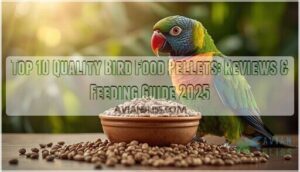
After twenty years in avian medicine, I’ve seen the same pattern repeat itself: owners bring in their parrots with dull feathers, low energy, and mysterious health issues—only to discover their beloved birds have been surviving on nutritionally bankrupt seed mixes.
The change that happens when you switch to top-quality bird food pellets is nothing short of striking. Within weeks, feathers regain their luster, energy levels soar, and those chronic vet visits start to dwindle.
But here’s the catch: not all pellets deliver on their promises. Some brands pack in fillers and artificial additives that defeat the entire purpose, while others provide the complete nutritional profile your parrot actually needs to thrive for decades.
Table Of Contents
- Key Takeaways
- Key Benefits of Top Quality Bird Food Pellets
- Essential Ingredients in Premium Bird Pellets
- Top 10 Best Bird Food Pellets Reviewed
- 1. ZuPreem Natural Small Bird Food
- 2. Harrison’s High Potency Bird Food
- 3. Harrison’s Bird Food Adult Lifetime Fine
- 4. ZuPreem Natural Medium Bird Food
- 5. ZuPreem FruitBlend Bird Food Pellets
- 6. Kaytee Nutri Soft Parrot Conure Food
- 7. ZuPreem Natural Bird Food Pellets Large
- 8. ZuPreem Smart Selects Small Bird Food
- 9. TOP’s Parrot Food Hookbill Pellets
- 10. RoudyBush Daily Maintenance Bird Food
- How to Choose The Best Pellets for Your Bird
- Feeding Tips for a Balanced Parrot Diet
- Frequently Asked Questions (FAQs)
- What is the best bird pellet brand?
- What pellets are best for birds?
- What is the best overall bird food?
- Are pellets better than seeds for birds?
- How to store bird pellets for freshness?
- What signs indicate a bird dislikes pellets?
- Can baby parrots eat adult pellets safely?
- How to prevent pellet contamination in cages?
- Are bird pellets safe for all parrot species?
- How long do bird pellets stay fresh?
- Conclusion
Key Takeaways
- Switching from seed-heavy diets to quality pellets (50-70% of diet) delivers complete nutrition that prevents common deficiencies in vitamin A, calcium, and essential fatty acids—something seeds simply can’t provide.
- Premium pellets with organic ingredients, probiotics, and omega-3s support everything from vibrant feather health to improved digestion, with studies showing up to 33% better nutrient absorption compared to seed-based diets.
- Not all pellets are equal—look for brands like Harrison’s, ZuPreem Natural, and TOP’s that avoid fillers (corn, soy), artificial additives, and deliver species-appropriate pellet sizes matched to your bird’s beak.
- Success requires more than just buying quality pellets—you’ll need to gradually transition your bird over 2-4 weeks, combine pellets with fresh vegetables (not just fruit), and establish consistent twice-daily feeding schedules to see real health improvements.
Key Benefits of Top Quality Bird Food Pellets
When you choose high-quality pellets for your parrot, you’re doing more than just filling a food bowl—you’re investing in their long-term health and happiness. These complete formulas deliver balanced nutrition that naturally bolsters everything from vibrant plumage to smooth digestion, and they can even turn finicky eaters into enthusiastic diners.
Let’s look at the key benefits that make premium pellets worth every penny.
Complete Nutrition for Parrots
Balanced parrot nutrition starts with quality pellets that deliver what seed-heavy diets can’t. When you shift your bird to a diet of 50–70% formulated pellets, you’re covering essential pellet macronutrients and micronutrient ratios that prevent seed deficiencies—think adequate calcium, vitamin A, and controlled fat.
Research shows this diet conversion leads to better health outcomes, giving your parrot the complete parrot nutrition foundation it deserves. Many seed-based diets often lack essential nutrients.
Support for Feather Health and Digestion
Quality parrot pellets deliver Feather Nutrient Support through methionine and chelated minerals that strengthen plumage during molting. These Digestive Pellet Benefits matter because probiotics and extruded formulas improve nutrient absorption by up to 33%, reducing waste and supporting gut flora balance. Nutribird pellets are designed to provide optimal bird nutrition.
- Essential Fatty Acids from flaxseed reduce feather brittleness and inflammation
- Yeast cultures improve digestion efficiency and minimize gastrointestinal issues
- Natural plant extracts boost feather sheen while preventing digestive irritation
This Ingredient Impact directly tends to common parrot health concerns like feather plucking disorder.
Promoting Healthy Eating Habits
Beyond feather health, the best parrot pellets reshape your bird’s entire approach to food. Pellets prevent selective eating by providing uniform nutrition in every bite—no more cherry-picking fatty seeds.
With proper pellet proportions (60-80% of your parrot diet), you’ll establish nutritional balance benefits that support long-term health. Following diet conversion tips helps 96% of parrots adopt these healthy bird diet habits within weeks.
Suitability for Picky Eaters
Even picky parrots can learn to love pellets. Studies show conversion methods help 96% of birds switch from seeds—even those labeled “impossible” by their owners. Success often hinges on pellet texture and flavor preferences rather than stubbornness.
Behavioral factors like gradual mixing and consistent routines matter more than brand hopping. Owner experiences confirm that structured approaches work when you match the best parrot pellets to your bird’s preferences.
Essential Ingredients in Premium Bird Pellets
When you’re scanning ingredient labels on bird pellet packages, you’ll quickly realize not all formulas are created equal. The best pellets prioritize whole, recognizable ingredients that support your parrot’s immune system, digestion, and overall vitality.
Let’s break down what separates premium pellets from the rest.
Importance of Natural and Organic Components
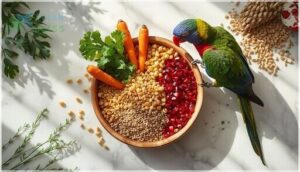
When you feed your parrot pellets with organic certification and natural ingredients, you’re reducing exposure to pesticide residues and contaminants that plague seed-based diets. Natural antioxidants from plant components support your bird’s immune system and gut health—something synthetic additives can’t replicate.
With the organic parrot food market projected to reach $4.29 billion by 2033, more owners are prioritizing healthy parrot food that avoids artificial dyes and chemicals altogether.
Role of Omega Fatty Acids and Probiotics
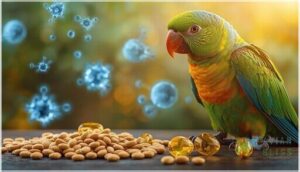
When you choose parrot pellets with omega fatty acids and probiotics, you’re investing in genuine immune support and digestion enhancement. These nutrients work as a team—omega fats maintain feather health and cardiovascular function while probiotics establish pathogen control in the gut, boosting nutrient absorption by up to 21% in young birds.
- Omega-3 reduces inflammation that can dull feather brilliance and weaken immunity
- Probiotics restore gut balance after stress or antibiotic use, slashing mortality rates
- Ideal ratios near 1:1 (omega-6 to omega-3) prevent chronic issues in captive parrots
Avoiding Artificial Additives and Fillers
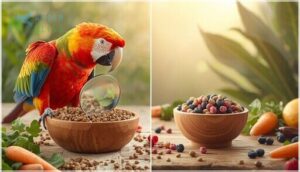
When you scan ingredient labels, corn and soy fillers often top the list—corn alone makes up 50% of many brands, offering minimal nutrition. Artificial colors like Red 3 and chemical preservatives such as BHT in Pretty Bird formulas have been linked to feather picking and chronic health issues.
Instead, look for filler-free pellets with all-natural ingredients and USDA organic certification—your parrot deserves ingredients that nourish, not just fill the bowl.
Top 10 Best Bird Food Pellets Reviewed
Choosing the right pellets for your bird can feel overwhelming when you’re standing in front of shelves packed with options. I’ve reviewed ten standout products that consistently earn trust from avian veterinarians and bird owners alike.
Here’s what makes each one worth considering for your feathered companion.
1. ZuPreem Natural Small Bird Food
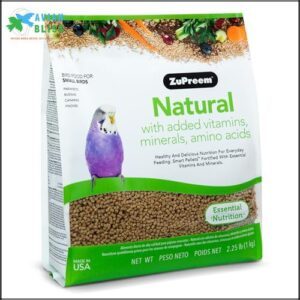
If you’re weighing best parrot pellets for budgies and parrotlets, ZuPreem Natural Small Bird Food delivers solid nutritional adequacy without the dye. This formulation benefits from 14% crude protein and fortified amino acids, making it a sensible foundation in parrot food reviews for species suitability among smaller hookbills.
Ingredient analysis reveals ground corn and soybean meal alongside vegetables and flaxseeds, all preserved with mixed tocopherols. Feeding guidelines recommend 1–3 tablespoons daily for parakeets, ensuring your flock gets complete nutrition when ingredients in parrot food meet maintenance standards without artificial colors.
Best For: Pet owners of parakeets, budgies, parrotlets, canaries, and finches who want a complete, natural pellet diet without artificial colors or flavors.
- Provides complete nutrition with 14% protein, fortified amino acids, and essential vitamins for daily maintenance feeding
- Natural formula with real vegetables, flaxseeds, and no artificial additives, ideal for birds with sensitivities
- Uniform pellet shape reduces selective feeding and ensures consistent nutrient intake with every bite
- Some birds may refuse the pellets initially or find them too large despite being labeled for small species
- Mixed customer feedback on smell and color consistency suggests quality control variability
- Delivery and packaging issues reported by some buyers, potentially affecting product freshness on arrival
2. Harrison’s High Potency Bird Food
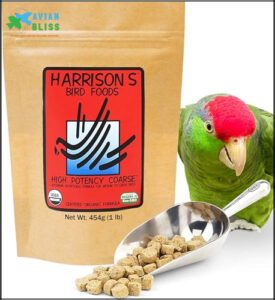
Harrison’s High Potency Bird Food is the veterinarian-formulated top choice for birds with elevated metabolic demands, standing out in parrot food reviews. It boasts 100% organic certification and 20% crude protein, making it ideal for breeding, molting, or recovery.
Ingredient analysis reveals certified organic barley, lentils, and sunflower kernels, ensuring no synthetic pesticides. The feeding guidelines recommend a 6-month conversion under veterinary oversight, particularly for African greys and cockatoos requiring life-stage support for long-term health.
For those seeking variety, Harrisons Organic Pepper Lifetime Coarse Bird Pellets offer a spicier alternative within this trusted line.
Best For: Medium to large parrots like African greys, macaws, and cockatoos that are breeding, molting, recovering from illness, or need long-term high-nutrition support.
- Certified organic with 20% protein and veterinarian-formulated ingredients that avoid synthetic pesticides and artificial preservatives
- Designed for high-demand life stages like breeding, weaning, and recovery with balanced omega fatty acids
- Suitable as a year-round diet for larger species with higher metabolic needs
- Requires a 6-month conversion period and ongoing veterinary guidance, which adds complexity and potential cost
- More expensive than standard pellet options and some users report concerns about freshness or expiration dates
- Not appropriate for all bird species or smaller parrots without proper assessment
3. Harrison’s Bird Food Adult Lifetime Fine
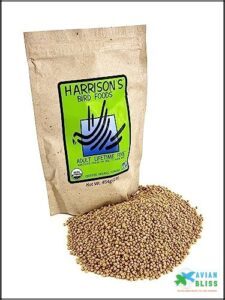
Once your parrot completes six months on a high-potency formula, Adult Lifetime Fine becomes your maintenance workhorse. This certified organic pellet delivers 14% crude protein and balanced omega fatty acids to sustain healthy, non-breeding adult birds year-round.
The fine grind suits small to medium species like cockatiels and lovebirds beautifully. Feed roughly 75–80% pellets daily, supplemented with fresh dark leafy greens and occasional omega-3 seeds.
Skip routine vitamin additives—this formula’s fortified nutrient profile takes care of that job already.
Best For: Bird owners with small to medium-sized adult parrots like cockatiels and lovebirds who want a certified organic maintenance diet after completing a high-potency feeding program.
- Certified organic, non-GMO formula with balanced omega-3 and omega-6 fatty acids that supports healthy plumage without requiring extra vitamin supplements
- Convenient year-round maintenance diet at 14% crude protein designed specifically for stable, non-breeding adult birds
- Fine pellet size works well for the intended small to medium species, making it easy for birds to eat
- Some customers find the price higher than comparable bird foods, raising concerns about value for money
- Pellet size may not suit all birds equally—some owners report their birds find them too small or too large
- Picky eaters may need gradual introduction and patience, and the limited pellet size options mean you can’t easily customize for individual bird preferences
4. ZuPreem Natural Medium Bird Food
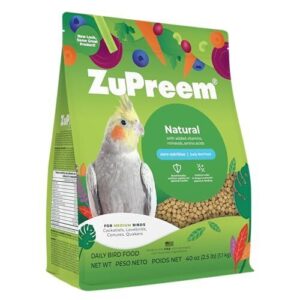
If you’re looking for a reliably balanced option that doesn’t break the bank, ZuPreem Natural Medium Bird Food delivers exactly what medium-sized companions need.
Formulated specifically for cockatiels, lovebirds, and small conures, these pellets pack 14% crude protein with vitamin fortification, including vitamin D and E for bone and tissue health.
The natural ingredients—multigrain bases, vegetables, and ground flaxseeds for omega support—skip artificial colors entirely.
It’s the number one selling pellet brand in the United States for good reason: your bird gets complete nutrition, and you get genuine peace of mind.
Best For: Medium-sized pet birds like cockatiels, lovebirds, conures, and Quakers that need balanced, complete nutrition without artificial additives.
- Complete and balanced formula with 14% crude protein, plus 21 added vitamins and minerals to support feather, bone, and digestive health
- Made with natural ingredients including multigrain bases, vegetables, fruits, and omega-rich flaxseeds—no artificial colors or preservatives
- The #1 selling pelleted bird food brand in the US with strong customer ratings (4.7 out of 5 stars) and proven repeat buyer loyalty
- Some bird owners report their birds find the pellet size too large or are picky eaters who refuse the food entirely
- Costs more than basic store brands, which might add up if you’re feeding multiple birds
- Not ideal for all bird species or sizes—only formulated specifically for medium-sized companions, so larger or smaller birds may need different options
5. ZuPreem FruitBlend Bird Food Pellets
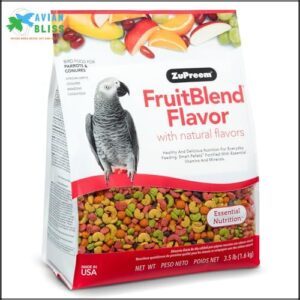
If your bird’s eating habits need a little spark, ZuPreem FruitBlend offers real fruit flavors that encourage natural foraging instincts. The colorful, fruit-shaped pellets appeal to medium and large parrots—African Greys, Amazons, and Cockatoos included—with 14% crude protein for cardiovascular and feather health.
With Walmart ratings hitting 4.7 out of 5 stars, this blend works well for birds switching over from seeds. The natural ingredients support strong immunity and digestion, making it an excellent dietary foundation when paired with fresh foods and your vet’s guidance.
Best For: Bird owners with medium to large parrots who want a nutritionally complete daily diet that encourages natural foraging behavior and supports overall health.
- Real fruit ingredients and colorful pellet shapes stimulate interest and support natural eating instincts while delivering 14% crude protein for cardiovascular and feather health
- Highly rated across retailers (4.7 out of 5 stars on Walmart) with veterinarian recommendations, making it a trusted option for African Greys, Amazons, Cockatoos, and conures
- Formulated with essential nutrients including vitamins D and E, calcium, and potassium to support immunity, digestion, brain function, and beak strength
- Some birds may need patience during the transition from seeds, as they might not immediately accept the pellet texture or taste
- Quality control inconsistencies have been reported, including occasional stale oil smells or near-expiration dating issues
- Should comprise at least 60% of your bird’s diet and work best alongside fresh foods and veterinary guidance rather than as a standalone solution
6. Kaytee Nutri Soft Parrot Conure Food
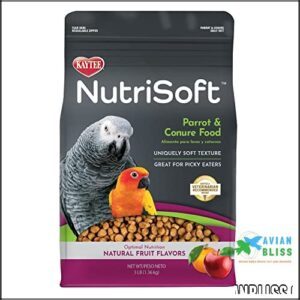
For picky eaters who won’t touch traditional parrot food pellets, this soft texture formula changes the game. Kaytee’s chewy breakable design mimics wild fruits your Parrot or Conure would naturally enjoy, with real fruit flavors like apple and orange.
The 15.5% crude protein promotes healthy parrot nutrition, while Omega-3 benefits from ground flax seed promote feather and skin health. Probiotics and prebiotics provide excellent digestive support, making this a smart choice when you’re balancing parrot pellets with fresh foods in your bird’s overall parrot food plan.
Best For: Parrot and Conure owners struggling with picky eaters who refuse traditional hard pellets but need complete nutrition with digestive support.
- Soft, chewy texture mimics wild fruits, making it easier to transition birds from seed-only diets to nutritious pellets
- Complete formula with prebiotics, probiotics, and Omega-3s supports digestive health, immune function, and feather quality
- Natural fruit flavors (apple and orange) with no artificial colors or flavors appeal to finicky birds
- Some birds may reject the unique smell or soft texture, even if they’re picky with other foods
- Can cause digestive upset or loose droppings in certain birds during transition or regular feeding
- Limited to one 3-pound size option, which may not be ideal for multi-bird households or those wanting to test smaller quantities first
7. ZuPreem Natural Bird Food Pellets Large
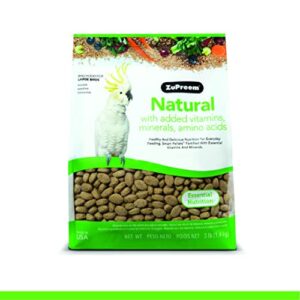
When you’re caring for Amazons, cockatoos, or macaws, ZuPreem Natural Bird Food delivers veterinary-recommended parrot nutrition without artificial colors. The larger pellet size suits big beaks perfectly, with 14% crude protein and added vitamins supporting healthy birds from feathers to digestion.
The multigrain formula includes ground corn, soybean meal, and real vegetables like celery and carrots. Some picky birds need gradual introduction to accept the taste variations, but nutritional analysis confirms this provides complete daily nutrition when parrot food pellets comprise 60% of their diet.
Best For: Owners of large parrots like Amazons, macaws, and cockatoos who want a veterinary-recommended, complete pelleted diet made with natural ingredients and no artificial colors.
- Complete nutrition with 14% protein, essential vitamins, minerals, and amino acids formulated specifically for large parrots
- Multigrain formula with real vegetables (celery, carrots, parsley) and fruits (blueberries, cranberries) plus natural preservatives instead of synthetic additives
- Larger pellet size designed for big beaks, with feeding guidelines tailored to different large parrot species
- Some birds are picky about the taste or smell and may reject certain pellets during the transition period
- Pellet size may still be too large or awkward for some individual birds despite being labeled for large parrots
- Requires gradual introduction and should make up at least 60% of the diet, meaning you’ll need to manage portions carefully alongside fresh foods
8. ZuPreem Smart Selects Small Bird Food
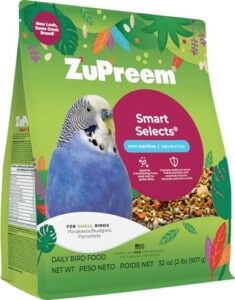
For smaller birds like budgies and parrotlets, ZuPreem Natural Bird Food in the Smart Selects formula considers pellet size concerns that matter to your pet’s eating comfort. The blended mix includes seeds alongside fortified parrot pellets, which helps finicky eaters switch to better nutrition while supporting digestive health and feather condition.
Some owners report delivery issues or packaging concerns, and opinions vary on smell accuracy. Still, when bird food pellets make up most of your parrot’s diet, this blend provides the balanced nutrition smaller species need daily.
Best For: Small bird owners with parakeets, budgies, or parrotlets who want a nutritious pellet-and-seed blend that supports overall health while encouraging picky eaters to transition to better nutrition.
- Fortified with essential vitamins and minerals to support cardiovascular health, digestion, and vibrant feather condition
- Combines pellets with familiar seeds and dried fruit to help finicky birds adapt to a more balanced diet
- Made in the USA with probiotics and prebiotics for digestive support
- Some customers find the pellet size too large for very small birds to eat comfortably
- Mixed reviews on smell and color accuracy of the product
- Delivery and packaging issues reported by some buyers
9. TOP’s Parrot Food Hookbill Pellets
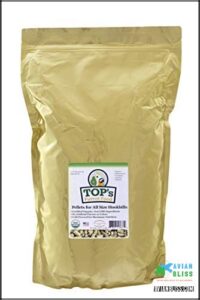
When you’re looking for truly clean parrot nutrition, TOP’s Parrot Food Hookbill Pellets stand out with USDA organic certification and locally sourced, non-GMO ingredients. These cold-pressed pellets preserve heat-sensitive nutrients better than high-temperature manufacturing, offering your bird genuine nutritional integrity.
The peanut-free, soy-free, and corn-free formula includes organic alfalfa, millet, and quinoa—naturally preserved with rosemary and citrus peel instead of synthetic additives.
Available in pellet sizes for small to large hookbills, customer acceptance reports consistently highlight strong uptake even among traditionally seed-biased species, making transitions smoother than you’d expect.
Best For: Parrot owners who want USDA organic, non-GMO pellets free from soy, corn, and peanuts—especially helpful if you have household allergies or birds with sensitivities.
- Cold-pressed manufacturing preserves nutrients better than high-heat extrusion, and natural preservatives (rosemary, citrus peel) replace synthetic chemicals.
- Strong acceptance even among seed-biased birds like cockatiels and conures, making transitions easier than typical pellet switches.
- Clean ingredient list with organic alfalfa, millet, and quinoa—no artificial colors, flavors, or added sugars.
- Higher price point compared to conventional pellet brands, which can add up for multi-bird households.
- Large pellet size may cause waste with smaller parrots who can’t handle 1/4-inch diameter comfortably.
- Occasional quality control issues reported, and the product shouldn’t be the sole diet—you’ll still need to add fresh vegetables, fruits, and seeds daily.
10. RoudyBush Daily Maintenance Bird Food
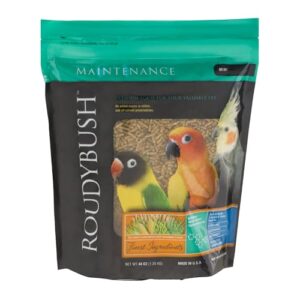
If you want parrot food pellets that deliver a solid Nutritional Profile without fuss, RoudyBush Daily Maintenance Bird Food is a staple worth considering. Its Ingredient Composition—corn, wheat, soy, and peanut meal—offers balanced energy and protein. Vitamin Fortification means you won’t need extra supplements.
The Feeding Guidelines are straightforward, making transitions easy. Birds benefit from drier droppings and stable weight.
For everyday parrot nutrition and health, these parrot pellets support a healthy diet and minimize waste, even for birds with picky appetites.
Best For: Bird owners looking for a complete maintenance diet that covers all nutritional bases without needing extra supplements, especially if you have conures, lovebirds, or parakeets.
- Complete nutrition in one pellet—11% protein, 9% fat, plus all the vitamins and minerals your bird needs, so you can skip the supplement juggling.
- Less waste than seed mixes since the pellets are 100% edible, meaning more of what you buy actually gets eaten instead of tossed out.
- Natural ingredients without artificial colors, flavors, or added sugars, which lines up with what most avian vets recommend for long-term health.
- Not ideal for tiny birds under three inches tall, so if you’ve got really small species, you’ll need to look elsewhere.
- Some buyers mention the pellets can be dusty or have an odd smell, though it doesn’t seem to affect the actual nutrition.
- Picky eaters like budgies might take a while to warm up to pellets if they’re used to seeds, so the transition isn’t always smooth.
How to Choose The Best Pellets for Your Bird
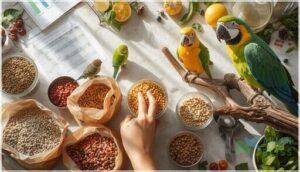
Picking the right pellets for your bird isn’t a one-size-fits-all decision. You’ll need to think about your bird’s species, size, age, and specific nutritional requirements to find a formula that truly works. Here’s what you should consider when making your choice.
Matching Pellet Size to Bird Species
Choosing the right pellet diameter isn’t just about convenience—it directly impacts your bird’s safety and nutrition. Small birds like budgies thrive on mini pellets measuring 3/32 inches, while cockatiels handle 5/32-inch options comfortably. Large parrots, including macaws, need 1/4-inch pellets that match their beak size and prevent choking hazards.
Matching parrot pellets to species needs ensures best intake and reduces waste considerably.
Evaluating Organic Certification and Ingredient Lists
Reading labels can feel like decoding a foreign language, but you’re protecting your parrot’s health with every check. Products labeled “organic certified” must contain at least 95% organic ingredients—that’s your baseline for quality parrot pellets.
Here’s what matters most:
- Check ingredient list order: Items appear by weight, so organic ingredients should dominate the top
- Verify AAFCO standards compliance: This ensures complete nutrition without harmful fillers
- Consider pesticide residue levels: Organic parrot food reduces pesticide exposure by 70-90% compared to conventional options
Considering Life Stage and Dietary Needs
Your parrot’s age and activity level determine which pellets deliver ideal nutrition. Juvenile parrot needs exceed adult maintenance by 10-20% in energy and protein to fuel rapid growth, so growing birds thrive on formulated diets at the higher end of the recommended range.
Breeding requirements include adequate calcium and essential fatty acids, while senior bird diets benefit from controlled fat and enhanced antioxidants to support aging organs.
Consulting Avian Nutritionists or Veterinarians
Even the best pellets may not suit your bird’s unique needs without professional guidance. Avian veterinarians and nutritionists conduct thorough consultations that review your parrot’s medical history, body condition, and current diet.
Since 60-80% of avian health issues stem from nutritional deficiencies, expert evaluation ensures species-specific needs are met while improving diet adherence and long-term bird health outcomes.
Feeding Tips for a Balanced Parrot Diet
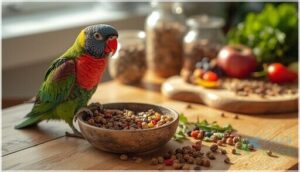
Even the best pellets won’t do their job if you’re not feeding your parrot correctly. A balanced diet goes beyond just choosing quality food—it’s about how you combine ingredients, when you serve meals, and what mistakes to avoid along the way.
Let’s walk through the essentials that’ll keep your feathered friend thriving.
Combining Pellets With Fresh Fruits and Vegetables
Although parrot pellets form the nutritional foundation—ideally 70–80% of the daily diet—you’ll need to round out meals with fresh produce to support long-term health.
Vegetables should make up most of the remaining portion, offering fiber and essential carotenoids that prevent deficiencies. Fruits work best as occasional treats due to their sugar content.
Always serve moist foods separately and remove them within a few hours to maintain food safety.
Establishing a Consistent Feeding Schedule
Once you’ve balanced pellets with fresh produce, timing matters just as much as what you feed. Meal frequency directly shapes your parrot’s behavior and weight. Offering parrot food twice daily—morning and early evening—mirrors natural foraging peaks and promotes healthy routines.
- Measure portions to 10–15% of body weight to prevent obesity
- Use fixed feeding windows for clearer hunger cues and training success
- Integrate foraging toys during meals to extend engagement naturally
Regular weight monitoring keeps parrot nutrition on track long-term.
Providing Clean Water and a Safe Feeding Environment
Water contamination risks like bacterial buildup threaten your parrot’s health faster than spoiled pellets. Feeder cleaning methods—scrubbing bowls with 10% bleach weekly—prevent disease transmission and behavioral water impacts that reduce drinking.
Safe enclosure practices include elevating dishes away from droppings and inspecting outdoor spaces daily.
Filtration system benefits become clear when you see improved parrot care through cleaner avian diet support and consistent parrot food quality.
Avoiding Common Dietary Mistakes
When too many seeds dominate your bird’s bowl, you’re setting the stage for serious parrot health problems—studies link seed-heavy diets to vitamin A deficiency in 36% of clinic cases. Inadequate variety and treat misuse also undermine parrot nutrition, even when you’ve invested in quality parrot pellets.
Seed-heavy diets cause vitamin A deficiency in 36% of parrots—variety and balance matter more than you think
Watch for these avian diet pitfalls:
- Overfeeding seeds instead of balancing with nutritious ingredients
- Skipping vegetables more than three days weekly
- Ignoring portion control, leading to obesity in 30–50% of companion parrots
- Rushing pellet introduction without gradual mixing over 2–4 weeks
- Offering high-sodium human snacks that strain your bird’s liver and heart
Frequently Asked Questions (FAQs)
What is the best bird pellet brand?
Harrison’s, RoudyBush, and ZuPreem Natural consistently earn veterinarian recommendations for their nutritional completeness and ingredient quality.
The best parrot pellets balance palatability versus nutrition—organic versus conventional depends on your budget and priorities when choosing parrot pellets.
What pellets are best for birds?
You’ll want pellets that match your bird species and nutritional needs—consider pellet ingredients like organic grains and probiotics.
Harrison’s, ZuPreem, and TOPS parrot food pellets rank highly for palatability factors and quality.
What is the best overall bird food?
The best overall bird food combines high-quality pellets with fresh produce.
Harrison’s Organic Premium Pellets lead in nutrient density and ethical sourcing, while ZuPreem Natural offers excellent palatability factors and brand reputation at competitive cost analysis for parrot nutrition.
Are pellets better than seeds for birds?
Pellets absolutely crush seeds nutritionally for your parrot. Seeds lack key vitamins A and D3, risking obesity and deficiencies, while pellets deliver balanced nutrition that dramatically improves health outcomes and prevents common seed-diet problems.
How to store bird pellets for freshness?
Store parrot pellets in airtight containers away from heat, humidity, and light to slow oxygen exposure and spoilage.
Use opened bird food within six weeks at room temperature or freeze for extended freshness.
What signs indicate a bird dislikes pellets?
Like a child pushing away broccoli, your parrot may throw pellets from the bowl, ignore them entirely, or show digestive distress. Vomiting, pasting, or wetter droppings signal pellet rejection and conversion resistance.
Can baby parrots eat adult pellets safely?
No, baby parrots shouldn’t eat adult pellets until fully weaned. Their developing digestive systems need specialized hand-feeding formulas with higher protein and moisture.
Adult pellets risk nutrient imbalance risks and growth deficiency signs—always consult your avian veterinarian first.
How to prevent pellet contamination in cages?
You’ll want to place feeders away from perches where droppings fall, clean bowls daily with disinfectant, and keep cages elevated on wire mesh.
These environmental controls reduce zoonotic risks from contaminated parrot pellets.
Are bird pellets safe for all parrot species?
Board-certified avian veterinarians recommend pellets comprise 50–70% of most parrots’ diets, but species and medical conditions vary.
African greys and birds with kidney issues may need adjusted formulas, so consult your vet first.
How long do bird pellets stay fresh?
Unopened parrot pellets stay fresh for 12 to 24 months when stored properly. Once opened, use them within 6 to 10 weeks. Freezing extends shelf life up to 6 months.
Conclusion
Here’s the truth: your parrot’s lifespan depends more on what’s in their bowl than most owners realize. Switching to top-quality bird food pellets isn’t just about convenience—it’s about giving your feathered companion the nutritional foundation they need to thrive for decades.
Pair those pellets with fresh produce, stay consistent with feeding times, and watch your bird transform. The investment you make today pays dividends in vitality, longevity, and countless vibrant years together.
- https://www.cabidigitallibrary.org/doi/pdf/10.5555/20210293798
- https://www.harrisonsbirdfoods.com/product/harrisons-organic-premium-pellets/
- http://www.littlefeatheredbuddies.com/info/nutrition-pellets.html
- http://blogs.thatpetplace.com/thatbirdblog/2013/06/07/healthy-parrot-foods-new-study-compares-pellets-seed-and-produce/
- https://vetmed.tamu.edu/files/vetmed/macaw/publications/Veterinary-Research/brightsmith_2012_captive_amazona_diets.pdf