This site is supported by our readers. We may earn a commission, at no cost to you, if you purchase through links.
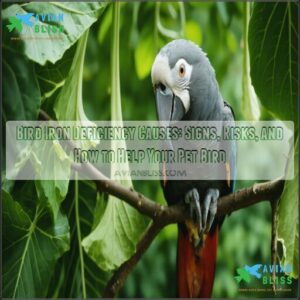 Bird iron deficiency causes often stem from an imbalanced diet. If your bird’s food lacks iron-rich ingredients like dark, leafy greens or iron-fortified pellets, it can lead to low iron levels.
Some seeds, while tasty, don’t provide enough nutrients, making seed-heavy diets a common culprit. Stress, illness, or parasites that cause blood loss can also contribute to deficiencies.
You might notice signs like weakness, pale beaks, or lethargy. It’s a bit like running on fumes—birds need iron for healthy red blood cells.
Balancing their diet and consulting an avian vet can help prevent serious health issues. Healthy bird, happy life! Birds require a diet rich in iron to maintain optimal health.
Table Of Contents
- Key Takeaways
- Bird Iron Needs
- Iron Deficiency Causes
- Anemia in Birds
- Iron Storage Disease
- Bird Species Affected
- Diet and Iron Intake
- Clinical Signs and Diagnosis
- Treatment and Prevention
- Health Risks and Complications
- Avian Care and Nutrition
- Frequently Asked Questions (FAQs)
- Why do birds eat a lot of iron?
- Why do I have an iron deficiency?
- How do you know if a bird has iron storage disease?
- Can a deficiency of iron cause anemia in poultry?
- Do birds have a vitamin deficiency?
- How stress influence bird iron deficiency?
- Can environmental factors contribute to iron deficiency in birds?
- Are hatchlings more prone to iron deficiency?
- How does dehydration relate to iron levels in birds?
- What role do genetics play in iron metabolism?
- Conclusion
Key Takeaways
- Don’t rely on seed-only diets; they lack essential nutrients and often lead to iron deficiency in birds.
- Signs like weakness, pale beaks, or lethargy show your bird might not be getting enough iron.
- Balance your bird’s diet with iron-rich foods such as leafy greens, legumes, and fortified pellets.
- Regular check-ups with an avian vet help catch and prevent iron-related health issues early.
Bird Iron Needs
Your bird’s body needs the right amount of iron to produce healthy red blood cells and maintain its energy levels.
Iron fuels your bird’s vitality, ensuring vibrant energy and healthy feathers—balance is the secret to their thriving life.
Too little iron can lead to serious health issues, making a balanced diet essential for your feathered friend.
Dietary Iron Sources
When planning a bird’s diet, incorporating iron-rich foods is essential.
Birds can get dietary iron from various sources:
- Plant-based iron: Leafy greens like spinach or kale.
- Insect-based iron: Mealworms or crickets.
- Fortified bird food: Pellets enhanced with iron.
- Iron bioavailability: Make sure foods boost absorption.
- Iron supplementation risks: Avoid excess to prevent issues.
Consider browsing options for specially formulated options to supplement their diet.
Balance is key!
Iron Requirements
Iron is a big deal for birds—it fuels hemoglobin synthesis, helping transport oxygen.
Bird iron requirements vary; broilers need 104–110 mg/kg, while species like toucans need less.
Too much iron disrupts metabolism, causing storage diseases, and balance is critical; diets should support proper absorption without overloading.
Remember, species variation matters in maintaining dietary balance to prevent avian iron deficiency.
Iron Deficiency Signs
When birds don’t get enough iron, they can show signs that are hard to miss if you know what to watch for.
Look out for:
- Feather changes: Dull or brittle feathers.
- Weakness signs: Reduced activity and bird lethargy symptoms.
- Appetite loss: Eating less than usual.
- Pale gums: A key hint of avian iron deficiency or bird anemia causes.
Stay observant!
Iron Deficiency Causes
Iron deficiency in birds can occur due to poor diet, lack of nutritional variety, or improper supplementation.
Understanding these causes helps you prevent health issues and keep your feathered friend thriving.
Historical Context And Significance
Before modern avian care, early bird diets lacked balance, leading to health issues like iron deficiency.
Ancient aviculture often misunderstood bird iron levels, confusing bird anemia causes with poor feeding.
Historical research revealed the evolution of understanding in nutrition, with past misconceptions highlighting the need for precise diets.
Guaranteeing proper nutrition can address species’ dietary needs for peak health.
Consulting an avian veterinarian guarantees your bird avoids these age-old pitfalls.
Key Challenges And Solutions
Dealing with bird iron deficiency isn’t easy, especially with diagnosis difficulties and genetic predisposition.
An avian veterinarian’s expertise is essential for accurate treatment efficacy.
Prevention strategies like dietary management play a big role—balance your bird’s diet iron carefully.
Avoid reliance on seed-only diets, and consult your vet often.
Iron deficiency treatment in birds thrives on knowledge and consistent effort!
Future Development Prospects
Looking ahead, genetic research holds promise for addressing bird iron deficiency by revealing inherited traits impacting iron metabolism.
Early detection tools and holistic approaches, like balancing sustainable diets, can improve bird iron absorption and prevent iron storage disease.
Preventative strategies combining research and practical care will support healthier birds, helping owners tackle iron-related health challenges with confidence and smarter solutions.
Anemia in Birds
If your bird seems unusually tired or pale, it might be dealing with anemia, a condition caused by a lack of healthy red blood cells.
Anemia drains your bird’s vitality—spot pale feathers or tiredness early to boost red blood cell health with the right care!
From iron deficiency to vitamin imbalances, understanding the causes can help you protect your feathered friend’s health.
Iron Deficiency Anemia
Your bird’s energy levels might drop if they’ve iron deficiency anemia—when RBC production is too low.
It’s often linked to poor diets or hidden health problems. Signs include tiredness and pale skin.
- Common causes: Toxic exposure, GI issues, bone injuries, or chronic infections.
- Get tested: A bird blood test reveals anemia.
- Fix it: Consult an avian veterinarian.
- Treatment: Includes anemia treatment like iron-rich diets.
Vitamin Deficiency Anemia
Vitamin deficiency anemia sneaks up on birds, impairing their wellbeing.
Vitamin A, folate, and B12 anemia can spark lethargy and poor feathering.
Nutritional anemia stems from imbalanced diets.
Promote vitamin absorption through diverse foods and consult an avian veterinarian.
B12 deficiencies and low folate pose risks, so get a bird blood test to prevent avian diseases.
| Deficiency | Cause | Sign | Solution |
|---|---|---|---|
| Vitamin A | Low diet intake | Sneezing, feather picking | Supplements, carrots |
| Folate | Poor absorption | Anemia, reproduction issues | Balanced diet |
| B12 | Improper digestion | Lethargy, nervous issues | Fortified foods |
| Ascorbic Acid | Over-consumed Vitamin C | Iron overload risk | Limit rich food sources |
Blood Loss Anemia
Sometimes bird anemia is caused by blood loss, reducing red blood cells and hemoglobin.
Watch for:
- Trauma-induced anemia from injuries or internal bleeding.
- Blood loss from parasitic infestations like mites.
- Coagulation disorders preventing clotting during minor cuts.
- External injuries from fights or accidents.
Iron deficiency in birds can worsen, so seek prompt avian veterinary care for diagnosis and treatment.
Reduced egg production may indicate essential amino acid imbalance.
Iron Storage Disease
Iron storage disease occurs when your bird’s body absorbs too much iron, leading to harmful buildup in essential organs like the liver and heart.
Understanding its causes and managing their diet can help prevent serious health issues, especially in species prone to the condition.
Hemochromatosis
Hemochromatosis, a type of iron storage disease, occurs when excess liver iron builds up, leading to organ damage.
Birds like toucans and mynahs often have a genetic predisposition, making them highly vulnerable. Symptoms like apathy and ascites development reflect disease progression.
Apathy can also be a sign of bird decreased appetite.
Managing iron metabolism with a low-iron diet and regular check-ups helps prevent iron overload’s severe impacts.
Hemosiderosis
Hemosiderosis occurs when tissue iron builds up, often harming bird organs like the liver and spleen.
Over time, iron deposition leads to liver damage and spleen enlargement, disrupting iron metabolism.
To spot signs early:
- Watch for sluggishness or appetite changes.
- Consult an avian vet for iron storage disease tests.
- Avoid vitamin C-rich foods that worsen iron overload.
Dietary Iron Overload
Too much of a good thing, like iron, can harm your bird.
Dietary iron overload occurs from excessive supplementation or inappropriate diets, leading to iron storage disease.
Symptoms, like ascites development and organ damage, may signal hemochromatosis.
Treatment often includes iron chelation or phlebotomy.
| Cause | Impact | Action |
|---|---|---|
| Excessive Supplementation | Iron Toxicity | Adjust diet |
| Inappropriate Diets | Organ Damage | Consult a vet |
| Untreated Overload | Ascites Development | Begin chelation |
Bird Species Affected
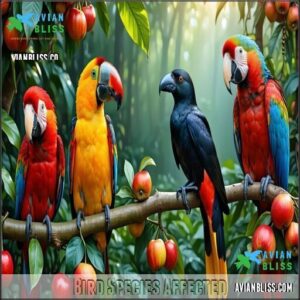
Some bird species are more prone to iron deficiencies due to their unique dietary needs and physiology.
Understanding which species, like mynahs, toucans, and parrots, are affected helps you tailor their care and prevent health issues.
Mynahs and Toucans
Mynahs and toucans are fascinating yet delicate birds, highly sensitive to dietary iron.
Their unique physiology makes iron storage disease, like hemochromatosis, a major risk if their diet isn’t managed carefully.
Aim for an iron-sensitive mynah diet or specialized toucan housing with proper food restrictions to prevent issues.
These species differences highlight the importance of understanding iron deficiency in birds for their welfare.
Habitat loss is a major threat to many bird species.
Parrots and Birds of Paradise
Parrots and birds of paradise face unique challenges regarding parrot iron needs. Captive bird diets often lead to iron disease signs, like bird pale gums or breeding complications.
Iron deficiency birds may display parrot anemia, impacting their health. This condition can have severe effects on the overall well-being of the birds.
To address these issues, it is essential to:
- Monitor for lethargy and weight loss.
- Avoid overfeeding foods rich in vitamin C.
- Offer balanced bird diet iron sources.
- Schedule regular vet checkups.
Other Species
For birds beyond parrots and toucans, uncommon species like finches, canaries, and wild birds face unique conservation concerns around iron deficiency.
Captive management plays a big role in balancing diets for rare breeds.
Iron deficiency birds show pale beaks or legs, often struggling with energy.
Keep diets balanced to prevent finch iron deficiency and related risks in canaries.
| Species | Common Issue | Dietary Tip | Iron Risk | Conservation Need |
|---|---|---|---|---|
| Finches | Iron Deficiency | Iron-fortified food | High | Moderate |
| Canaries | Weakness | Eggshell-based supplements | Medium | Low |
| Wild Birds | Nutrient Imbalance | Natural grains | Variable | High |
| Rare Breeds | Lethargy | Specialty pellets | Medium | Critical |
| Captive Birds | Weight Fluctuation | Calcium-fortified foods | Low | Medium |
Diet and Iron Intake
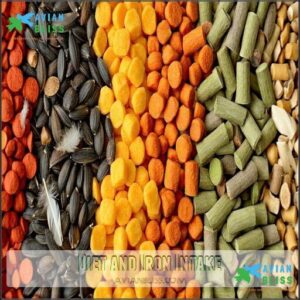
Your bird’s diet plays a big role in maintaining proper iron levels, and getting the balance right is essential for its health.
Too little iron can cause anemia, while too much can lead to serious organ damage.
Vitamin C and Iron Absorption
Vitamin C, or ascorbic acid, enhances iron bioavailability by converting it into a more absorbable form.
While this C-iron interaction is helpful for iron deficiency treatment in birds, too much can upset dietary balance, causing bird health issues like iron storage disease.
Birds also need a proper intake of fat-soluble vitamins to avoid health issues.
Maintain moderation in your bird’s diet to optimize iron absorption without risking their well-being.
Iron Rich Foods
In terms of iron-rich foods for birds, focus on variety.
Offer legumes like lentils and chickpeas, along with dark, leafy greens such as spinach.
Fortified bird food is a simple way to guarantee they’re getting enough iron.
For consistent nutritional intake, consider buying fortified options.
Avoid citrus fruits, as they can boost iron absorption too much.
Mix grains, veggies, and occasional meats for a balanced touch.
Balanced Diet Importance
A balanced diet matters as much as offering iron-rich foods.
Nutrient ratios guarantee complete nutrition, while diet variety prevents boredom and avoids deficiencies.
Portion control helps maintain health, especially when supplementing with dietary iron.
Remember, avian nutrition isn’t one-size-fits-all—knowing your bird’s needs is key.
With the right mix, your pet thrives like a feathered health nut!
Clinical Signs and Diagnosis
When your bird isn’t feeling its best, it often shows subtle signs like weight loss, sluggish behavior, or a lack of appetite.
Recognizing these symptoms early and getting a proper diagnosis from your vet can make all the difference in their recovery.
Anorexia and Weight Loss
A bird showing anorexia and weight loss might be battling underlying illnesses, environmental stressors, or even social isolation.
Behavioral anorexia can signal iron deficiency or anemia, leading to bird weakness.
It’s vital to monitor bird symptoms like reduced appetite and noticeable thinning.
Nutritional absorption may be impaired, worsening the issue.
Adjusting diet and consulting a vet guarantees proper care, and it’s crucial not to ignore weight loss—it’s like your bird sending an **S.O.S.
in its own feathery way, which can be a sign of a serious condition requiring immediate proper care**.
Depression and Lethargy
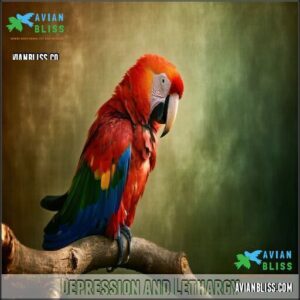
Depression and lethargy in birds often signal deeper issues, like iron deficiency or bird weakness.
You might notice behavioral changes, such as reduced social interaction or altered sleep patterns.
A bird that once sang proudly could suddenly seem uninterested or sluggish.
Appetite loss is another key alert.
Providing environmental enrichment, like toys or perches, can boost mood while addressing underlying issues.
Avian medicine expertise is paramount—consulting a vet guarantees accurate diagnosis and care for these serious bird symptoms, including deeper issues, behavioral changes, and appetite loss.
Treatment and Prevention
Providing your bird with the right diet, regular vet check-ups, and appropriate supplements can prevent iron deficiency and keep them healthy.
Making small changes, like monitoring their food intake and adding fortified pellets, guarantees they get the nutrients they need, which is crucial for preventing iron deficiency.
Iron Supplementation
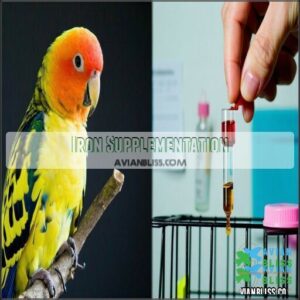
If your bird shows signs of iron deficiency, supplementation can help.
Use bird supplement iron under a vet’s guidance to guarantee safe dosage guidelines. Liquid forms are easier to administer, but follow the vet’s administration methods closely.
Consider where to find a bird iron supplement if your vet recommends it.
Monitor progress for improvements like brighter feathers and energy boosts. Be cautious—too much iron has potential risks, so regular checkups matter.
Dietary Changes
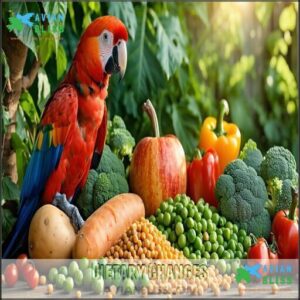
Shifting to your bird’s diet can work wonders for iron deficiency treatment in birds.
Start with pellet conversion and gradual introduction of low-iron foods to replace seeds.
Toss in food variety like iron-rich options such as leafy greens, cooked legumes, or fortified pellets.
Combine seed reduction with smart bird supplement iron strategies for a balanced bird diet iron improvement.
Regular Check Ups

Routine checkups with your avian vet are a proactive approach to keeping your bird healthy.
Regular vet visits allow for early detection of issues like iron deficiency.
During avian exams, your vet might recommend veterinary testing, including blood work or a complete blood cell count.
Prioritize preventative care to guarantee health monitoring stays on track—your bird will thank you!
Health Risks and Complications
If your bird isn’t getting enough iron, it can face serious health risks like organ damage, infections, and reproductive problems.
These complications mightn’t show up right away, but they can lead to long-term issues that compromise your bird’s well-being.
Organ Damage
Iron storage disease can harm a bird’s liver, heart, lungs, spleen, and kidneys.
Organs overloaded with iron, like in hemochromatosis, struggle to function. Imagine trying to sprint with a backpack full of bricks—stressful and damaging.
Regular vet check-ups and balanced diets help prevent this.
| Organ | Possible Damage | Effects | Prevention Tip |
|---|---|---|---|
| Liver | Overload, scarring, failure | Poor digestion, weakness | Low-iron diet |
| Heart | Abnormal rhythm, failure | Breathing difficulty | Avoid high-iron foods |
| Lungs | Poor oxygen exchange | Fatigue, labored breathing | Monitor vitamin C intake |
| Kidneys | Toxic build-up, failure | Lethargy, illness | Stay consistent with diet reviews |
The table provides a summary of the possible damage to each organ, the effects of this damage, and tips for prevention, highlighting the importance of a Low-iron diet and avoiding high-iron foods to maintain the bird’s health.
Infections and Diseases
Birds with iron deficiency or iron storage diseases like hemochromatosis are prone to infections due to immune suppression.
Watch out for:
- Bacterial infections: Often affecting the respiratory system.
- Fungal diseases: Like Aspergillosis, thriving in moist environments.
- Viral pathogens or parasitic infestations: Triggering health complications.
Quick vet check-ups and balanced diets can help prevent these avian disorders.
Stay vigilant!
Reproductive Issues
Reproductive problems in birds, like fertility issues and egg binding, can stem from iron storage diseases such as hemochromatosis.
Hormonal imbalances may disrupt nesting behavior and egg production, leading to chick mortality in breeding birds.
Addressing these concerns with a balanced diet, avoiding iron overload, and consulting an avian vet guarantees your bird stays healthy, ready to charm you with adorable parenting habits.
Avian Care and Nutrition
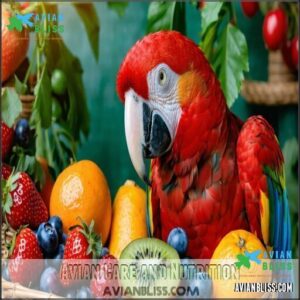
You can support your bird’s health by providing a balanced diet that includes pelleted foods, fresh treats, and proper supplements.
Regular check-ups with an avian vet guarantee your pet gets the nutrition they need to prevent iron deficiency and other health issues.
Pelleted Diets
A pelleted diet simplifies managing your bird’s nutrition, balancing iron levels and other essentials.
Pellet composition guarantees essential nutrients, but palatability concerns can arise during switching birds from seeds.
Offering pellet variety can help with adjustment, though cost analysis may reveal pellets are pricier upfront, they reduce risks like iron storage disease by controlling dietary iron and absorption effectively.
Fresh Foods and Treats
A diverse mix of fresh foods and treats keeps your bird engaged and healthy.
Offer safe produce like leafy greens, carrots, and apples.
Sprout benefits include boosting dietary iron while supporting digestion.
Avoid tannin-rich foods like tea leaves.
Organic options guarantee fewer toxins, and foraging enrichment, such as hiding iron-rich foods for birds, encourages natural, joyful behavior, which supports overall digestion.
Consultation With Avian Vet
An avian vet consultation helps guarantee your bird’s iron levels stay in check.
With vet expertise, they provide diagnostic accuracy, treatment options, and preventative care for issues like iron storage disease or iron overload.
Regular follow-ups and avian veterinary services catch problems early, like dietary iron imbalances, and help tailor care for your bird’s unique needs, ensuring you can trust a professional to provide the best support.
Frequently Asked Questions (FAQs)
Why do birds eat a lot of iron?
Birds don’t consciously eat lots of iron; their diets sometimes unknowingly include excess iron, especially from high-iron foods.
This can result from natural curiosity or nutritional imbalances, but too much iron may harm their health, especially due to nutritional issues.
Why do I have an iron deficiency?
You might’ve an iron deficiency due to poor diet, blood loss, or health issues like anemia.
It’s like running low on fuel—your body can’t function well without enough iron-rich foods or supplements.
How do you know if a bird has iron storage disease?
Watch for signs like weight loss, a swollen abdomen, trouble breathing, or unusual urine color.
Birds with iron storage disease often act sluggish or uninterested, so if something feels off, it’s time to visit a vet!
Can a deficiency of iron cause anemia in poultry?
Yes, iron deficiency can cause anemia in poultry.
When their diet lacks enough iron, they produce fewer red blood cells, leading to fatigue, pale combs, and reduced egg production.
Balanced nutrition prevents these issues effectively.
Do birds have a vitamin deficiency?
Sure, some birds develop vitamin deficiencies, often from poor diets like all-seed meals.
Low vitamin A can weaken immunity, while iodine deficiency triggers goiters.
Fix it with fortified pellets, fresh veggies, and balanced nutrition.
How stress influence bird iron deficiency?
When life ruffles their feathers, stress can quietly alter a bird’s gut function, reducing nutrient absorption, including iron.
This leads to deficiencies, affecting energy and flight.
Helping your bird relax guarantees better health and balance.
Can environmental factors contribute to iron deficiency in birds?
Environmental factors like poor diet, lack of UVB exposure, and contaminated water can lead to iron deficiency in birds.
Without proper nutrition or sunlight for vitamin D synthesis, their bodies struggle to absorb essential dietary iron.
Are hatchlings more prone to iron deficiency?
Imagine tiny, growing birds needing constant nourishment—they’re more susceptible to iron deficiency due to rapid growth demands.
Their immature systems struggle to absorb and store iron efficiently, making balanced diets essential for avoiding health issues.
How does dehydration relate to iron levels in birds?
Dehydration in birds can reduce blood volume, concentrating iron levels and potentially leading to toxicity.
It also strains organs like the liver.
Always make certain birds have clean water to maintain hydration and balanced iron levels.
What role do genetics play in iron metabolism?
Just like a custom suit fits better, genetics tweak how birds handle iron.
Variations can speed up or slow down iron absorption, influencing their risk for iron-related disorders.
It’s nature’s way of personalizing biology!
Conclusion
Think of your bird’s health like a puzzle, where every piece counts—diet, care, and awareness.
Bird iron deficiency causes range from imbalanced meals to hidden stressors, but with informed choices, you can protect your pet.
Prioritize iron-rich foods, monitor for signs like lethargy or pale beaks, and consult an avian vet to stay ahead of issues.
A balanced diet is the cornerstone of prevention, ensuring your feathered friend thrives instead of just survives. Healthy bird, happy life!