This site is supported by our readers. We may earn a commission, at no cost to you, if you purchase through links.
 If you notice your bird sneezing and coughing, don’t brush it off as just a "bird cold."
Birds have delicate respiratory systems that make them canaries in the coal mine for health issues.
Common causes include bacterial infections, fungal problems, allergies to dust or dander, and viral infections.
Watch for accompanying symptoms like nasal discharge, labored breathing, or tail bobbing.
Unlike us who can power through a stuffy nose, respiratory issues in birds can quickly become serious—even life-threatening.
Quick action is vital, as these symptoms often indicate conditions that won’t clear up without proper treatment.
Your feathered friend’s breathing shouldn’t be a guessing game.
Table Of Contents
- Key Takeaways
- Bird Respiratory Issues
- Causes of Respiratory Disease
- Recognizing Respiratory Symptoms
- Respiratory System Anatomy
- Diagnosing Respiratory Disease
- Common Respiratory Pathogens
- Preventing Respiratory Disease
- Treating Respiratory Disease
- Managing Respiratory Health
- Frequently Asked Questions (FAQs)
- Conclusion
Key Takeaways
- Unlike humans who can power through a cold, respiratory issues in birds can quickly become life-threatening, requiring immediate veterinary attention when you notice symptoms like sneezing, tail bobbing, or open-mouth breathing.
- Your bird’s delicate respiratory system works differently than yours, with thin-membraned air sacs that make them especially vulnerable to bacterial, viral, and fungal infections.
- You’ll need to maintain proper ventilation, regular cage cleaning, and appropriate stocking density to prevent respiratory diseases, as overcrowding substantially increases infection risks.
- Watch for behavioral changes like reduced activity, unusual quietness, decreased appetite, or fluffed feathers, as early detection through consistent observation is crucial for successful treatment of respiratory conditions.
Bird Respiratory Issues
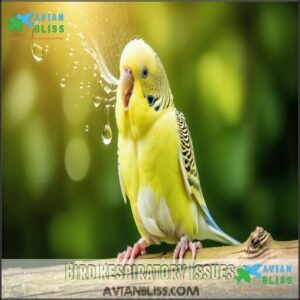
You’ll need to watch for unusual sounds like honking or squeaking when your bird breathes, as these can signal serious respiratory infections that affect their delicate air sac system.
When you notice symptoms like sneezing, tail bobbing, or nasal discharge, don’t wait to seek help, as respiratory issues can quickly become life-threatening for your feathered friend.
Sneezing and Coughing Sounds
Three distinct sounds signal respiratory trouble in your feathered friend.
Bird coughing typically sounds like a honk or high-pitched squeak, with noticeable neck extension during episodes.
Unlike human coughs, sick bird sounds originate from the syrinx (their voice box).
Sneezing in birds produces quick, sharp "achoo"-like noises.
When you hear these coughing mechanics or frequent bird sneezing, it’s your cue to investigate further—healthy birds rarely make these sounds, indicating potential respiratory trouble.
Runny Nose and Foamy Eyes
With respiratory infections, your bird’s nose and eyes often show the first warning signs. A runny nose paired with foamy eyes indicates that nasal passages and tear ducts are affected by the same infection.
- Eye discharge types vary from watery to thick and crusty
- Nasal passage connection explains why both symptoms occur together
- Sinus swelling links to increased tear production
- Secondary infections may develop if left untreated
Bird sneezing and coughing typically accompany these symptoms, which can be signs of respiratory infections and may lead to secondary infections.
Loss of Appetite and Death
Beyond those watery eyes lies a more troubling sign of avian respiratory illness: when your feathered friend stops eating.
Loss of appetite in birds with respiratory disease often signals increasing disease severity. Your bird’s refusal to eat isn’t just being picky—it’s a serious warning sign that requires immediate attention.
When your bird stops eating, it’s a cry for help—act fast to prevent serious complications and save their life.
| Warning Sign | What It Means | When to Act |
|---|---|---|
| Reduced eating | Early immune suppression | Within 24 hours |
| Complete refusal | Possible organ failure | Immediately |
| Weight loss | Advanced disease | At first notice |
| Lethargy with no appetite | Critical condition | Emergency vet visit |
Nutritional deficiencies quickly compound bird respiratory disease problems. Without timely intervention, bird flu symptoms can rapidly progress from concerning to fatal. Remember, in the bird world, not eating often means your pet is putting all energy into just breathing.
In the context of bird health, immediate attention is crucial when a bird shows signs of respiratory illness, as organ failure can occur if the condition worsens. It’s essential to recognize these signs and act promptly to prevent further complications.
Causes of Respiratory Disease
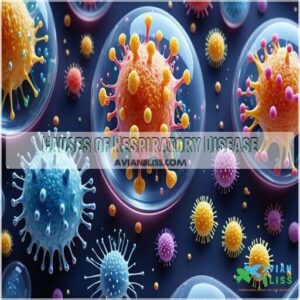
Your bird’s sneezing and coughing can stem from various culprits including viral, bacterial, fungal, or allergic triggers that attack their delicate respiratory system.
You’ll need to watch for these warning signs early, as everything from household air fresheners to deadly pathogens like Mycoplasma can quickly compromise your feathered friend’s health.
Viral Infections
While respiratory issues can manifest in many ways, viral infections often kick off the most serious problems for your feathered friends.
These microscopic troublemakers spread rapidly through bird populations:
- Avian Influenza causes sneezing, coughing, and can be deadly
- Newcastle Disease leads to severe respiratory distress
- Infectious Bronchitis damages airways and affects egg production
- Infectious Laryngotracheitis creates dangerous mucus plugs in the trachea
Early recognition prevents viral transmission and strengthens your bird’s immune response—vaccination strategies are your best defense against these invisible invaders, using effective methods to protect your birds.
Bacterial Infections
While viruses often weaken your bird’s defenses, bacteria are the opportunistic troublemakers that move in afterward.
Your feathered friend may develop bacterial pneumonia or secondary infections when E. coli, streptococci, or Mycoplasma gallisepticum invade their respiratory system.
Watch for persistent sneezing, coughing, and nasal discharge. Poor hygiene and stress increase infection risks.
Be aware that antibiotic resistance can complicate treatment options, so prevention strategies like regular cage cleaning are your best defense, using methods that prevent the spread of secondary infections.
Fungal Infections
While bacteria can wreak havoc on your bird’s respiratory system, fungal infections pose their own unique threats.
Aspergillus exposure is particularly dangerous, with Aspergillus fumigatus being the most common culprit behind avian respiratory infection.
Watch for these warning signs of fungal problems:
- Persistent tail bobbing and labored breathing
- Coughing sounds (like honks or squeaks)
- Lethargy and unexplained weight loss
Early diagnosis of air sacculitis can be challenging, but prompt antifungal treatment is vital for your feathered friend’s survival.
Allergic Reactions
While fungal spores can trigger respiratory distress, your bird’s sneezing might also be an allergic reaction.
Just like humans, birds develop allergies to environmental toxins and common irritants. Your sneezing parrot or coughing canary might be reacting to perfumes, cleaning products, or cigarette smoke.
Allergen identification is essential—remove potential triggers and monitor reaction severity. For persistent symptoms, consider professional allergy testing to safeguard your feathered friend’s respiratory health.
Recognizing Respiratory Symptoms
You’ll notice when your feathered friend isn’t feeling well by watching for signs like labored breathing, tail bobbing, nasal discharge, or unusual vocal changes.
These respiratory symptoms often appear before more serious illness develops, so catching them early can make the difference between a quick recovery and a trip to the avian vet.
Labored Breathing and Open-Mouth

When a bird starts breathing with an open mouth, you’re facing a serious respiratory distress warning sign.
This behavior indicates your feathered friend is struggling to get enough oxygen through normal breathing. Unlike humans who can breathe through their mouths comfortably, birds resort to open-mouth breathing only when experiencing significant airway obstruction.
Watch for accompanied wheezing or labored respiratory effort—these emergency symptoms demand immediate veterinary attention before oxygen deprivation leads to cyanosis.
Tail Bobbing and Nasal Discharge
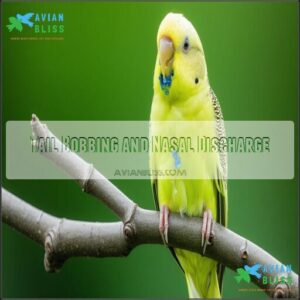
As you watch your feathered friend, notice how they breathe.
If their tail moves up and down with each breath, that’s tail bobbing – a clear sign of increased breathing effort and potential respiratory issues.
Watch for nasal discharge too. The discharge appearance may vary from clear to cloudy.
Check for nostril abnormalities like staining around them. For accurate severity assessment of bird respiratory signs, seek immediate action if you notice both tail bobbing and bird nasal discharge together.
Wheezing and Wet Breathing
While tail bobbing signals trouble, wheezing and wet breathing sounds are equally concerning indicators of respiratory distress in your feathered friend.
Listen carefully for these four lung sounds that suggest bird respiratory infection:
- Crackling noises during exhalation
- Whistling sounds with each breath
- Gurgling that indicates fluid buildup
- Clicking noises suggesting airway obstruction
Don’t wait for breathing difficulty to worsen—these bird cold symptoms often require an avian vet’s immediate attention for respiratory distress and can be signs of a serious bird respiratory infection.
Voice Changes and Tracheal Infections
Many birds with tracheal infections show noticeable voice changes—your feathered friend’s normal chirps or songs might suddenly sound hoarse or completely disappear.
This vocalization impact occurs because the syrinx function (the bird’s voice box) becomes compromised.
Respiratory infections can create mucus buildup or tracheal plugs that affect their ability to produce normal sounds.
Infection severity often correlates with how dramatically their voice changes, making this an important warning sign you shouldn’t ignore.
Respiratory System Anatomy
Your bird’s respiratory system works differently than yours, with unique air sacs and a special voice box called the syrinx instead of a larynx like humans have.
You’ll need to understand these differences to spot trouble early, as their thin-membraned air sacs make them especially vulnerable to respiratory infections.
Air Sacs and Thin Membranes

Your bird’s respiratory system works differently from yours.
Unlike mammals, birds have thin-membraned air sacs with poor blood supply, making them extremely vulnerable to pathogens. These delicate structures can easily suffer membrane damage when exposed to airborne threats.
Proper ventilation is essential to prevent air sacculitis, a serious condition where fungi and bacteria thrive in the warm, humid environment.
Understanding this avian respiratory system vulnerability helps you spot respiratory disease symptoms earlier. Birds achieve this with unidirectional airflow, utilizing a unique system to maintain respiratory health and prevent damage from airborne threats and respiratory disease.
Tracheal Protective Cells and Bacteria

While those thin membranes in air sacs are vulnerable, your bird’s trachea has its own defense system.
Specialized protective cells in the trachea act as frontline warriors against bacterial invasion. When damaged by viral infections, these cells can’t prevent bacteria from entering the respiratory system.
This breakdown in epithelial integrity often leads to peritonitis risk and potentially fatal air sacculitis.
Think of these cells as tiny bouncers keeping unwanted bacterial guests from causing respiratory infections.
Syrinx and Vocal Apparatus

Unlike humans with vocal cords, your bird has a special voice box called the syrinx at the bottom of its windpipe.
This unique avian anatomy feature works like two independent sound systems, allowing birds to produce complex songs and calls.
Changes in vocalization often signal respiratory integration problems, and when respiratory issues affect the syrinx function, you’ll notice different sounds during bronchial vocalization—an important warning sign to monitor, indicating potential respiratory issues.
Diagnosing Respiratory Disease
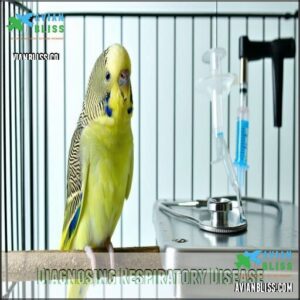
You’ll need a proper diagnosis from your vet to identify the specific cause of your feathered friend’s respiratory symptoms, which typically involves a physical exam, blood tests, and possibly x-rays.
Don’t wait until your bird is gasping for air or showing severe symptoms, as early detection through diagnostic testing can mean the difference between a simple treatment and a serious health crisis.
Physical Examination and History
Understanding your bird’s respiratory health starts with careful observation.
When visiting a veterinarian, they’ll conduct a thorough physical examination and review your pet’s history.
During the bird physical examination, the vet will assess:
- Initial observations of respiratory effort and bird tail bobbing
- Bird respiratory discharge from nostrils or eyes
- Environmental factors that might trigger symptoms
- Behavioral changes indicating discomfort
Previous treatments and diet analysis also provide essential diagnostic clues.
Early detection is key, as nebulization therapy can be very effective, leading to better avian care and health outcomes with proper veterinary guidance.
Blood Tests and Radiographs
Taking detective-like precision, your veterinarian will use blood tests and radiographs to solve your bird’s respiratory mystery.
Blood analysis can identify specific infections like chlamydiosis or aspergillosis, while revealing elevated white blood cells.
Bird radiographs show subtle early lesions that might progress to pneumonia.
These diagnostic tools offer remarkable accuracy when interpreted by skilled professionals, though bird radiographs have certain imaging limitations compared to mammals.
Don’t worry—this painless process helps pinpoint exactly what’s troubling your feathered friend.
Sinus Aspirates and Nasal Flushes
Beyond blood tests, your veterinarian might perform a sinus aspirate procedure or nasal flush technique to diagnose bird respiratory infections.
During these procedures, small samples are collected from your bird’s sinuses or nasal passages.
The sample analysis provides valuable diagnostic yield by identifying specific pathogens causing the illness.
While generally safe, these procedures do carry minimal complication risks and should only be performed by an experienced avian veterinarian.
Common Respiratory Pathogens
You’ll need to watch for common respiratory troublemakers like Mycoplasma, Infectious Bronchitis, and E. coli that can make your feathered friend sound like they’ve caught a bad cold.
These tiny invaders can quickly turn your chirpy companion into a sneezing, coughing mess, so knowing the warning signs helps you get treatment before things get serious, and deal with respiratory troublemakers effectively.
Mycoplasma Gallisepticum
With your diagnosis in hand, let’s talk about a common culprit: Mycoplasma gallisepticum. This sneaky bacteria causes chronic infection in birds, characterized by swollen sinuses, coughing, and foamy eyes.
Once infected, your feathered friend faces lifelong persistence of this pathogen. It’s especially troublesome because it impacts egg quality and spreads easily through your flock.
Disease transmission occurs through direct contact, making quarantine protocols essential for newcomers with avian respiratory infections.
Infectious Bronchitis and ILT
Infectious Bronchitis (IBV) and ILT are heavy hitters in avian respiratory infections.
IBV symptoms include coughing, oviduct damage, and severe respiratory disease caused by a coronavirus impact.
ILT prevention is key since tracheal plugs and bloody mucus can choke birds.
Both diseases spread rapidly, so quarantine and biosecurity are your best defenses to avoid these respiratory nightmares.
Early detection is essential, and nebulization therapy helps deliver medications directly.
E. Coli and Pasteurella
Within the complex world of bird respiratory issues, E. coli and Pasteurella often emerge as opportunistic invaders.
These bacteria typically strike after viral infections have weakened your bird’s defenses, causing more severe coughing and sneezing.
E. coli transmission commonly occurs through contaminated water, while Pasteurella spreads through bites or scratches.
Antibiotic resistance is becoming a concern, so preventative measures like clean environments are essential for avoiding these secondary infections, and understanding opportunistic invaders is crucial for effective prevention.
Preventing Respiratory Disease

You’ll keep your feathered friends breathing easy by maintaining good ventilation, regular coop cleaning, and promptly quarantining any new arrivals.
Proper stocking density prevents overcrowding, which, much like a packed subway car during flu season, substantially reduces the spread of respiratory pathogens among your birds, and this is crucial for maintaining their health and preventing the spread of diseases, thereby keeping them breathing easy.
Minimizing Stress and Stocking Density
Now that we’ve covered common respiratory pathogens, let’s look at how you can protect your birds through proper management.
Stress and overcrowding are major triggers for bird respiratory disease.
Your feathered friends need adequate space to maintain social harmony. When birds are packed too tightly, density impact includes increased infection rates and behavioral changes that signal distress.
For ideal bird respiratory health, follow the "wing-span rule" – each bird should be able to fully extend without touching neighbors, which helps reduce stress and overcrowding, and promotes social harmony and better respiratory health.
Quarantine and Vaccination
For protecting your flock from respiratory disease, quarantine and vaccination form your two best defensive plays.
Isolation keeps potential problems from spreading, while vaccines build immunity against common threats.
- Quarantine new birds for at least 30 days before introducing them to your flock
- Monitor quarantined birds daily for any respiratory symptoms
- Maintain separate equipment and clothing when handling isolated birds
Remember, proper vaccination schedules with appropriate vaccine types substantially reduce transmission risk in your birds.
Good Ventilation and Coop Cleaning
Beyond vaccines, your birds’ breathing health depends heavily on their living conditions. Good ventilation and regular cleaning dramatically reduce respiratory disease risks.
| Cleaning Task | Frequency | Benefits | Health Impact |
|---|---|---|---|
| Bedding change | Weekly | Reduces ammonia buildup | Prevents irritated airways |
| Air filter cleaning | Monthly | Improves air quality | Decreases coughing episodes |
| Dust removal | Bi-weekly | Controls airborne particles | Protects sensitive lungs |
| Coop disinfection | Quarterly | Cuts pathogen numbers | Strengthens respiratory defenses |
Proper airflow requires effective coop ventilation. Remember, birds’ respiratory systems are incredibly efficient but also vulnerable. You wouldn’t want to breathe dusty air all day, and neither do they! Proper ventilation and cleaning are crucial for their health.
Treating Respiratory Disease
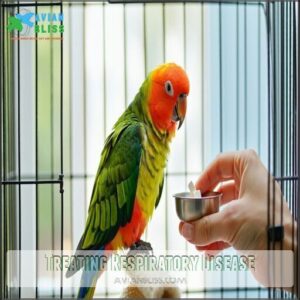
You’ll need to act quickly when your feathered friend shows signs of respiratory distress, as early treatment substantially improves recovery chances.
Whether you’re using prescribed antibiotics from your vet or supporting their recovery with appropriate home remedies, consistent care will help your bird breathe easier and return to their chatty, energetic self.
Antibiotics and Medication
Now that you’ve set up proper prevention measures, let’s talk about when medication becomes necessary.
Antibiotics are often needed to treat bird respiratory infections, but they must be used correctly to avoid antibiotic resistance.
When treating your sneezing or coughing bird with antibiotics:
- Always complete the full prescribed course, even if symptoms improve
- Calculate dosage based on your bird’s exact weight
- Learn proper administration methods (water, food, or direct)
- Monitor for medication side-effects like lethargy or digestive issues
Selecting the correct bird antibiotic products is essential for effective treatment. Bird flu treatment requires veterinary prescription antibiotics – don’t self-medicate your feathered friend!
Home Remedies and Natural Treatments
While medications are often necessary, natural remedies can provide additional support for your bird’s respiratory health.
Try adding garlic and turmeric to your feathered friend’s feed—both have impressive anti-inflammatory properties.
A drop of oregano oil in water offers natural antibiotic benefits, while a tiny dab of Vicks near (not on) their cage can help clear congested sinuses.
Remember, supportive care with proper nutrition and a clean environment complements these bird illness treatments.
Veterinary Care and Consultation
While natural remedies can help, knowing when to seek professional avian veterinary care is essential.
Don’t hesitate to call your bird veterinarian when symptoms persist or worsen.
- Emergency signs include labored breathing, tail bobbing, and extreme lethargy
- Specialist referrals may be necessary for complex respiratory cases
- Diagnostic costs typically range from $100-300 depending on tests needed
- Medication options are best determined by a qualified vet
- Follow-up care guarantees your feathered friend recovers completely
Managing Respiratory Health
You’ll need to monitor your feathered friend’s breathing patterns daily and provide a clean, well-ventilated environment to prevent respiratory issues before they start.
Regular check-ups with an avian vet, combined with a vitamin-rich diet, will strengthen your bird’s respiratory defenses against common threats that could turn a simple sneeze into something more serious.
Monitoring for Signs of Illness
Every day, check your bird for subtle avian respiratory issues.
Watch for behavioral changes like reduced activity or unusual quietness.
Early detection saves lives!
Monitor if they stay on perches normally and maintain appetite watch – decreased eating is a red flag.
Examine feather condition for fluffing (a common sick bird symptom).
Listen for breathing changes and note if droppings look different.
Ruffled feathers may indicate illness.
Bird symptoms often appear gradually, so consistent observation is essential.
This helps in early detection and saves lives by allowing for prompt intervention, which is critical for the bird’s health.
Providing Proper Nutrition and Environment
Now that you’re spotting potential illness signs, let’s focus on what your feathered friends need to thrive and breathe easy.
Proper nutrition and environment directly impact bird health and respiratory function.
A bird’s diet must include:
- Vitamin A-rich foods to maintain respiratory tract health
- Fresh vegetables and fruits (not just seeds)
- Clean, filtered water changed daily
Consider products for birds to supplement their diet.
Keep air quality pristine through regular coop cleaning and maintain appropriate stocking density to reduce stress. Your birds’ lungs will thank you!
Regular Check-Ups and Preventative Care
Vigilance is your bird’s best defense against respiratory issues.
Schedule annual exams with an avian vet for early detection of potential problems. Between visits, maintain proper hygiene practices and environmental control by regularly cleaning cages and ensuring good ventilation.
Nutritional support through vitamin-rich diets strengthens your feathered friend’s immune system. Remember, prevention beats treatment every time in bird care—your vet’s advice is worth its weight in seed, emphasizing the importance of annual exams.
Frequently Asked Questions (FAQs)
Is bird sneezing contagious to humans?
Less than 5% of bird respiratory diseases can infect humans.
Most bird sneezing isn’t contagious to you, but specific pathogens like avian influenza and psittacosis can cross species.
Wash your hands after handling sneezing birds, as this is a key precaution to prevent the spread of psittacosis.
How quickly should treatment begin after symptoms?
You should seek treatment for your bird immediately after noticing respiratory symptoms.
Don’t wait! Early intervention prevents complications and increases recovery chances, especially with symptoms like tail bobbing or labored breathing.
Can respiratory issues recur after treatment?
Like a stubborn houseguest, respiratory issues in birds can return even after treatment.
You’ll need to monitor your bird closely, as some pathogens like Mycoplasma and ILT remain in the system lifelong, reactivating during stress.
Do indoor birds need humidity control?
Yes, your indoor birds need humidity control.
They’ll thrive in 40-60% humidity, which prevents respiratory issues and keeps their skin healthy.
Too dry or too humid environments can stress their delicate respiratory systems, causing stress to their overall health.
Are some bird species more susceptible?
Roughly 40% of pet birds show respiratory vulnerabilities.
Budgies, African Greys, and Amazons are particularly susceptible due to their anatomical features.
You’ll notice Cockatiels and small finches often struggle in dry or contaminated environments.
Conclusion
When you spot your feathered friend sneezing and coughing, remember that you’re their first line of defense.
Like canaries in coal mines, birds signal trouble through respiratory symptoms that demand immediate attention.
Don’t wait until tail bobbing or labored breathing appears.
By recognizing these warning signs early and seeking prompt veterinary care, you’ll help guarantee your bird breathes easy for years to come.
Your vigilance is the best medicine for bird sneezing and coughing.