This site is supported by our readers. We may earn a commission, at no cost to you, if you purchase through links.
 You’re facing avian bacterial infections when harmful bacteria invade your bird’s respiratory system, digestive tract, or other organs. These infections affect pet birds, chickens, and wild species, especially under poor husbandry conditions or stress. Gram-negative bacteria like Klebsiella and Pseudomonas are common culprits that spread through contaminated food, water, or direct contact.
Watch for labored breathing, nasal discharge, diarrhea, and reduced appetite. Unlike viral infections, bacterial diseases respond well to targeted antimicrobial therapy when diagnosed early through bacterial culture and sensitivity testing.
Prevention beats treatment every time—proper hygiene, quarantine procedures, and stress reduction create your first line of defense. Understanding the specific bacterial species involved unlocks the most effective treatment strategies.
Table Of Contents
Key Takeaways
- You’ll recognize bacterial infections through respiratory signs like labored breathing, nasal discharge, diarrhea, and reduced appetite—these symptoms require immediate veterinary attention and respond well to targeted antibiotic treatment.
- You can prevent most infections by maintaining proper hygiene, quarantining new birds for at least 30 days, reducing stress factors, and keeping food and water sources clean to stop gram-negative bacteria like Klebsiella from spreading.
- You need bacterial culture and sensitivity testing to identify the specific pathogen and choose effective antibiotics—don’t guess at treatment since antimicrobial resistance is increasing in avian bacteria.
- You’re at risk of catching zoonotic diseases like psittacosis from infected birds, so wear protective equipment, practice good hand hygiene, and maintain proper ventilation when handling sick birds.
What Are Avian Bacterial Infections?
Avian bacterial infections occur when harmful bacteria invade your bird’s body, causing disease that can affect the respiratory system, digestive tract, or other organs.
You’ll encounter these infections most commonly in pet birds with poor husbandry conditions, though wild birds and poultry can also be affected by various gram-negative and gram-positive bacterial pathogens.
Definition and Key Characteristics
Avian bacterial infections occur when harmful bacteria invade your bird’s body systems, disrupting normal bird flora balance. These infections involve gram-negative bacteria like Klebsiella and gram-positive bacterial pathogens such as Streptococcus.
Disease factors include poor husbandry, stress, and weakened immunity. Unlike viral infections, bacterial diseases respond to targeted antimicrobial therapy when diagnosed early.
Commonly Affected Bird Species
Different bird groups face varying levels of bacterial infection risk. Commercial poultry like turkeys, partridges, and pheasants show high susceptibility to specific bacterial pathogens, while pet birds often develop infections due to improper husbandry. Wild bird populations can become carrier birds, spreading bacterial diseases through natural migration patterns.
- Domestic chickens and turkeys experiencing severe respiratory distress in crowded barns
- Exotic parrots in pet stores developing intestinal infections from contaminated water bowls
- Migratory waterfowl carrying bacterial flora across vast continental flyways
- Captive zoo birds showing weakened species resistance due to stress and confinement
Companion birds face particular challenges with their normal bacterial flora becoming pathogenic under stress. Understanding poultry susceptibility helps identify which species require enhanced biosecurity measures to prevent bacterial infection outbreaks.
Differences From Viral and Fungal Infections
Bacterial infections create distinct patterns that you’ll recognize through specific diagnostic markers. Unlike viral diseases that often resolve spontaneously, bacterial infections usually require antimicrobial therapy and show rapid response to appropriate treatment approaches.
Coinfection risks increase when immune response becomes compromised, creating diagnostic challenges that distinguish bacterial from fungal pathogens. Respiratory infections from bacteria produce different cytologic findings than viral causes, while systemic disease progression varies substantially.
Bacterial diseases often carry greater zoonotic potential compared to most fungal infections, requiring different prevention strategies and long-term effects monitoring in affected avian populations.
Causes and Transmission in Birds

You’ll encounter bacterial infections in birds through multiple pathways, including gram-negative pathogens like Klebsiella and Pseudomonas that thrive in poor husbandry conditions.
These infections spread through direct contact between birds, contaminated food and water sources, airborne droplets, and vertical transmission from parent birds to their offspring through infected eggs.
Gram-Negative Vs. Gram-Positive Bacteria
Think of bacterial cell walls like different house designs – they determine how infections spread and resist treatment. Gram-negative bacteria have double-layered walls with lipopolysaccharides, making them tougher against antibiotics and more virulent. Gram-positive bacteria possess thick peptidoglycan walls but lack outer membranes.
Gram staining helps identify these bacterial types in your bird’s samples, guiding targeted treatment decisions. Some gram-positive bacteria, however, can cause serious foodborne illnesses due to toxins.
Environmental and Husbandry Factors
Poor hygiene practices create breeding grounds for harmful bacteria in your bird’s environment. Overcrowding effects worsen disease transmission, while nutritional impact from inadequate diets weakens immune systems. Stress factors like environmental stress reduce resistance to infection.
Maintain ventilation quality, disinfect cage surfaces regularly, provide a nutritionally balanced diet, and schedule routine veterinary visits to minimize emotional stress.
Vertical and Horizontal Transmission Routes
Understanding how bacteria spread between birds helps you protect your flock from avian diseases. Transmission occurs through multiple pathways that affect bacterial flora and introduce gram-negative bacteria into healthy populations.
- Egg Transmission – Parent birds pass intracellular bacterial pathogens directly to chicks through infected eggs
- Airborne Spread – Respiratory droplets carry bacteria between birds in close quarters
- Fecal-Oral Route – Contaminated droppings spread bacterial diseases through shared food and water sources
- Vector Transmission – Insects and rodents transport pathogens between different bird populations, creating water contamination risks
Symptoms and Impact on Bird Health
You’ll notice bacterial infections in your birds through respiratory signs like labored breathing and nasal discharge, along with digestive symptoms such as diarrhea and reduced appetite.
These infections can progress to systemic disease, affecting multiple organ systems and potentially causing neurological complications that threaten your bird’s overall health and survival.
Respiratory and Digestive Signs
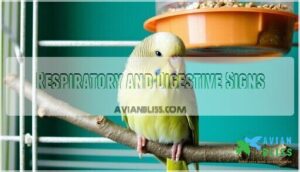
When avian bacterial infections strike, you’ll notice tell-tale respiratory and digestive symptoms that signal trouble. Respiratory infections cause dyspnea and cyanosis, making breathing labored.
E. coli and Salmonella trigger digestive symptoms including vomiting and diarrhea. You’ll see appetite changes, weight loss, and fecal abnormalities that indicate bacterial overgrowth affecting your bird’s system.
Systemic and Neurological Effects
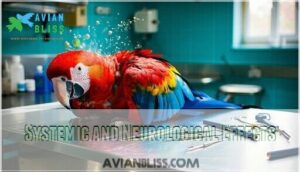
When bacteria spread beyond their initial infection site, you’ll see your bird develop systemic disease that affects multiple organs.
Septicemia occurs when bacteria enter the bloodstream, causing organ damage throughout the body. Neurological symptoms like seizures, head tilting, or loss of coordination indicate nervous system infections.
Bacterial toxin production can overwhelm your bird’s immune response, leading to shock and potentially fatal complications requiring immediate antimicrobial treatment.
Economic and Ecological Consequences

Financial devastation hits the poultry industry when bacterial infections spread, causing billions in losses annually. These avian infections disrupt delicate ecosystem balance, affecting ecological roles of wild birds while threatening conservation efforts through disease transmission. Zoonotic spillover risks create public health concerns, disrupting natural avian interactions across habitats globally.
Diagnosis and Laboratory Methods
When you suspect bacterial infection in your bird, proper diagnosis requires systematic evaluation through clinical examination and laboratory testing.
You’ll need cytologic analysis and bacterial culture to identify the specific pathogen and determine the most effective antimicrobial treatment.
Clinical Signs and Physical Examination
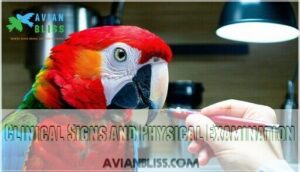
When examining sick birds, you’ll observe specific clinical signs that point toward bacterial infections. Look for behavioral changes like lethargy, decreased appetite, and abnormal posture.
Physical examination reveals feather changes, lesion appearance on skin or mucous membranes, and palpation findings such as enlarged organs.
Auscultation results may show abnormal respiratory sounds, helping identify infection sites before cytologic examination confirms your diagnostic suspicions.
Cytologic and Culture Techniques
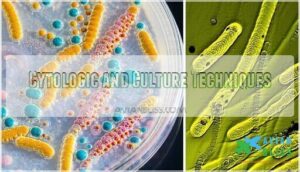
Once you’ve gathered clinical signs, laboratory testing becomes your roadmap. You’ll use five key techniques for accurate diagnosis:
- Sample collection from affected tissues using sterile swabs or aspiration
- Gram staining to distinguish bacterial types and guide initial treatment
- Culture media selection for aerobic and anaerobic bacterial growth
- Sensitivity testing to determine effective antimicrobial options
- Cytologic examination to assess cellular responses and infection severity
These methods work together, though interpretation challenges may arise with mixed infections. For poultry, labs often perform aerobic and anaerobic cultures for bacterial identification.
Identifying Bacterial Pathogens

How do you pinpoint the exact culprit behind your bird’s illness? Gram staining provides the first clue, revealing whether you’re dealing with gram-negative bacteria or gram-positive bacterial pathogens.
Culture media grows specific organisms, while antimicrobial sensitivity testing guides treatment choices.
Molecular diagnostics like PCR offer rapid, precise pathogen identification when traditional culture methods fall short.
Treatment and Prevention Strategies
When you’ve identified a bacterial infection in your bird, you’ll need to follow specific antimicrobial therapy based on culture and sensitivity results.
Effective prevention requires strict biosecurity measures, proper husbandry practices, and awareness of zoonotic risks that can affect both you and your feathered companion.
Antimicrobial Therapy and Resistance
Once you’ve identified the bacterial pathogen, selecting the right antimicrobial therapy becomes your next challenge. Antimicrobial resistance in avian bacteria is rising, making drug selection and therapy duration critical decisions. You’ll need to take into account resistance mechanisms when choosing antibiotics.
- Fluoroquinolones like enrofloxacin work well for respiratory infections
- Tetracyclines remain first-choice for chlamydiosis treatment
- Combination antimicrobial therapy helps combat resistant strains
- Probiotic use aids recovery and reduces resistance development
Biosecurity and Husbandry Practices
Good biosecurity starts with proper hygiene protocols and quarantine procedures for new avian hosts.
You’ll want to minimize stress reduction factors that weaken birds’ natural defenses against gram-negative bacteria and gram-positive bacterial pathogens.
Consider implementing probiotic use alongside antimicrobial treatments to restore healthy gut flora and boost immunity in your flock.
Zoonotic Risks and Public Health
Beyond farm biosecurity, you face real risks when zoonotic infections jump from birds to humans. Chlamydia psittaci causes psittacosis, affecting 19% of birds and 13% of owners in breeding facilities. Human transmission occurs through respiratory droplets and direct contact, making veterinary oversight and disease monitoring critical for public health protection.
Zoonotic bird diseases like psittacosis pose serious transmission risks from infected birds to their human caretakers through respiratory contact
Key zoonotic prevention measures:
- Use personal protective equipment when handling sick birds
- Practice strict hand hygiene after bird contact
- Maintain proper ventilation in bird housing areas
- Report suspected outbreaks to health authorities immediately
- Screen at-risk workers regularly for respiratory symptoms
Frequently Asked Questions (FAQs)
How long do bacterial infections take to develop?
Bacterial infections usually develop within 24 to 72 hours after exposure, though you’ll notice symptoms can appear anywhere from hours to several days depending on the specific bacteria and your immune response.
Can birds recover without antibiotic treatment?
While some birds can fight off mild bacterial infections naturally, most need antibiotics to recover fully.
Without treatment, infections often worsen, spread systemically, and become life-threatening, especially in young or stressed birds.
Which antibiotics work best for different infections?
Wondering which antibiotic saves the day? You’ll need enrofloxacin for gram-negative bugs, doxycycline combats chlamydia infections, while combination therapy works best for serious mycobacterial cases requiring months-long treatment.
Do wild birds spread infections to pets?
Yes, wild birds can transmit bacterial infections to your pet birds through direct contact, contaminated food, water, or surfaces.
Keep feeders clean and limit your pet’s exposure to wild bird areas.
When should infected birds be quarantined immediately?
Immediately quarantine birds showing respiratory distress, discharge from eyes or beak, lethargy, loss of appetite, or unusual behavior. Quick isolation prevents spread to healthy birds.
Conclusion
Consider Maya’s parrot, Charlie, who suddenly developed labored breathing and green discharge after she introduced new birds without proper quarantine. Within days, bacterial cultures confirmed Klebsiella pneumoniae infection.
You’ll face similar challenges with avian bacterial infections, but early detection and proper antimicrobial therapy make recovery possible.
Remember that prevention through good hygiene, quarantine protocols, and stress reduction remains your most effective strategy. When bacterial infections strike your feathered companions, quick action and veterinary guidance guarantee the best outcomes for their health and longevity.
- https://www.frontiersin.org/journals/veterinary-science/articles/10.3389/fvets.2024.1474549/full
- https://pmc.ncbi.nlm.nih.gov/articles/PMC9500992/
- https://www.merckvetmanual.com/exotic-and-laboratory-animals/pet-birds/bacterial-diseases-of-pet-birds
- https://www.health.nsw.gov.au/Infectious/factsheets/Pages/avian-chlamydiosis.aspx
- https://www.harrisonsbirdfoods.com/wp-content/uploads/2024/03/434-456-Ch17-Antimicrobial-Therapy.pdf